Why do gemology labs sometimes have different gem origin opinions, especially for sapphires? Learn the science and history behind the debate.
18 Minute Read
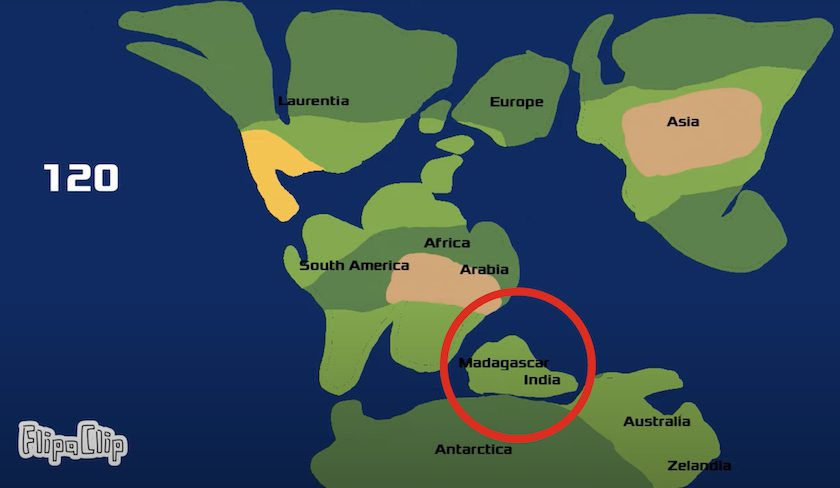
Earth’s geology has a highly mobile history. Greenland was a tropical paradise two hundred million years ago. Madagascar, Sri Lanka, and India were connected one hundred twenty million years ago.
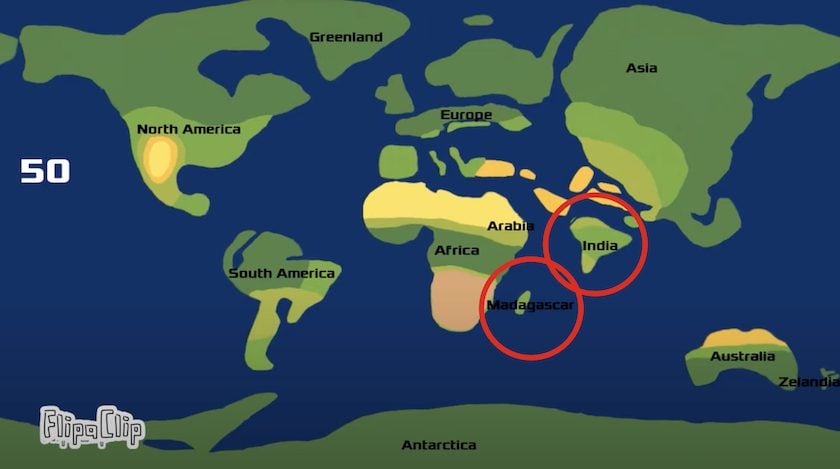
When they separated, the land mass that moved northeast became the Indian subcontinent, with the island of Sri Lanka trailing along. Madagascar moved northwest, following the new continent of Africa.
With this knowledge, we can begin to understand how and why well-respected gemological laboratories disagree on gemstone origins from time to time.
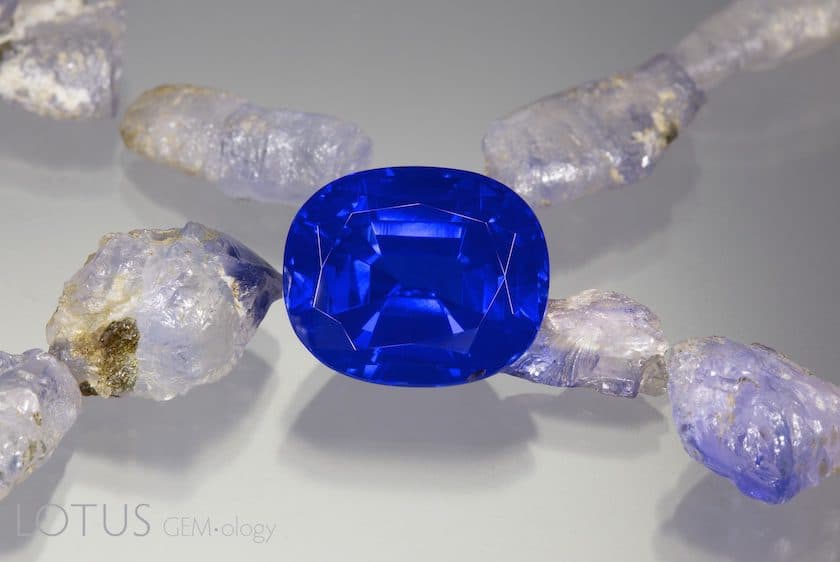
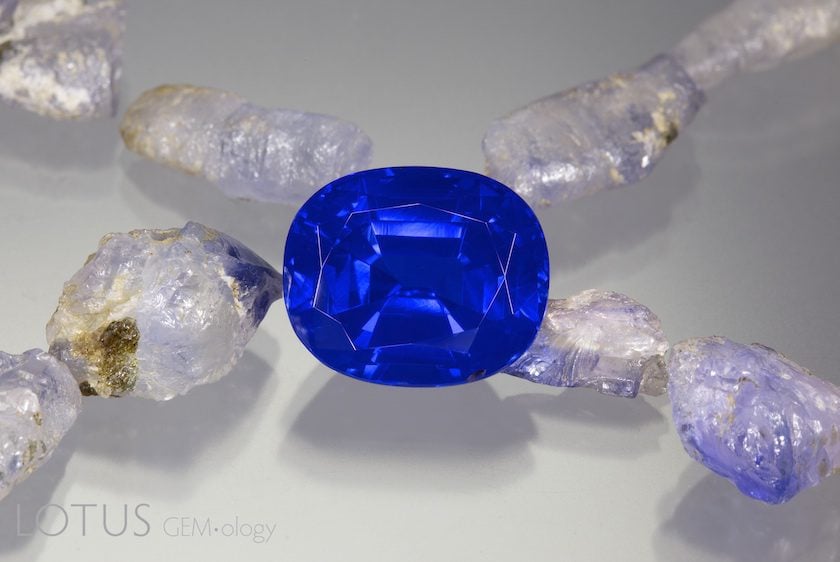
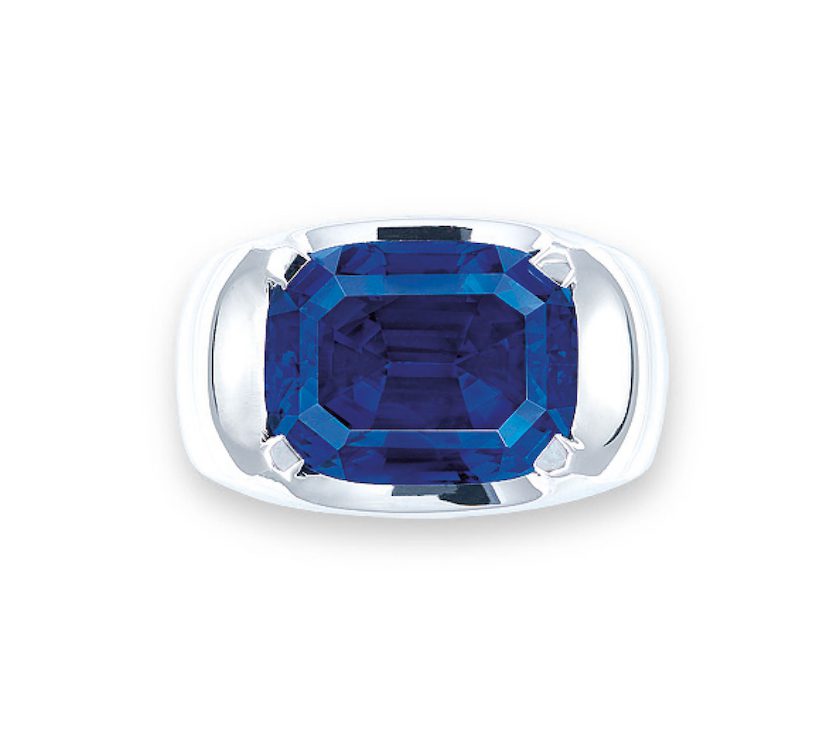
For gem labs, correctly determining the origins of sapphires presents a significant challenge. The rest of the “Big Three,” emeralds and rubies, just don’t compare. Nowhere is this more obvious than at the occasional sapphire auction with multiple origin opinions from highly respected gem labs. The most notorious example would be this 18.08-ct, unheated natural sapphire offered at Christie’s Hong Kong Magnificent Jewels auction on December 1, 2015.

When you join the IGS community, you get trusted diamond & gemstone information when you need it.
Earth’s geology has a highly mobile history. Greenland was a tropical paradise two hundred million years ago. Madagascar, Sri Lanka, and India were connected one hundred twenty million years ago.
When they separated, the land mass that moved northeast became the Indian subcontinent, with the island of Sri Lanka trailing along. Madagascar moved northwest, following the new continent of Africa.
With this knowledge, we can begin to understand how and why well-respected gemological laboratories disagree on gemstone origins from time to time.
For gem labs, correctly determining the origins of sapphires presents a significant challenge. The rest of the “Big Three,” emeralds and rubies, just don’t compare. Nowhere is this more obvious than at the occasional sapphire auction with multiple origin opinions from highly respected gem labs. The most notorious example would be this 18.08-ct, unheated natural sapphire offered at Christie’s Hong Kong Magnificent Jewels auction on December 1, 2015.

Why do gemology labs sometimes have different gem origin opinions, especially for sapphires? Learn the science and history behind the debate.

“I have never known or heard of an organization that offers so much for its members, and at such a low cost.”
— Ernest Roisch, Rainbow Rocks LTD
That's less than $0.01 per article. Get instant access to 1,700+ premium articles, courses, and gem pricing data.