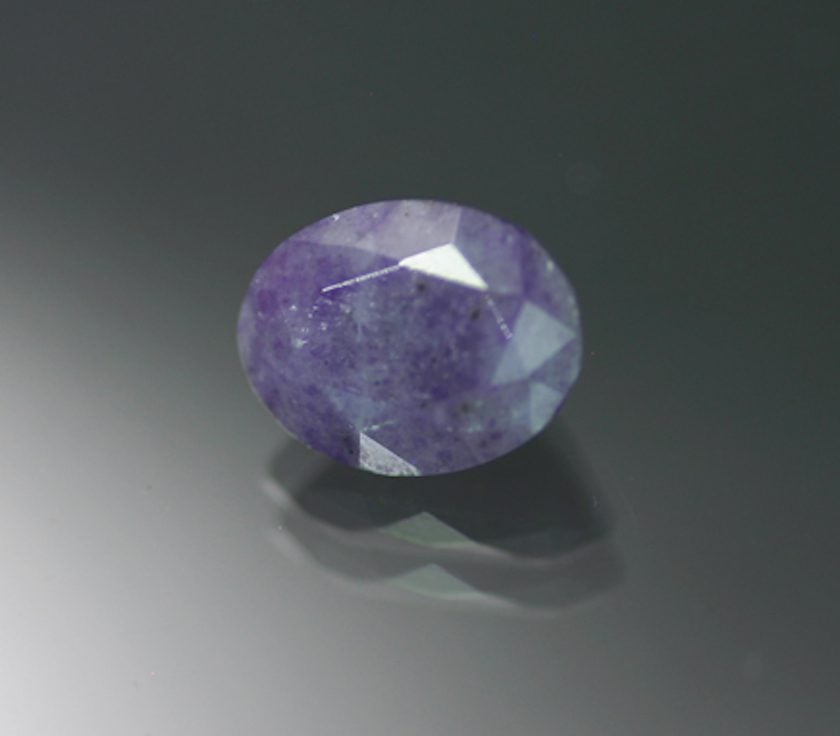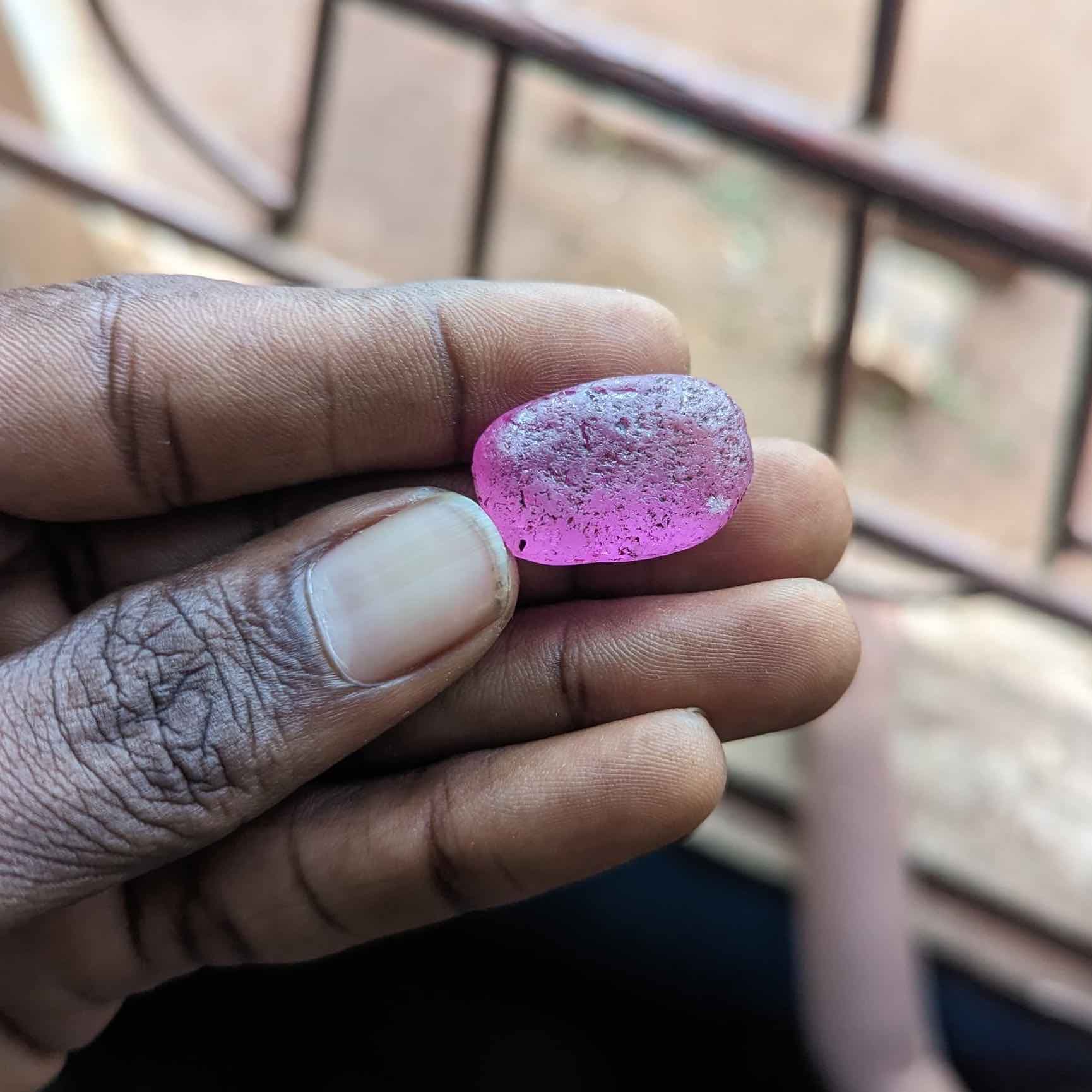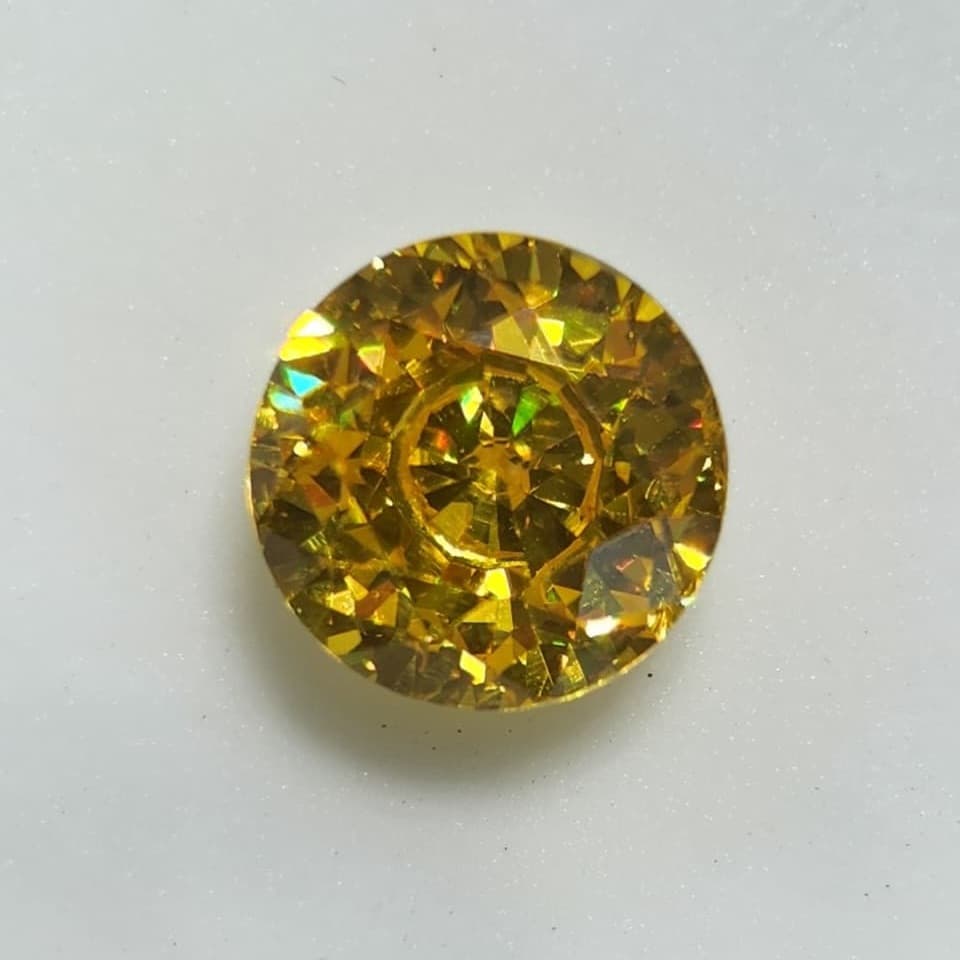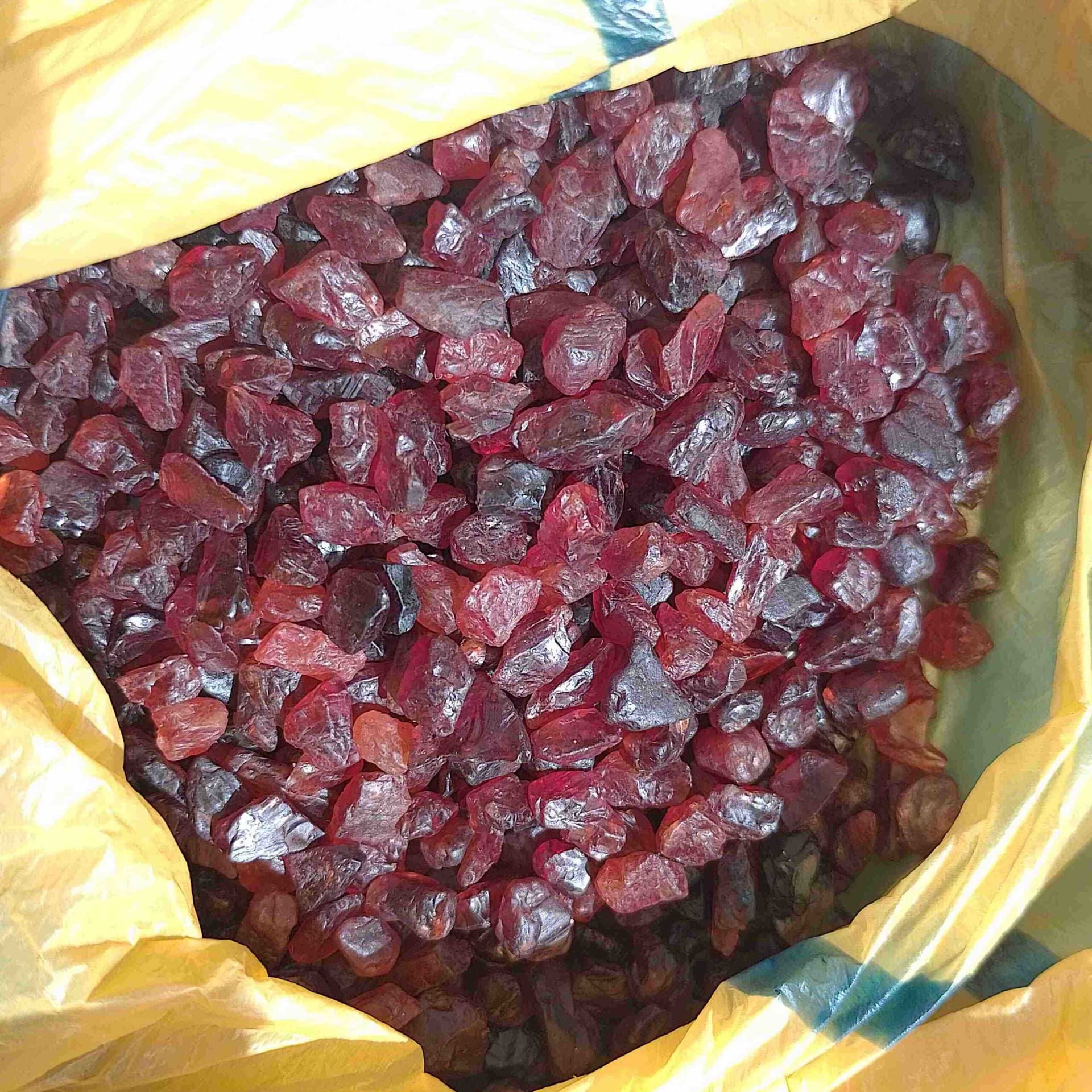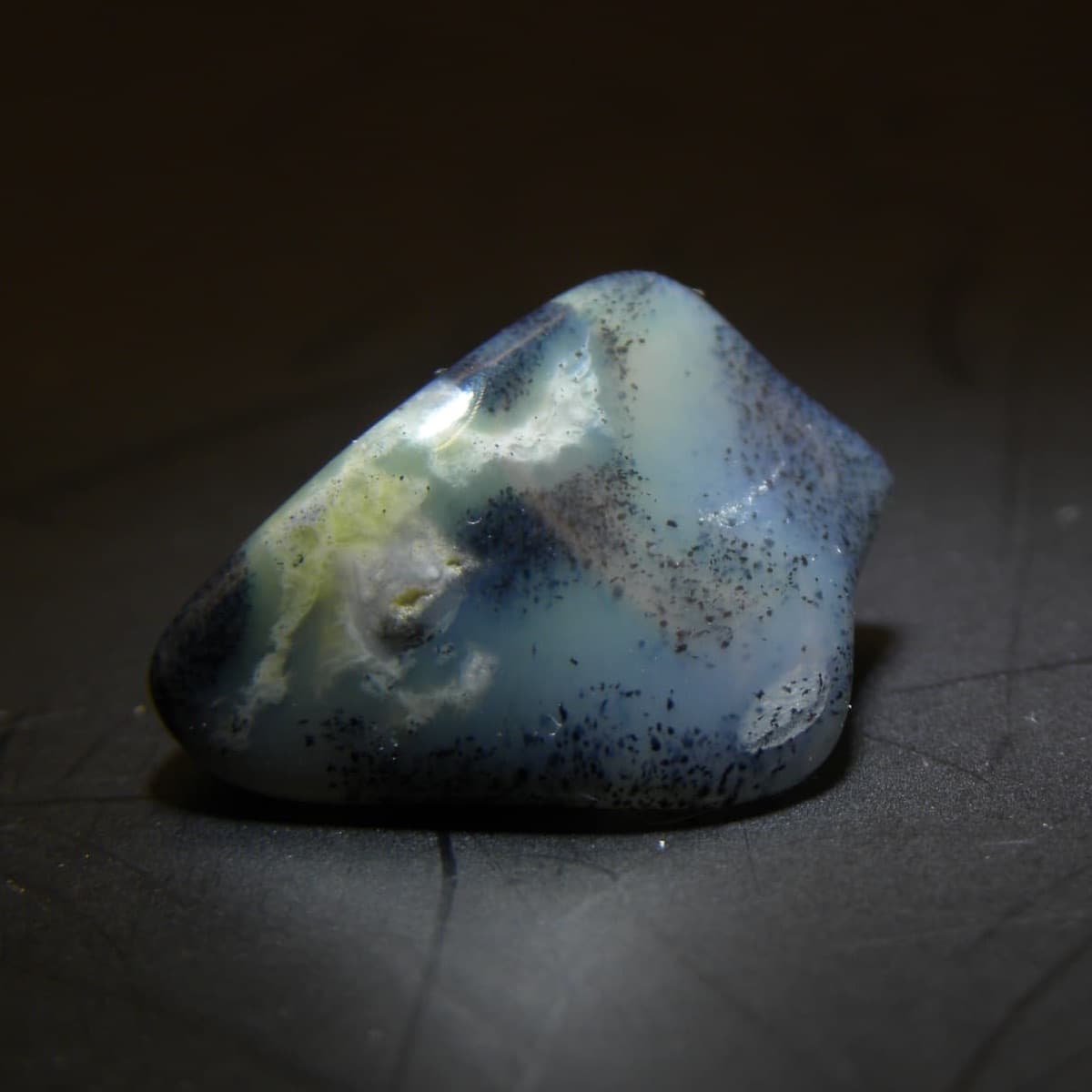
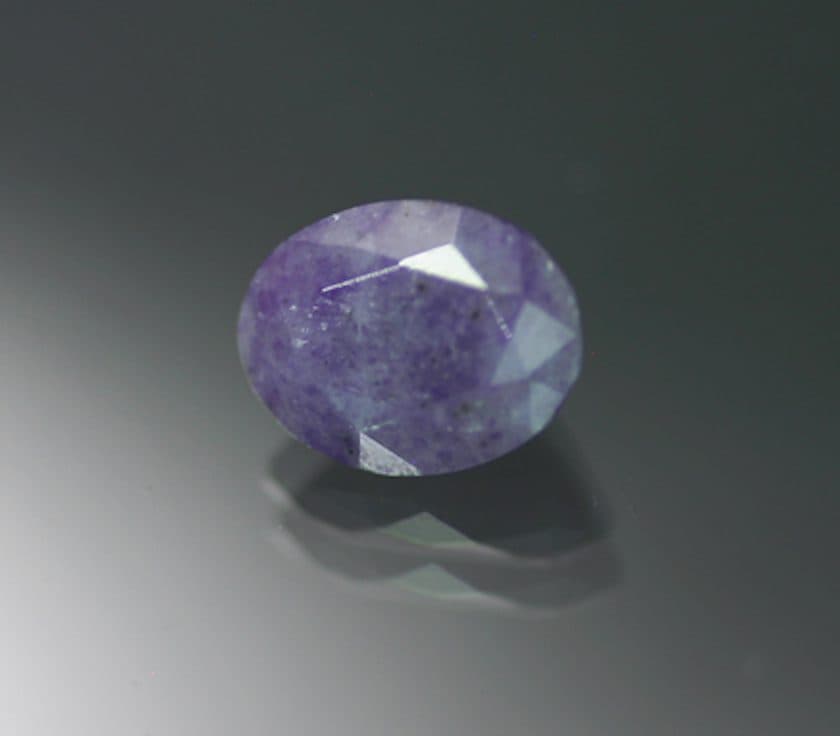
An attractive but uncommon mineral, spurrite has seldom been cut as a gemstone. However, it has the hardness and tenacity to be used for cabochons.
2 Minute Read
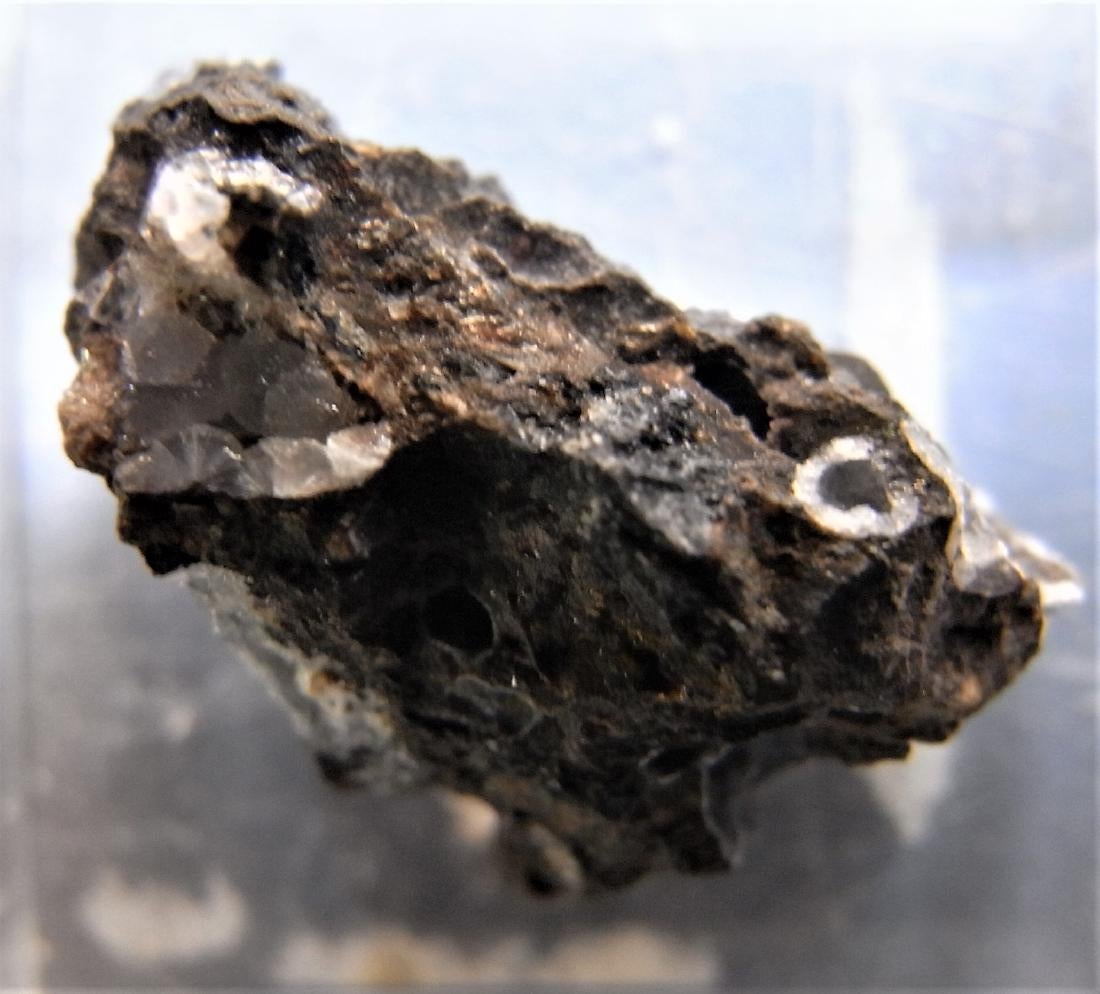
In 1986, polished slabs of spurrite as well as rough material appeared in substantial quantities at a mineral show. This translucent to opaque material from Mexico had medium to dark purple colors. Since then, other sources have been discovered, but the material is still rarely encountered in the gem trade.
You're more likely to find a spurrite in a mineral collection, if at all, than a jewelry collection. With a hardness of 5 and distinct cleavage, any cut spurrites should receive protective settings in rings. Other jewelry use, such as necklaces or brooches, should pose no exceptional risks to these stones.
Faceted spurrites are extremely rare. The few pieces lapidaries do work usually become cabs, beads, and decorative items.
Some older gemological reference materials identify paraspurrite as a polymorph of spurrite. However, in 2010, the International Mineralogical Association (IMA) Commission on New Minerals, Nomenclature, and Classification (CNMNC) discredited paraspurrite as a species. Any materials identified as paraspurrites are spurrites.
When tested in gem labs, spurrites have shown some variation in their fluorescence. Some stones have shown green cathodoluminescence under a beam of electrons as well as green luminescence under shortwave (SW) ultraviolet (UV) light.
Others spurrites have shown different results. In 2004, the GIA tested a specimen that proved inert under SW UV but showed light blue luminescence under longwave (LW) UV. Other specimens examined showed pinkish-orange and orange cathodoluminescence. Since these specimens were aggregate minerals, the researchers speculated that some of the components in the specimens could have affected their cathodoluminescence.
Scientists have synthesized spurrites for research purposes, but there's no known jewelry use for this lab-made material. There are no known treatments for these gemstones.
The best known sources for gem material are the Velardeña mining district, Durango, Mexico and Okayama Prefecture, Japan.
Other notable sources include the following:
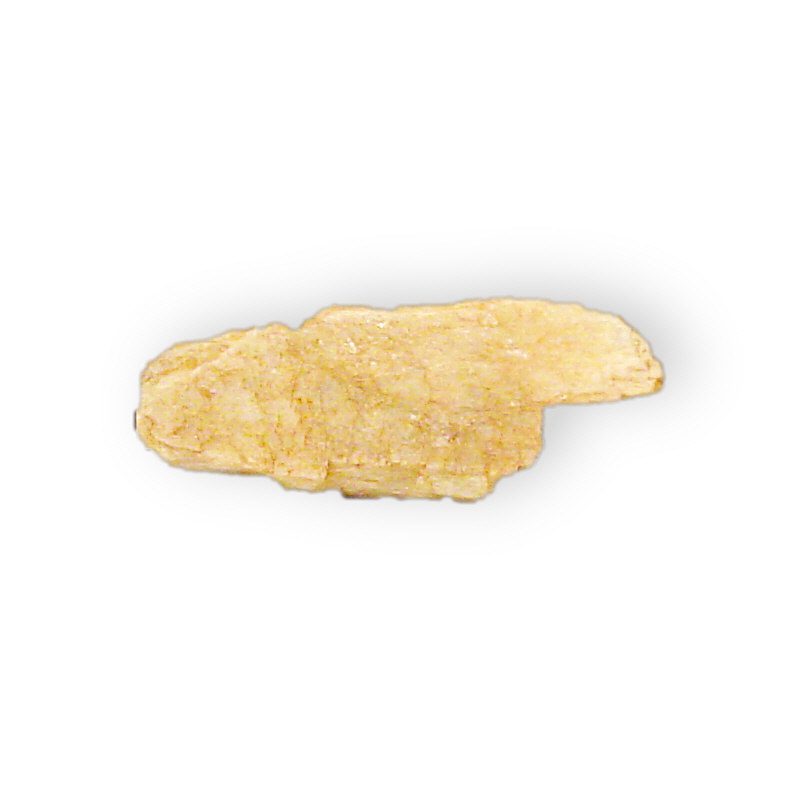
Resist the temptation to just wipe dust and grit off these gems or decorative objects. Spurrites have a lower hardness than household dust (7), which will scratch them. Wash these pieces with a soft brush, mild detergent, and warm water.
For more recommendations, consult our gemstone jewelry care guide.

When you join the IGS community, you get trusted diamond & gemstone information when you need it.
In 1986, polished slabs of spurrite as well as rough material appeared in substantial quantities at a mineral show. This translucent to opaque material from Mexico had medium to dark purple colors. Since then, other sources have been discovered, but the material is still rarely encountered in the gem trade.
You're more likely to find a spurrite in a mineral collection, if at all, than a jewelry collection. With a hardness of 5 and distinct cleavage, any cut spurrites should receive in rings. Other jewelry use, such as necklaces or brooches, should pose no exceptional risks to these stones.
Faceted spurrites are extremely rare. The few pieces lapidaries do work usually become cabs, beads, and decorative items.
Some older gemological reference materials identify paraspurrite as a polymorph of spurrite. However, in 2010, the International Mineralogical Association (IMA) Commission on New Minerals, Nomenclature, and Classification (CNMNC) discredited paraspurrite as a species. Any materials identified as paraspurrites are spurrites.
When tested in gem labs, spurrites have shown some variation in their fluorescence. Some stones have shown green cathodoluminescence under a beam of electrons as well as green luminescence under shortwave (SW) ultraviolet (UV) light.
Others spurrites have shown different results. In 2004, the GIA tested a specimen that proved inert under SW UV but showed light blue luminescence under longwave (LW) UV. Other specimens examined showed pinkish-orange and orange cathodoluminescence. Since these specimens were aggregate minerals, the researchers speculated that some of the components in the specimens could have affected their cathodoluminescence.
Scientists have synthesized spurrites for research purposes, but there's no known jewelry use for this lab-made material. There are no known treatments for these gemstones.
The best known sources for gem material are the Velardeña mining district, Durango, Mexico and Okayama Prefecture, Japan.
Other notable sources include the following:
Resist the temptation to just wipe dust and grit off these gems or decorative objects. Spurrites have a lower hardness than household dust (7), which will scratch them. Wash these pieces with a soft brush, mild detergent, and warm water.
For more recommendations, consult our gemstone jewelry care guide.


An attractive but uncommon mineral, spurrite has seldom been cut as a gemstone. However, it has the hardness and tenacity to be used for cabochons.