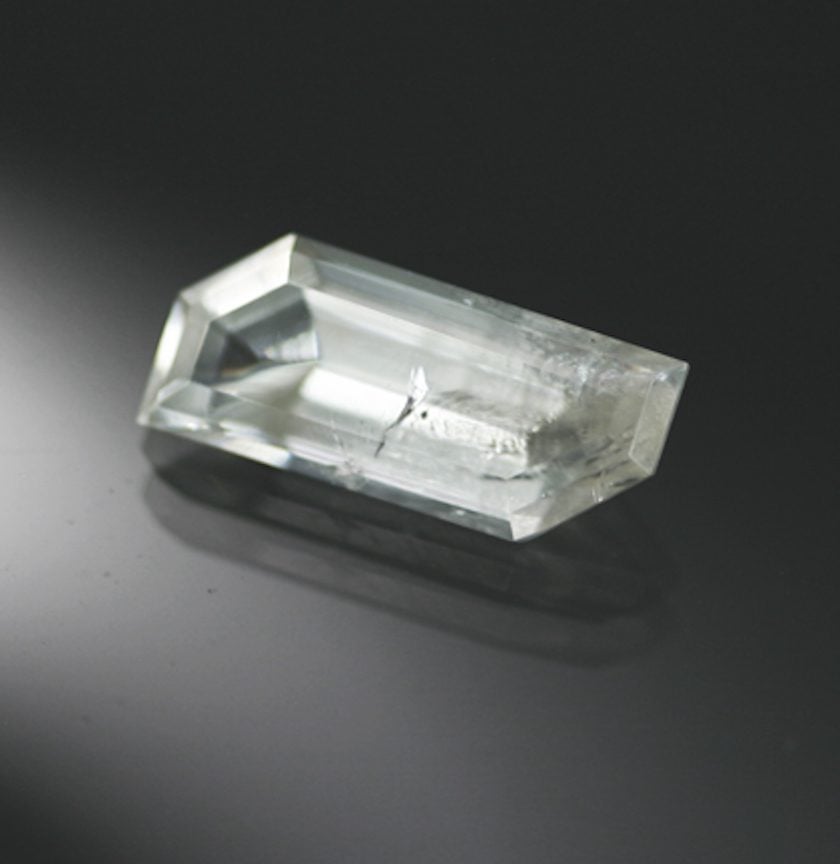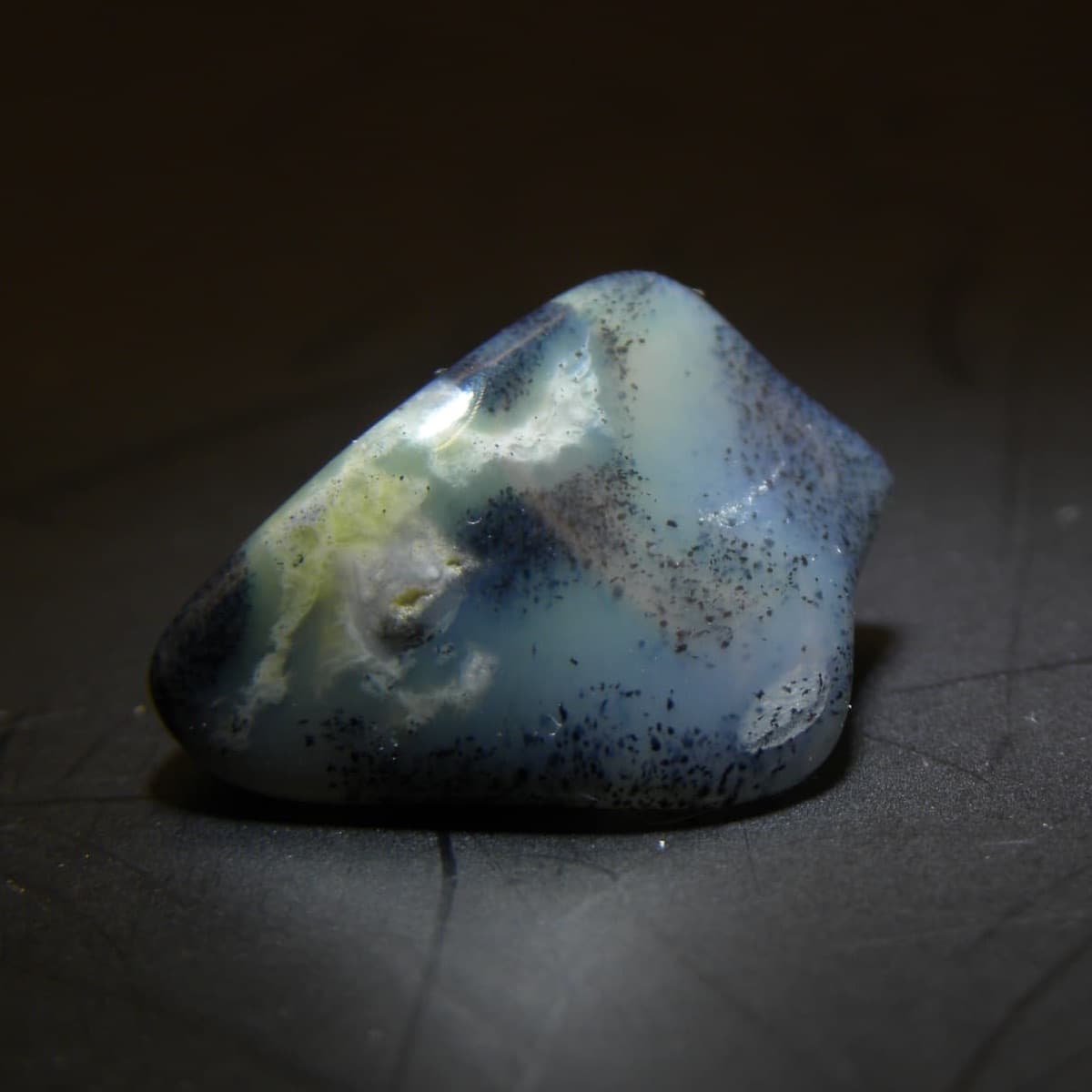
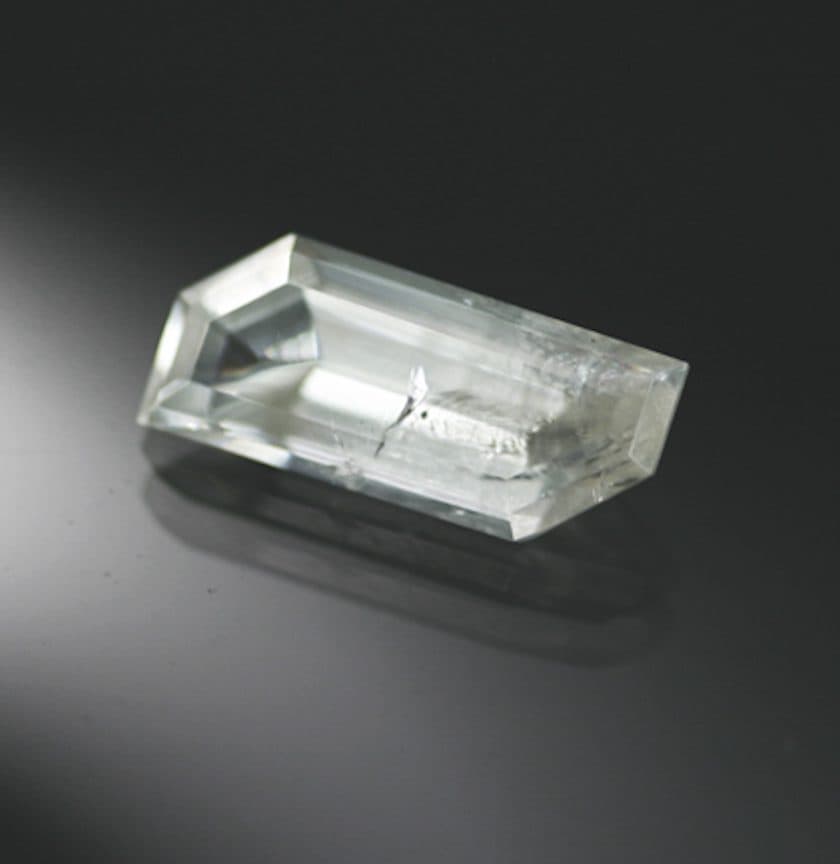
Seldom seen even in mineral collections, whewellite is very rarely faceted. It’s mostly desired as a curiosity because of its scarcity, chemical composition, and unusual — sometimes organic — origins.
1 Minute Read
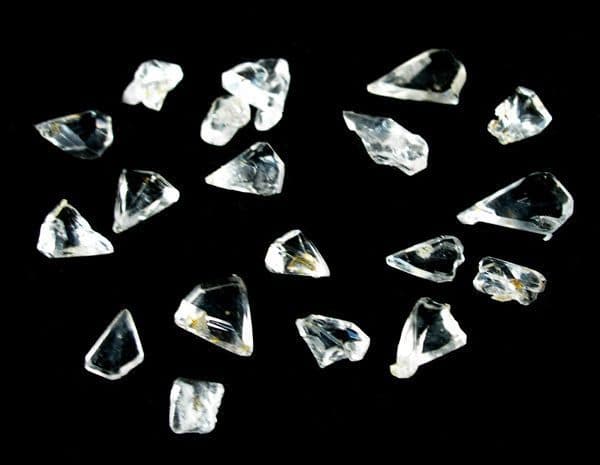
A rare mineral, whewellite can develop both in the Earth and through organic means. It can grow hydrothermally in carbonate-sulfide veins and can also occur in coal seams as well as in concretions in plants and animals, most notably as kidney stones.
Although whewellites have fairly high dispersion, any faceted gems would be too small to appreciate this property. They have variable cleavage (from good to fair) in three directions and an extremely low hardness (a copper coin could scratch them). Thus, cutting and wearing them as jewelry stones is difficult.
Whewellites are best treated as display pieces for gem or mineral collections.
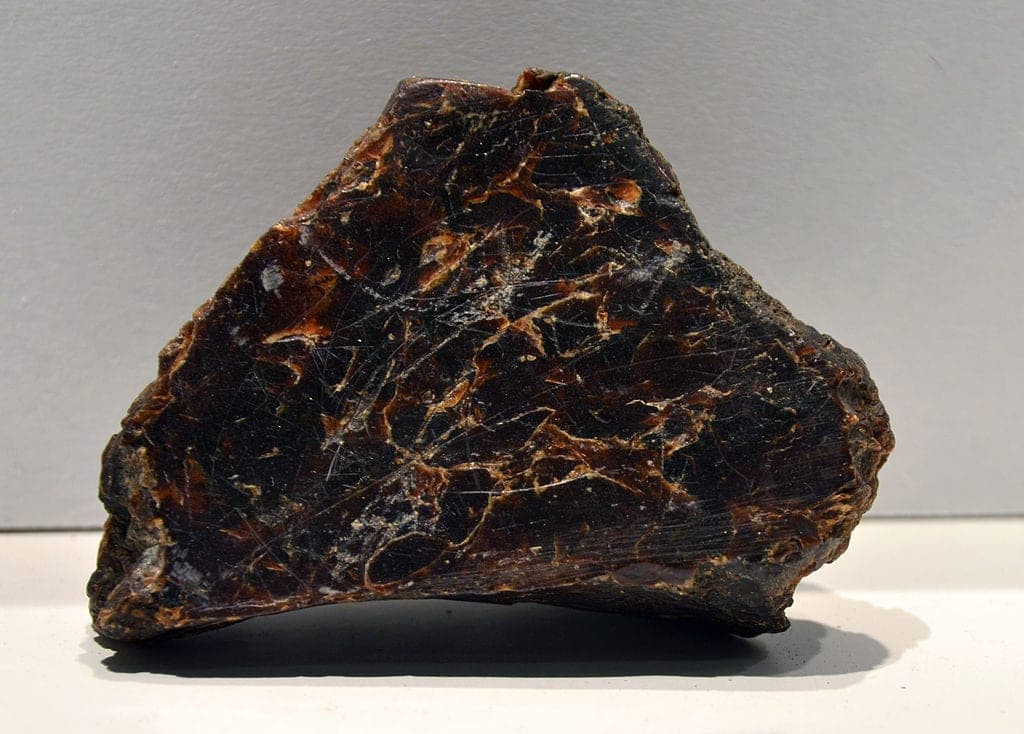
Scientists have synthesized whewellites for numerous projects, such as research into kidney stone formation and crystal twinning. However, there is no known jewelry use for this lab-created material.
None known.
Notable mineral sources include the following:
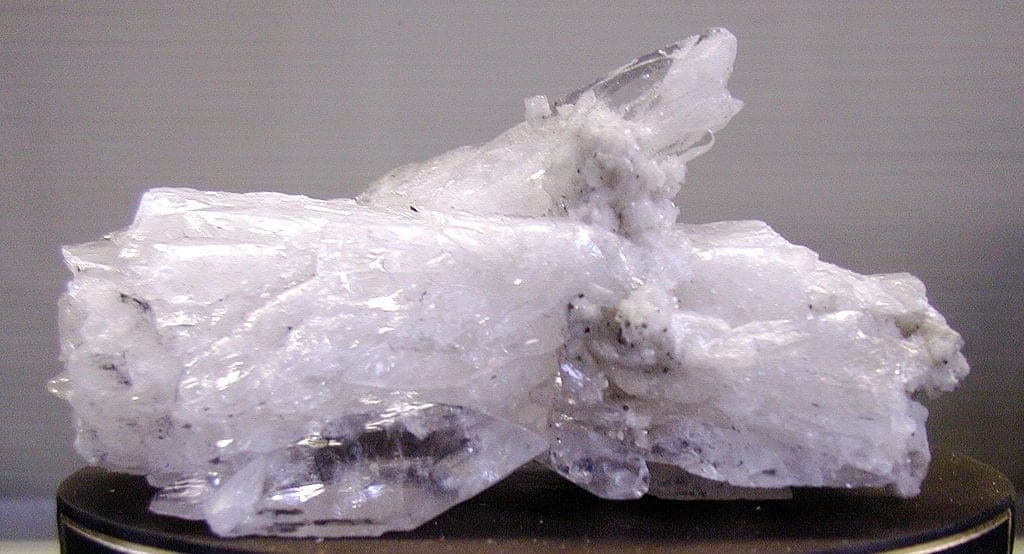
Crystals are usually very small and colorless. From these, faceters could cut gems that typically weigh about 2 carats.
Avoid cleaning whewellites with any solution that contains acids. Clean only with warm water, mild detergent, and a soft brush.
Whewellites contain oxalates (C2O4), and their consumption can lead to kidney stone formation. While these are present in some common foods and pose a risk if ingested over time, whewellites contain oxalates in greater concentration. Faceters should wear dust masks to avoid accidentally ingesting particles.
Exposure to whewellite dust may also cause acute skin irritation, especially in children and pets, so faceters should wear protective clothing and make sure to clean their workspace. A glovebox to contain dust would be ideal.
For more safety tips, see our article on lapidary health hazards.

When you join the IGS community, you get trusted diamond & gemstone information when you need it.
A rare mineral, whewellite can develop both in the Earth and through organic means. It can grow hydrothermally in carbonate-sulfide veins and can also occur in coal seams as well as in concretions in plants and animals, most notably as kidney stones.
Although whewellites have fairly high dispersion, any faceted gems would be too small to appreciate this property. They have variable cleavage (from good to fair) in three directions and an extremely low hardness (a copper coin could scratch them). Thus, cutting and wearing them as jewelry stones is difficult.
Whewellites are best treated as display pieces for gem or mineral collections.
Scientists have synthesized whewellites for numerous projects, such as research into kidney stone formation and crystal twinning. However, there is no known jewelry use for this lab-created material.
None known.
Notable mineral sources include the following:
Crystals are usually very small and colorless. From these, faceters could cut gems that typically weigh about 2 carats.
Avoid cleaning whewellites with any solution that contains acids. Clean only with warm water, mild detergent, and a soft brush.
Whewellites contain oxalates (C2O4), and their consumption can lead to kidney stone formation. While these are present in some common foods and pose a risk if ingested over time, whewellites contain oxalates in greater concentration. Faceters should wear dust masks to avoid accidentally ingesting particles.
Exposure to whewellite dust may also cause acute skin irritation, especially in children and pets, so faceters should wear protective clothing and make sure to clean their workspace. A glovebox to contain dust would be ideal.
For more safety tips, see our article on lapidary health hazards.


Seldom seen even in mineral collections, whewellite is very rarely faceted. It’s mostly desired as a curiosity because of its scarcity, chemical composition, and unusual — sometimes organic — origins.