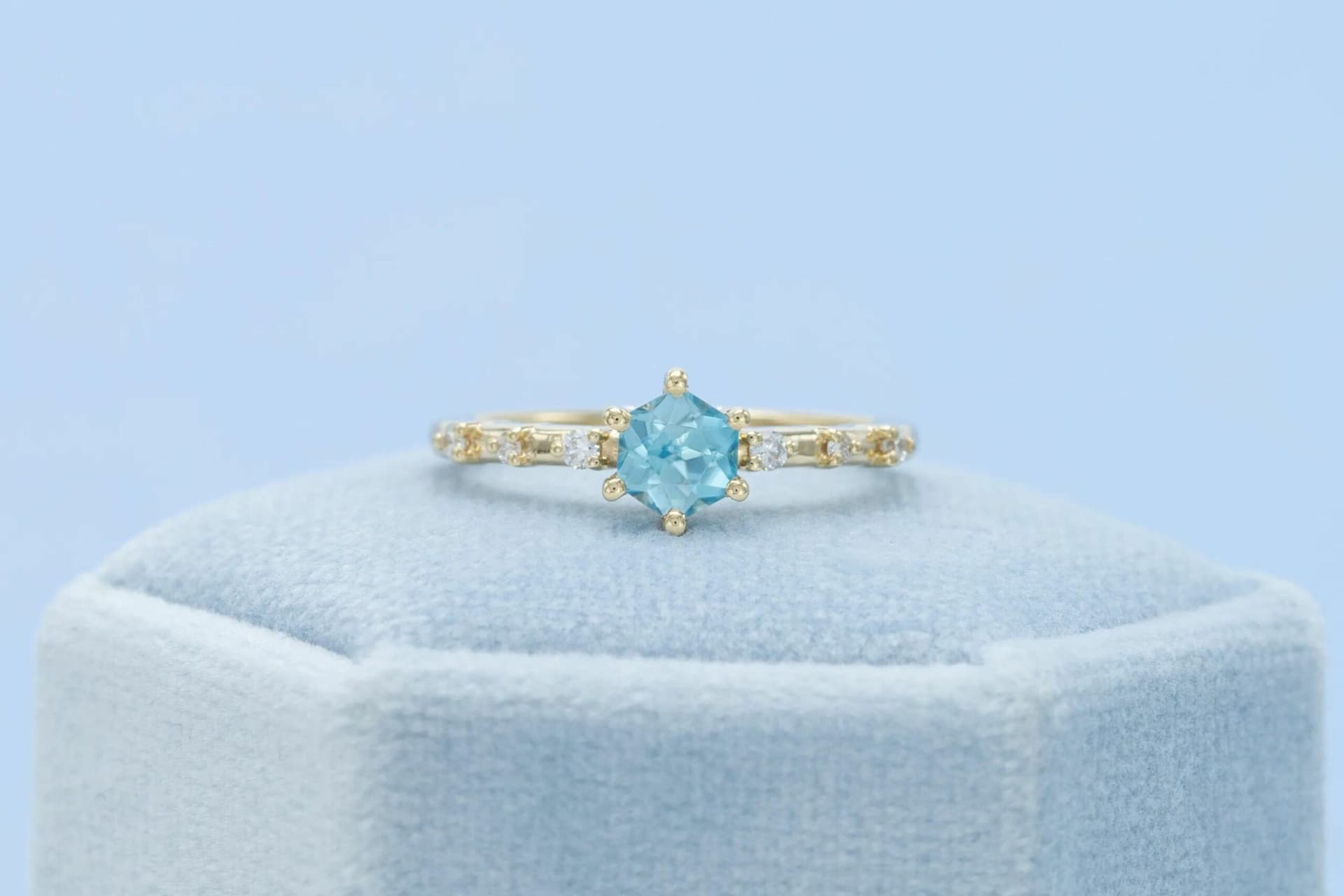
Zircons are beautiful but delicate gems. Our zircon engagement ring guide will help you pick the right setting for your stone.
5 Minute Read
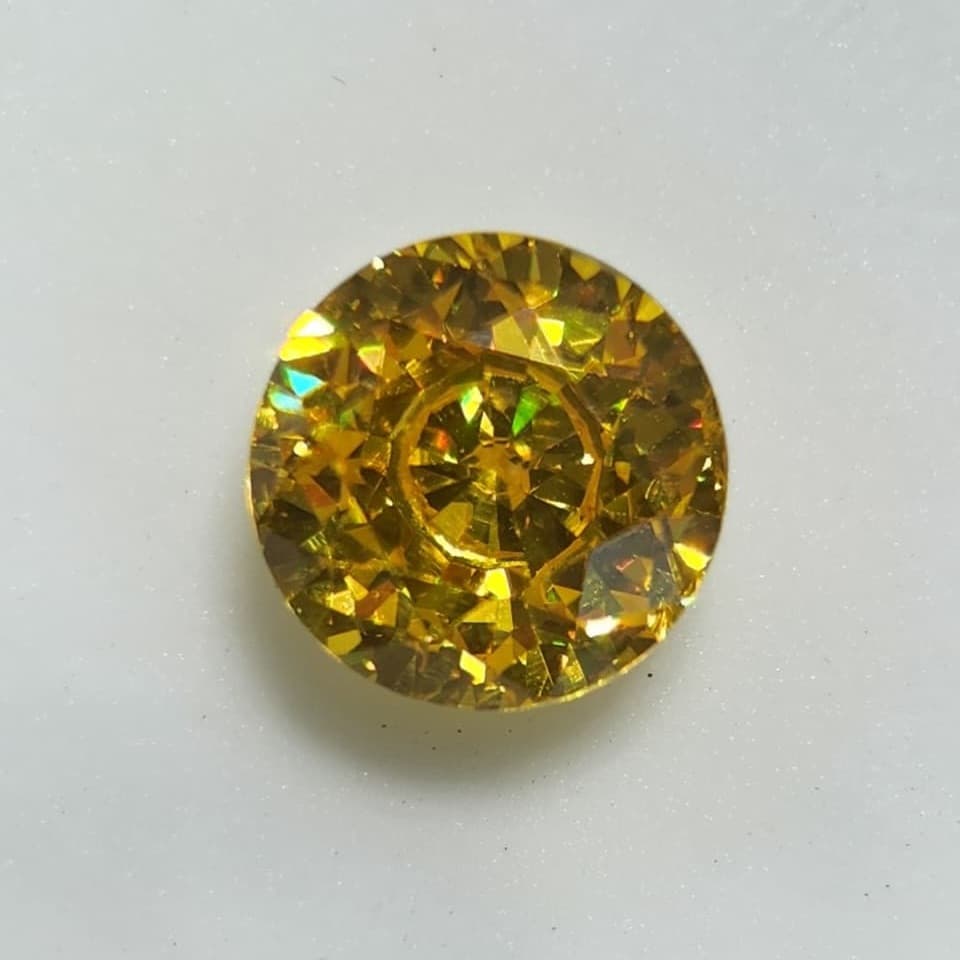
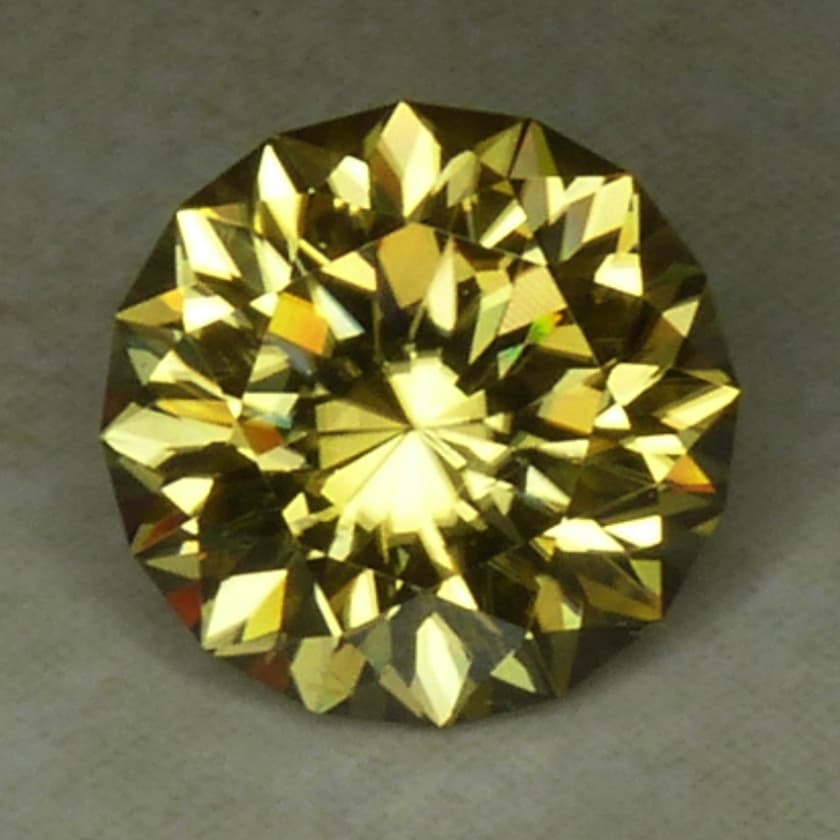
One of zircon's most spectacular characteristics is its high level of dispersion. Sometimes called "fire," dispersion refers to the multiple flashing points of color that seem to come from within a well-cut gemstone. Zircons also have a high refractive index. For these reasons, jewelers used colorless zircons as diamond lookalikes before other diamond lookalikes and synthetics became popular and affordable. If you want a natural gemstone that can rival the look of a diamond, consider a colorless zircon engagement ring.
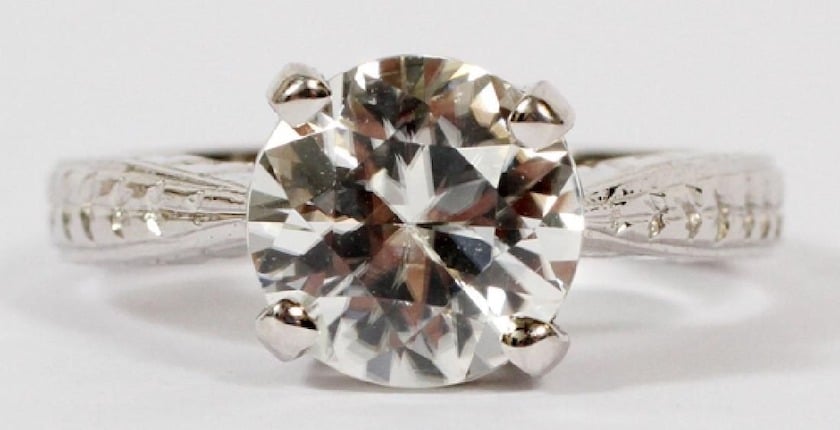
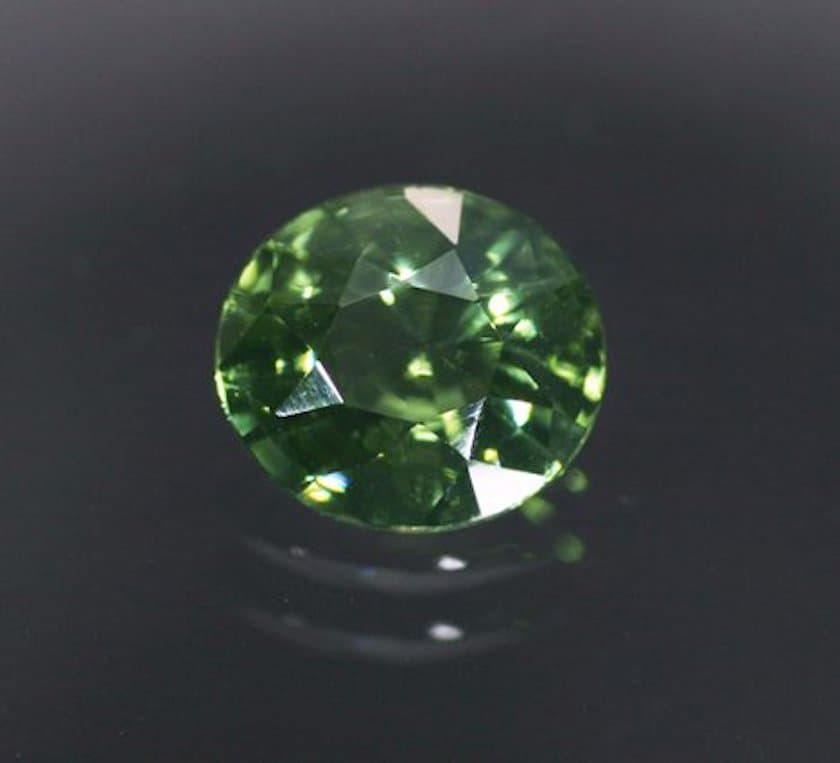
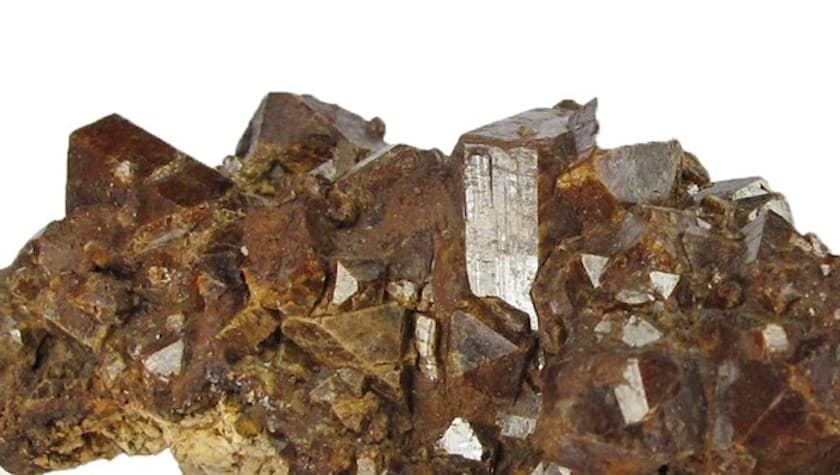
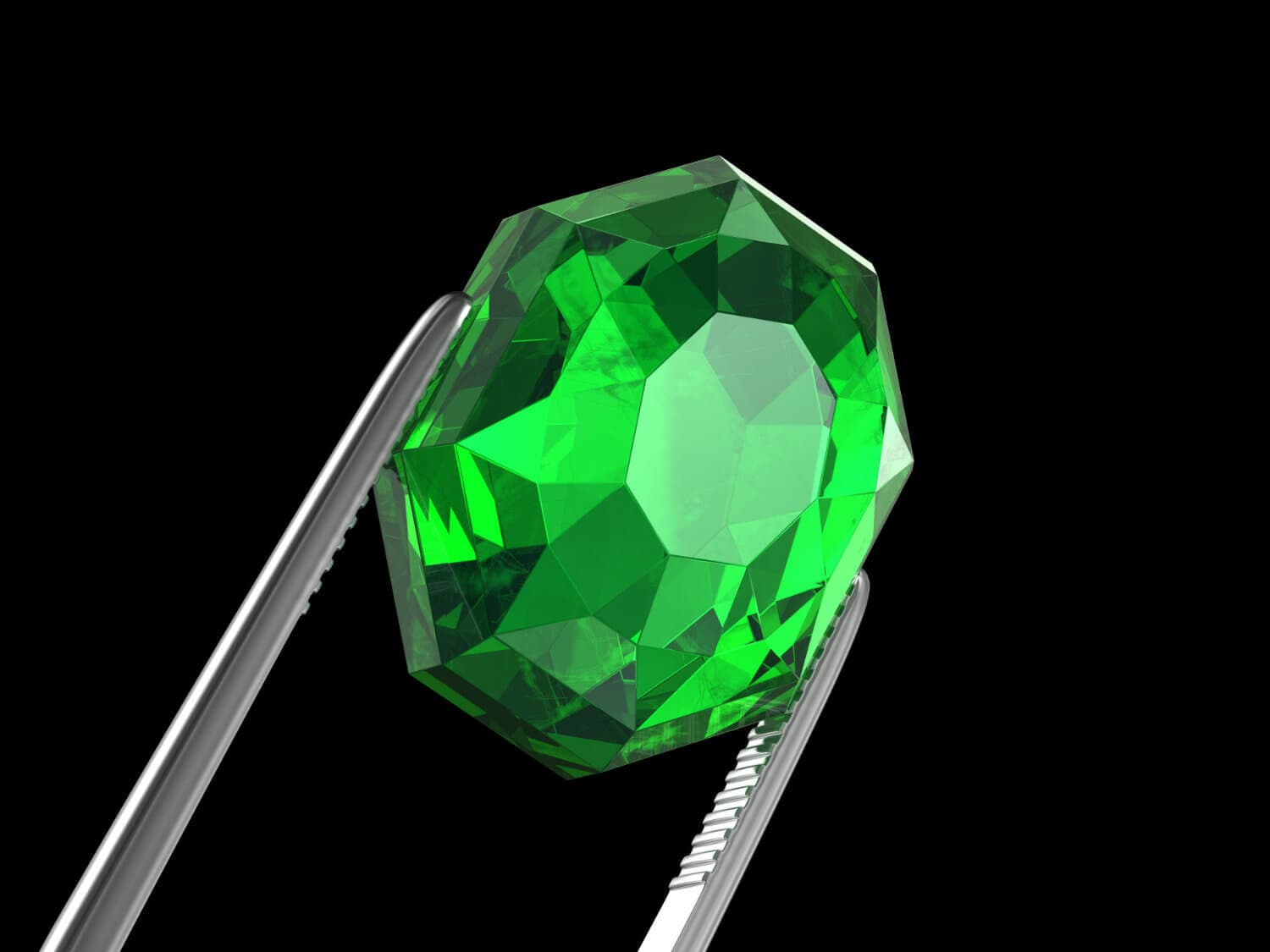
However, zircons aren't just diamond lookalikes. They are beautiful gems in their own right and come in many colors, including red, brown, orange, yellow, green, and blue. Regardless of body color, well-cut zircons can still come to life with a wonderful display of dispersion as long as the color isn't too dark.
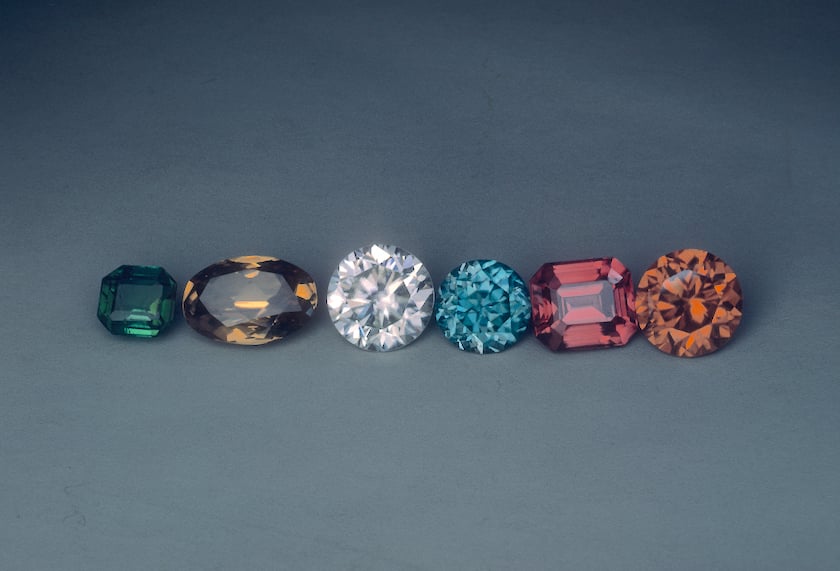
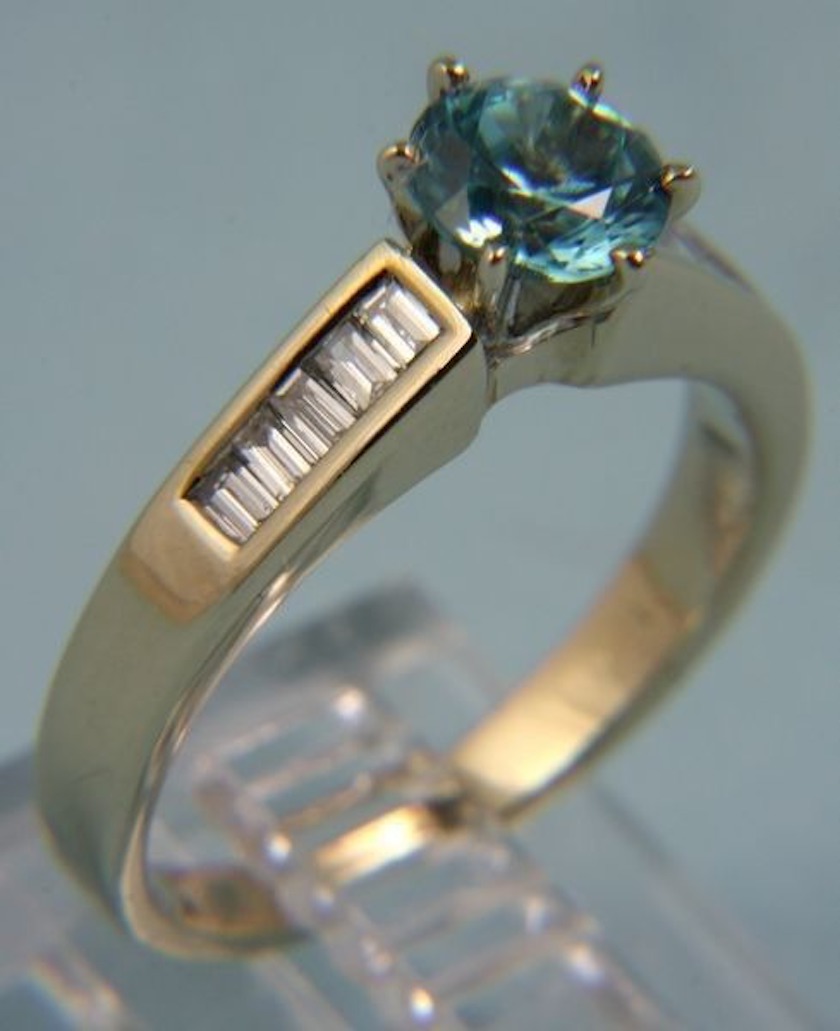
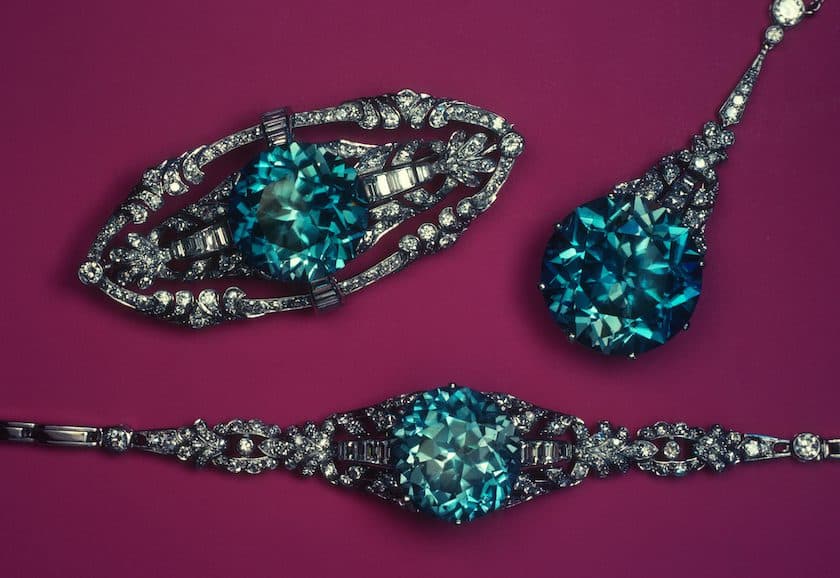
Bright blue or greenish-blue zircons account for about 80% of all zircons sold on the jewelry market. Virtually all blue zircons get their color from heat treatment. Of course, you can choose any color zircon for your engagement ring.
If you're considering a zircon engagement ring, you must understand that zircon is a relatively brittle gemstone. Almost all gemstones have a very brittle tenacity, which means they can break easily if struck. However, zircons — especially blue, heat-treated zircons — are even more brittle than most gemstones. Even though most gem-quality zircons have sufficient hardness to resist scratches from everyday wear, you should consider using a protective gem setting for your engagement ring to prevent damage from accidental blows.
Consider your lifestyle and daily routines as you read about the following engagement ring designs. If you're very physically active, you should choose a low-profile design with a setting to protect the zircon's delicate edges. On the other hand, if your daily routine is less physical, you can consider more delicate settings. (You should consider removing your ring anytime you're working with your hands, regardless of the gem or setting).
With some planning, you can choose a zircon engagement ring that will stand the test of time.
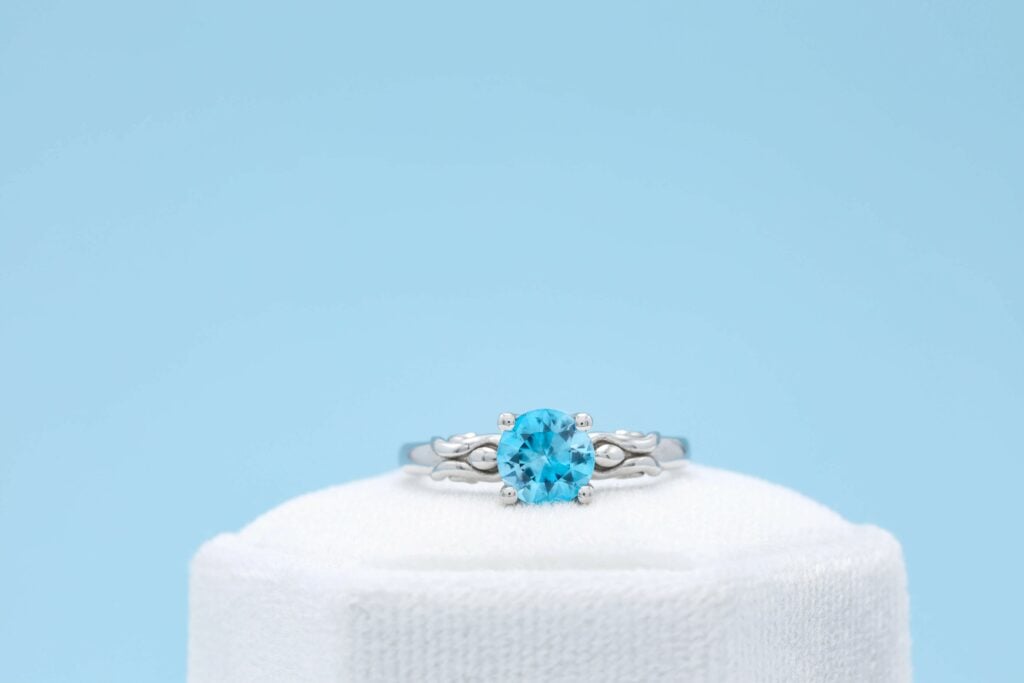
The tried-and-true solitaire has been the top engagement ring design choice for well over a hundred years. Created in 1886 by Charles Lewis Tiffany, the founder of Tiffany & Co., this simple yet elegant design traditionally features a plain band with a single diamond mounted on top. You can easily update the design by choosing a bright zircon instead of a diamond. You'll likely save a good deal of money, too.
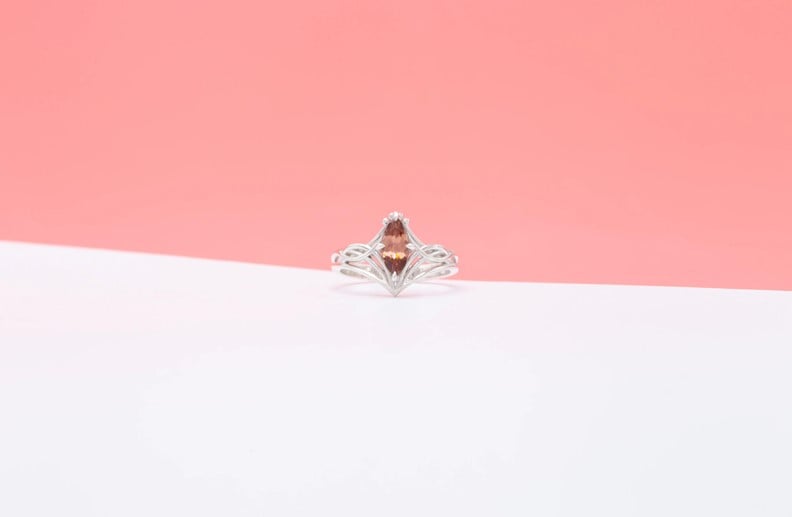
Solitaires usually have a simple design, but you can update and personalize the look with just a few tweaks. You can choose a more ornate band. Additional decorative elements will add visual interest while still highlighting that beautiful zircon.
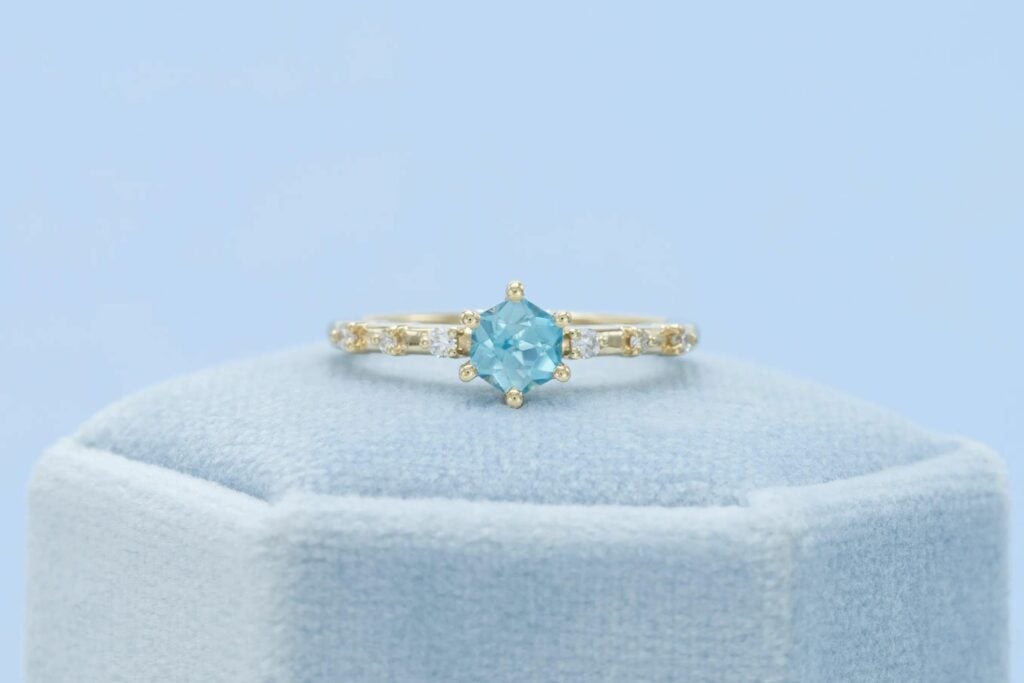
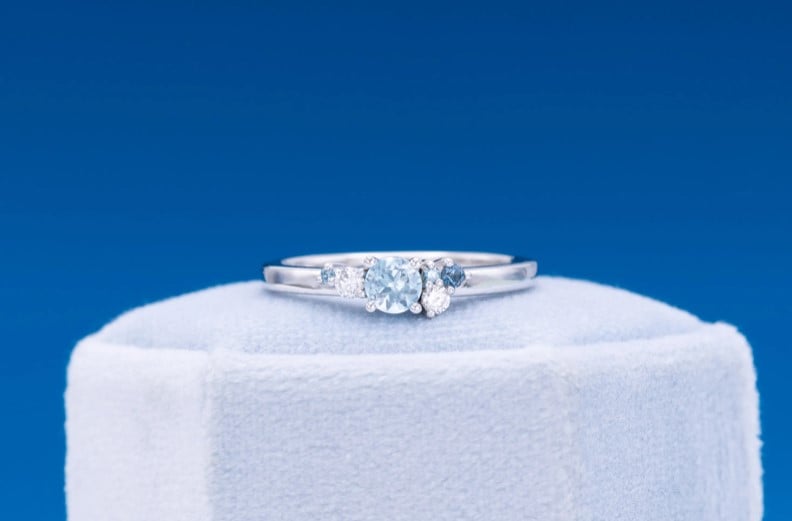
You can also transform the solitaire look by adding gemstone accents to the band. The central zircon remains the star of the show and maintains the spirit of the solitaire design. The accent stones simply add a dash of excitement and a lot of sparkle.
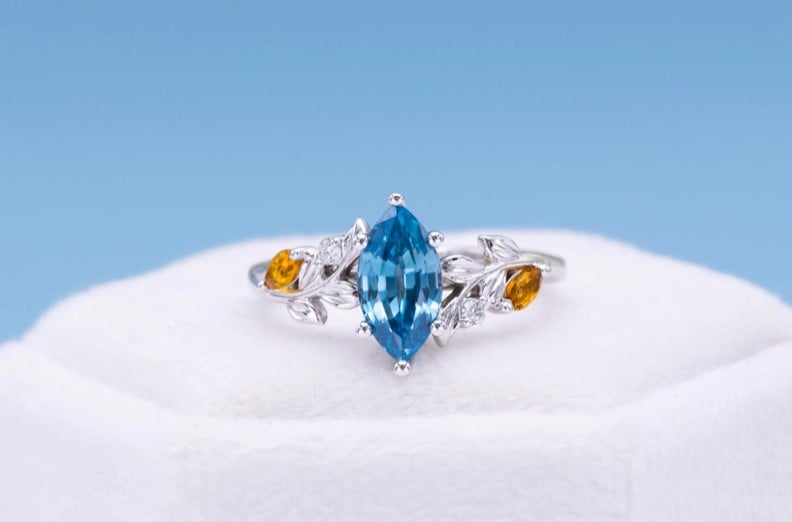
For a more dramatic move away from the traditional solitaire, combine an ornate band with accent gemstones in your zircon engagement ring. Your stones don't all need to match, and your band can express your personal style. Your zircon also doesn't need to be round. Pick any shape you like!
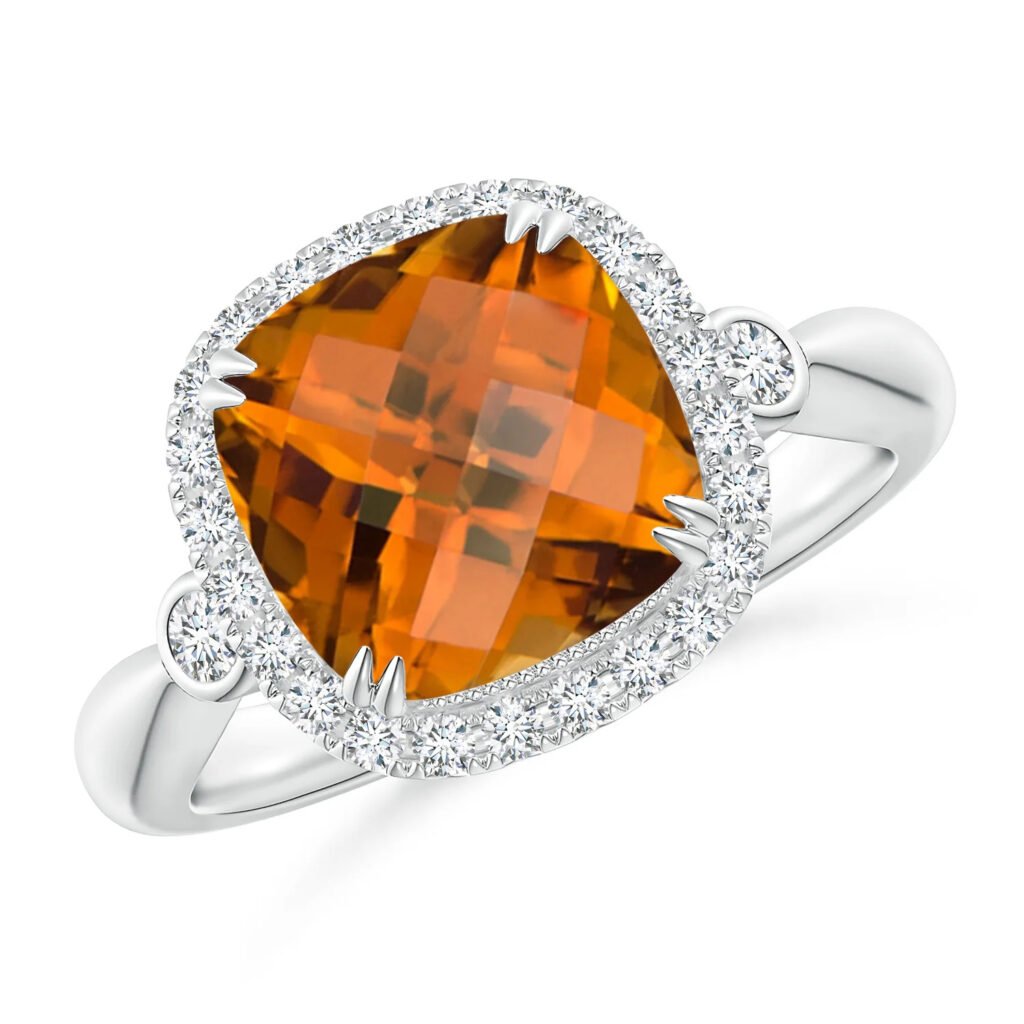
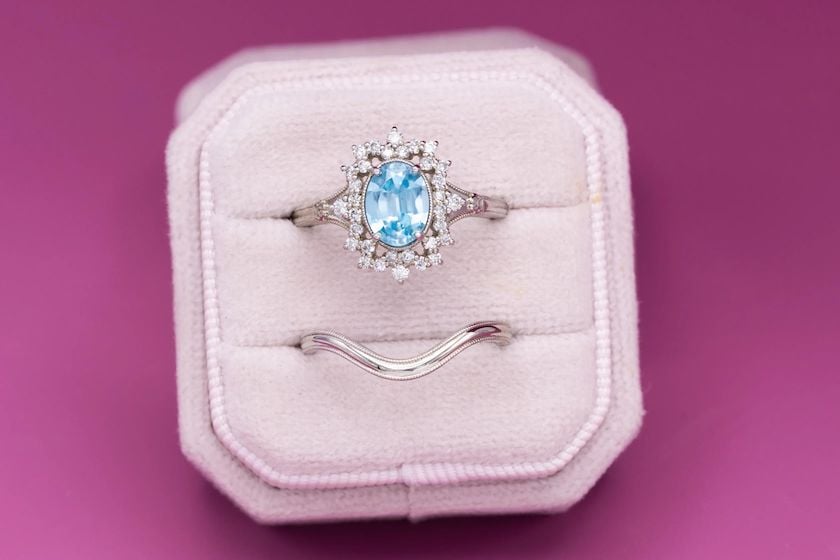
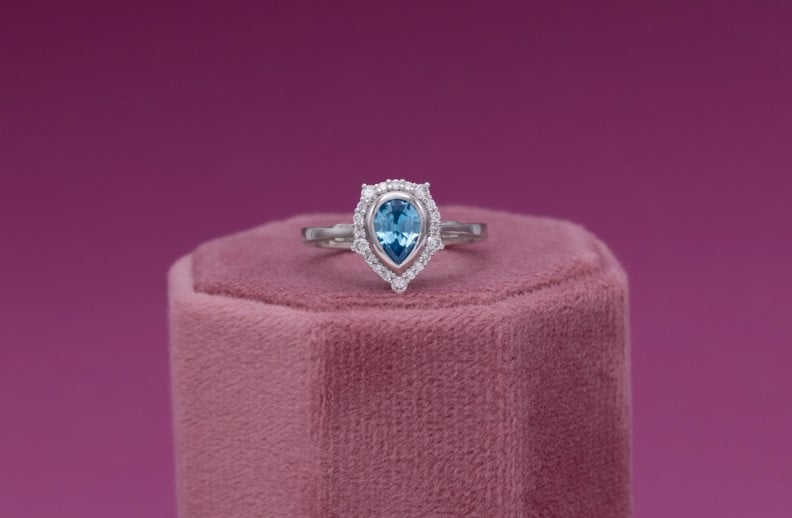
Halos feature many small gemstones around the perimeter of the primary gemstone. Halo designs offer two significant benefits. First, a halo serves as a protective setting for the primary gemstone, which is ideal for a zircon engagement ring. Second, halos increase the visual impact of the center stone. Your halo zircon engagement ring can have a big profile even if the primary zircon is a little small.
Your zircon engagement ring can also have a design that features multiple gemstones rather than a single center stone. Some couples choose a toi et moi setting ("you and me"), which features two primary stones representing both persons in the relationship. If your wedding marks the start of a combined family, additional gemstones can represent your children. Of course, multiple gemstones can represent anything you want.

When you join the IGS community, you get trusted diamond & gemstone information when you need it.
One of zircon's most spectacular characteristics is its high level of dispersion. Sometimes called "fire," dispersion refers to the multiple flashing points of color that seem to come from within a well-cut gemstone. Zircons also have a high . For these reasons, jewelers used colorless zircons as diamond before other diamond lookalikes and synthetics became popular and affordable. If you want a natural gemstone that can rival the look of a diamond, consider a colorless zircon engagement ring.
However, zircons aren't just diamond lookalikes. They are beautiful gems in their own right and come in many colors, including red, brown, orange, yellow, green, and blue. Regardless of body color, well-cut zircons can still come to life with a wonderful display of dispersion as long as the color isn't too dark.
Bright blue or greenish-blue zircons account for about 80% of all zircons sold on the jewelry market. Virtually all blue zircons get their color from heat treatment. Of course, you can choose any color zircon for your engagement ring.
If you're considering a zircon engagement ring, you must understand that zircon is a relatively brittle gemstone. Almost all gemstones have a very brittle tenacity, which means they can break easily if struck. However, zircons — especially blue, heat-treated zircons — are even more brittle than most gemstones. Even though most gem-quality zircons have sufficient hardness to resist scratches from everyday wear, you should consider using a protective gem setting for your engagement ring to prevent damage from accidental blows.
Consider your lifestyle and daily routines as you read about the following engagement ring designs. If you're very physically active, you should choose a low-profile design with a setting to protect the zircon's delicate edges. On the other hand, if your daily routine is less physical, you can consider more delicate settings. (You should consider removing your ring anytime you're working with your hands, regardless of the gem or setting).
With some planning, you can choose a zircon engagement ring that will stand the test of time.
The tried-and-true solitaire has been the top engagement ring design choice for well over a hundred years. Created in 1886 by Charles Lewis Tiffany, the founder of Tiffany & Co., this simple yet elegant design traditionally features a plain band with a single diamond mounted on top. You can easily update the design by choosing a bright zircon instead of a diamond. You'll likely save a good deal of money, too.
Solitaires usually have a simple design, but you can update and personalize the look with just a few tweaks. You can choose a more ornate band. Additional decorative elements will add visual interest while still highlighting that beautiful zircon.
You can also transform the solitaire look by adding gemstone accents to the band. The central zircon remains the star of the show and maintains the spirit of the solitaire design. The accent stones simply add a dash of excitement and a lot of sparkle.
For a more dramatic move away from the traditional solitaire, combine an ornate band with accent gemstones in your zircon engagement ring. Your stones don't all need to match, and your band can express your personal style. Your zircon also doesn't need to be round. Pick any shape you like!
Halos feature many small gemstones around the perimeter of the primary gemstone. Halo designs offer two significant benefits. First, a halo serves as a protective setting for the primary gemstone, which is ideal for a zircon engagement ring. Second, halos increase the visual impact of the center stone. Your halo zircon engagement ring can have a big profile even if the primary zircon is a little small.
Your zircon engagement ring can also have a design that features multiple gemstones rather than a single center stone. Some couples choose a toi et moi setting ("you and me"), which features two primary stones representing both persons in the relationship. If your wedding marks the start of a combined family, additional gemstones can represent your children. Of course, multiple gemstones can represent anything you want.