
Even the most general definition of a gem has many exceptions. Learn what qualities have been used to identify gemstones both scientifically and popularly.
3 Minute Read
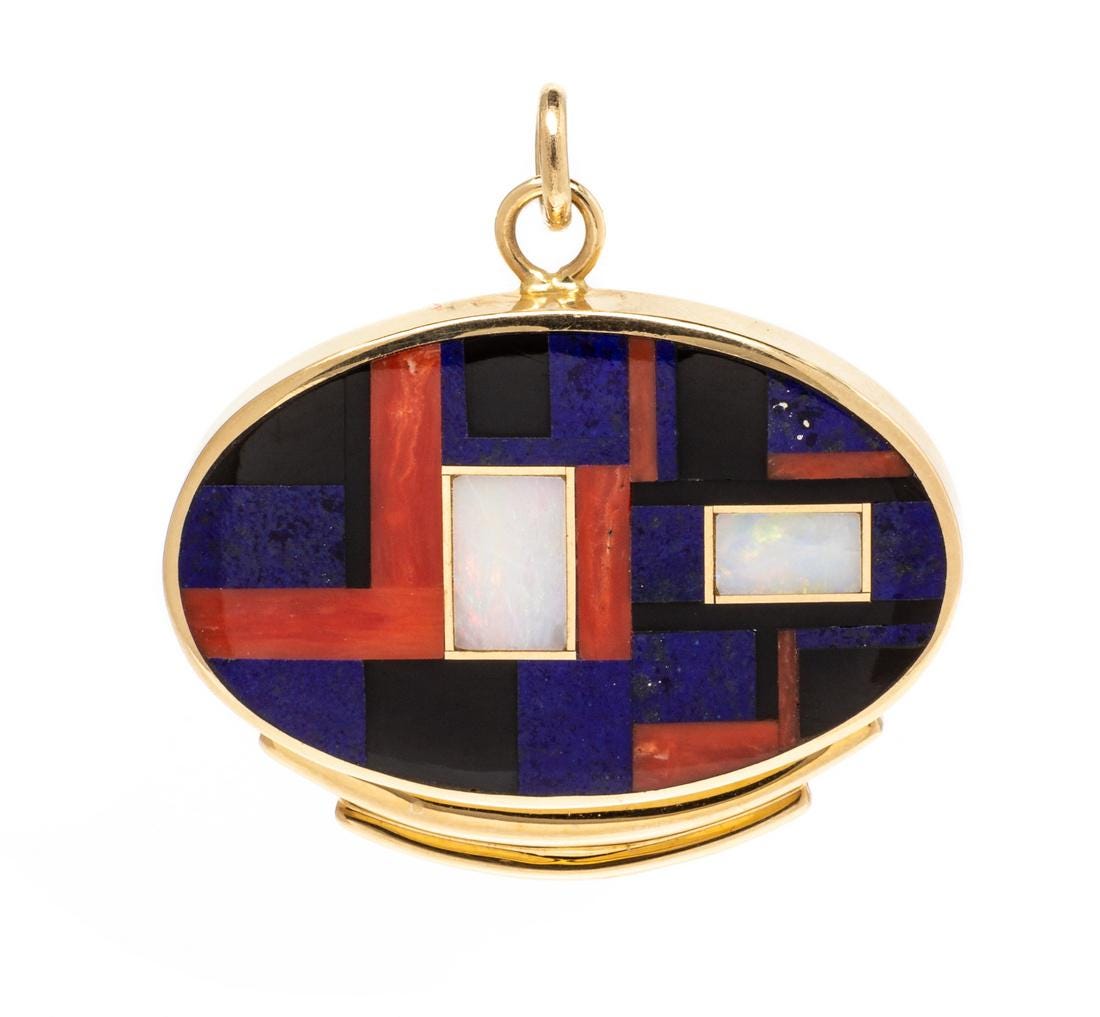
The following definition covers the vast majority of the stones we regard as gems:

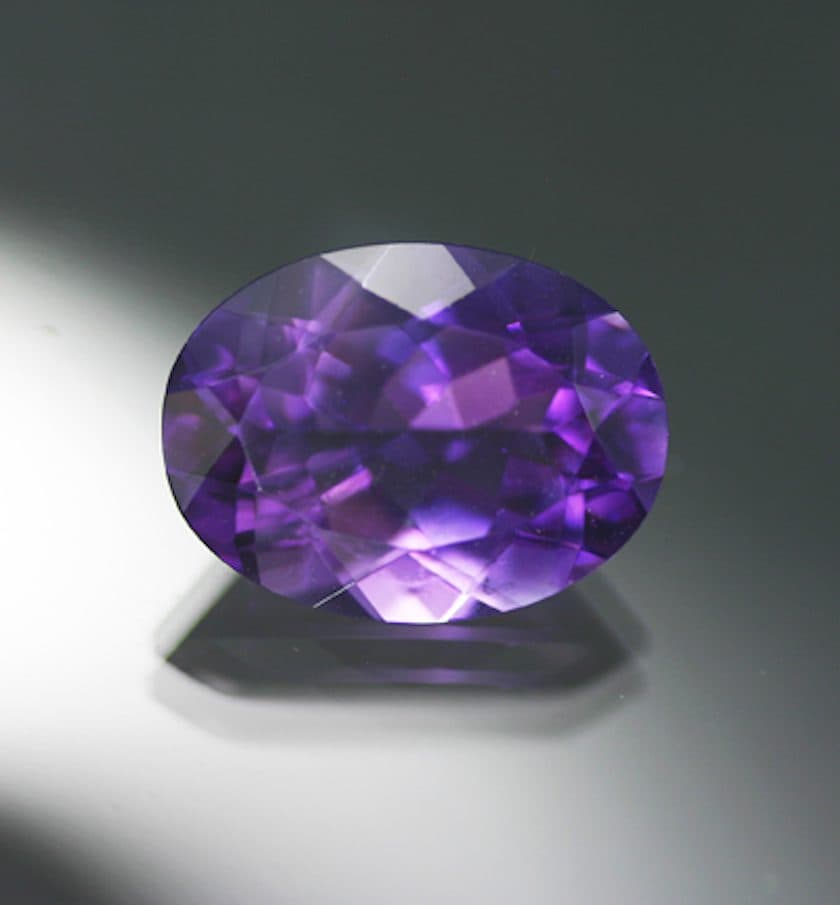
Minerals that have been chosen for their beauty and durability, then cut and polished for use as human adornment.
Still, every defining feature in that definition has exceptions. This creates problems.
Most gems are minerals, but some — notably pearl and amber — are organics. Living organisms create these materials. By definition, a mineral must be created inside the Earth. Hence, pearls fall into a different category. (To add some confusion, a pearl's coating is a mineral, even though pearls form inside a mollusk). Likewise, amber began life as tree sap. After millions of years, it transformed into a polymer, a natural plastic. People have regarded amber as a gem for thousands of years, although it's definitely not a mineral.
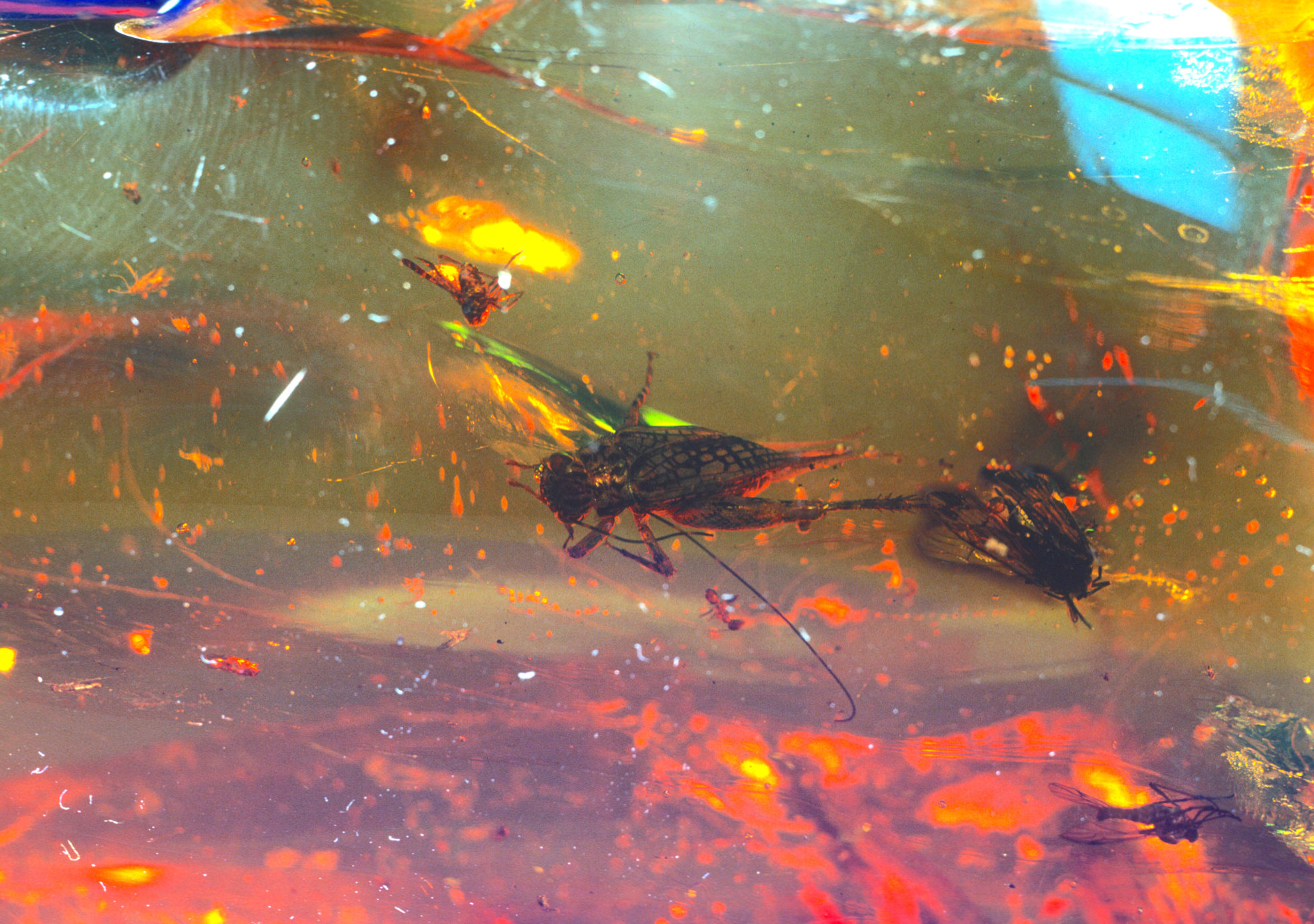
Some people would consider gems colored Pepto-Bismol pink and olive green unattractive — like unakite, a variety of epidote. Some find them beautiful. Brown gems enjoy some popularity in "earth tone" jewelry pieces. Of course, others have different tastes. Beauty may be in the eye of the beholder, but do all who choose gems choose beauty? Do all gem enthusiasts select gemstones because they find them beautiful?
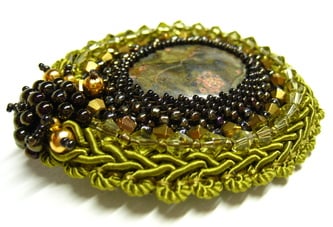
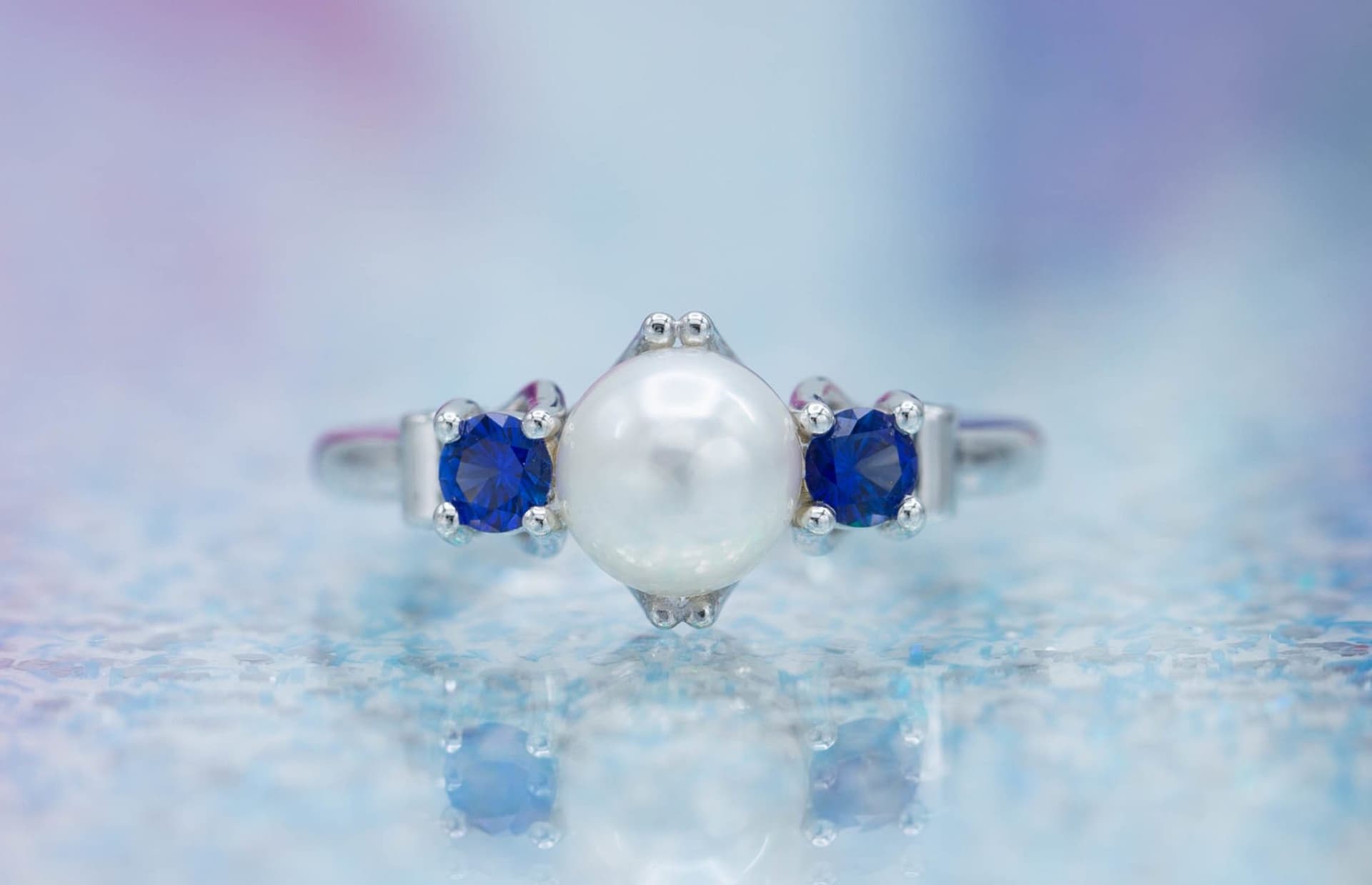
For gemstone buyers, durability is usually a high priority. Nevertheless, two very popular gems are particularly delicate. Pearls generally last about a century as jewelry stones due to their softness. The simple act of wiping off dust will slowly wear away their coating. Perfumes and hairsprays can also stain and damage pearls. As ring stones, pearls need protective settings, especially for engagement rings.
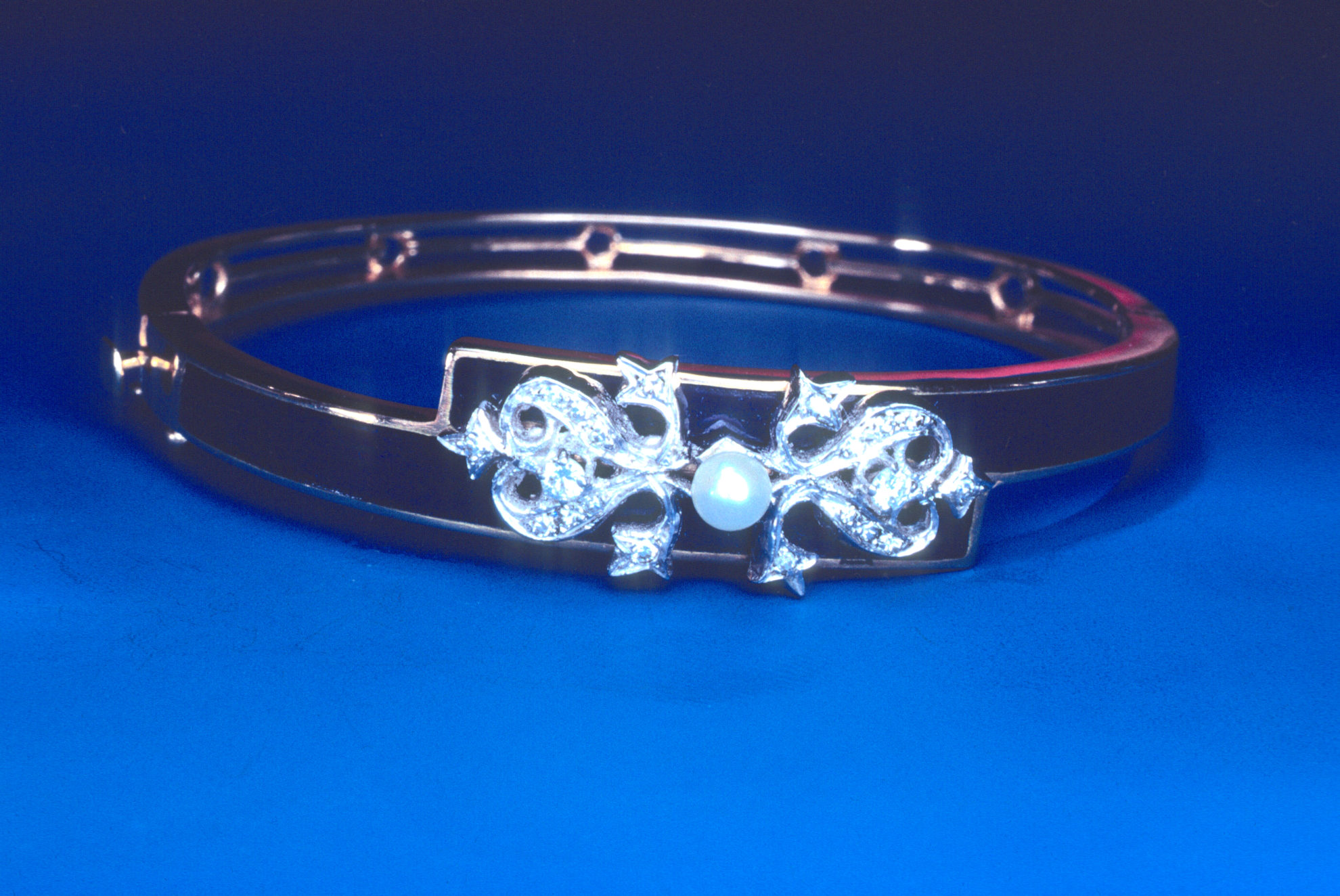
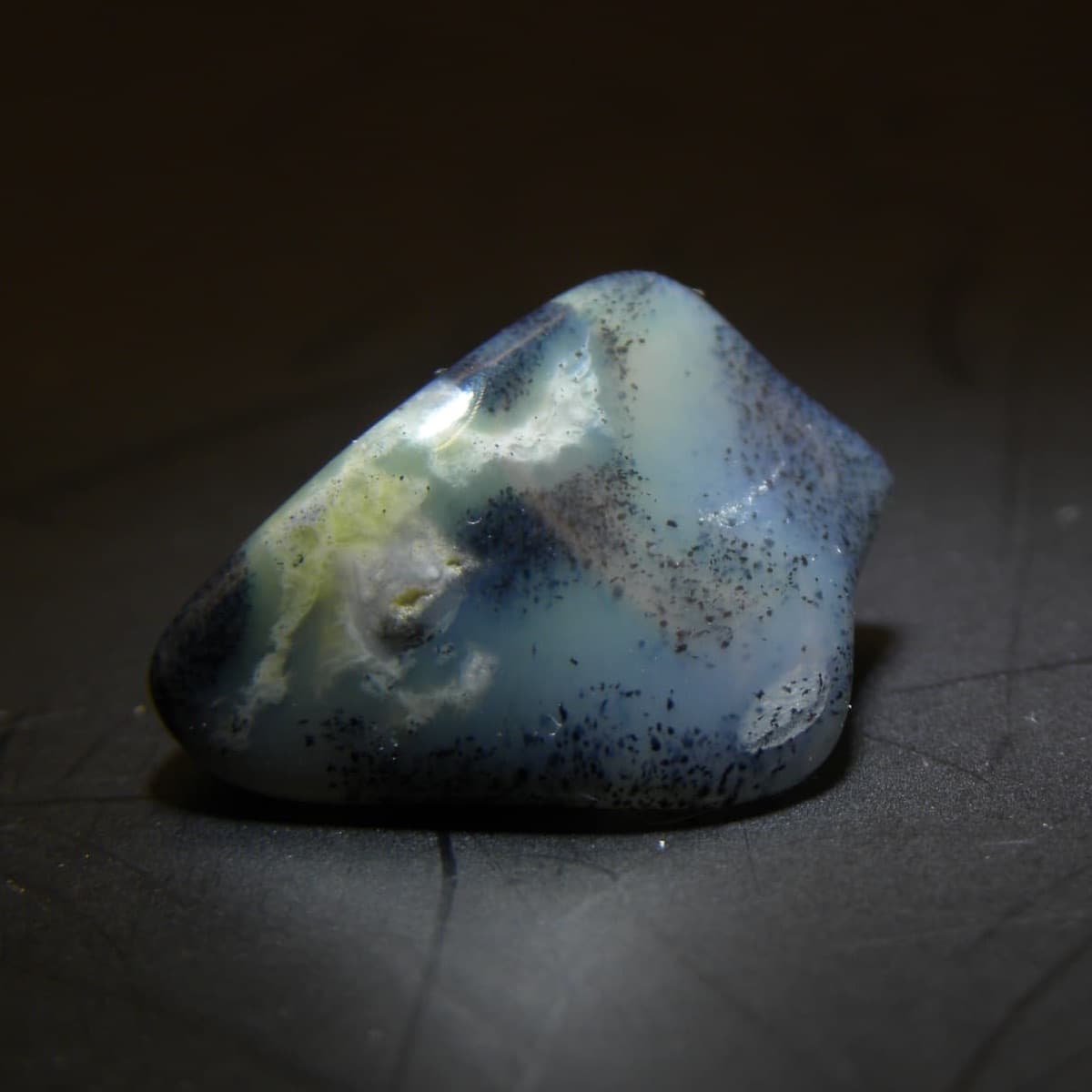
Highly valued throughout history, opals are notoriously delicate. As they lose their high water content, they dry out and may crack. They may break with the slightest bump. They're sensitive to changes in temperature, too. I knew one customer who had a prized opal brooch in a protective setting. One night, as she left a Christmas party, the opal shattered with an audible crack as she went from the warmth indoors to the cold winter night. Many have shed tears over opals, and that has even contributed to the belief that opals bring bad luck.
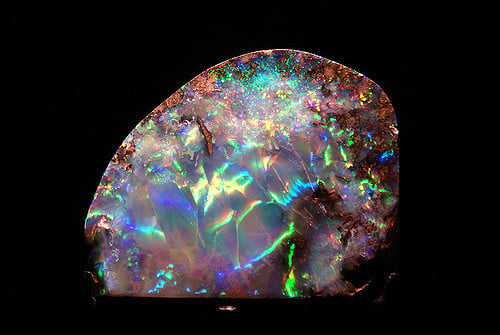
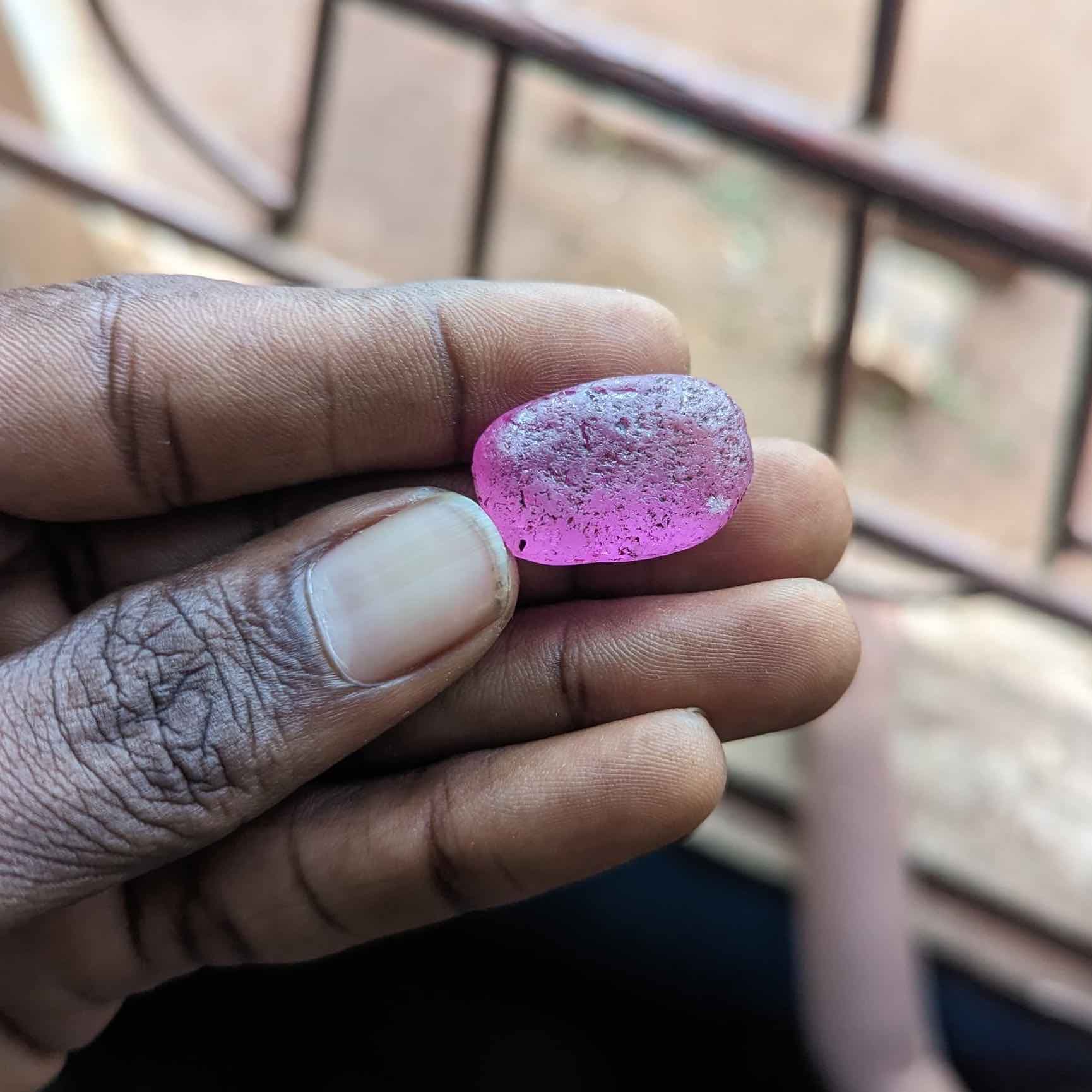
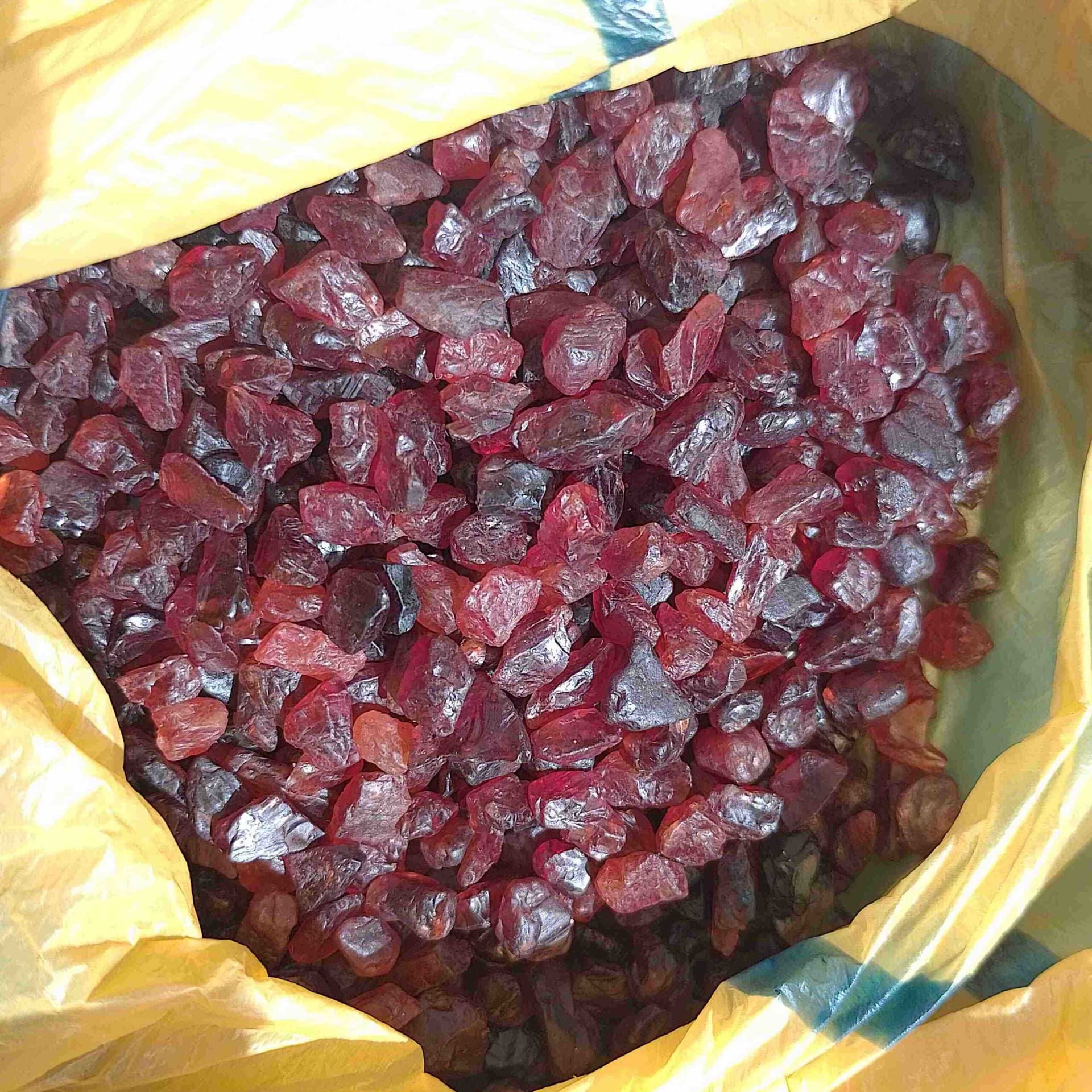
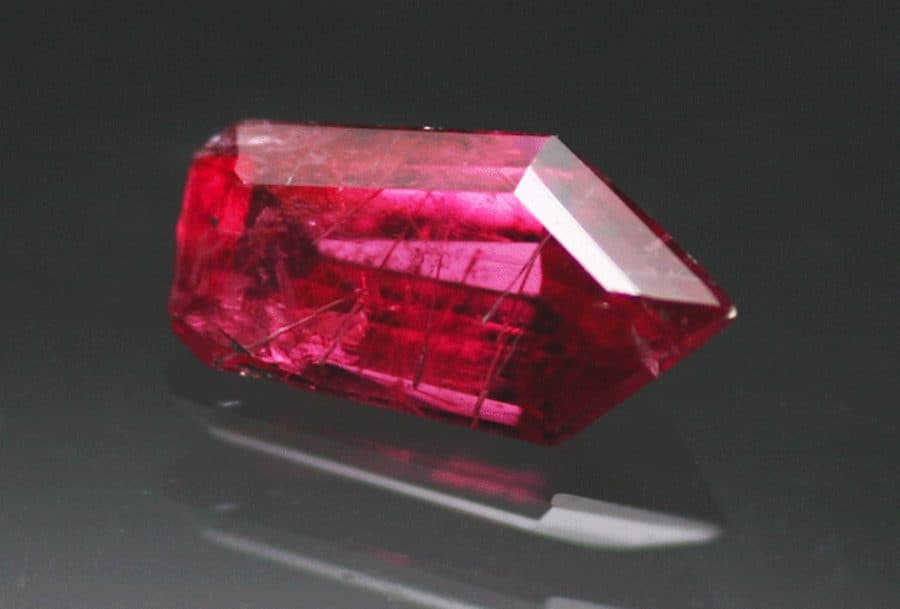
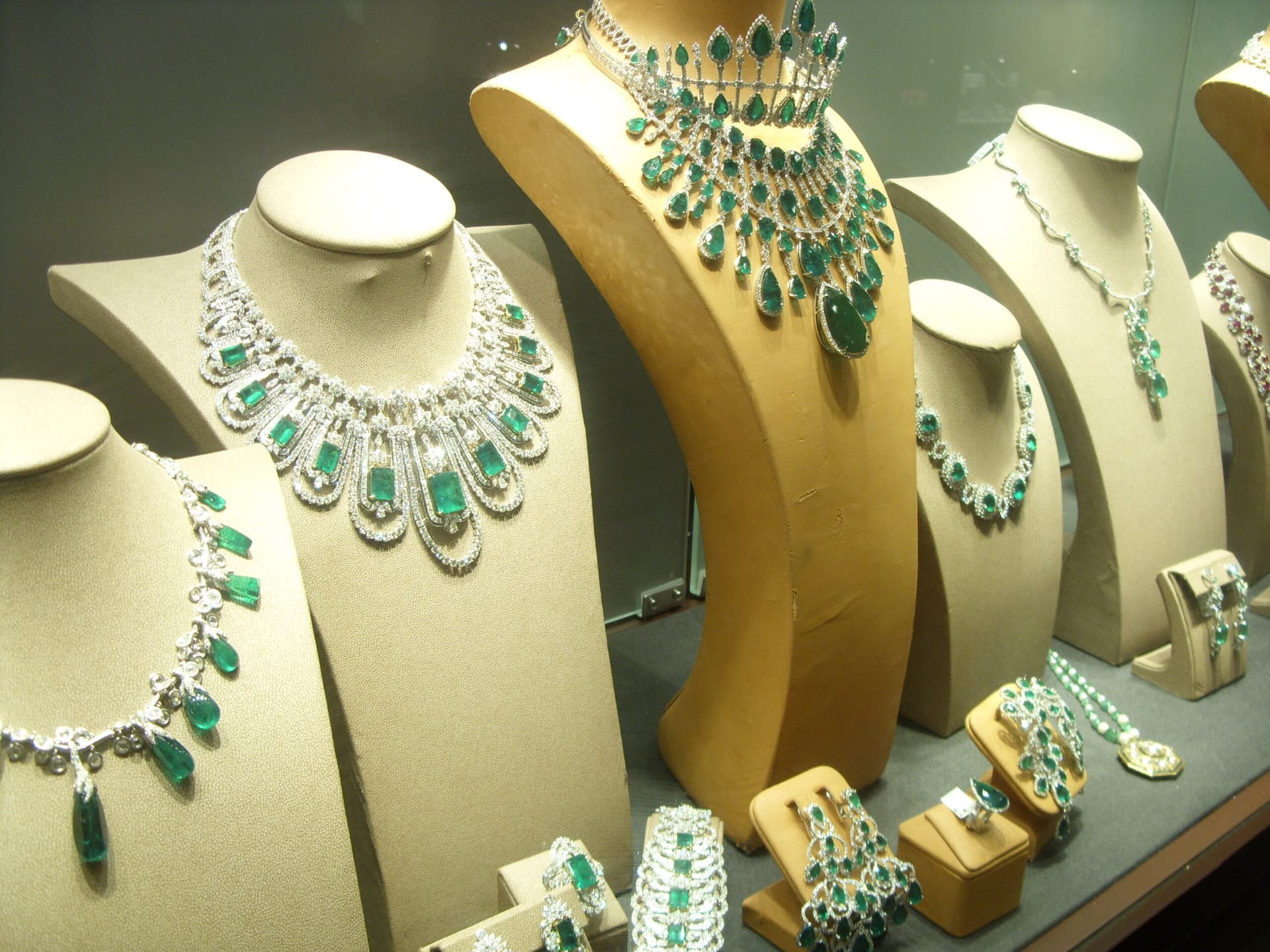
So much for beauty and durability. How about cutting and polishing? Currently, many people love using whole crystals or "raw stones" in jewelry. In decades past, this wasn't the case. Mother Nature's crystals can be exceptionally beautiful. Some even believe they have special metaphysical properties that are enhanced when left whole. So, we can't insist that our gems be cut and polished, either.
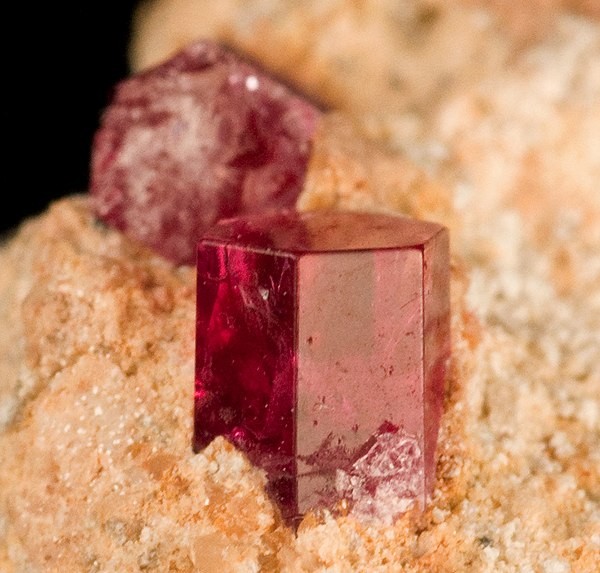
The last qualification usually associated with a gemstone is its use for adornment. People have cut, polished, and admired about 3,000 minerals. Of these, only about a hundred show up in jewelry. The rest are simply too delicate to wear well and fall strictly in the collector's domain.
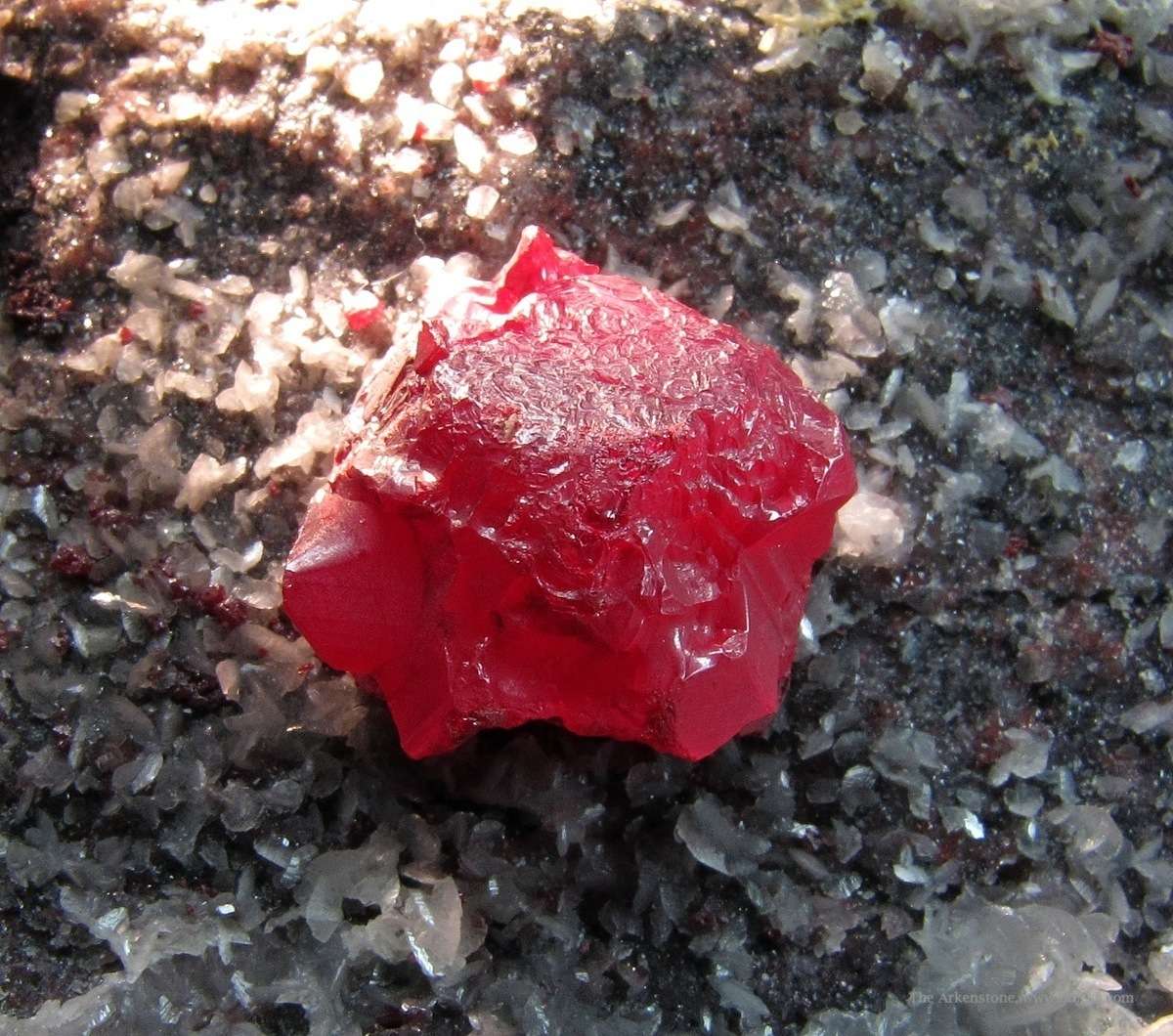
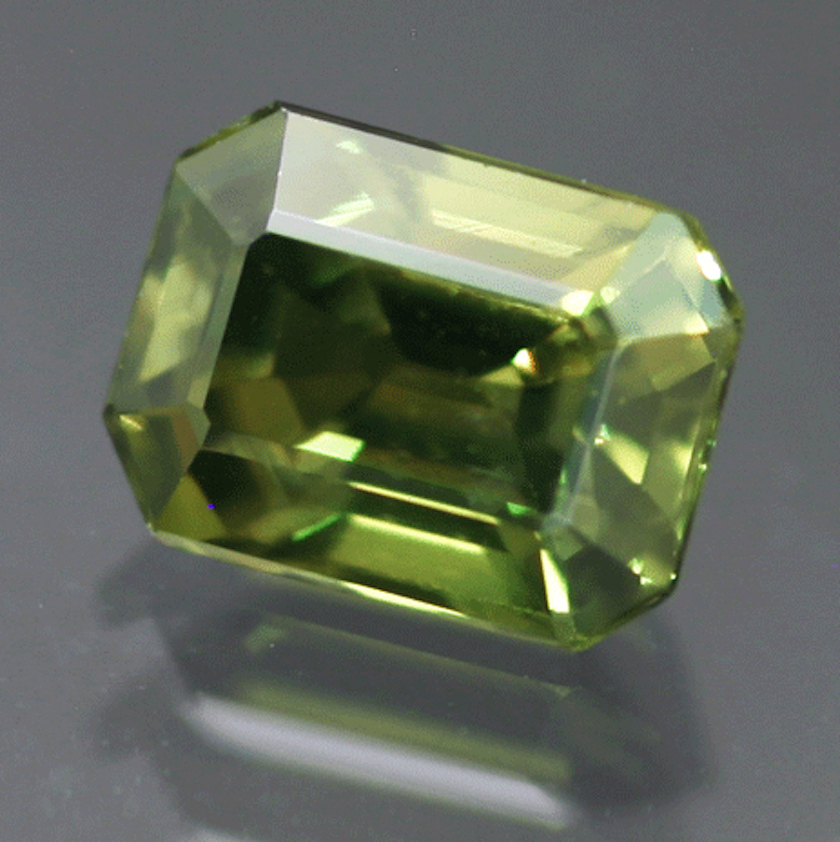
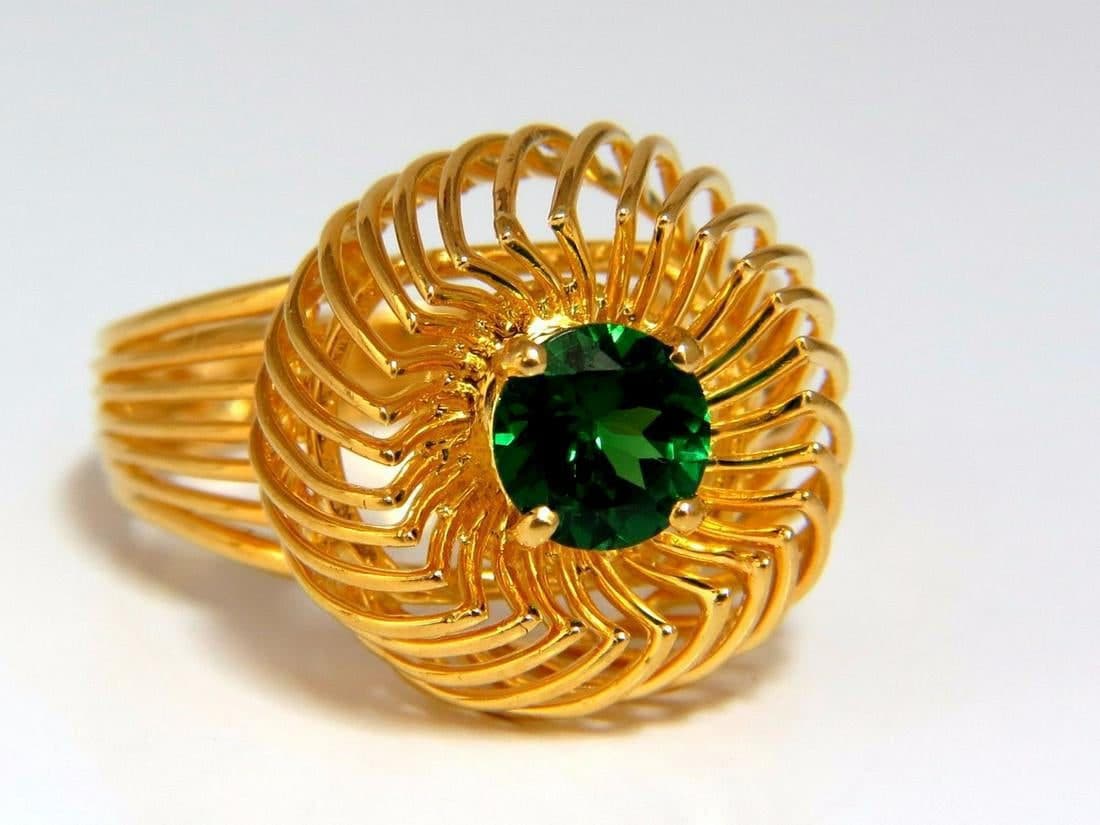
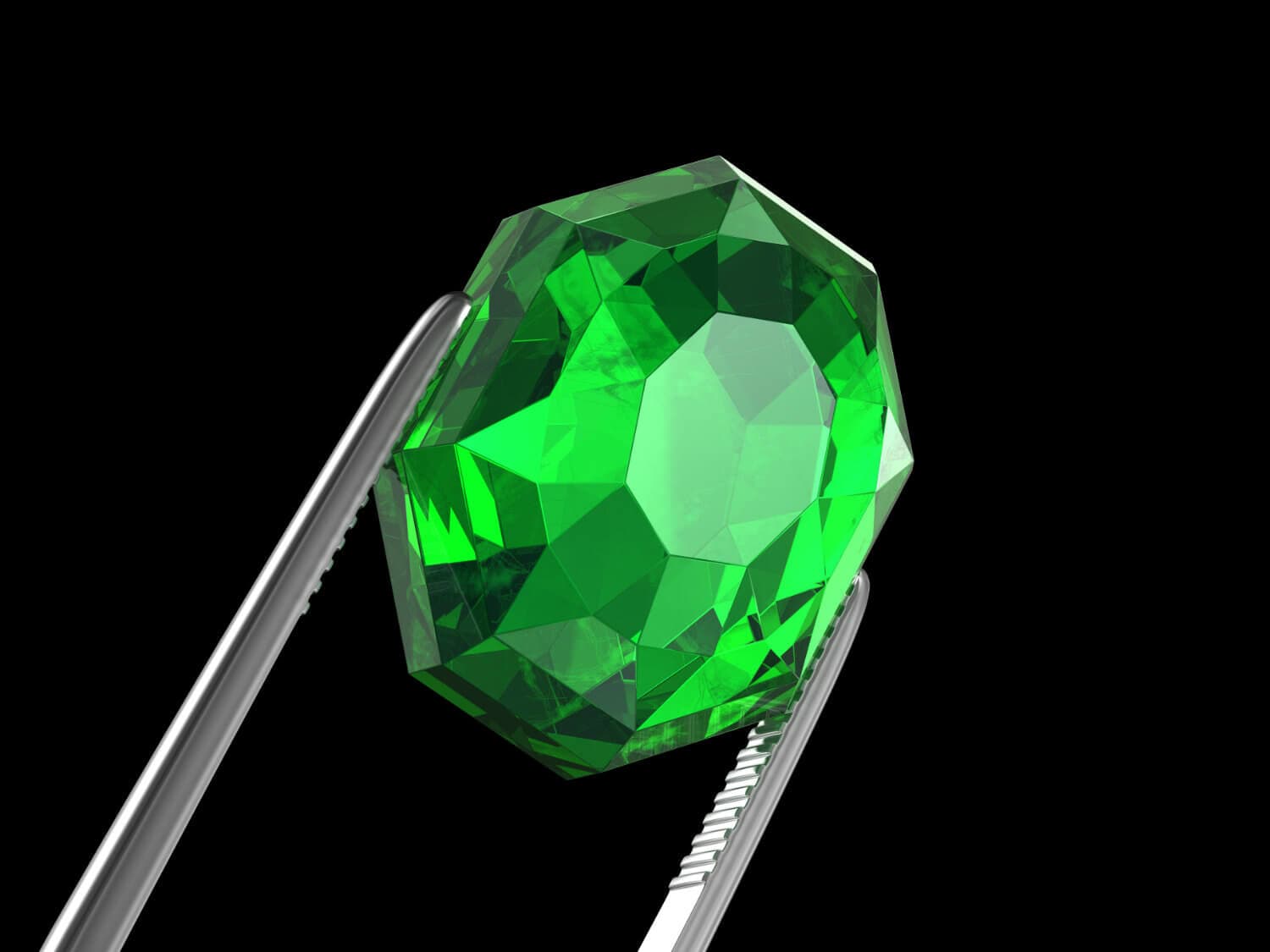
Gemology was first recognized as a science only in the 1930s. Until that time, many people considered all transparent, red gems rubies, blue ones sapphires, and green ones emeralds. Today, as a professional gemologist, I can only call a crystallized beryllium-aluminum silicate with trace amounts of chromium or vanadium an emerald. Other beautiful green gems could be tsavorites, tourmalines, diopsides, and even sapphires.
The allure of gemstones lies in their fantasy of color and light. Beautifully colored stones have intrigued people since time immemorial. The love of gems hasn't changed. However, we now have to contend with a very scientific element. As much as I love the science of gemology, it has the unfortunate side effect of taking much of the mystique and romance out of our stones.
To heck with the definitions. If it makes your eyes light up, it's a true gem!



When you join the IGS community, you get trusted diamond & gemstone information when you need it.
The following definition covers the vast majority of the stones we regard as gems:
Minerals that have been chosen for their beauty and durability, then cut and polished for use as human adornment.
Still, every defining feature in that definition has exceptions. This creates problems.
Most gems are minerals, but some — notably pearl and amber — are organics. Living organisms create these materials. By definition, a mineral must be created inside the Earth. Hence, pearls fall into a different category. (To add some confusion, a pearl's coating is a mineral, even though pearls form inside a mollusk). Likewise, amber began life as tree sap. After millions of years, it transformed into a polymer, a natural plastic. People have regarded amber as a gem for thousands of years, although it's definitely not a mineral.
Some people would consider gems colored Pepto-Bismol pink and olive green unattractive — like unakite, a variety of epidote. Some find them beautiful. Brown gems enjoy some popularity in "earth tone" jewelry pieces. Of course, others have different tastes. Beauty may be in the eye of the beholder, but do all who choose gems choose beauty? Do all gem enthusiasts select gemstones because they find them beautiful?
For gemstone buyers, durability is usually a high priority. Nevertheless, two very popular gems are particularly delicate. Pearls generally last about a century as jewelry stones due to their softness. The simple act of wiping off dust will slowly wear away their coating. Perfumes and hairsprays can also stain and damage pearls. As ring stones, pearls need protective settings, especially for engagement rings.
Highly valued throughout history, opals are notoriously delicate. As they lose their high water content, they dry out and may crack. They may break with the slightest bump. They're sensitive to changes in temperature, too. I knew one customer who had a prized opal brooch in a protective setting. One night, as she left a Christmas party, the opal shattered with an audible crack as she went from the warmth indoors to the cold winter night. Many have shed tears over opals, and that has even contributed to the belief that opals bring bad luck.
So much for beauty and durability. How about cutting and polishing? Currently, many people love using whole crystals or "raw stones" in jewelry. In decades past, this wasn't the case. Mother Nature's crystals can be exceptionally beautiful. Some even believe they have special metaphysical properties that are enhanced when left whole. So, we can't insist that our gems be cut and polished, either.
The last qualification usually associated with a gemstone is its use for adornment. People have cut, polished, and admired about 3,000 minerals. Of these, only about a hundred show up in jewelry. The rest are simply too delicate to wear well and fall strictly in the collector's domain.
Gemology was first recognized as a science only in the 1930s. Until that time, many people considered all transparent, red gems rubies, blue ones sapphires, and green ones emeralds. Today, as a professional gemologist, I can only call a crystallized beryllium-aluminum silicate with trace amounts of chromium or vanadium an emerald. Other beautiful green gems could be tsavorites, tourmalines, diopsides, and even sapphires.
The allure of gemstones lies in their fantasy of color and light. Beautifully colored stones have intrigued people since time immemorial. The love of gems hasn't changed. However, we now have to contend with a very scientific element. As much as I love the science of gemology, it has the unfortunate side effect of taking much of the mystique and romance out of our stones.
To heck with the definitions. If it makes your eyes light up, it's a true gem!