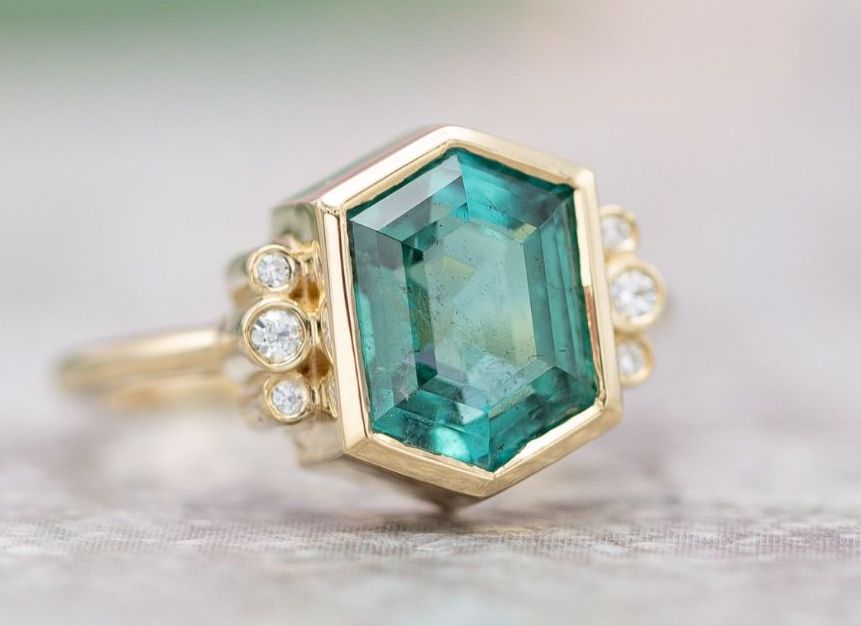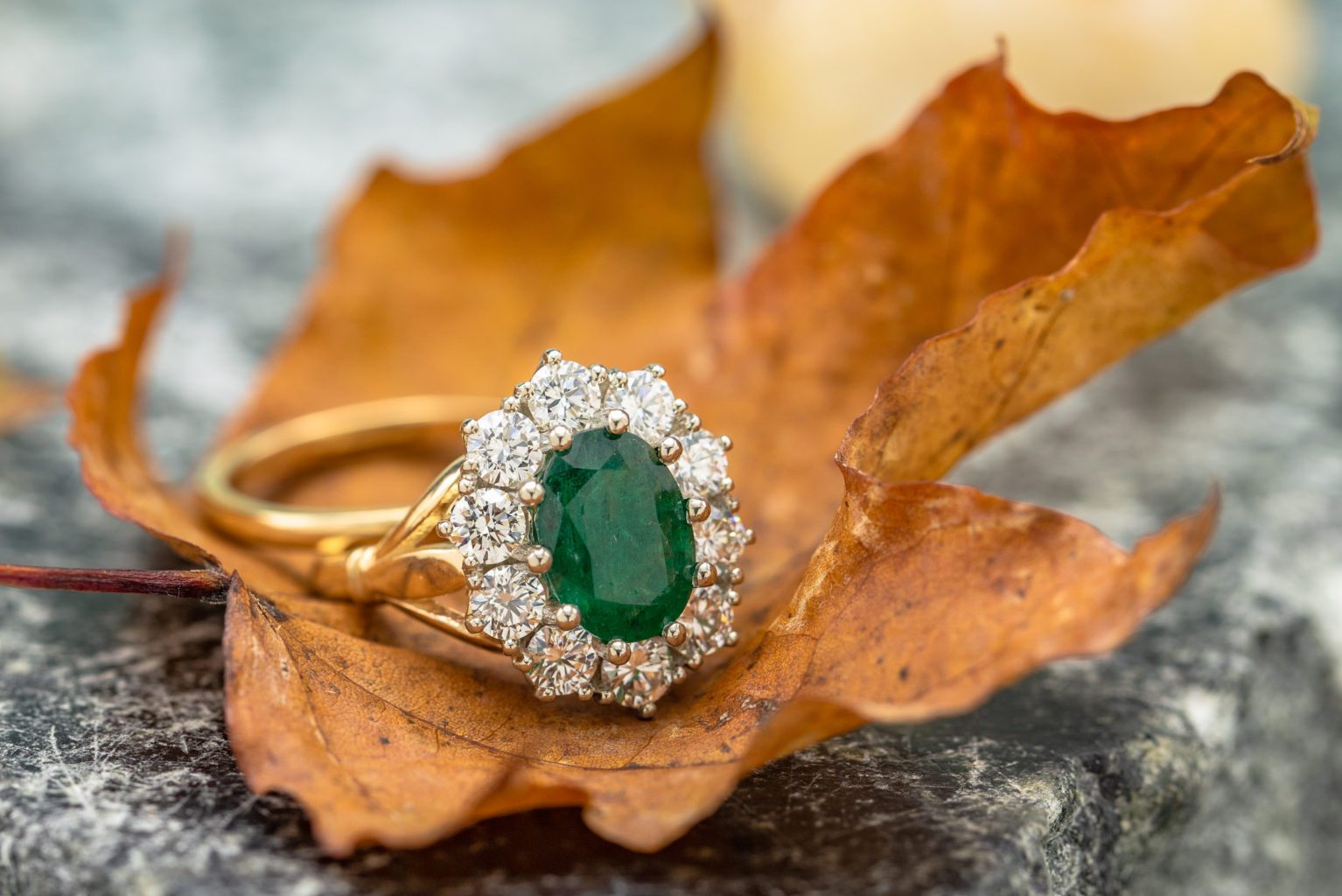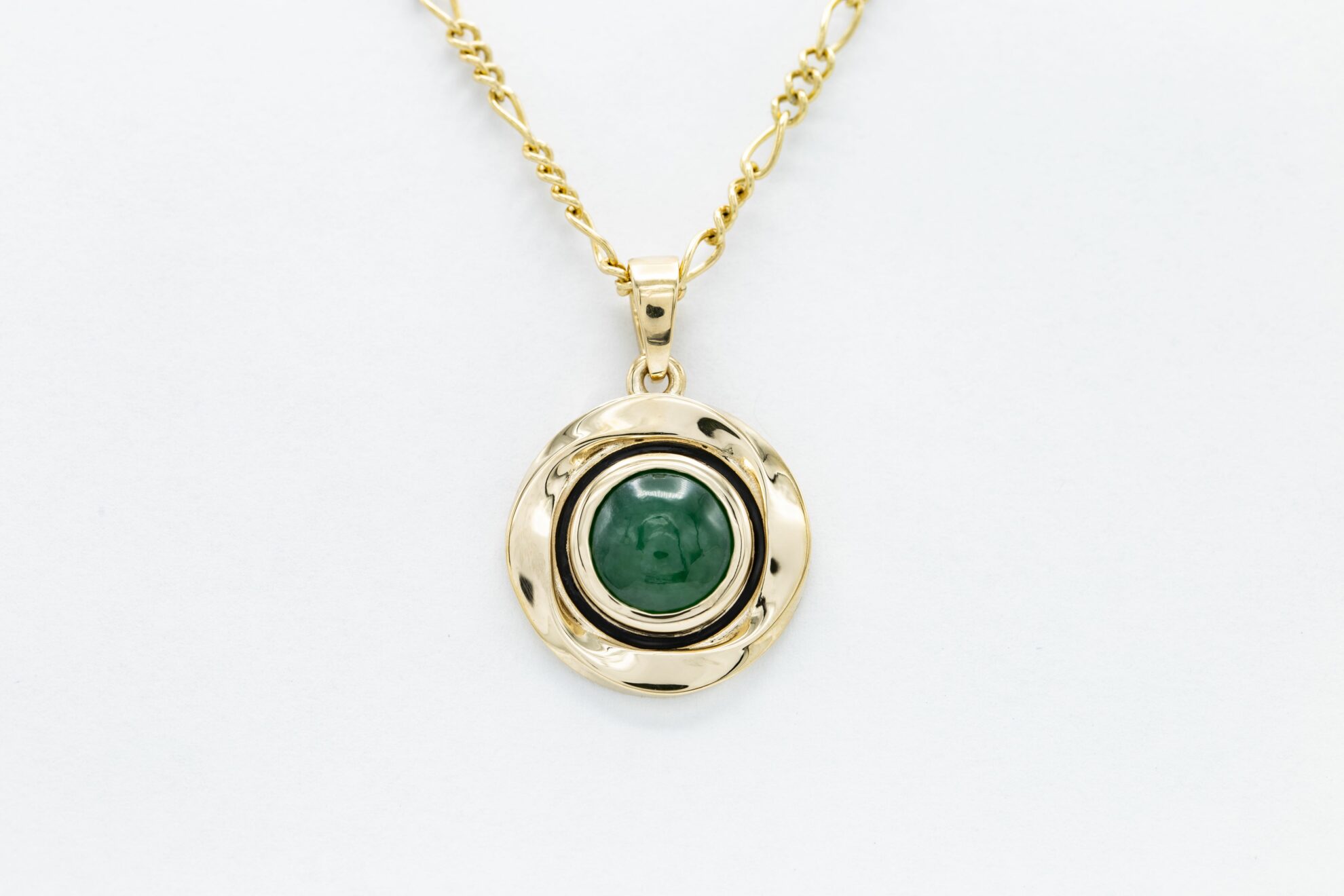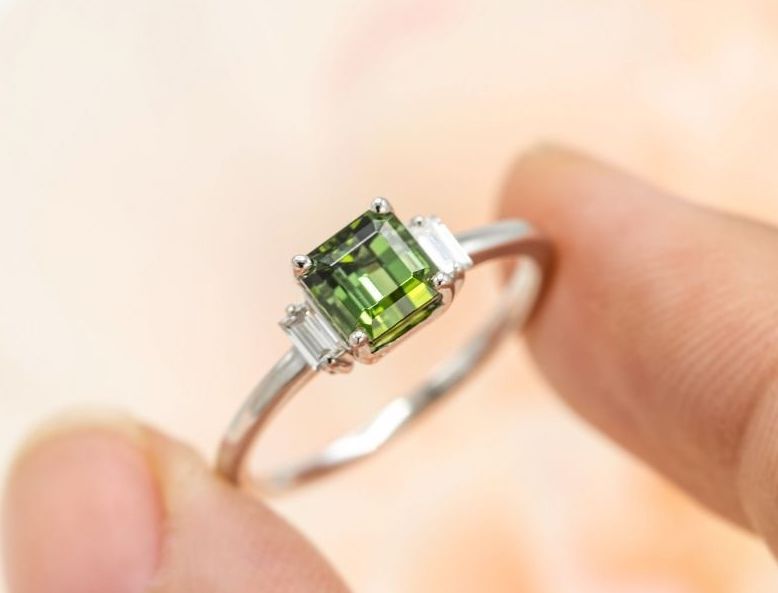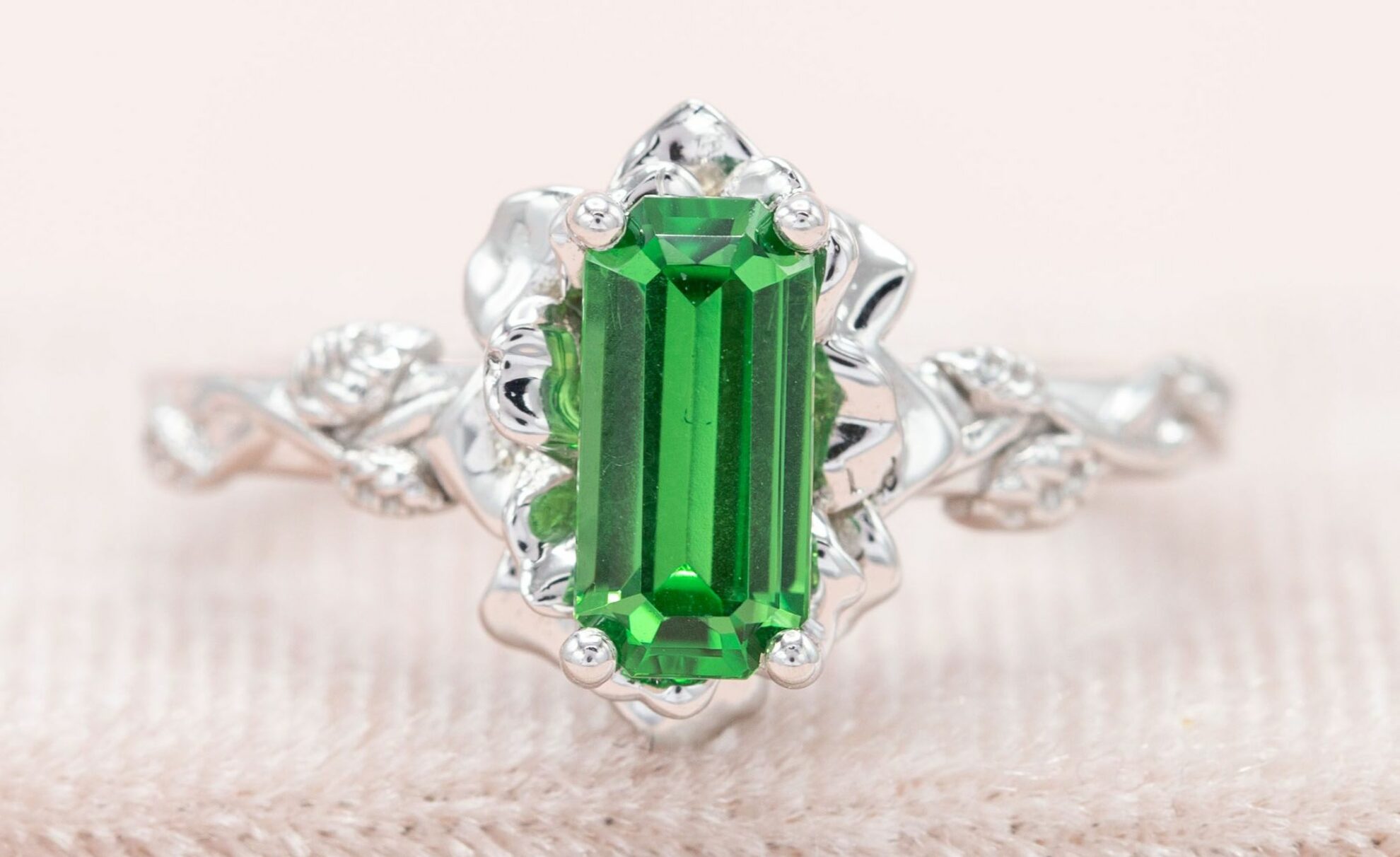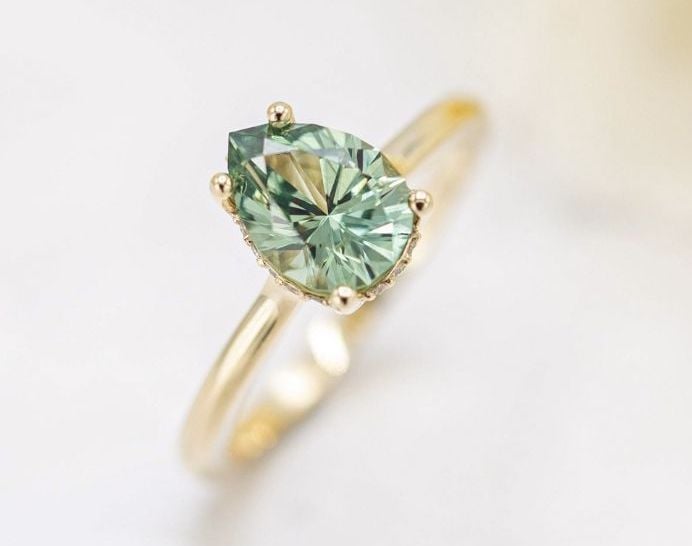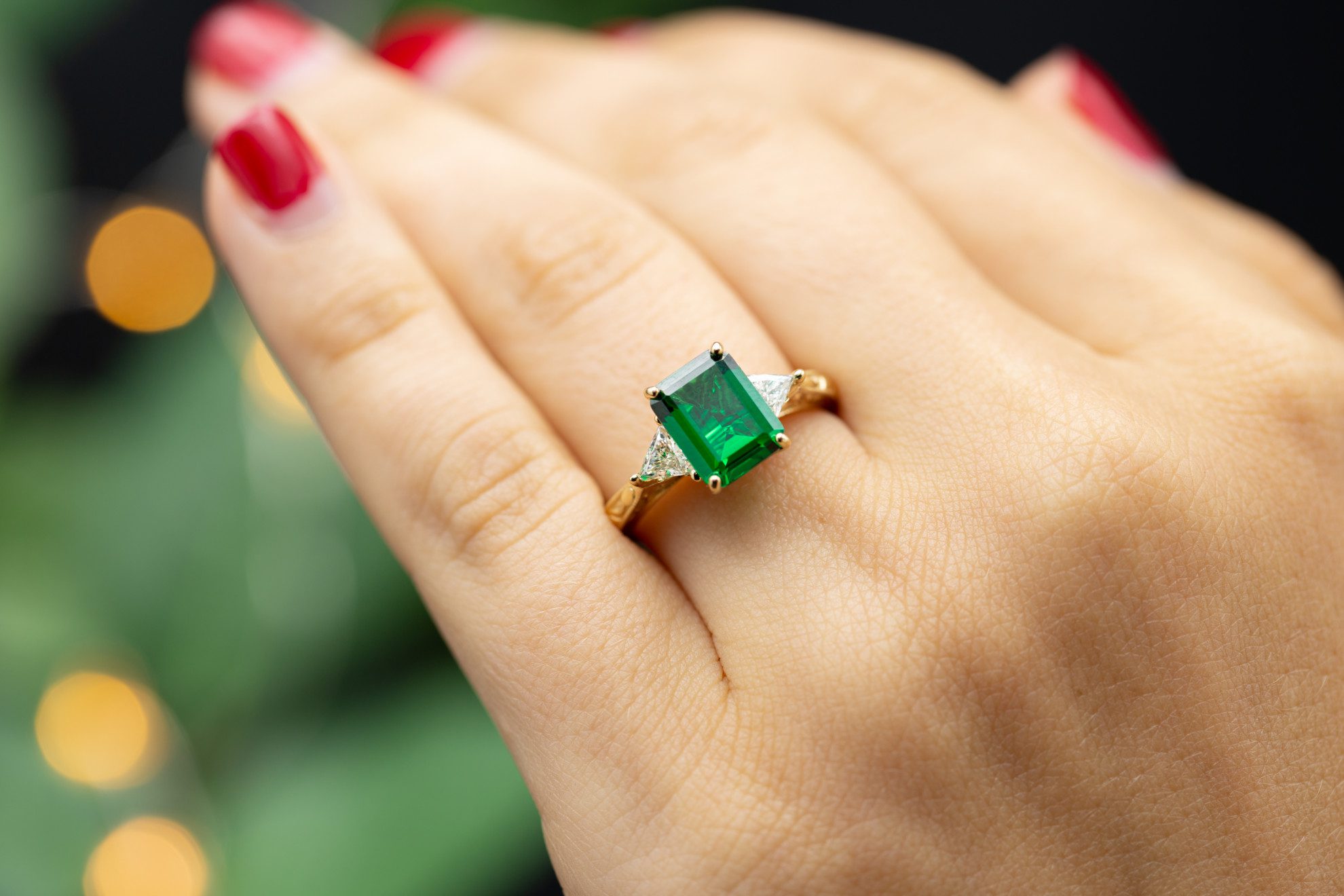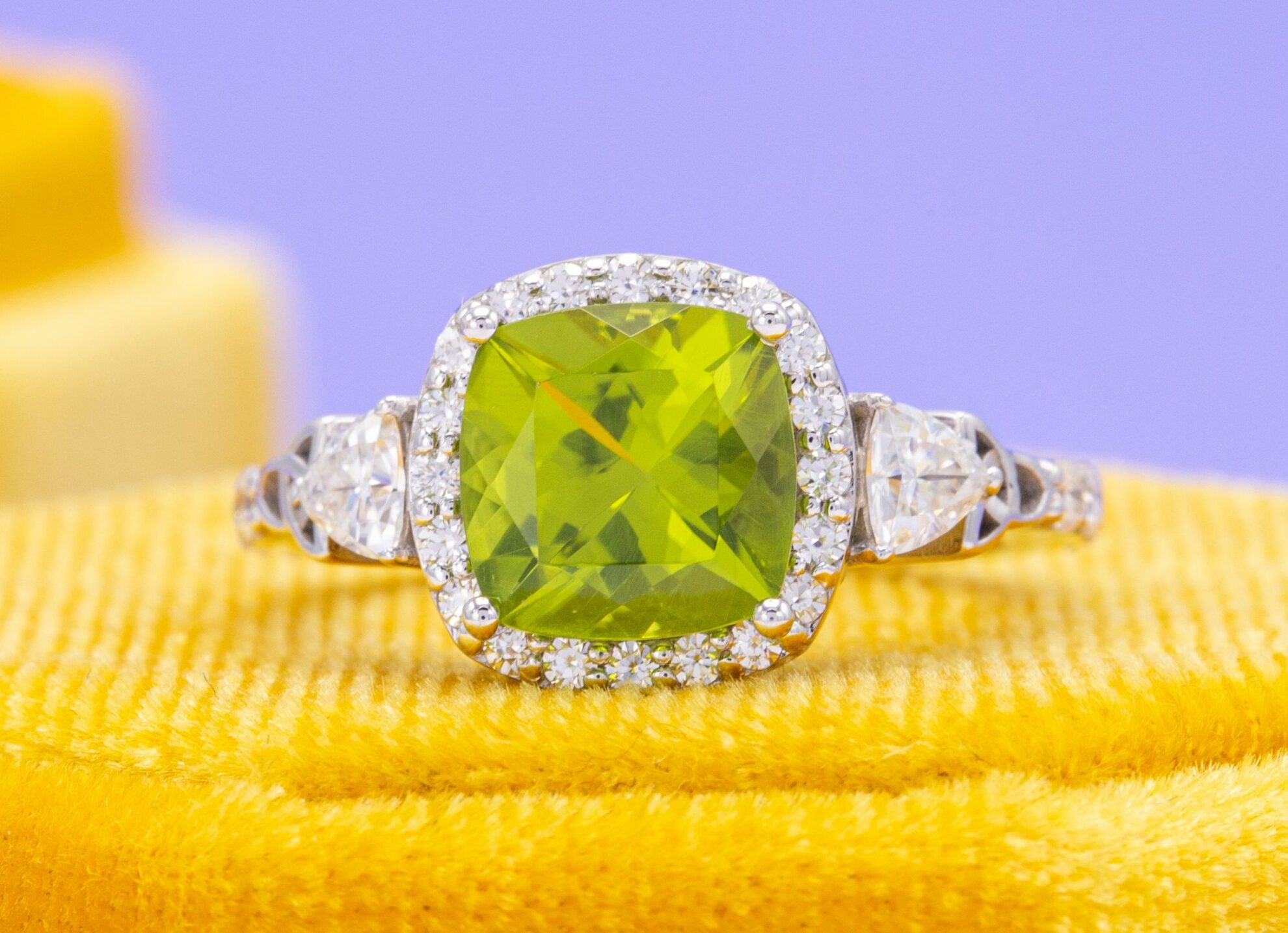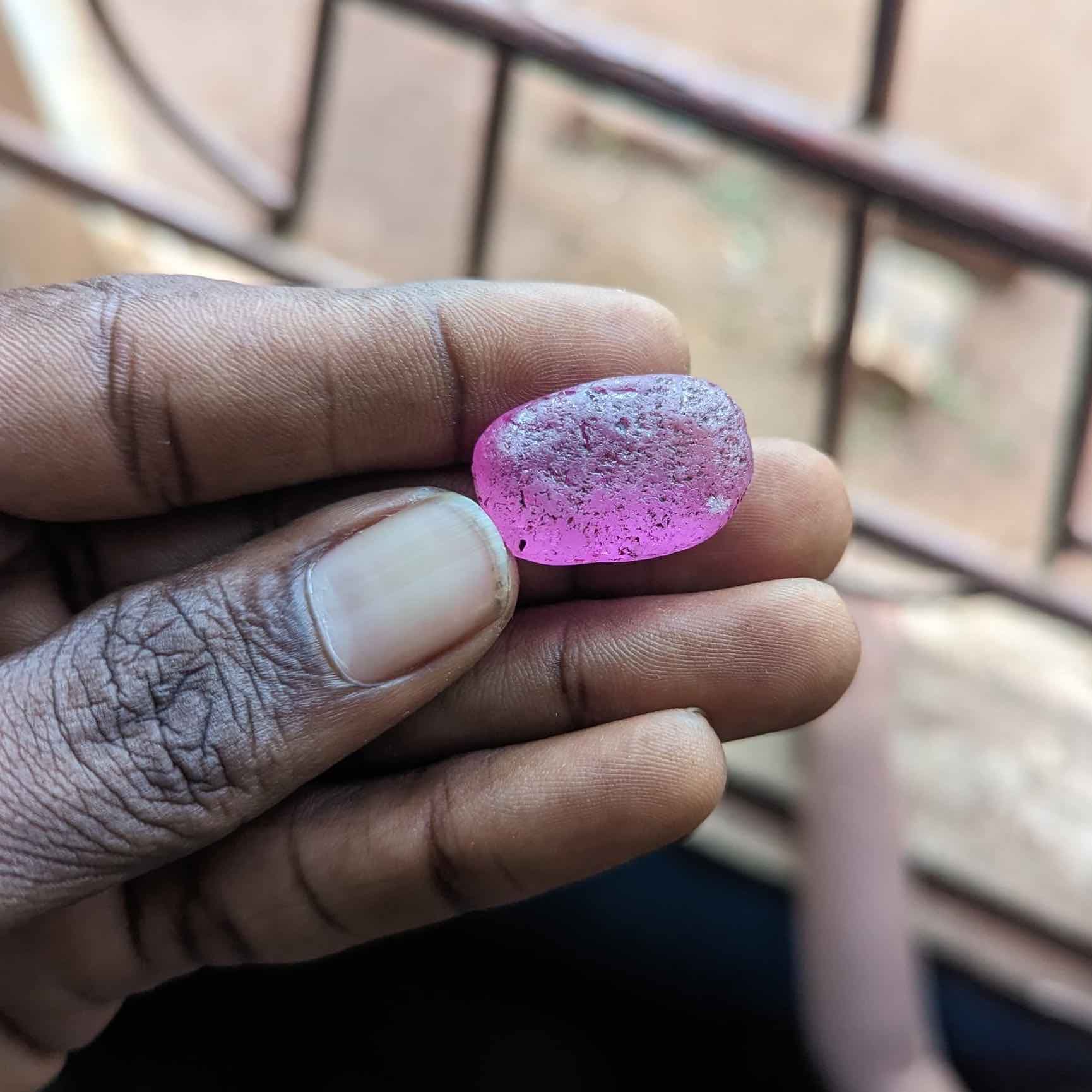
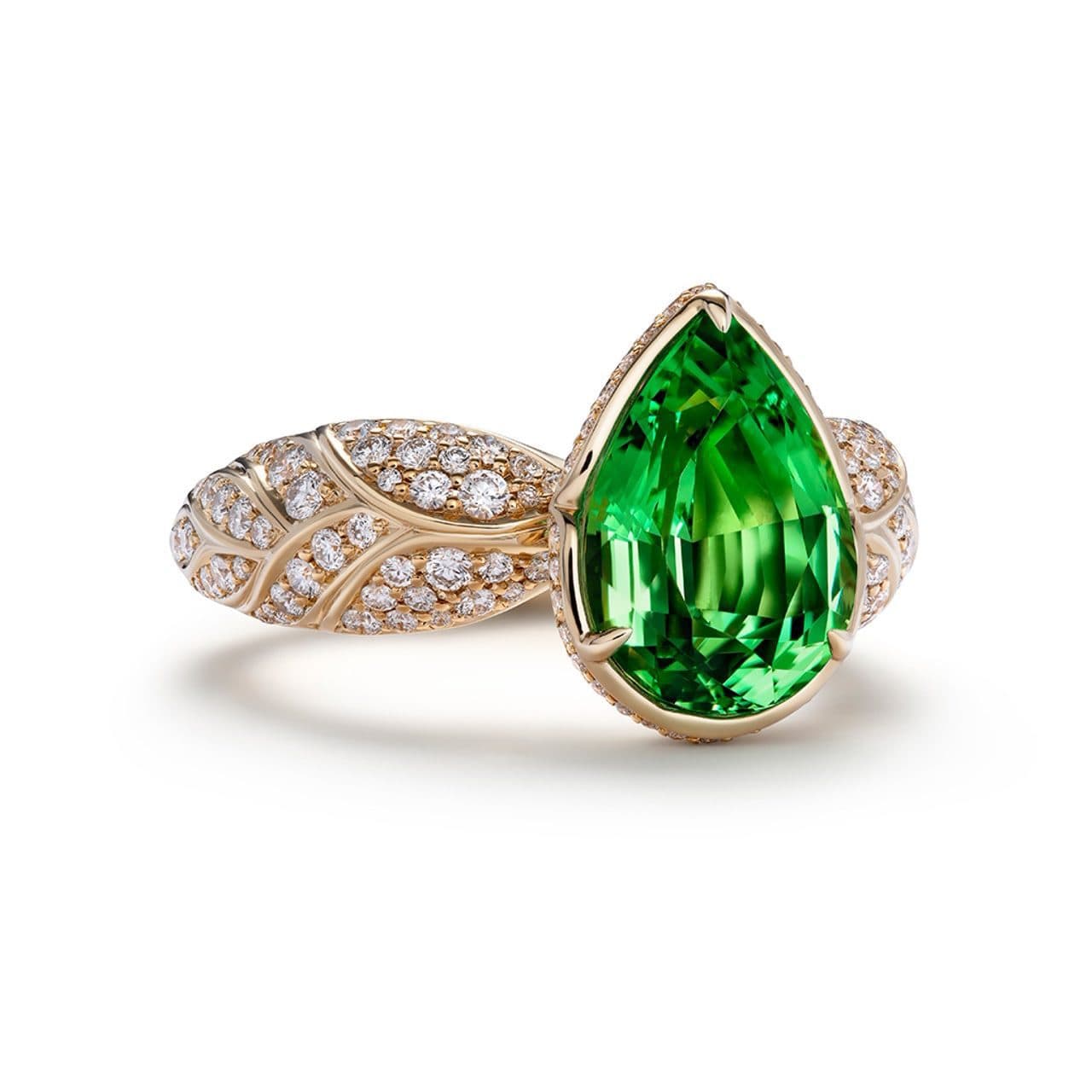
A favorite color for nature-inspired designs, green gemstones never go out of style. Learn which of these 32 green gems hold up best for engagement rings.
20 Minute Read
Are you searching for the perfect green gemstone for jewelry or a collection? Green gems offer timeless beauty that perfectly complements nature-inspired designs. Whether you're considering an engagement ring or a unique collector's piece, understanding the properties of different green gemstones is essential.
In this comprehensive guide, you'll discover:
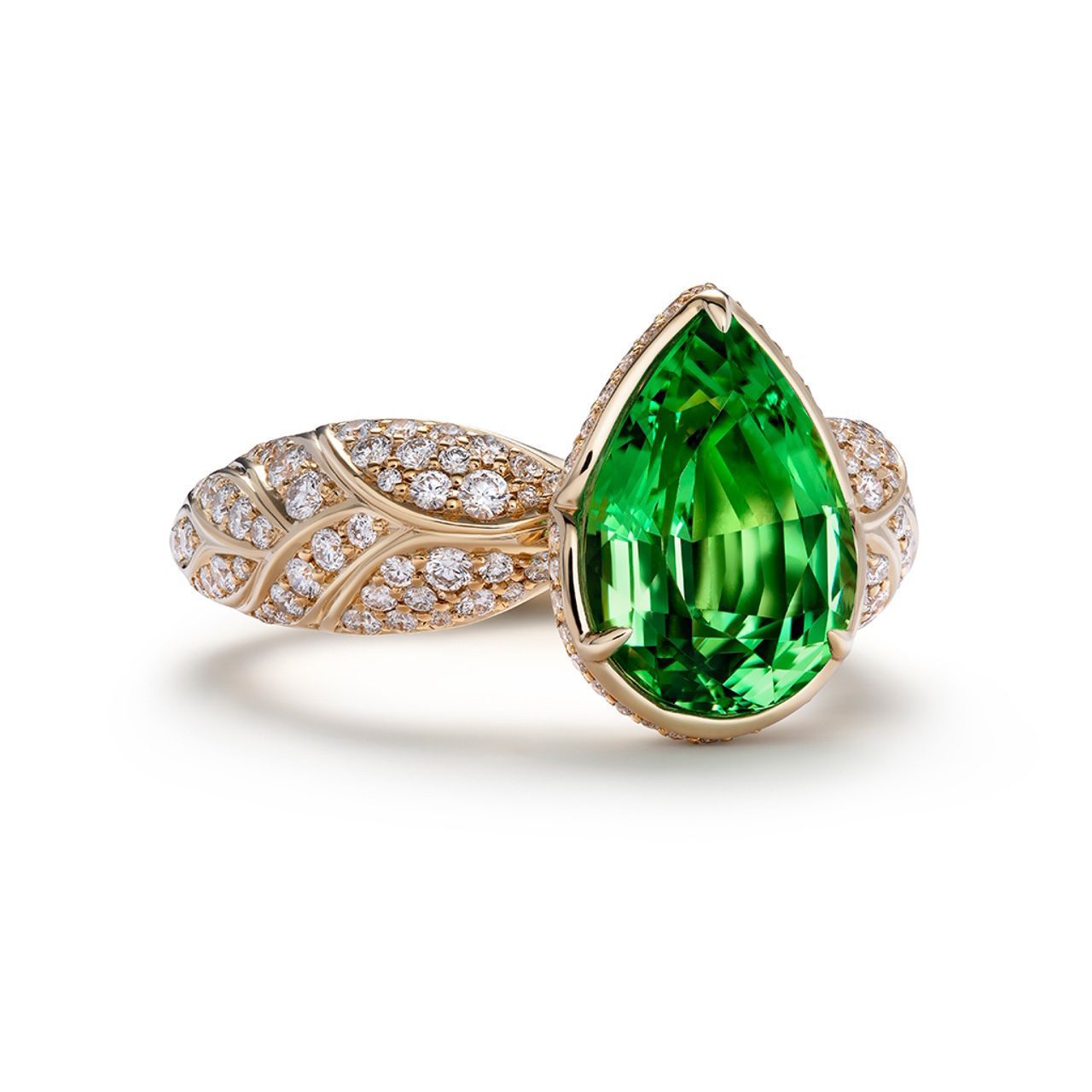
Gemologists evaluate colored stones by analyzing three key components: hue, tone, and saturation. For any green gemstone, while green serves as the primary hue, many gems display secondary color influences. These green gems frequently exhibit blue or yellow secondary hues. Generally, a pure green color commands higher prices and greater desirability. When secondary hues appear, most collectors prefer blue undertones over yellowish green variations. Though yellow-green stones can be quite beautiful, they typically fetch lower prices in the market.
Green gemstones achieve their most intense saturation at medium-dark tone levels. Excessively dark specimens often appear too blackened to appreciate their verdant beauty. Conversely, lighter-toned gems can display exceptional brightness and vivacity. Ultimately, gems showcasing the most vivid, saturated green colors attract the highest demand and command premium prices.
Clarity represents another crucial quality factor for green gemstones. It's important to understand that gemstone transparency doesn't merely describe how see-through a stone appears but rather addresses the natural imperfections present in every gem. Typically, these flaws appear less obvious in darker gemstones compared to lighter varieties. Nevertheless, always avoid selecting gems containing substantial inclusions or fractures, as these structural weaknesses may increase breaking risks. Additionally, large or dark imperfections positioned centrally draw immediate attention and should be avoided when possible.
Determining fair value for colored gemstones often proves challenging for consumers. We strongly recommend working with reputable custom jewelers such as CustomMade and thoroughly educating yourself using comprehensive gemstone buying guides before making significant purchases.
When searching for an ideal green gem for everyday jewelry, particularly rings, certain stones stand out for their exceptional durability. Each gem in this section rates 6.5 or higher on the Mohs hardness scale, providing excellent scratch resistance. These gemstones also demonstrate superior resistance to chipping or breaking when accidentally struck against hard surfaces. These exceptionally tough green gemstones will withstand the rigors of daily wear, making them perfect candidates for engagement rings. With proper cleaning and maintenance, these durable gems will maintain their beauty indefinitely.
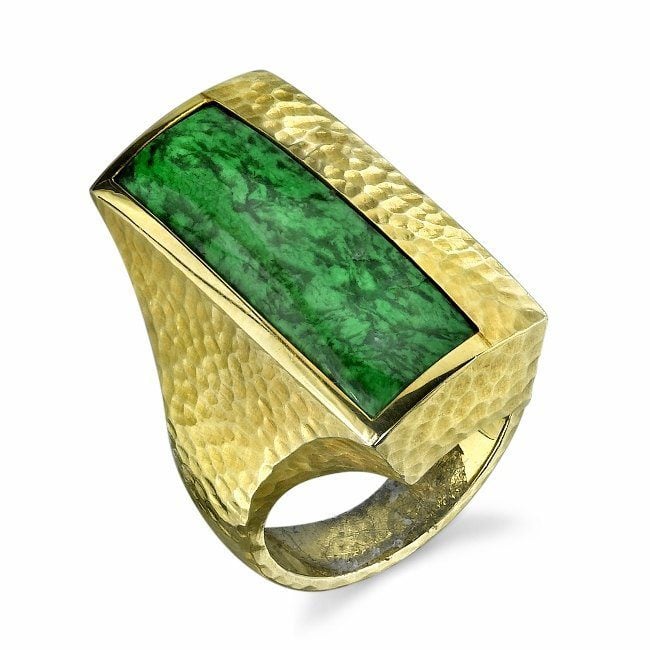
Among all gemstones, jade (comprising both jadeite and nephrite varieties) stands as the undisputed champion of durability. This remarkable stone demonstrates such extraordinary toughness that it can withstand hammer strikes without fracturing! Though not recommended while wearing it, this iconic green gemstone is renowned for its musical properties, producing bell-like tones when struck. Jade's distinctive translucent quality has fascinated civilizations for millennia, establishing it as one of history's most treasured materials for artistic carving.
When considering jade purchases, remember several important factors:
For comprehensive information about selection and quality factors, consult our detailed jade buying guide.
For those preferring faceted gemstones, green tourmaline, commonly called verdelite, offers exceptional value. These versatile gems typically display better clarity and larger sizes than emeralds while offering greater durability at substantially lower prices. Representing an outstanding emerald alternative, this modern October birthstone frequently appears in the classic emerald cut shape.
For connoisseurs seeking truly exceptional color, chrome tourmaline presents an extraordinary option. While commanding higher prices than standard verdelites, chrome tourmalines display intensely saturated green colors that justify their premium cost. These magnificent stones derive their striking color from chromium—the identical rare element responsible for emerald's famous green hue.
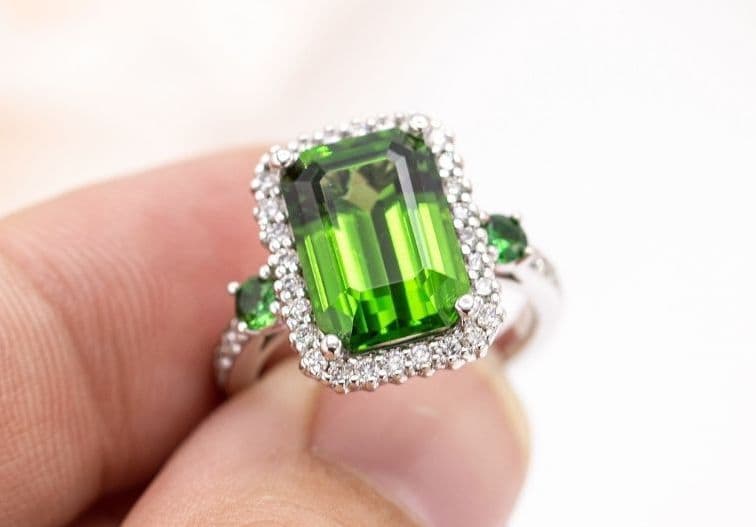
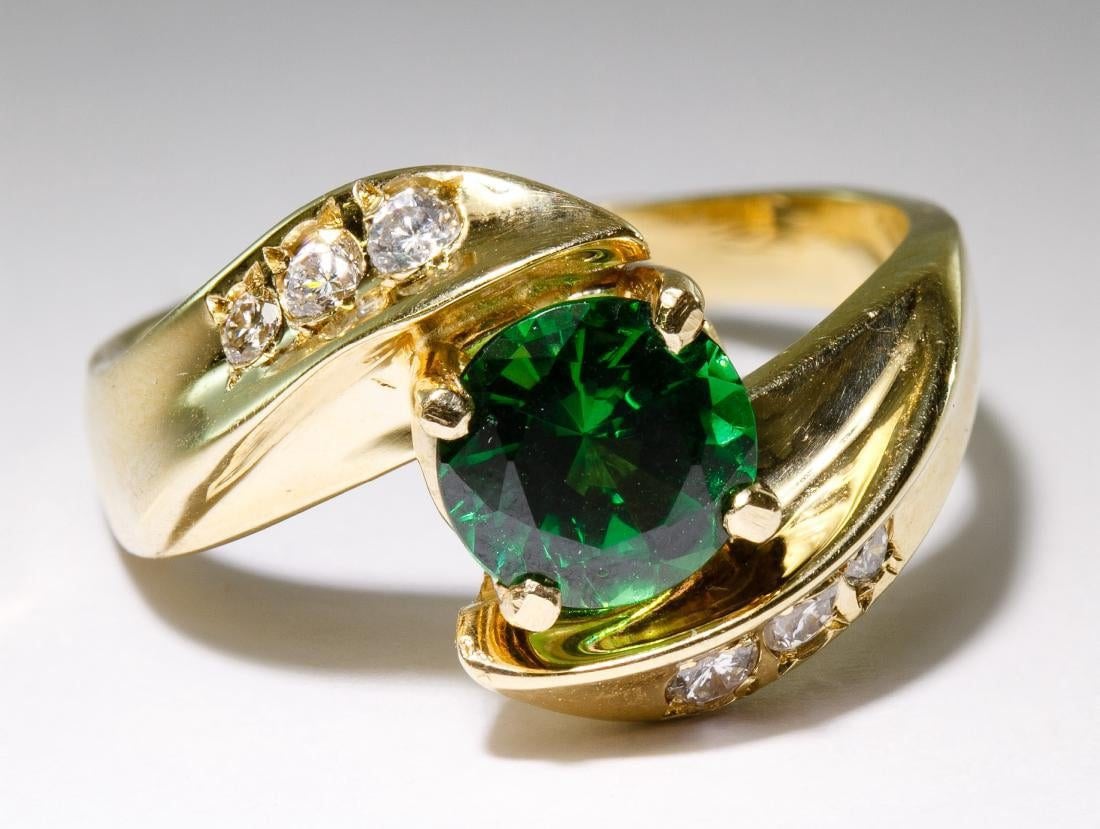
For enthusiasts desiring maximum brilliance in their green gem selection, the garnet family offers unparalleled options. Though this January birthstone remains best known for its traditional reddish-brown varieties, garnets actually occur in a complete rainbow of colors, with green representing some of the most valuable variations. Different chemical compositions create distinct green garnet varieties. Green grossular garnets include deeply colored tsavorites and lighter mint-green specimens. Highly regarded by professional jewelers, tsavorites display magnificent color saturation and exceptional sparkle when expertly cut.
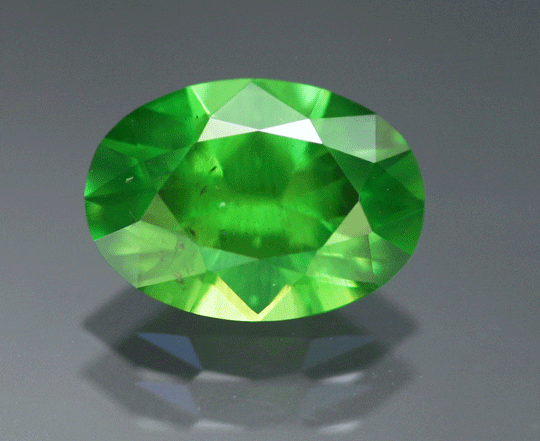
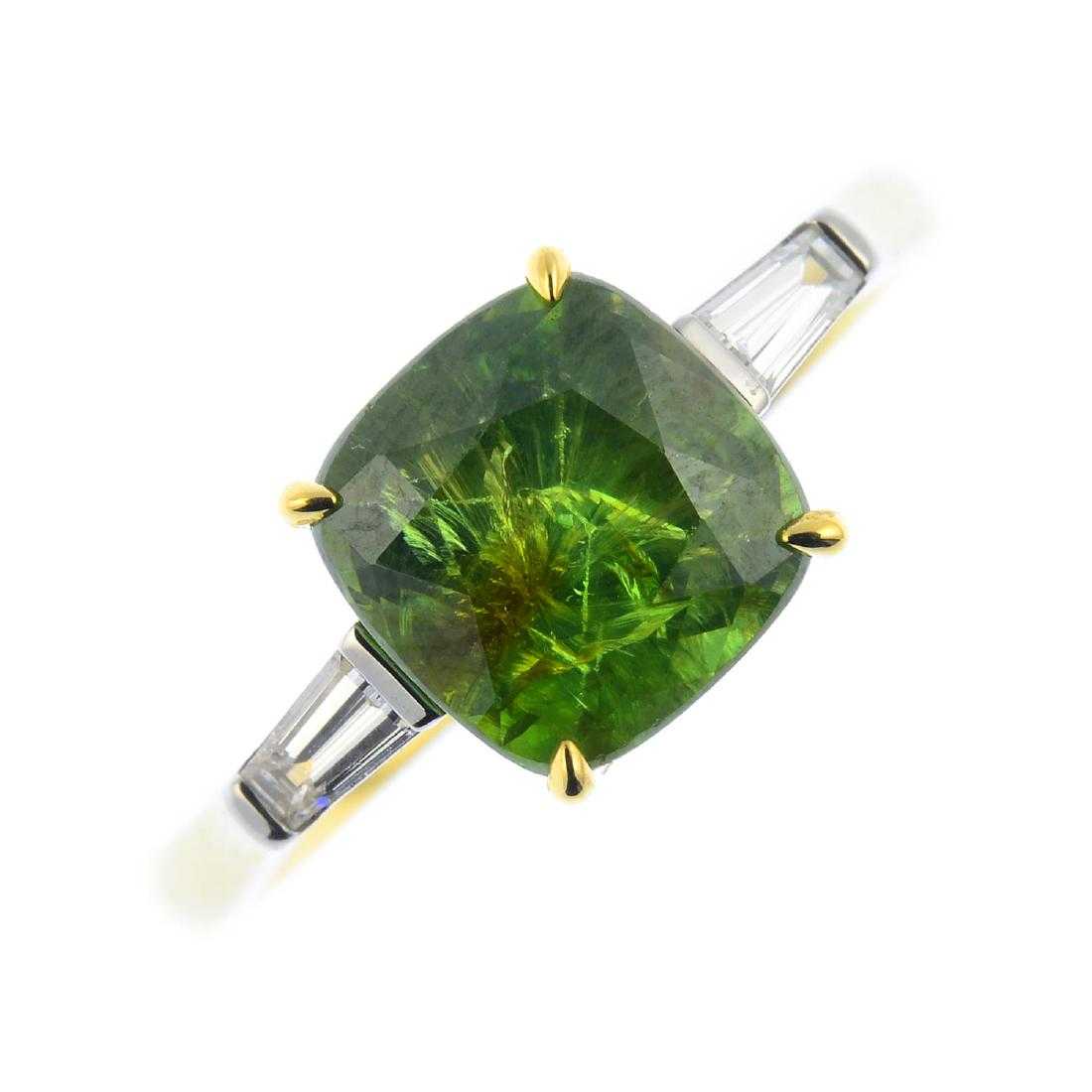
Collectors seeking extraordinary rarity might consider demantoid garnet. These remarkable green gemstones earned their name, meaning "diamond-like," from their extraordinary light dispersion that creates spectacular color flashes in finished gems. Due to its unique chemical composition, this garnet variety occurs much more rarely and commands significantly higher prices than other varieties. However, if you appreciate the distinctive red flash emanating from deep within a vivid green gem, you'll find demantoid garnets absolutely captivating. For comprehensive selection guidance, explore our demantoid buying guide and garnet engagement ring guide.
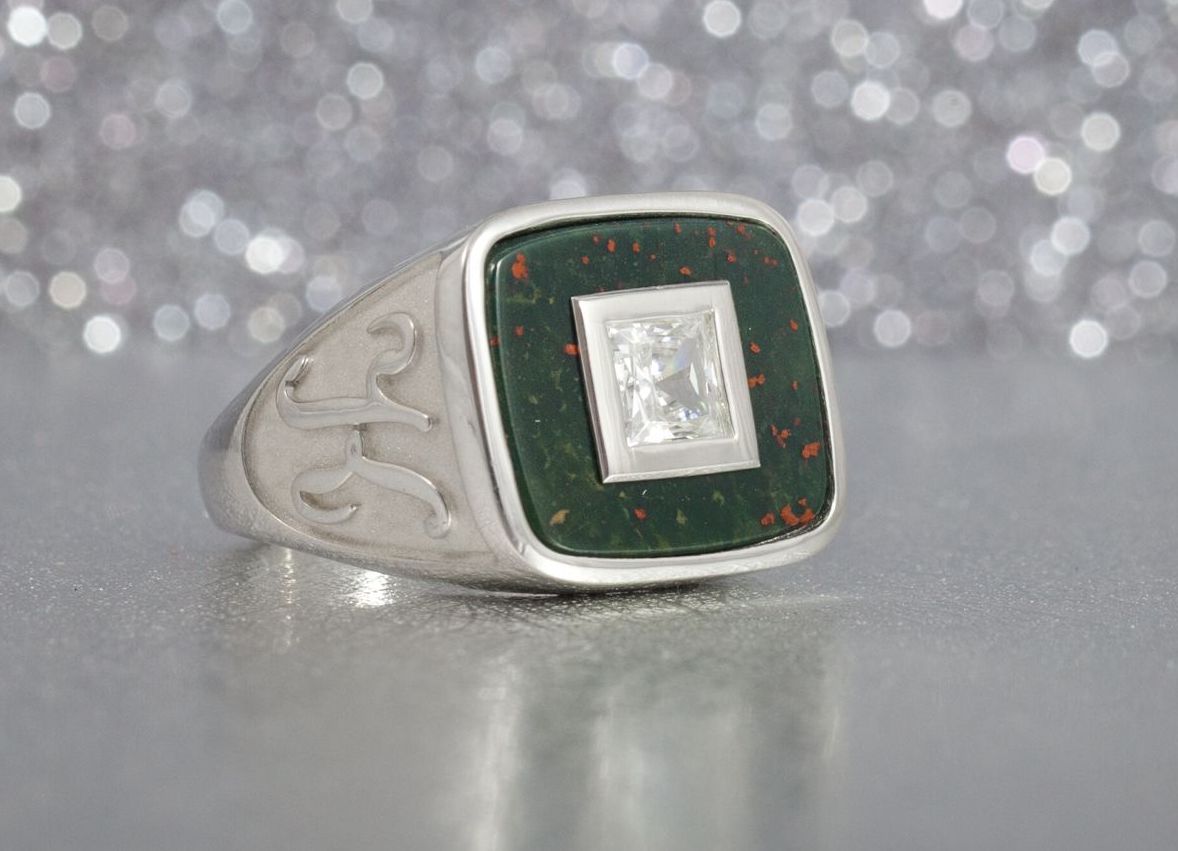
Despite its name suggesting otherwise, bloodstone displays a predominantly green color. This fascinating gem isn't named for horseshoe crab blood—it's actually a variety of chalcedony featuring a deep green background speckled with distinctive red spots resembling blood droplets. As the traditional birthstone for March, bloodstone carries rich historical significance, symbolizing courage for warriors entering battle throughout many ancient civilizations.
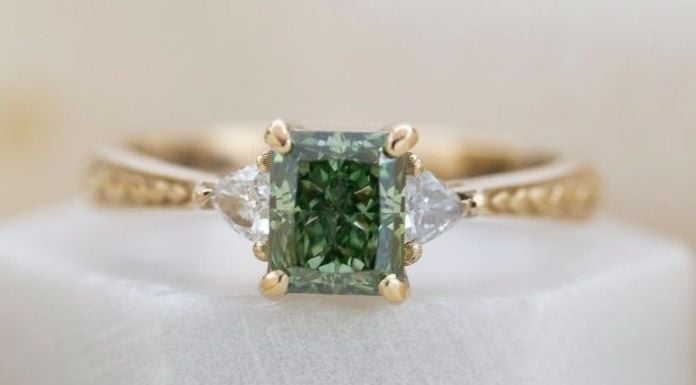
For those with substantial budgets, few green gemstones match the prestige of a natural green diamond. Representing one of the rarest natural diamond color varieties, green hues attract particular admiration from serious collectors. These exceptional colors develop through nitrogen, hydrogen, and nickel influences within the crystal structure or from natural radiation exposure creating structural defects during underground formation.
If natural green diamonds exceed your budget constraints, consider professionally treated alternatives. Irradiation treatments can produce green diamonds with impressive color saturation at significantly lower price points. Rest assured these treatments create completely safe, wearable gemstones.
When jade exceeds budget limitations, consider the attractive alternative of maw sit sit. This distinctive green material frequently displays vibrant hues resulting from chromium traces alongside characteristic black inclusions, creating an impressive jade resemblance. Interestingly, some maw sit sit specimens actually contain jadeite components. The material's bright green coloration stems from a combination of jadeite and kosmochlor minerals. Available at substantially lower prices than fine jade, maw sit sit represents an excellent alternative for jade enthusiasts.
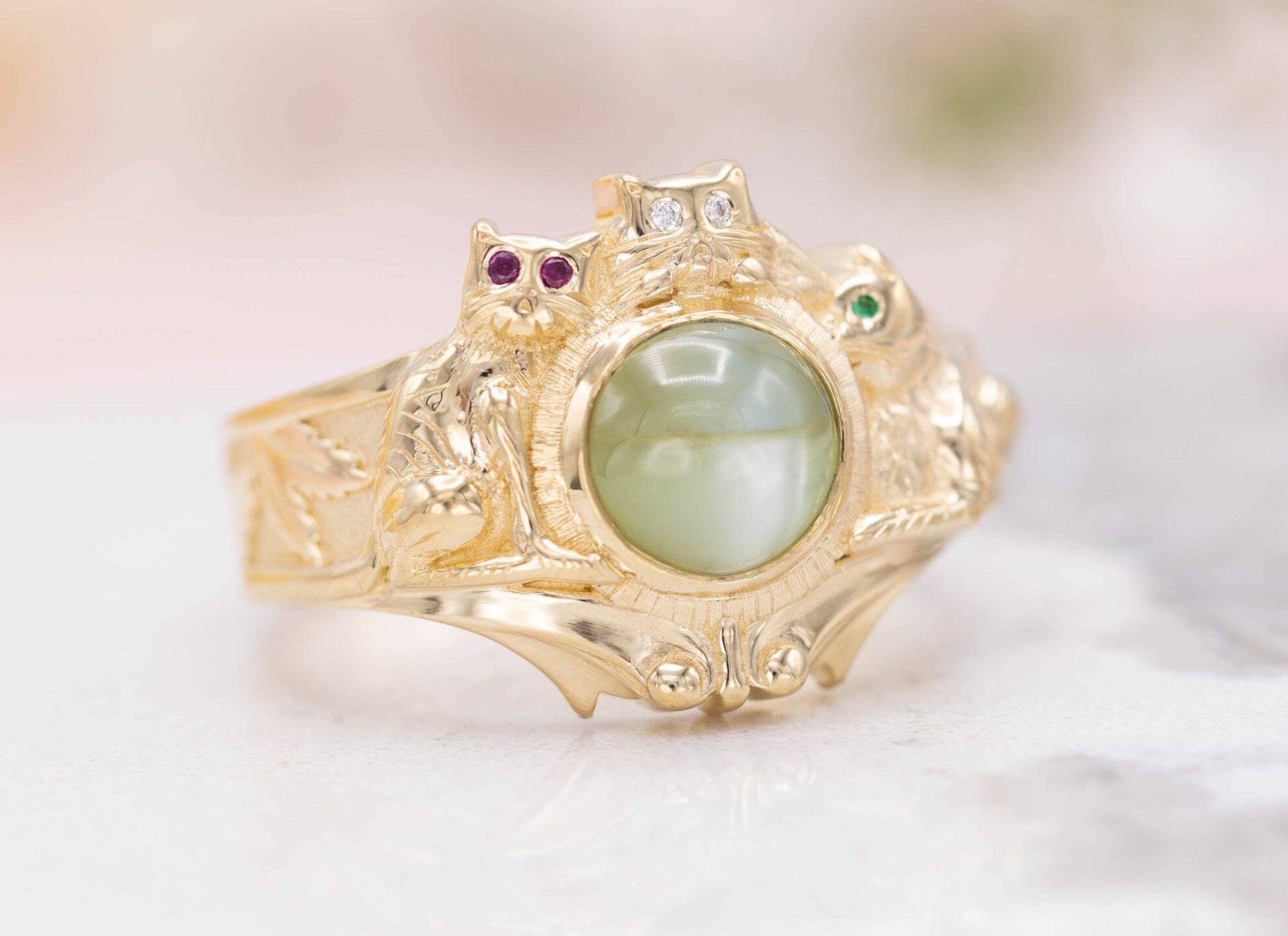
While the mineral chrysoberyl enjoys fame primarily for its yellow cat's eye variety and its remarkable color-changingalexandrite form, green varieties deserve greater recognition. Beautiful mint-green chrysoberyls occur in several global locations, though market demand remains relatively modest for these gems. Nevertheless, expertly cut green chrysoberyls display exceptional brilliance and make outstanding choices for durable ring stones.
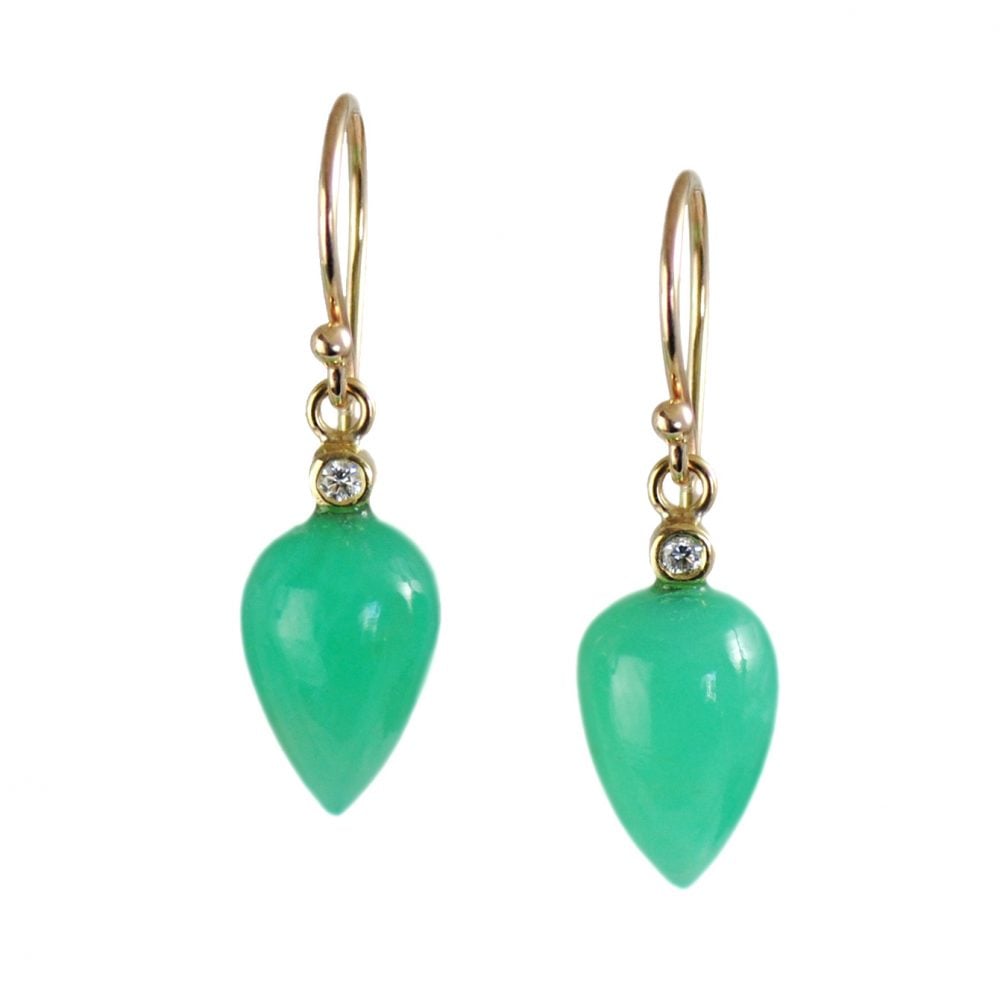
This distinctive and visually striking gemstone, chrysoprase represents a specialized chalcedony variety containing nickel-bearing mineral inclusions that produce vibrant green colorations. When cabbed or carved, this translucent gem creates another excellent jade alternative. For maximum longevity, select specimens originating specifically from Australian deposits, as chrysoprase from other sources may experience color fading with prolonged sunlight exposure. For selection guidance and quality factors, reference our comprehensive chrysoprase buying guide.
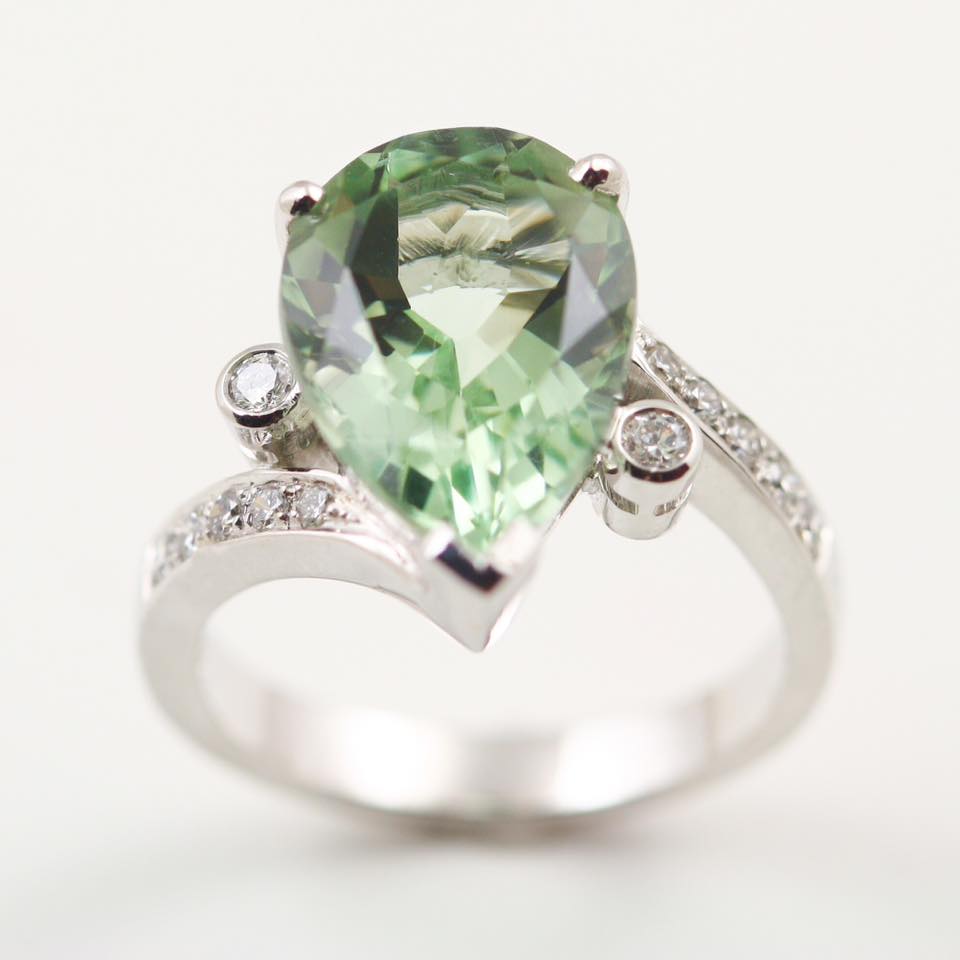
This delicate light green variety of quartz has recently gained popularity as an affordable jewelry stone option. While naturally occurring green quartz remains exceptionally rare, gem dealers commonly produce prasiolite through controlled heat treatment of light-colored amethyst (the purple quartz variety). This treatment permanently transforms the crystal structure to create stable green coloration.
Though primarily celebrated for blue varieties, sapphire occurs in fascinating green hues as well. While green specimens rarely achieve the color saturation of their blue counterparts, green sapphire represents an excellent choice for everyday rings. Among the jewelry world's most durable gemstones, sapphires easily withstand the demands of continual wear in engagement rings.
Green sapphires offer several advantages for discerning buyers:
For complete selection guidance, consult our detailed sapphire buying guide and engagement ring guide.
In its crystalline form, idocrase produces beautiful faceted gemstones. In its massive form, it creates another excellent jade alternative. Idocrase crystals occur abundantly in metamorphosed limestone formations near Mount Vesuvius, explaining its alternative name "Vesuvianite". Though not commonly featured in commercial jewelry, idocrase demonstrates good durability without significant concerns and should withstand daily wear admirably.
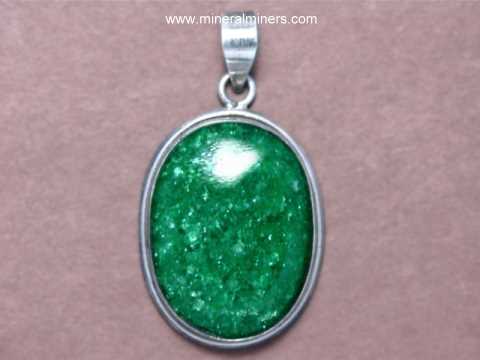
This specialized quartz variety contains natural internal sparkle elements. Flat, thin crystal inclusions throughout the stone create light-reflecting sparkles, a phenomenon called aventurescence. These mineral inclusions simultaneously impart a pleasing bluish-green coloration to the quartz. With excellent hardness of 7, this material demonstrates more than adequate durability for everyday jewelry wear. (Note that artisanal glass known as "goldstone" sometimes receives the misleading name "aventurine," but bears no relation to genuine quartz aventurine).
Unfortunately, not all green gemstones possess adequate durability for daily wear. Several beautiful varieties demonstrate softness or susceptibility to chipping and breaking. These gems perform best in earrings, pendants, and brooches where they face minimal impact risks. If incorporating these green gemstones into ring designs, always utilize a protective setting to minimize chipping and scratch potential.
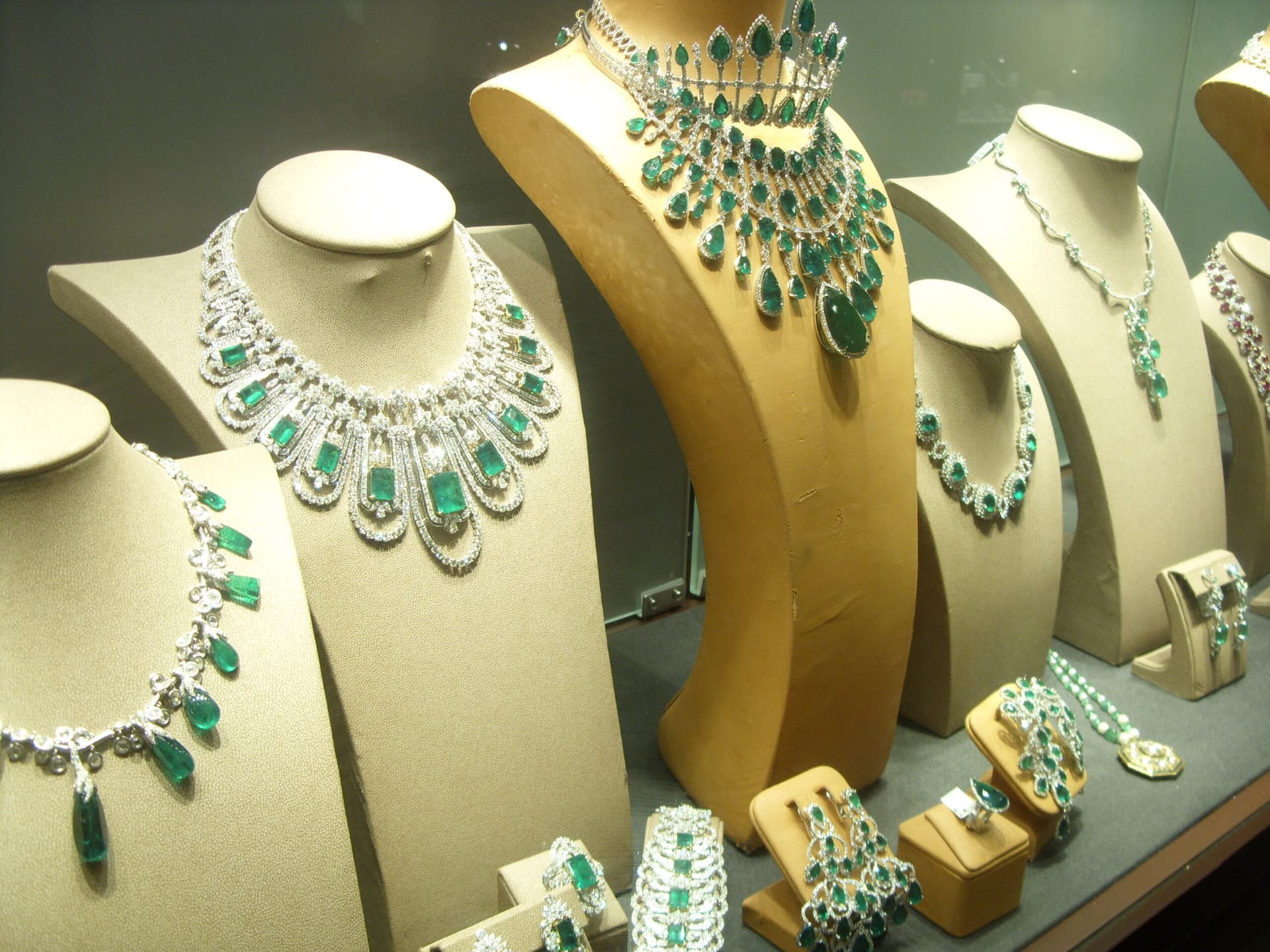
Among all green gemstones on Earth, emerald undoubtedly maintains the highest recognition and desirability. Throughout history, this magnificent gem has inspired countless legends and famous jewelry pieces. With hardness ratings between 7.5 and 8, the May birthstone generally resists scratching effectively. Surprisingly, however, emerald doesn't perform nearly as well in ring settings as ruby or sapphire. Emeralds always have imperfections in their crystal structure, creating internal stress points that increase breaking risks when accidentally struck against hard surfaces. Additionally, emeralds typically receive oil treatments to improve their appearance, requiring special care considerations.
For those determined to feature an emerald stone in ring settings, several strategies can minimize damage risks:
For comprehensive guidance on emerald selection and care, explore our emerald buying guide and engagement ring guide.
Have you ever imagined gems literally falling from the sky? With peridot, this actually happens. This modern August peridot birthstone forms primarily in volcanic environments. During violent eruptions, some volcanoes eject peridots skyward, which subsequently fall to the surrounding landscape. Even more fascinatingly, some peridot specimens originate beyond our planet, discovered within Pallasite meteorites.
Though these yellowish-green peridot gems enjoy popularity as affordable jewelry stones, their durability presents certain limitations. Peridot can fracture if struck at vulnerable angles and demonstrates sensitivity to acids and rapid temperature fluctuations. For comprehensive selection and care information, consult our peridot buying guide.
Among the most popular green gemstones in fashion jewelry, chrome diopside enjoys widespread appreciation. Surprisingly, despite its current popularity, it represents one of the market's newest gem materials. Most commercial material originates from an eastern Siberian deposit discovered only in 1988. More recently, Pakistan has emerged as an additional chrome diopside source.
Despite its relative geographic scarcity, chrome diopside presents several important considerations:
Diopside can split along cleavage planes if struck improperly, demanding extra caution when used in rings.
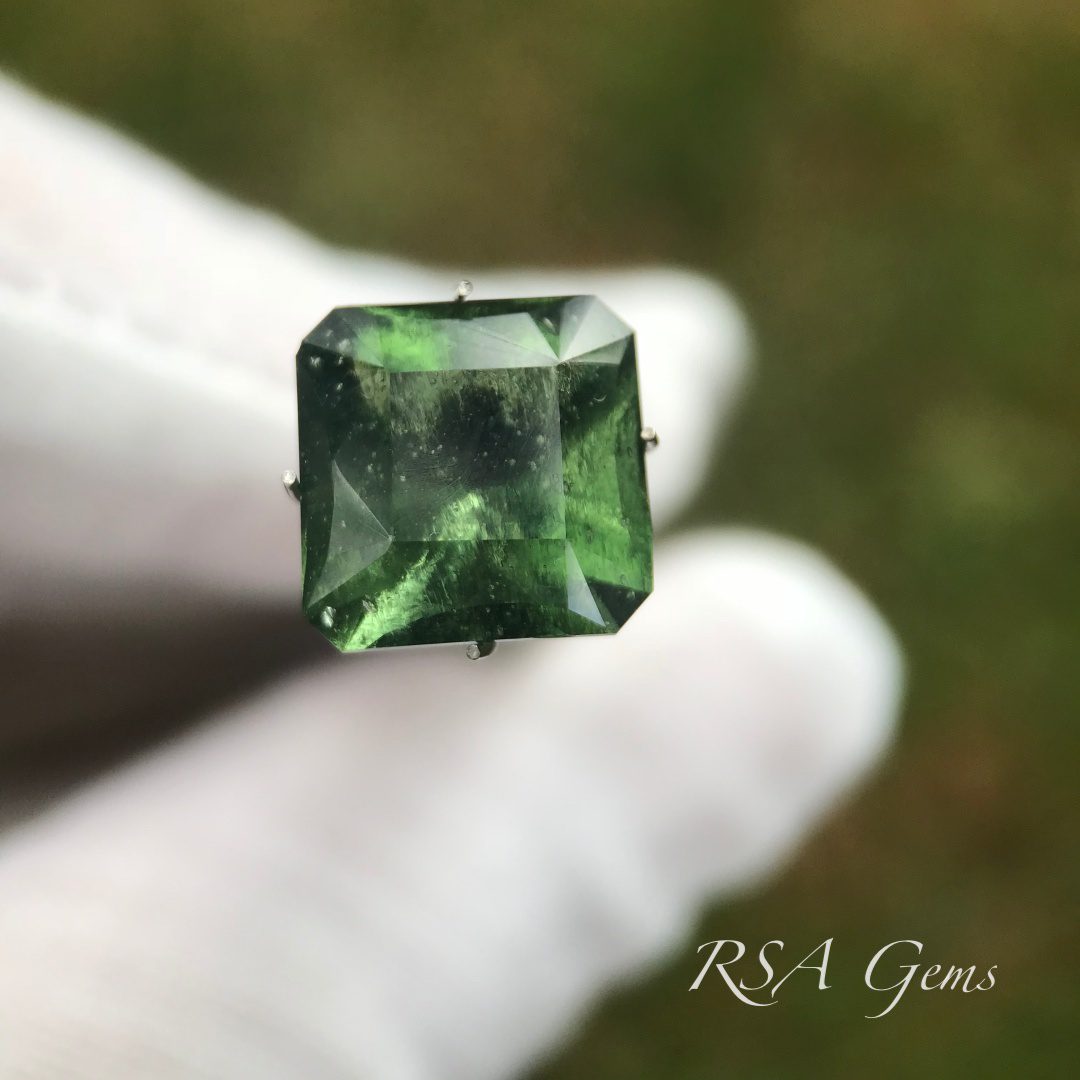
For enthusiasts of extraterrestrial connections or lovers of olive-green hues, moldavite jewelry offers fascinating appeal. This moldavite stone actually represents a natural glass variety formed during meteorite impacts. When meteorites strike Earth's surface, they instantly liquefy surrounding rock material, propelling it skyward into the atmosphere. This process resembles a stone striking water, but involves molten rock instead! As the liquefied material falls back earthward, it rapidly cools, forming this distinctive glass.
Like all glass materials, moldavites scratch relatively easily, necessitating careful storage and handling for moldavite crystal jewelry items.
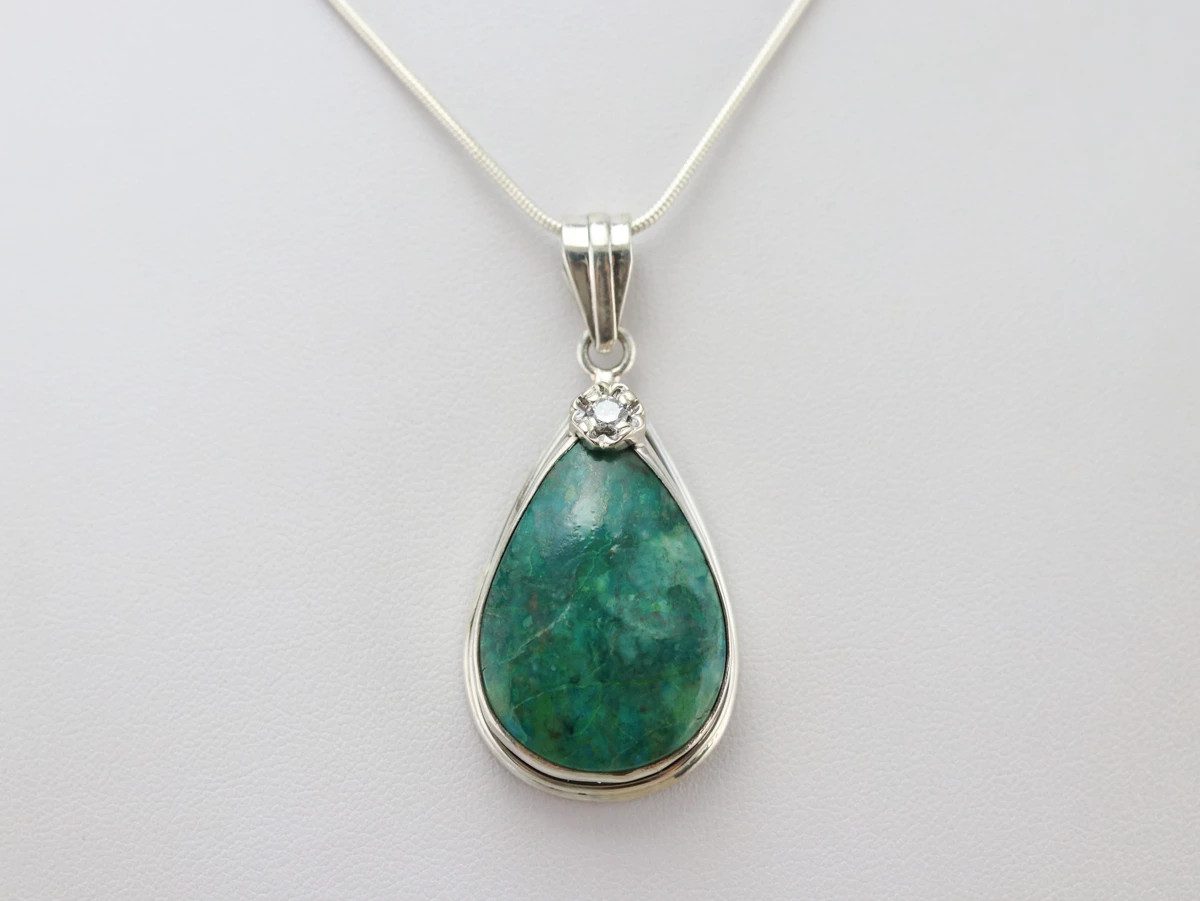
Many people don't realize that turquoise frequently occurs in greenish colors. While most commercial turquoise displays the signature blue-green hue we commonly associate with this gem, certain mining locations produce predominantly green varieties. Turquoise from Carico Lake, Nevada often exhibits particularly vibrant apple-green coloration accented by intricate black matrix patterns. Other deposits yield attractive bluish-green transitional hues. For complete information about varieties and selection, reference our turquoise buying guide.
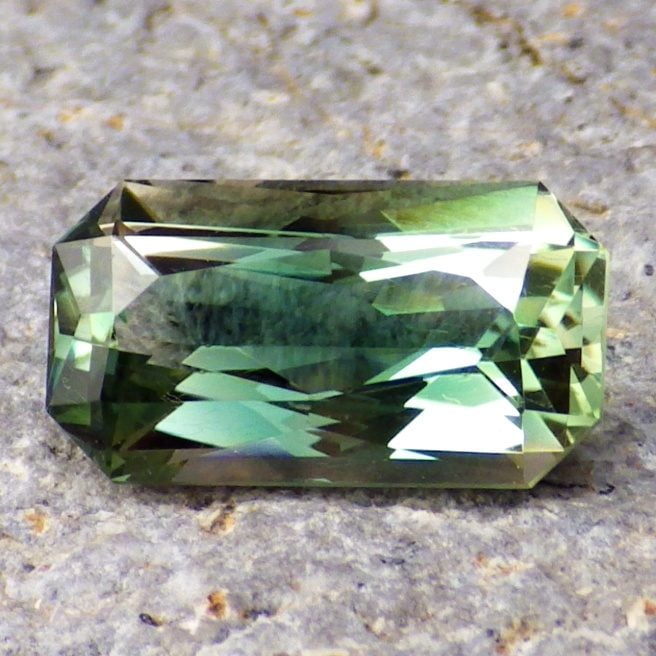
Feldspars constitute some of Earth's most abundant minerals. However, these specialized gem varieties have developed devoted collector followings. This popularity stems from sunstone's distinctive tiny iron mineral inclusions, while Oregon sunstone contains microscopic copper particles creating mesmerizing glitter effects. Though reddish varieties command the highest prices, green to blue-green specimens represent excellent alternative choices. For detailed selection guidance, explore our Oregon sunstone buying guide.
Though primarily renowned for its violet-blue variety tanzanite, zoisite naturally occurs in several color variations including green. This connection explains why green zoisite occasionally receives the inaccurate marketing name "green tanzanite." Transparent green zoisite remains extremely rare, making faceted specimens true collector items. However, "ruby-in-zoisite" (sometimes called anyolite), comprising opaque green zoisite, black hornblende, and vivid red ruby, creates striking decorative material widely used in ornamental objects.
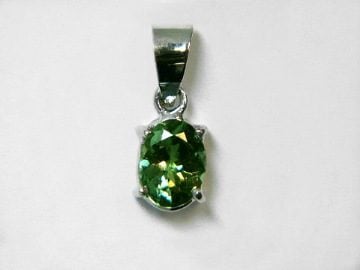
This copper-based mineral displays characteristic concentric green banding patterns that create instantly recognizable malachite stone specimens. Beyond its visual appeal, malachite has long been associated symbolically with money and prosperity in various cultures. The malachite gemstone sometimes forms in substantial sizes, making it excellent for decorative objects beyond jewelry applications. However, collectors should note its relative softness, brittleness, and sensitivity to heat and acidic substances.
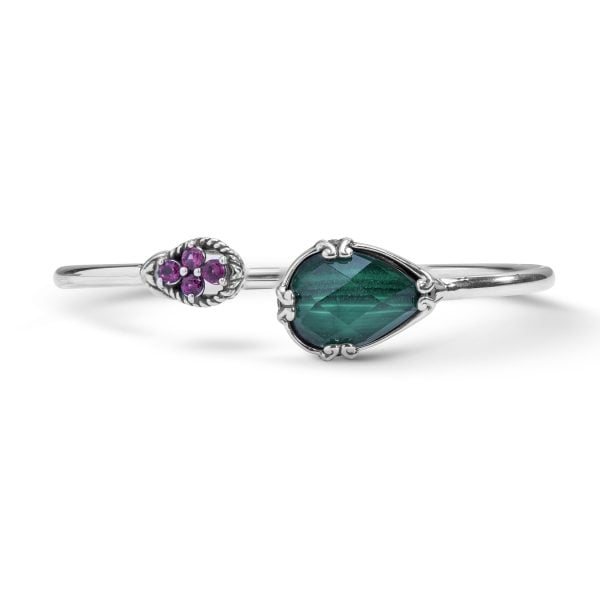
Frequently confused with manufactured cubic zirconia diamond simulants, natural zircon represents an excellent gemstone in its own right and serves as one of the modern December birthstones. While colorless zircons provide affordable diamond alternatives and blue zircons enjoy commercial popularity, green zircon varieties represent relatively rare collector specimens. These gems rarely display bright green hues, with olive tones occurring more frequently.
Though zircon provides adequate hardness to resist scratching, its facet edges chip relatively easily. Limiting wear to occasional use in earrings or necklaces helps minimize potential damage. For comprehensive information, reference our zircon buying guide.
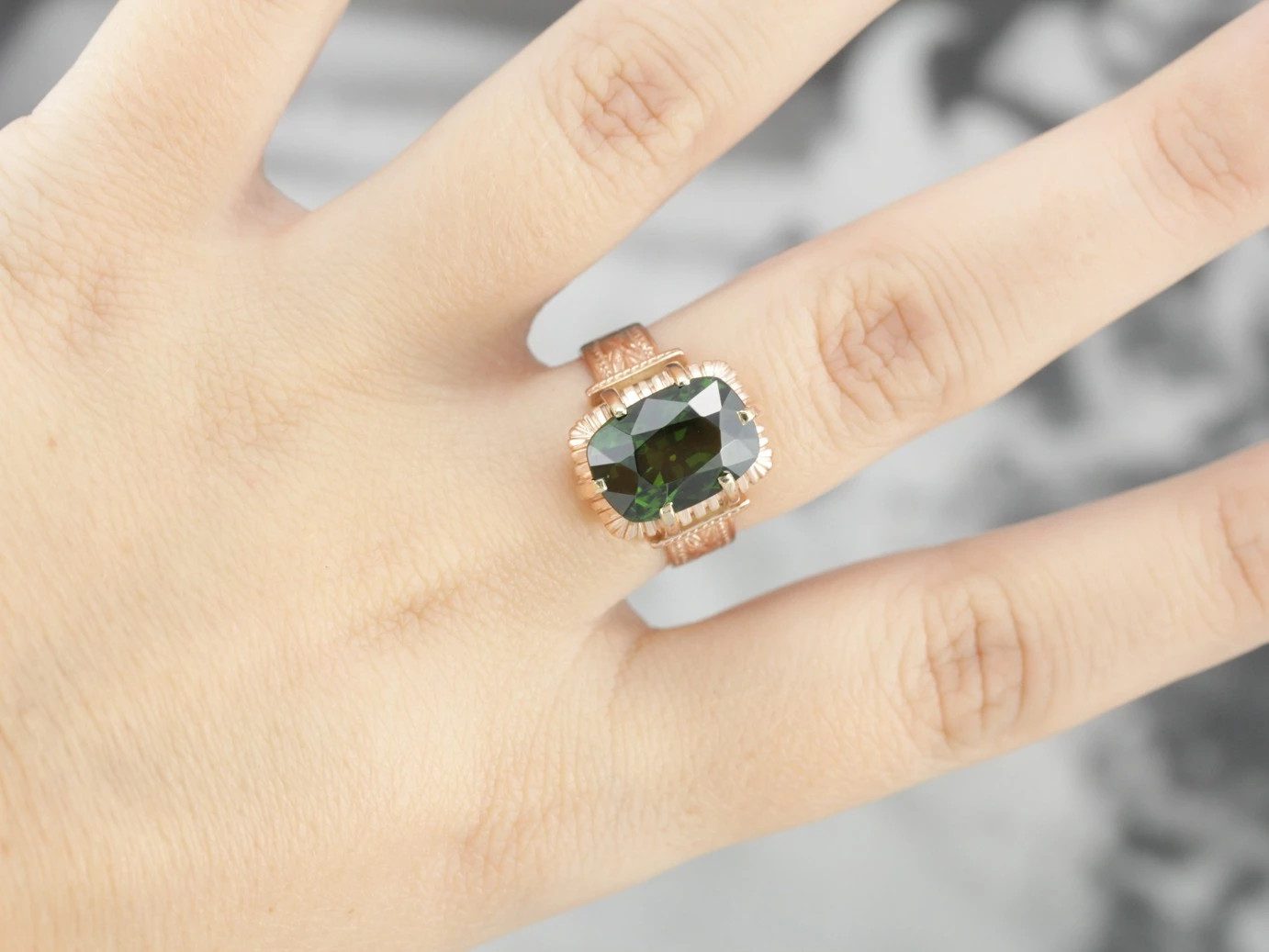
Serving as California's official state rock and providing another popular jade substitute, serpentine creates attractive carvings and cabochons. Despite its relative softness, this metamorphic rock appears frequently in budget-friendly jewelry pieces. With its characteristic olive-green coloration, serpentine stone also makes an interesting decorative material beyond jewelry applications.
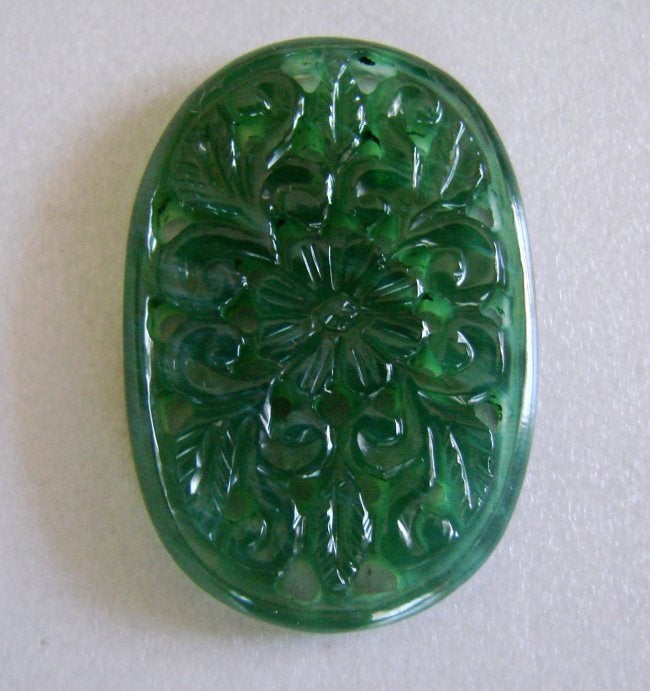
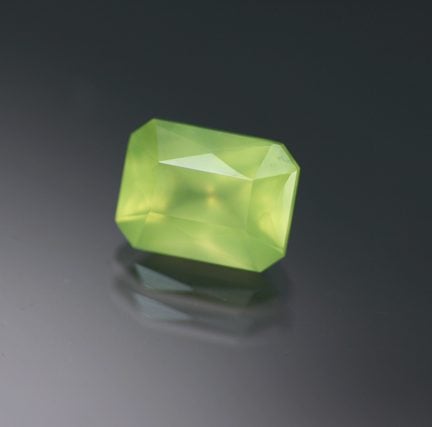
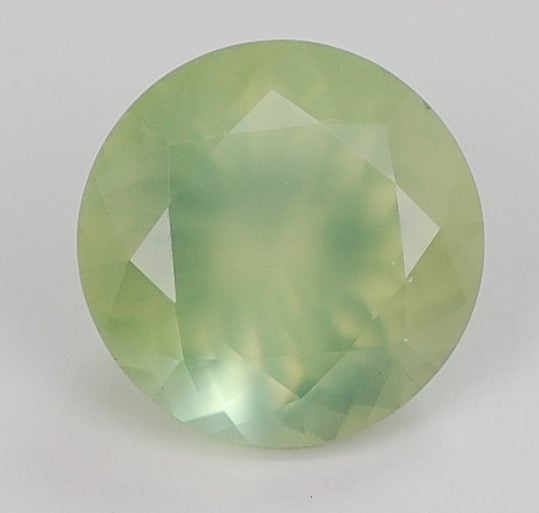
Rarely occurring in fully transparent form, apple-green prehnite creates interesting cabochon gemstones. Some skilled lapidaries have successfully fashioned translucent specimens, which display an attractive, velvety appearance. With hardness ratings between 6 and 6.5, this gemstone resists scratching reasonably well, but its cleavage planes create cutting challenges for gem cutters.
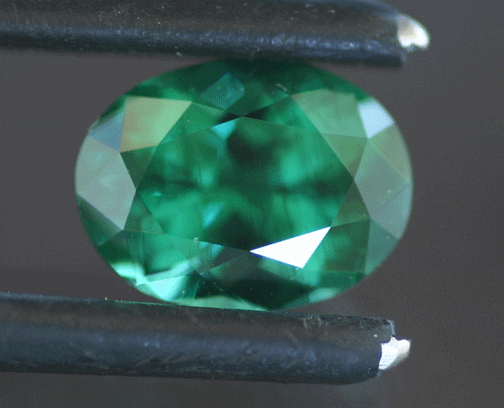
Apatite actually represents a mineral group encompassing numerous species rather than a single mineral, though jewelers commonly apply the term to any member of this diverse family.
While blue-green represents the predominant color variety, pure green apatites (sometimes called "asparagus stones") occur in several localities. Exercise caution with apatite jewelry selections, however. This relatively soft and brittle material performs best in protected settings for pendants and earrings rather than rings.
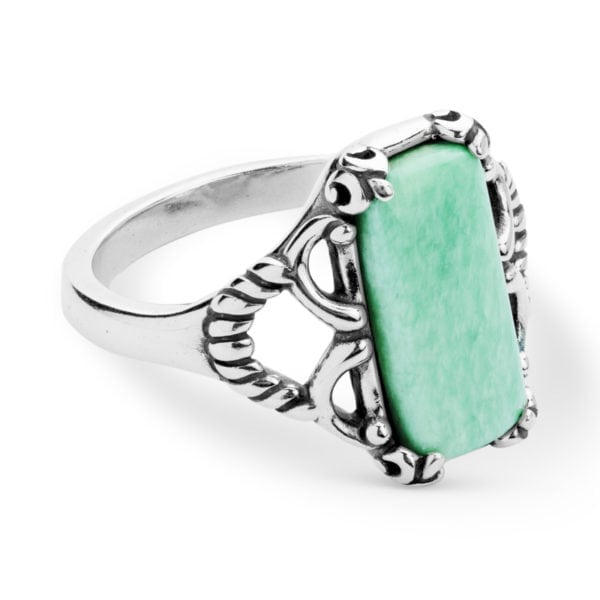
This popular cabochon and carving material, variscite displays attractive light green coloration. Though too soft for ring settings receiving regular wear, this variscite stone creates beautiful beads. Human appreciation for this material stretches back millennia — archaeologists in France have discovered Neolithic variscite beads exceeding 6,000 years in age.
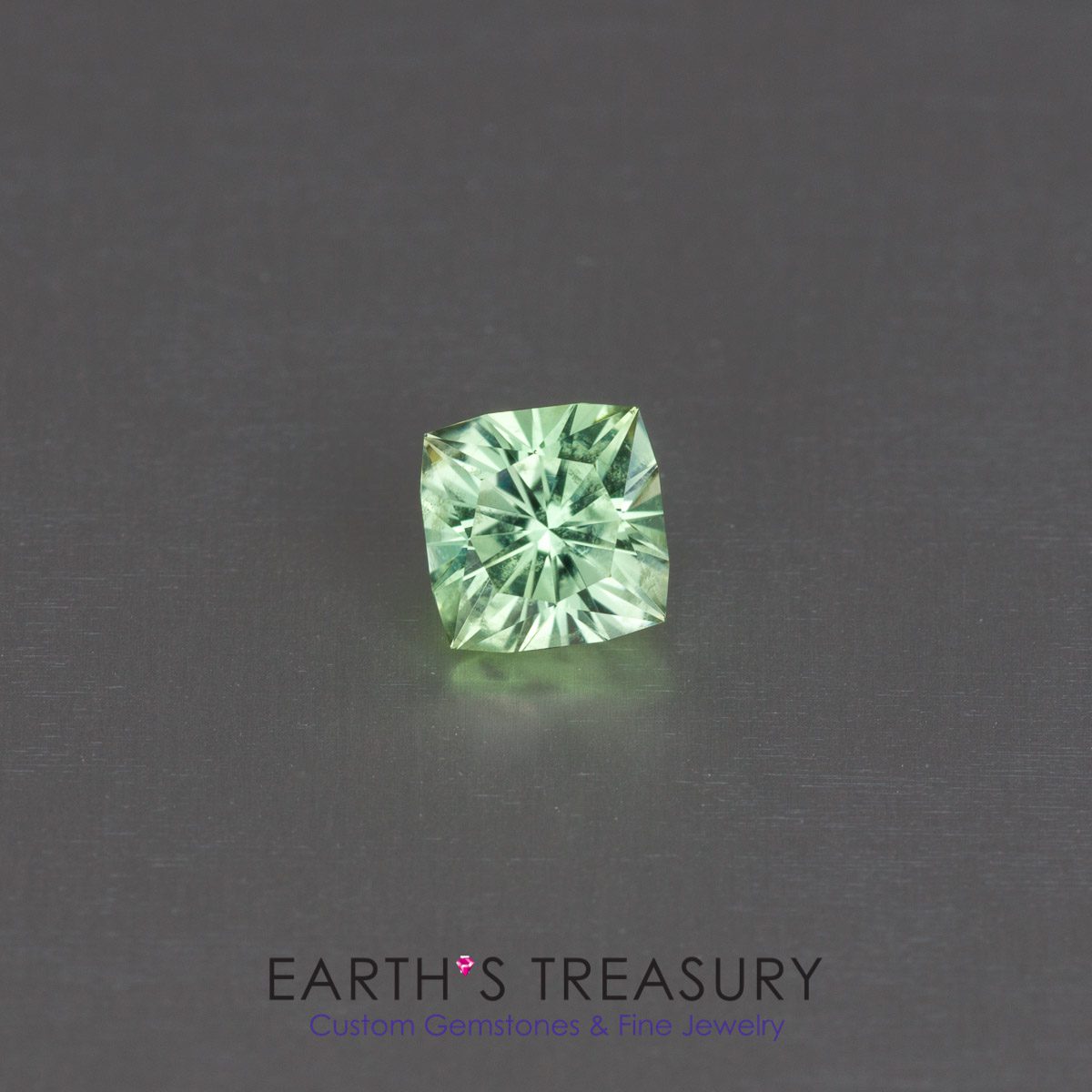
This uncommon gemstone attracts collector interest primarily for its green varieties, which can closely resemble fine emerald. Kornerupine rarely appears as faceted gemstones and typically occurs in smaller sizes, with prices increasing dramatically for larger specimens. Though its hardness ranges respectably between 6 and 7, kornerupine exhibits perfect cleavage in two directions, creating structural vulnerability that could cause splitting if struck inappropriately.
Some green gemstones perform best as display specimens rather than jewelry components, protected from potential damage through handling and wearing. Though the following green gemstones may not suit jewelry applications, they bring exceptional color and interest to dedicated gem viewing collection.
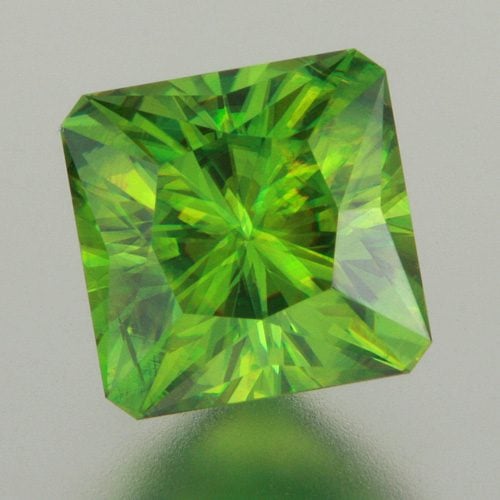
Combining emerald-like coloration with dispersion exceeding diamond's fire, chrome sphene represents a rare and fascinating collector gem. Despite its softness and brittleness, this material occasionally appears in jewelry settings. This particular sphene variety represents the rarest and most valuable type, with specimens exceeding one carat showing good clarity commanding premium collector prices.
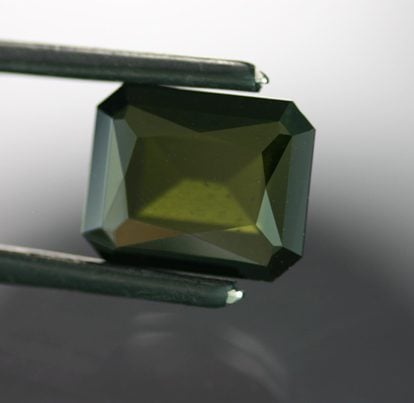
For collectors embracing geological oddities, consider adding ekanite to your collection. Though its subdued olive-green coloration doesn't suggest danger, this mineral contains uranium and thorium, creating significant radioactivity. While small specimens pose minimal health concerns, even a modestly sized 5-carat gem would more than quadruple average annual radiation exposure. Before cutting or collecting ekanite, review our comprehensive article on toxic and radioactive gemstone safety.
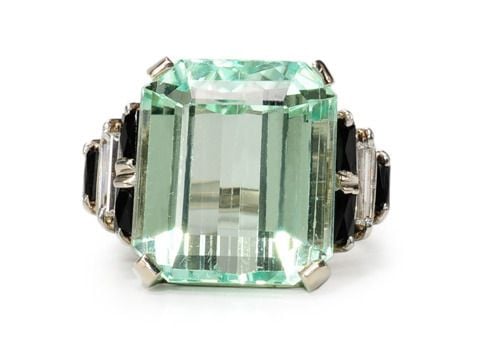
Representing one of gemology's most challenging cutting materials, hiddenite can literally disintegrate during lapidary attempts. Hiddenite constitutes the green variety of the mineral spodumene, better known for its pink variety, kunzite. Since spodumene contains two perfect cleavage planes, it can fracture with minimal force application.
While display cases provide the safest environment for hiddenite specimens, carefully wearing one as a pendant poses manageable risk. Important caution: save this gem for evening wear only, as its color gradually fades with prolonged sunlight exposure or even sustained bright artificial lighting.
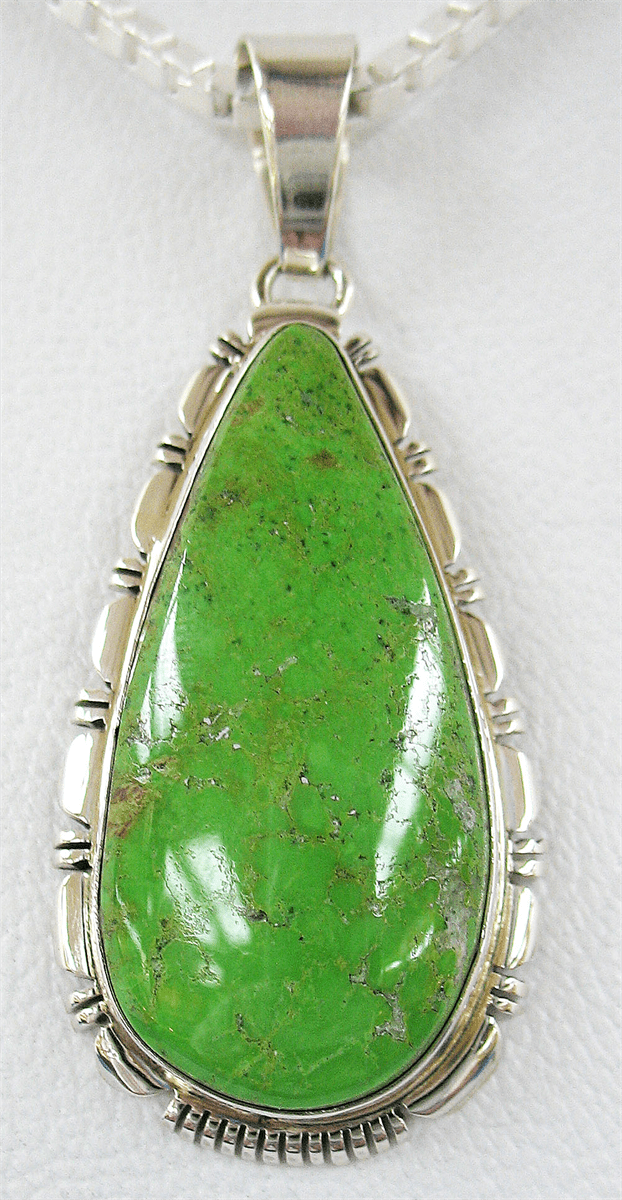
Bright light green gaspeite represents a nickel-bearing mineral popular among serious collectors. However, always handle this material with appropriate precautions. Nickel poses skin irritation risks and potential carcinogenic concerns. Because this mineral dissolves in certain acids, skin contact or accidental ingestion could trigger toxic reactions. Always wear protective gloves when handling gaspeite specimens and utilize dust masks to prevent particle inhalation during any cutting operations.
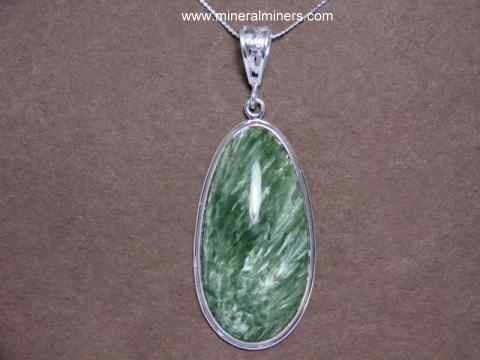
Cabochons marketed as seraphinite (a trade name for distinctively patterned green clinochlore) occasionally appear in jewelry settings. However, this material performs far better as a display specimen. Its extreme softness makes it vulnerable to scratching even from fingernails. Consequently, polished cabochons will rapidly lose their luster with handling and wear. Nevertheless, seraphinite offers visually striking patterns at accessible price points for collectors.
Durable options include jade, verdelite, chrome tourmaline, tsavorite, demantoid garnet, bloodstone, green diamond, maw sit sit, green chrysoberyl, chrysoprase, prasiolite, green sapphire, idocrase, and aventurine. These gems rate 6.5 or higher on the Mohs scale and resist scratching or chipping.
Verdelite offers better clarity, larger sizes, and greater durability than emerald at a lower cost, while chrome tourmaline has intense green color due to chromium, mimicking emerald's hue but with superior toughness.
Natural green diamonds are rare and prestigious but expensive. Treated green diamonds are more affordable, safe for wear, and offer similar color saturation, making them a practical alternative.
Emeralds have internal imperfections that increase the risk of breaking if struck. Their oil treatments can also be affected by certain cleaning methods, so protective settings and careful handling are recommended.
Work with reputable jewelers, like CustomMade, and educate yourself using gemstone buying guides. Check for treatments, clarity, and durability, especially for daily wear pieces.
Yes, green sapphires have the same hardness (9 on the Mohs scale) as blue sapphires, making them equally durable for daily wear, with the added benefit of lower prices due to less demand.

When you join the IGS community, you get trusted diamond & gemstone information when you need it.
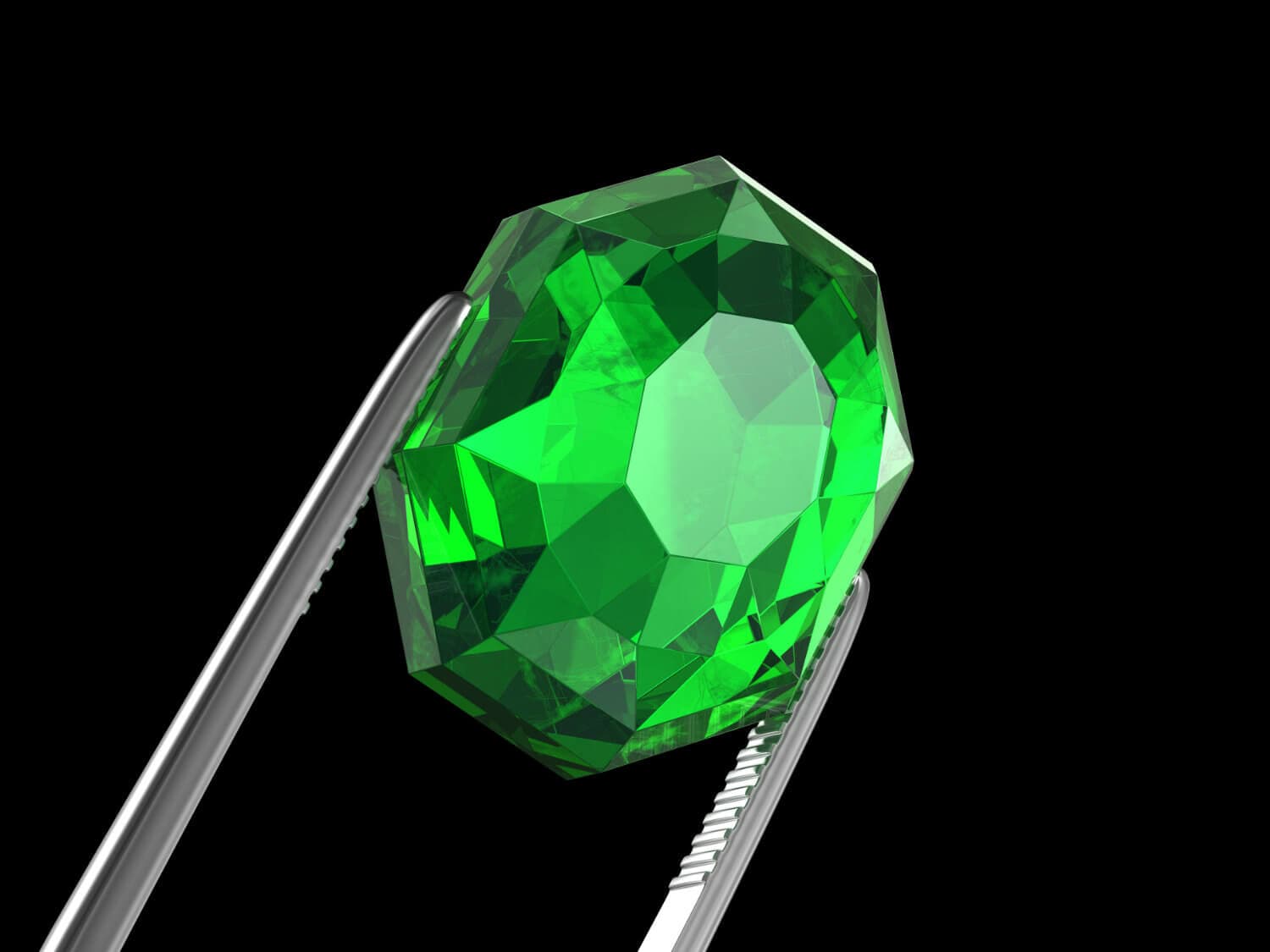
Are you searching for the perfect green gemstone for jewelry or a collection? Green gems offer timeless beauty that perfectly complements nature-inspired designs. Whether you're considering an engagement ring or a unique collector's piece, understanding the properties of different green gemstones is essential.
In this comprehensive guide, you'll discover:
Gemologists evaluate colored stones by analyzing three key components: hue, tone, and saturation. For any green gemstone, while green serves as the primary hue, many gems display secondary color influences. These green gems frequently exhibit blue or yellow secondary hues. Generally, a pure green color commands higher prices and greater desirability. When secondary hues appear, most collectors prefer blue undertones over yellowish green variations. Though yellow-green stones can be quite beautiful, they typically fetch lower prices in the market.
Green gemstones achieve their most intense saturation at medium-dark tone levels. Excessively dark specimens often appear too blackened to appreciate their verdant beauty. Conversely, lighter-toned gems can display exceptional brightness and vivacity. Ultimately, gems showcasing the most vivid, saturated green colors attract the highest demand and command premium prices.
Clarity represents another crucial quality factor for green gemstones. It's important to understand that gemstone transparency doesn't merely describe how see-through a stone appears but rather addresses the natural imperfections present in every gem. Typically, these flaws appear less obvious in darker gemstones compared to lighter varieties. Nevertheless, always avoid selecting gems containing substantial inclusions or fractures, as these structural weaknesses may increase breaking risks. Additionally, large or dark imperfections positioned centrally draw immediate attention and should be avoided when possible.
Determining fair value for colored gemstones often proves challenging for consumers. We strongly recommend working with reputable custom jewelers such as CustomMade and thoroughly educating yourself using comprehensive gemstone buying guides before making significant purchases.
When searching for an ideal green gem for everyday jewelry, particularly rings, certain stones stand out for their exceptional durability. Each gem in this section rates 6.5 or higher on the Mohs hardness scale, providing excellent scratch resistance. These gemstones also demonstrate superior resistance to chipping or breaking when accidentally struck against hard surfaces. These exceptionally tough green gemstones will withstand the rigors of daily wear, making them perfect candidates for engagement rings. With proper cleaning and maintenance, these durable gems will maintain their beauty indefinitely.
Among all gemstones, jade (comprising both jadeite and nephrite varieties) stands as the undisputed champion of durability. This remarkable stone demonstrates such extraordinary toughness that it can withstand hammer strikes without fracturing! Though not recommended while wearing it, this iconic green gemstone is renowned for its musical properties, producing bell-like tones when struck. Jade's distinctive translucent quality has fascinated civilizations for millennia, establishing it as one of history's most treasured materials for artistic carving.
When considering jade purchases, remember several important factors:
For comprehensive information about selection and quality factors, consult our detailed jade buying guide.
For those preferring faceted gemstones, green tourmaline, commonly called verdelite, offers exceptional value. These versatile gems typically display better clarity and larger sizes than emeralds while offering greater durability at substantially lower prices. Representing an outstanding emerald alternative, this modern October birthstone frequently appears in the classic emerald cut shape.
For connoisseurs seeking truly exceptional color, chrome tourmaline presents an extraordinary option. While commanding higher prices than standard verdelites, chrome tourmalines display intensely saturated green colors that justify their premium cost. These magnificent stones derive their striking color from chromium—the identical rare element responsible for emerald's famous green hue.
For enthusiasts desiring maximum brilliance in their green gem selection, the garnet family offers unparalleled options. Though this January birthstone remains best known for its traditional reddish-brown varieties, garnets actually occur in a complete rainbow of colors, with green representing some of the most valuable variations. Different chemical compositions create distinct green garnet varieties. Green grossular garnets include deeply colored tsavorites and lighter mint-green specimens. Highly regarded by professional jewelers, tsavorites display magnificent color saturation and exceptional sparkle when expertly cut.
Collectors seeking extraordinary rarity might consider demantoid garnet. These remarkable green gemstones earned their name, meaning "diamond-like," from their extraordinary light dispersion that creates spectacular color flashes in finished gems. Due to its unique chemical composition, this garnet variety occurs much more rarely and commands significantly higher prices than other varieties. However, if you appreciate the distinctive red flash emanating from deep within a vivid green gem, you'll find demantoid garnets absolutely captivating. For comprehensive selection guidance, explore our demantoid buying guide and garnet engagement ring guide.
Despite its name suggesting otherwise, bloodstone displays a predominantly green color. This fascinating gem isn't named for horseshoe crab blood—it's actually a variety of chalcedony featuring a deep green background speckled with distinctive red spots resembling blood droplets. As the traditional birthstone for March, bloodstone carries rich historical significance, symbolizing courage for warriors entering battle throughout many ancient civilizations.
For those with substantial budgets, few green gemstones match the prestige of a natural green diamond. Representing one of the rarest natural diamond color varieties, green hues attract particular admiration from serious collectors. These exceptional colors develop through nitrogen, hydrogen, and nickel influences within the crystal structure or from natural radiation exposure creating structural defects during underground formation.
If natural green diamonds exceed your budget constraints, consider professionally treated alternatives. Irradiation treatments can produce green diamonds with impressive color saturation at significantly lower price points. Rest assured these treatments create completely safe, wearable gemstones.
When jade exceeds budget limitations, consider the attractive alternative of maw sit sit. This distinctive green material frequently displays vibrant hues resulting from chromium traces alongside characteristic black inclusions, creating an impressive jade resemblance. Interestingly, some maw sit sit specimens actually contain jadeite components. The material's bright green coloration stems from a combination of jadeite and kosmochlor minerals. Available at substantially lower prices than fine jade, maw sit sit represents an excellent alternative for jade enthusiasts.
While the mineral chrysoberyl enjoys fame primarily for its yellow cat's eye variety and its remarkable color-changingalexandrite form, green varieties deserve greater recognition. Beautiful mint-green chrysoberyls occur in several global locations, though market demand remains relatively modest for these gems. Nevertheless, expertly cut green chrysoberyls display exceptional brilliance and make outstanding choices for durable ring stones.
This distinctive and visually striking gemstone, chrysoprase represents a specialized chalcedony variety containing nickel-bearing mineral inclusions that produce vibrant green colorations. When cabbed or carved, this translucent gem creates another excellent jade alternative. For maximum longevity, select specimens originating specifically from Australian deposits, as chrysoprase from other sources may experience color fading with prolonged sunlight exposure. For selection guidance and quality factors, reference our comprehensive chrysoprase buying guide.
This delicate light green variety of quartz has recently gained popularity as an affordable jewelry stone option. While naturally occurring green quartz remains exceptionally rare, gem dealers commonly produce prasiolite through controlled heat treatment of light-colored amethyst (the purple quartz variety). This treatment permanently transforms the crystal structure to create stable green coloration.
Though primarily celebrated for blue varieties, sapphire occurs in fascinating green hues as well. While green specimens rarely achieve the color saturation of their blue counterparts, green sapphire represents an excellent choice for everyday rings. Among the jewelry world's most durable gemstones, sapphires easily withstand the demands of continual wear in engagement rings.
Green sapphires offer several advantages for discerning buyers:
For complete selection guidance, consult our detailed sapphire buying guide and engagement ring guide.
In its crystalline form, idocrase produces beautiful faceted gemstones. In its massive form, it creates another excellent jade alternative. Idocrase crystals occur abundantly in metamorphosed limestone formations near Mount Vesuvius, explaining its alternative name "Vesuvianite". Though not commonly featured in commercial jewelry, idocrase demonstrates good durability without significant concerns and should withstand daily wear admirably.
This specialized quartz variety contains natural internal sparkle elements. Flat, thin crystal inclusions throughout the stone create light-reflecting sparkles, a phenomenon called aventurescence. These mineral inclusions simultaneously impart a pleasing bluish-green coloration to the quartz. With excellent hardness of 7, this material demonstrates more than adequate durability for everyday jewelry wear. (Note that artisanal glass known as "goldstone" sometimes receives the misleading name "aventurine," but bears no relation to genuine quartz aventurine).
Unfortunately, not all green gemstones possess adequate durability for daily wear. Several beautiful varieties demonstrate softness or susceptibility to chipping and breaking. These gems perform best in earrings, pendants, and brooches where they face minimal impact risks. If incorporating these green gemstones into ring designs, always utilize a protective setting to minimize chipping and scratch potential.
Among all green gemstones on Earth, emerald undoubtedly maintains the highest recognition and desirability. Throughout history, this magnificent gem has inspired countless legends and famous jewelry pieces. With hardness ratings between 7.5 and 8, the May birthstone generally resists scratching effectively. Surprisingly, however, emerald doesn't perform nearly as well in ring settings as ruby or sapphire. Emeralds always have imperfections in their crystal structure, creating internal stress points that increase breaking risks when accidentally struck against hard surfaces. Additionally, emeralds typically receive oil treatments to improve their appearance, requiring special care considerations.
For those determined to feature an emerald stone in ring settings, several strategies can minimize damage risks:
For comprehensive guidance on emerald selection and care, explore our emerald buying guide and engagement ring guide.
Have you ever imagined gems literally falling from the sky? With peridot, this actually happens. This modern August peridot birthstone forms primarily in volcanic environments. During violent eruptions, some volcanoes eject peridots skyward, which subsequently fall to the surrounding landscape. Even more fascinatingly, some peridot specimens originate beyond our planet, discovered within Pallasite meteorites.
Though these yellowish-green peridot gems enjoy popularity as affordable jewelry stones, their durability presents certain limitations. Peridot can fracture if struck at vulnerable angles and demonstrates sensitivity to acids and rapid temperature fluctuations. For comprehensive selection and care information, consult our peridot buying guide.
Among the most popular green gemstones in fashion jewelry, chrome diopside enjoys widespread appreciation. Surprisingly, despite its current popularity, it represents one of the market's newest gem materials. Most commercial material originates from an eastern Siberian deposit discovered only in 1988. More recently, Pakistan has emerged as an additional chrome diopside source.
Despite its relative geographic scarcity, chrome diopside presents several important considerations:
Diopside can split along cleavage planes if struck improperly, demanding extra caution when used in rings.
For enthusiasts of extraterrestrial connections or lovers of olive-green hues, moldavite jewelry offers fascinating appeal. This moldavite stone actually represents a natural glass variety formed during meteorite impacts. When meteorites strike Earth's surface, they instantly liquefy surrounding rock material, propelling it skyward into the atmosphere. This process resembles a stone striking water, but involves molten rock instead! As the liquefied material falls back earthward, it rapidly cools, forming this distinctive glass.
Like all glass materials, moldavites scratch relatively easily, necessitating careful storage and handling for moldavite crystal jewelry items.
Many people don't realize that turquoise frequently occurs in greenish colors. While most commercial turquoise displays the signature blue-green hue we commonly associate with this gem, certain mining locations produce predominantly green varieties. Turquoise from Carico Lake, Nevada often exhibits particularly vibrant apple-green coloration accented by intricate black matrix patterns. Other deposits yield attractive bluish-green transitional hues. For complete information about varieties and selection, reference our turquoise buying guide.
Feldspars constitute some of Earth's most abundant minerals. However, these specialized gem varieties have developed devoted collector followings. This popularity stems from sunstone's distinctive tiny iron mineral inclusions, while Oregon sunstone contains microscopic copper particles creating mesmerizing glitter effects. Though reddish varieties command the highest prices, green to blue-green specimens represent excellent alternative choices. For detailed selection guidance, explore our Oregon sunstone buying guide.
Though primarily renowned for its violet-blue variety tanzanite, zoisite naturally occurs in several color variations including green. This connection explains why green zoisite occasionally receives the inaccurate marketing name "green tanzanite." Transparent green zoisite remains extremely rare, making faceted specimens true collector items. However, "ruby-in-zoisite" (sometimes called anyolite), comprising opaque green zoisite, black hornblende, and vivid red ruby, creates striking decorative material widely used in ornamental objects.
This copper-based mineral displays characteristic concentric green banding patterns that create instantly recognizable malachite stone specimens. Beyond its visual appeal, malachite has long been associated symbolically with money and prosperity in various cultures. The malachite gemstone sometimes forms in substantial sizes, making it excellent for decorative objects beyond jewelry applications. However, collectors should note its relative softness, brittleness, and sensitivity to heat and acidic substances.
Frequently confused with manufactured cubic zirconia diamond simulants, natural zircon represents an excellent gemstone in its own right and serves as one of the modern December birthstones. While colorless zircons provide affordable diamond alternatives and blue zircons enjoy commercial popularity, green zircon varieties represent relatively rare collector specimens. These gems rarely display bright green hues, with olive tones occurring more frequently.
Though zircon provides adequate hardness to resist scratching, its facet edges chip relatively easily. Limiting wear to occasional use in earrings or necklaces helps minimize potential damage. For comprehensive information, reference our zircon buying guide.
Serving as California's official state rock and providing another popular jade substitute, serpentine creates attractive carvings and cabochons. Despite its relative softness, this metamorphic rock appears frequently in budget-friendly jewelry pieces. With its characteristic olive-green coloration, serpentine stone also makes an interesting decorative material beyond jewelry applications.
Rarely occurring in fully transparent form, apple-green prehnite creates interesting cabochon gemstones. Some skilled lapidaries have successfully fashioned translucent specimens, which display an attractive, velvety appearance. With hardness ratings between 6 and 6.5, this gemstone resists scratching reasonably well, but its cleavage planes create cutting challenges for gem cutters.
Apatite actually represents a mineral group encompassing numerous species rather than a single mineral, though jewelers commonly apply the term to any member of this diverse family.
While blue-green represents the predominant color variety, pure green apatites (sometimes called "asparagus stones") occur in several localities. Exercise caution with apatite jewelry selections, however. This relatively soft and brittle material performs best in protected settings for pendants and earrings rather than rings.
This popular cabochon and carving material, variscite displays attractive light green coloration. Though too soft for ring settings receiving regular wear, this variscite stone creates beautiful beads. Human appreciation for this material stretches back millennia — archaeologists in France have discovered Neolithic variscite beads exceeding 6,000 years in age.
This uncommon gemstone attracts collector interest primarily for its green varieties, which can closely resemble fine emerald. Kornerupine rarely appears as faceted gemstones and typically occurs in smaller sizes, with prices increasing dramatically for larger specimens. Though its hardness ranges respectably between 6 and 7, kornerupine exhibits perfect cleavage in two directions, creating structural vulnerability that could cause splitting if struck inappropriately.
Some green gemstones perform best as display specimens rather than jewelry components, protected from potential damage through handling and wearing. Though the following green gemstones may not suit jewelry applications, they bring exceptional color and interest to dedicated gem viewing collection.
Combining emerald-like coloration with dispersion exceeding diamond's fire, chrome sphene represents a rare and fascinating collector gem. Despite its softness and brittleness, this material occasionally appears in jewelry settings. This particular sphene variety represents the rarest and most valuable type, with specimens exceeding one carat showing good clarity commanding premium collector prices.
For collectors embracing geological oddities, consider adding ekanite to your collection. Though its subdued olive-green coloration doesn't suggest danger, this mineral contains uranium and thorium, creating significant radioactivity. While small specimens pose minimal health concerns, even a modestly sized 5-carat gem would more than quadruple average annual radiation exposure. Before cutting or collecting ekanite, review our comprehensive article on toxic and radioactive gemstone safety.
Representing one of gemology's most challenging cutting materials, hiddenite can literally disintegrate during lapidary attempts. Hiddenite constitutes the green variety of the mineral spodumene, better known for its pink variety, kunzite. Since spodumene contains two perfect cleavage planes, it can fracture with minimal force application.
While display cases provide the safest environment for hiddenite specimens, carefully wearing one as a pendant poses manageable risk. Important caution: save this gem for evening wear only, as its color gradually fades with prolonged sunlight exposure or even sustained bright artificial lighting.
Bright light green gaspeite represents a nickel-bearing mineral popular among serious collectors. However, always handle this material with appropriate precautions. Nickel poses skin irritation risks and potential carcinogenic concerns. Because this mineral dissolves in certain acids, skin contact or accidental ingestion could trigger toxic reactions. Always wear protective gloves when handling gaspeite specimens and utilize dust masks to prevent particle inhalation during any cutting operations.
Cabochons marketed as seraphinite (a trade name for distinctively patterned green clinochlore) occasionally appear in jewelry settings. However, this material performs far better as a display specimen. Its extreme softness makes it vulnerable to scratching even from fingernails. Consequently, polished cabochons will rapidly lose their luster with handling and wear. Nevertheless, seraphinite offers visually striking patterns at accessible price points for collectors.
Durable options include jade, verdelite, chrome tourmaline, tsavorite, demantoid garnet, bloodstone, green diamond, maw sit sit, green chrysoberyl, chrysoprase, prasiolite, green sapphire, idocrase, and aventurine. These gems rate 6.5 or higher on the Mohs scale and resist scratching or chipping.
Verdelite offers better clarity, larger sizes, and greater durability than emerald at a lower cost, while chrome tourmaline has intense green color due to chromium, mimicking emerald's hue but with superior toughness.
Natural green diamonds are rare and prestigious but expensive. Treated green diamonds are more affordable, safe for wear, and offer similar color saturation, making them a practical alternative.
Emeralds have internal imperfections that increase the risk of breaking if struck. Their oil treatments can also be affected by certain cleaning methods, so protective settings and careful handling are recommended.
Work with reputable jewelers, like CustomMade, and educate yourself using gemstone buying guides. Check for treatments, clarity, and durability, especially for daily wear pieces.
Yes, green sapphires have the same hardness (9 on the Mohs scale) as blue sapphires, making them equally durable for daily wear, with the added benefit of lower prices due to less demand.