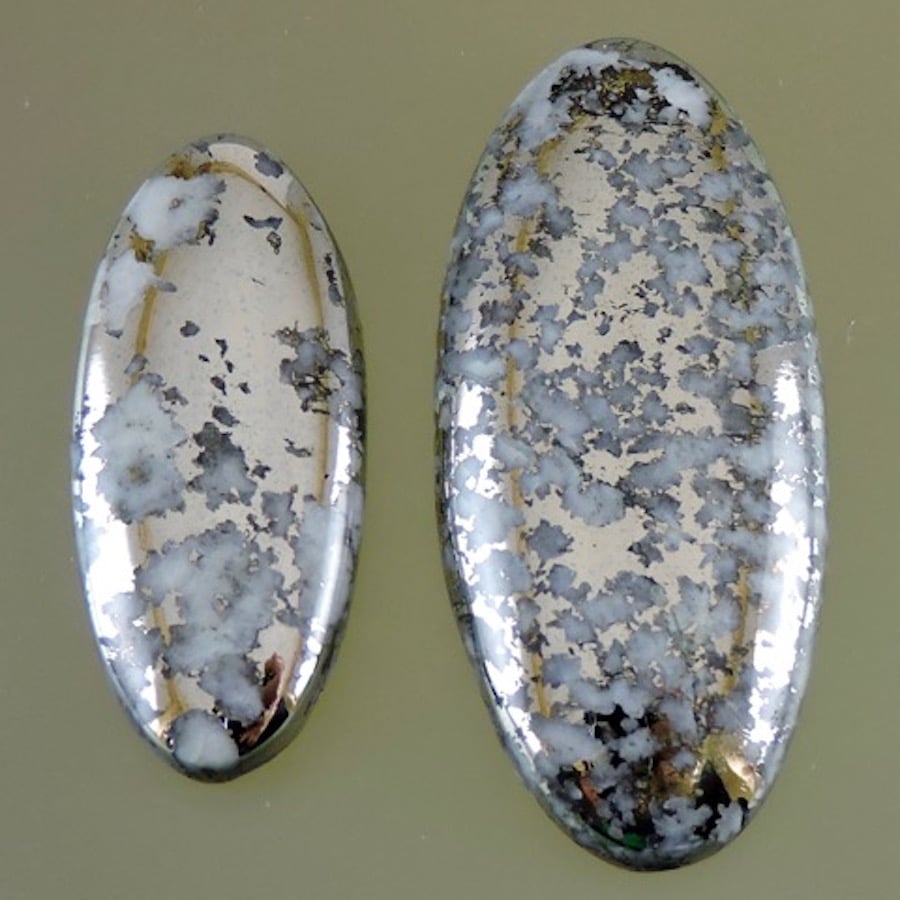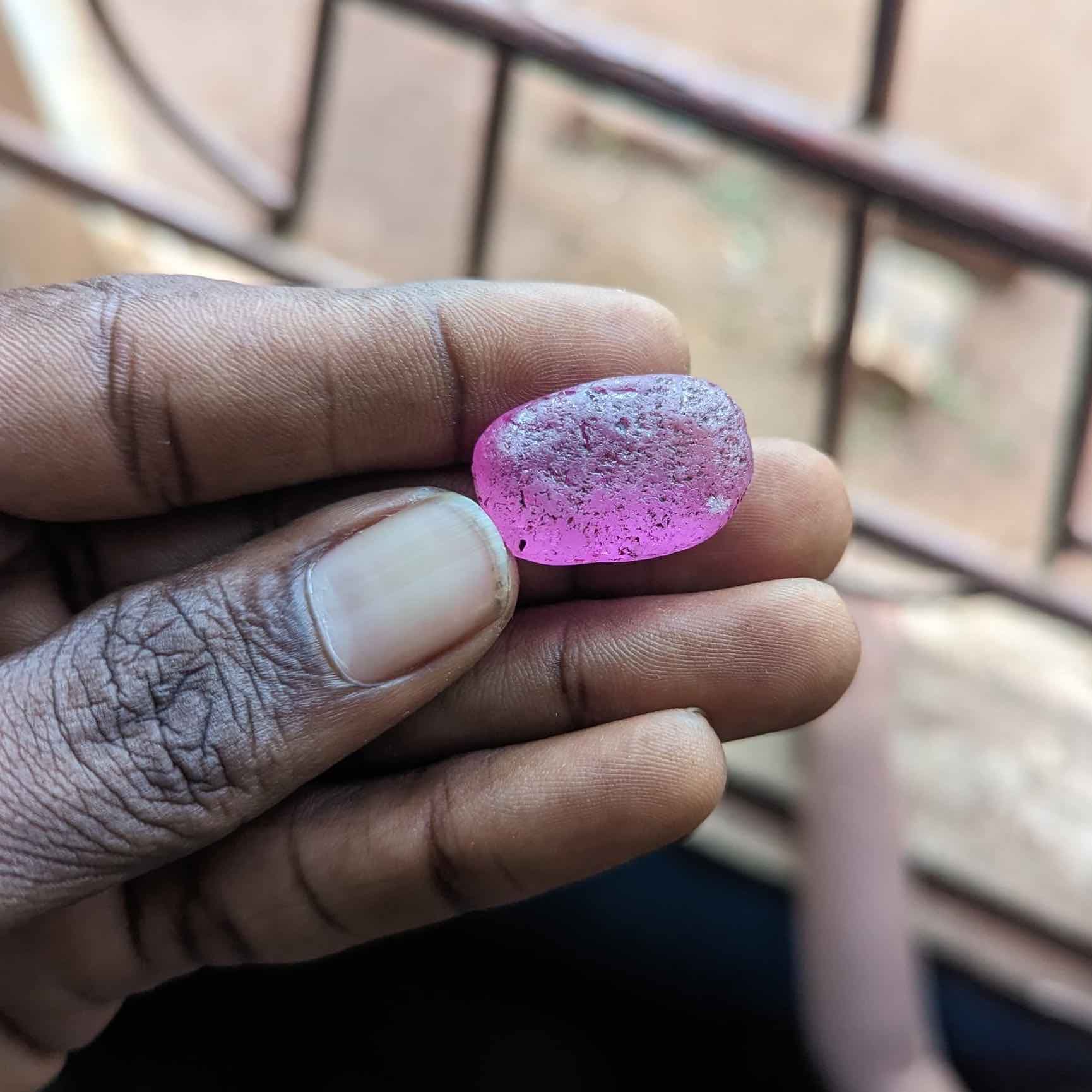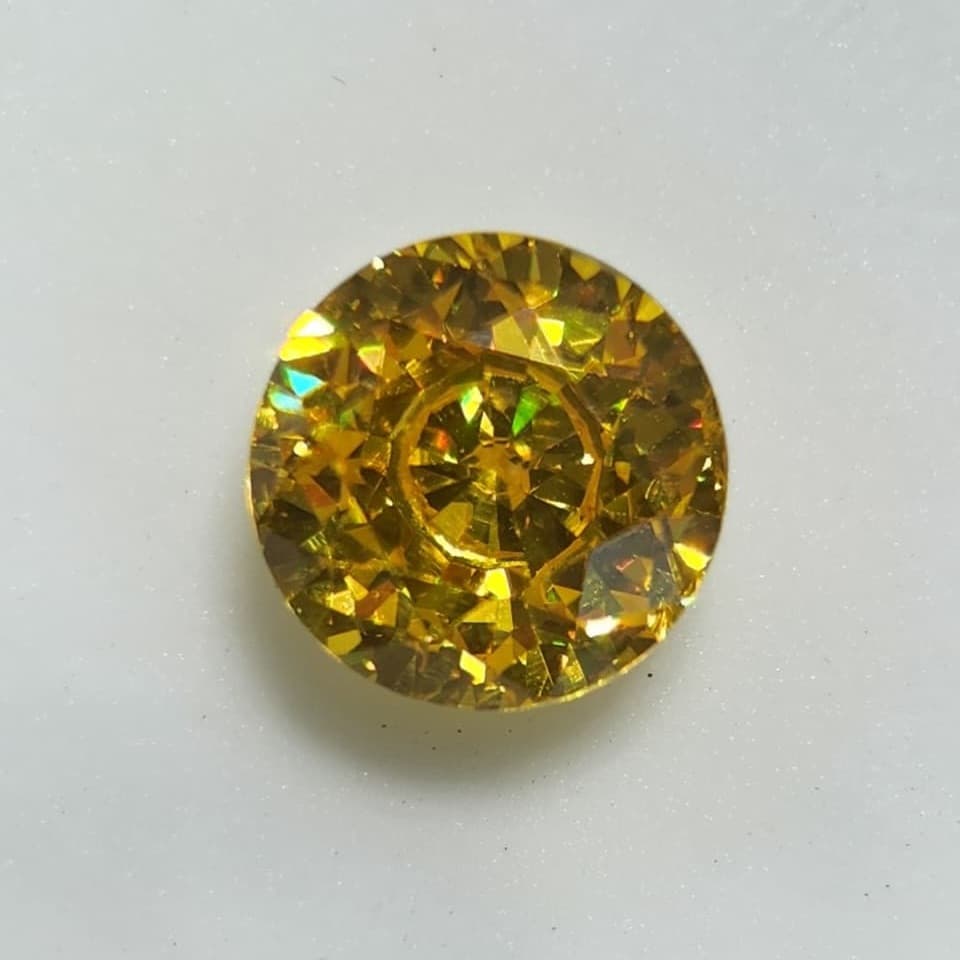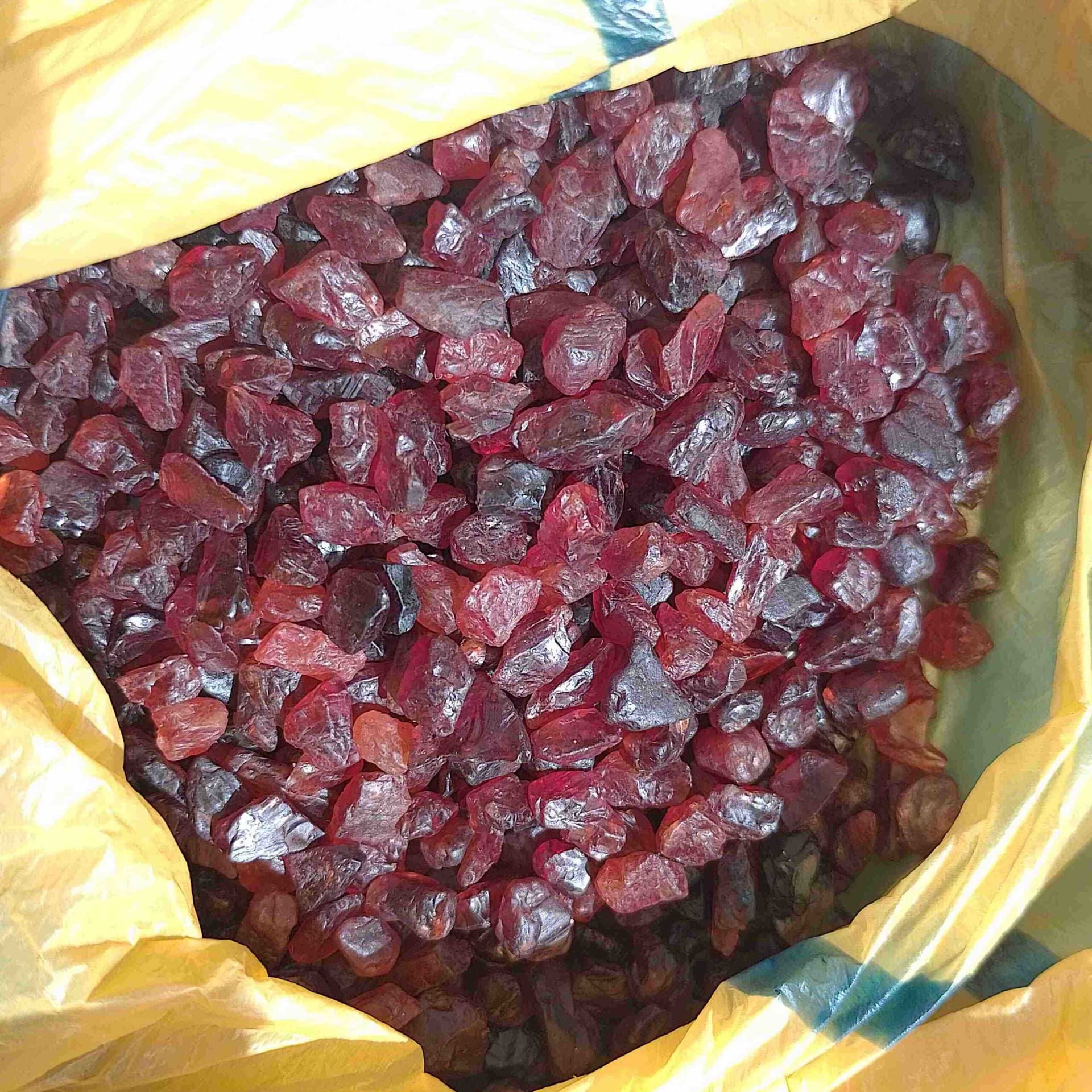
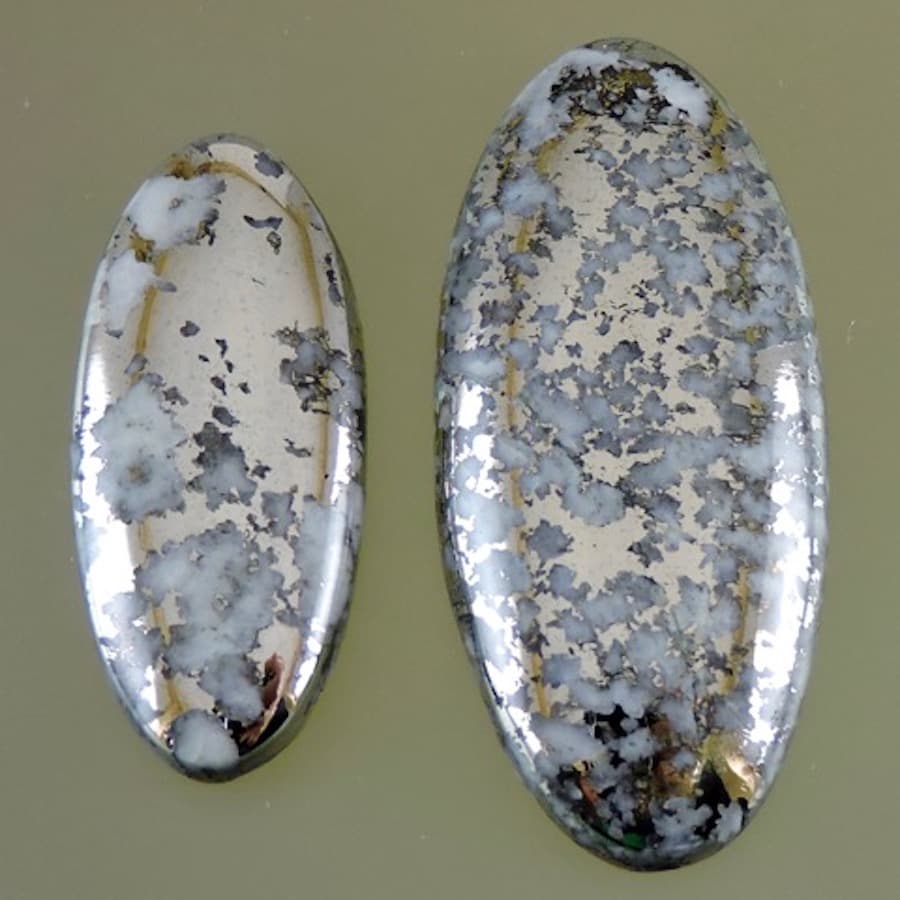
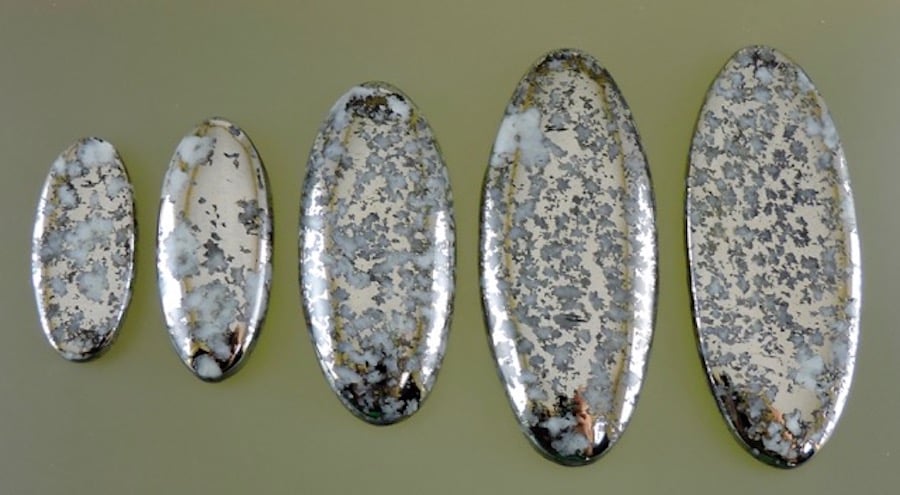
Bright, silvery metallic cabochons of algodonite and domeykite are attractive and unusual. Faceted pieces are rarely seen but very beautiful when polished to a high luster.
2 Minute Read
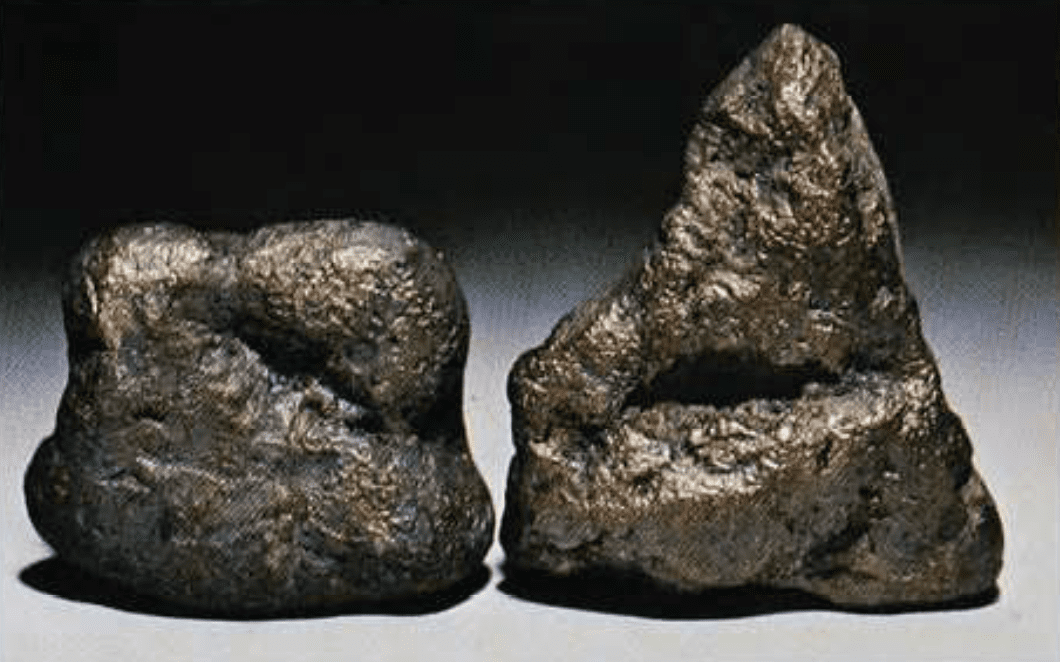
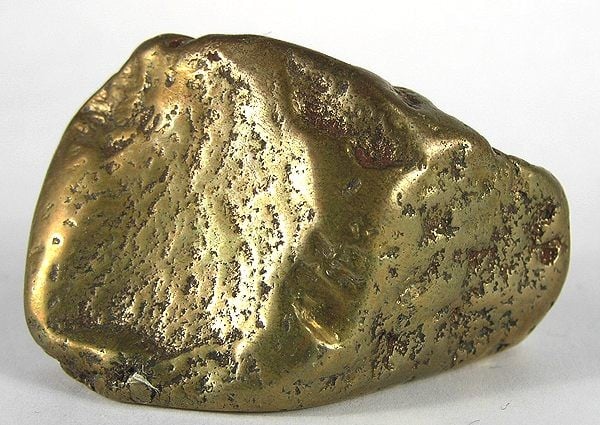
Algodonite and domeykite are both copper arsenides. However, algodonite forms in the hexagonal crystal system while domeykite forms in the isometric system. Both can occur mixed together as well as with other minerals.
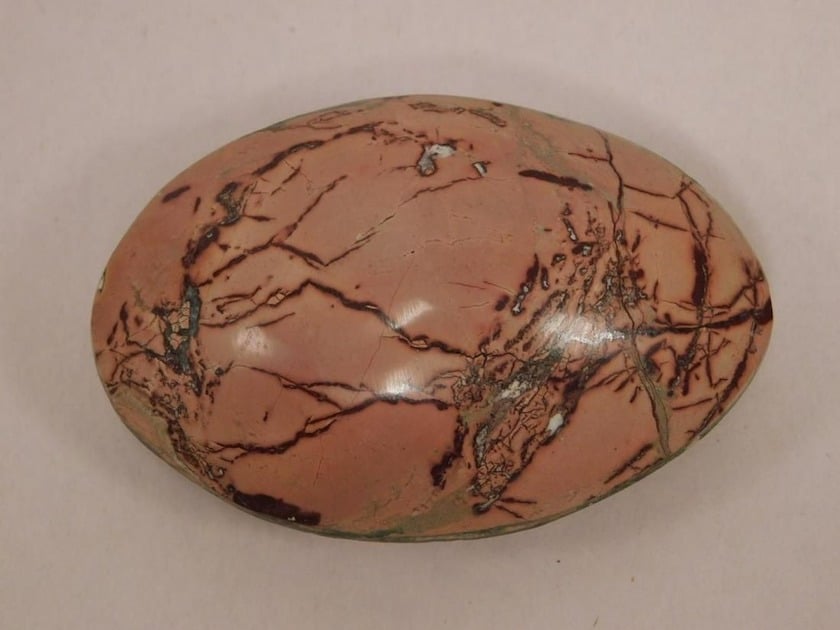
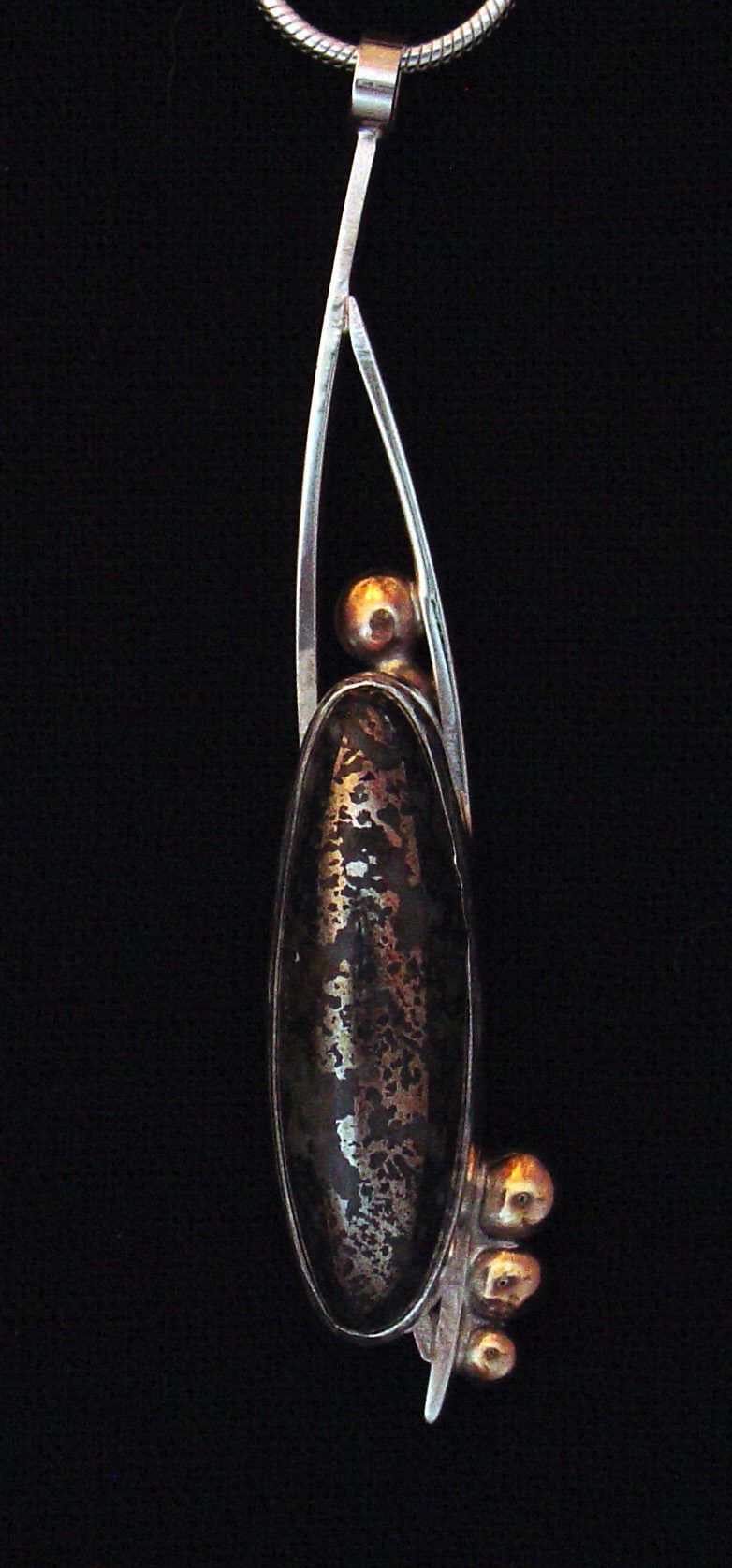
Mohawkite — a mixture of algodonite, domeykite, copper, silver, and other minerals — also yields very striking cabochons.
Since algodonites, domeykites, and mohawkites are somewhat soft (hardness 3-4), pendants and earrings make good jewelry options. Rings would require protective settings.
Copper arsenides contain copper and arsenic, so working with algodonites, domeykites, and mohawkites pose health risks. However, simply wearing finished copper arsenide stones as jewelry should be safe. On the other hand, gem cutters should take precautions when working with these materials. Consult our lapidary safety guide and tips for handling toxic gem materials for more information.
Do not ingest copper arsenides.
With a specific gravity (SG) of 8.38, algodonite is one of the densest gemstones used as jewelry. (Domeykites range from 7.92 to 8.10). This property usually easily distinguishes it from gems of similar appearance. However, a few gem materials have SG ranges and colors that approximate algodonite's.
Bismutotantalite and stolzite are very rarely encountered in cut forms. They also lack algodonite's metallic luster. Natural cinnabar is rarely cut and usually, but not always, has a bright red color. (Be aware that some so-called "cinnabar" jewelry may just be red lacquer-coated wood, which is much lighter than actual cinnabar as well as algodonite).
Niccolite (nickel arsenide) comes close to algodonite in colors and luster and also makes beautiful cabochons. However, it has a somewhat lower SG (7.78).
Scientists have synthesized algodonites and domeykites in crystal form for research purposes. However, there's no known jewelry use for this lab-created material.
Algodonites tarnish rather quickly. Their surfaces turn a drab brown and lose their metallic luster. To prevent this, they must be sprayed with lacquer.
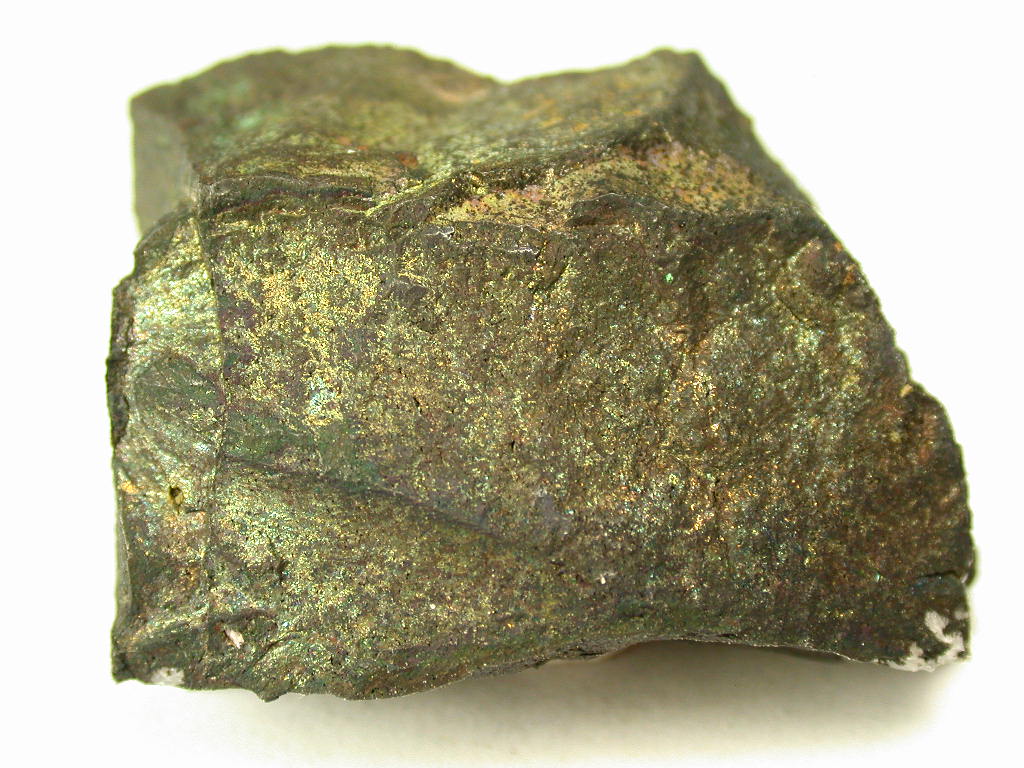
As fine crystals, algodonites occur in Painsdale, Michigan. As masses, they occur in Chile at Los Algodones Mine, Coquimbo and Cerro de Los Aeguas, Rancagua.
Domeykite occurs in the following locations:
Related minerals are found at Beloves, Czech Republic and Mesanki, Iran.
Mohawkite occurs only in the Mohawk Mine, Keweenaw Peninsula, Michigan.
Lapidaries could cut these copper arsenide materials into cabochons of almost any size, depending on the availability of large masses of rough with metallic luster.
Algodonites, domeykites, and mohawkites are heat sensitive. Lapidaries should take care when cutting these materials.
For cleaning recommendations, consult our gemstone jewelry care guide.


When you join the IGS community, you get trusted diamond & gemstone information when you need it.
Algodonite and domeykite are both copper arsenides. However, algodonite forms in the hexagonal crystal system while domeykite forms in the isometric system. Both can occur mixed together as well as with other minerals.
Mohawkite — a mixture of algodonite, domeykite, copper, silver, and other minerals — also yields very striking cabochons.
Since algodonites, domeykites, and mohawkites are somewhat soft (hardness 3-4), pendants and earrings make good jewelry options. Rings would require protective settings.
Copper arsenides contain copper and arsenic, so working with algodonites, domeykites, and mohawkites pose health risks. However, simply wearing finished copper arsenide stones as jewelry should be safe. On the other hand, gem cutters should take precautions when working with these materials. Consult our lapidary safety guide and tips for handling toxic gem materials for more information.
Do not ingest copper arsenides.
With a specific gravity (SG) of 8.38, algodonite is one of the densest gemstones used as jewelry. (Domeykites range from 7.92 to 8.10). This property usually easily distinguishes it from gems of similar appearance. However, a few gem materials have SG ranges and colors that approximate algodonite's.
Bismutotantalite and stolzite are very rarely encountered in cut forms. They also lack algodonite's metallic luster. Natural cinnabar is rarely cut and usually, but not always, has a bright red color. (Be aware that some so-called "cinnabar" jewelry may just be red lacquer-coated wood, which is much lighter than actual cinnabar as well as algodonite).
Niccolite (nickel arsenide) comes close to algodonite in colors and luster and also makes beautiful cabochons. However, it has a somewhat lower SG (7.78).
Scientists have synthesized algodonites and domeykites in crystal form for research purposes. However, there's no known jewelry use for this lab-created material.
Algodonites tarnish rather quickly. Their surfaces turn a drab brown and lose their metallic luster. To prevent this, they must be sprayed with lacquer.
As fine crystals, algodonites occur in Painsdale, Michigan. As masses, they occur in Chile at Los Algodones Mine, Coquimbo and Cerro de Los Aeguas, Rancagua.
Domeykite occurs in the following locations:
Related minerals are found at Beloves, Czech Republic and Mesanki, Iran.
Mohawkite occurs only in the Mohawk Mine, Keweenaw Peninsula, Michigan.
Lapidaries could cut these copper arsenide materials into cabochons of almost any size, depending on the availability of large masses of rough with metallic luster.
Algodonites, domeykites, and mohawkites are heat sensitive. Lapidaries should take care when cutting these materials.
For cleaning recommendations, consult our gemstone jewelry care guide.


Bright, silvery metallic cabochons of algodonite and domeykite are attractive and unusual. Faceted pieces are rarely seen but very beautiful when polished to a high luster.