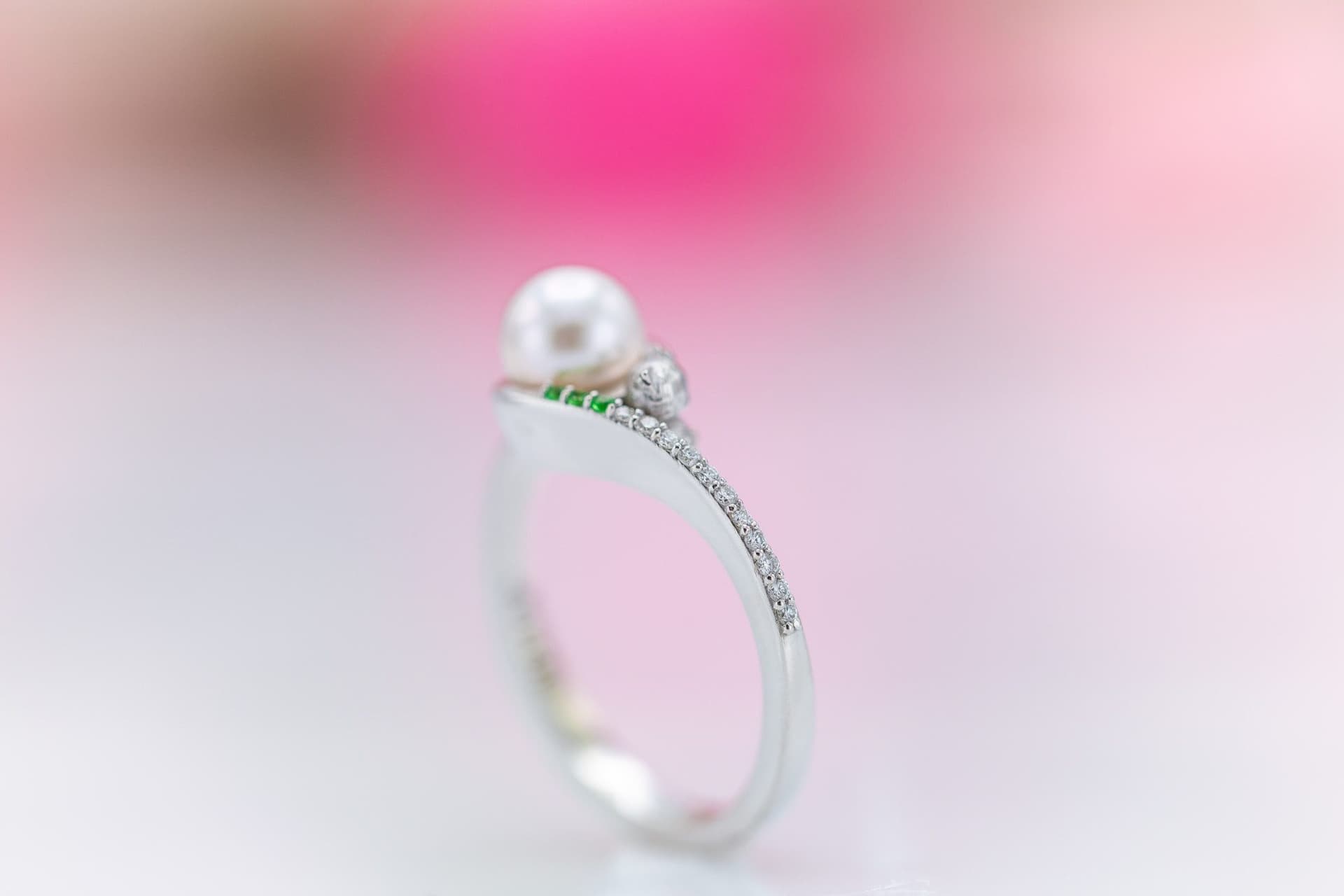
Novice gemologists and jewelers may find appraising pearls difficult. Our guide will show you how to appraise and grade different types of cultured pearls.
15 Minute Read
Before you start, make sure you have everything you’ll need.
First, make sure you have a clean, well-lit area and a white background on which you can place the pearls. A piece of paper or white paper towel will work. If you’re new to pearl grading, a piece of paper with text on it may help you determine the quality of the pearl’s luster.
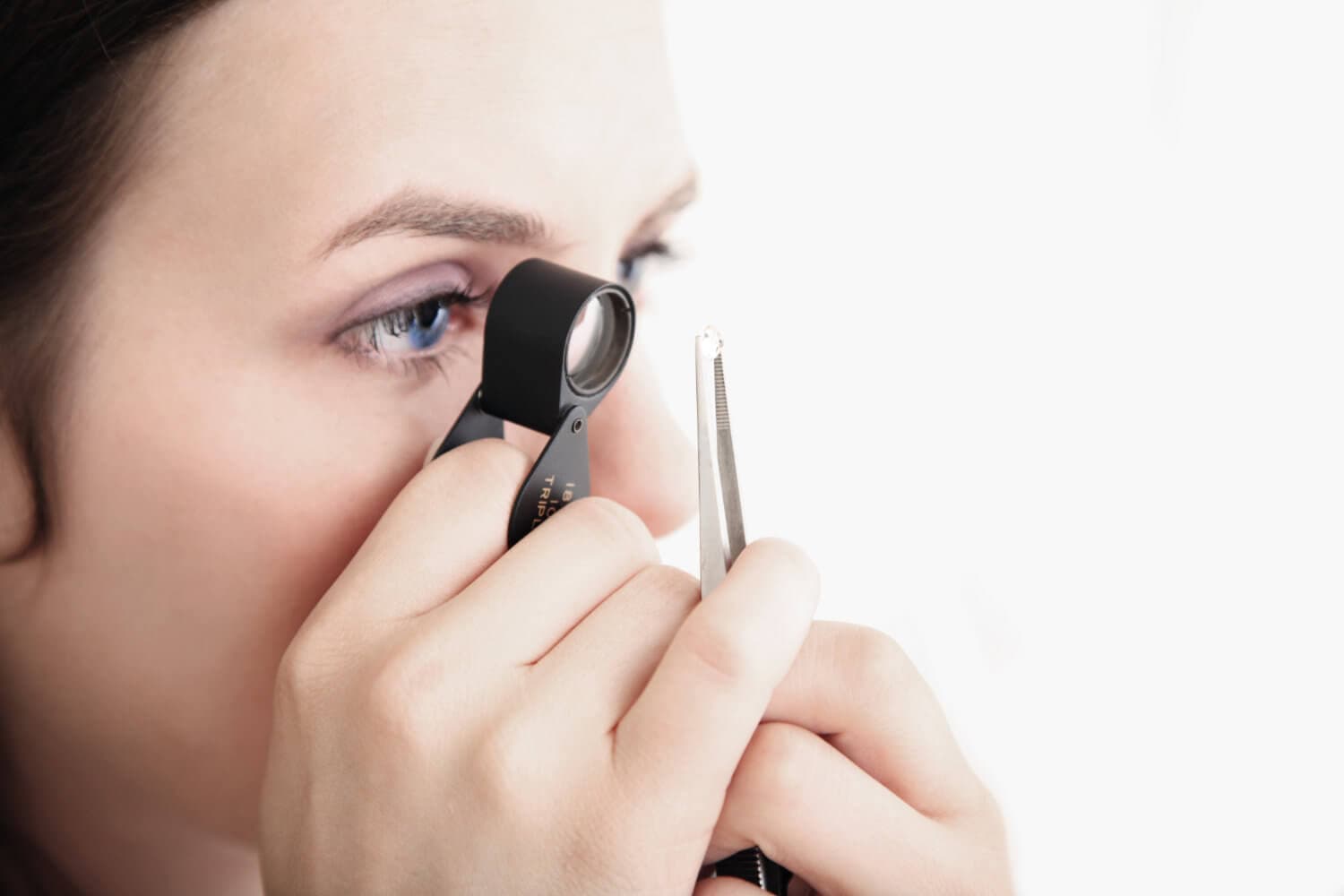
A jeweler’s loupe can help you identify potential treatments and surface characteristics. You’ll also need calipers to measure the pearl’s size accurately.
Finally, a master set for each pearl type can be useful for quickly comparing different pearls. Master sets are especially important for a business that markets pearls based on an in-house grading system, because they can ensure consistent pearl grades.
You’ll need to consider the pearl’s size, luster, shape, color, and surface. For strands, you’ll also need to assess how well the pearls match. After describing these properties, see how they compare with the quality range of the appropriate type of cultured pearl and arrive at a price.
The vast majority of pearls on the market today are…


When you join the IGS community, you get trusted diamond & gemstone information when you need it.
Before you start, make sure you have everything you’ll need.
First, make sure you have a clean, well-lit area and a white background on which you can place the pearls. A piece of paper or white paper towel will work. If you’re new to pearl grading, a piece of paper with text on it may help you determine the quality of the pearl’s luster.
A jeweler’s loupe can help you identify potential treatments and surface characteristics. You’ll also need calipers to measure the pearl’s size accurately.
Finally, a master set for each pearl type can be useful for quickly comparing different pearls. Master sets are especially important for a business that markets pearls based on an in-house grading system, because they can ensure consistent pearl grades.
You’ll need to consider the pearl’s size, luster, shape, color, and surface. For strands, you’ll also need to assess how well the pearls match. After describing these properties, see how they compare with the quality range of the appropriate type of and arrive at a price.
The vast majority of pearls on the market today are…

Novice gemologists and jewelers may find appraising pearls difficult. Our guide will show you how to appraise and grade different types of cultured pearls.


“I have never known or heard of an organization that offers so much for its members, and at such a low cost.”
— Ernest Roisch, Rainbow Rocks LTD
That's less than $0.01 per article. Get instant access to 1,700+ premium articles, courses, and gem pricing data.