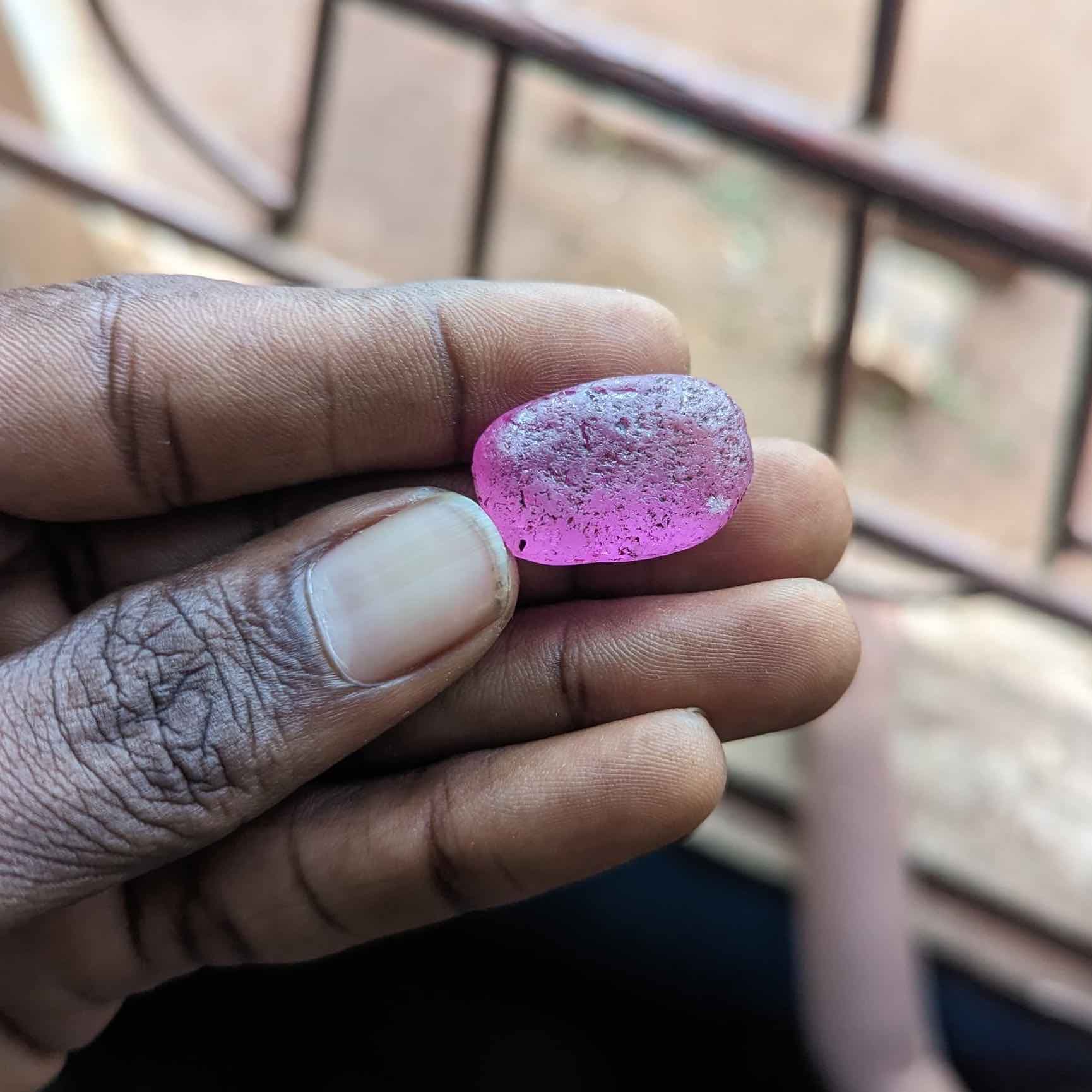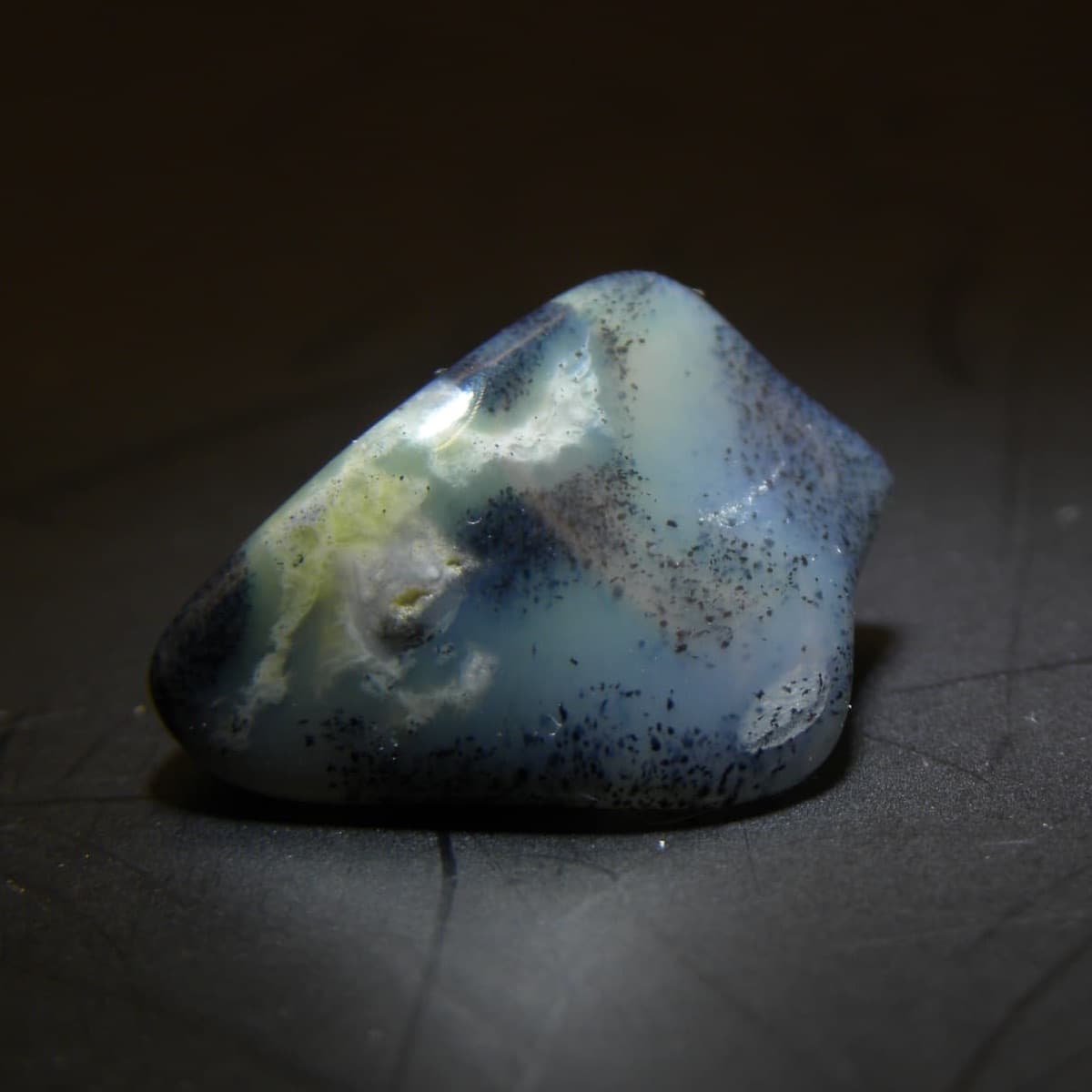
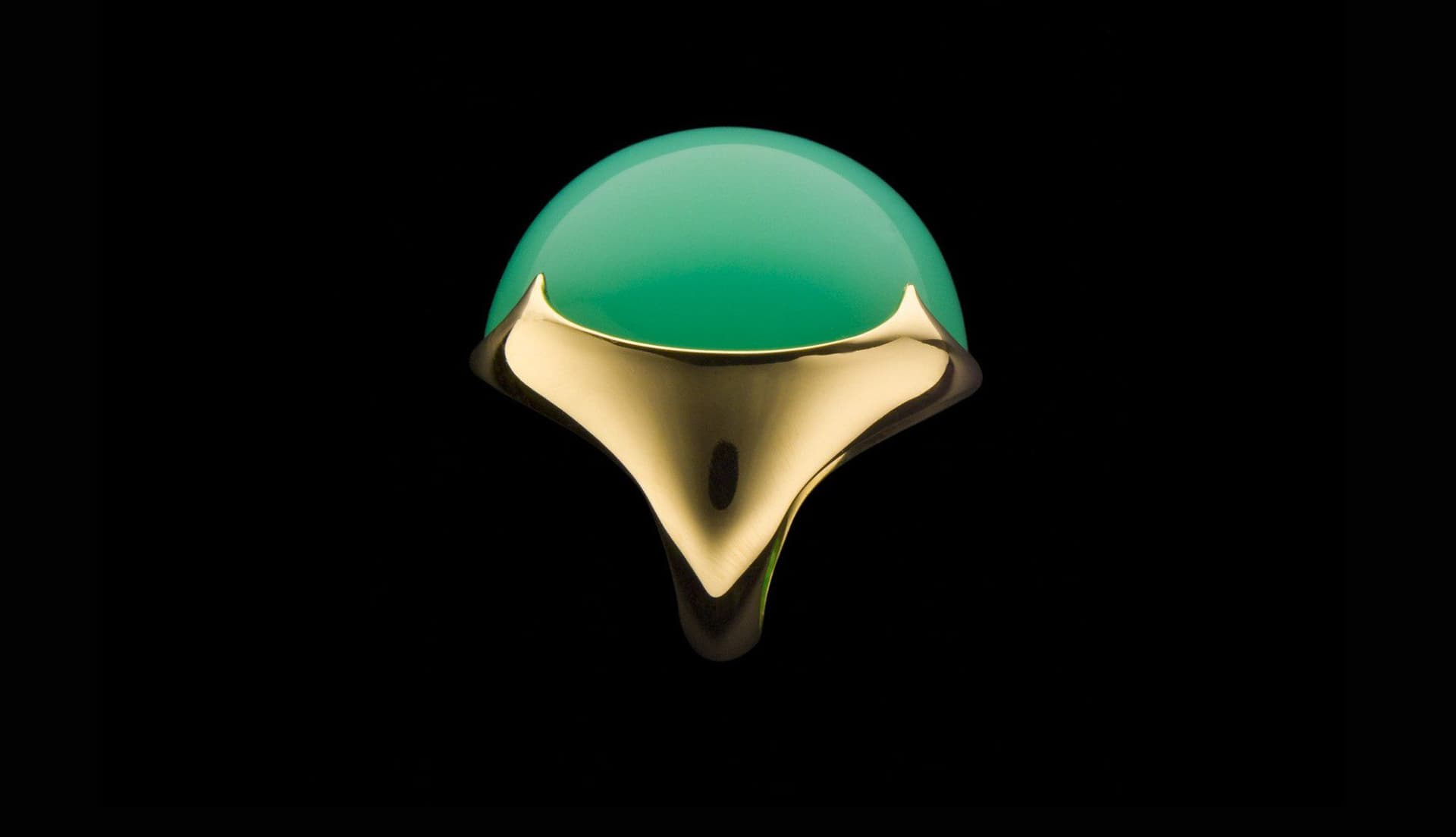
With bright, apple-green hues, chrysoprase makes an eye-catching jewelry stone. Our chrysoprase buying guide will help you pick a top-quality gem.
3 Minute Read
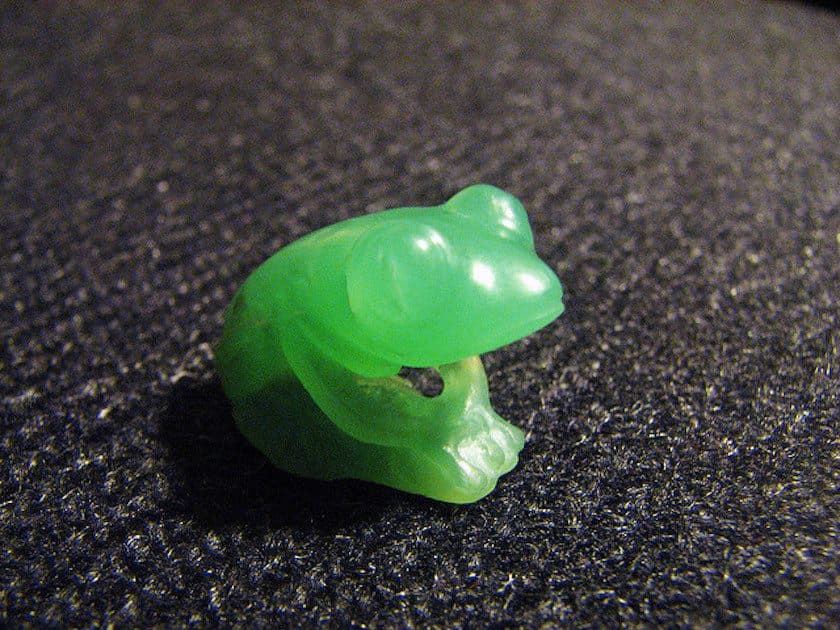
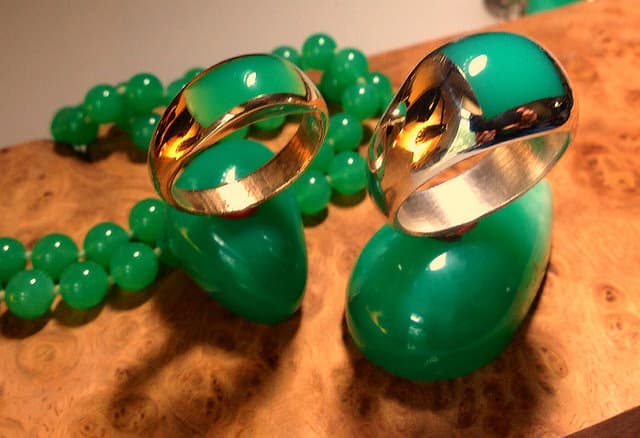

When you join the IGS community, you get trusted diamond & gemstone information when you need it.
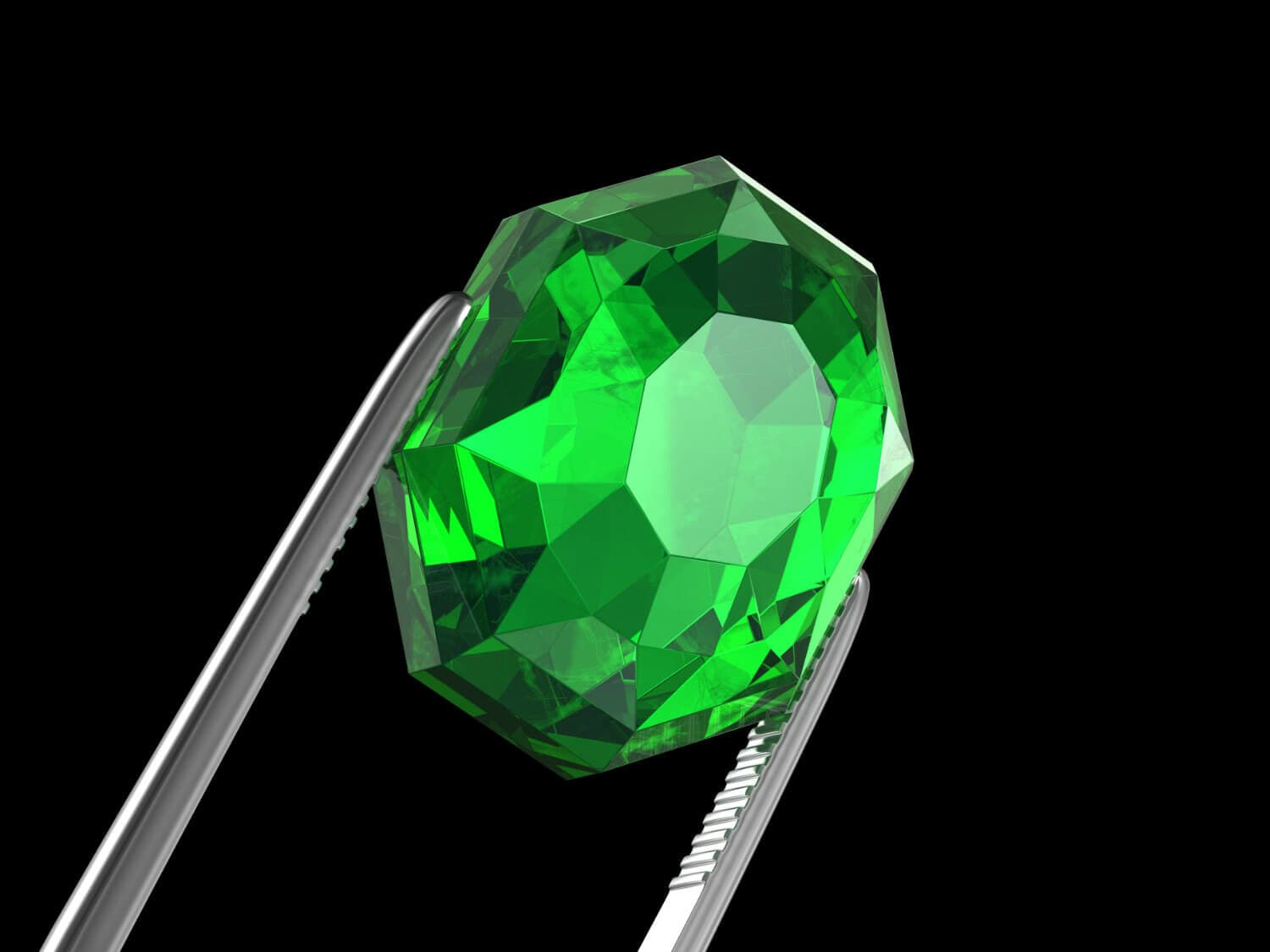
The IGS chrysoprase value listing has price guidelines for cabochons.
Chrysoprase is a green variety of chalcedony, a non-crystalline quartz. Colored by tiny inclusions of pimelite, this is a rare example of a green gem whose color arises from nickel. Chromium, which imparts a green hue in emerald, can also create green chalcedony. However, this chrome chalcedony constitutes a distinct gem variety from chrysoprase.
Gemologists describe color using hue, tone, and . For chrysoprase, the primary hue is green, and top-color gems are a bright, apple green. Secondary hues of yellow or blue may be present. However, secondary yellow hues are undesirable. Top-quality specimens won’t show these. Slight blue hues are more preferable. Some chrysoprase may even be blue-green or aqua in color.
In chrysoprase, medium to medium-dark tones are ideal. This allows for a brightly saturated gem. Lighter tones can appear washed-out, and darker tones never reach the saturation of a medium-toned specimen. Sometimes, darker-toned chrysoprase is referred to as “prase.”
Because of the material’s abundance, chrysoprase should have excellent clarity. Thus, inclusions shouldn’t be visible to the eye. However, dendritic inclusions…
With bright, apple-green hues, chrysoprase makes an eye-catching jewelry stone. Our chrysoprase buying guide will help you pick a top-quality gem.

“I have never known or heard of an organization that offers so much for its members, and at such a low cost.”
— Ernest Roisch, Rainbow Rocks LTD
That's less than $0.01 per article. Get instant access to 1,700+ premium articles, courses, and gem pricing data.