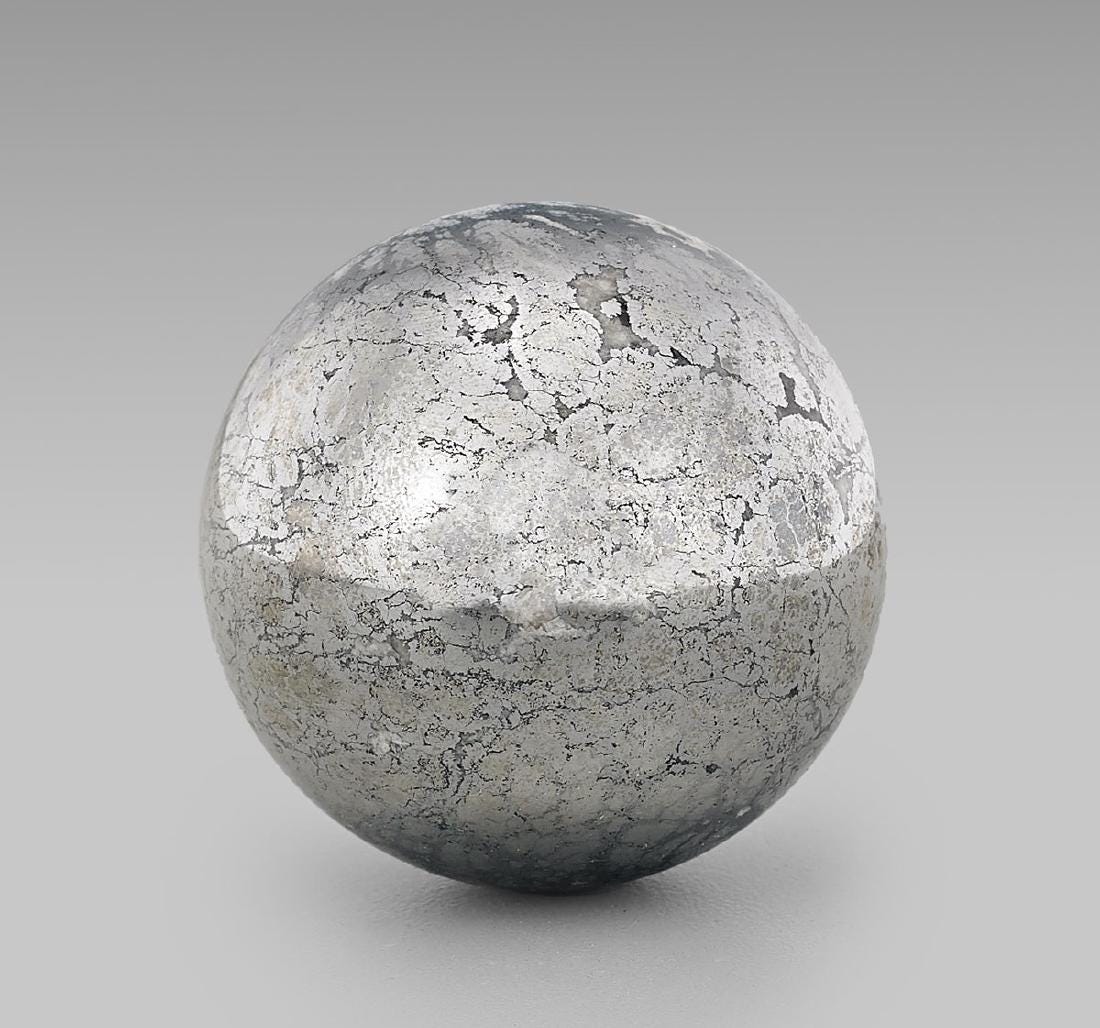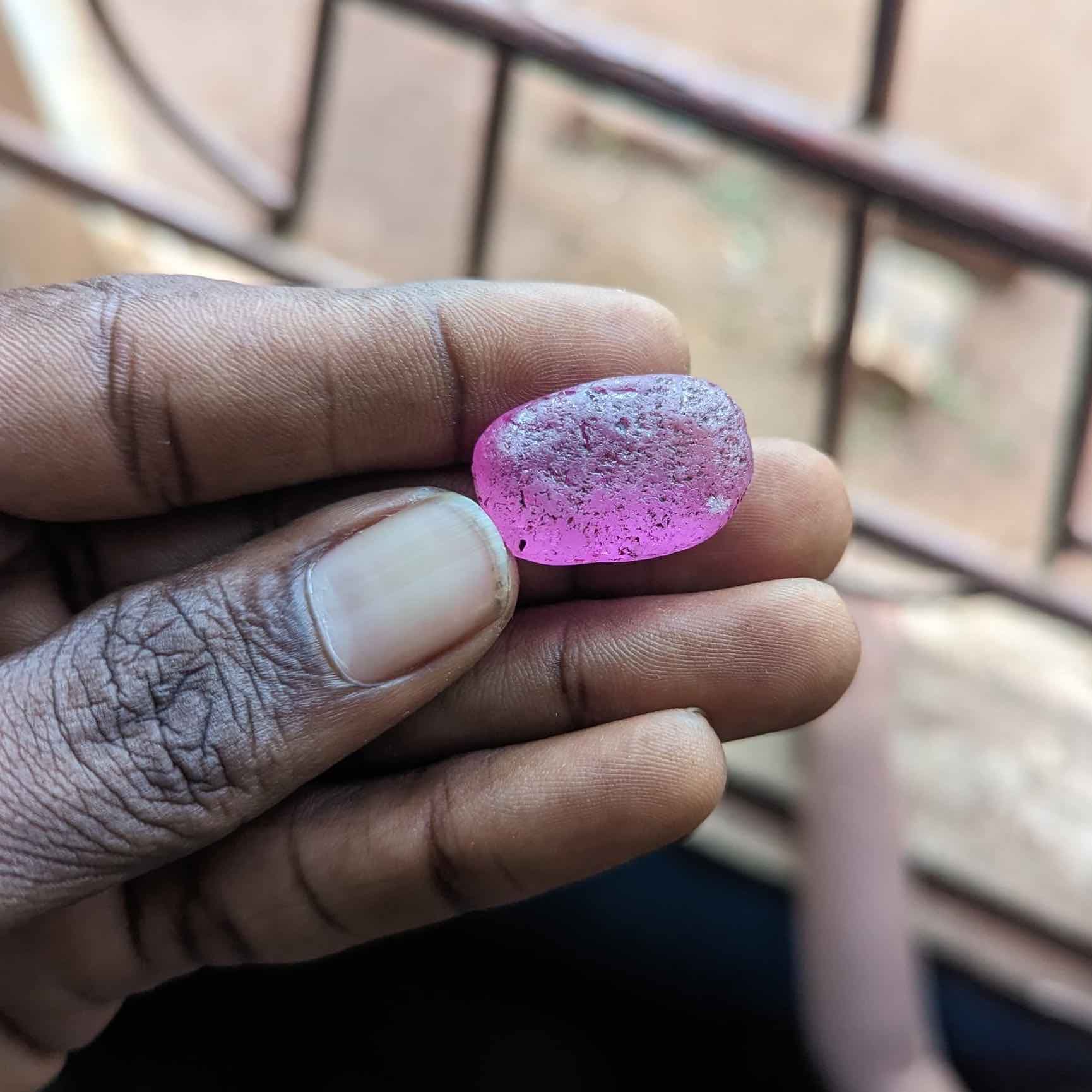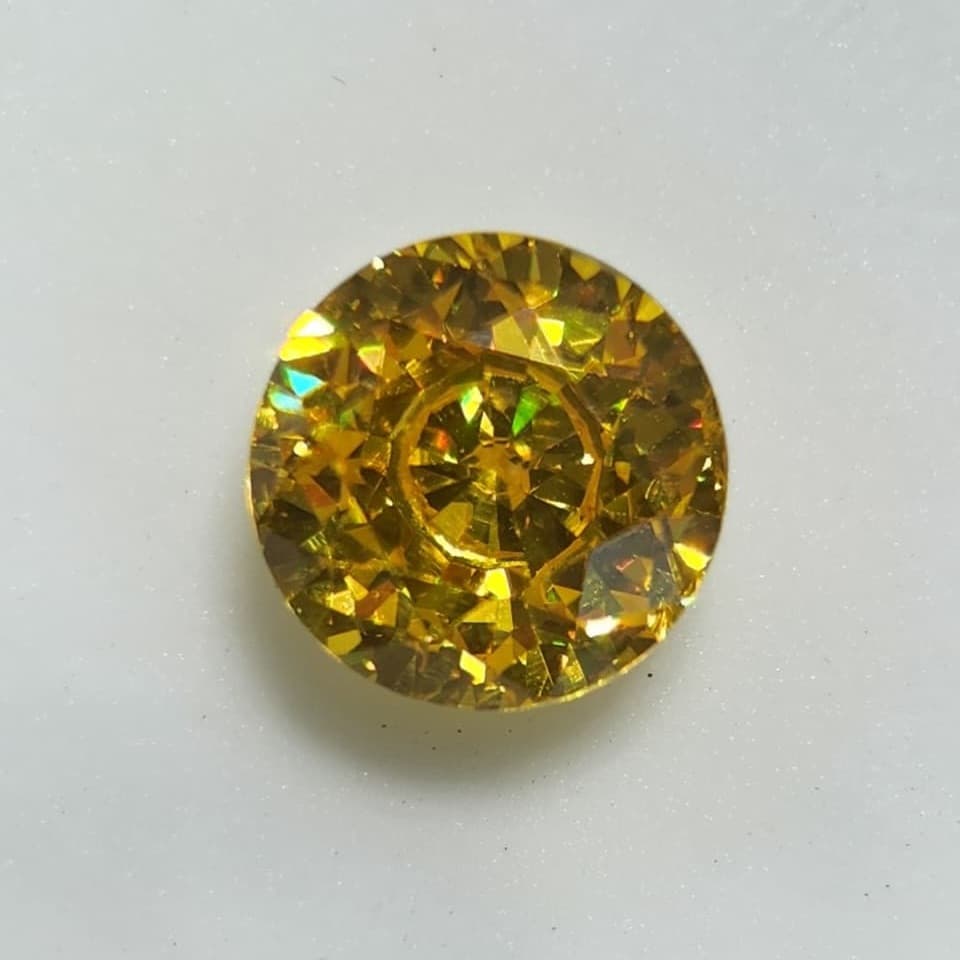
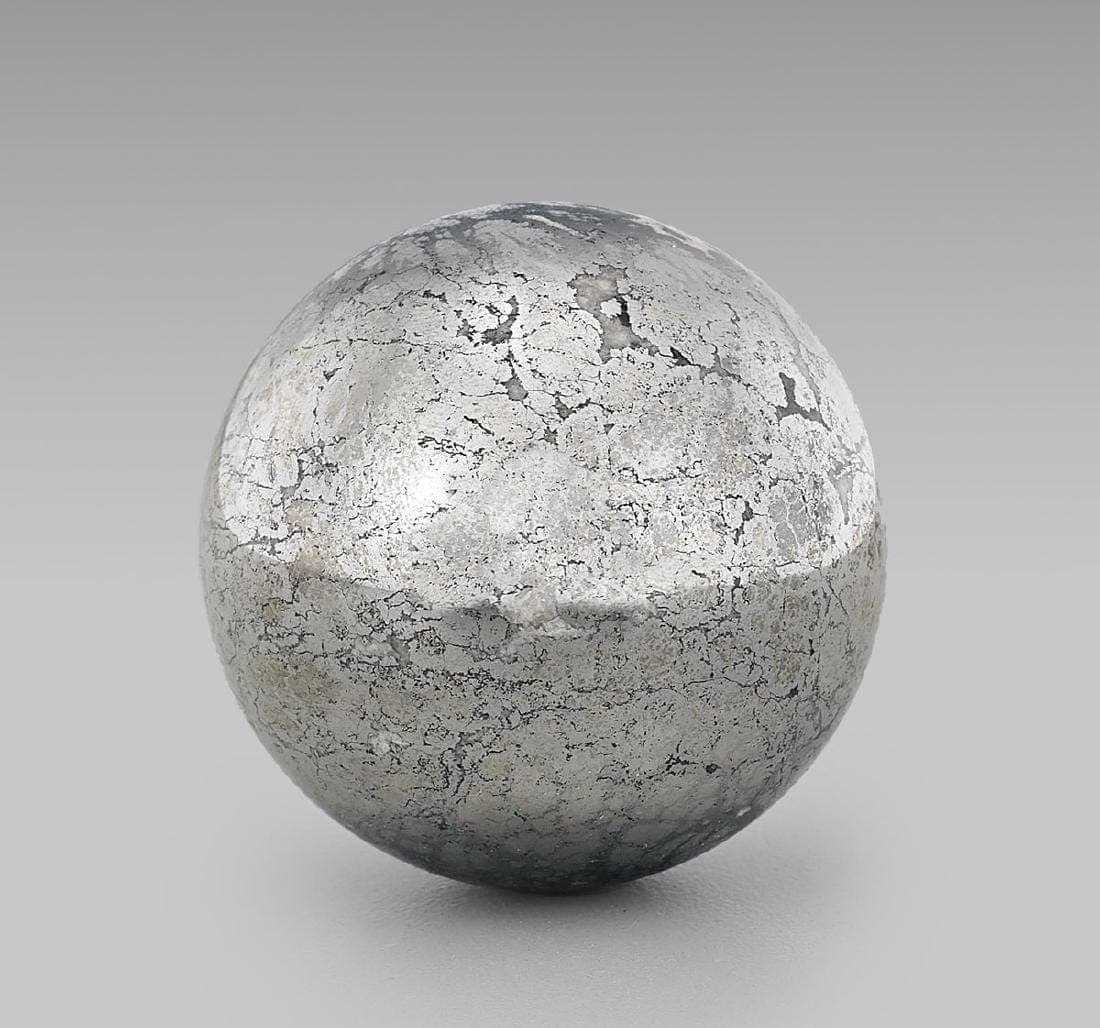
Cobaltite cabochons can have a lovely metallic luster. However, this gem material is very seldom faceted.
1 Minute Read
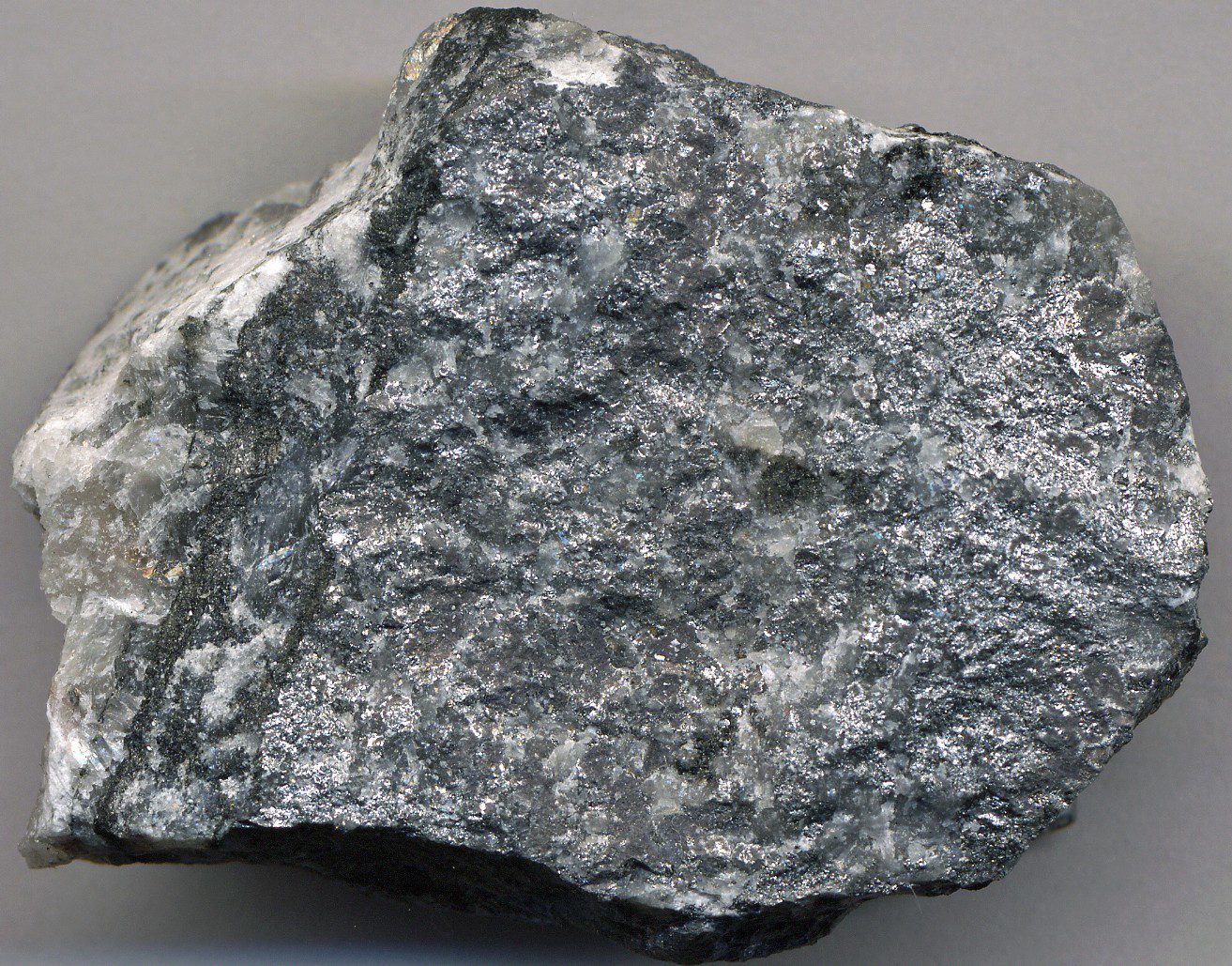
Cobaltite is a rare sulfide mineral, used primarily as an ore for cobalt.
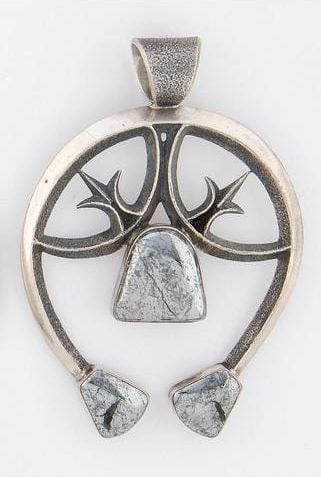
With a hardness of 5.5 and perfect cleavage, cobaltites are suitable for jewelry with protective settings.
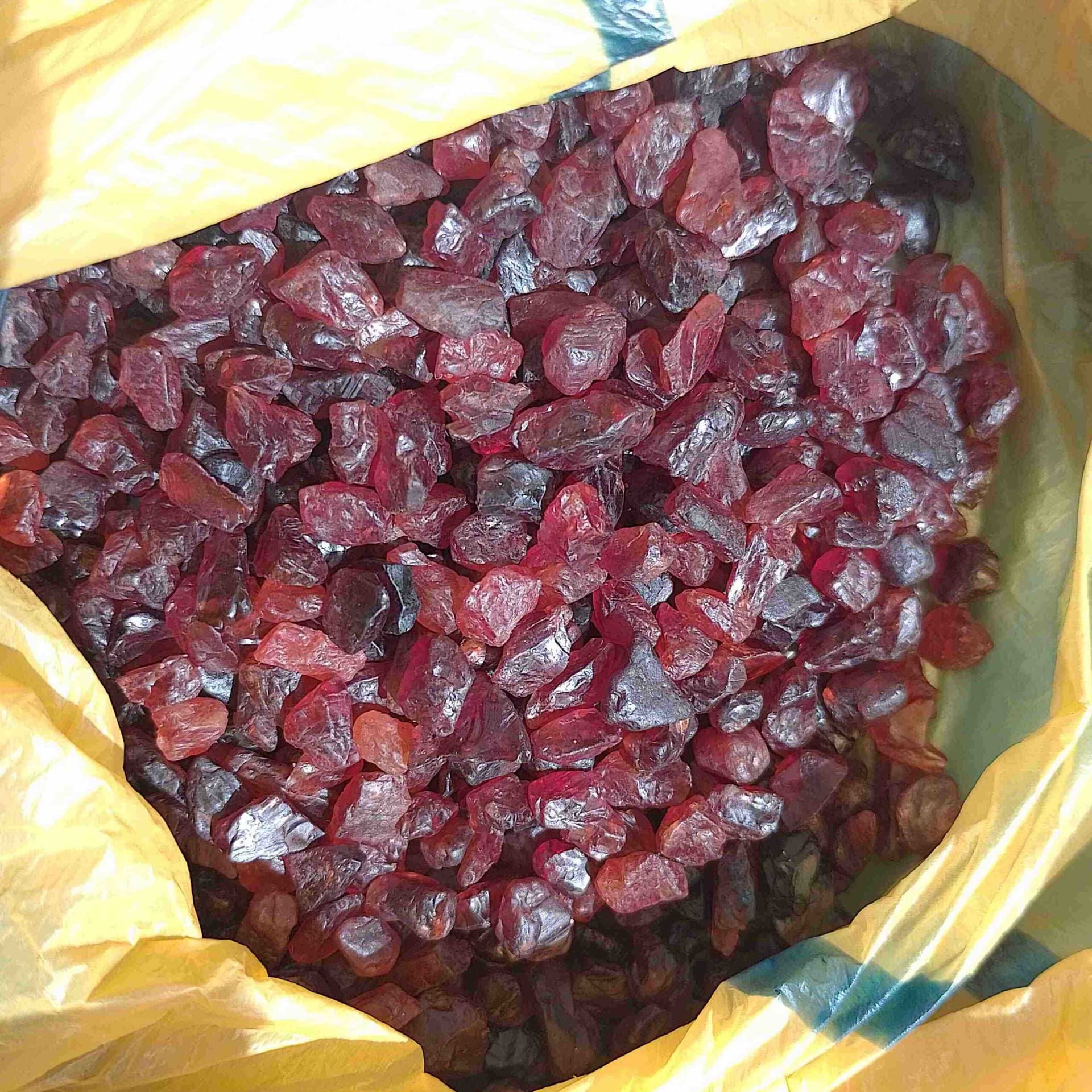
Although their metallic luster is their principal attraction, some specimens can also show a beautiful reddish color. Nevertheless, you're more likely to find cobaltites in a mineral collection, if at all, than in a jewelry collection.
A faceted cobaltite would probably appeal most to a completist gem collector.
Faceters should note that cobaltite contains arsenic and cobalt. They should take precautions to prevent inhaling particles, protect their eyes, and wash their hands while cutting cobaltites.
Protective settings will help keep cobaltites from getting scratched, which can release small particles that can be accidentally ingested. However, normal jewelry wear should pose no further health risks.
With a specific gravity of 6.33, cobaltite is a dense material and will feel heavier for its size than most other gemstones. However, it's actually less dense than other metallic gemstones of similar appearance: breithauptite (7.59-8.23); niccolite (7.78); and algodonite (8.38). All of these materials are also rarely faceted but occasionally cabbed.
Cobaltite has a grayish black streak. Please note that streak testing is a destructive test that should only be used on an unfinished piece as a last resort for identification.
Scientists have synthesized cobaltites for mineralogical research. However, there is no known jewelry use for this lab-created material.
There are no known gemstone enhancements for cobaltites.
Canada, notably the aptly named Cobalt, Ontario, and Sweden, notably Tunaberg, produce masses and fine crystals.
Other notable sources include the following:
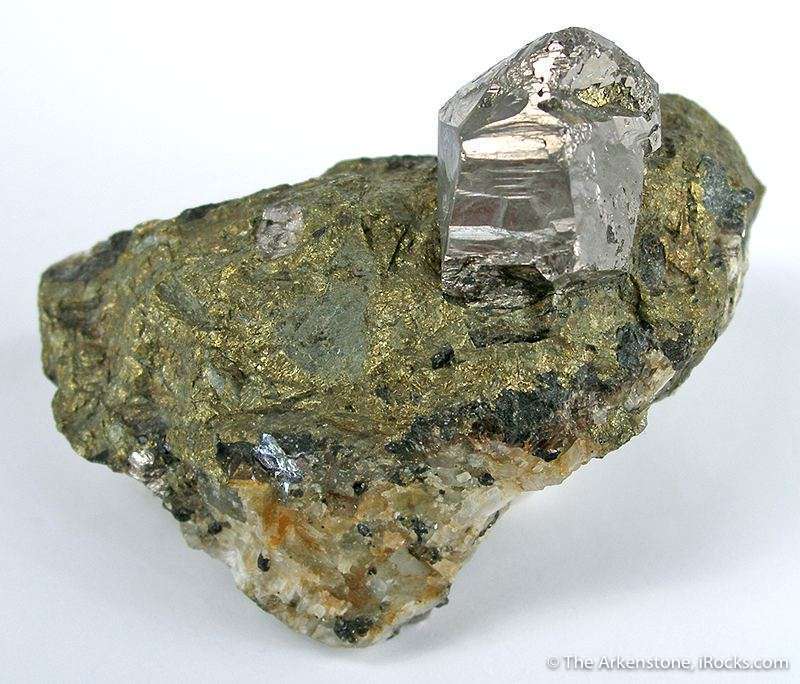
Lapidaries could cut stones of any desired size from massive material.
Clean cobaltites with a soft brush, mild detergent, and warm water. For more care recommendations, consult our gemstone jewelry care guide.

When you join the IGS community, you get trusted diamond & gemstone information when you need it.
Cobaltite is a rare sulfide mineral, used primarily as an ore for cobalt.
With a hardness of 5.5 and perfect cleavage, cobaltites are suitable for jewelry with protective settings.
Although their metallic luster is their principal attraction, some specimens can also show a beautiful reddish color. Nevertheless, you're more likely to find cobaltites in a mineral collection, if at all, than in a jewelry collection.
A faceted cobaltite would probably appeal most to a completist gem collector.
Faceters should note that cobaltite contains arsenic and cobalt. They should take precautions to prevent inhaling particles, protect their eyes, and wash their hands while cutting cobaltites.
Protective settings will help keep cobaltites from getting scratched, which can release small particles that can be accidentally ingested. However, normal jewelry wear should pose no further health risks.
With a specific gravity of 6.33, cobaltite is a dense material and will feel heavier for its size than most other gemstones. However, it's actually less dense than other metallic gemstones of similar appearance: breithauptite (7.59-8.23); niccolite (7.78); and algodonite (8.38). All of these materials are also rarely faceted but occasionally cabbed.
Cobaltite has a grayish black streak. Please note that streak testing is a destructive test that should only be used on an unfinished piece as a last resort for identification.
Scientists have synthesized cobaltites for mineralogical research. However, there is no known jewelry use for this lab-created material.
There are no known gemstone enhancements for cobaltites.
Canada, notably the aptly named Cobalt, Ontario, and Sweden, notably Tunaberg, produce masses and fine crystals.
Other notable sources include the following:
Lapidaries could cut stones of any desired size from massive material.
Clean cobaltites with a soft brush, mild detergent, and warm water. For more care recommendations, consult our gemstone jewelry care guide.


Cobaltite cabochons can have a lovely metallic luster. However, this gem material is very seldom faceted.