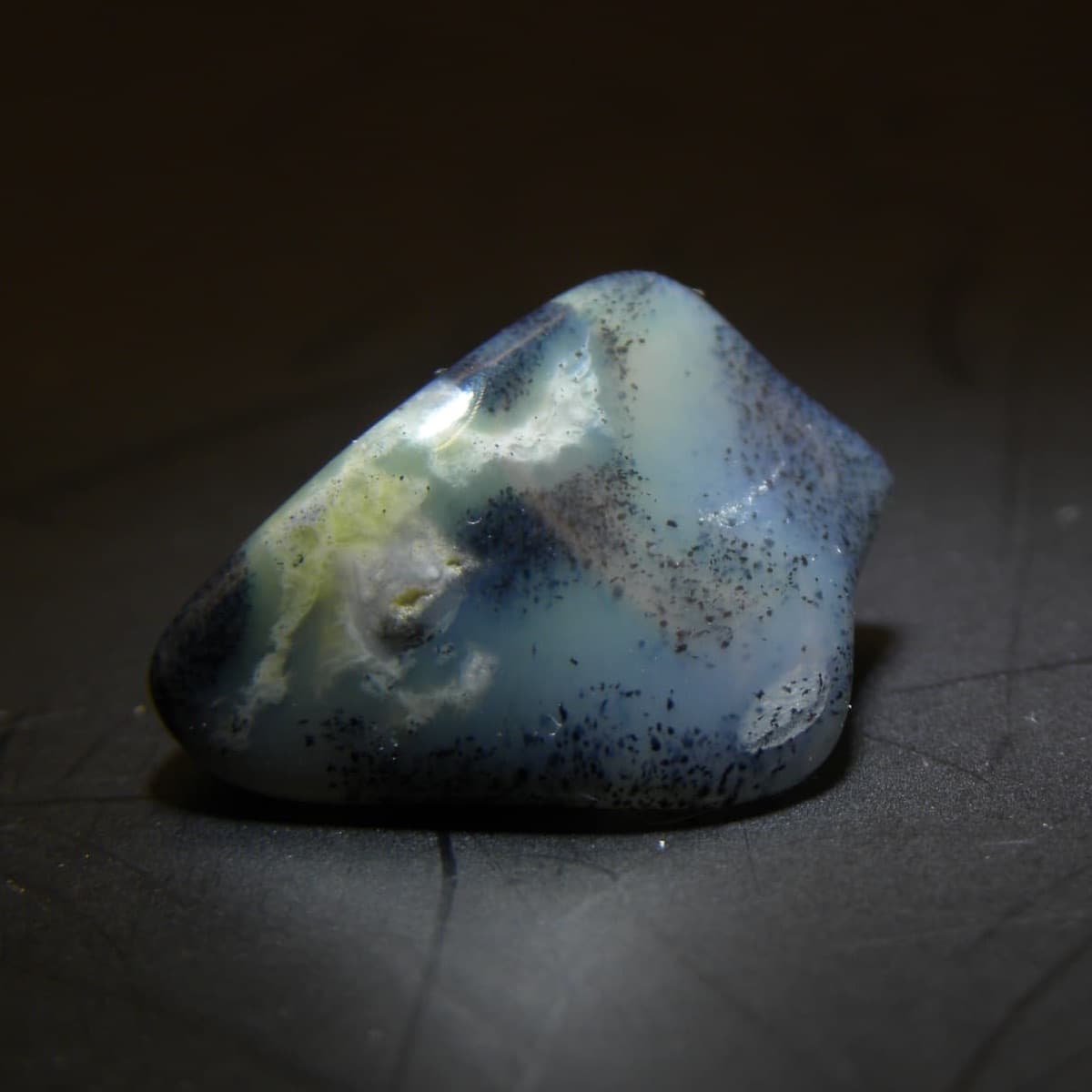
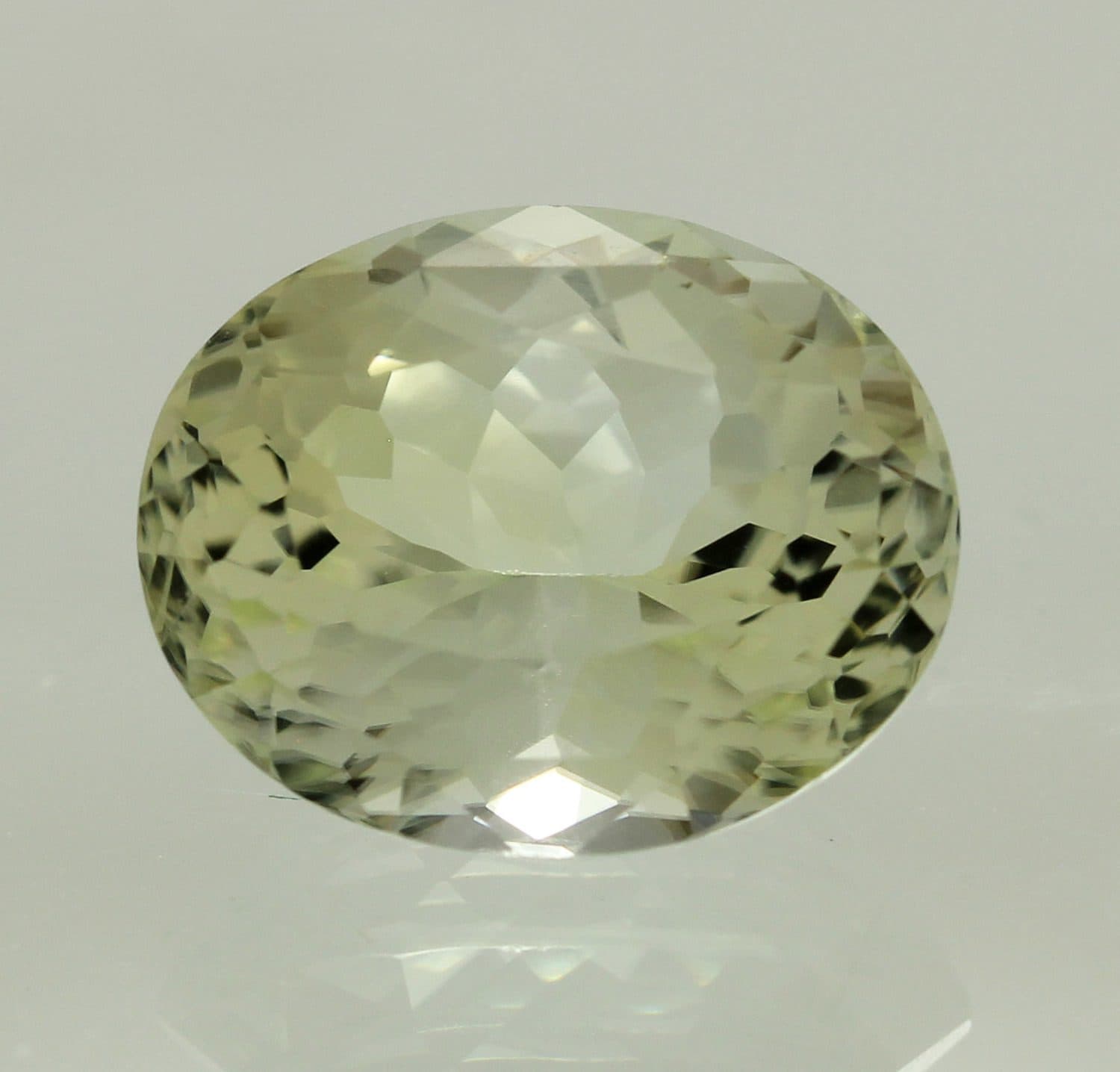
Polished and sliced datolite nodules can show off very attractive colors. Datolite is a popular collector’s mineral, but faceted and cabbed datolites are rare.
1 Minute Read
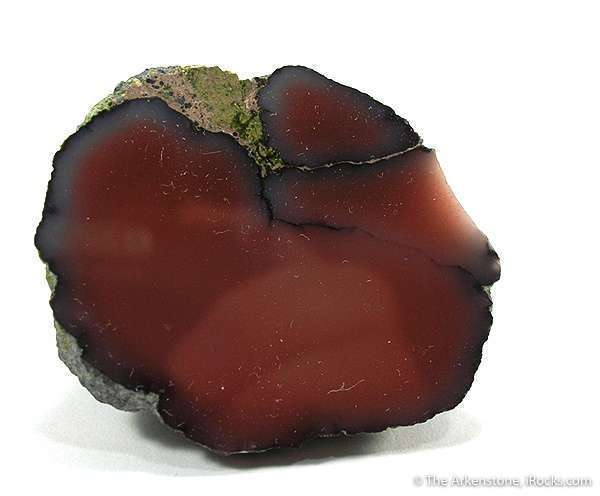
The mineral datolite serves as a source of boron.
You're more likely to find datolites in mineral collections than jewelry collections. However, if worn occasionally or in protective settings, these gems can make interesting conversation pieces. They can match popular opals in hardness but without the additional wear and care restrictions.
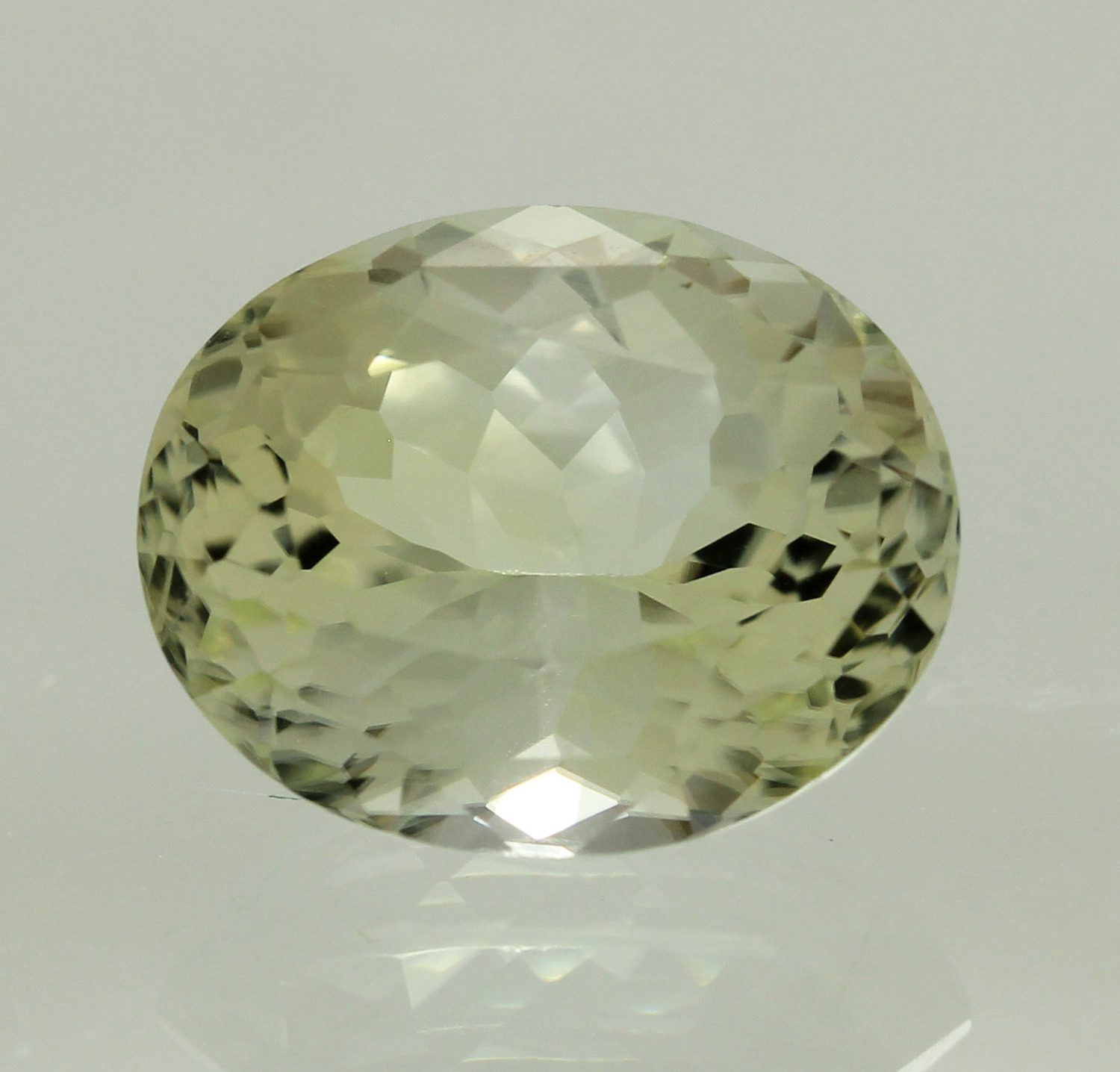
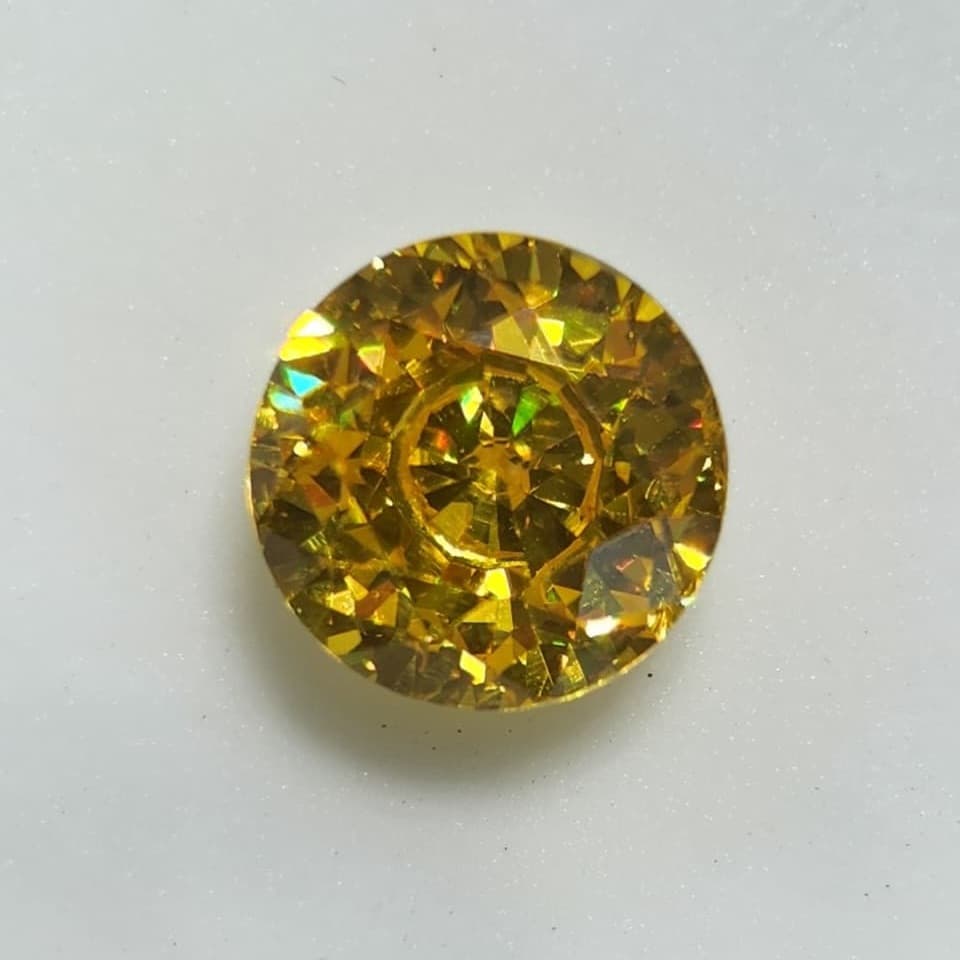
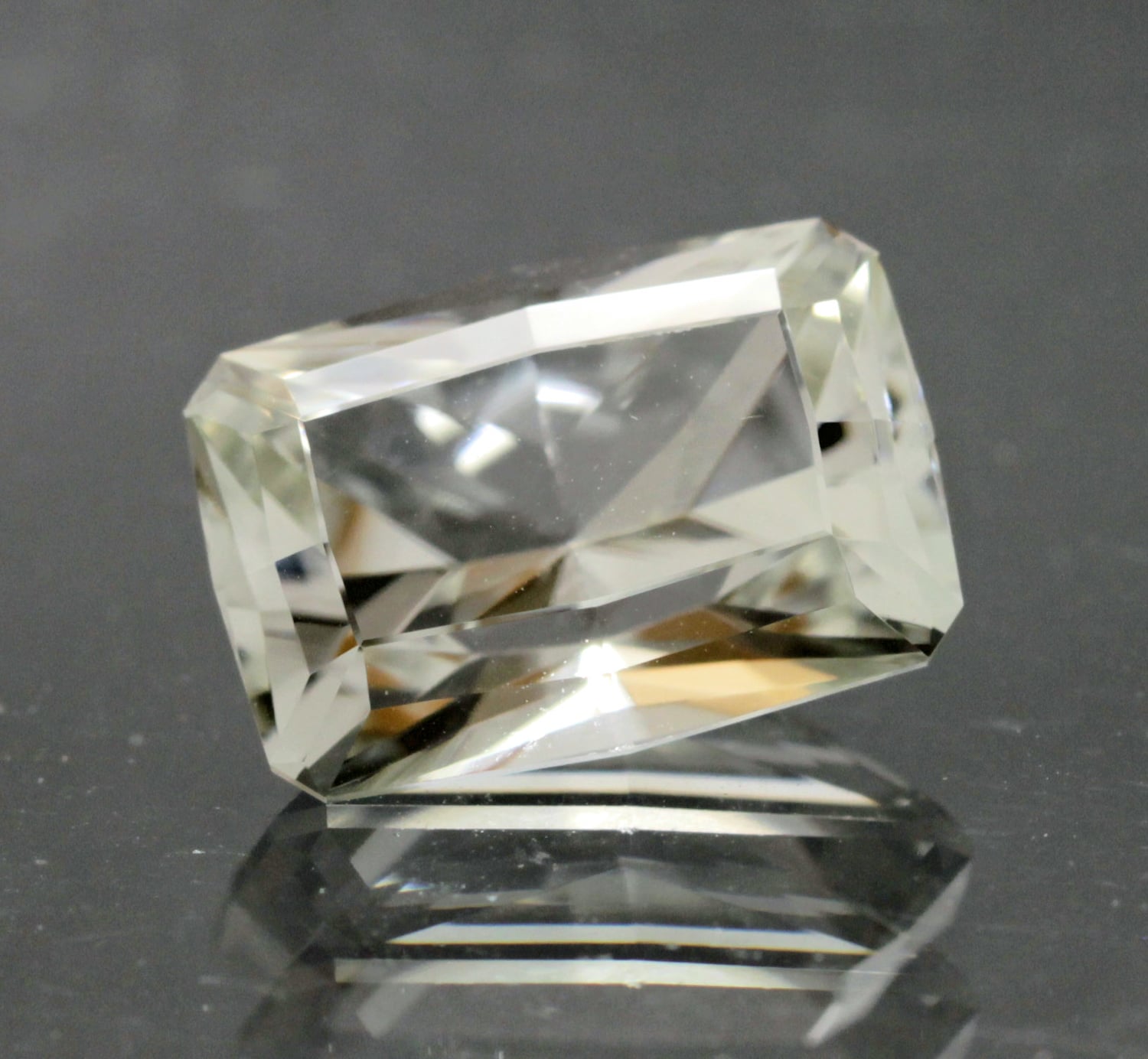
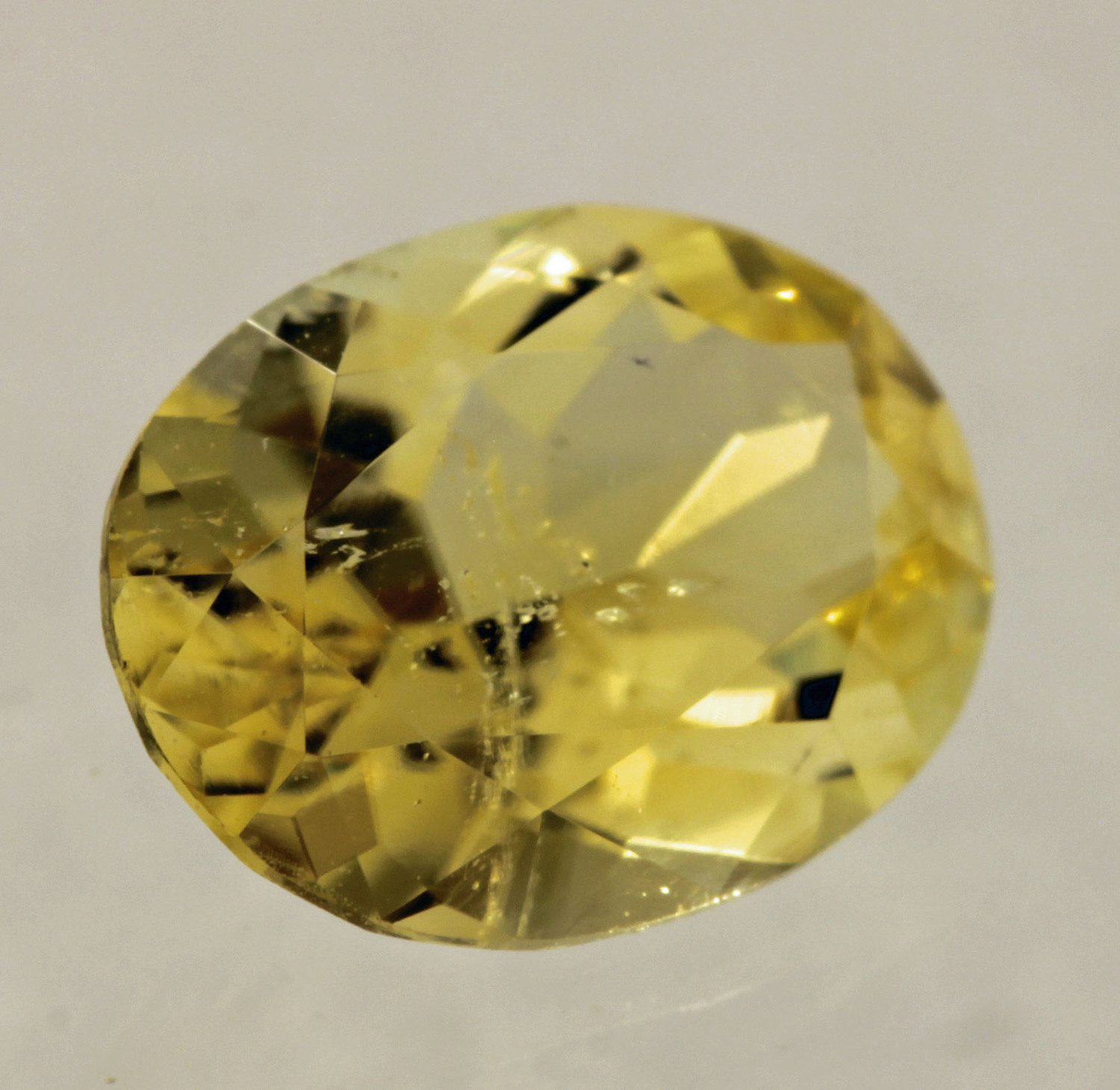
Most faceted datolite gems show pale yellowish or green colors. Some are colorless. While faceted gems have high brilliance, they have little fire or dispersion.
Massive brown or white material may yield cabochons.
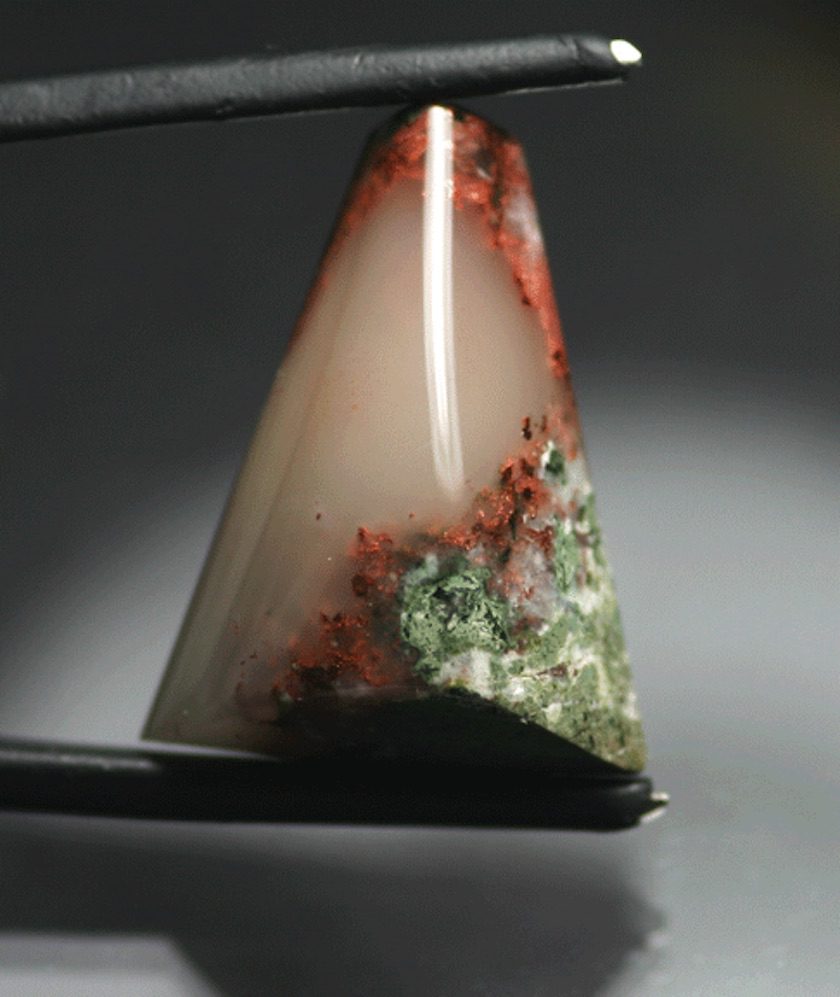
Copper inclusions in material from Michigan can create striking colors.
Datolites may fluoresce blue under shortwave ultraviolet light.
Due to their high birefringence, faceted datolites may show doubling of facet images.
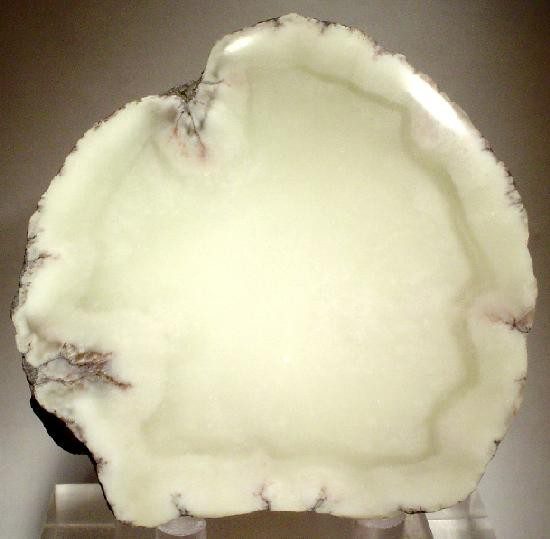
Datolite nodules may resemble howlite. Nevertheless, their physical properties differ considerably, notably their hardness (5.5 versus 3.5 or less) and specific gravity.
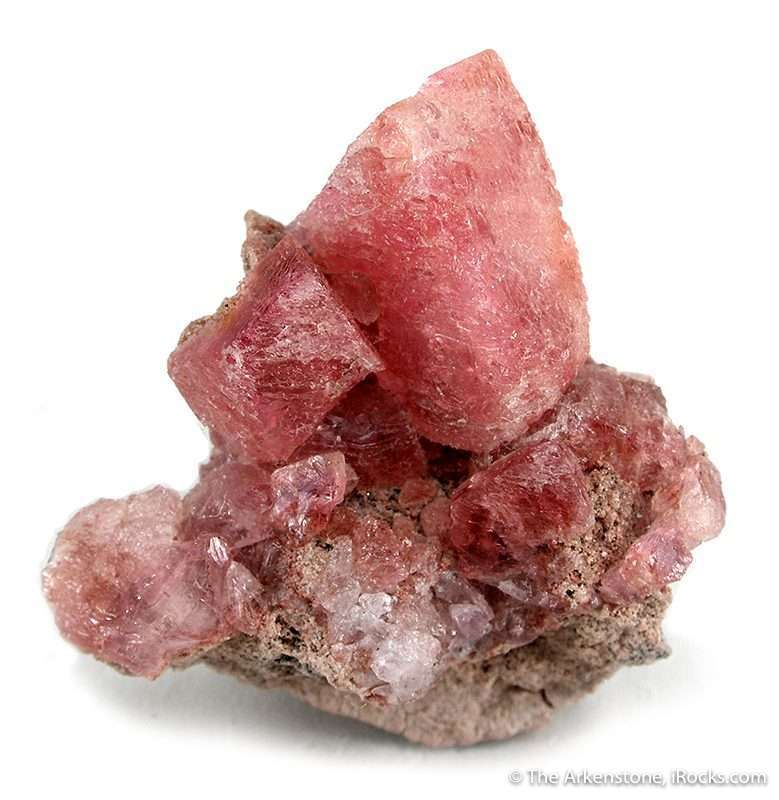
Scientists have used hydrothermally grown synthetic material for research into utilizing its luminescence to improve boron prospecting efficiency. However, there is no known use of synthetic datolites in jewelry.
Datolites have no known gem treatments.
Primorsky Krai in the Russian Far East produces large, gem-quality datolite crystals.
Notable gem sources in the United States include the following:
Other notable gem-quality sources include the following:
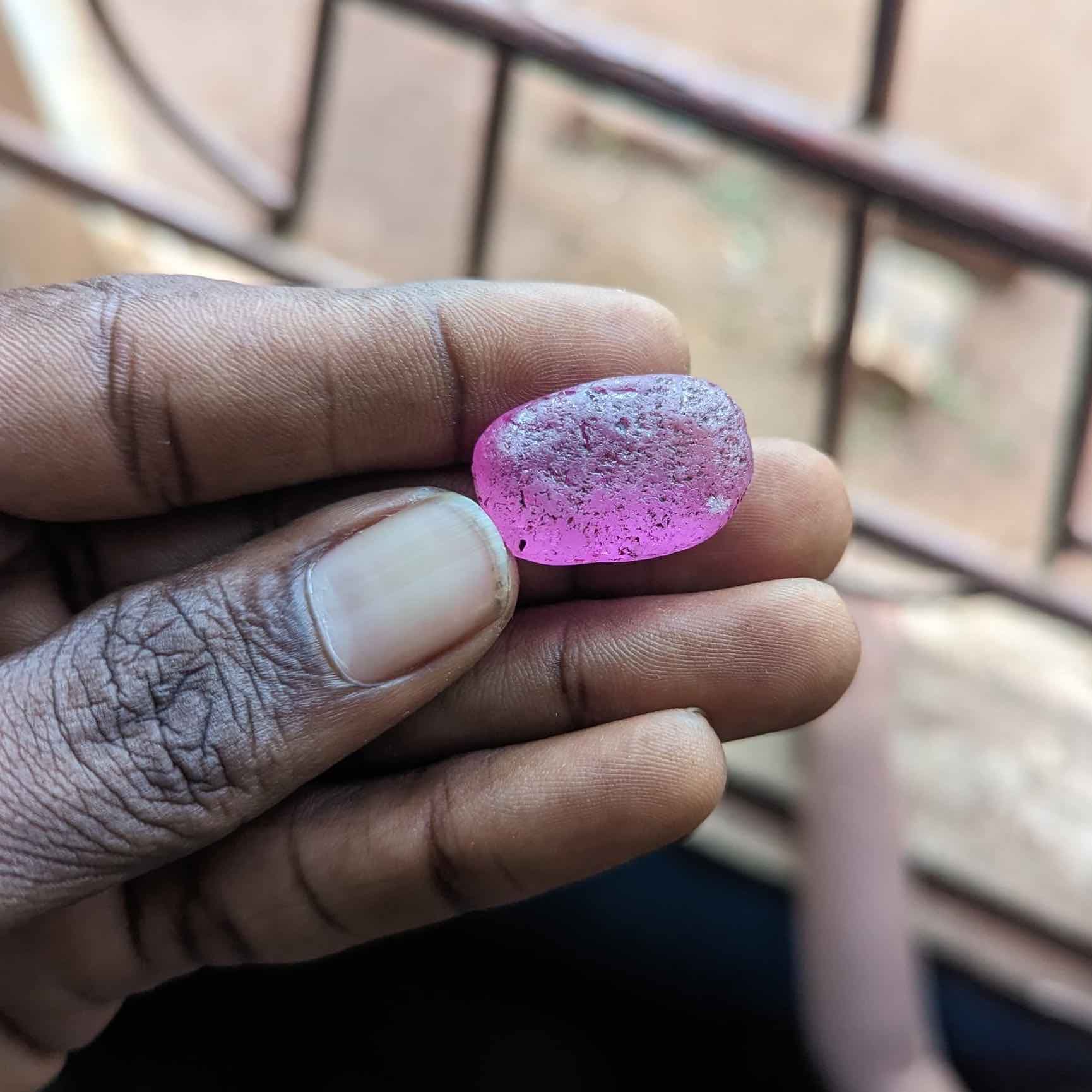
Brown or white massive material will cut cabochons up to several ounces. However, gem collections seldom hold these cabochons, as it seems most collectors prefer sliced nodules. These can measure up to about 6 inches in diameter.
The best faceting material comes from Massachusetts, with fine pale green material from New Jersey. The largest gems cut from these materials range up to 5 carats.
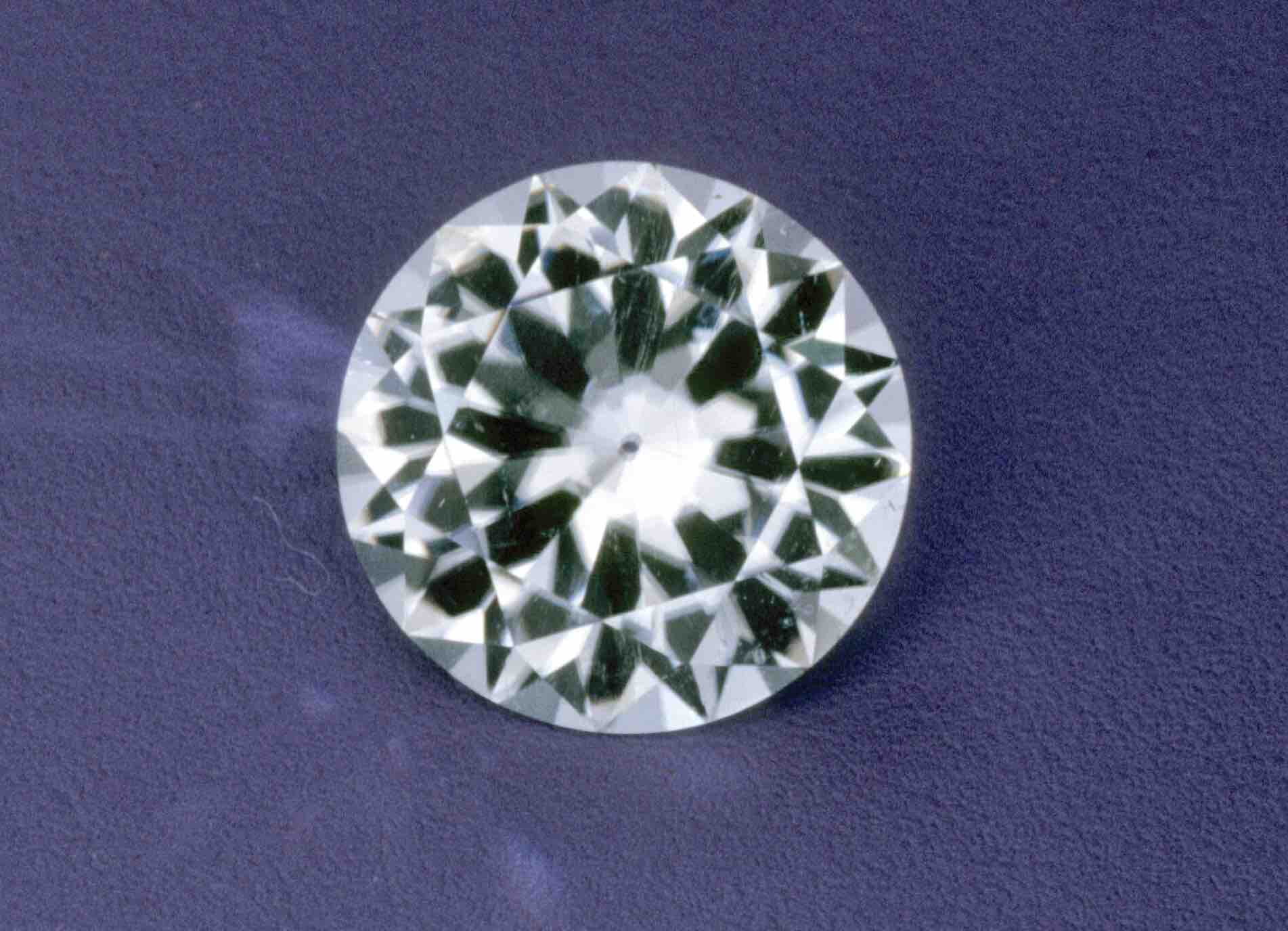
Larger stones are very rare.
Store datolites separately from other harder, well-known jewelry stones to avoid contact scratches. Clean datolites with a soft brush, mild detergent, and warm water. See our gemstone jewelry care guide for more recommendations.

When you join the IGS community, you get trusted diamond & gemstone information when you need it.
The mineral datolite serves as a source of boron.
You're more likely to find datolites in mineral collections than jewelry collections. However, if worn occasionally or in protective settings, these gems can make interesting conversation pieces. They can match popular opals in hardness but without the additional wear and care restrictions.
Most faceted datolite gems show pale yellowish or green colors. Some are colorless. While faceted gems have high , they have little fire or .
Massive brown or white material may yield cabochons.
Copper inclusions in material from Michigan can create striking colors.
Datolites may fluoresce blue under shortwave ultraviolet light.
Due to their high birefringence, faceted datolites may show doubling of facet images.
Datolite nodules may resemble howlite. Nevertheless, their physical properties differ considerably, notably their hardness (5.5 versus 3.5 or less) and specific gravity.
Scientists have used hydrothermally grown synthetic material for research into utilizing its luminescence to improve boron prospecting efficiency. However, there is no known use of synthetic datolites in jewelry.
Datolites have no known gem treatments.
Primorsky Krai in the Russian Far East produces large, gem-quality datolite crystals.
Notable gem sources in the United States include the following:
Other notable gem-quality sources include the following:
Brown or white massive material will cut cabochons up to several ounces. However, gem collections seldom hold these cabochons, as it seems most collectors prefer sliced nodules. These can measure up to about 6 inches in diameter.
The best faceting material comes from Massachusetts, with fine pale green material from New Jersey. The largest gems cut from these materials range up to 5 carats.
Larger stones are very rare.
Store datolites separately from other harder, well-known jewelry stones to avoid contact scratches. Clean datolites with a soft brush, mild detergent, and warm water. See our gemstone jewelry care guide for more recommendations.


Polished and sliced datolite nodules can show off very attractive colors. Datolite is a popular collector’s mineral, but faceted and cabbed datolites are rare.