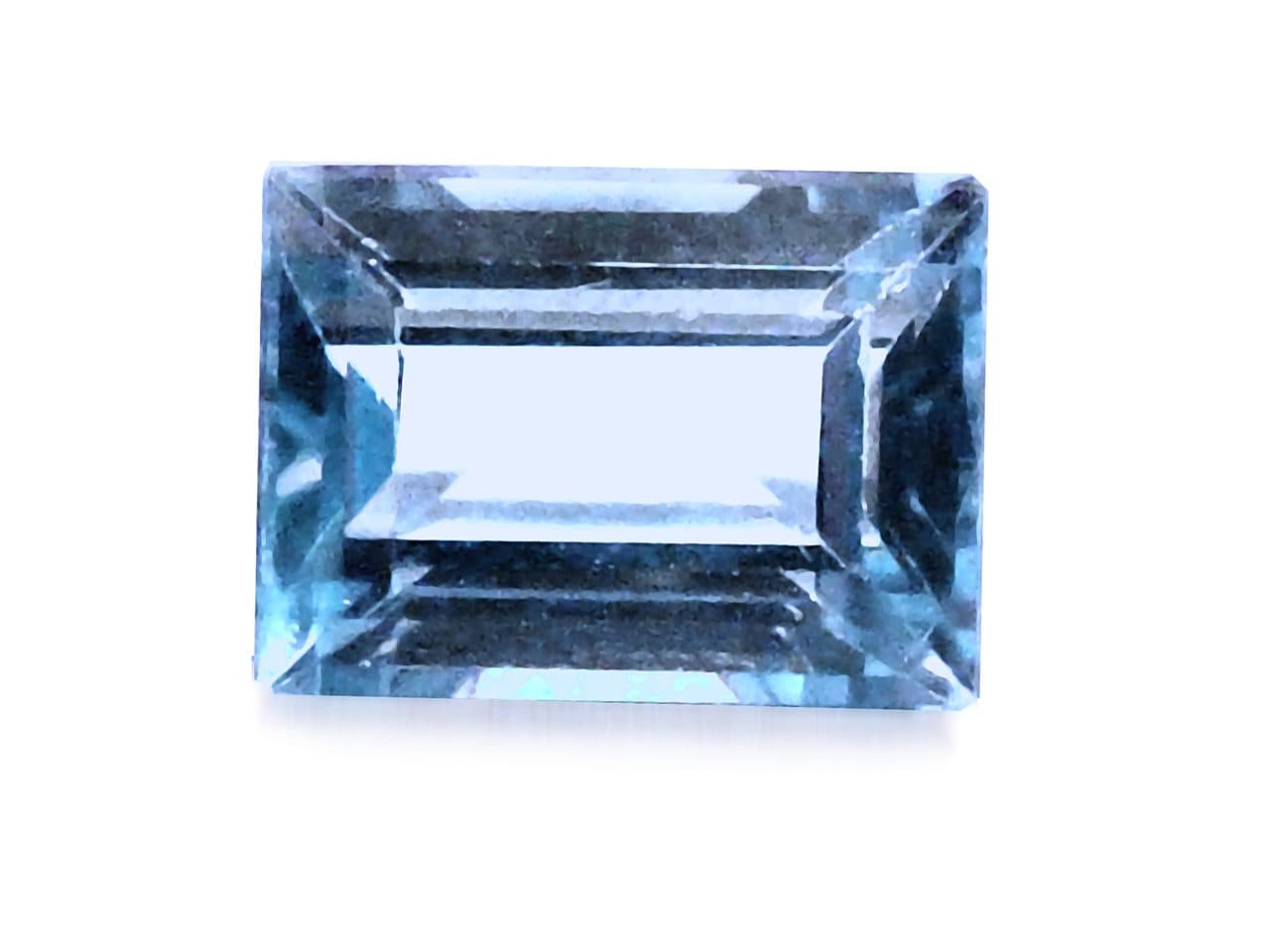
How can gemologists quickly distinguish aquamarines from aquamarine imitations? We’ll review some common lookalikes and their most notable differences.
6 Minute Read
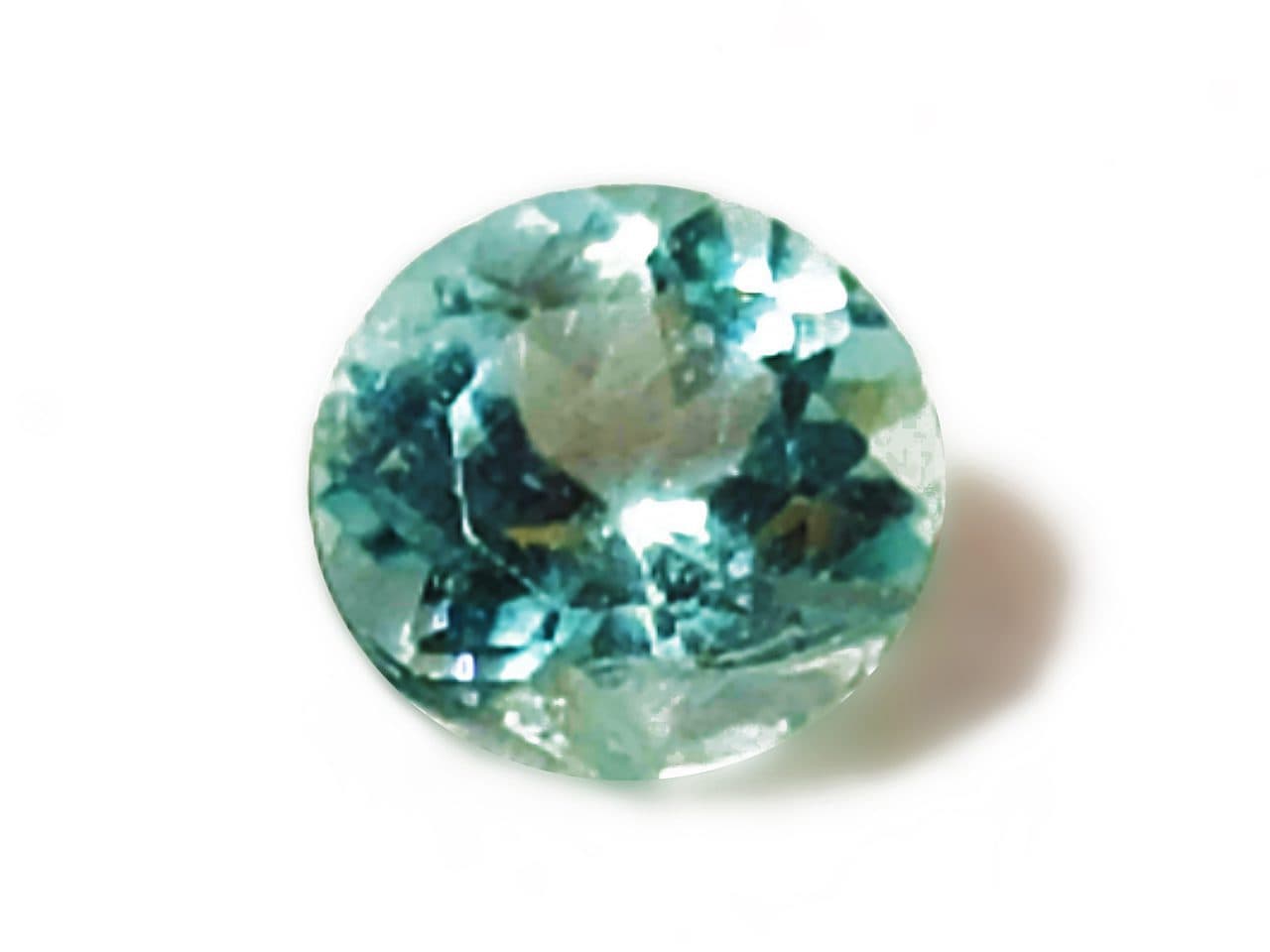
Actually a large mineral group with many varieties, apatite can occur in many colors, including blueish green, greenish blue, and blue. Of course, these are the colors that can be offered as aquamarine imitations.
The optical and physical properties of these natural gemstones can vary significantly by type and color, but they all differ from those of aquamarine. Blue apatites have a higher refractive index (RI), around 1.633-1.644, than aquamarines, around 1.567-1.590. They also have a higher specific gravity (SG), around 3.2, than aquamarines, around 2.66-2.80. A refractometer and hydrostatic balance test, respectively, should distinguish them.
An easily noticeable feature of apatite is its striking luminescence under ultraviolet light. Blue apatites can show a violet-blue to sky blue fluorescence. Greener apatites can show a greenish mustard yellow color. In contrast, aquamarine has no luminescence.
A very popular, inexpensive gemstone, “sky blue topaz” is often used to imitate other blue gems, including aquamarines. This material starts out as natural colorless topaz. After a radiation and heat treatment process, the stones turn blue. Those that show a light, aqua blue color are known as “sky blue topaz” in the gem trade. (Naturally blue topaz is…


When you join the IGS community, you get trusted diamond & gemstone information when you need it.
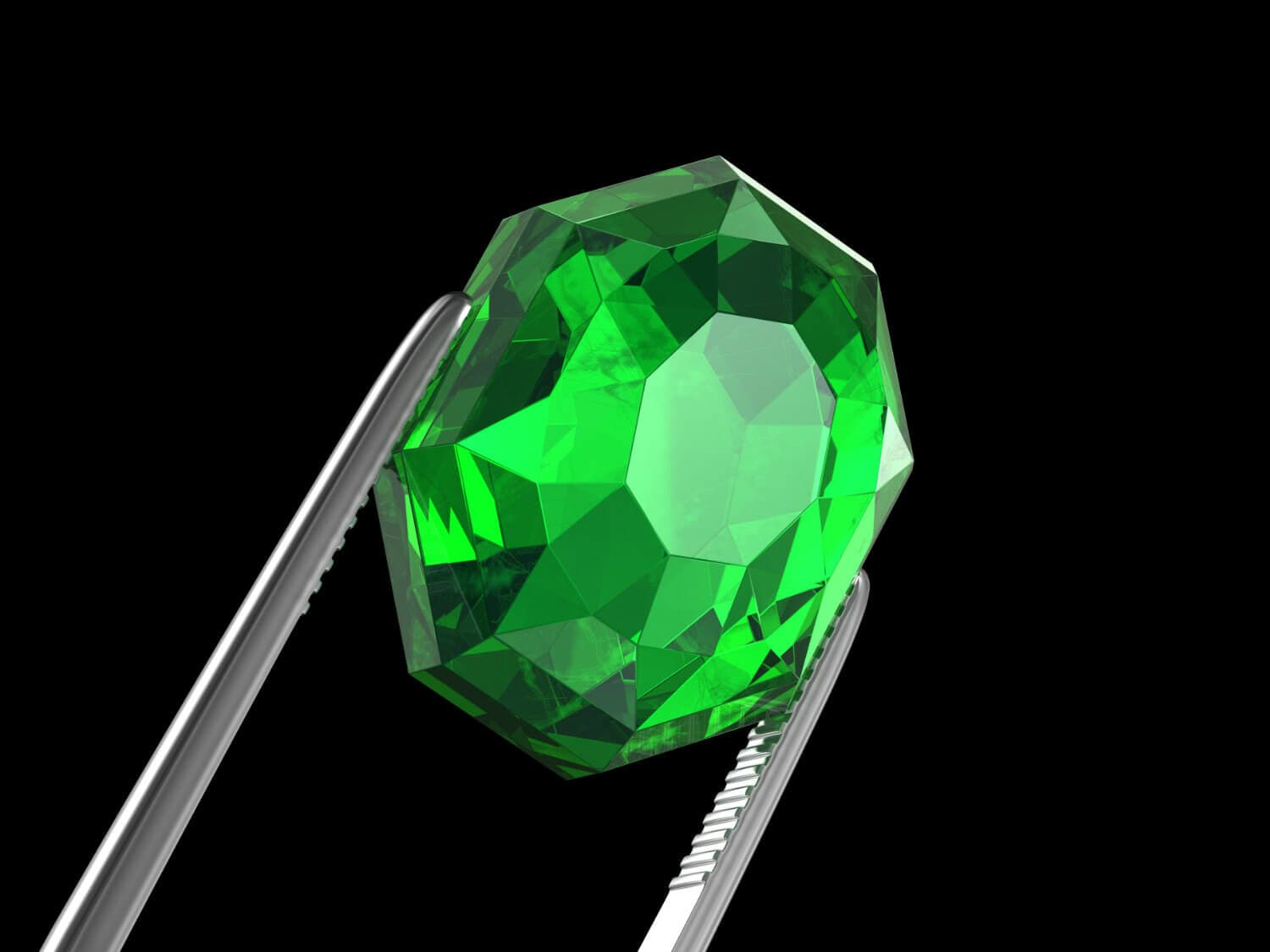
Actually a large mineral group with many varieties, apatite can occur in many colors, including blueish green, greenish blue, and blue. Of course, these are the colors that can be offered as aquamarine imitations.
The optical and physical properties of these natural gemstones can vary significantly by type and color, but they all differ from those of aquamarine. Blue apatites have a higher refractive index (RI), around 1.633-1.644, than aquamarines, around 1.567-1.590. They also have a higher specific gravity (SG), around 3.2, than aquamarines, around 2.66-2.80. A refractometer and hydrostatic balance test, respectively, should distinguish them.
An easily noticeable feature of apatite is its striking luminescence under ultraviolet light. Blue apatites can show a violet-blue to sky blue fluorescence. Greener apatites can show a greenish mustard yellow color. In contrast, aquamarine has no luminescence.
A very popular, inexpensive gemstone, “sky blue topaz” is often used to imitate other blue gems, including aquamarines. This material starts out as natural colorless topaz. After a radiation and heat treatment process, the stones turn blue. Those that show a light, aqua blue color are known as “sky blue topaz” in the gem trade. (Naturally blue topaz is…

How can gemologists quickly distinguish aquamarines from aquamarine imitations? We’ll review some common lookalikes and their most notable differences.


“I have never known or heard of an organization that offers so much for its members, and at such a low cost.”
— Ernest Roisch, Rainbow Rocks LTD
That's less than $0.01 per article. Get instant access to 1,700+ premium articles, courses, and gem pricing data.