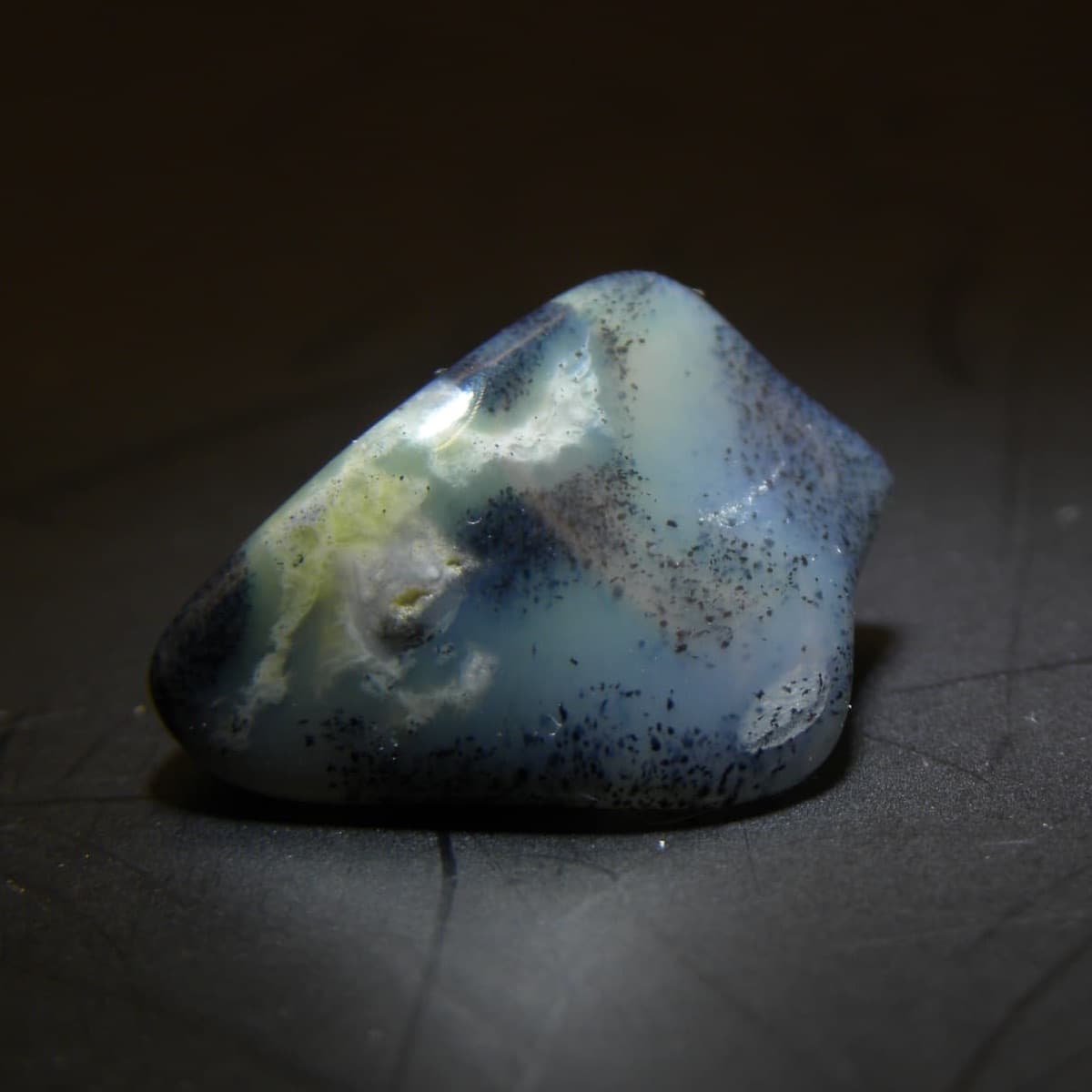
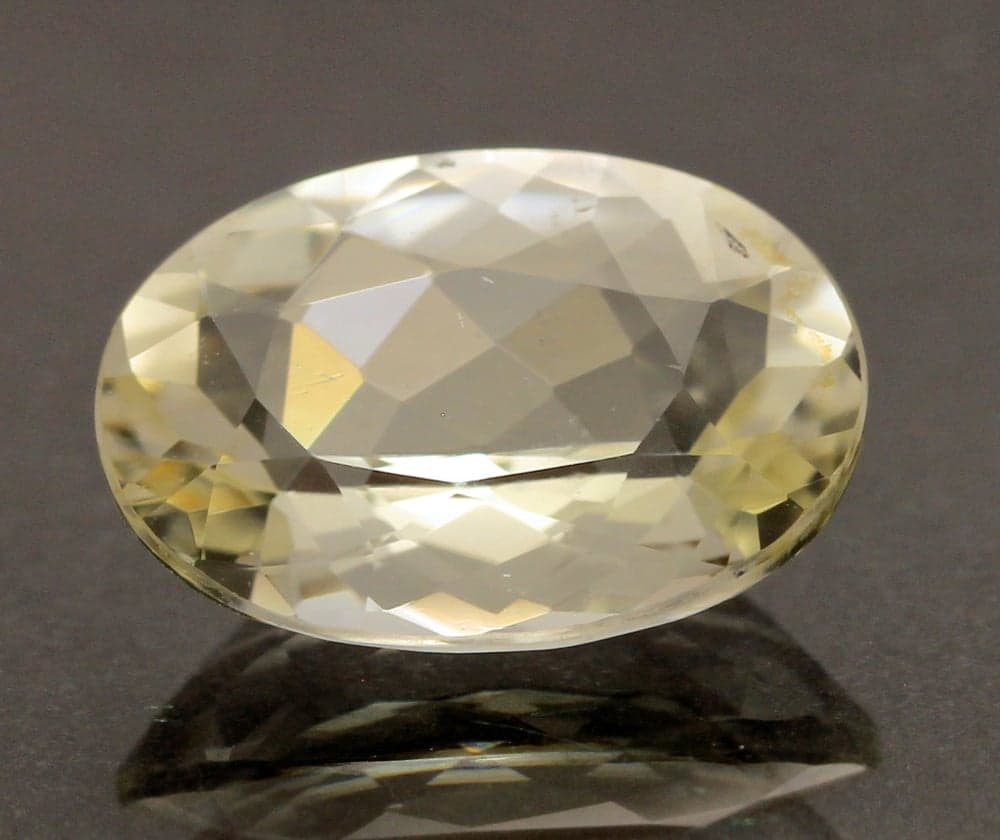
Although hard enough to be worn safely in jewelry, euclase in beautiful colors is rare over a few carats. It’s also a difficult gem to facet.
2 Minute Read
In this video, Jake Talve-Goodman of The Concierge Gemologist introduces viewers to the world of euclase and discusses its sourcing, formation, symbolism, and jewelry use.
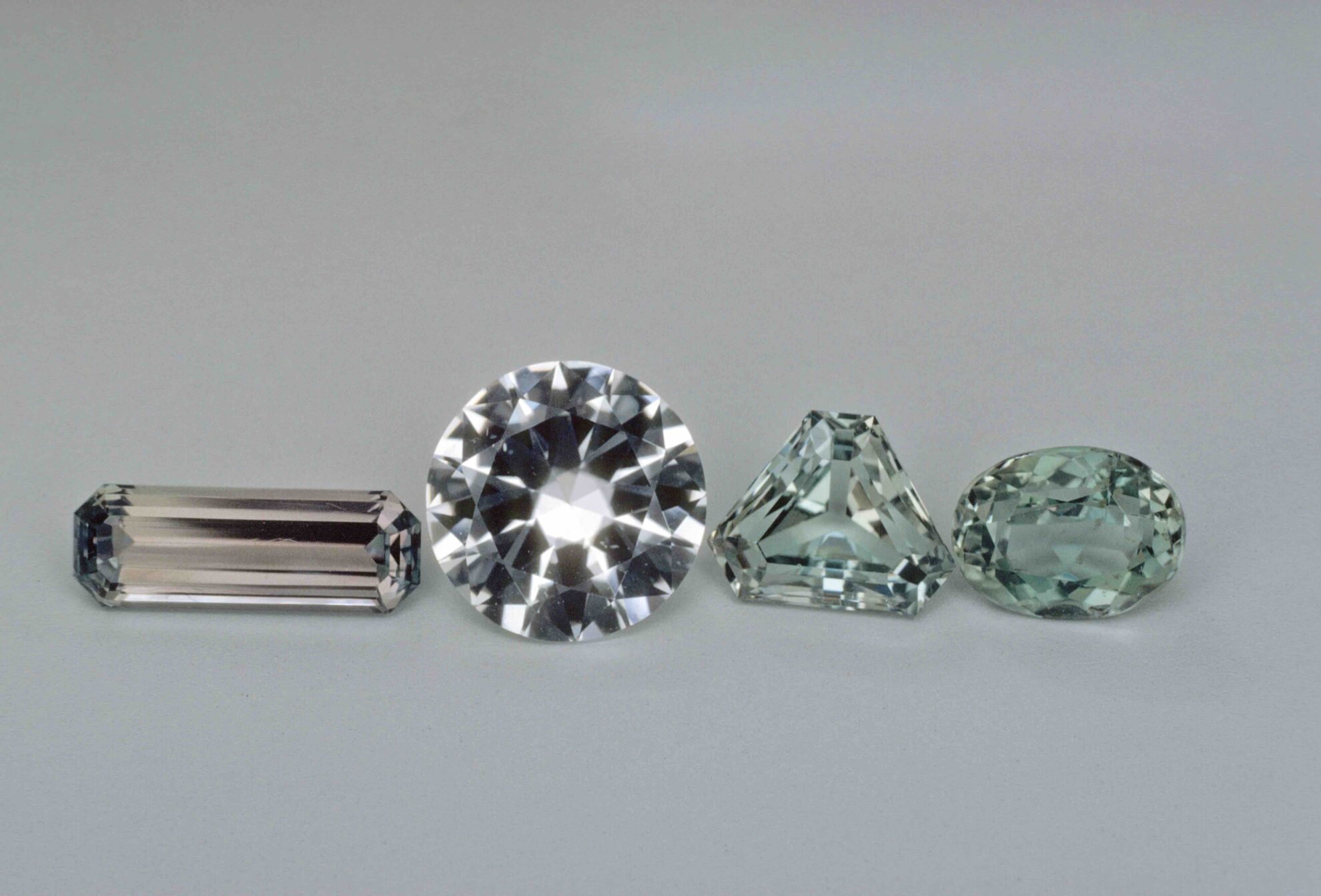
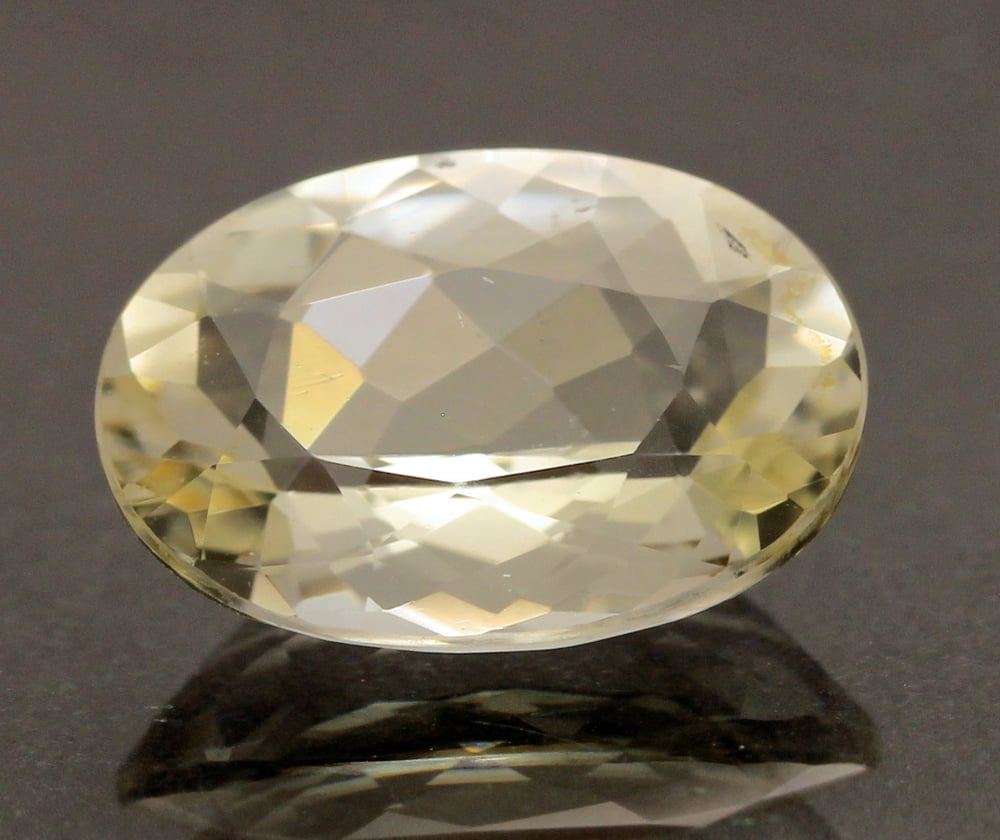
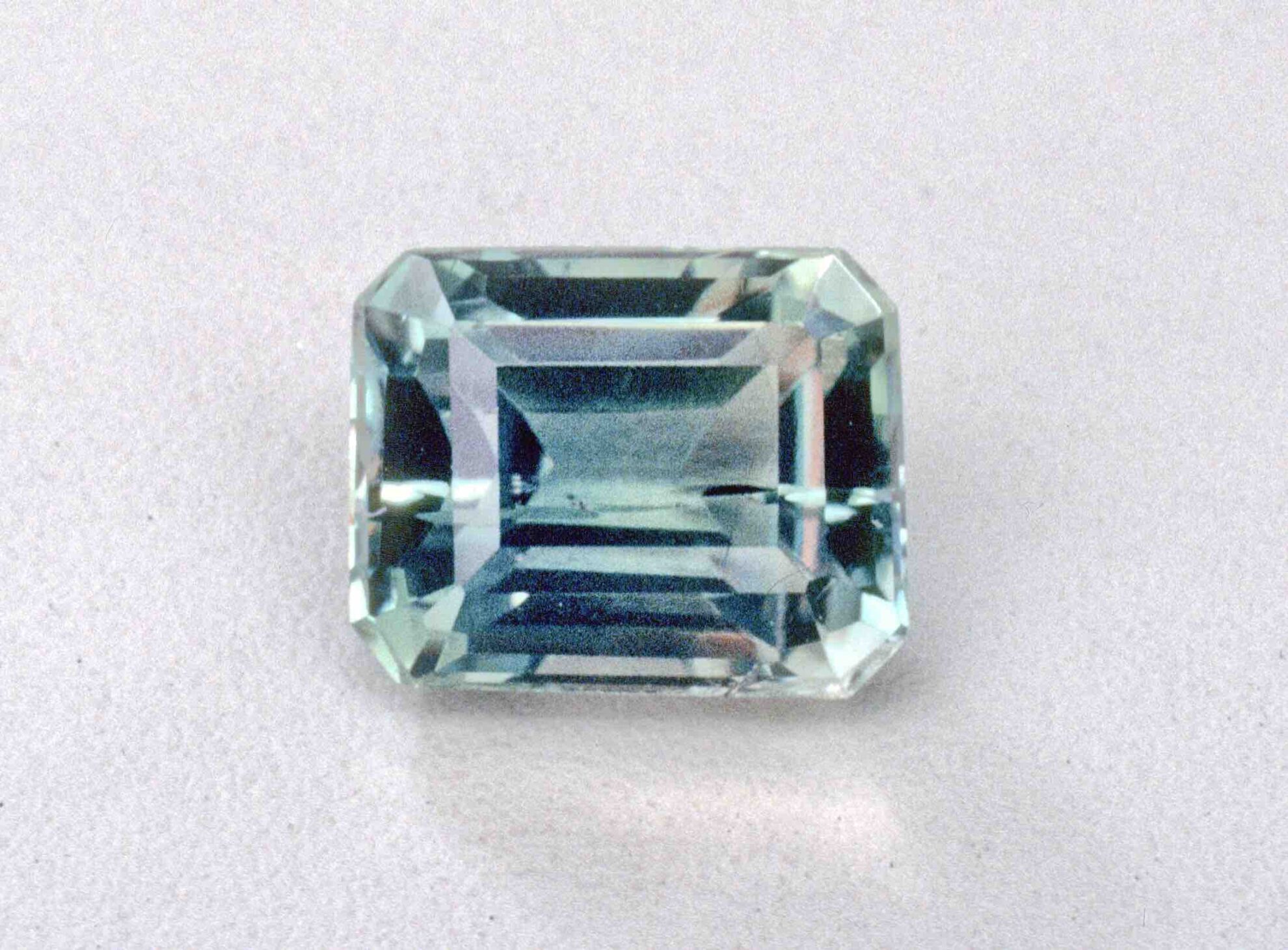
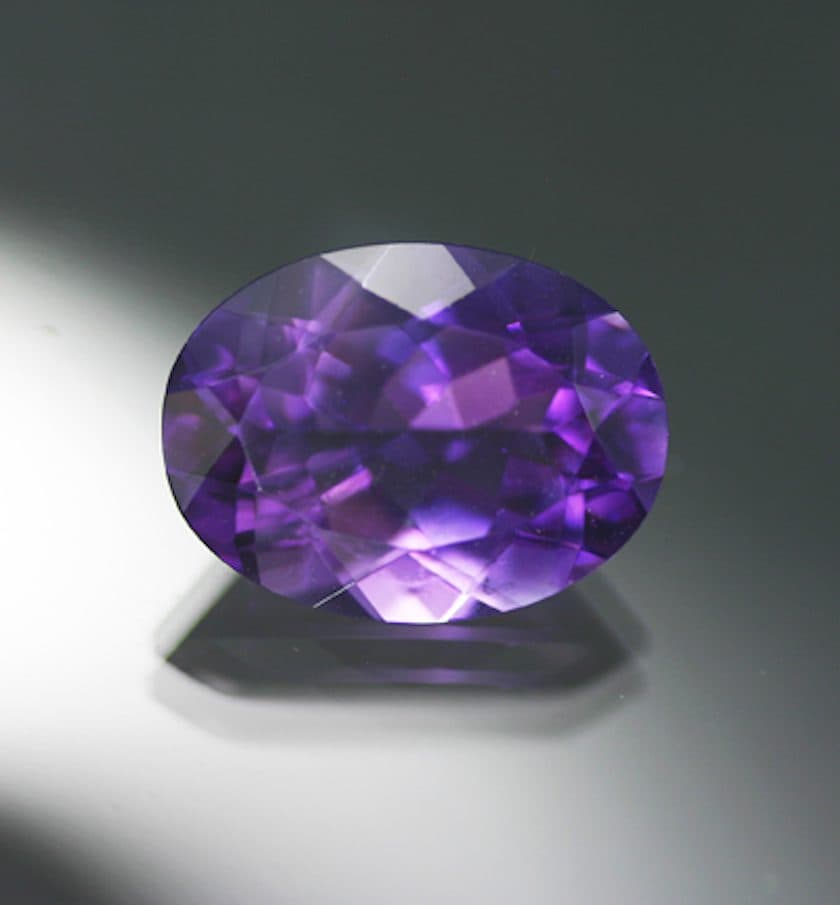
Colorless euclase may not look terribly exciting, but faceted pieces can have exceptional brilliance. Strongly colored euclases in blue or green are prized by collectors of rare gems. Violet is the rarest and most desired color.
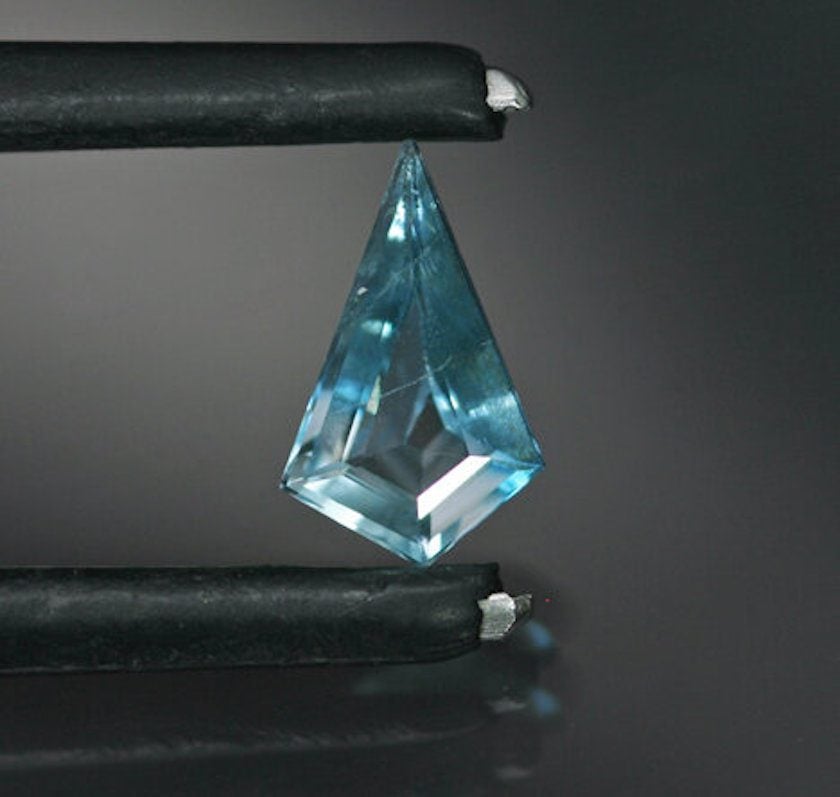
With hardness ranging from 6.5 to 7.5, euclases would make good jewelry stones, but they present some challenges for faceters. Their perfect cleavage in one direction makes cutting a bit tricky. Jewelers would also need to set this stone with care, especially in a ring, to avoid placing stress on its cleavage plane. Use protective settings for rings and make sure you discuss with your jeweler how best to set any euclases.
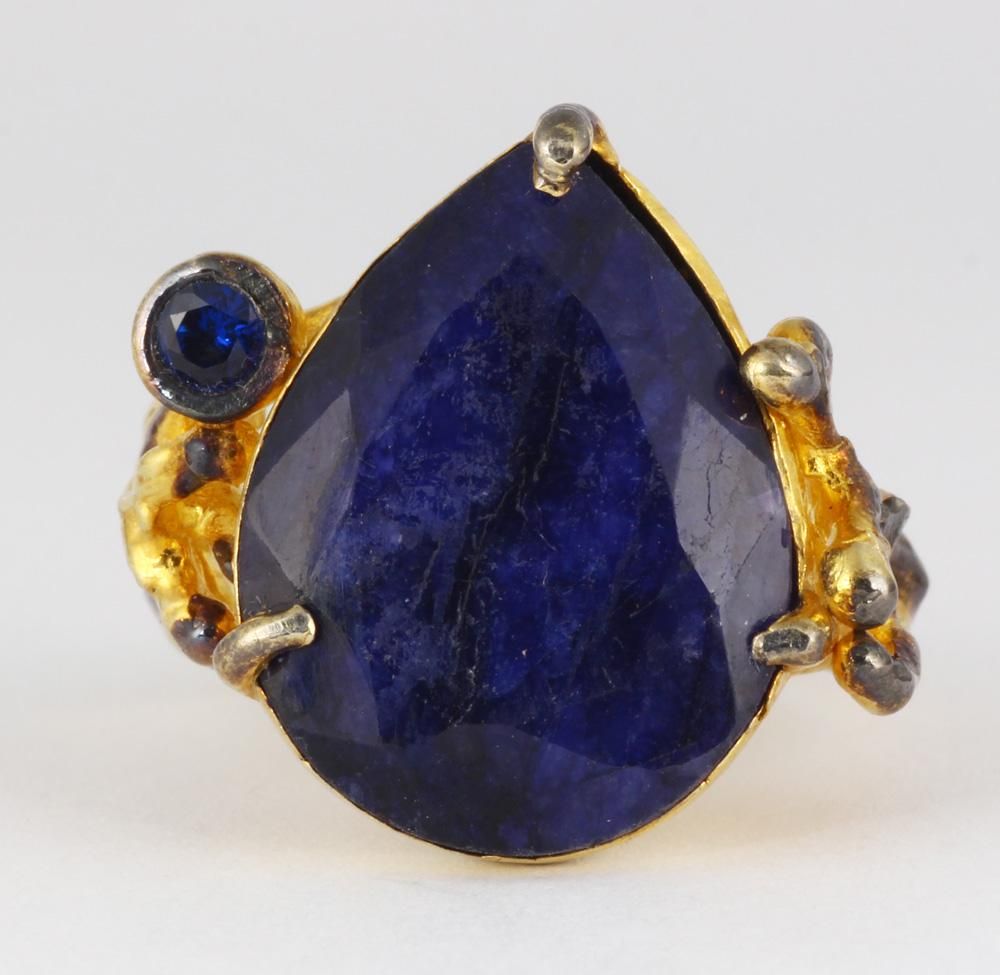
Euclases may have variable hardness even within the same crystal.
Most euclases receive what color they have from traces of iron. However, some euclases from Colombia receive their greenish blue color from traces of chromium. These stones appear red under a Chelsea filter.
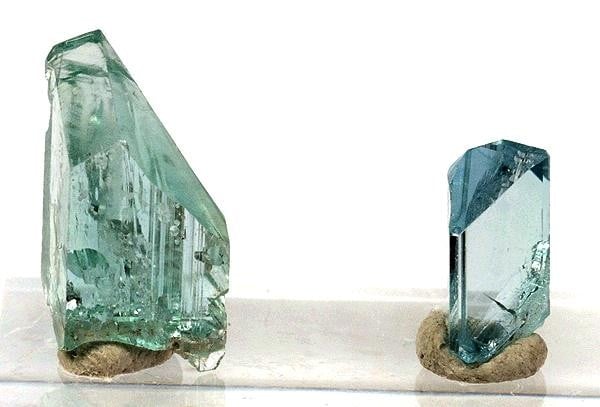
No known synthetics.
Be aware that some aquamarines have been misrepresented as much rarer light blue or green euclases to sell for more money. Although euclase can form geologically from the decomposition of beryl and is often found with beryl, they're distinct mineral species. They have different optical and physical properties.
Radiation treatments can turn colorless euclases green or blue.
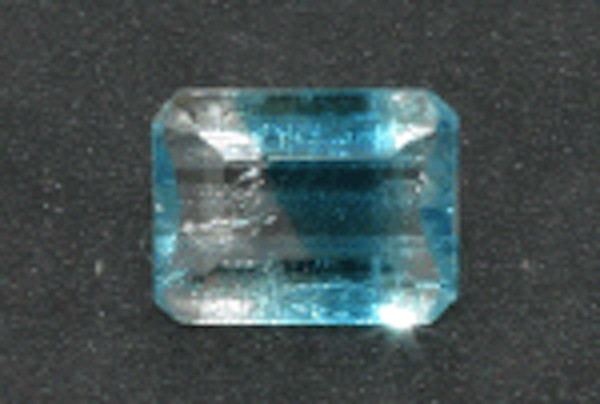
Brazil produces most cuttable, gem-quality euclases.
In Minas Gerais, Ouro Preto yields fine gem material in good crystals up to a length of about 6 cm.
Santana de Encoberto yields material with high birefringence and included crystals of apatite, hematite, rutile, and zircon.
BoaVista also yields cuttable crystals.
Other notable gem-quality sources include the following locations:
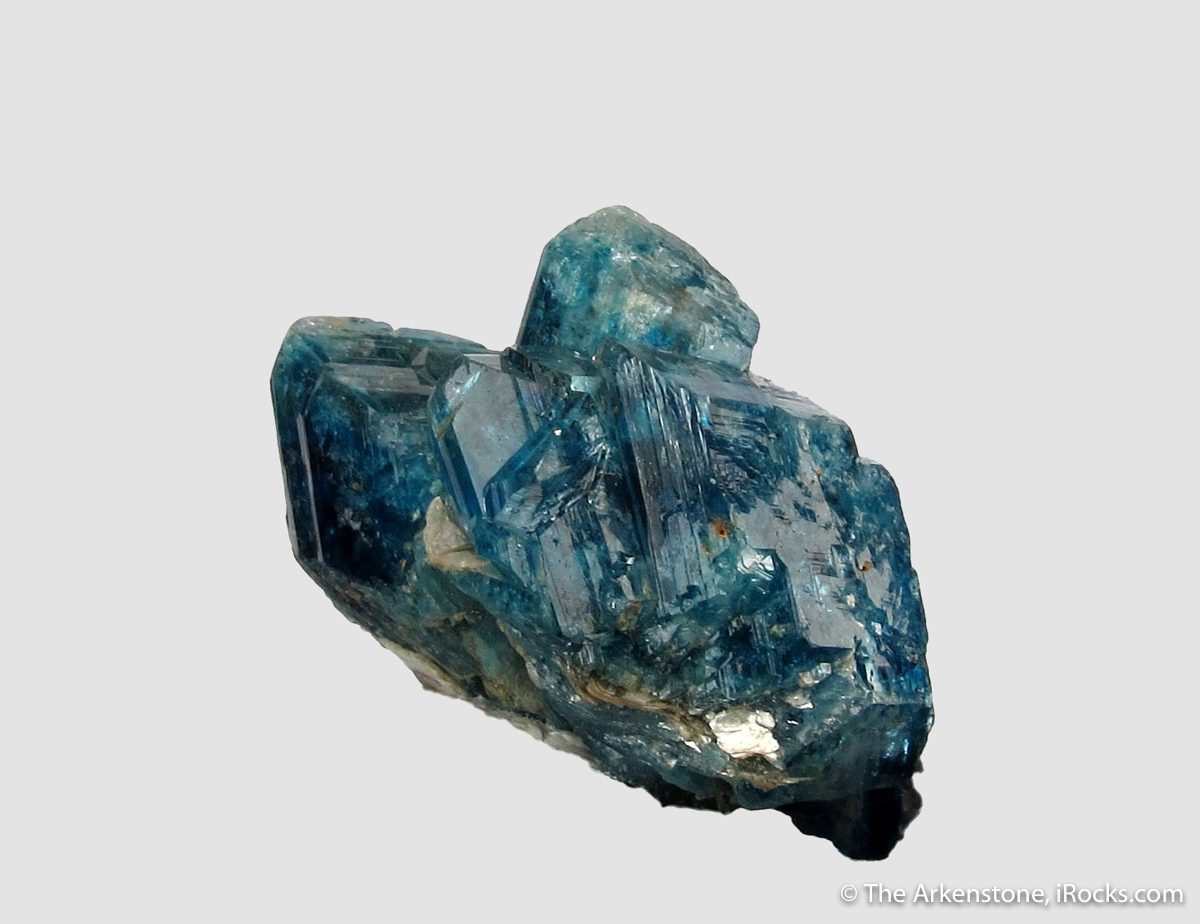
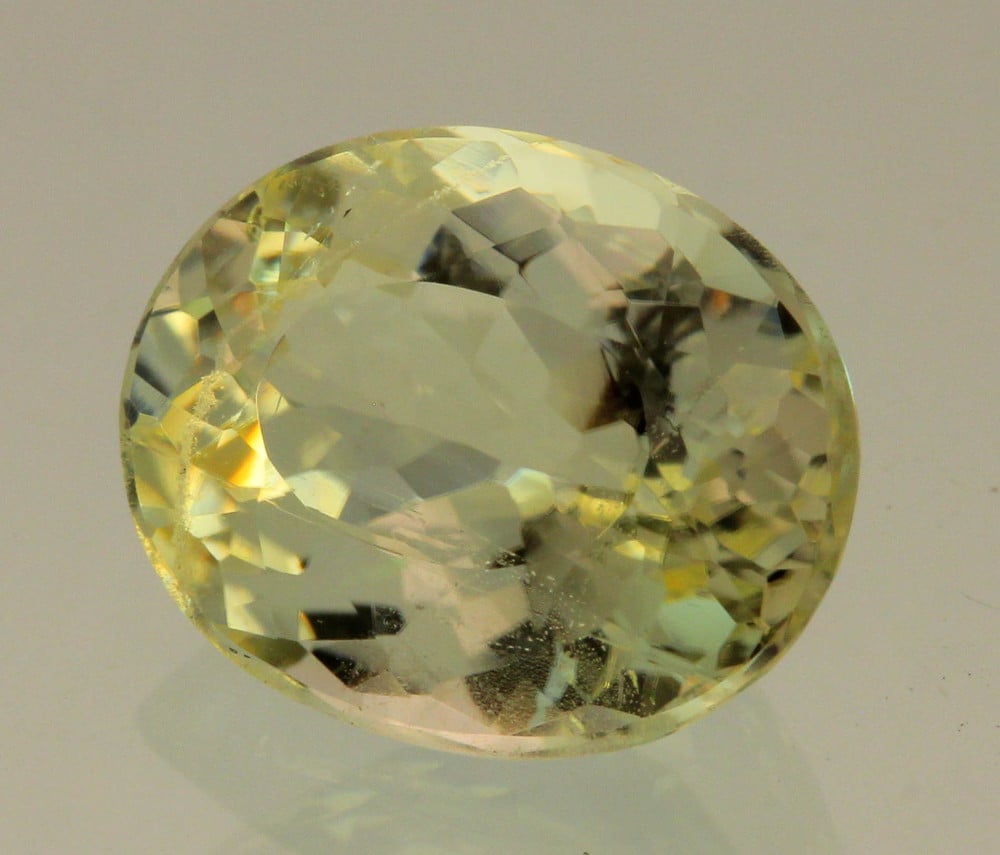
Crystals most commonly occur in small sizes, about 1" for colorless material. Most euclases are, in fact, colorless. Strongly colored material is very rare. Blue and green gems are scarce over 2-3 carats. Some Brazilian violet crystals reportedly could yield stones up to 10 carats.
Colorless gems over 5-6 carats are also rare, although stones up to about 20 carats have been cut. Gems reported over 50 carats are museum pieces.
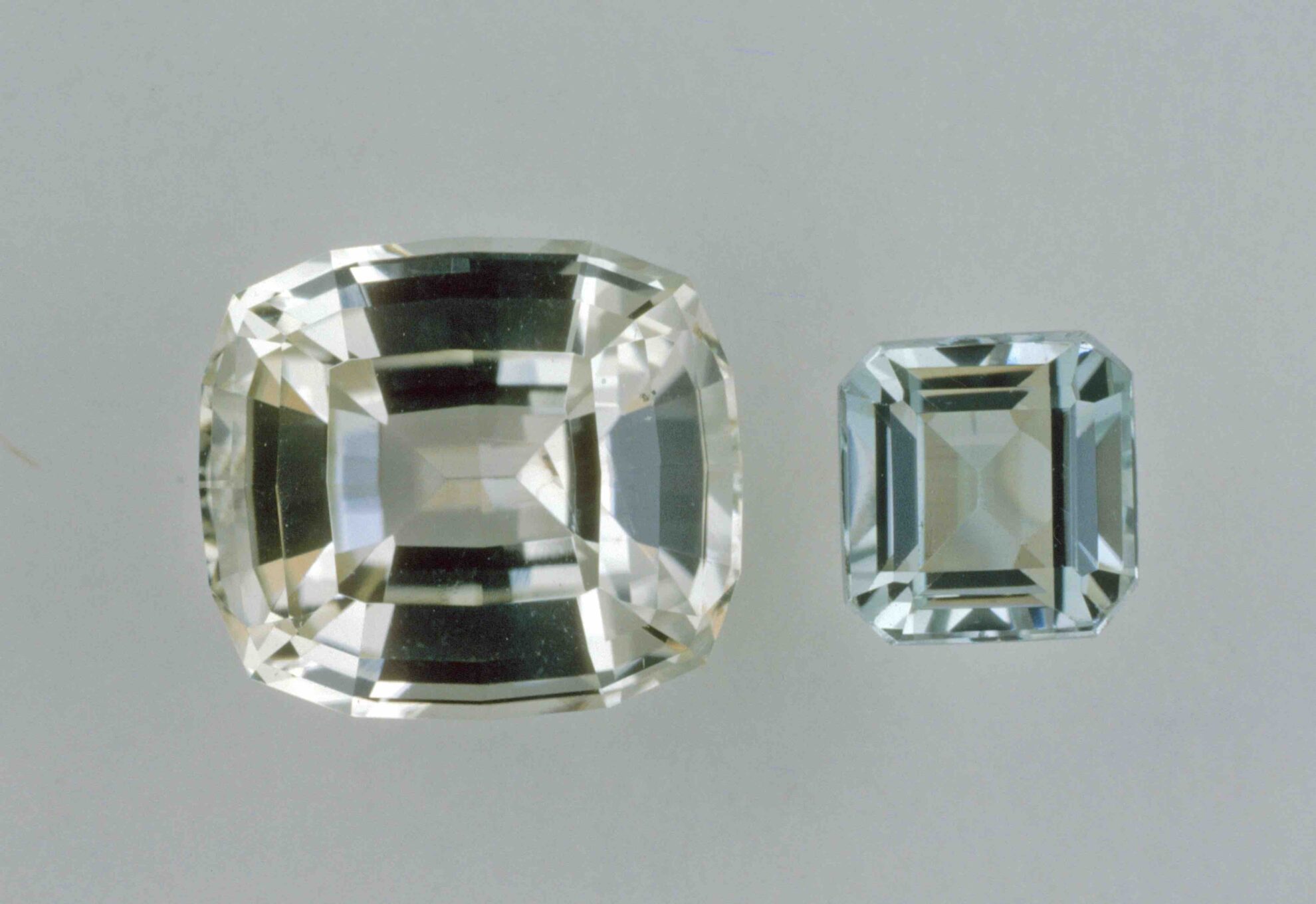
Due to their perfect cleavage, don't clean euclases with mechanical systems. Use only warm water, mild detergent, and a soft brush.
For more cleaning recommendations, consult our gemstone jewelry care guide.

When you join the IGS community, you get trusted diamond & gemstone information when you need it.
In this video, Jake Talve-Goodman of The Concierge Gemologist introduces viewers to the world of euclase and discusses its sourcing, formation, symbolism, and jewelry use.
Colorless euclase may not look terribly exciting, but faceted pieces can have exceptional brilliance. Strongly colored euclases in blue or green are prized by collectors of rare gems. Violet is the rarest and most desired color.
With hardness ranging from 6.5 to 7.5, euclases would make good jewelry stones, but they present some challenges for faceters. Their perfect cleavage in one direction makes cutting a bit tricky. Jewelers would also need to set this stone with care, especially in a ring, to avoid placing stress on its cleavage plane. Use protective settings for rings and make sure you discuss with your jeweler how best to set any euclases.
Euclases may have variable hardness even within the same crystal.
Most euclases receive what color they have from traces of iron. However, some euclases from Colombia receive their greenish blue color from traces of chromium. These stones appear red under a Chelsea filter.
No known synthetics.
Be aware that some aquamarines have been misrepresented as much rarer light blue or green euclases to sell for more money. Although euclase can form geologically from the decomposition of beryl and is often found with beryl, they're distinct mineral species. They have different optical and physical properties.
Radiation treatments can turn colorless euclases green or blue.
Brazil produces most cuttable, gem-quality euclases.
In Minas Gerais, Ouro Preto yields fine gem material in good crystals up to a length of about 6 cm.
Santana de Encoberto yields material with high birefringence and included crystals of apatite, hematite, rutile, and zircon.
BoaVista also yields cuttable crystals.
Other notable gem-quality sources include the following locations:
Crystals most commonly occur in small sizes, about 1" for colorless material. Most euclases are, in fact, colorless. Strongly colored material is very rare. Blue and green gems are scarce over 2-3 carats. Some Brazilian violet crystals reportedly could yield stones up to 10 carats.
Colorless gems over 5-6 carats are also rare, although stones up to about 20 carats have been cut. Gems reported over 50 carats are museum pieces.
Due to their perfect cleavage, don't clean euclases with mechanical systems. Use only warm water, mild detergent, and a soft brush.
For more cleaning recommendations, consult our gemstone jewelry care guide.


Although hard enough to be worn safely in jewelry, euclase in beautiful colors is rare over a few carats. It’s also a difficult gem to facet.