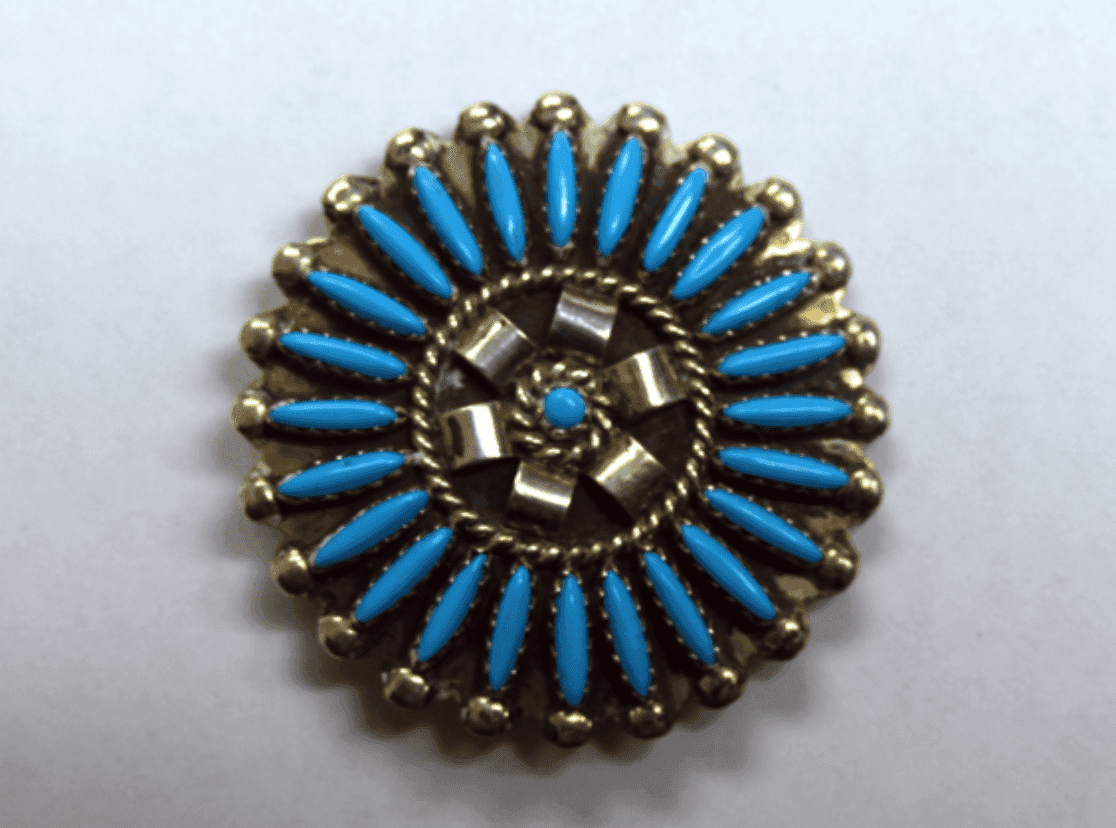
Many people consider beautiful sky blue turquoise stones to be lucky. Learn about the turquoise symbolism and lore of Native American and other cultures.
2 Minute Read
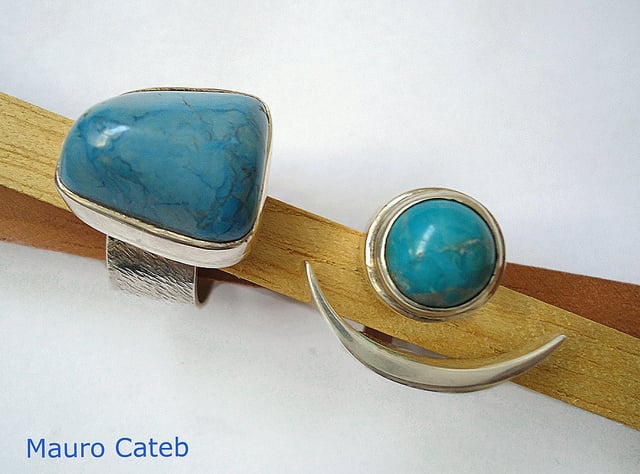
A great deal of turquoise symbolism and lore involves predicting danger. Some believe turquoise stones can warn their owners by breaking, like malachites supposedly do. Color changes presumably warn of impending illness. In one tale, a man believed he had broken a bone. Later, he discovered his turquoise had made the cracking sound he heard. It took the injury in his place.
Also like malachite, turquoise can supposedly protect from falls, most especially from horseback. Affixing this gem to a horse's bridle can protect the animal, as well. Turquoise's use as a "horse amulet" appears to be an ancient magical practice.
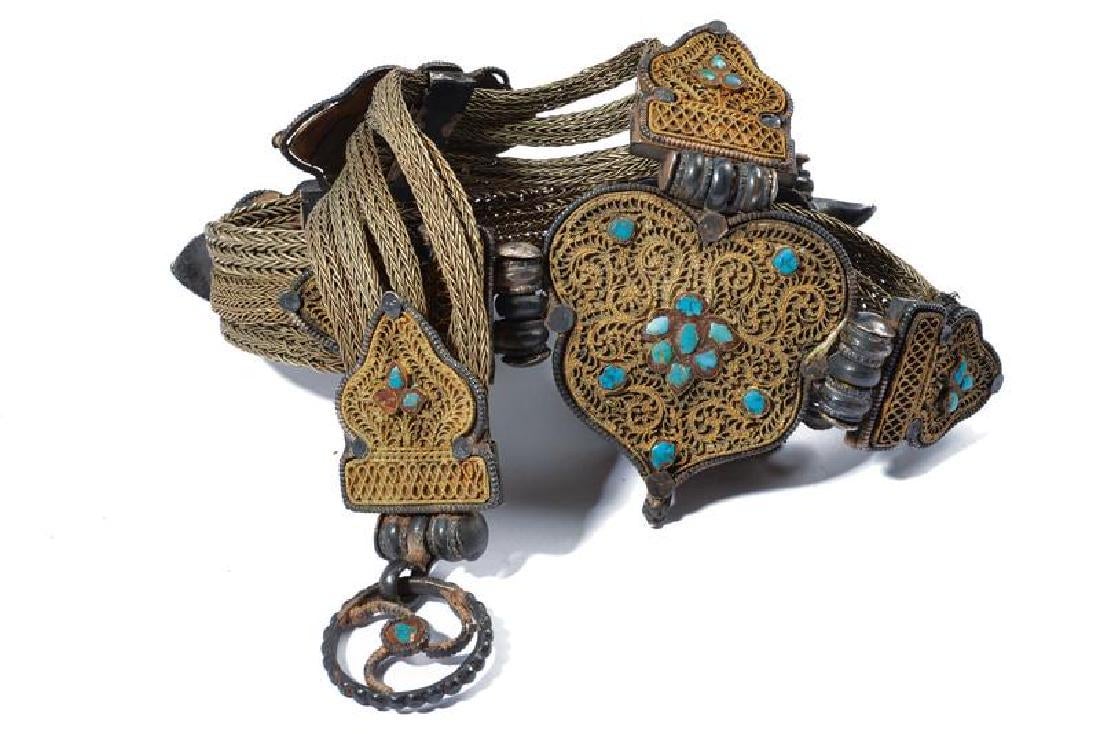
The Aztecs greatly valued turquoise. The American geologist and educator W. P. Blake compiled some notable accounts of this gemstone from the Spanish conquest of Mexico during the 16th century. For example:
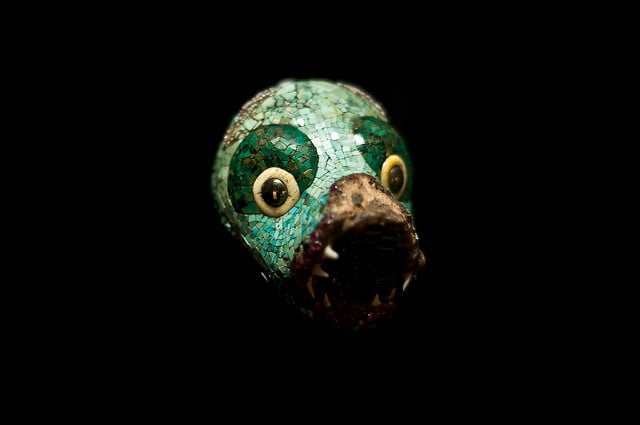
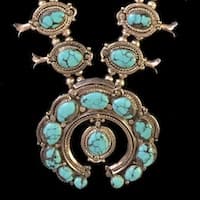
The Apache highly prized duklij, turquoise, for its talismanic properties. They carved amulets, beads, pendants, and fetishes from this material. If Apache shamans didn't possess this stone, they wouldn't receive proper recognition from their tribes. One popular belief connected turquoises and rainbows. If you could find the end of a rainbow after a storm, searching the damp earth would yield a turquoise.
The Navaho used ground turquoise and coral to make sacred sand mandalas to summon rain.
A Zuni legend relates the story of Turquoise Man and Salt Woman. They felt they were not valued enough, so they went away from the people. Turquoise Man said, "His flesh was simply given out to women for sexual favors." (I guess he didn't care for being used as money). The Zuni held an annual pilgrimage to retrieve salt from the sacred lake where Salt Woman hid.
At Pueblo de Los Muertos, New Mexico, a sea shell coated with pitch and inset with turquoise and garnets was found. It had the form of a toad, a sacred emblem for the Zuni.
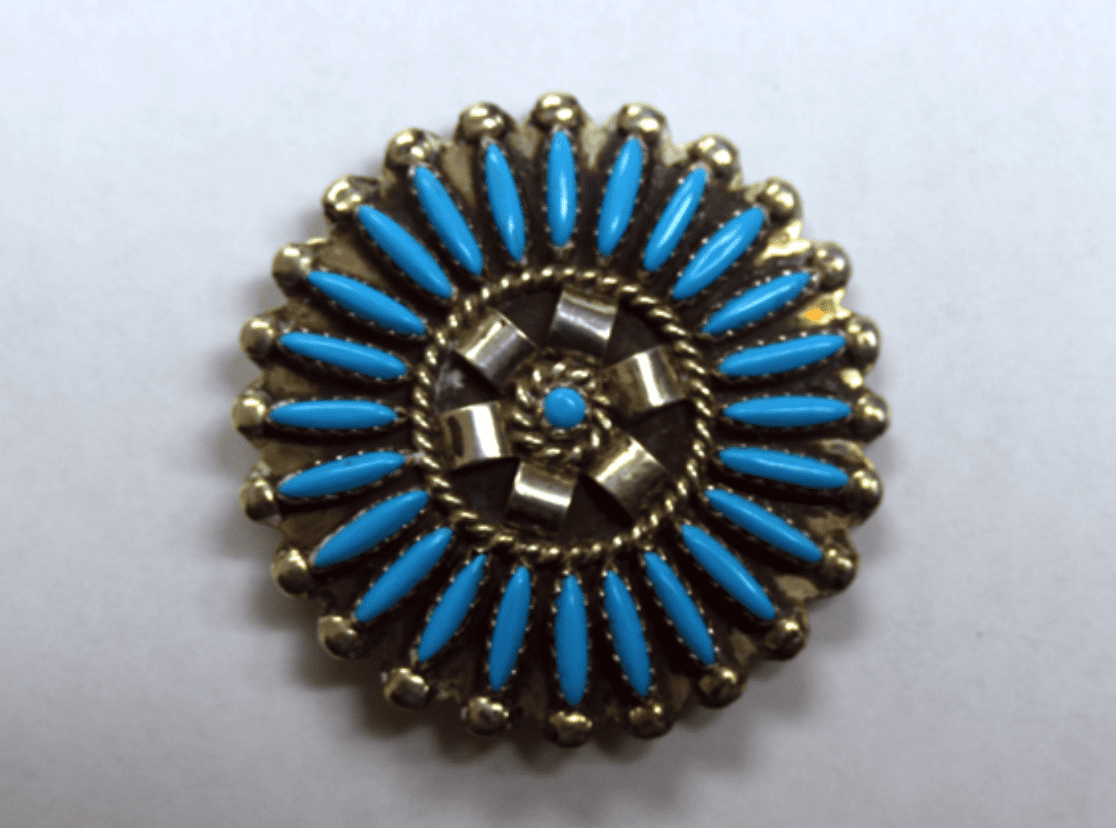
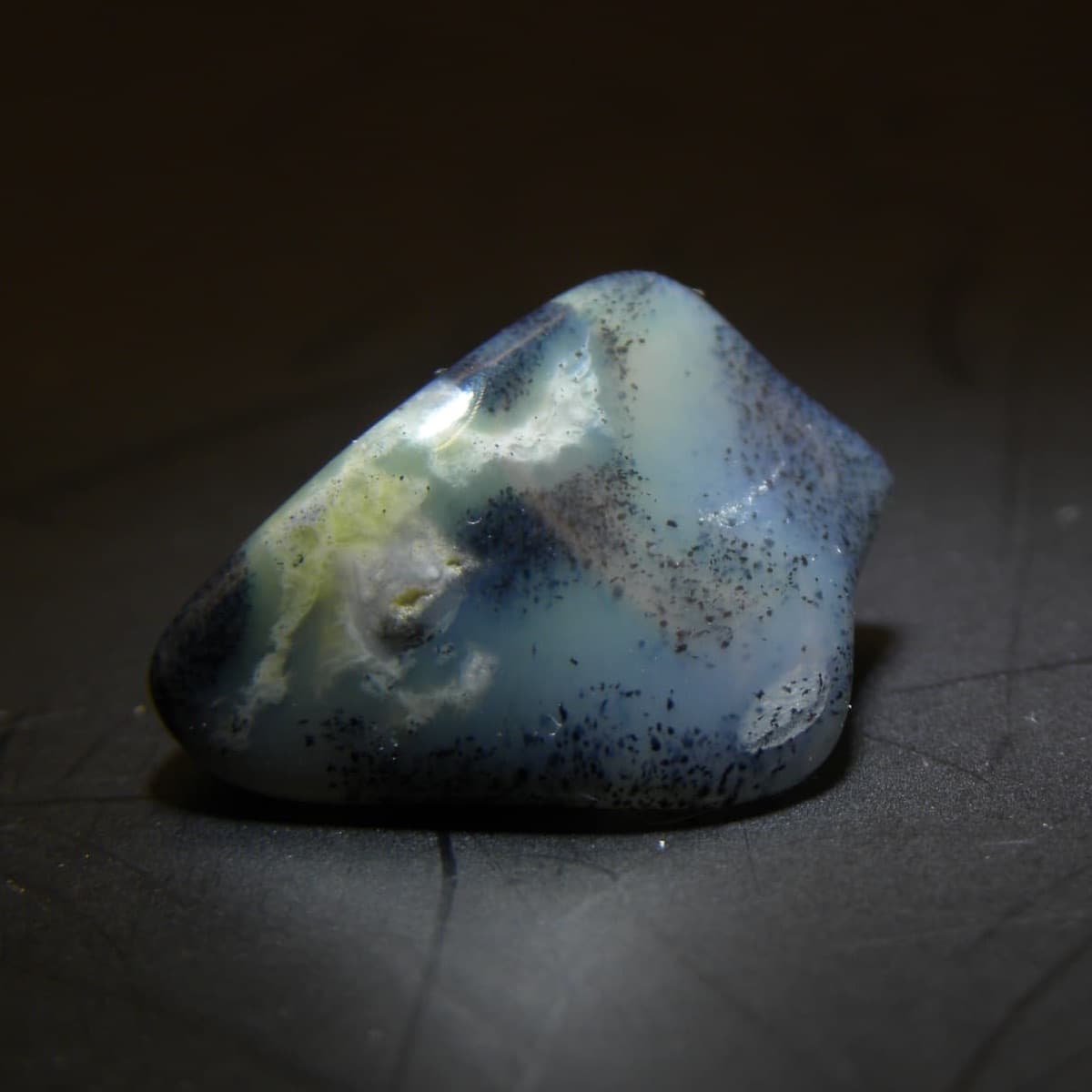
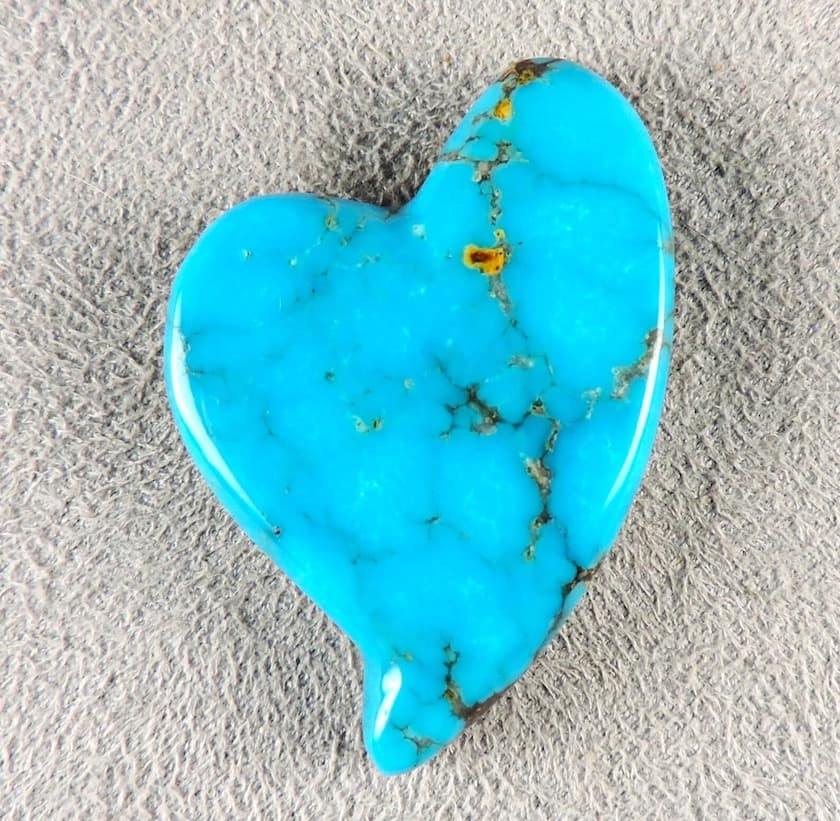
People everywhere have cherished turquoise, whether used as a decorative or protective amulet, a horse protector, or rain bringer. The blue stone with the cheeriness of the sunny sky has always been foremost a symbol of hope.



When you join the IGS community, you get trusted diamond & gemstone information when you need it.

A great deal of turquoise symbolism and lore involves predicting danger. Some believe turquoise stones can warn their owners by breaking, like malachites supposedly do. Color changes presumably warn of impending illness. In one tale, a man believed he had broken a bone. Later, he discovered his turquoise had made the cracking sound he heard. It took the injury in his place.
Also like , turquoise can supposedly protect from falls, most especially from horseback. Affixing this gem to a horse's bridle can protect the animal, as well. Turquoise's use as a "horse amulet" appears to be an ancient magical practice.
The Aztecs greatly valued turquoise. The American geologist and educator W. P. Blake compiled some notable accounts of this gemstone from the Spanish conquest of Mexico during the 16th century. For example:
The Apache highly prized duklij, turquoise, for its talismanic properties. They carved amulets, beads, pendants, and fetishes from this material. If Apache shamans didn't possess this stone, they wouldn't receive proper recognition from their tribes. One popular belief connected turquoises and rainbows. If you could find the end of a rainbow after a storm, searching the damp earth would yield a turquoise.
The Navaho used ground turquoise and coral to make sacred sand mandalas to summon rain.
A Zuni legend relates the story of Turquoise Man and Salt Woman. They felt they were not valued enough, so they went away from the people. Turquoise Man said, "His flesh was simply given out to women for sexual favors." (I guess he didn't care for being used as money). The Zuni held an annual pilgrimage to retrieve salt from the sacred lake where Salt Woman hid.
At Pueblo de Los Muertos, New Mexico, a sea shell coated with pitch and inset with turquoise and garnets was found. It had the form of a toad, a sacred emblem for the Zuni.
People everywhere have cherished turquoise, whether used as a decorative or protective amulet, a horse protector, or rain bringer. The blue stone with the cheeriness of the sunny sky has always been foremost a symbol of hope.