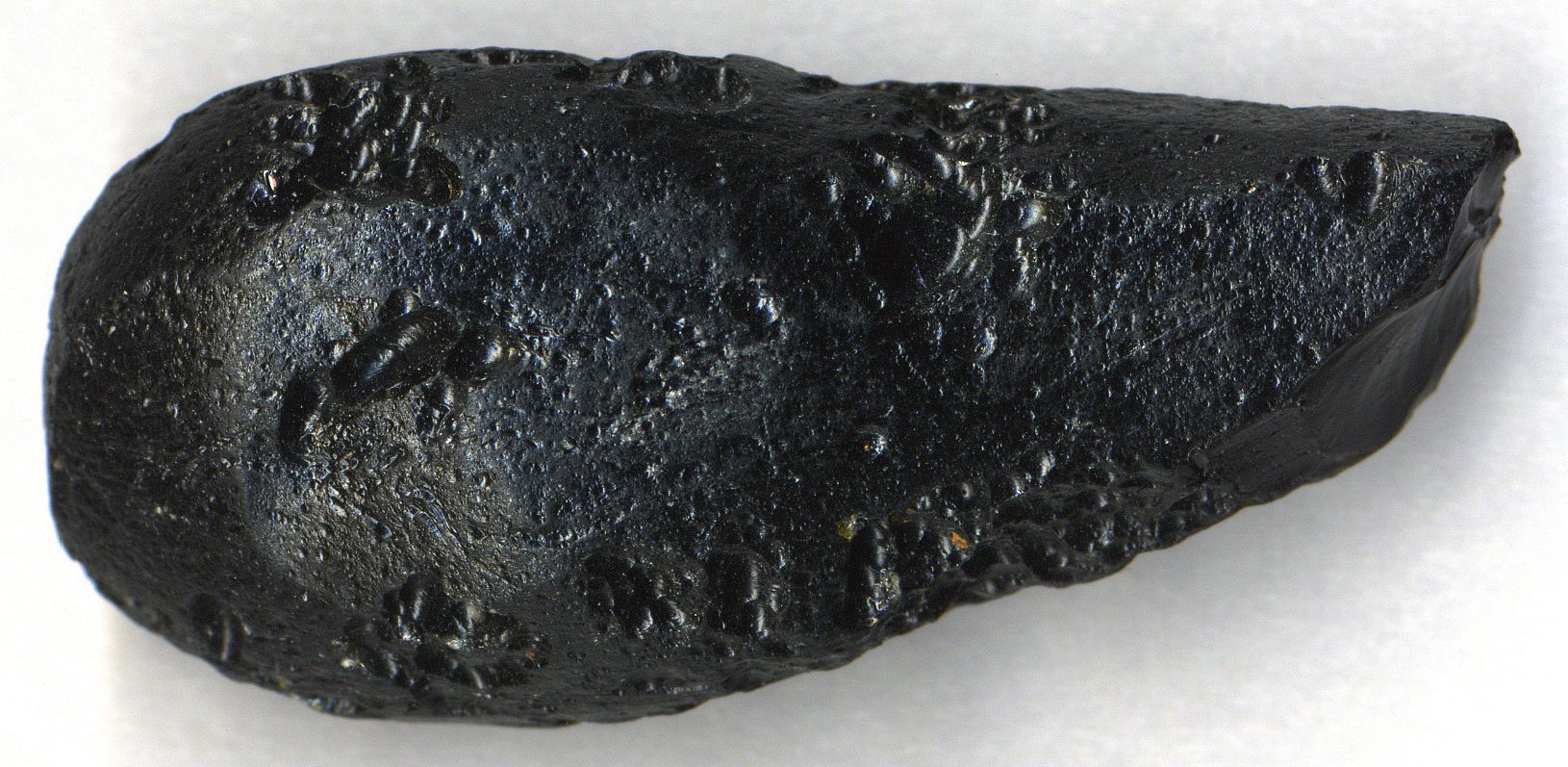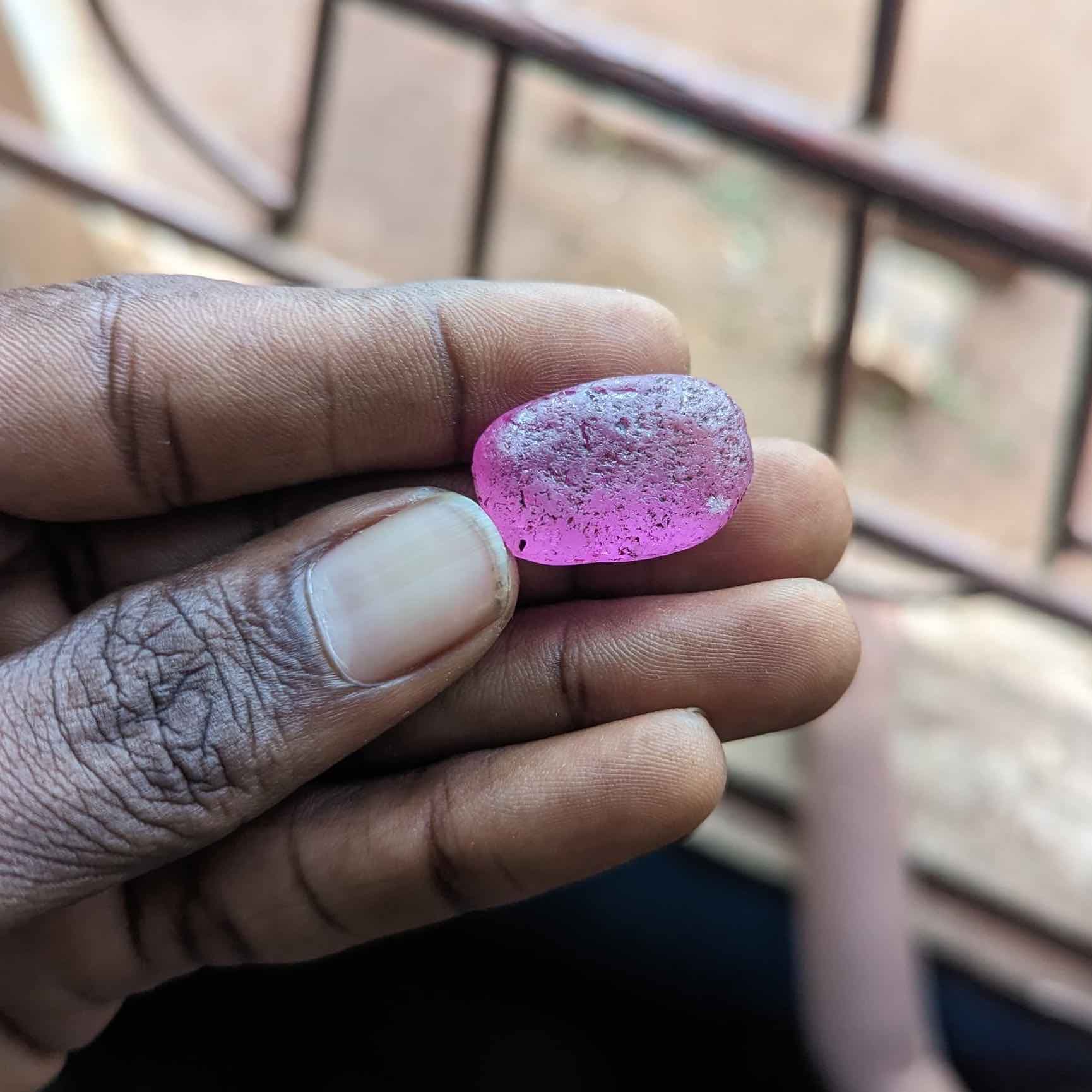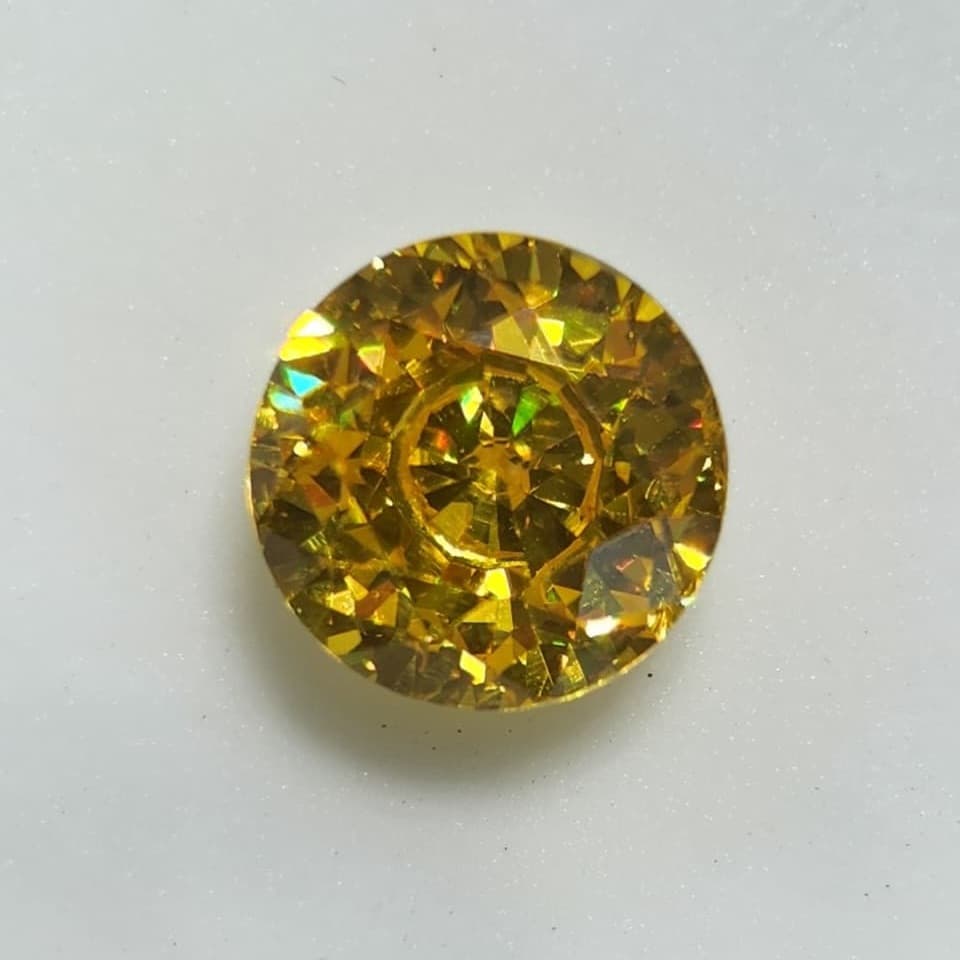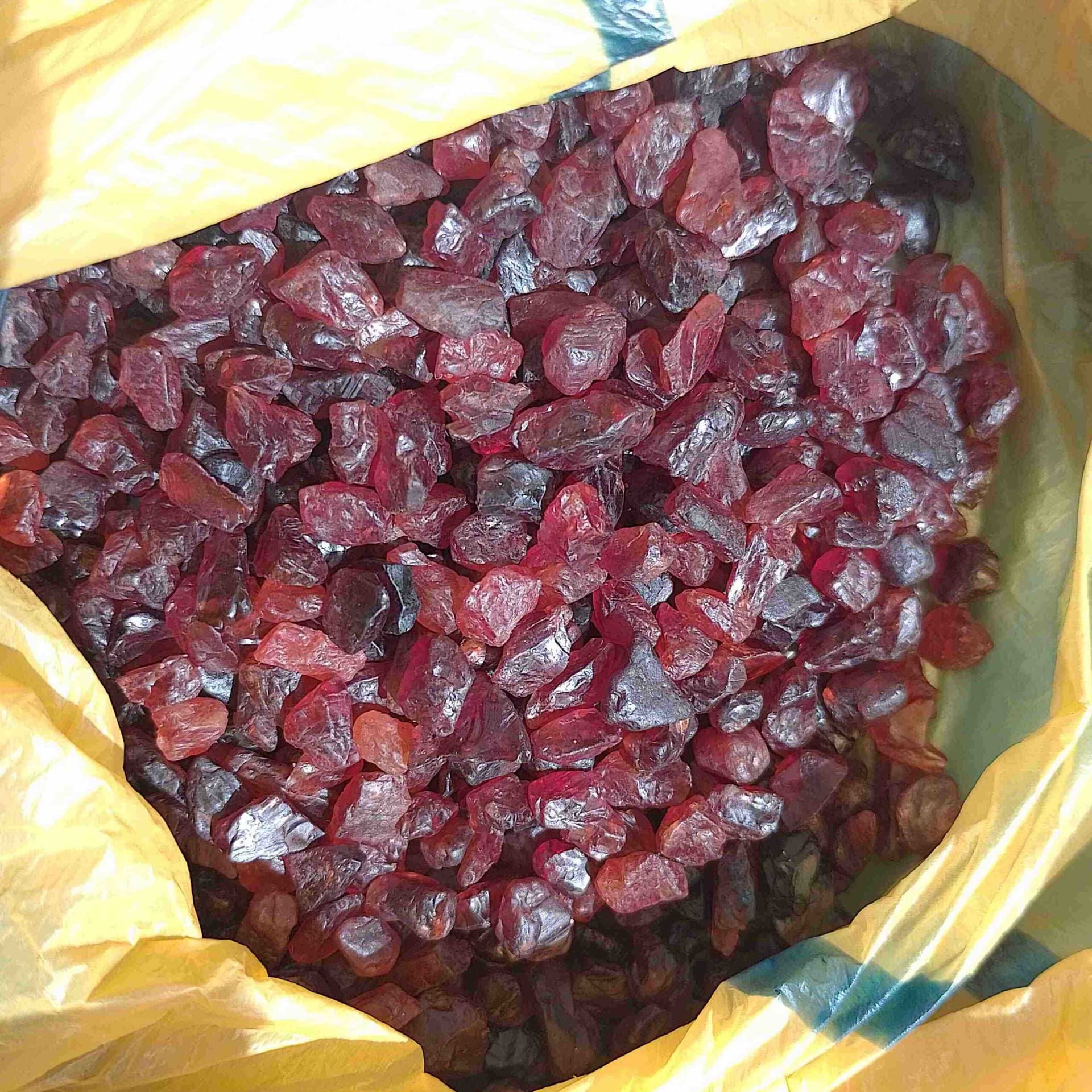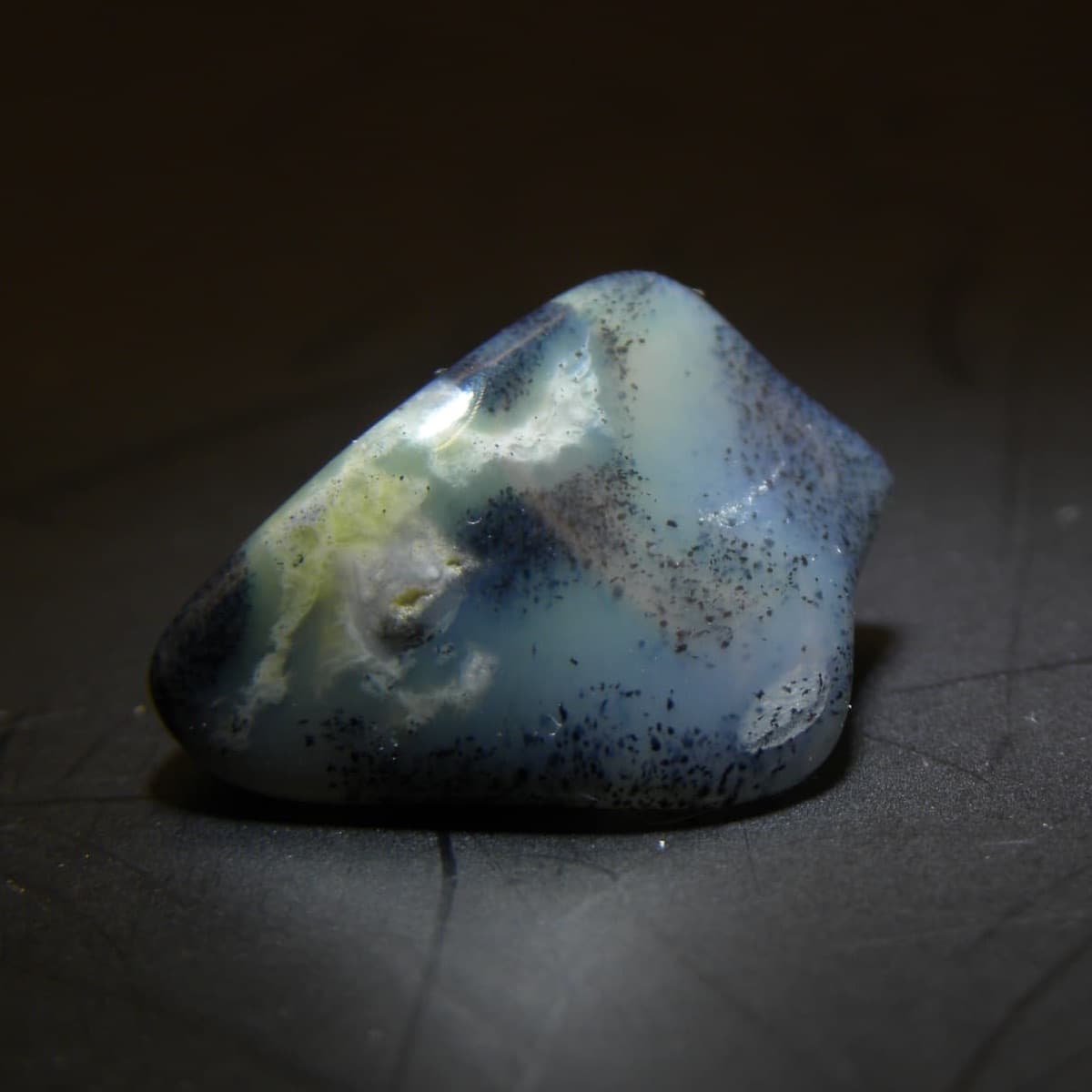
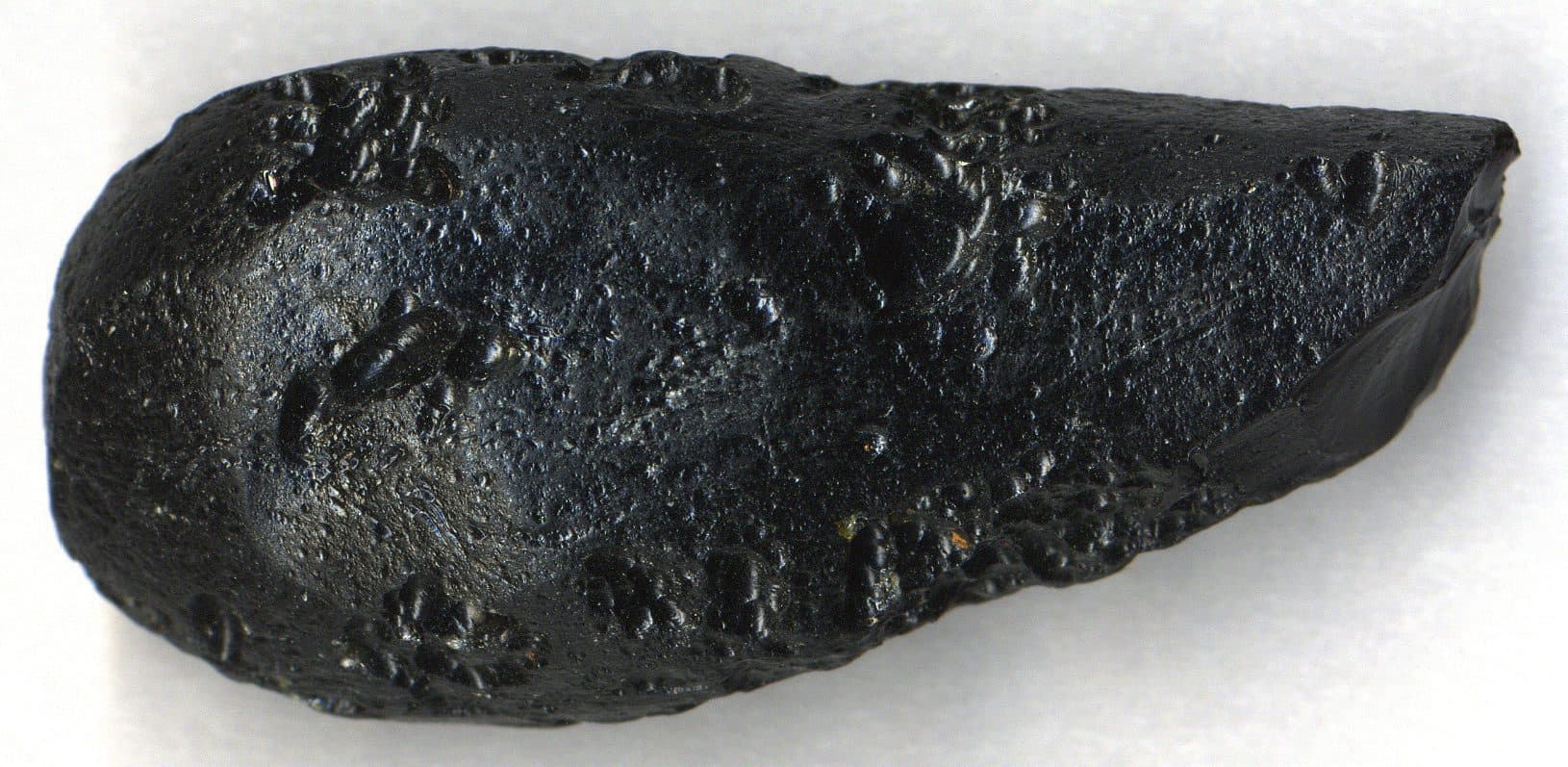
Glass comes in several natural forms. All are used in jewelry.
2 Minute Read
Glass comes in several natural forms; all of these are all used in jewelry:
Obsidian is the most common natural glass. It is formed by volcanism and large pieces are common. It is frequently cut into cabochons and carved. The broken edges are sharper than any steel knife, so it is also used for scalpels, arrow heads, knives and scrapers.
Tektites
Tektites are created by meteorites striking the earth. The heat of the impact melts local sand, creating natural glass and scattering it over a wide area. The best known tektite is Moldavite, which is found in the CzechRepublic. Other tektites are found in several locations around the world.
Bubbles are common and numerous in tektites. It is very challenging to facet a stone and not have any breaking the surface. If a bubble reaches the surface on the pavilion, it has a minimal effect on value, based on how visible it is. On the crown it is conceded a significant blemish and greatly reduces value.
Libyan Desert Glass
The source of Libyan Desert Glass is a mystery. It is a transparent, light yellow glass that is usually faceted.
Mount Saint Helens
Mount Saint Helens glass is relatively new to the market. While there are reports of natural glass being found in the lava flows, that is not what is being sold. The ash is melted and coloring agents are added. This is not a natural product, although it does have a special romance that is not found with other glasses.
Natural glasses have the same bubbles and swirl lines of man made glass. (See Identifying Inclusions.) Its optical and physical properties are the same as untreated glass. However, most of our glass simulants have additives that raise their RI and SG above natural glass. Natural glass is also likely to have mineral inclusions that are not found in man made material. (See Identifying Characteristics.)
Obsidian
| Source | Hardhigh | Hardlow | SGhigh | SGlow | RIhigh | RIlow | Birefringence | O | Dispersion |
| Natural | 6 | 5 | 3.00 | 2.25 | 1.69 | 1.480 | - | A | - |
Moldavite
| Source | Hardhigh | Hardlow | SGhigh | SGlow | RIhigh | RIlow | Birefringence | O | Dispersion |
| Natural | 5.5 | 5 | 2.40 | 2.32 | 1.69 | 1.480 | - | A | - |
Libyan Desert Glass
| Source | Hardhigh | Hardlow | SGhigh | SGlow | RIhigh | RIlow | Birefringence | O | Dispersion |
| Natural | 5.5 | 5 | ~2.20 | ~2.20 | ~1.46 | ~1.46 | - | A | - |
Obsidian, black, brown, gray, sometimes spotted or banded. Rare, red, green, orange, blue, purple
Moldavite, yellowish to grayish green
Libyan Desert Glass, light yellow to greenish yellow
Obsidian gas bubbles frequently elongated, crystallites, (small nearly crystalline shaped mineral inclusions,) stubby needle like inclusions. May be banded or have closely oriented inclusions that cause sheen.
Moldavite gas bubbles, swirl lines, roiled effect
Libyan Desert Glass irregularly shaped gas bubbles, tiny rounded grains
Obsidian
Fire pearl, agni mani, glass agate, Montana or mountain jet, mountain mahogany, Nevada diamond or topaz, tokaylux diamond, Iceland agate.
Moldavite
Bohemian chrysolite, false chrysolite, glass chrysolite, glass meteorite, pseudo chrysolite .

When you join the IGS community, you get trusted diamond & gemstone information when you need it.
Glass comes in several natural forms; all of these are all used in jewelry:
Obsidian is the most common natural glass. It is formed by volcanism and large pieces are common. It is frequently cut into cabochons and carved. The broken edges are sharper than any steel knife, so it is also used for scalpels, arrow heads, knives and scrapers.
Tektites
Tektites are created by meteorites striking the earth. The heat of the impact melts local sand, creating natural glass and scattering it over a wide area. The best known tektite is Moldavite, which is found in the CzechRepublic. Other tektites are found in several locations around the world.
Bubbles are common and numerous in tektites. It is very challenging to facet a stone and not have any breaking the surface. If a bubble reaches the surface on the pavilion, it has a minimal effect on value, based on how visible it is. On the crown it is conceded a significant blemish and greatly reduces value.
Libyan Desert Glass
The source of Libyan Desert Glass is a mystery. It is a transparent, light yellow glass that is usually faceted.
Mount Saint Helens glass is relatively new to the market. While there are reports of natural glass being found in the lava flows, that is not what is being sold. The ash is melted and coloring agents are added. This is not a natural product, although it does have a special romance that is not found with other glasses.
Natural glasses have the same bubbles and swirl lines of man made glass. (See Identifying Inclusions.) Its optical and physical properties are the same as untreated glass. However, most of our glass simulants have additives that raise their RI and SG above natural glass. Natural glass is also likely to have mineral inclusions that are not found in man made material. (See Identifying Characteristics.)
Obsidian
| Source | Hardhigh | Hardlow | SGhigh | SGlow | RIhigh | RIlow | Birefringence | O | Dispersion |
| Natural | 6 | 5 | 3.00 | 2.25 | 1.69 | 1.480 | - | A | - |
Moldavite
| Source | Hardhigh | Hardlow | SGhigh | SGlow | RIhigh | RIlow | Birefringence | O | Dispersion |
| Natural | 5.5 | 5 | 2.40 | 2.32 | 1.69 | 1.480 | - | A | - |
Libyan Desert Glass
| Source | Hardhigh | Hardlow | SGhigh | SGlow | RIhigh | RIlow | Birefringence | O | Dispersion |
| Natural | 5.5 | 5 | ~2.20 | ~2.20 | ~1.46 | ~1.46 | - | A | - |
Obsidian, black, brown, gray, sometimes spotted or banded. Rare, red, green, orange, blue, purple
Moldavite, yellowish to grayish green
Libyan Desert Glass, light yellow to greenish yellow
Obsidian gas bubbles frequently elongated, crystallites, (small nearly crystalline shaped mineral inclusions,) stubby needle like inclusions. May be banded or have closely oriented inclusions that cause sheen.
Moldavite gas bubbles, swirl lines, roiled effect
Libyan Desert Glass irregularly shaped gas bubbles, tiny rounded grains
Obsidian
Fire pearl, agni mani, glass agate, Montana or mountain jet, mountain mahogany, Nevada diamond or topaz, tokaylux diamond, Iceland agate.
Moldavite
Bohemian chrysolite, false chrysolite, glass chrysolite, glass meteorite, pseudo chrysolite .

Libyan Desert Glass is rare, Tektites are somewhat rare, Obsidian is common except in fancy colors.