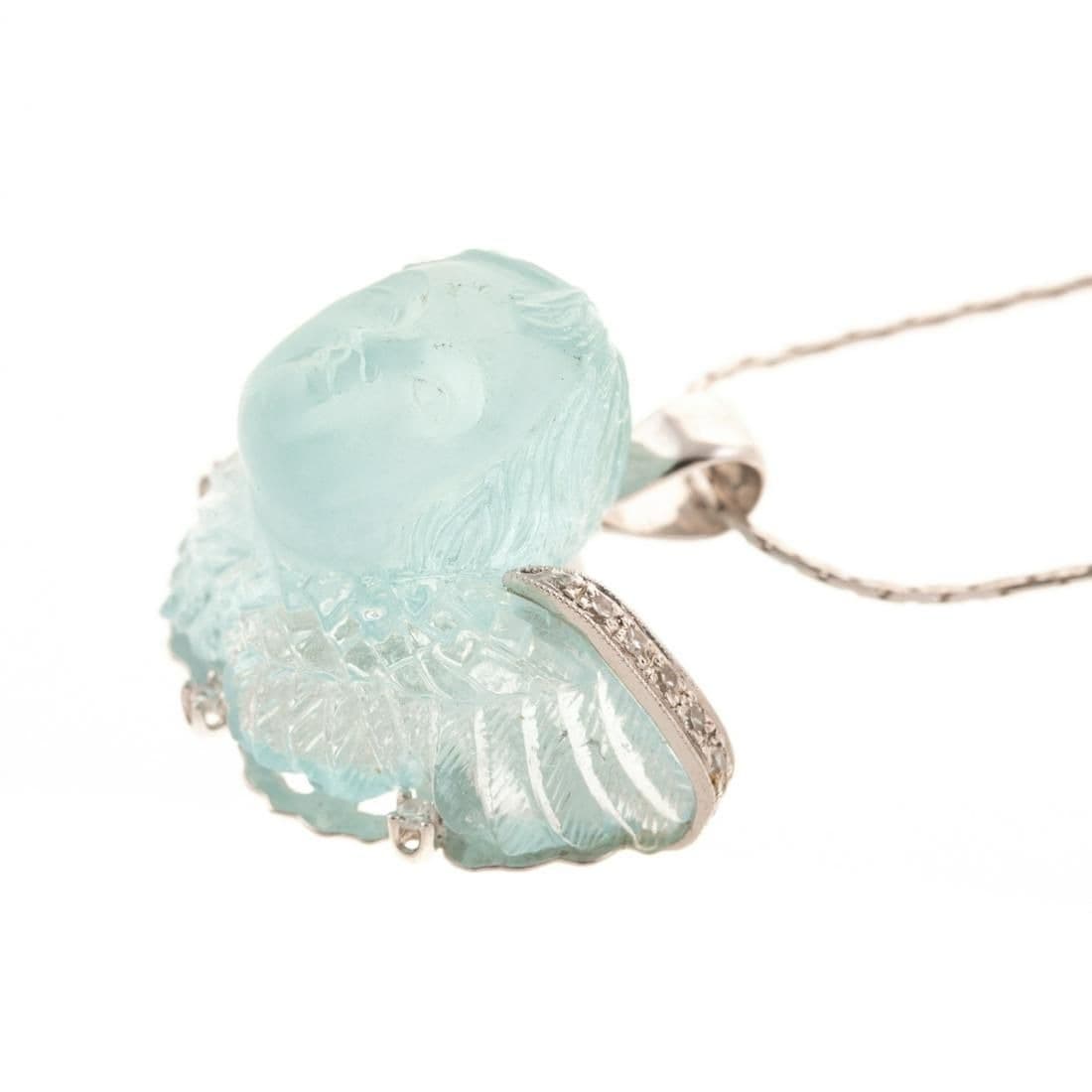
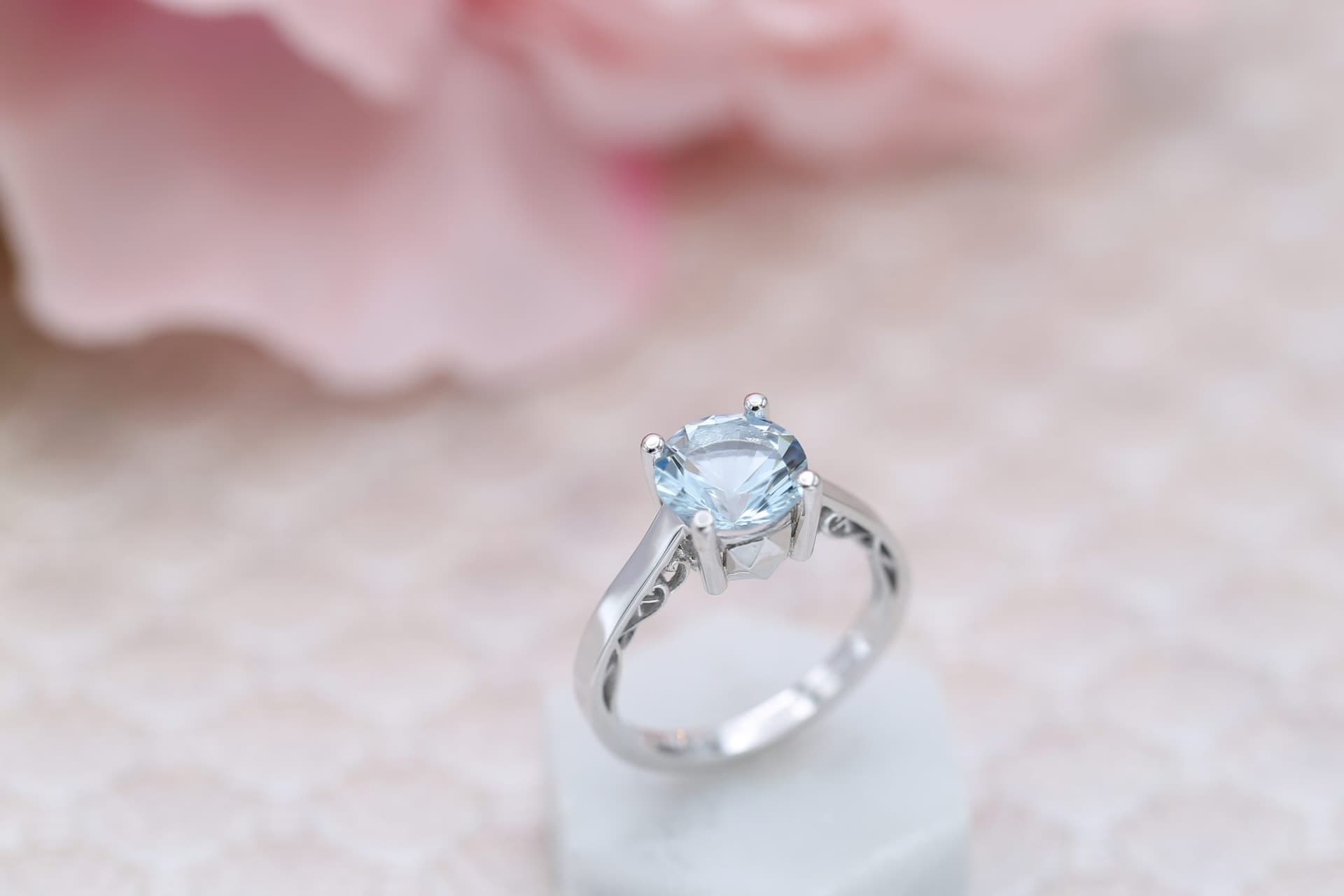
Synthetic aquamarines are relatively rare, but gemologists may encounter them. Learn how these stones are made and how to distinguish them from mined gems.
3 Minute Read
Several manufacturers create synthetic beryls in all their various colors. These include emeralds (green), morganites (pink), bixbites (red), and aquamarines (blue to blue-green). However, only two manufacturers — Tairus and Malossi — grow synthetic aquamarines regularly.
Synthetic aquamarine is created using a hydrothermal growth technique that mimics the underground conditions where these gems form naturally.
The gems are grown in a sealed, pressure-resistant container called a crucible. The inner walls of the crucible are coated with platinum or gold. Next, the manufacturers fill the crucible with pure water and the chemicals required for aquamarine formation (mainly, beryllium oxide, aluminum oxide, and silica, with a small amount of iron and other elements). A natural, colorless beryl (or a synthetic crystal from a previous growth) is then immersed in the solution. This will act as the seed for the aquamarine’s growth.
An electrical charge is used to gradually heat the strongly sealed crucible. As a result, the high heat (approximately 700 to 1,100° F/371 to 593° C) creates extreme pressure (55 to 70 Bar) inside the container. At this point, the molecules of the chemical ingredients break down into their atomic components and dissolve into the…


When you join the IGS community, you get trusted diamond & gemstone information when you need it.
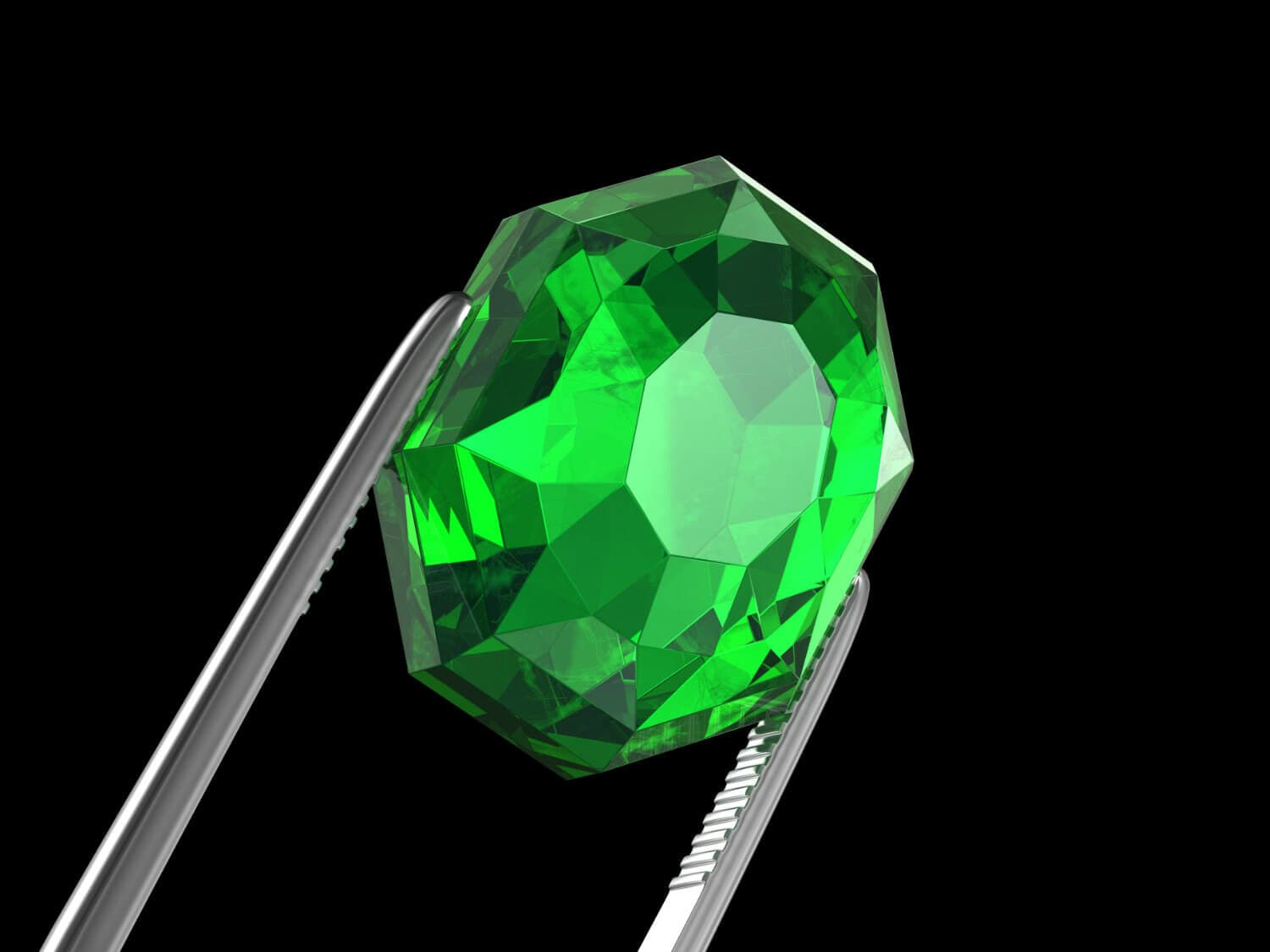
Several manufacturers create synthetic beryls in all their various colors. These include emeralds (green), morganites (pink), bixbites (red), and aquamarines (blue to blue-green). However, only two manufacturers — Tairus and Malossi — grow synthetic aquamarines regularly.
Synthetic aquamarine is created using a hydrothermal growth technique that mimics the underground conditions where these gems form naturally.
The gems are grown in a sealed, pressure-resistant container called a crucible. The inner walls of the crucible are coated with platinum or gold. Next, the manufacturers fill the crucible with pure water and the chemicals required for (mainly, beryllium oxide, aluminum oxide, and silica, with a small amount of iron and other elements). A natural, colorless beryl (or a synthetic crystal from a previous growth) is then immersed in the solution. This will act as the seed for the aquamarine’s growth.
An electrical charge is used to gradually heat the strongly sealed crucible. As a result, the high heat (approximately 700 to 1,100° F/371 to 593° C) creates extreme pressure (55 to 70 Bar) inside the container. At this point, the molecules of the chemical ingredients break down into their atomic components and dissolve into the…

Synthetic aquamarines are relatively rare, but gemologists may encounter them. Learn how these stones are made and how to distinguish them from mined gems.


“I have never known or heard of an organization that offers so much for its members, and at such a low cost.”
— Ernest Roisch, Rainbow Rocks LTD
That's less than $0.01 per article. Get instant access to 1,700+ premium articles, courses, and gem pricing data.