Learning how to identify gems involves more than just data. This gem identification quiz can help novice gemologists learn how to choose tests based on the information at hand.
3 Minute Read
These quizzes are designed to be as realistic as possible. Hopefully, they'll give student gemologists a better idea of how to proceed based on the information at hand. In this manner, they'll learn not only the process but also time-saving shortcuts.
You'll find the first gem identification quiz below. The rest of the series is available to those who become members of the International Gem Society (IGS).
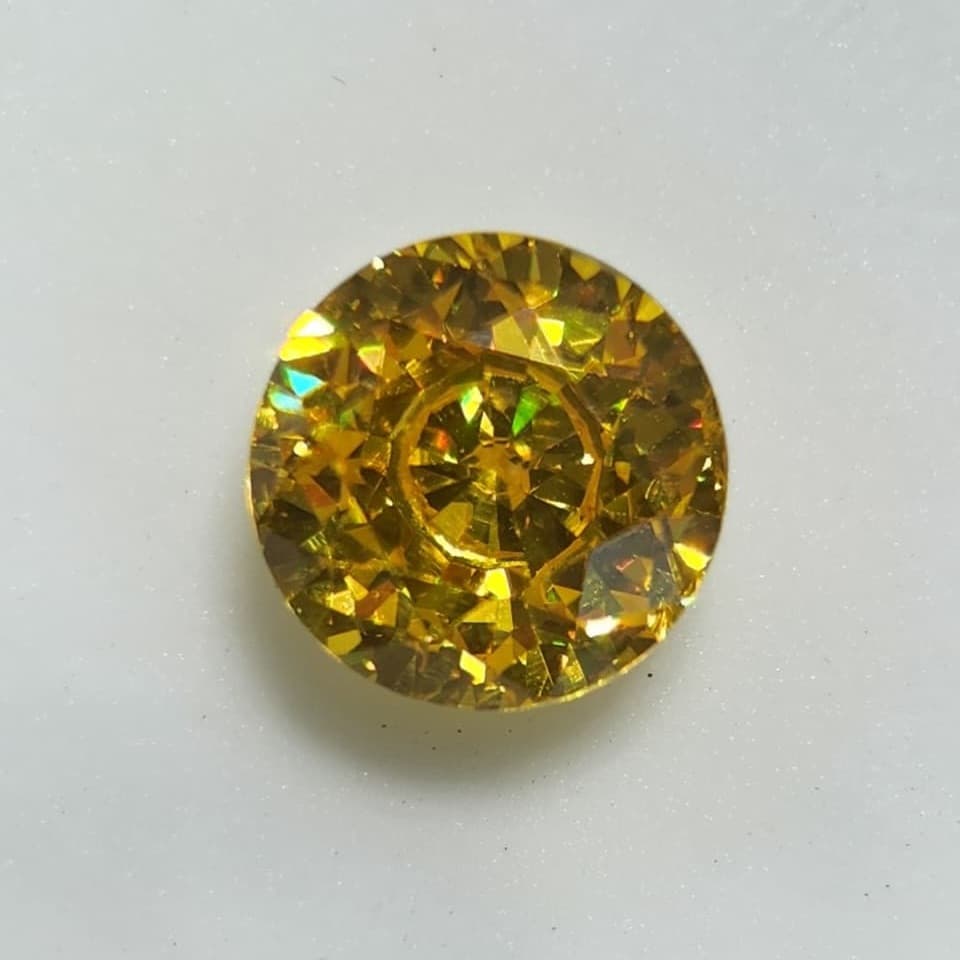
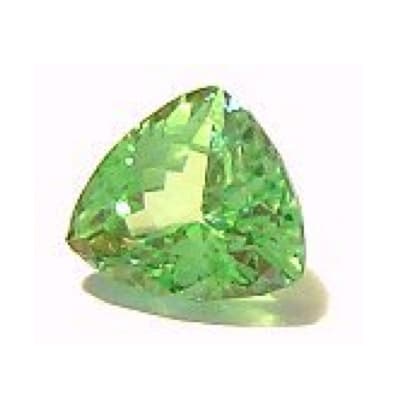
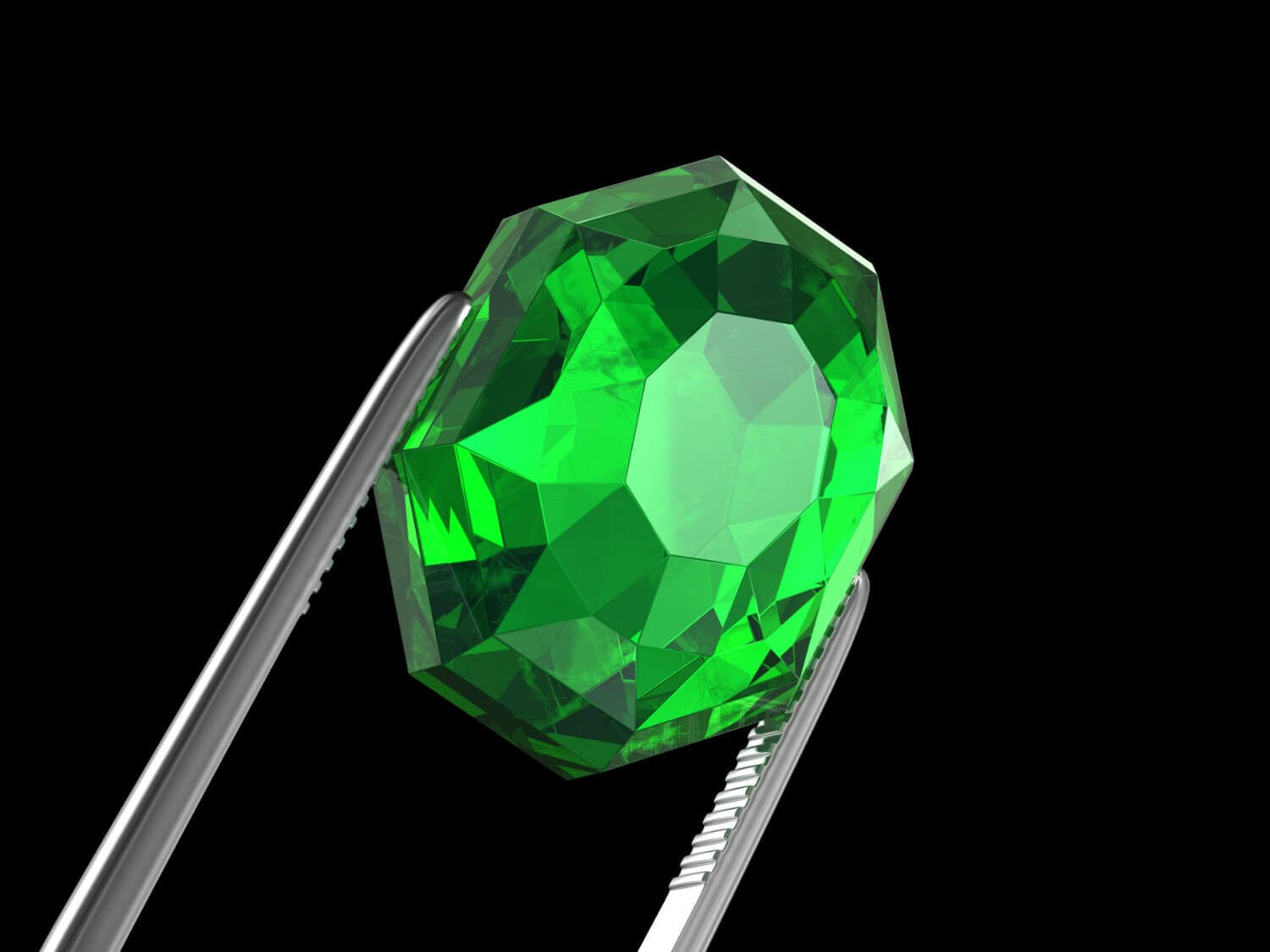
A customer brings you a green, transparent stone (shown on the right) and wants to know if it's an emerald or a peridot. Peridot is her birthstone, but she knows emerald is much more valuable! With fingers crossed, you begin your examination.
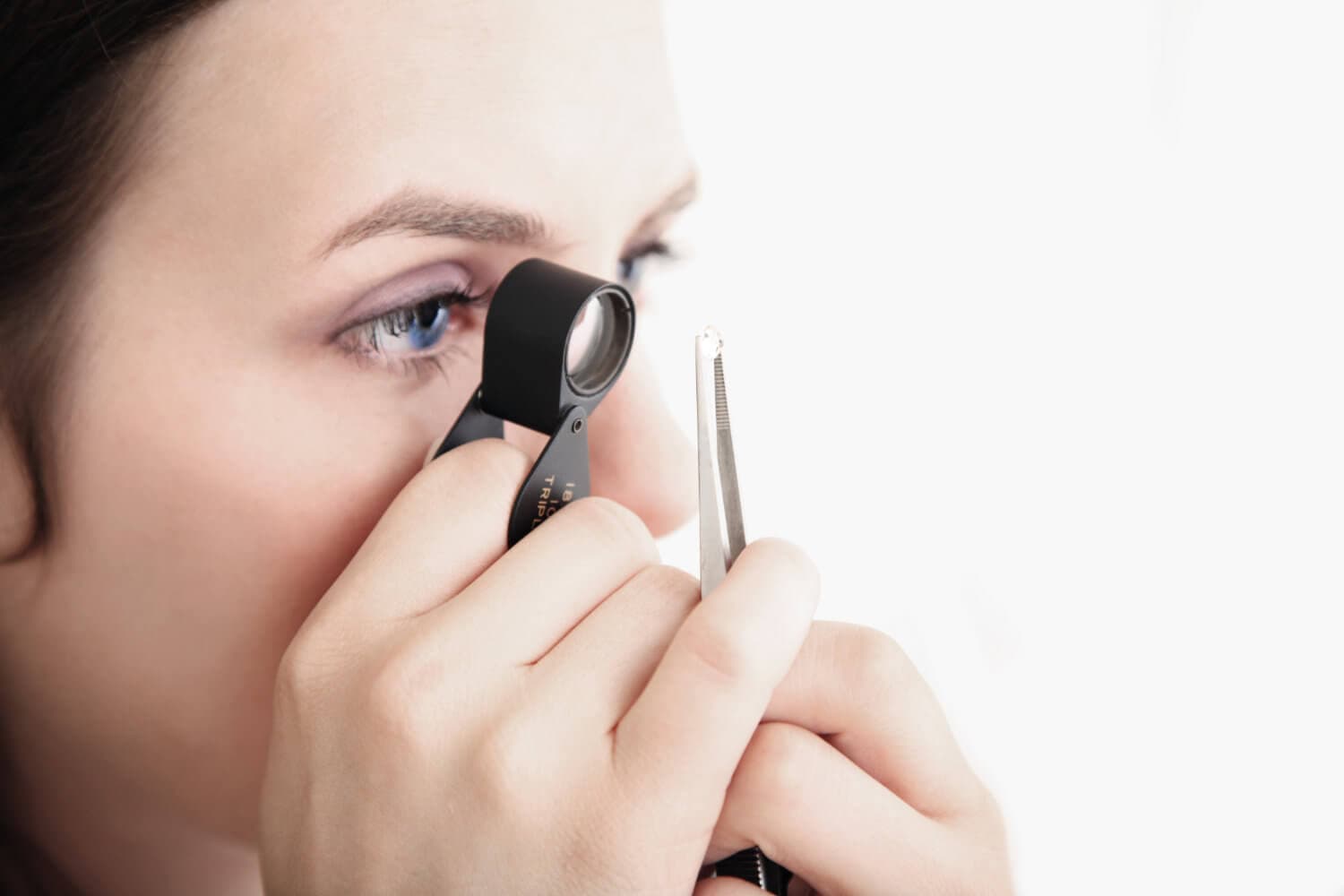
First, clean the gem and examine it with a 10X loupe. You find a small feather inclusion and note the stone is very well-cut, but nothing more.
Next, take the stone to your microscope and examine it thoroughly with darkfield and oblique illumination. You see it has a small conchoidal fracture with vitreous luster on the culet. However, you don't find any additional inclusions.
Use your refractometer to take a basic refractive index (RI) reading. (Two readings at 90° to each other). You note your readings: 1.621 and 1.627.
A quick check with a polariscope shows that the stone is doubly refractive. However, you can't find an optic figure and sign. These would indicate its optic character. While examining the stone, you notice that it's at least moderately pleochroic with yellowish green/green colors
I chose these initial tests because they're the easiest and least time-consuming. Look at what you learned about your gem in just a few minutes: the approximate RI range, double refraction, and moderate pleochroism.
Of the other clues you've found, the feather and the conchoidal fracture with vitreous luster are of least importance. Unfortunately, these are so common they have little identification value.
You also know the stone is green and transparent. Yes, dozens of stones possess these qualities. Nevertheless, they still limit the possibilities a bit. For example, you can eliminate malachite, turquoise, and opal.
Usually, being well-cut indicates a valuable gem. Few people would spend much time on a synthetic. However, this proves nothing. Just keep this clue in mind. It may be important later.
After these initial tests, consult your reference materials and try to narrow down the options for your gem's identity. Now, answer the following questions:
At this point, what do you think the stone is, most likely?
What test or tests would you run next?
Hopefully, this little lesson helps you understand the gem identification process. Gather your initial data, review your findings, consult your references, eliminate possibilities, and choose additional tests.
So, what is that green gem? That depends on its optic character. I haven't revealed the answer. The quiz is designed to help you learn to winnow data and pick appropriate tests.
However, here's a little more information about one of the possibilities.
Typically, you can easily identify tourmalines. Strong pleochroism is a good indicator, especially if you see two entirely different colors, like orange and green. Another quick way to identify tourmalines is finding hollow growth tubes. Either of these qualities indicate you're likely looking at a tourmaline. Next, check the RI. If it matches tourmaline, the only other thing you need for proof of identity is the optic character. No other gem has strong pleochroism, the same RI, and optic character as tourmaline.
Tourmalines frequently have stress, which should make finding the optic figure in the polariscope easy. However, even if you don't find it with that tool, you can still use your refractometer.
If you're an IGS member, take a look at the entire quiz series.

When you join the IGS community, you get trusted diamond & gemstone information when you need it.
These quizzes are designed to be as realistic as possible. Hopefully, they'll give student gemologists a better idea of how to proceed based on the information at hand. In this manner, they'll learn not only the process but also time-saving shortcuts.
You'll find the first gem identification quiz below. The rest of the series is available to those who become members of the International Gem Society (IGS).
A customer brings you a green, transparent stone (shown on the right) and wants to know if it's an emerald or a peridot. Peridot is her , but she knows emerald is much more valuable! With fingers crossed, you begin your examination.
First, clean the gem and examine it with a 10X loupe. You find a small feather inclusion and note the stone is very well-cut, but nothing more.
Next, take the stone to your microscope and examine it thoroughly with darkfield and oblique illumination. You see it has a small conchoidal fracture with vitreous luster on the culet. However, you don't find any additional inclusions.
Use your refractometer to take a basic refractive index (RI) reading. (Two readings at 90° to each other). You note your readings: 1.621 and 1.627.
A quick check with a polariscope shows that the stone is doubly refractive. However, you can't find an optic figure and sign. These would indicate its optic character. While examining the stone, you notice that it's at least moderately pleochroic with yellowish green/green colors
I chose these initial tests because they're the easiest and least time-consuming. Look at what you learned about your gem in just a few minutes: the approximate RI range, double refraction, and moderate pleochroism.
Of the other clues you've found, the feather and the conchoidal fracture with vitreous luster are of least importance. Unfortunately, these are so common they have little identification value.
You also know the stone is green and transparent. Yes, dozens of stones possess these qualities. Nevertheless, they still limit the possibilities a bit. For example, you can eliminate malachite, turquoise, and opal.
Usually, being well-cut indicates a valuable gem. Few people would spend much time on a synthetic. However, this proves nothing. Just keep this clue in mind. It may be important later.
After these initial tests, consult your reference materials and try to narrow down the options for your gem's identity. Now, answer the following questions:
At this point, what do you think the stone is, most likely?
What test or tests would you run next?
Hopefully, this little lesson helps you understand the gem identification process. Gather your initial data, review your findings, consult your references, eliminate possibilities, and choose additional tests.
So, what is that green gem? That depends on its optic character. I haven't revealed the answer. The quiz is designed to help you learn to winnow data and pick appropriate tests.
However, here's a little more information about one of the possibilities.
Typically, you can easily identify tourmalines. Strong pleochroism is a good indicator, especially if you see two entirely different colors, like orange and green. Another quick way to identify tourmalines is finding hollow growth tubes. Either of these qualities indicate you're likely looking at a tourmaline. Next, check the RI. If it matches tourmaline, the only other thing you need for proof of identity is the optic character. No other gem has strong pleochroism, the same RI, and optic character as tourmaline.
Tourmalines frequently have stress, which should make finding the optic figure in the polariscope easy. However, even if you don't find it with that tool, you can still use your refractometer.
If you're an IGS member, take a look at the entire quiz series.