9 Minute Read
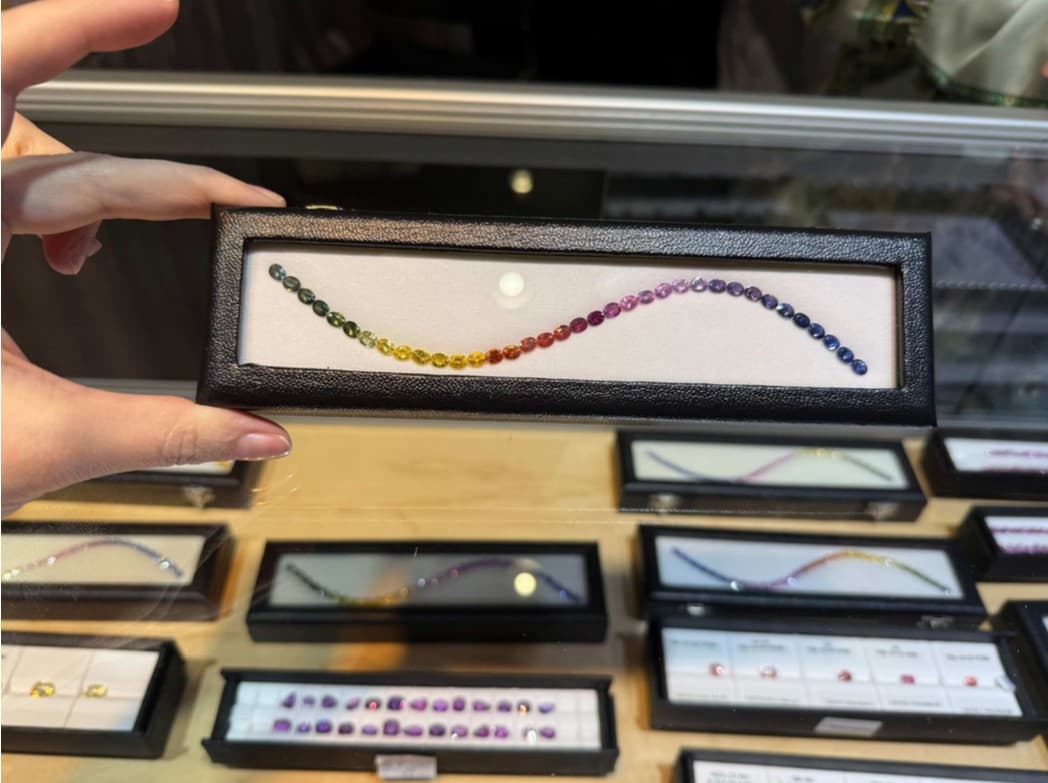
The first thing that people envision when sapphire is mentioned is a deep blue, transparent gemstone. But the sapphire family is so much more! Sapphires can take on any color of the rainbow depending on various trace elements present in their crystals. With so many colors to consider, gemologists are careful with how they refer to sapphires to avoid confusion. If you hear someone describe a gem using the term "sapphire" on its own, that means that the stone is the classic blue color. All other colors are prefaced with the word "fancy" which will be followed by the color of the stone, such as "fancy yellow sapphire". The single exception to this rule is the color red, but not because that hue is off-limits. Rather, those gems are called by a different name entirely - ruby.
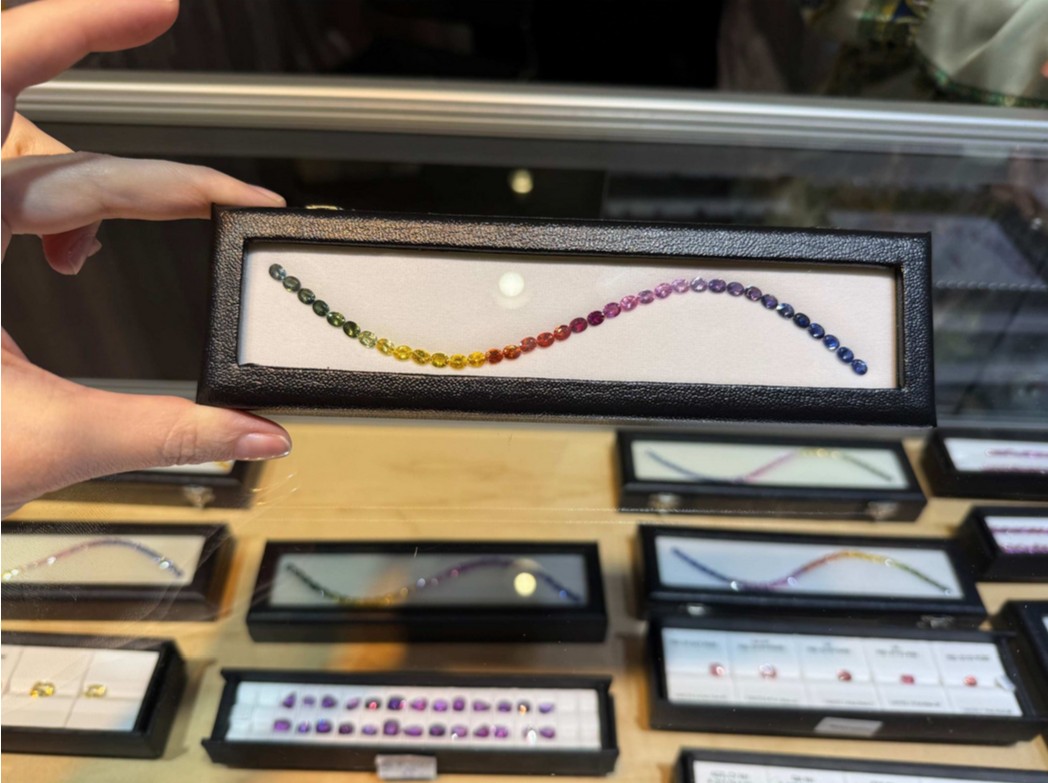
Although all colors of sapphire are part of the same mineral family called "corundum", valuing them requires that they are split up into groups according to their color. The value range for one color can be entirely different from another depending on a wide variety of factors including rarity, demand, and the current state of trade relations with the nation(s) that exports them.
The first attribute that industry professionals consider when looking at a fancy-colored sapphire is their color. Some colors have lower per-carat values while others are more expensive. With that being said, there is one commonality to keep in mind - regardless of the hue, stones with strong color saturation tend to be priced at the top of their associated value range.
We will start with the most expensive of all fancy-color sapphires - the padparadscha. With per-carat values that eclipse all other fancy sapphires, padparadschas are highly desired worldwide. Most describe their color range as an intensely saturated pinkish orange to orange-pink, with a tone that is light to medium.
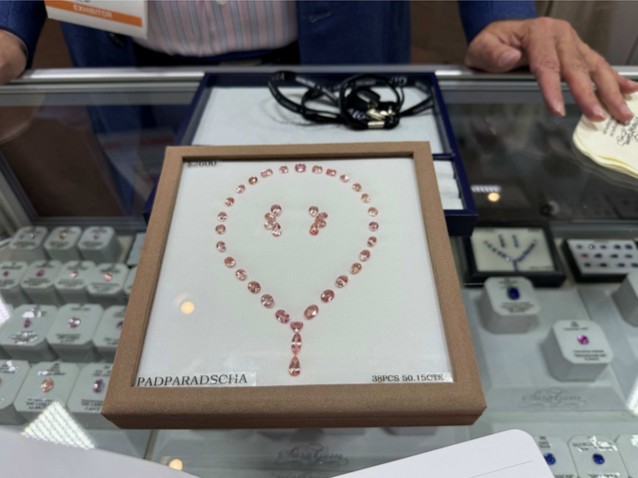
Contributing to the value of padparadschas is the fact that they are rare. The original source was Sri Lanka, and some still insist that gems must be Sri Lankan to qualify as padparadscha. Yet, in recent years, sapphires have emerged from East Africa that fall within the acceptable color range.
There is a complicating factor to consider when shopping for padparadschas - "padparadscha" is a trade term, meaning that it is not a specific color with clearly defined limits. It is, instead, an opinion. Most of the time, this is not a problem, it is only gems whose color expression sits at the very edge of boundaries that might be disputed. Laboratories like GIA have padparadscha masterstones to ensure that their grading is consistent.
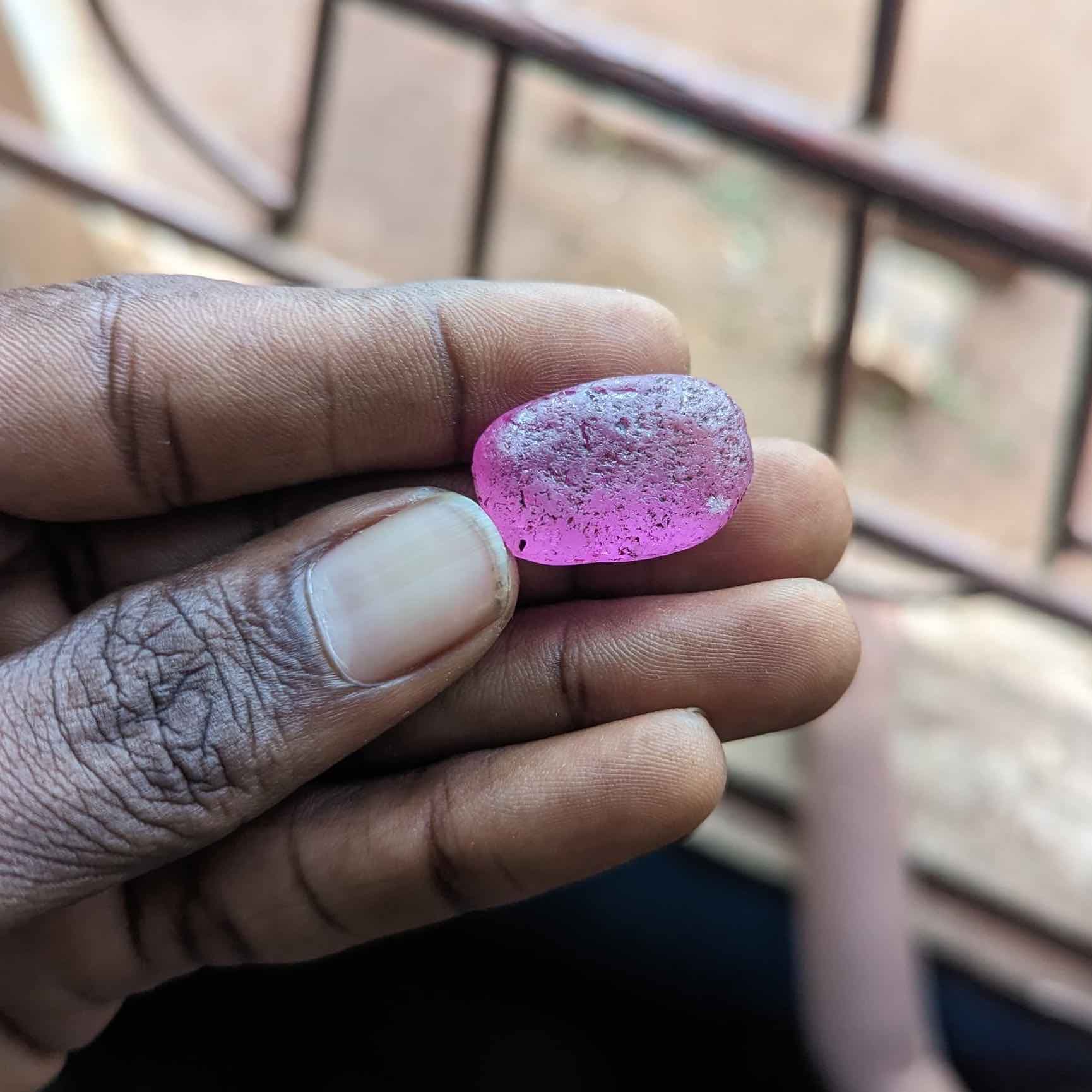
Pink sapphires without a strong contribution of orange are called "fancy pinks". Minor highlights of red or purple are allowed. The tone of pink sapphires stays light while saturation spans from weak to vivid. Second only to padparadschas, fine pink sapphires have high per-carat values.
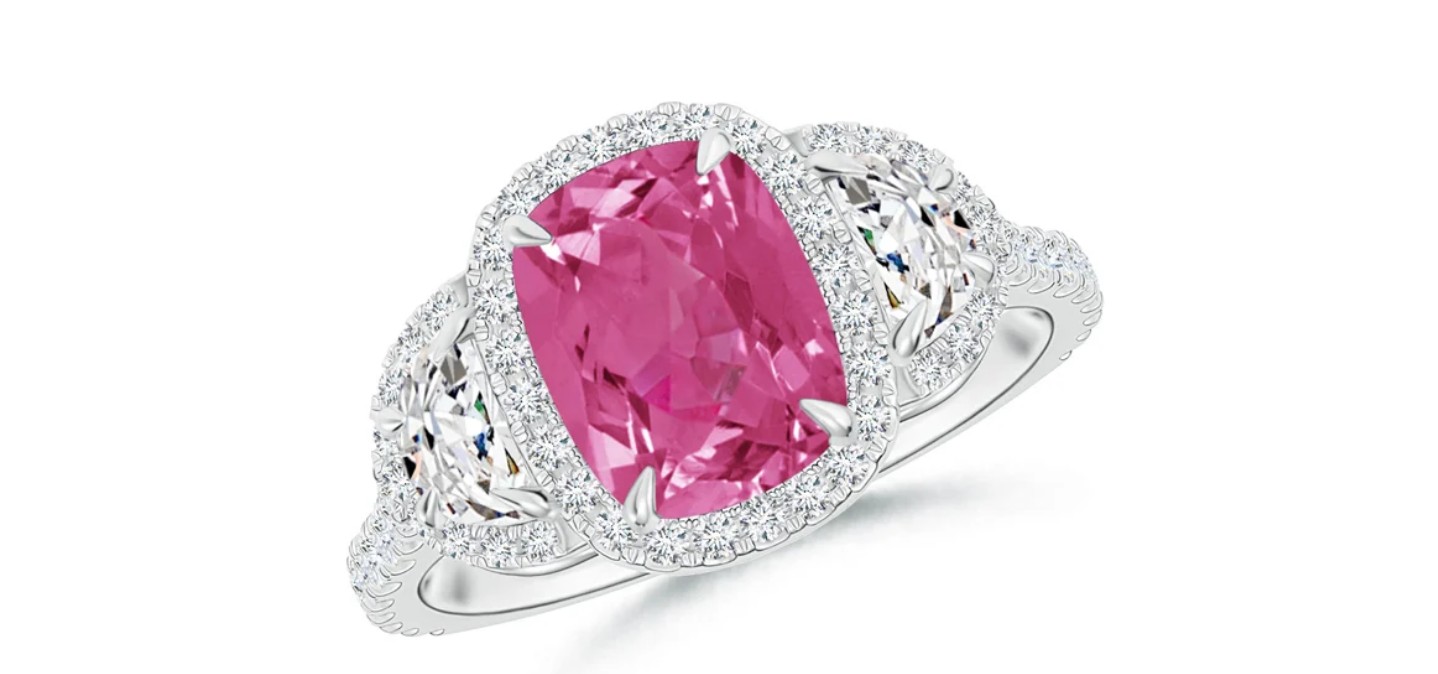
Pink gemstones, in general, tend to be in high-demand, and pink sapphires are consistently one of the most popular choices of fancy-colored sapphires. Part of the reason for this is that the pink color of fancy sapphires can be incredibly saturated and pure. Other pink options on the market including morganite, kunzite, and tourmaline, rarely have a pure pink hue that is vas ividly expressed as sapphire.
Purple might be a neighboring color to pink, but there is a big difference in value between these shades. Purple sapphires are not nearly as sought-after as pinks, and they also tend to be darker in tone. Small contributions of red or violet are allowed, and the saturation spans the full scale from weak to saturated. Tone is medium to dark.
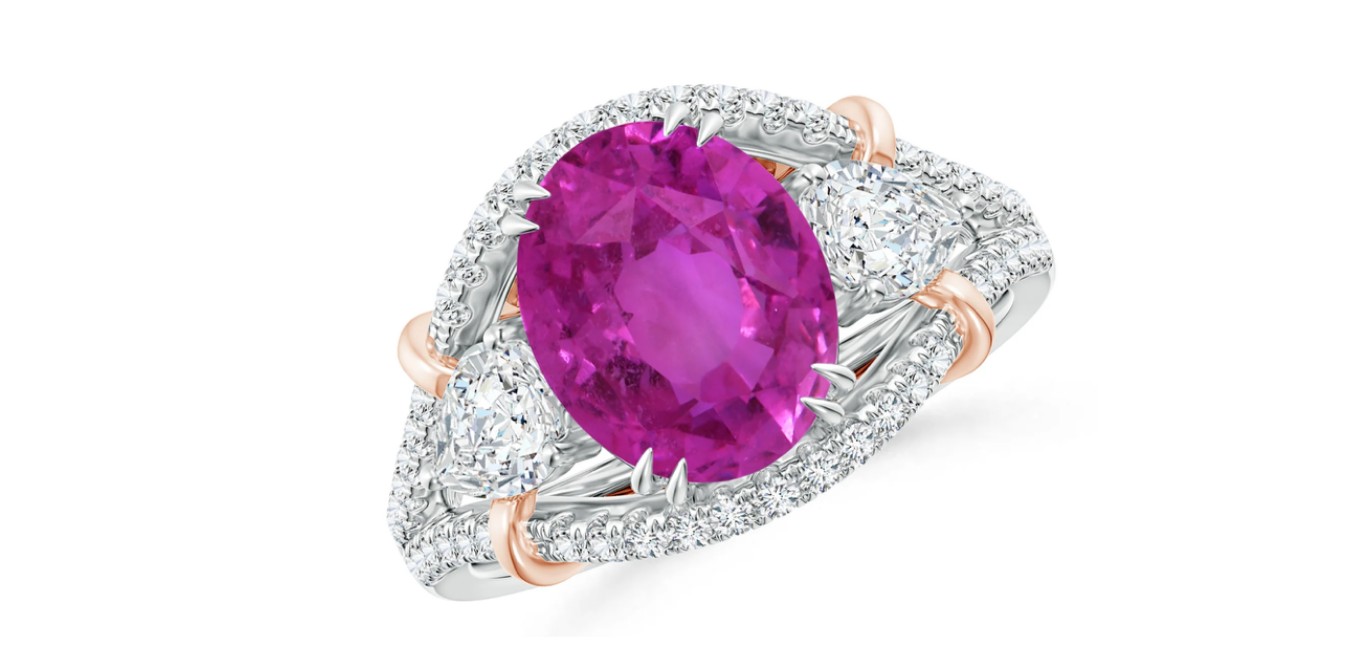
Demand for vivid pink sapphires comes from the fact that the best stones outshine other pink gems. Purple sapphires, however, are in direct competition with amethysts which are both low-cost and can be vividly colored.
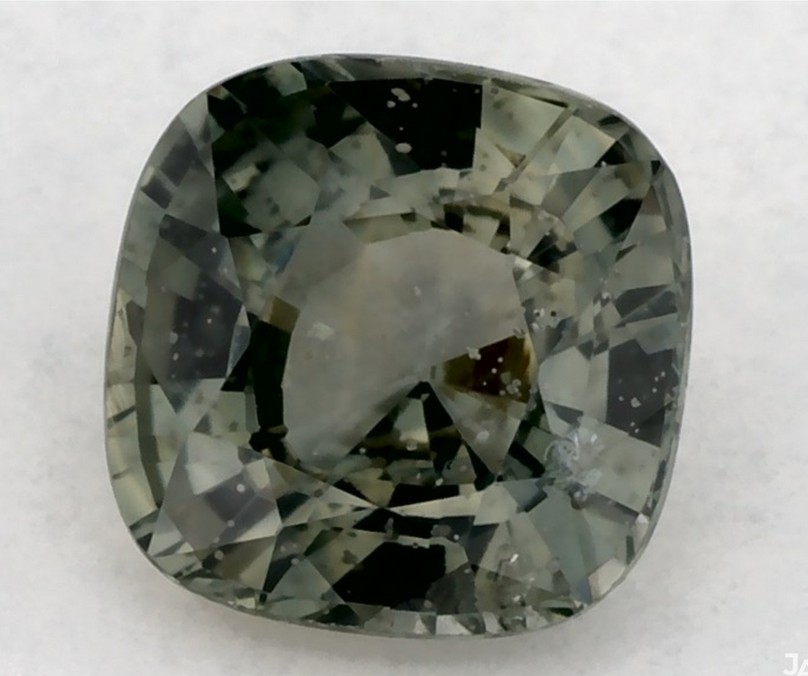
Green sapphires tend to have low color saturation with muddied color expression, so you likely won't see many bright, lively gems. Such stones are often described as olivine or khaki, and they do have a devoted fanbase who enjoy the subtle color. Gems that have unattractive color zoning patterns are considered lower-quality. As both the supply of green sapphires is strong and demand is low, per-carat values are modest. So, if you enjoy their color, green sapphires are a great buy!
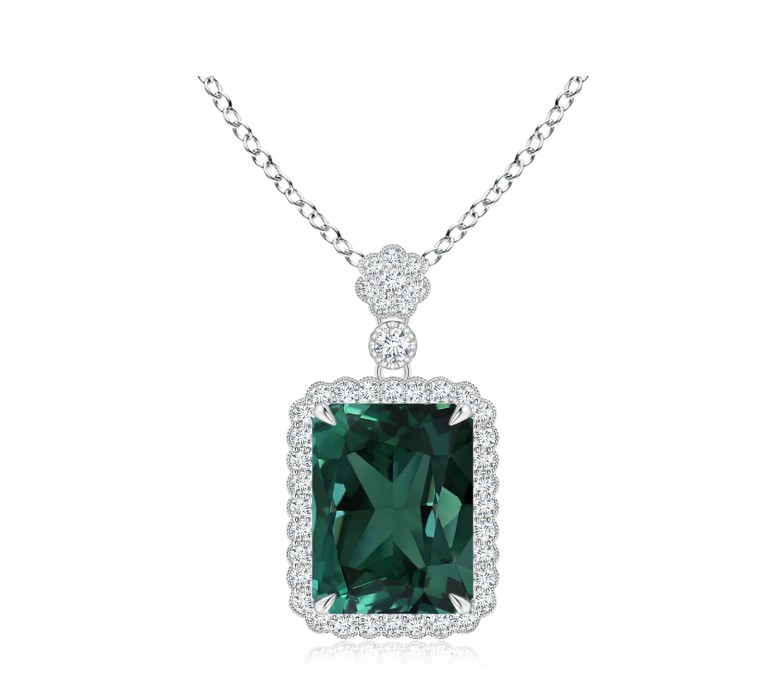
Just as purple sapphires are often outcompeted by amethyst, green sapphires go head-to-head with a number of different options like emerald, green tourmaline, and peridot, all of which can exhibit highly saturated, bright green colors.
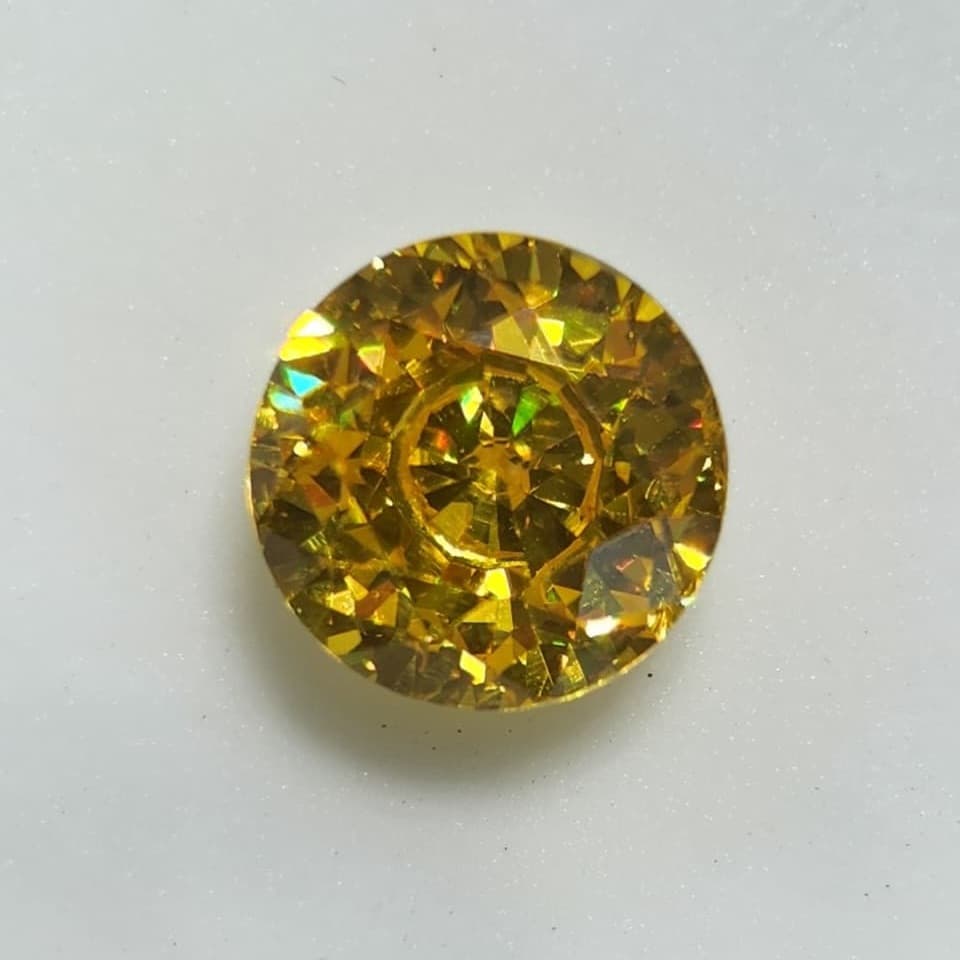
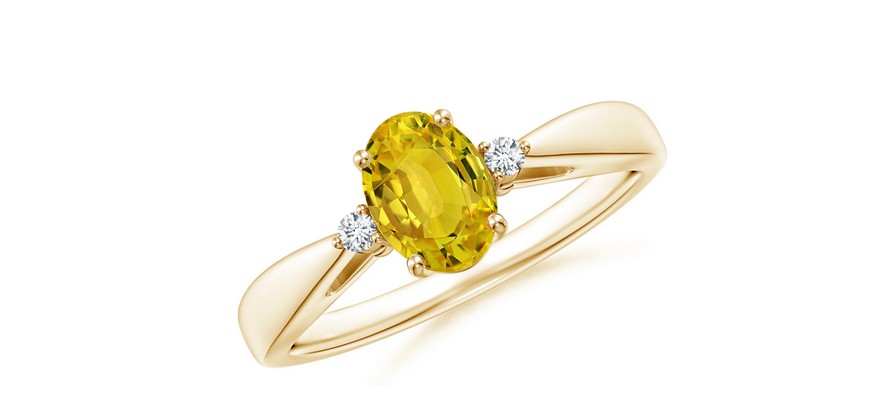
The color range for fancy yellow sapphires is quite broad. As long as yellow is the primary hue, you might see a bit of red, brown, orange, pink, or green mixed in. Following the trend, gems with bright and vivid yellow color fetch the most money while paler stones with noticeable color zoning are marked down. The most popular color is a yellow to orangy yellow hue paired with vivid saturation and a medium tone.
Orange sapphires might have some yellow, red, or brown, but the most expensive color is a vivid, red-orange with medium tone.
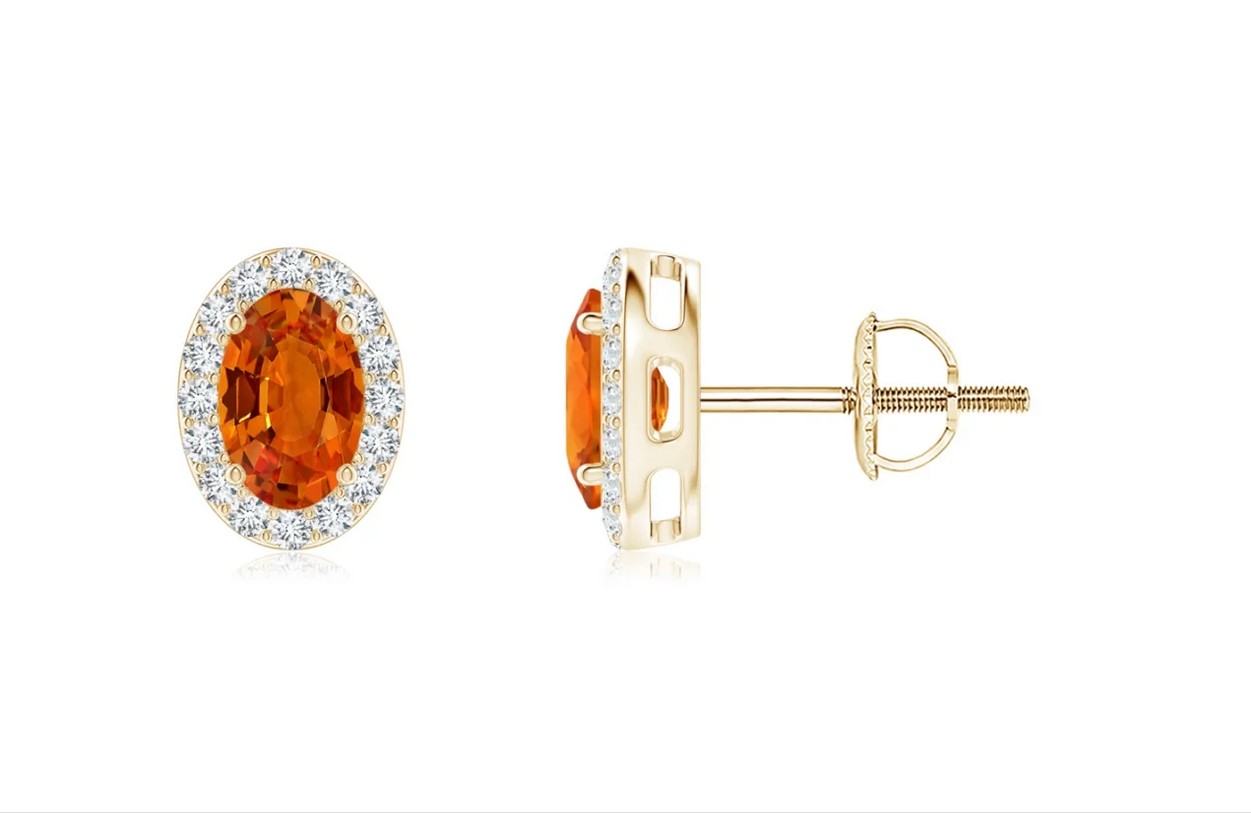
Demand for yellow and orange sapphires fluctuates more than other colors, following cultural trends. As a result, values also swing.
We said above that sapphires can be any color, that includes colorless and black. Colorless sapphires, sometimes called "white", are most often used as a low-cost simulant for diamonds partly because corundum is the second hardest gemstone after diamond. In the early 1990's quite a few designers used colorless sapphire this way, and the spiked demand resulted in higher per-carat values. Today, with so many low-cost synthetic diamonds available, there is not much demand for colorless sapphire on its own. As a result, per-carat values are quite low.
Black sapphires might be truly black or a very dark shade of blue that appears black under normal lighting conditions. There does not tend to be much demand for black gemstones in general. Moreover, there are several varieties to choose from including black spinel and obsidian. This is great news for fans of such stones because they are very affordable options.
Sapphires may exhibit several hues. In recent years, sapphires from Montana with beautiful mix of teal, blue, green, and yellow hues have gained worldwide renown. Multi-color gems can't be valued on a simple scale because the unique beauty of individual stones has to be evaluated on a case-to-case basis. That being said, like solidly-colored sapphires, bright color expression is prized. For example, a sapphire which shows a deep blue and regions of intense yellow will be valued more than a gems whose colors are not as strong.
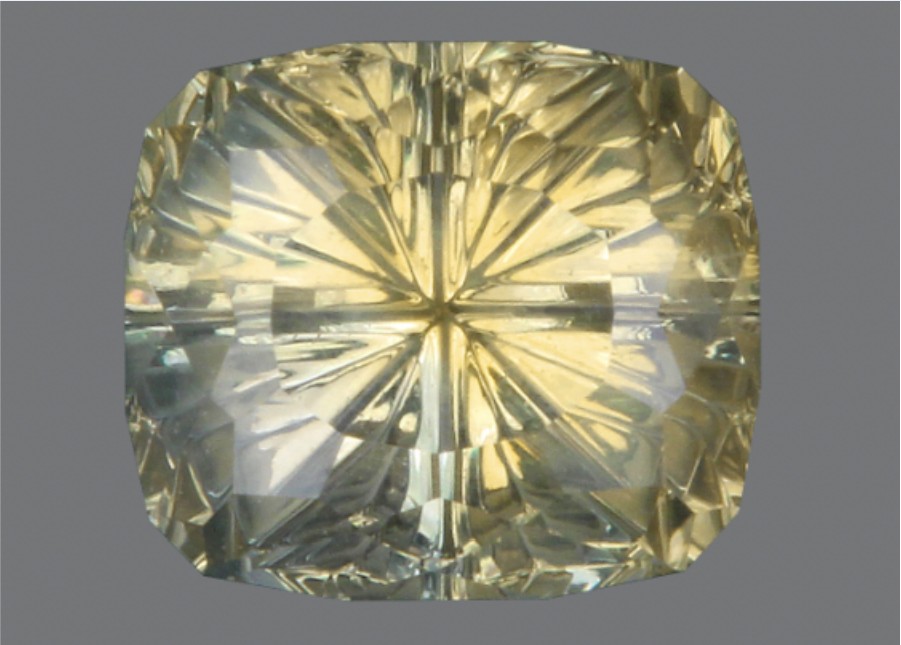
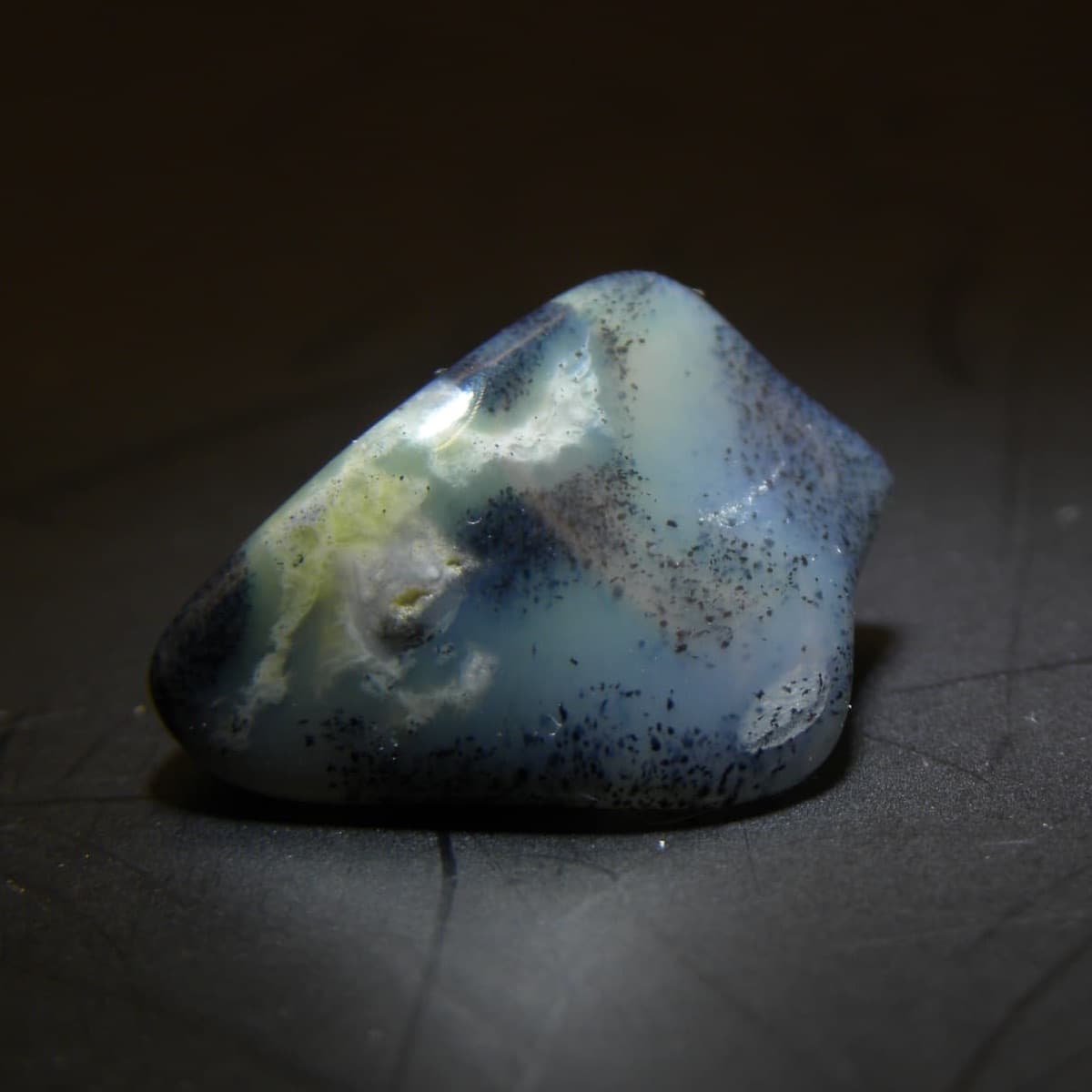
Because the color of fancy sapphires comes from different impurities in the stone, all colors have the potential to show color zoning patterns should those impurities not be uniformly distributed. We should say that color zoning is not the same thing as multi-color. Multi-color stones have more than one hue expressed. Color zoning is what you see when the same color has different levels of saturation and tone within the crystal. Any sapphire that has a noticeably patchy appearance will have a lower value than a similar stone with even coloration.
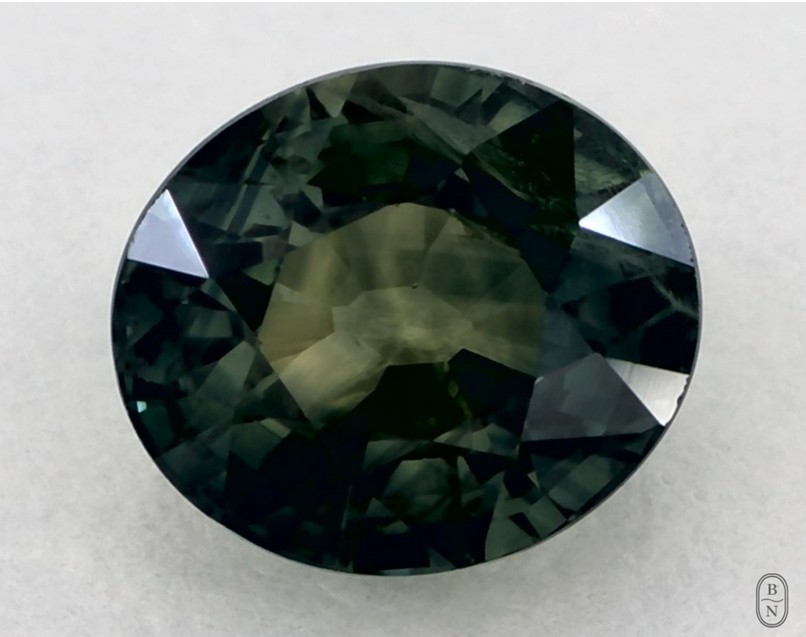
This 1.34 ct. green sapphire is quite dark, but you can clearly see that its color expression varies quite a lot. Being green and having uneven coloration, this stone is quite affordable with a price tag of $650.
Clarity is a big deal for fancy-color sapphires. Buyers want eye-clean stones with sparkling transparency. The value for gems with noticeable clarity features including fractures and included crystals is significantly lessened.
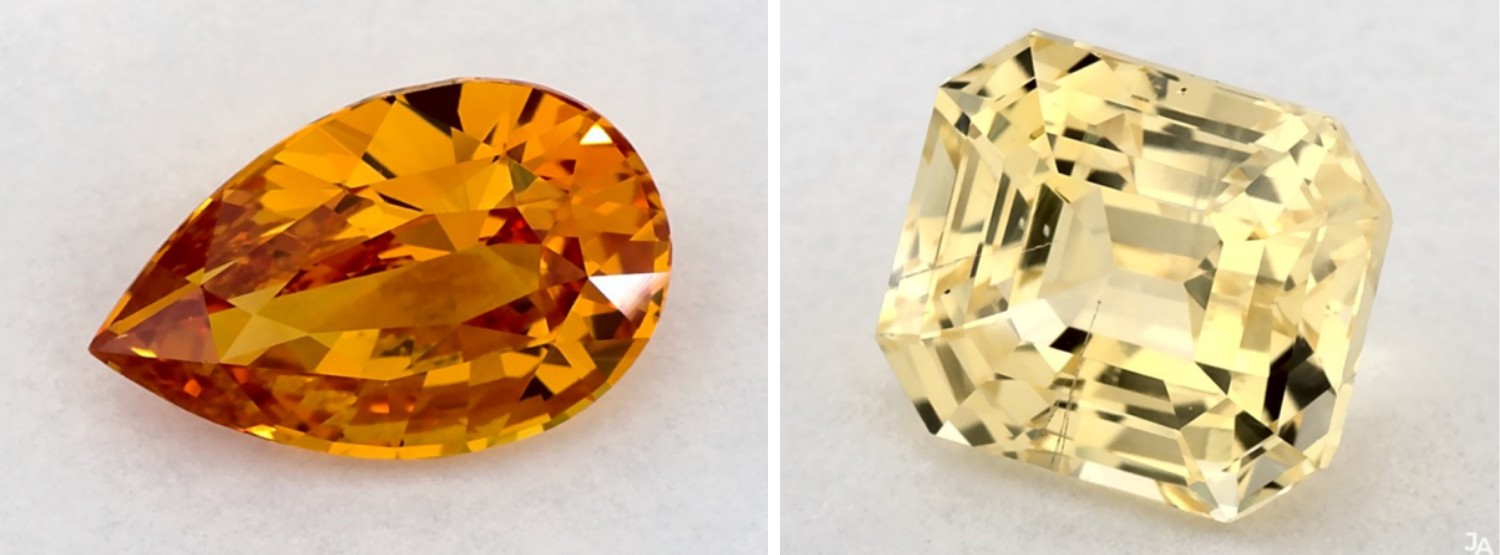
The cut of a gemstone is very important in determining the value of a gemstone, even if you can't directly see why. Good cutters put a great deal of thought into choosing how to orient the stone, the overall outline, and the shape of each individual facet. The right decisions maximize color expression and hide problematic zoning patterns and clarity features. It is not unheard of for people to purchase low-quality sapphires and have them recut by an expert, resulting in a smaller stone that is worth more than the original.
Heating is Extremely Common, All Other Treatments Detract from the Value
Virtually all sapphires on the market have been heat treated to intensify their color. The history of heating sapphires goes back hundreds of years due to the fact that heating enhances color, and sometimes clarity, without harming the crystal structure. Heated purple sapphires, for example, take on a more valuable pink or red color.
As so many sapphires are heated, it is considered common practice and does not take away from the value. However, important, fine-quality sapphires that are unheated see a big bump in their per-carat values. You will usually find such stones for sale at auctions.
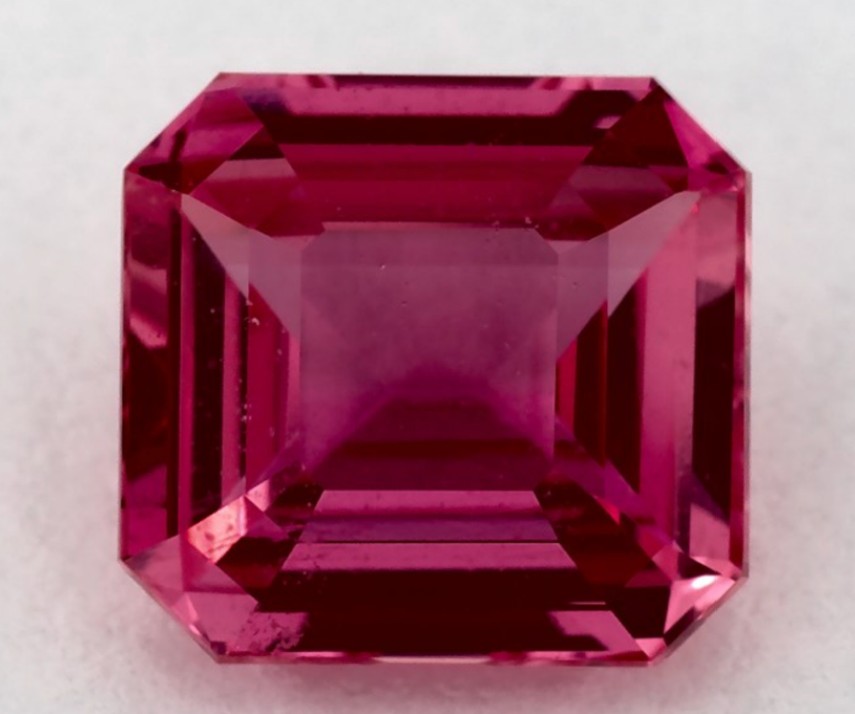
Besides heating, other treatments do take away value from stones. For example, paler pink sapphires can be made to exhibit the valuable padparadscha color by undergoing a drastic treatment called lattice diffusion with beryllium. Also, yellow and orange sapphires can be brightened with radiation, but the results of this treatment are unstable and often reversible with exposure to heat and sunlight. Dealers are always required to disclose any and all treatments.
Fancy-colored sapphires range in size from tiny to large. Interestingly, the larger the weight of the raw crystal, the rarer it is for that stone to be fine-quality. For crystals weighing in excess of five carats, the value jumps significantly with good color and clarity.


When you join the IGS community, you get trusted diamond & gemstone information when you need it.
The first thing that people envision when sapphire is mentioned is a deep blue, transparent gemstone. But the sapphire family is so much more! Sapphires can take on any color of the rainbow depending on various trace elements present in their crystals. With so many colors to consider, gemologists are careful with how they refer to sapphires to avoid confusion. If you hear someone describe a gem using the term "sapphire" on its own, that means that the stone is the classic blue color. All other colors are prefaced with the word "fancy" which will be followed by the color of the stone, such as "fancy yellow sapphire". The single exception to this rule is the color red, but not because that hue is off-limits. Rather, those gems are called by a different name entirely - ruby.
Although all colors of sapphire are part of the same mineral family called "corundum", valuing them requires that they are split up into groups according to their color. The value range for one color can be entirely different from another depending on a wide variety of factors including rarity, demand, and the current state of trade relations with the nation(s) that exports them.
The first attribute that industry professionals consider when looking at a fancy-colored sapphire is their color. Some colors have lower per-carat values while others are more expensive. With that being said, there is one commonality to keep in mind - regardless of the hue, stones with strong color saturation tend to be priced at the top of their associated value range.
We will start with the most expensive of all fancy-color sapphires - the padparadscha. With per-carat values that eclipse all other fancy sapphires, padparadschas are highly desired worldwide. Most describe their color range as an intensely saturated pinkish orange to orange-pink, with a tone that is light to medium.
Contributing to the value of padparadschas is the fact that they are rare. The original source was Sri Lanka, and some still insist that gems must be Sri Lankan to qualify as padparadscha. Yet, in recent years, sapphires have emerged from East Africa that fall within the acceptable color range.
There is a complicating factor to consider when shopping for padparadschas - "padparadscha" is a trade term, meaning that it is not a specific color with clearly defined limits. It is, instead, an opinion. Most of the time, this is not a problem, it is only gems whose color expression sits at the very edge of boundaries that might be disputed. Laboratories like GIA have padparadscha masterstones to ensure that their grading is consistent.
Pink sapphires without a strong contribution of orange are called "fancy pinks". Minor highlights of red or purple are allowed. The tone of pink sapphires stays light while saturation spans from weak to vivid. Second only to padparadschas, fine pink sapphires have high per-carat values.
Pink gemstones, in general, tend to be in high-demand, and pink sapphires are consistently one of the most popular choices of fancy-colored sapphires. Part of the reason for this is that the pink color of fancy sapphires can be incredibly saturated and pure. Other pink options on the market including morganite, kunzite, and tourmaline, rarely have a pure pink hue that is vas ividly expressed as sapphire.
Purple might be a neighboring color to pink, but there is a big difference in value between these shades. Purple sapphires are not nearly as sought-after as pinks, and they also tend to be darker in tone. Small contributions of red or violet are allowed, and the saturation spans the full scale from weak to saturated. Tone is medium to dark.
Demand for vivid pink sapphires comes from the fact that the best stones outshine other pink gems. Purple sapphires, however, are in direct competition with amethysts which are both low-cost and can be vividly colored.
Green sapphires tend to have low color saturation with muddied color expression, so you likely won't see many bright, lively gems. Such stones are often described as olivine or khaki, and they do have a devoted fanbase who enjoy the subtle color. Gems that have unattractive color zoning patterns are considered lower-quality. As both the supply of green sapphires is strong and demand is low, per-carat values are modest. So, if you enjoy their color, green sapphires are a great buy!
Just as purple sapphires are often outcompeted by amethyst, green sapphires go head-to-head with a number of different options like emerald, green tourmaline, and peridot, all of which can exhibit highly saturated, bright green colors.
The color range for fancy yellow sapphires is quite broad. As long as yellow is the primary hue, you might see a bit of red, brown, orange, pink, or green mixed in. Following the trend, gems with bright and vivid yellow color fetch the most money while paler stones with noticeable color zoning are marked down. The most popular color is a yellow to orangy yellow hue paired with vivid saturation and a medium tone.
Orange sapphires might have some yellow, red, or brown, but the most expensive color is a vivid, red-orange with medium tone.
Demand for yellow and orange sapphires fluctuates more than other colors, following cultural trends. As a result, values also swing.
We said above that sapphires can be any color, that includes colorless and black. Colorless sapphires, sometimes called "white", are most often used as a low-cost simulant for diamonds partly because corundum is the second hardest gemstone after diamond. In the early 1990's quite a few designers used colorless sapphire this way, and the spiked demand resulted in higher per-carat values. Today, with so many low-cost synthetic diamonds available, there is not much demand for colorless sapphire on its own. As a result, per-carat values are quite low.
Black sapphires might be truly black or a very dark shade of blue that appears black under normal lighting conditions. There does not tend to be much demand for black gemstones in general. Moreover, there are several varieties to choose from including black spinel and obsidian. This is great news for fans of such stones because they are very affordable options.
Sapphires may exhibit several hues. In recent years, sapphires from Montana with beautiful mix of teal, blue, green, and yellow hues have gained worldwide renown. Multi-color gems can't be valued on a simple scale because the unique beauty of individual stones has to be evaluated on a case-to-case basis. That being said, like solidly-colored sapphires, bright color expression is prized. For example, a sapphire which shows a deep blue and regions of intense yellow will be valued more than a gems whose colors are not as strong.
Because the color of fancy sapphires comes from different impurities in the stone, all colors have the potential to show color zoning patterns should those impurities not be uniformly distributed. We should say that color zoning is not the same thing as multi-color. Multi-color stones have more than one hue expressed. Color zoning is what you see when the same color has different levels of saturation and tone within the crystal. Any sapphire that has a noticeably patchy appearance will have a lower value than a similar stone with even coloration.
This 1.34 ct. green sapphire is quite dark, but you can clearly see that its color expression varies quite a lot. Being green and having uneven coloration, this stone is quite affordable with a price tag of $650.
Clarity is a big deal for fancy-color sapphires. Buyers want eye-clean stones with sparkling transparency. The value for gems with noticeable clarity features including fractures and included crystals is significantly lessened.
The cut of a gemstone is very important in determining the value of a gemstone, even if you can't directly see why. Good cutters put a great deal of thought into choosing how to orient the stone, the overall outline, and the shape of each individual facet. The right decisions maximize color expression and hide problematic zoning patterns and clarity features. It is not unheard of for people to purchase low-quality sapphires and have them recut by an expert, resulting in a smaller stone that is worth more than the original.
Heating is Extremely Common, All Other Treatments Detract from the Value
Virtually all sapphires on the market have been heat treated to intensify their color. The history of heating sapphires goes back hundreds of years due to the fact that heating enhances color, and sometimes clarity, without harming the crystal structure. Heated purple sapphires, for example, take on a more valuable pink or red color.
As so many sapphires are heated, it is considered common practice and does not take away from the value. However, important, fine-quality sapphires that are unheated see a big bump in their per-carat values. You will usually find such stones for sale at auctions.
Besides heating, other treatments do take away value from stones. For example, paler pink sapphires can be made to exhibit the valuable padparadscha color by undergoing a drastic treatment called lattice diffusion with beryllium. Also, yellow and orange sapphires can be brightened with radiation, but the results of this treatment are unstable and often reversible with exposure to heat and sunlight. Dealers are always required to disclose any and all treatments.
Fancy-colored sapphires range in size from tiny to large. Interestingly, the larger the weight of the raw crystal, the rarer it is for that stone to be fine-quality. For crystals weighing in excess of five carats, the value jumps significantly with good color and clarity.