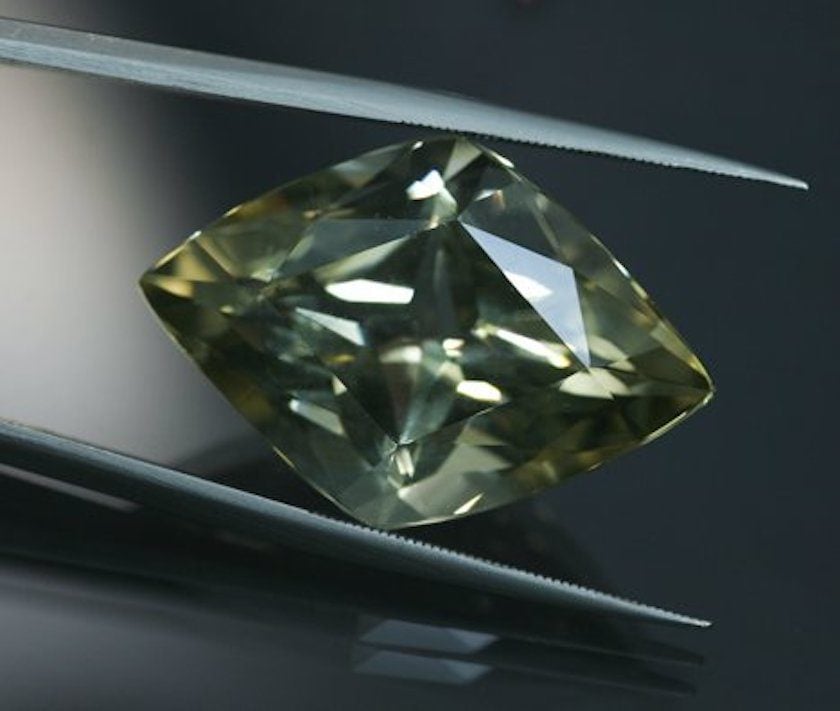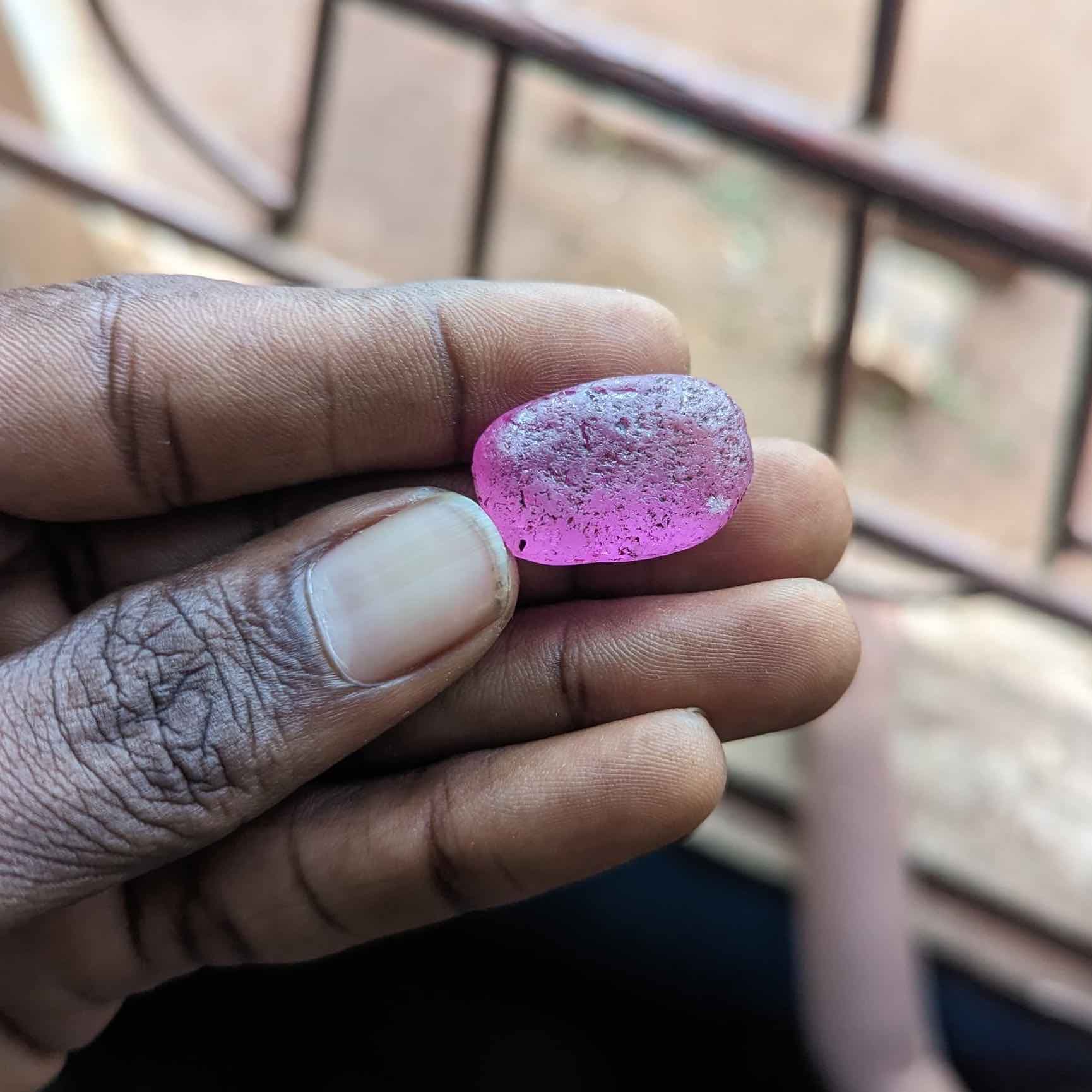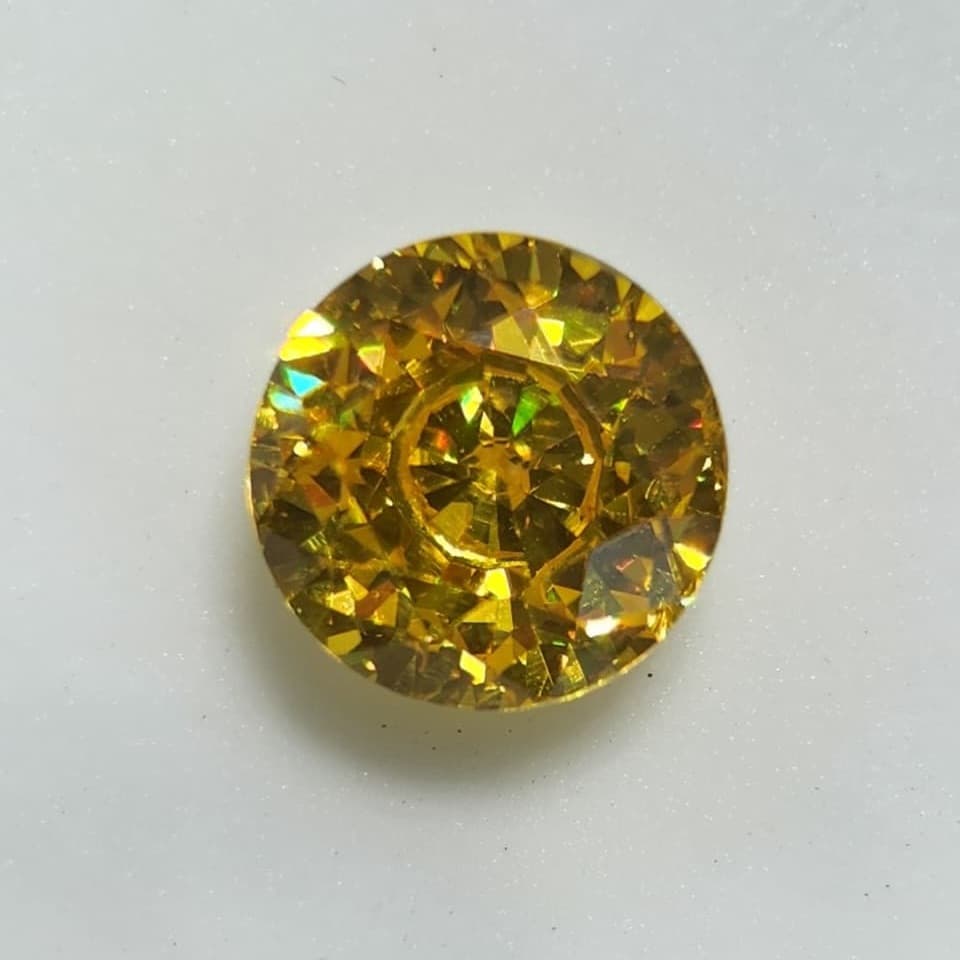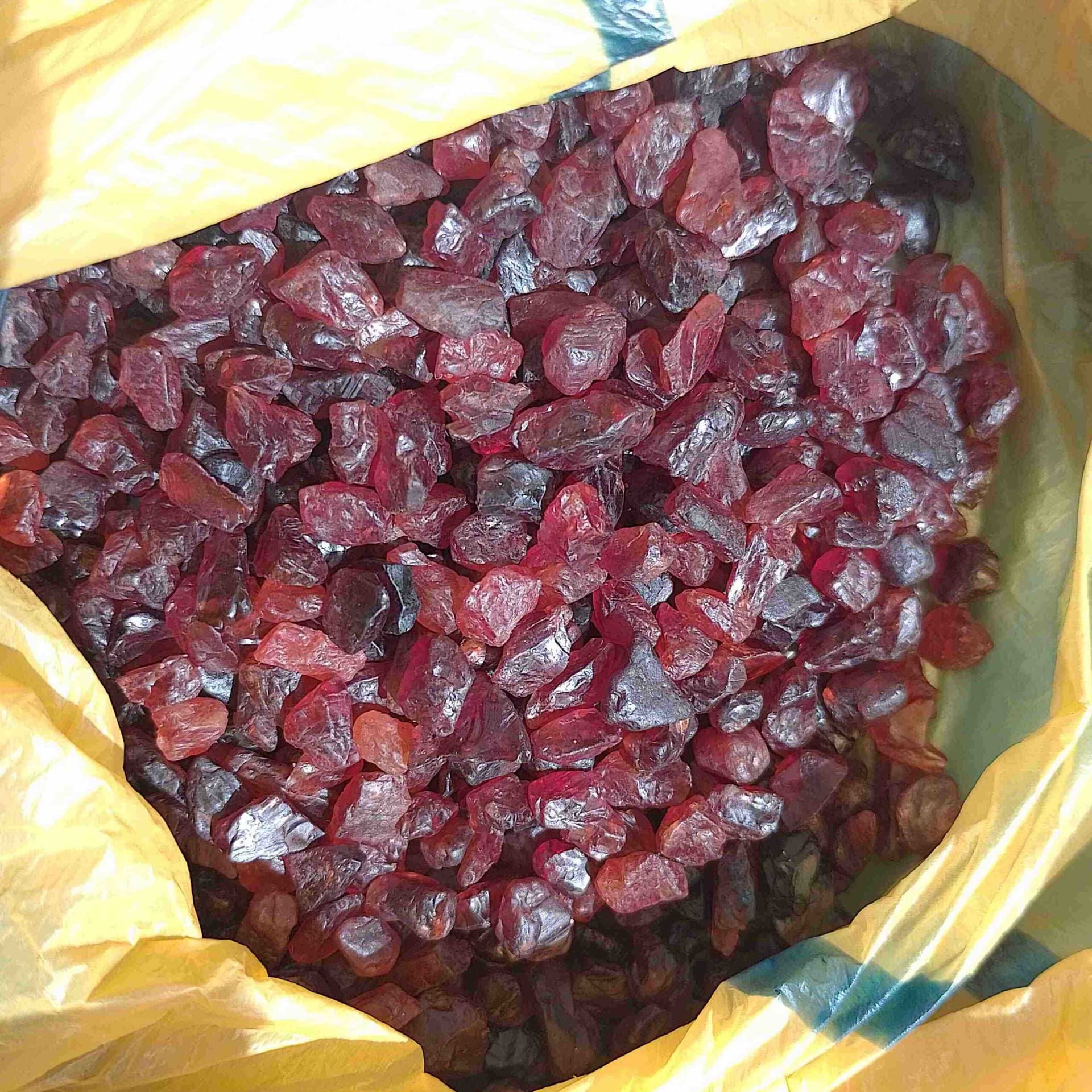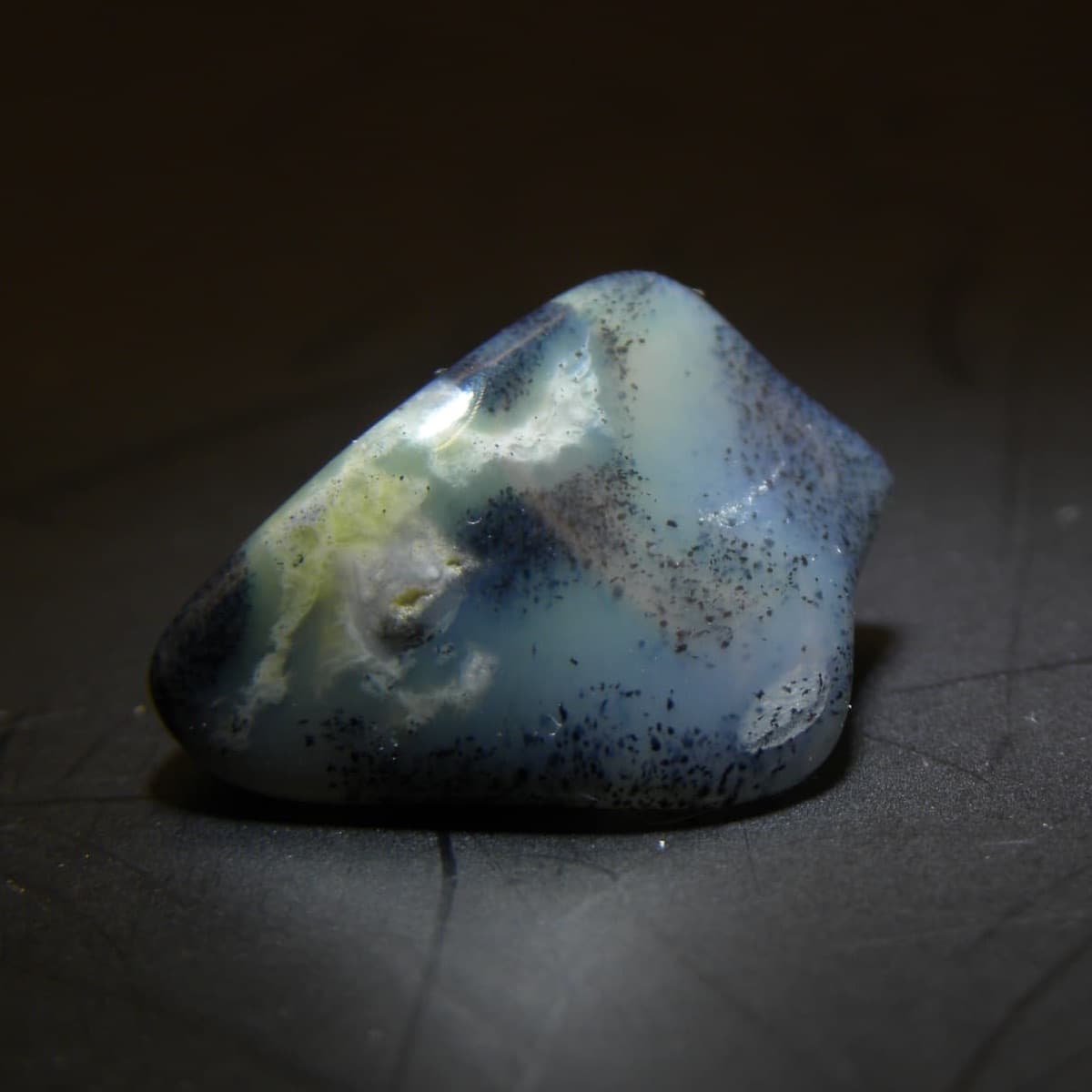
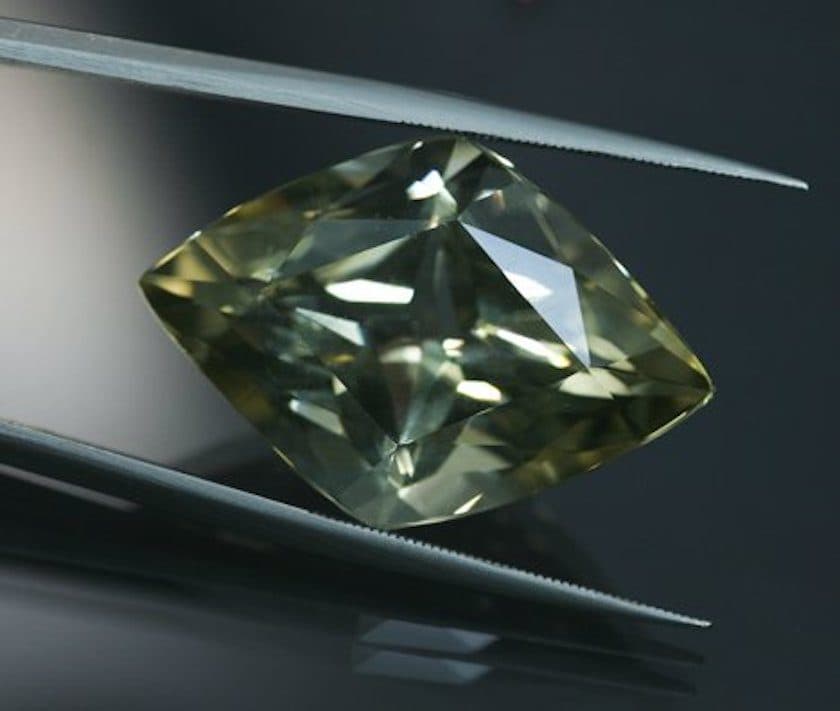
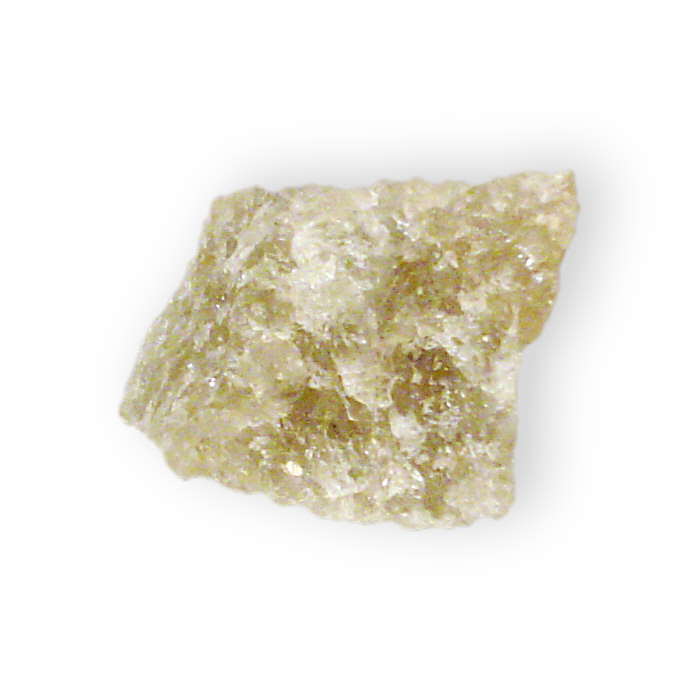
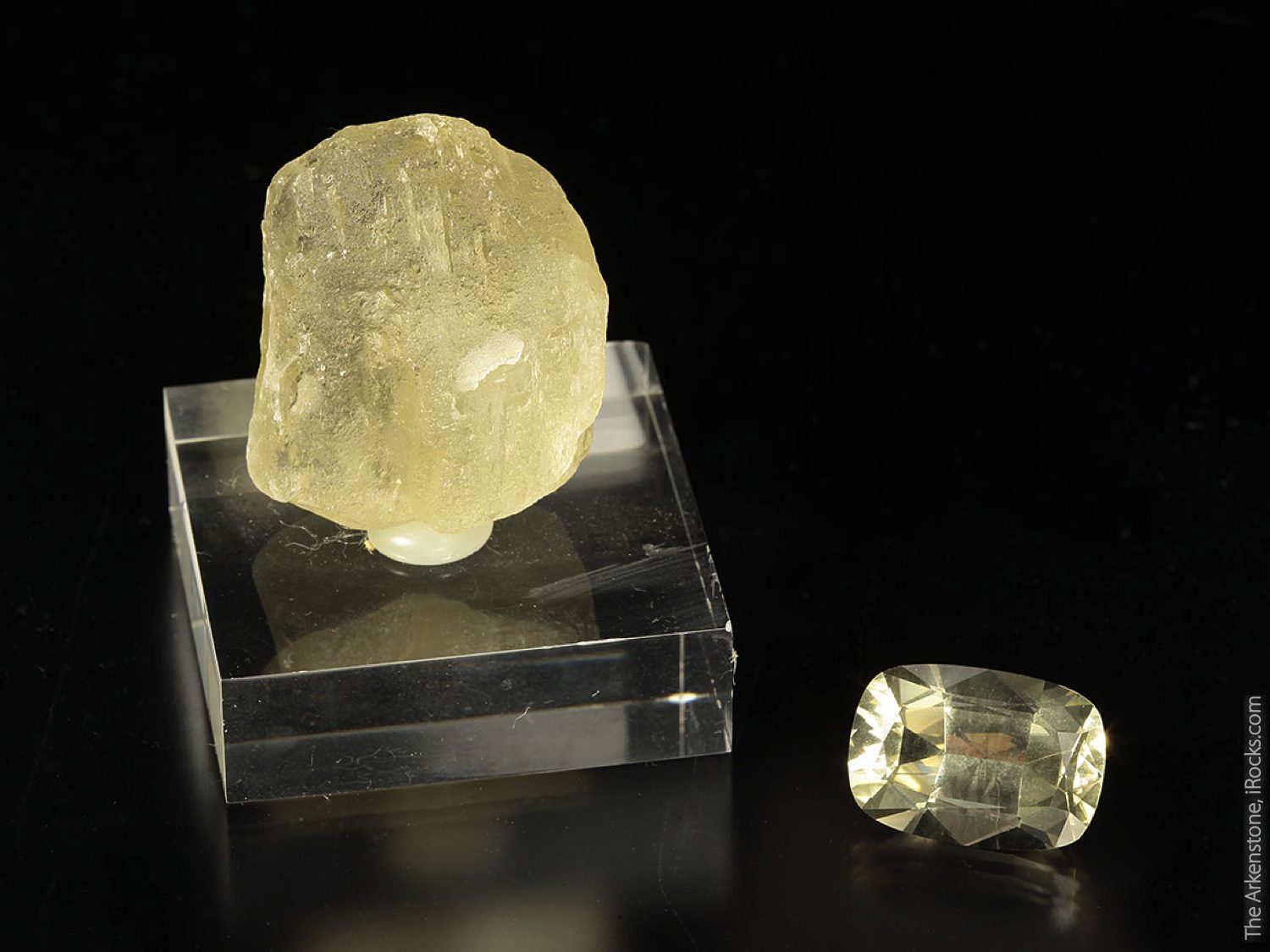
Although bytownite occurs throughout the world, this feldspar variety is rarely encountered in gem-quality condition.
1 Minute Read
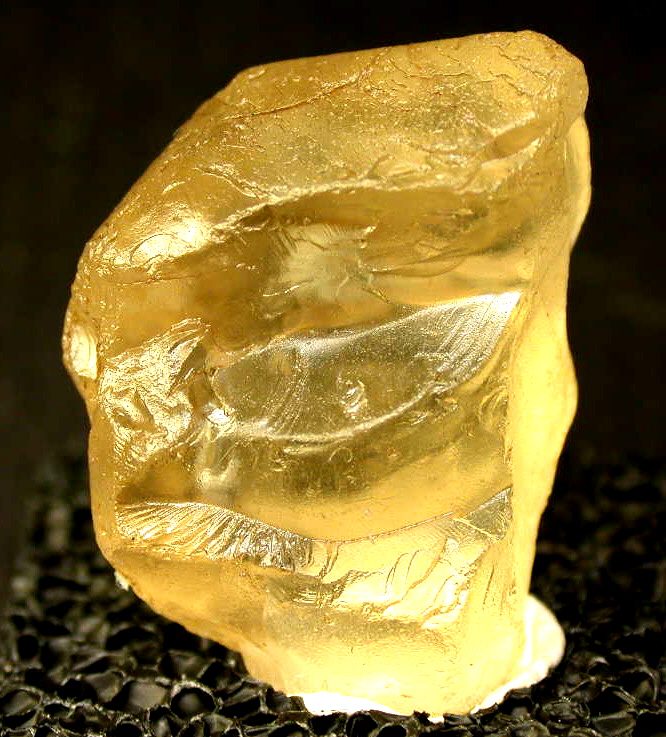
Bytownite is part of the plagioclase feldspar solid solution series. It has a composition closer to calcium-rich anorthite than sodium-rich albite, about 70-90% to 10-30%, respectively. Bytownites occur in a great variety of rock types and environments, However, transparent crystals are rare.
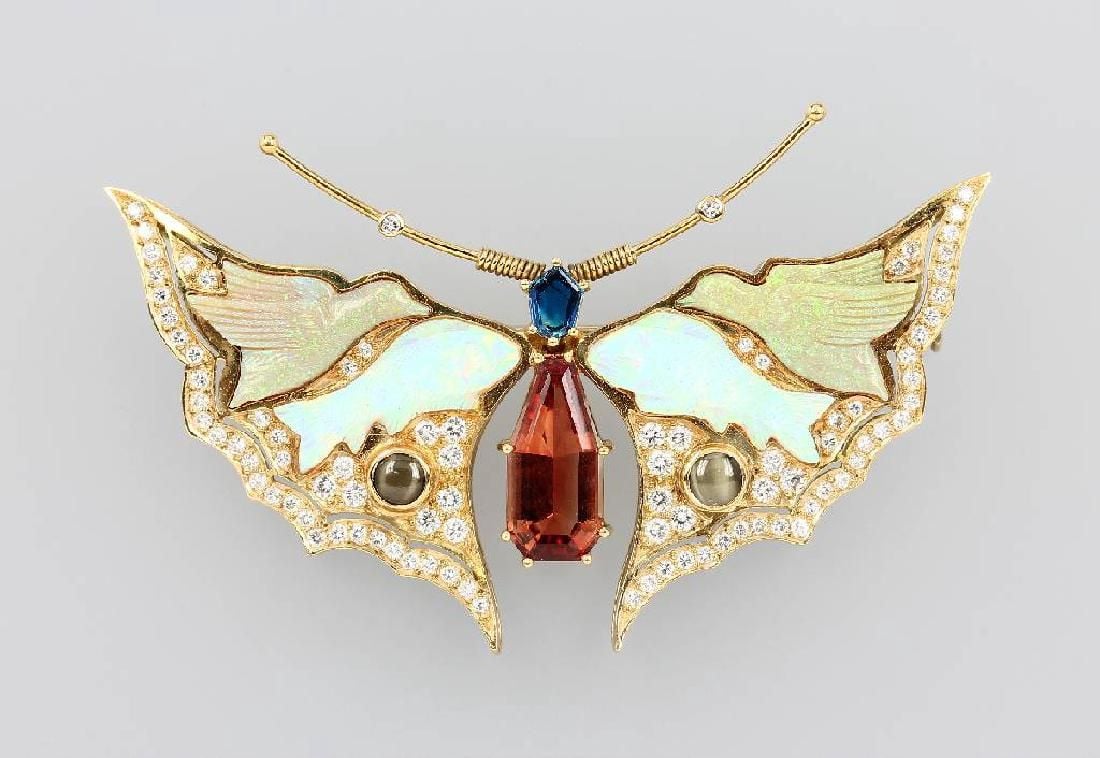
Some plagioclases, like labradorite, make popular gemstones. Nevertheless, with a hardness of 6 to 6.5 and perfect cleavage in one direction and good or imperfect in two others, bytownites are still susceptible to damage from scratches and blows against hard surfaces. As ring stones, bytownites would need protective settings. Use for earrings, pendants, and brooches would be more advisable.
There are no known synthetic bytownites or treatments for natural specimens.
Chihuahua, Mexico produces gem-quality bytownites.
In the United States, reddish bytownite pebbles from Arizona and New Mexico have been faceted into small gems. Bytownites have also been reported from Plush, Oregon, a well-known locality for facetable labradorite crystals. Some of these feldspars may have a borderline composition and cross over into the bytownite range.
Other notable gem-quality sources include the following:
Due to their cleavage, avoid cleaning bytownites with mechanical cleaning systems, like steam and ultrasound. Clean them only with a soft brush, mild detergent, and warm water. Consult our gemstone jewelry cleaning guide for more recommendations.

When you join the IGS community, you get trusted diamond & gemstone information when you need it.
Bytownite is part of the plagioclase feldspar solid solution series. It has a composition closer to calcium-rich anorthite than sodium-rich albite, about 70-90% to 10-30%, respectively. Bytownites occur in a great variety of rock types and environments, However, transparent crystals are rare.
Some plagioclases, like labradorite, make popular gemstones. Nevertheless, with a hardness of 6 to 6.5 and perfect cleavage in one direction and good or imperfect in two others, bytownites are still susceptible to damage from scratches and blows against hard surfaces. As ring stones, bytownites would need protective settings. Use for earrings, pendants, and brooches would be more advisable.
There are no known synthetic bytownites or treatments for natural specimens.
Chihuahua, Mexico produces gem-quality bytownites.
In the United States, reddish bytownite pebbles from Arizona and New Mexico have been faceted into small gems. Bytownites have also been reported from Plush, Oregon, a well-known locality for facetable labradorite crystals. Some of these feldspars may have a borderline composition and cross over into the bytownite range.
Other notable gem-quality sources include the following:
Due to their cleavage, avoid cleaning bytownites with mechanical cleaning systems, like steam and ultrasound. Clean them only with a soft brush, mild detergent, and warm water. Consult our gemstone jewelry cleaning guide for more recommendations.


Although bytownite occurs throughout the world, this feldspar variety is rarely encountered in gem-quality condition.