Diamond testing tools have evolved. Learn how the latest devices compare when distinguishing lab-grown from natural diamonds.
17 Minute Read
Initially, gemologists relied on color and the presence of metallic inclusions to distinguish lab-grown diamonds from their Earth-mined counterparts. This method remained effective for decades. In fact, the earliest screening equipment focused primarily on separating diamonds from their simulants, such as cubic zirconia (CZ). Starting in 1995, synthetic moissanite became another concern.
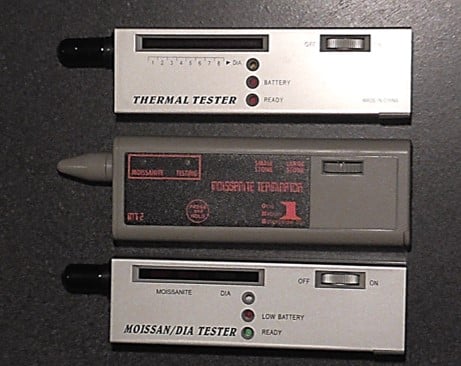
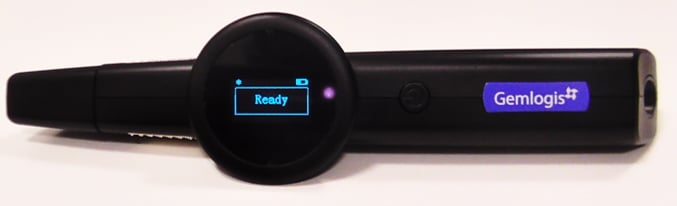
Standard gemological tests or basic thermal and electrical probes can distinguish simulants like CZ and moissanite from diamonds. However, these tools do not necessarily identify the exact material. Over the years, many versions of these probes have been produced. New designs, such as the Gemlogis Mantis, have also entered the market. These devices remain useful since some lab-grown diamond screeners assume their stones have already been ruled out as simulants.
Technology has focused more on differentiating Earth-mined from lab-grown diamonds than on identifying simulants. This is likely because consumers now have access to lab-grown diamonds, which are nearly identical to natural diamonds at a fraction of the price.
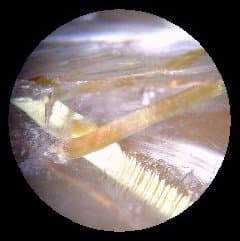
One of the earliest screening tools, the Diamond Eye, remains a favorite
…

When you join the IGS community, you get trusted diamond & gemstone information when you need it.
Initially, gemologists relied on color and the presence of metallic inclusions to distinguish lab-grown diamonds from their Earth-mined counterparts. This method remained effective for decades. In fact, the earliest screening equipment focused primarily on separating diamonds from their simulants, such as cubic zirconia (CZ). Starting in 1995, synthetic moissanite became another concern.
Standard gemological tests or basic thermal and electrical probes can distinguish simulants like CZ and moissanite from diamonds. However, these tools do not necessarily identify the exact material. Over the years, many versions of these probes have been produced. New designs, such as the Gemlogis Mantis, have also entered the market. These devices remain useful since some lab-grown diamond screeners assume their stones have already been ruled out as simulants.
Technology has focused more on differentiating Earth-mined from lab-grown diamonds than on identifying simulants. This is likely because consumers now have access to lab-grown diamonds, which are nearly identical to natural diamonds at a fraction of the price.
One of the earliest screening tools, the Diamond Eye, remains a favorite

Diamond testing tools have evolved. Learn how the latest devices compare when distinguishing lab-grown from natural diamonds.

“I have never known or heard of an organization that offers so much for its members, and at such a low cost.”
— Ernest Roisch, Rainbow Rocks LTD
That's less than $0.01 per article. Get instant access to 1,700+ premium articles, courses, and gem pricing data.