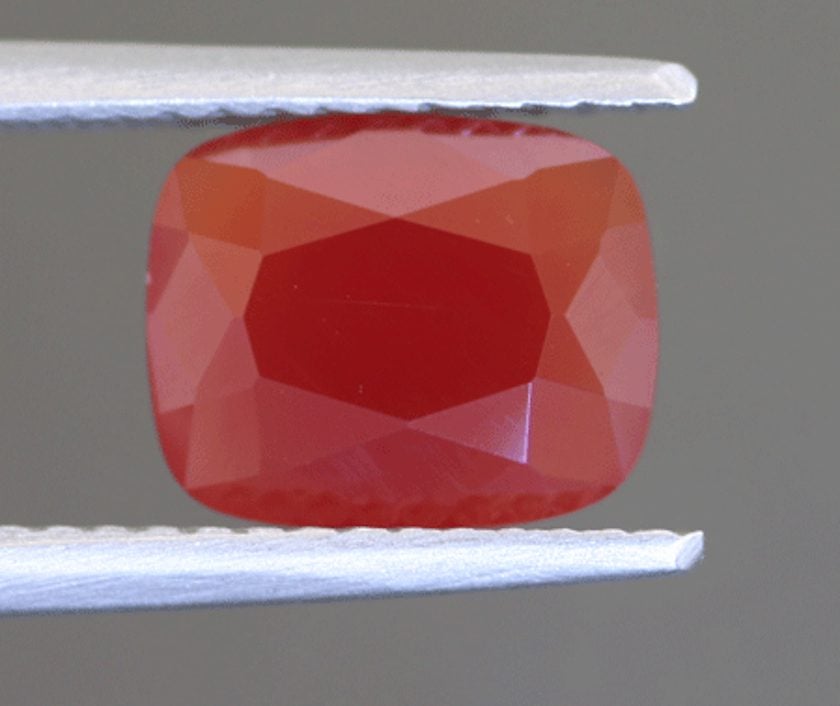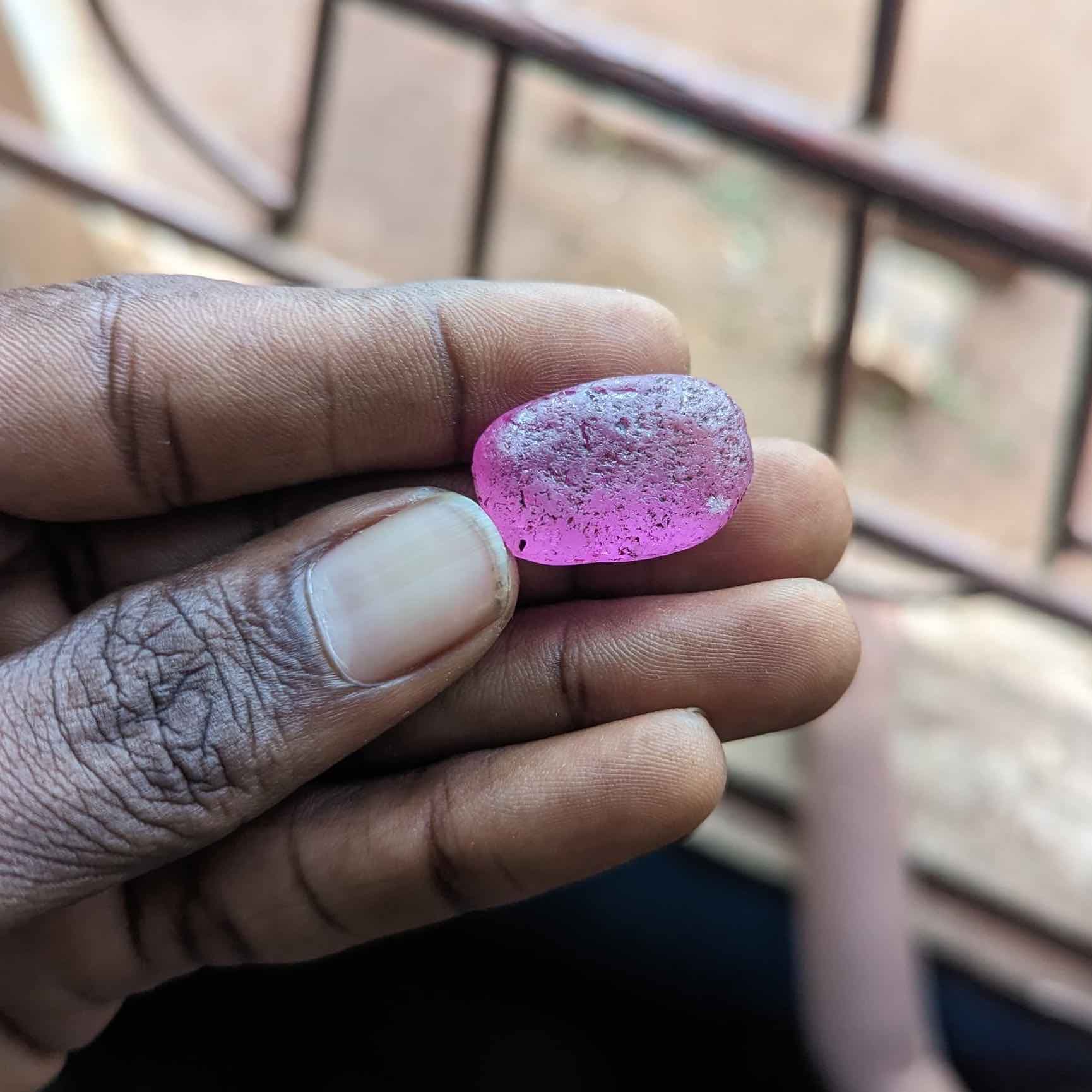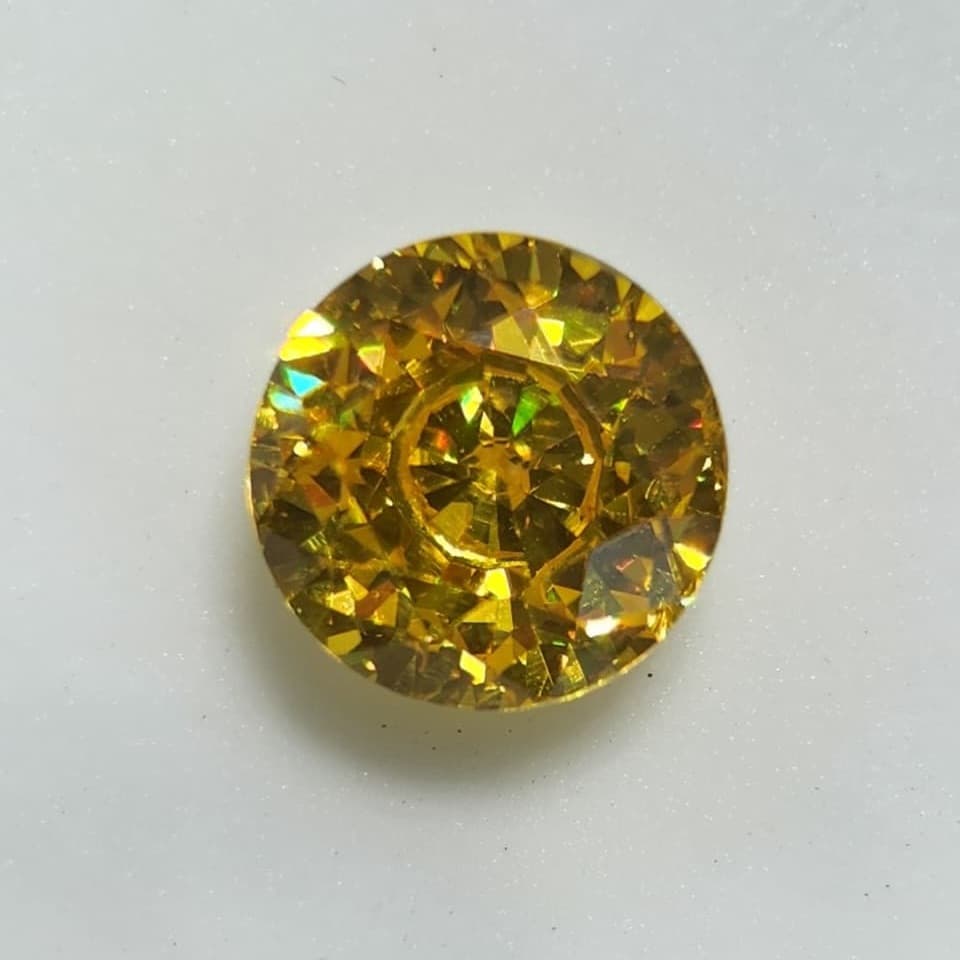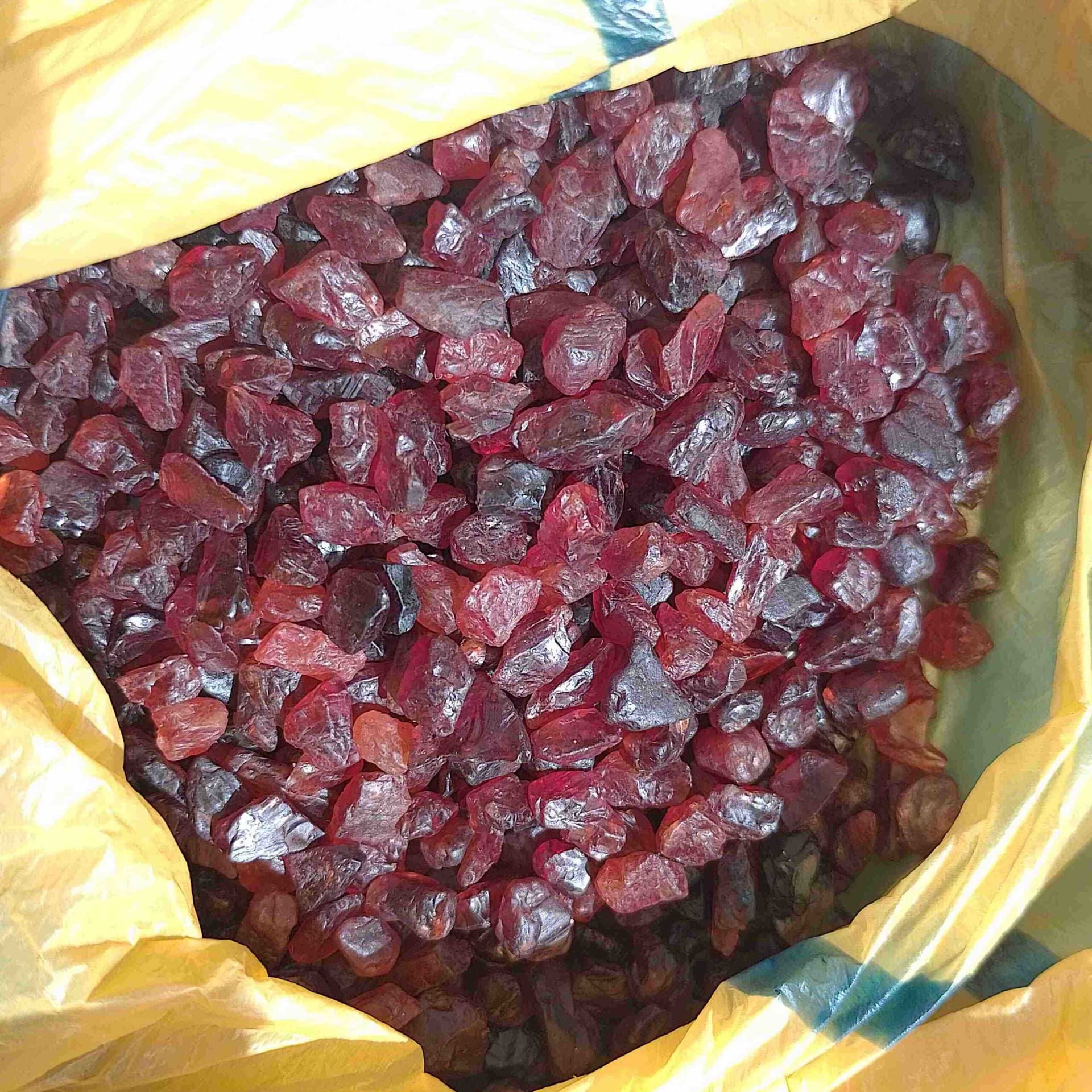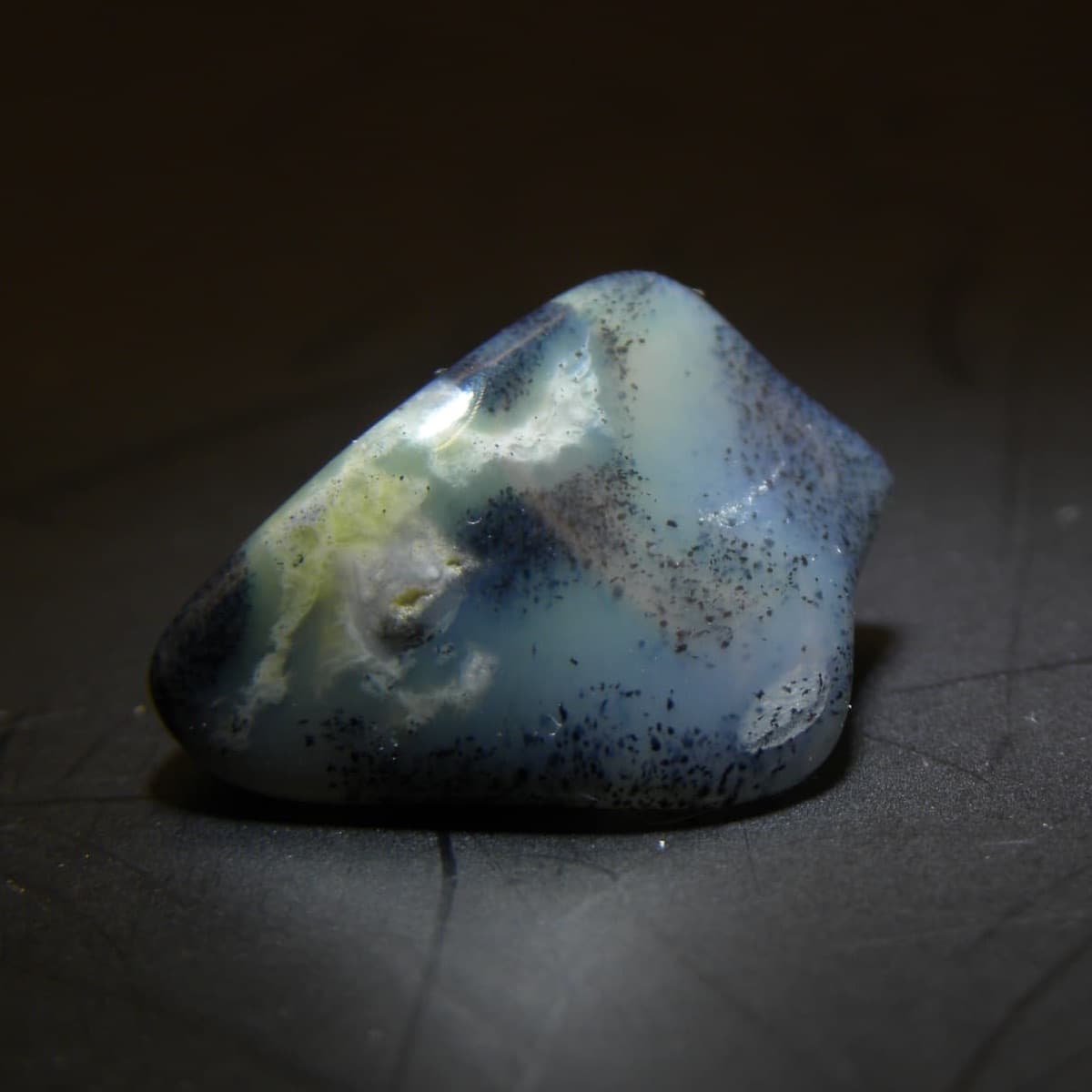
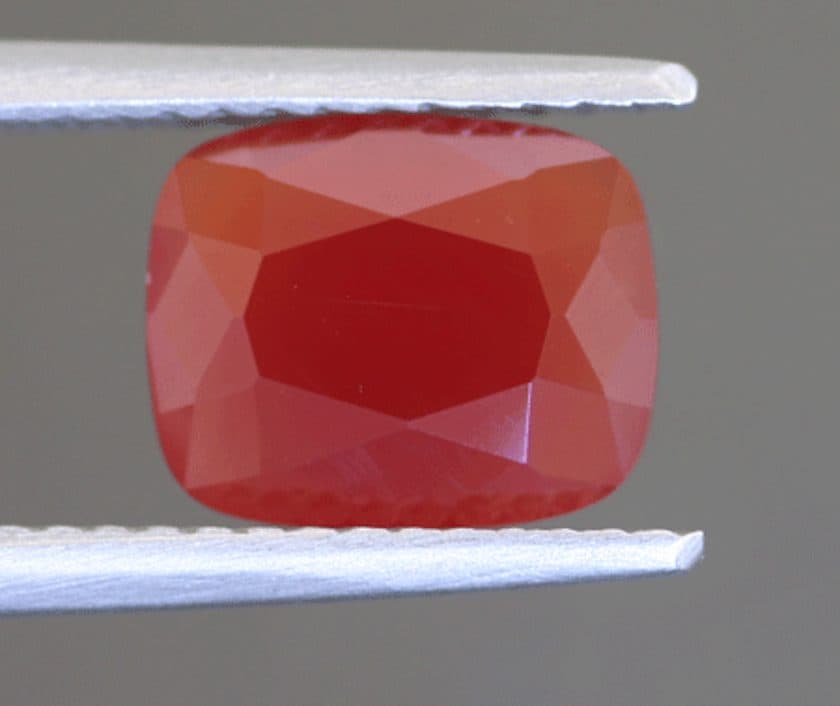
Friedelite is not abundant, and gem-quality material is rarely seen even in large collections. Faceted gems are true collector's items.
1 Minute Read
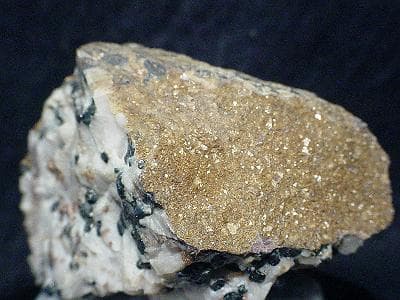
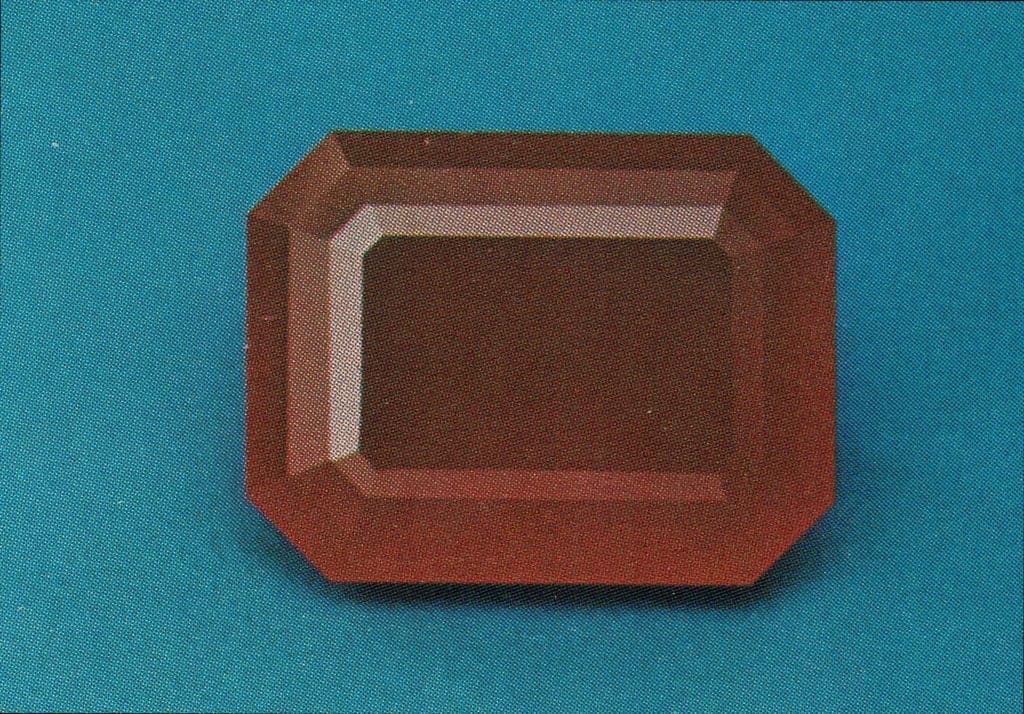
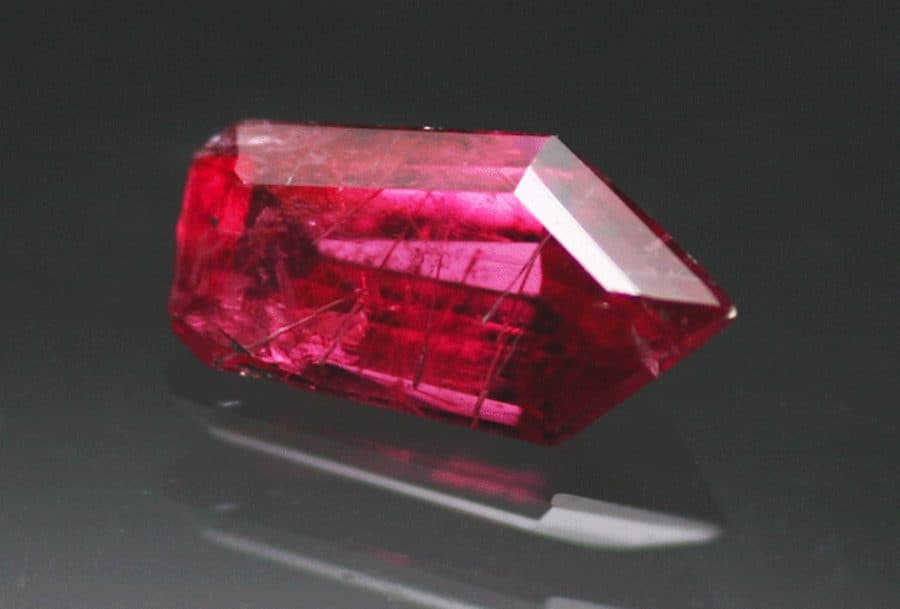
Lovely friedelite cabochons cut from Franklin, New Jersey material show rich, brownish red colors, while cabs cut from material from the deep manganese mine at Kuruman, South Africa show rose-red colors. Cut stones from both these locations are usually translucent. However, gem cutters have faceted very little of this material.
Friedelite belongs to the pyrosmalite mineral group, which includes schallerite and pyrosmalite.
Refractometer readings usually show a shadow edge at about 1.645.
No known synthetics.
Franklin, New Jersey produces gem-quality material, typically brownish and cryptocrystalline, that looks like fibrous chalcedony. Seams of the material at this deposit range up to 2 inches wide. Most gem-quality friedelites come from this location.
Kuruman, South Africa produces massive, dark rose-red material.
Other notable sources of this mineral include the following:
Translucent stones can normally range up to 1 to 5 carats in size. Although cabochons can be cut to about 30 x 40 mm, larger stones lose any transparency.
You're more likely to find friedelites, if at all, in mineral collections than in jewelry collections. These gems have significantly lower hardness (4-5) than more common jewelry stones. So, store them separately from other gems to avoid contact scratches. Use protective settings for ring wear. However, necklace and earring use should pose fewer risks. Clean these gems only with a soft brush, mild detergent, and warm water. Consult our gemstone jewelry cleaning guide for more recommendations.

When you join the IGS community, you get trusted diamond & gemstone information when you need it.
Lovely friedelite cabochons cut from Franklin, New Jersey material show rich, brownish red colors, while cabs cut from material from the deep manganese mine at Kuruman, South Africa show rose-red colors. Cut stones from both these locations are usually translucent. However, gem cutters have faceted very little of this material.
Friedelite belongs to the pyrosmalite mineral group, which includes and .
Refractometer readings usually show a shadow edge at about 1.645.
No known synthetics.
Franklin, New Jersey produces gem-quality material, typically brownish and cryptocrystalline, that looks like fibrous chalcedony. Seams of the material at this deposit range up to 2 inches wide. Most gem-quality friedelites come from this location.
Kuruman, South Africa produces massive, dark rose-red material.
Other notable sources of this mineral include the following:
Translucent stones can normally range up to 1 to 5 carats in size. Although cabochons can be cut to about 30 x 40 mm, larger stones lose any transparency.
You're more likely to find friedelites, if at all, in mineral collections than in jewelry collections. These gems have significantly lower hardness (4-5) than more common jewelry stones. So, store them separately from other gems to avoid contact scratches. Use protective settings for ring wear. However, necklace and earring use should pose fewer risks. Clean these gems only with a soft brush, mild detergent, and warm water. Consult our gemstone jewelry cleaning guide for more recommendations.


Friedelite is not abundant, and gem-quality material is rarely seen even in large collections. Faceted gems are true collector’s items.