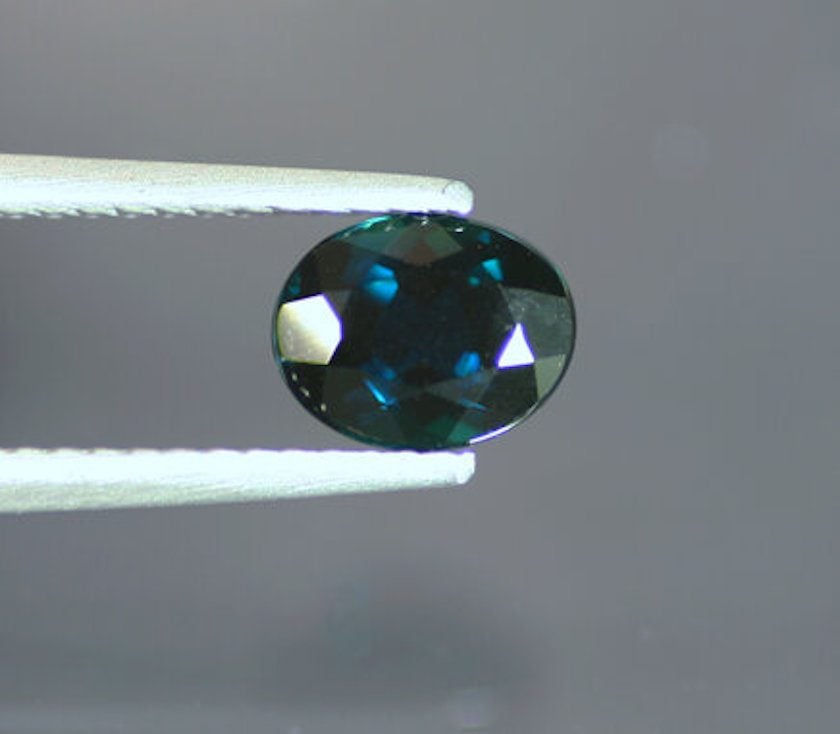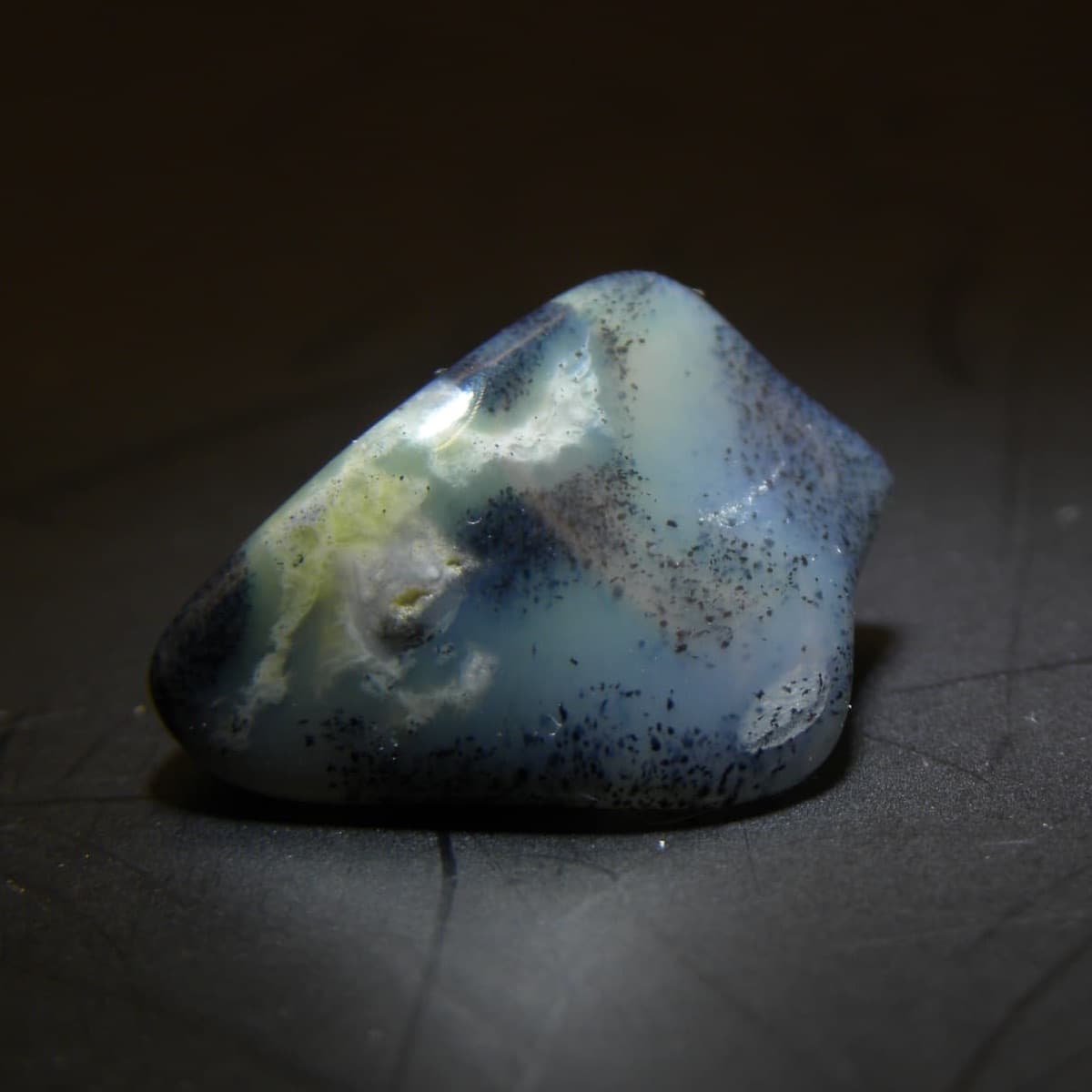
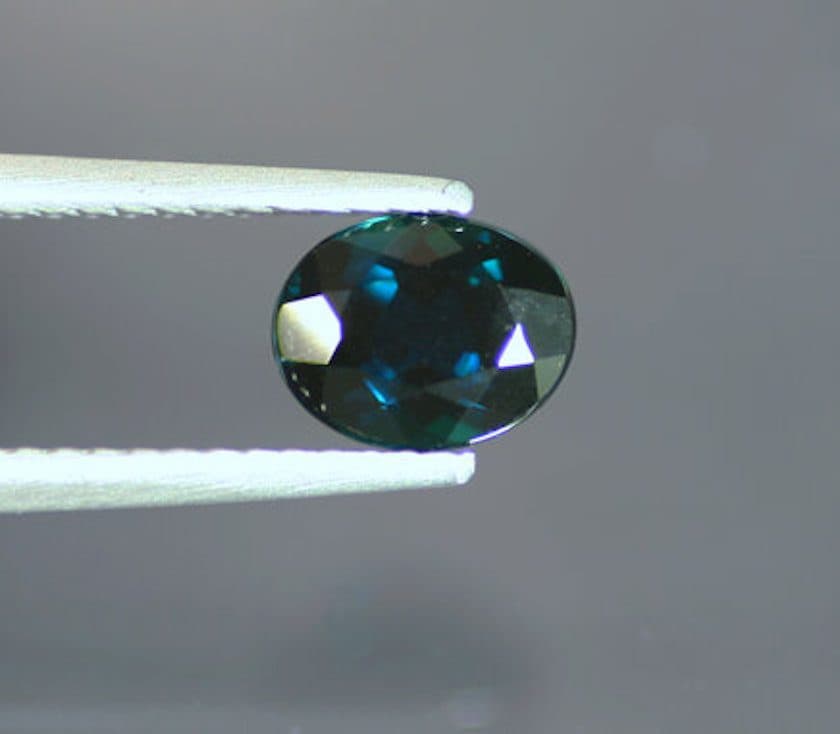
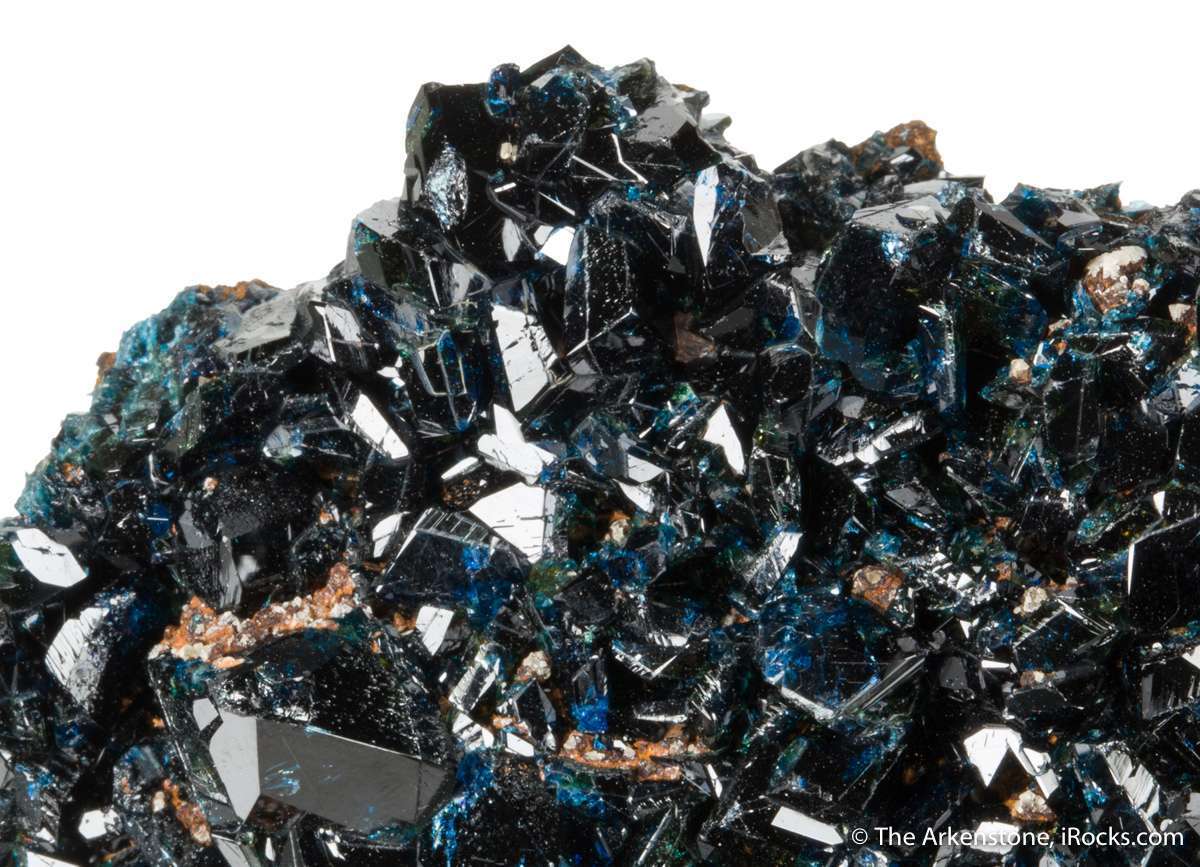
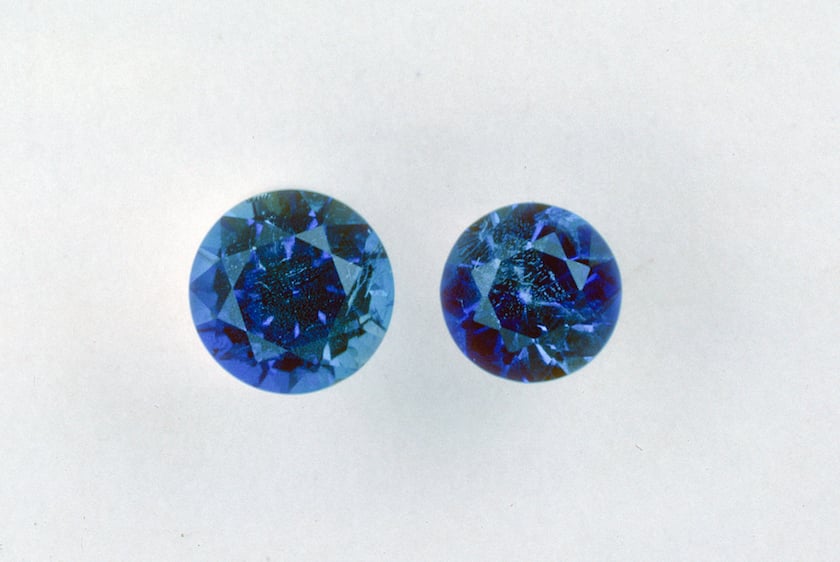
Lazulite makes a magnificent, deep blue gemstone. Although the mineral itself occurs widely, gem-quality rough is limited. Specimens are prized by collectors but can also be faceted with care or cut into cabochons for jewelry.
2 Minute Read
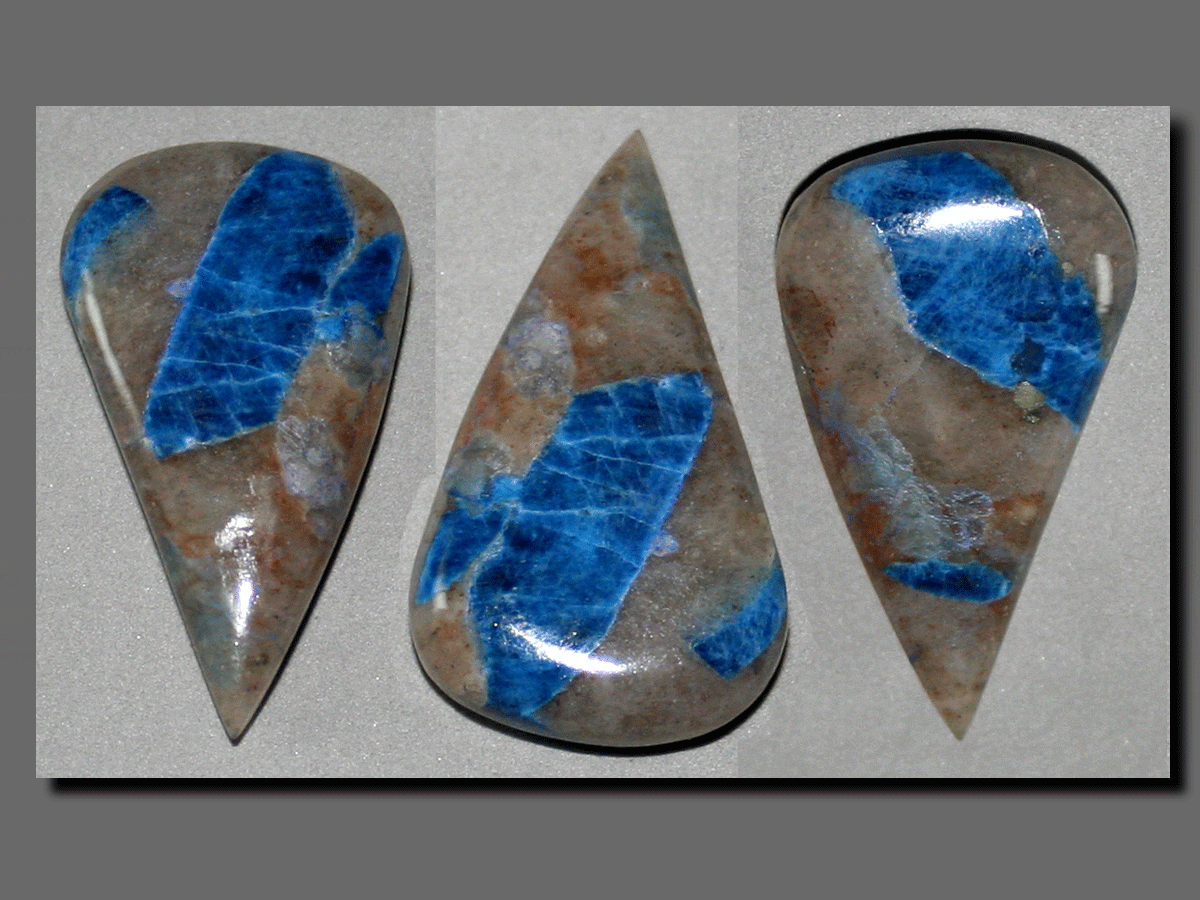
Although lazulite's hardness of 5.5 to 6 makes it a marginal choice for jewelry use, lapidaries have cut cabs from massive material, such as that found in New Hampshire or California. Clean stones over five carats are extremely rare. Even small gems tend to be extremely included, thus making lazulites susceptible to fracturing during cutting.
For ring use, set lazulites in protective settings. Other uses, such for pendants or earrings, do not require any special precautions.
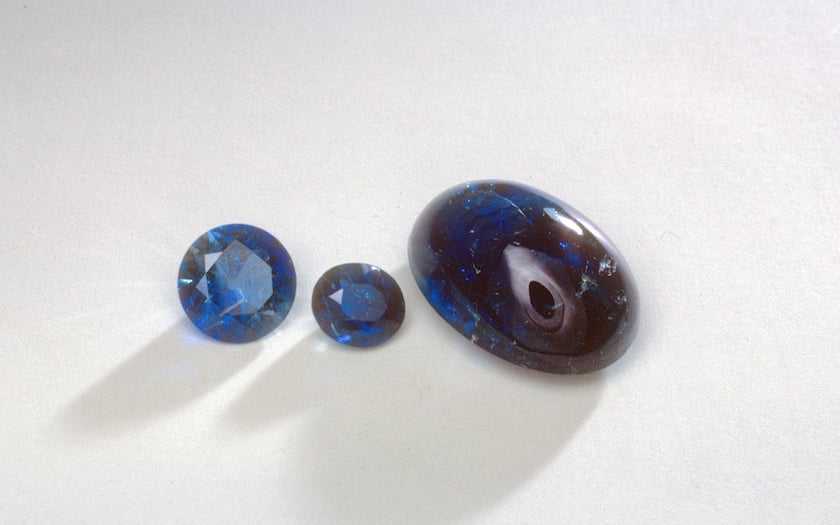
Faceted lazulite strongly resembles blue apatite. Other common mistaken identifications for this gem include azurite, turquoise, blue tourmaline and topaz, and lapis lazuli. Furthermore, lazulite not only resembles lapis lazuli, its name comes very close to the mineral "lazurite." Lazurite is one of the components of lapis lazuli rocks but has no relation to lazulites. Lazulite has no relation to lapis lazuli.
The lazulite mineral group includes the lazulite and scorzalite species. These form a solid-solution series: (Fe,Mg)Al2(PO4)2(OH)2. Lazulite is the magnesium member; scorzalite is the iron member. These gems show the same colors and strong trichroic pleochroism. However, their specific gravity (SG) and optical properties vary with their Fe/Mg ratio.
Property | Lazulite (Mg) | Mg½Fe½ | Scorzalite (Fe) |
| SG | 3.08 | 3.22 | 3.38 |
| Optics: | |||
| a | 1.604-1.625 | 1.626 | 1.627-1.639 |
| β | 1.633-1.653 | 1.654 | 1.655-1.670 |
| γ | 1.642-1.662 | 1.663 | 1.664-1.680 |
| Sign | (-) | (-) | (-) |
| 2V | 69° | - | 62° |
| Birefringence | 0.031-0.036 | 0.037 | 0.038-0.040 |
Lazulite has a white streak. Many common gemstones have a white streak, too. However, natural lapis lazuli should have a light blue streak. Please note: don't conduct streak testing on finished gems. Test material in inconspicuous spots as a last resort only.
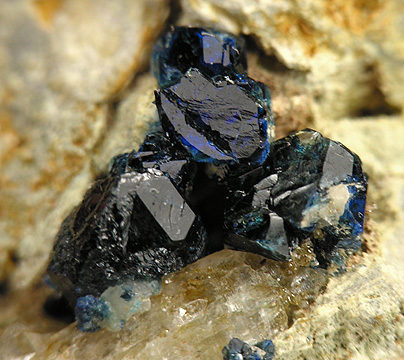
While scorzalite is a relatively rare mineral, lazulite is more abundant. Champion Mine, Mono County, California produces masses up to six inches across. Rapid Creek, Yukon, Canada yields fine, gemmy crystals.
Other notable gem-quality localities include:
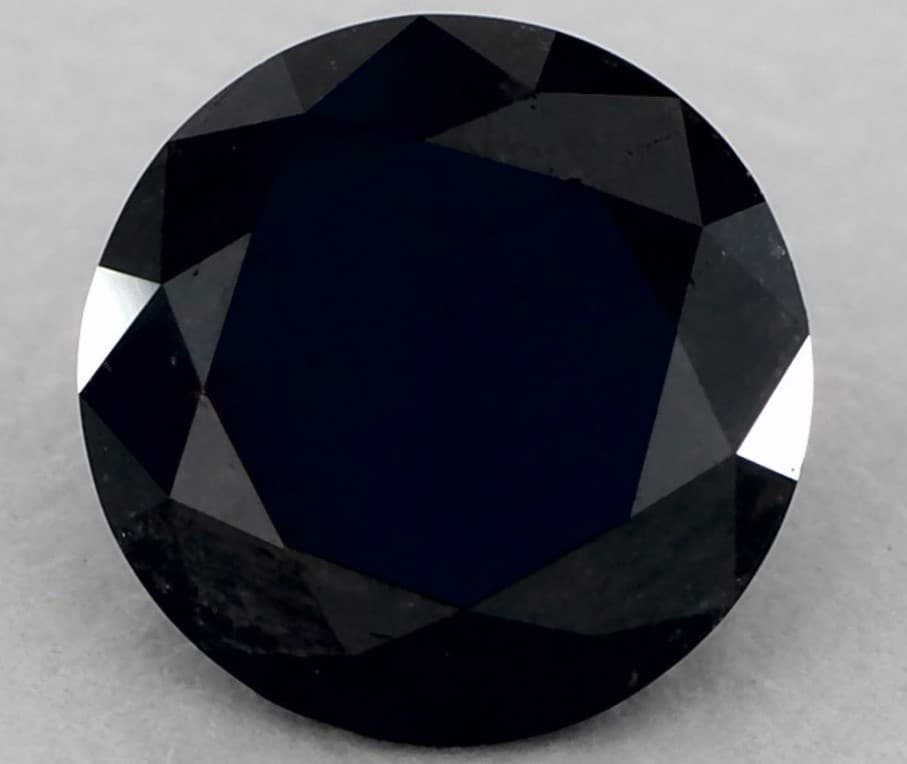
Faceted gems usually range from 0.5 to two carats. Anything larger, especially clean, is extremely rare. The large masses from California aren't clean enough to facet.
Store lazulite gems and jewelry separately from more commonly encountered gemstones, such as garnet, quartz, topaz, etc. Contact with these harder stones as well as common objects like a steel file could scratch lazulites. To clean, use a soft brush, mild detergent, and warm water. Consult our gemstone jewelry cleaning guide for more recommendations.

When you join the IGS community, you get trusted diamond & gemstone information when you need it.
Although lazulite's hardness of 5.5 to 6 makes it a marginal choice for jewelry use, lapidaries have cut cabs from massive material, such as that found in New Hampshire or California. Clean stones over five carats are extremely rare. Even small gems tend to be extremely included, thus making lazulites susceptible to fracturing during cutting.
For ring use, set lazulites in protective settings. Other uses, such for pendants or earrings, do not require any special precautions.
Faceted lazulite strongly resembles blue apatite. Other common mistaken identifications for this gem include azurite, turquoise, blue tourmaline and topaz, and lapis lazuli. Furthermore, lazulite not only resembles lapis lazuli, its name comes very close to the mineral "lazurite." Lazurite is one of the components of lapis lazuli rocks but has no relation to lazulites. Lazulite has no relation to lapis lazuli.
The lazulite mineral group includes the lazulite and scorzalite species. These form a solid-solution series: (Fe,Mg)Al2(PO4)2(OH)2. Lazulite is the magnesium member; scorzalite is the iron member. These gems show the same colors and strong trichroic pleochroism. However, their specific gravity (SG) and optical properties vary with their Fe/Mg ratio.
Property | Lazulite (Mg) | Mg½Fe½ | Scorzalite (Fe) |
| SG | 3.08 | 3.22 | 3.38 |
| Optics: | |||
| a | 1.604-1.625 | 1.626 | 1.627-1.639 |
| β | 1.633-1.653 | 1.654 | 1.655-1.670 |
| γ | 1.642-1.662 | 1.663 | 1.664-1.680 |
| Sign |
Lazulite has a white streak. Many common gemstones have a white streak, too. However, natural lapis lazuli should have a light blue streak. Please note: don't conduct streak testing on finished gems. Test material in inconspicuous spots as a last resort only.
While scorzalite is a relatively rare mineral, lazulite is more abundant. Champion Mine, Mono County, California produces masses up to six inches across. Rapid Creek, Yukon, Canada yields fine, gemmy crystals.
Other notable gem-quality localities include:
Faceted gems usually range from 0.5 to two carats. Anything larger, especially clean, is extremely rare. The large masses from California aren't clean enough to facet.
Store lazulite gems and jewelry separately from more commonly encountered gemstones, such as garnet, quartz, topaz, etc. Contact with these harder stones as well as common objects like a steel file could scratch lazulites. To clean, use a soft brush, mild detergent, and warm water. Consult our gemstone jewelry cleaning guide for more recommendations.


(-)
(-) |
(-) |
| 2V | 69° | - | 62° |
| Birefringence | 0.031-0.036 | 0.037 | 0.038-0.040 |
Lazulite makes a magnificent, deep blue gemstone. Although the mineral itself occurs widely, gem-quality rough is limited. Specimens are prized by collectors but can also be faceted with care or cut into cabochons for jewelry.