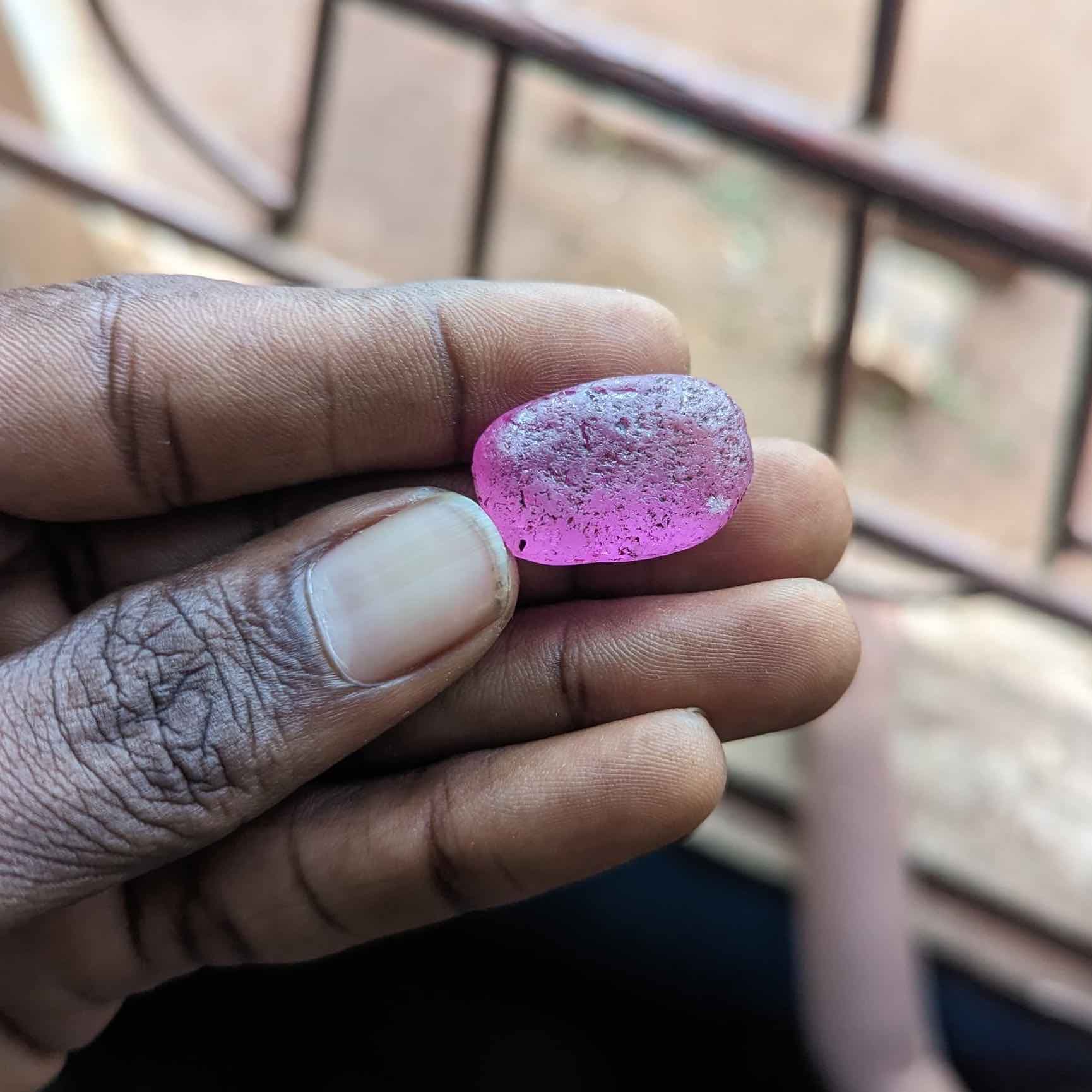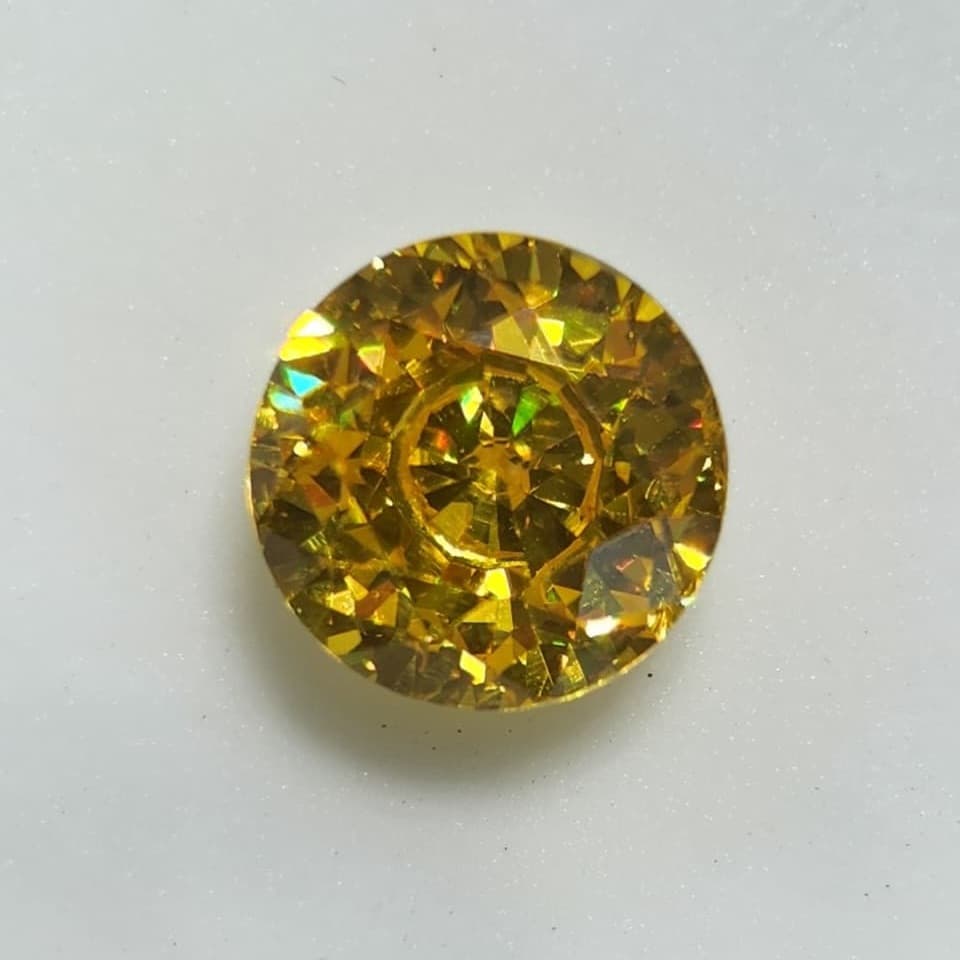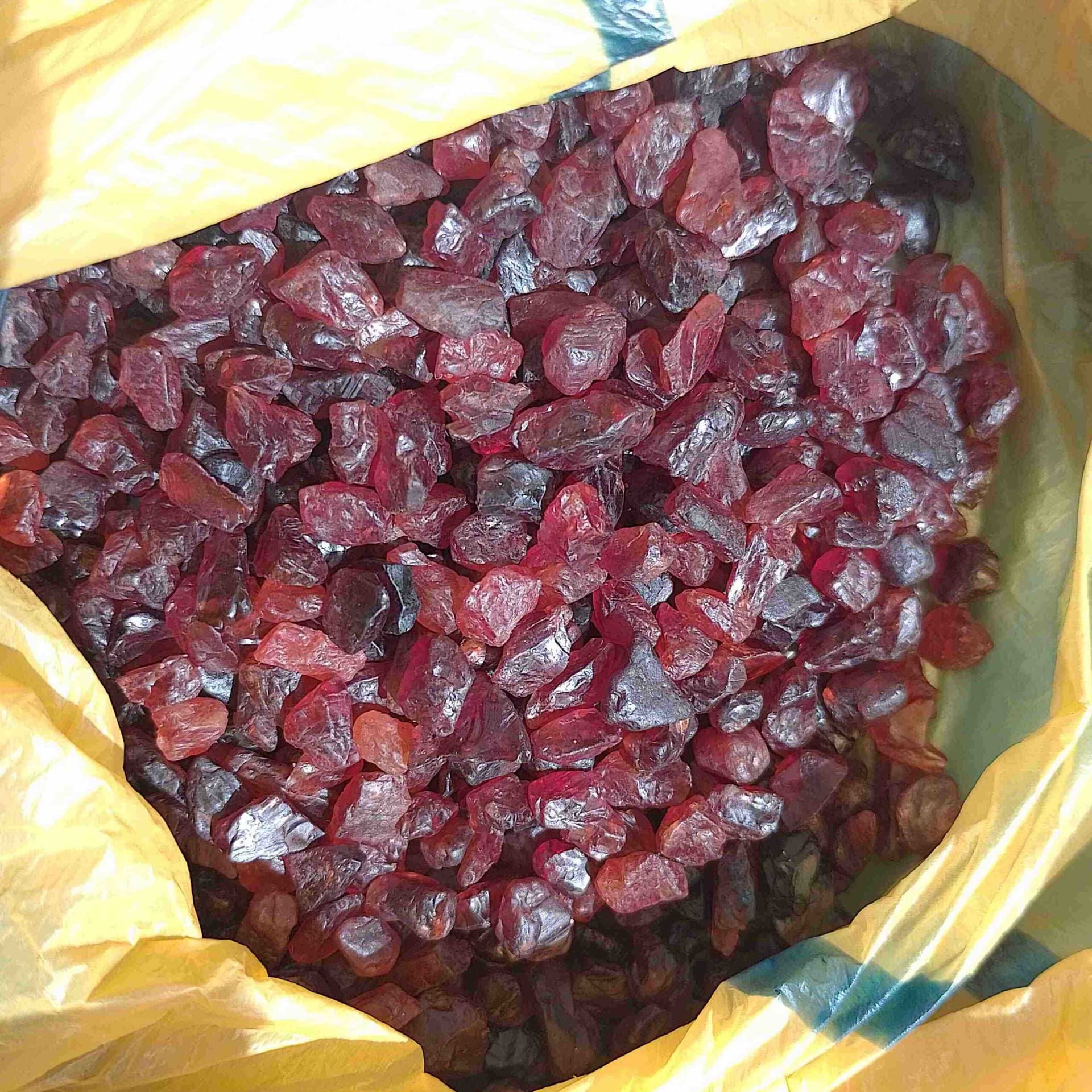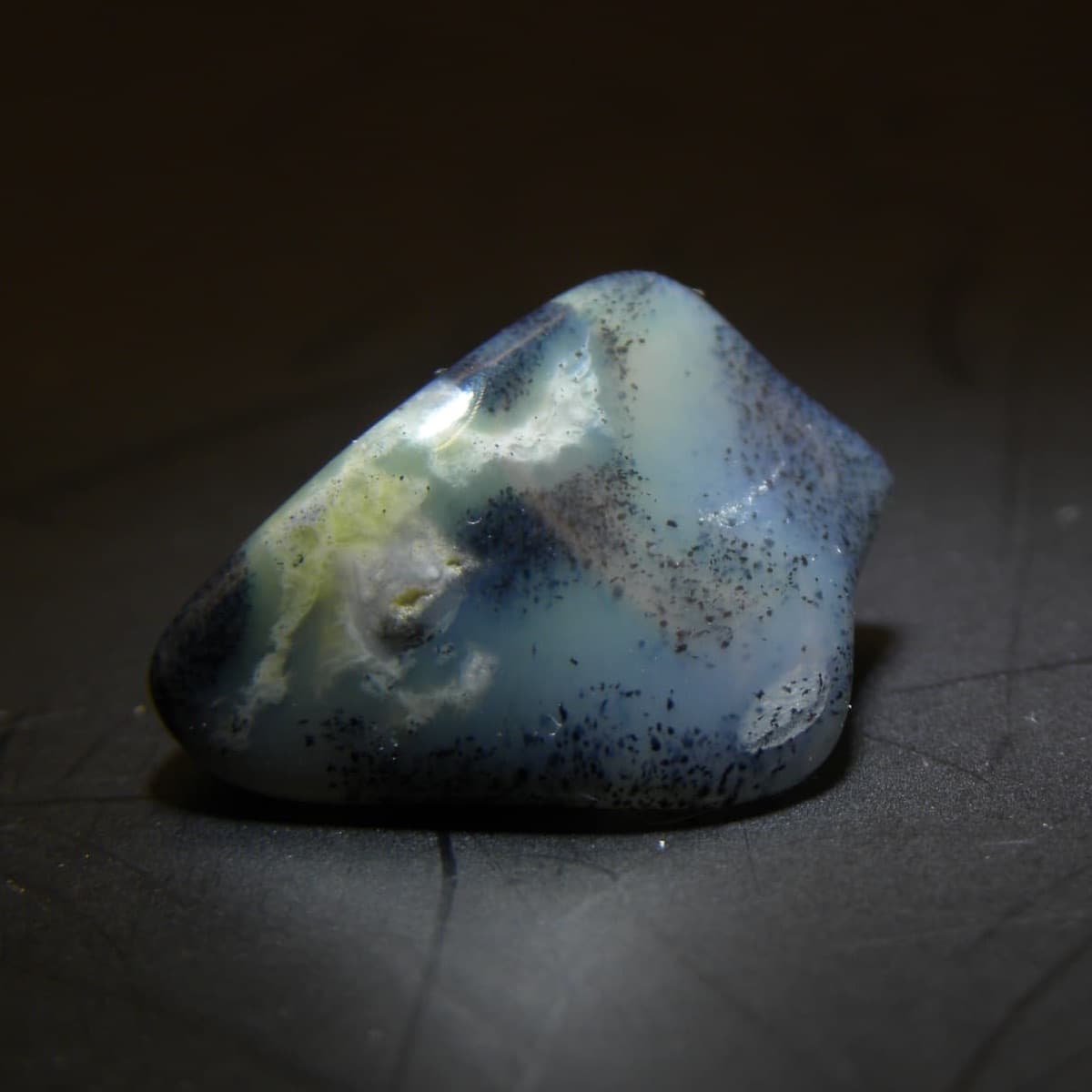
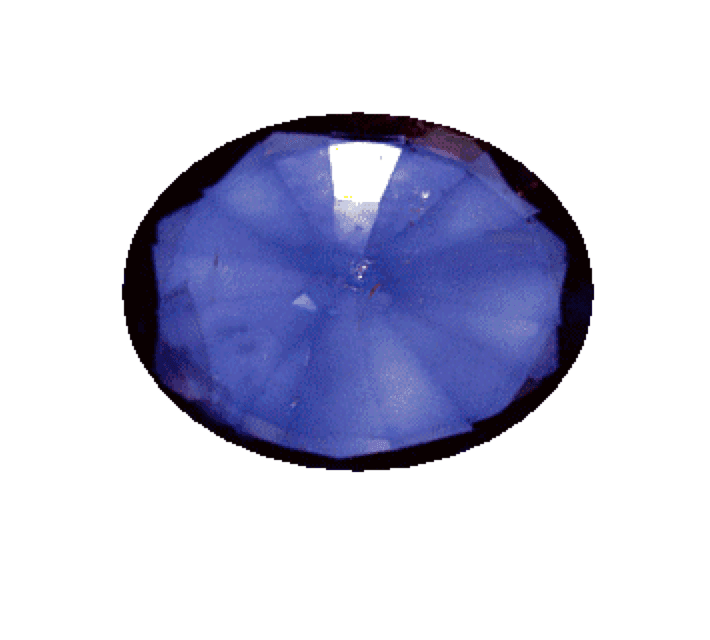
Learn how to spot diffusion treated gems with a simple immersion test. This common treatment for sapphire can significantly reduce their value and prevents re-cutting and re-polishing.
2 Minute Read
This inspection process is simple. First, you need a substage, diffused light source. A microscope, polariscope, or even a flashlight will do. If you don’t have a frosted glass plate, simply lay a tissue over the light.
Next, place a small glass beaker over the light and fill it partially with an immersion or refraction fluid. Choose a liquid with a refractive index (RI) close to that of the test stone. For example, methylene iodide has an RI of 1.74, ideal for corundum stones like ruby and sapphire.
Keep in mind that many immersion fluids can be harmful. Although safer alternatives may be available, always exercise caution.
Use the following chart to find a good immersion liquid for your gem.
| Immersion Fluids | RI |
| Water | 1.33 |
| Alcohol | 1.36 |
| Corn oil | 1.47-1.48 |
| Olive oil | 1.44-1.47 |
| Glycerin oil (glycerol) | 1.47 |
| Almond oil | 1.45-1.47 |
| Clove oil | 1.53-1.54 |
| Wintergreen oil | 1.54 |
| Anise oil | 1.54-1.56 |
| Cinnamon oil | 1.59-1.62 |
Once you’ve set up your equipment, immerse the gem in the fluid and examine it.
When you put a stone in a liquid with the same RI, it virtually disappears. Light passes through the…


When you join the IGS community, you get trusted diamond & gemstone information when you need it.
This inspection process is simple. First, you need a substage, diffused light source. A microscope, polariscope, or even a flashlight will do. If you don’t have a frosted glass plate, simply lay a tissue over the light.
Next, place a small glass beaker over the light and fill it partially with an immersion or refraction fluid. Choose a liquid with a refractive index (RI) close to that of the test stone. For example, methylene iodide has an RI of 1.74, ideal for corundum stones like ruby and sapphire.
Keep in mind that many immersion fluids can be harmful. Although safer alternatives may be available, always exercise caution.
Use the following chart to find a good immersion liquid for your gem.
| Immersion Fluids | RI |
| Water | 1.33 |
| Alcohol | 1.36 |
| Corn oil | 1.47-1.48 |
| Olive oil | 1.44-1.47 |
| Glycerin oil (glycerol) | 1.47 |
| Almond oil | 1.45-1.47 |
| Clove oil | 1.53-1.54 |
| Wintergreen oil | 1.54 |
| Anise oil | 1.54-1.56 |
| Cinnamon oil | 1.59-1.62 |
Once you’ve set up your equipment, immerse the gem in the fluid and examine it.
When you put a stone in a liquid with the same RI, it virtually disappears. Light passes through the…

Learn how to spot diffusion treated gems with a simple immersion test. This common treatment for sapphire can significantly reduce their value and prevents re-cutting and re-polishing.

“I have never known or heard of an organization that offers so much for its members, and at such a low cost.”
— Ernest Roisch, Rainbow Rocks LTD
That's less than $0.01 per article. Get instant access to 1,700+ premium articles, courses, and gem pricing data.