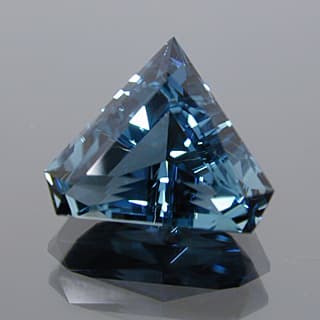
Our indicolite buying guide can help you learn how these blue tourmalines are graded, what to avoid, and how to identify a high-quality stone.
3 Minute Read

When you join the IGS community, you get trusted diamond & gemstone information when you need it.
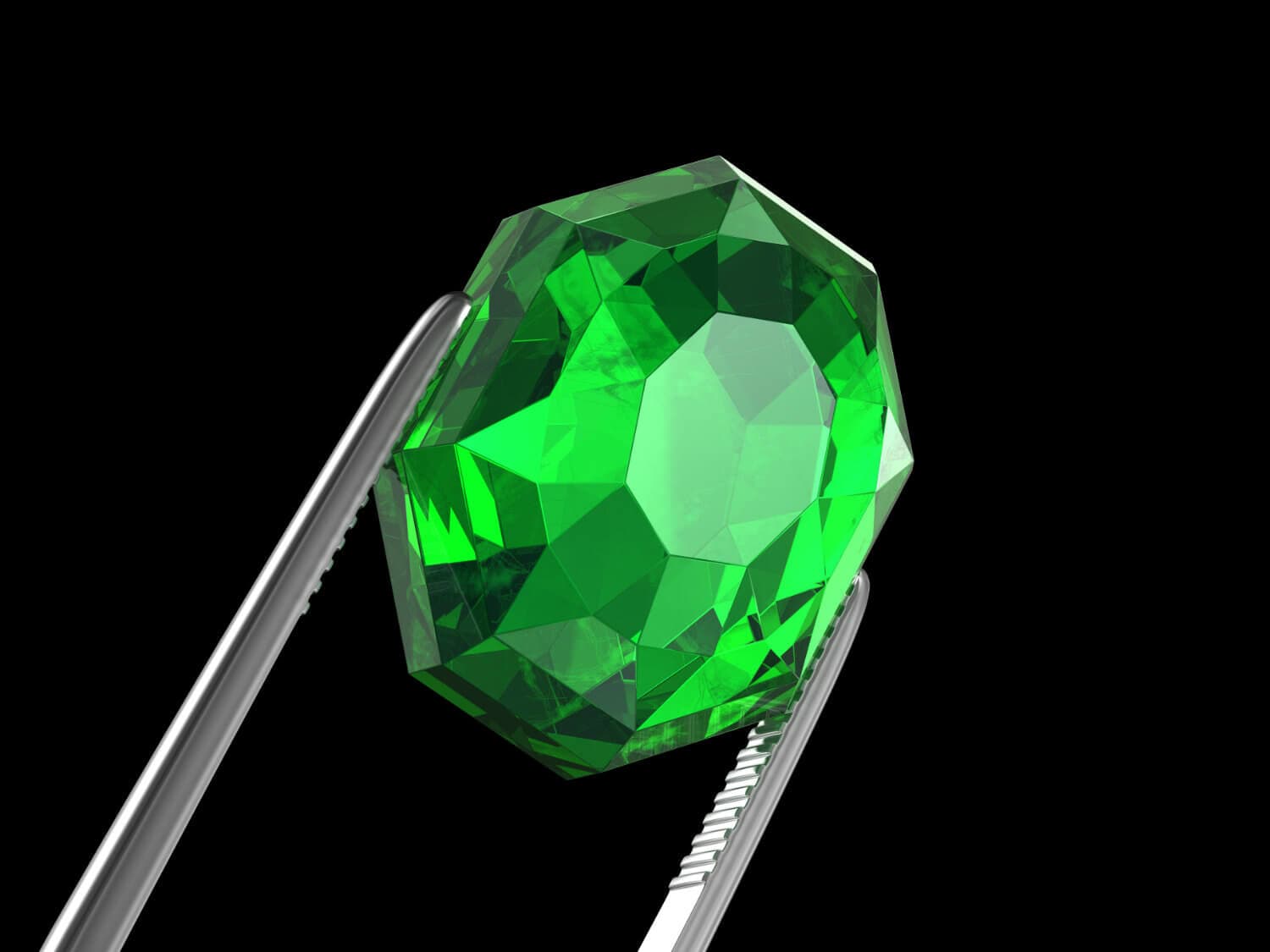
With a hardness of 7 to 7.5 and no cleavage, tourmalines of all types have good durability. However, watch out for stones with flaws/low clarity because these may be weaker.
For more information on general tourmaline quality factors, consult our tourmaline buying guide.
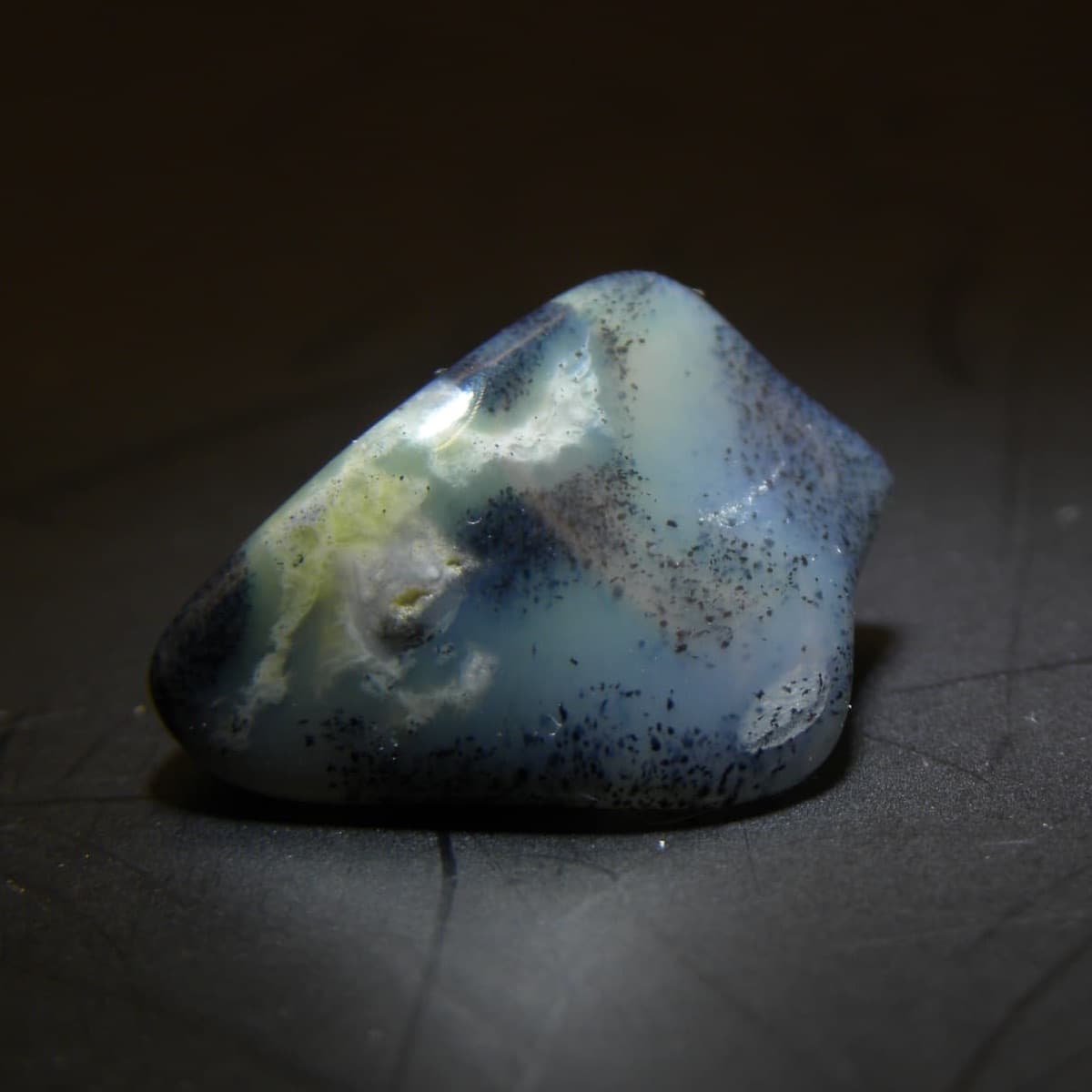
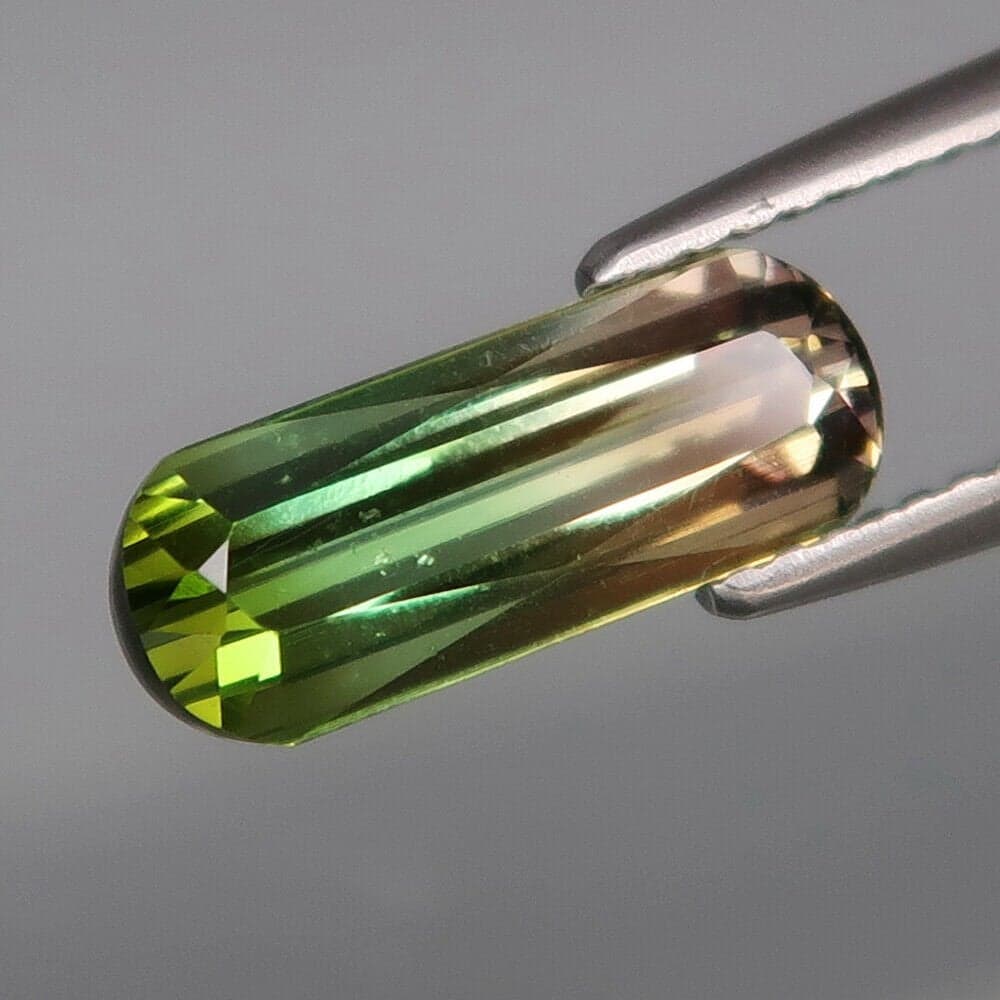
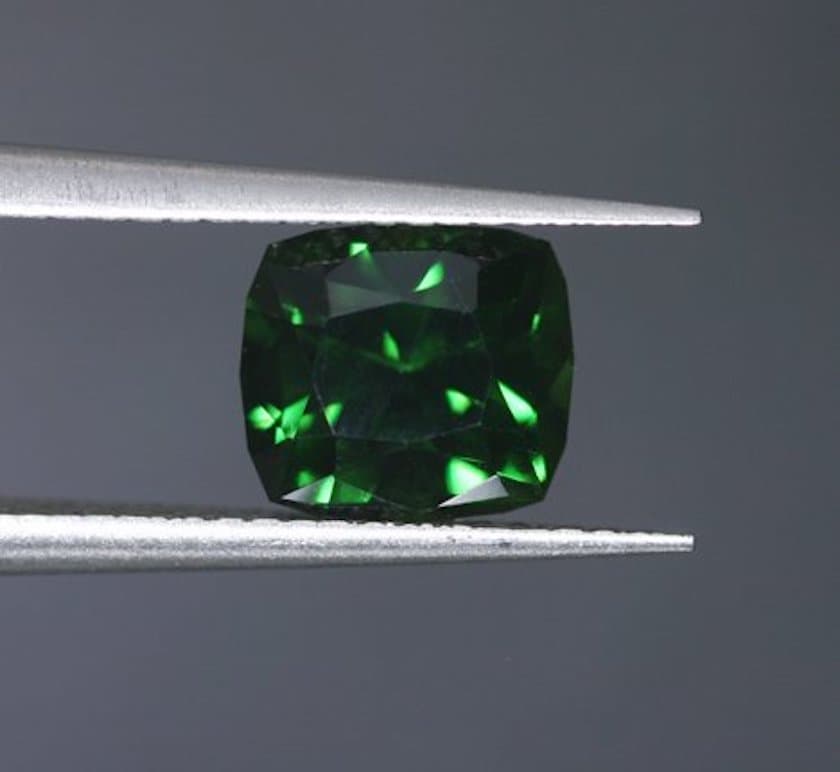
Indicolites can range from light to dark saturated blue. Although color grading is a judgment call, I think many tourmalines sold as blue are misrepresented. In my opinion, an indicolite can be any shade or color as long as blue predominates. For example, most indicolites have some degree of green in them. (See the gem to the right, for example).
I would call a blue/green stone with dominant blue a blue tourmaline. If the green dominates, I’d call it a green tourmaline or verdelite. Generally, blue brings more money, which explains why some in the trade are eager to call blue/green tourmalines indicolites even if the green predominates.
Of course, most tourmalines receive heat treatments, which can remove or lighten any green tones.
The well-known paraíba tourmaline possesses the top color for all blue tourmalines. These copper-bearing stones can show a neon blue….
Our indicolite buying guide can help you learn how these blue tourmalines are graded, what to avoid, and how to identify a high-quality stone.

“I have never known or heard of an organization that offers so much for its members, and at such a low cost.”
— Ernest Roisch, Rainbow Rocks LTD
That's less than $0.01 per article. Get instant access to 1,700+ premium articles, courses, and gem pricing data.