Mineralogy Certification Course
Destructive Mineral Tests: Streak Testing
Allochromatic and Idiochromatic Gems and Streaks
As you know, the gem colors we see come from selective absorption, the absorption and transmission of specific wavelengths of light. Scientists can view this selective absorption through a spectroscope.
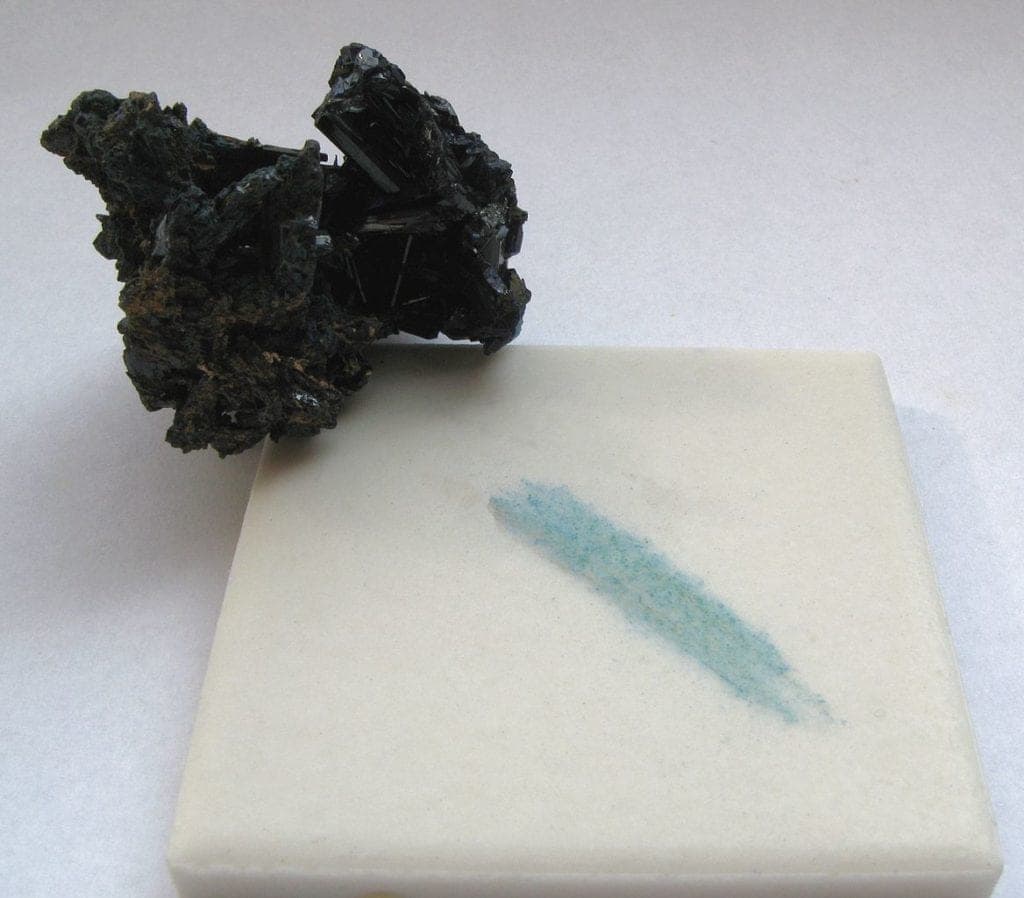
However, most minerals get their color through the presence of trace elements or impurities in their chemical structure. These are known as allochromatic gems, such as corundum and beryl, and may show a variety of colors. Other minerals get their colors through elements essential to their chemical structure that also act as coloring agents. These are known as idiochromatic gems, such as azurite and malachite, and occur in only one color.
Usually, allochromatic minerals will leave a white or colorless streak no matter the impurities in their structure. For example, no matter what color of corundum — sapphire or ruby — you test, it should always leave a white streak. However, if the allochromatic mineral has received additional coloring agents, such as a dye, it may leave a colored streak. You can test this by rubbing a piece against a ceramic tile. The bit of material that rubs off, the streak, should be white.
However, exceptions exist, such sphalerite, which can leave different streak colors depending on the trace element in the mineral sample.
Streak Color Chart
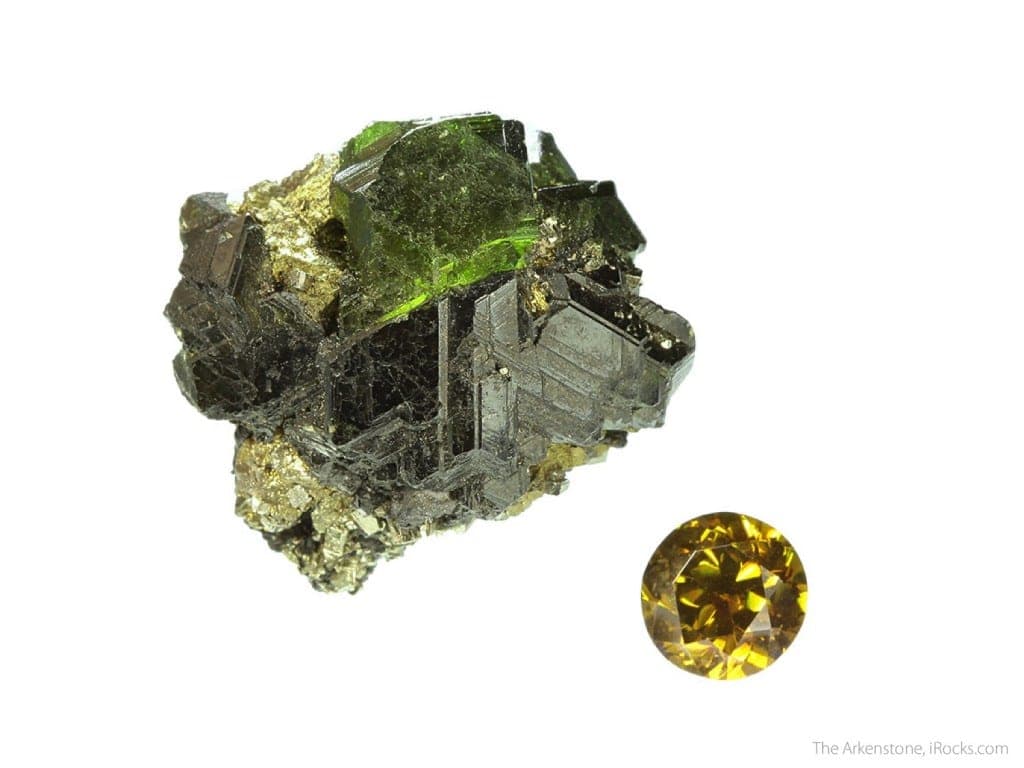
Since the majority of minerals leave a white streak, it's easier to note which ones don't. (Usually only opaque, metallic minerals leave a colored streak). The following chart lists the ones gemologists and mineralogists are most likely to encounter. The only minerals that leave a colored streak not listed here are exceptionally rare. Any common mineral not on the list will have a white streak.
| Mineral | Streak Colors |
| Azurite | light blue |
| Chrysocolla | greenish white |
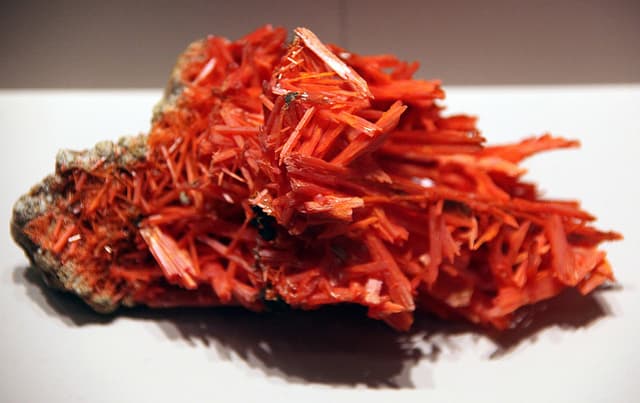
| Crocoite | orange |
| Dioptase | green |
| Epidote | gray |
| Hematite | red-brown |
| Imitation Hematite | black to reddish black |
| Lapis | very light blue |
| Imitation Lapis | dark blue |
| Malachite | green |
| Marcasite | greenish black |
| Pyrite | greenish black |
| Sphalerite | yellow, pale brown, or white |
| Tiger's Eye Quartz | golden brown |
Streak Testing Procedures
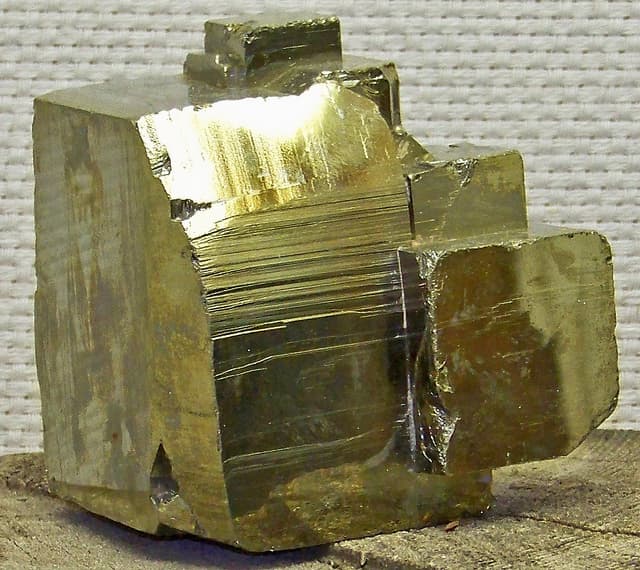
The procedures for streak testing are simple. First, go to a building supply store and buy a ceramic tile. Don't buy a tile with a rippled back. Find one that has large flat areas on the back. (Ceramic tiles are perfect for this test because they're hard enough that the gem will rub off on them).
Rub the material firmly against the back of the tile, not on the glazed or shiny side. Then, look at the streak it left and check the color. That's all there is to it!
What Is The Difference Between Gemology And Mineralogy For Streak Testing?
As mentioned above, it is best to avoid using the streak test for gemstones unless you have pieces of rough that you don't mind damaging. Never use the streak test with a finished stone. Performing a streak test on a gemstone that is cut, polished, or faceted, will damage the surface. Since finished gemstones are often valuable, gemologists avoid destructive testing methods like the streak test. Furthermore, the powdered streak may not provide additional identification information for many gemstones because their streak is often white, lacking diagnostic significance.
In mineralogy, on the other hand, streak testing is a standard diagnostic tool used to identify minerals, especially in rough or unpolished samples. For example, hematite appears metallic gray but leaves a reddish-brown streak, making it easily identifiable.
Editor's Note: The original article has been updated and adapted for the Mineralogy Certification course.

Never Stop Learning
When you join the IGS community, you get trusted diamond & gemstone information when you need it.