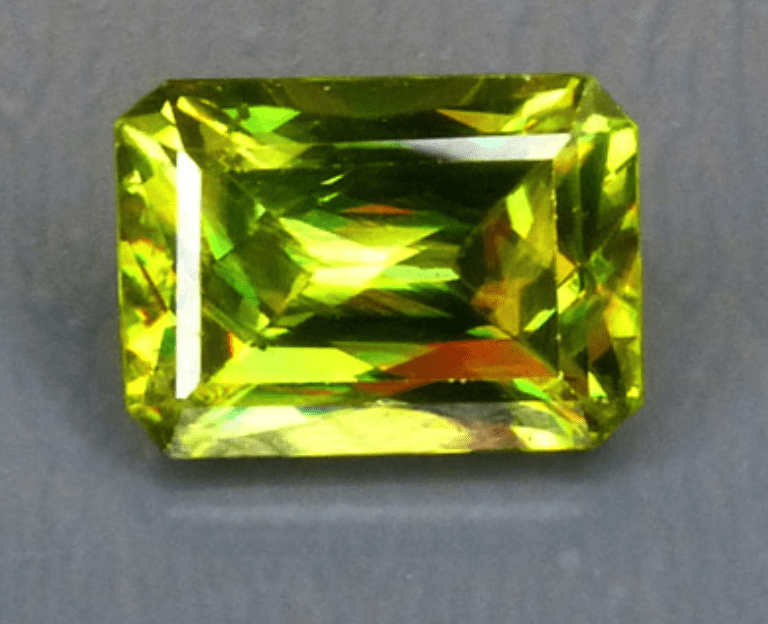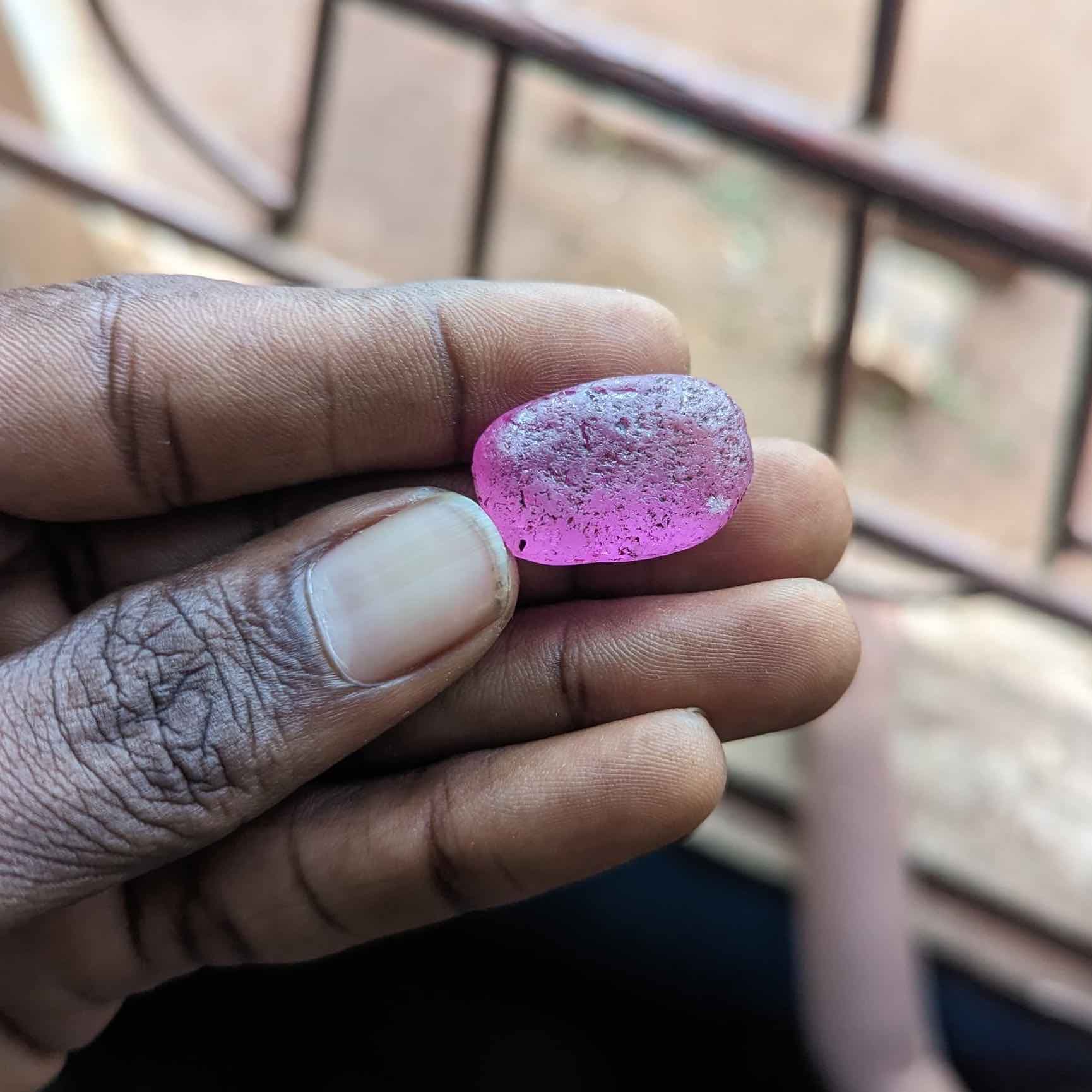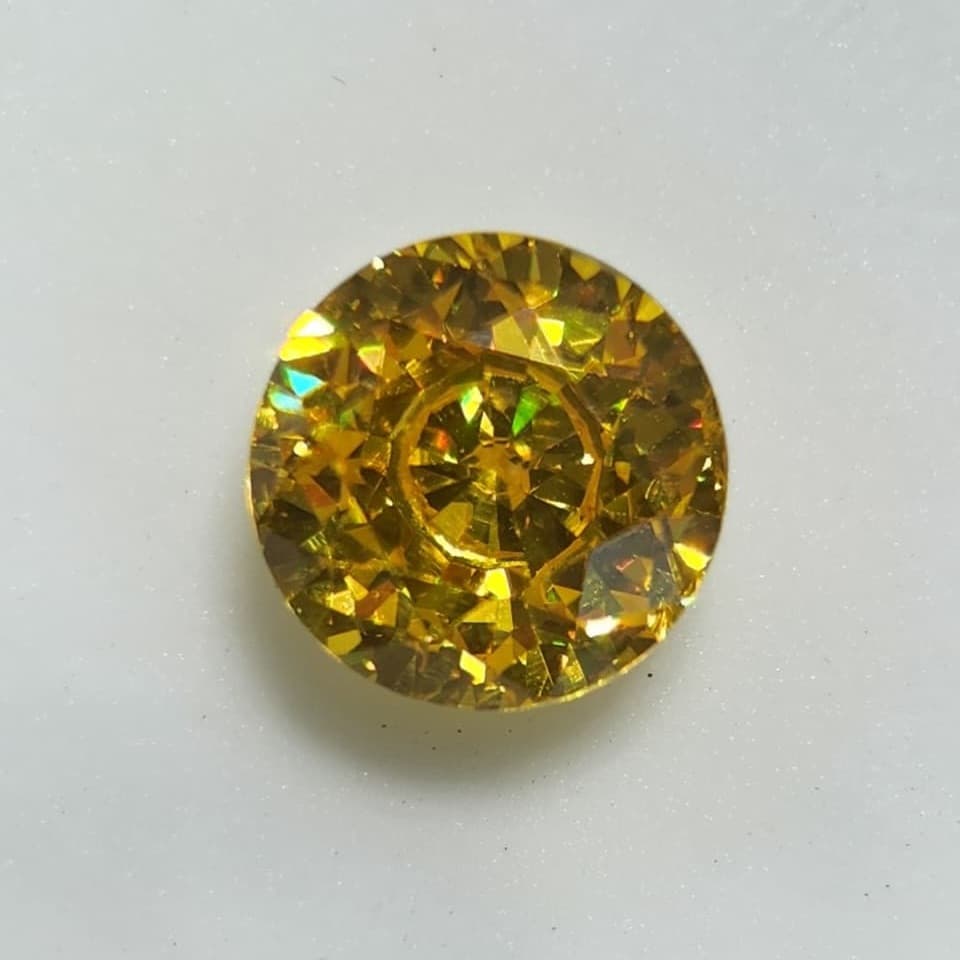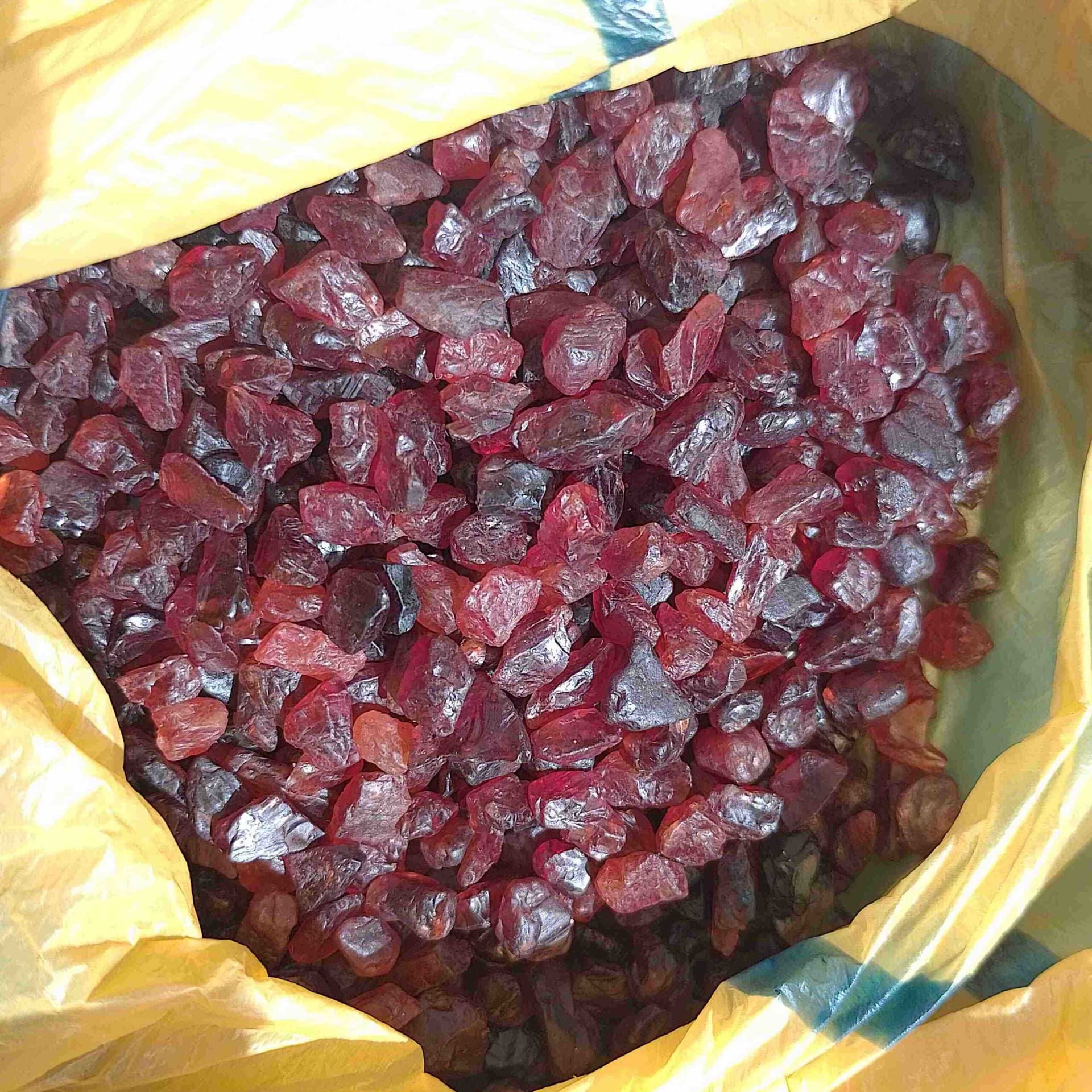
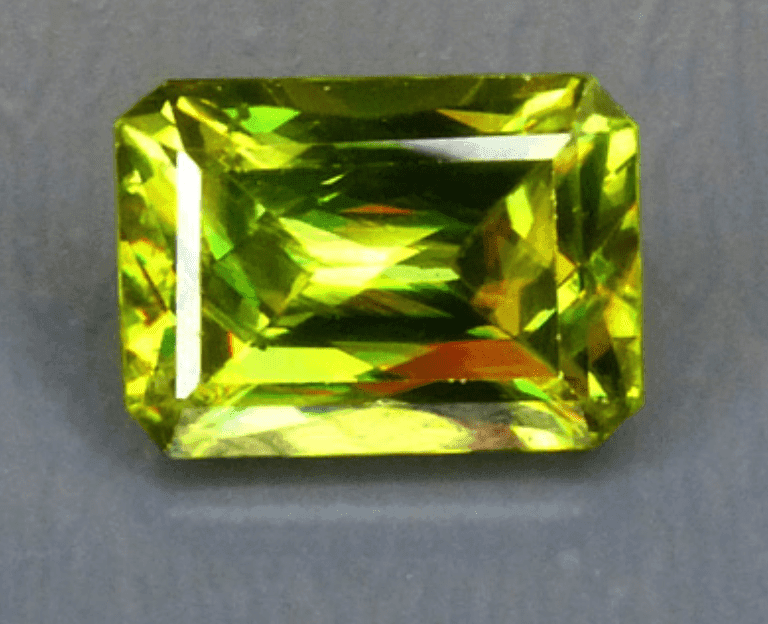
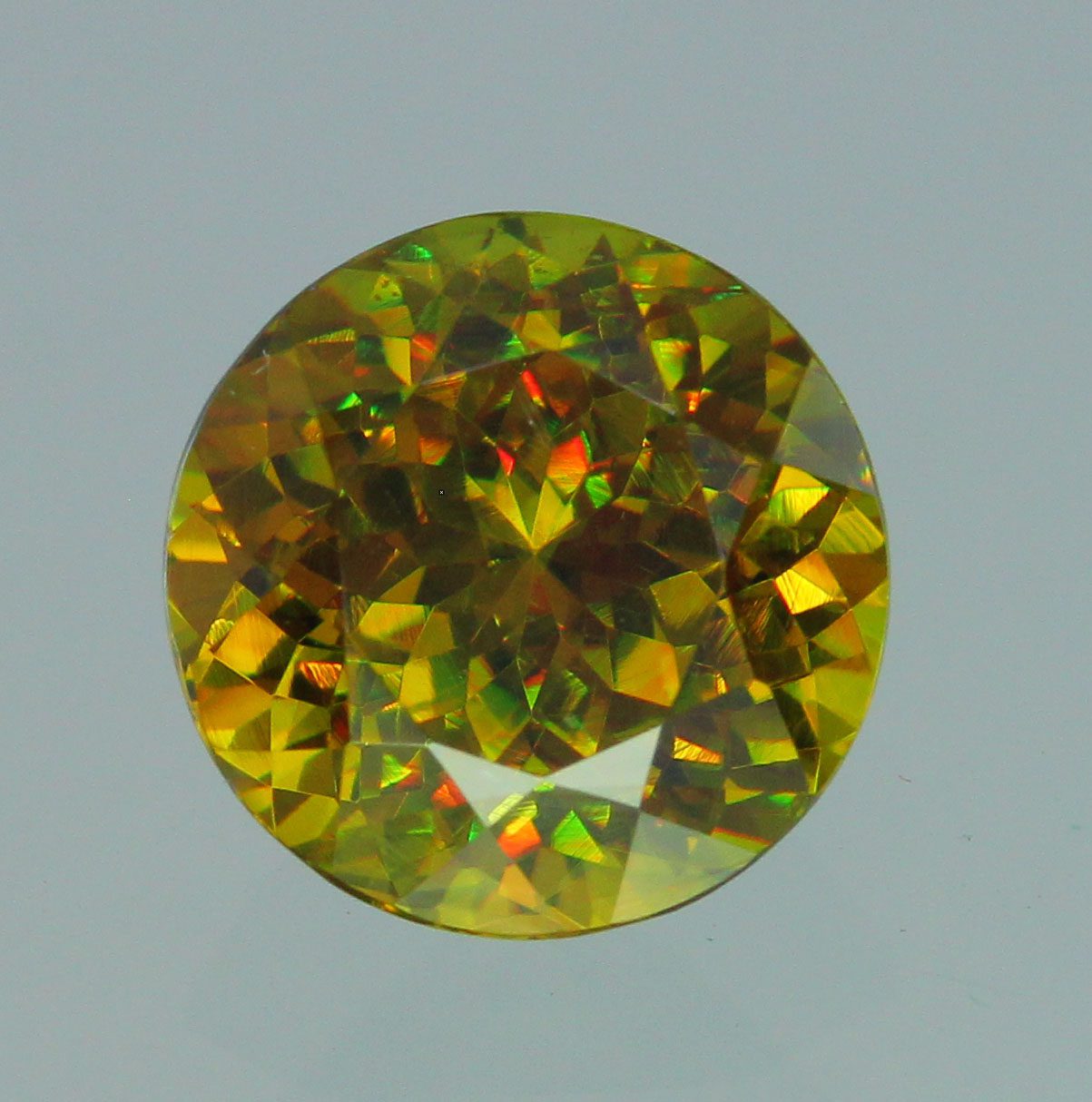
Sphene, also known as titanite, has rich body colors, strong trichroism, and a fire that exceeds diamond. Although softer than many more popular gems, sphenes can make wonderful jewelry stones if set and maintained properly.
4 Minute Read
In this video, Jake Talve-Goodman of The Concierge Gemologist introduces viewers to the world of sphene and discusses its sourcing, properties, symbolism, and jewelry use.
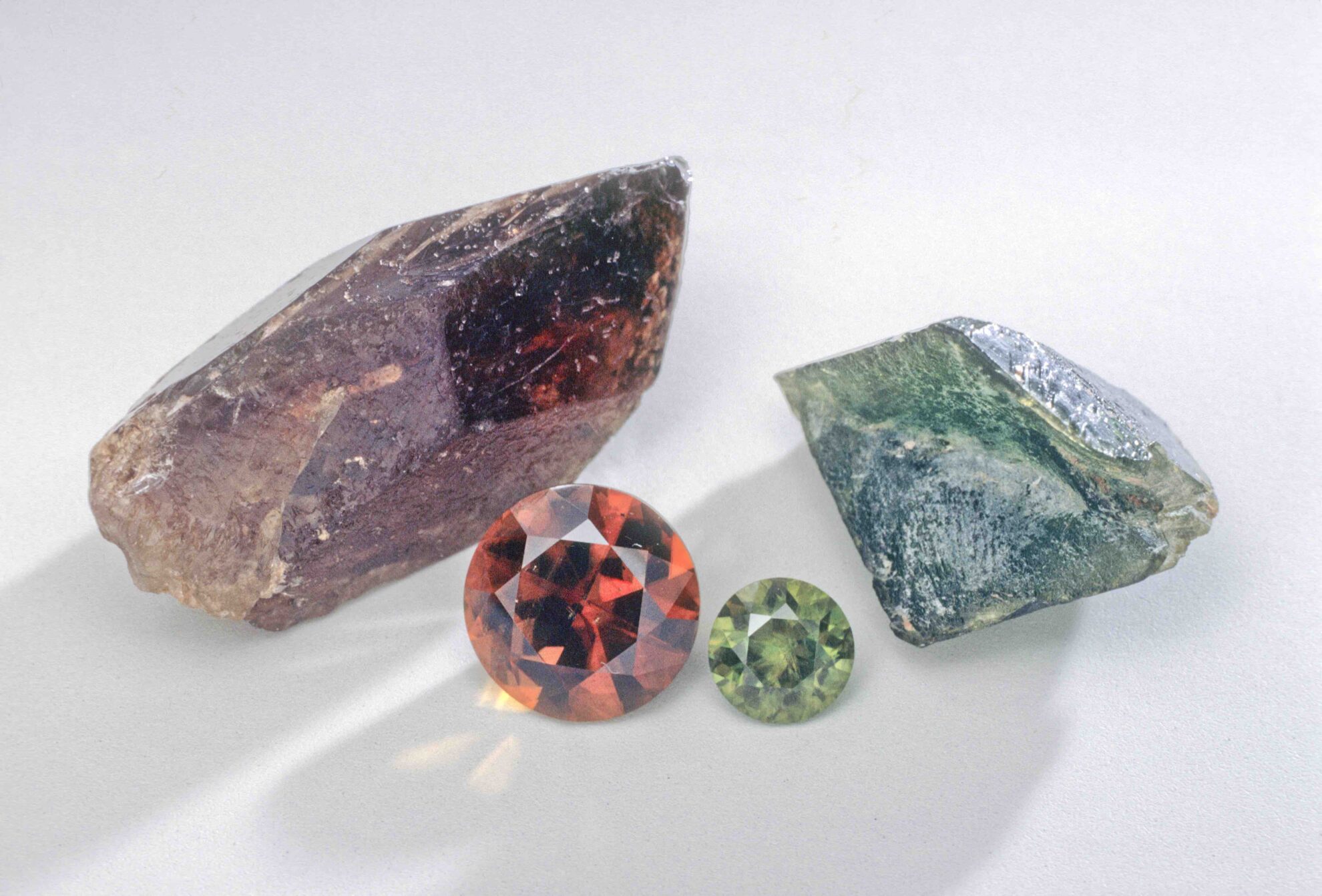
Sphene or titanite belongs to the titanite mineral group as the titanium-rich (Ti) member. It's the only member of this group commonly used as a gemstone. While mineralogists officially use the term titanite to refer to this stone, many gemologists use the term sphene.
Bowesite, an ornamental rock from Australia, may contain sphene and other gem materials. Lapidaries have carved objects from this material. (Don't confuse bowesite with bowenite, a variety of serpentine).
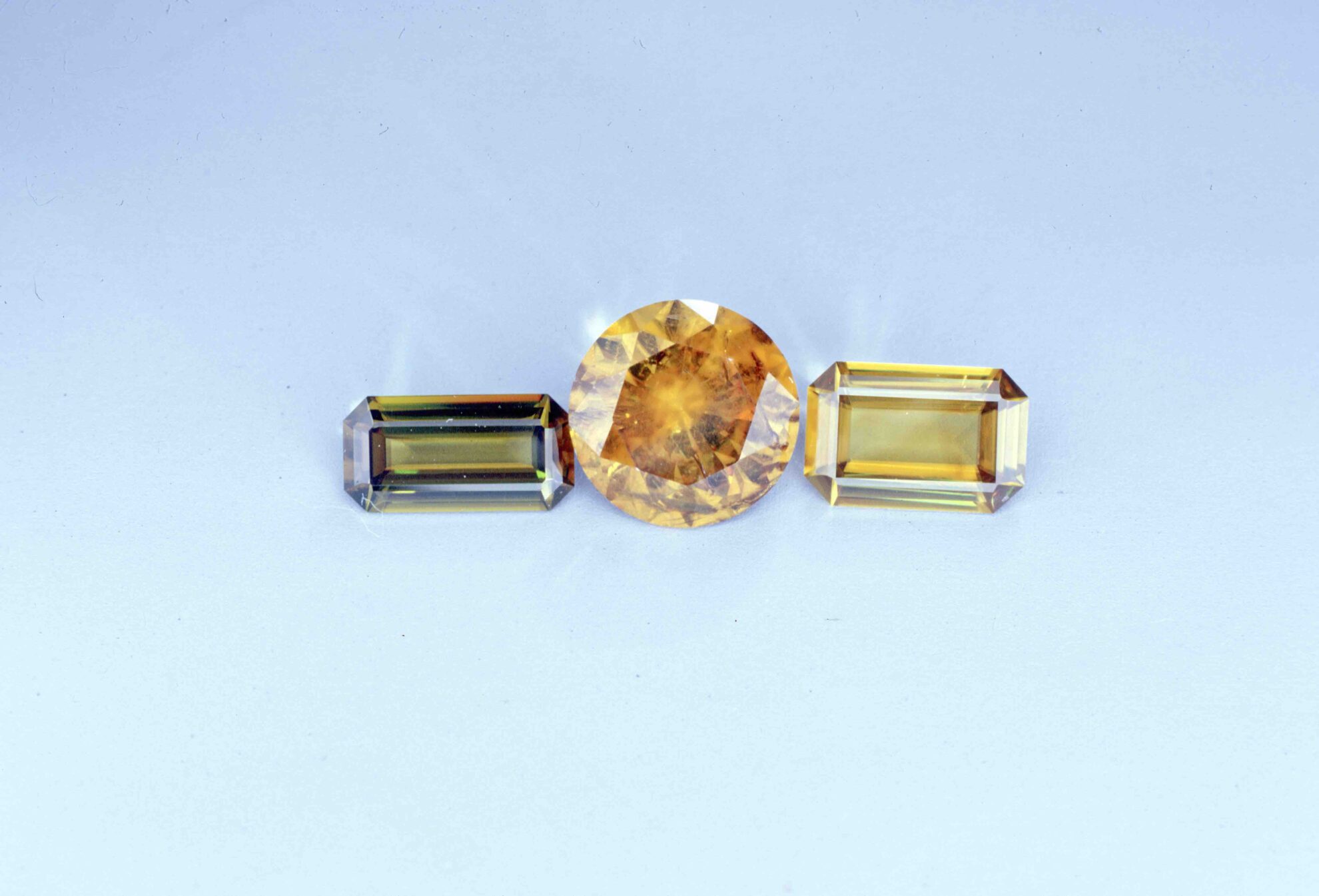
Sphenes frequently come in yellow, orange, brown, and green hues, with many gradations between them, and often show color zoning. Iron (Fe) and rare-earth element impurities create these typical colors. Chromium (Cr) colors the rare "chrome sphene" variety an intense green. Sphenes can also occur colorless, red, blue, and black.
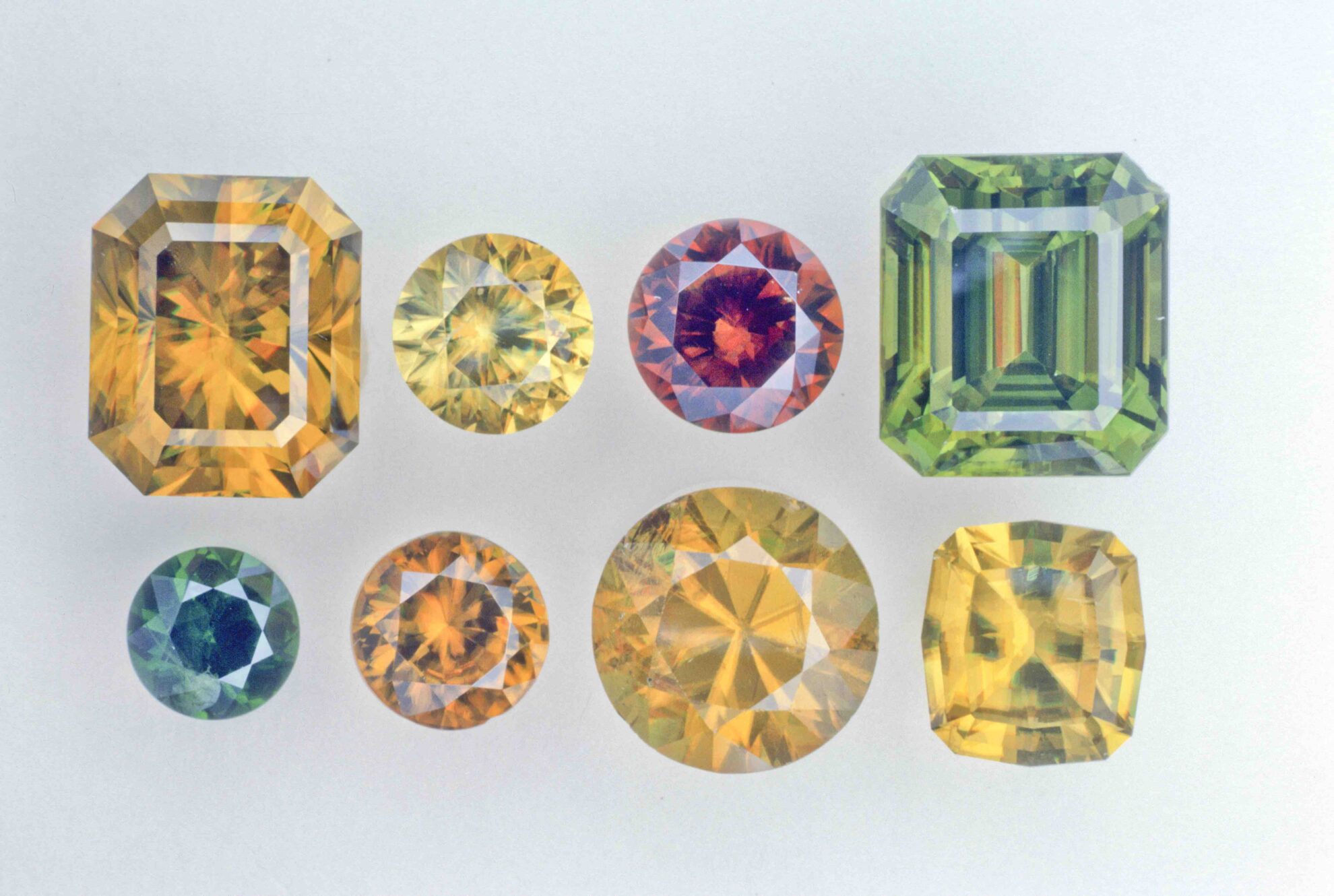
Sphene's relatively low hardness (5 to 5.5) and distinct cleavage make it a risky choice for jewelry. However, if placed in protective settings and worn just occasionally, sphenes can make a spectacular addition to your jewelry collection. Shield these gems from impacts, scratches, heat, and acids (including sweat).
Despite reasonable availability, sphene remains little known to most jewelry connoisseurs. Nevertheless, it also possesses gemological properties that make it a desirable piece for collectors as well as adventurous jewelry enthusiasts. For example, sphene's dispersion or fire ranks among the highest in the gem world. However, its body color, degree of inclusions, cutting orientation, and cutting style may enhance or obscure this feature. (Gems with high dispersion and strong pleochroism like sphene may not show both properties at the same time).
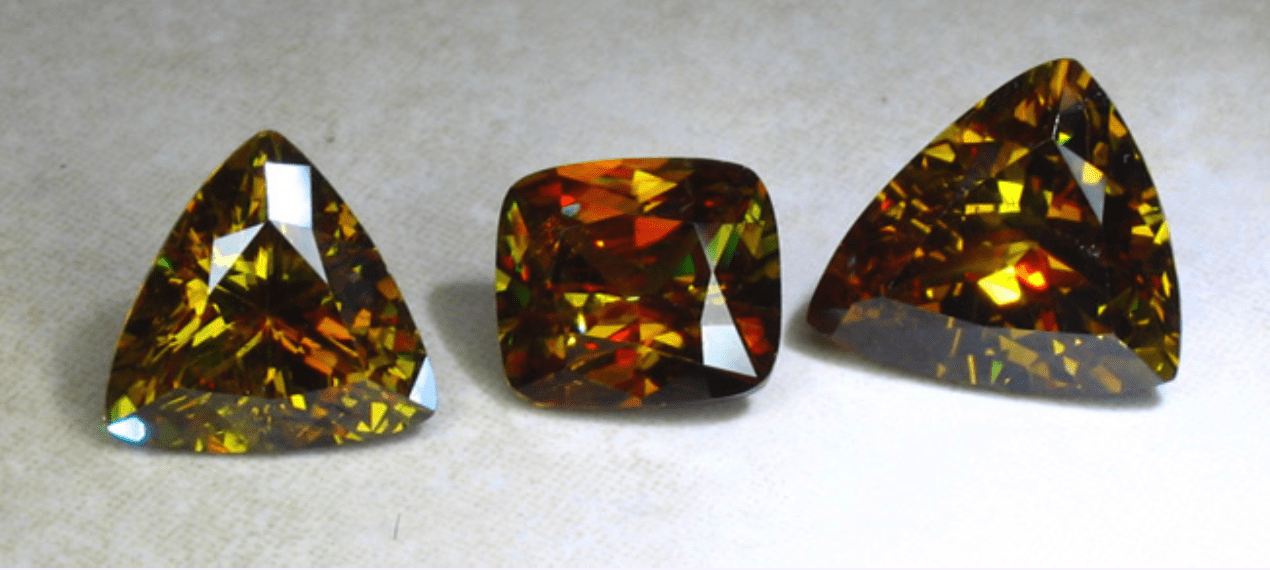
Round brilliant cuts can showcase sphenes beautifully. However, almost any cut designed for a zircon will also look wonderful.
Well-polished sphenes can match diamond's adamantine luster. Unfortunately, polishing this gem well proves quite difficult.
| Locality | a | γ | Birefringence | Specific Gravity |
| Madagascar | 1.910 | 2.070 | 0.160 | 3.52 |
| Mexico | 1.908 | 2.080 | 0.181 | 3.53 |
| Sri Lanka | 1.909 | 2.099 | 0.190 | 3.52 |
| Brazil | 1.911 | - | - | 3.53 |
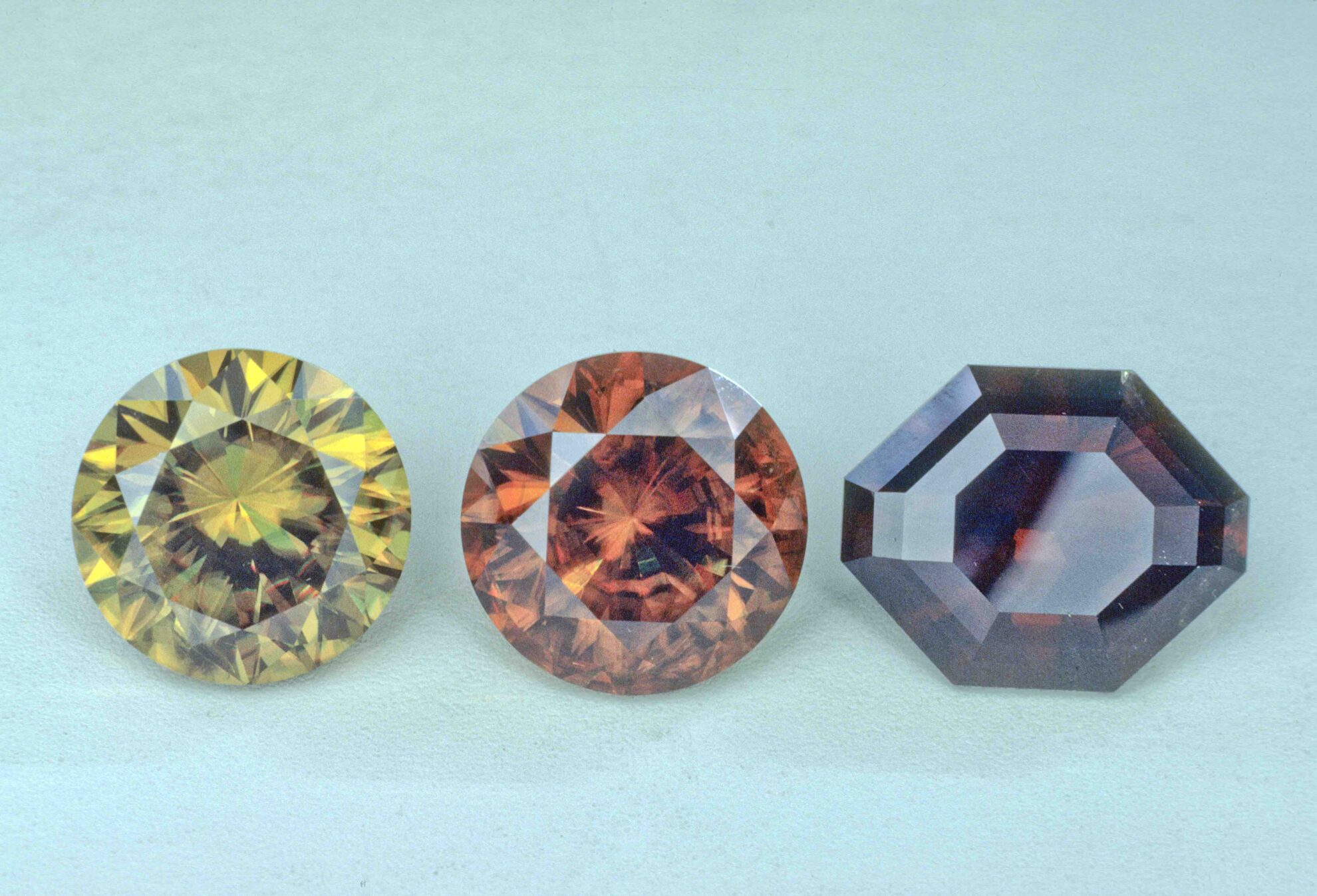
Sphene's refractive indices (RI) exceeds 1.81. Therefore, its refractometer readings will be "over the limit" (OTL), since that exceeds the RI of most commercial RI liquids.
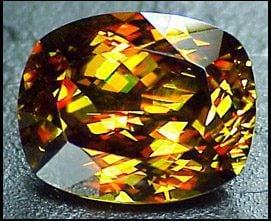
Sphene's high birefringence usually results in some visible doubling of facet images within the stone. This causes a degree of internal fuzziness similar to that often seen in zircon or peridot.
Some rare specimens from Afghanistan and Pakistan have demonstrated color change. Vanadium-bearing sphenes have shown green to yellow-green in daylight but brownish orange to brown under incandescent light.
Another specimen from Afghanistan has shown a brownish, yellowish green in daylight but orangey yellow under incandescent light.
Laboratories have synthesized sphene or titanite for research in geology, pigments, and radioactive waste disposal. Synthetic crystals have also been created. However, there's no known use of synthetic sphenes as jewelry stones. This beautiful but brittle, little-known gem simply isn't generating a market for synthetics.
Heating can turn sphenes orange or red.
Because of its high dispersion and luster, colored cubic zirconia (CZ) can make a convincing sphene simulant. However, CZ lacks sphene's birefringence and surpasses its hardness. CZ also fluoresces under ultraviolet light, while sphene doesn't.
Brownish red to orange gems such as grossular garnets, zircons, and rare bastnäsites have been misidentified as sphenes (and vice versa).
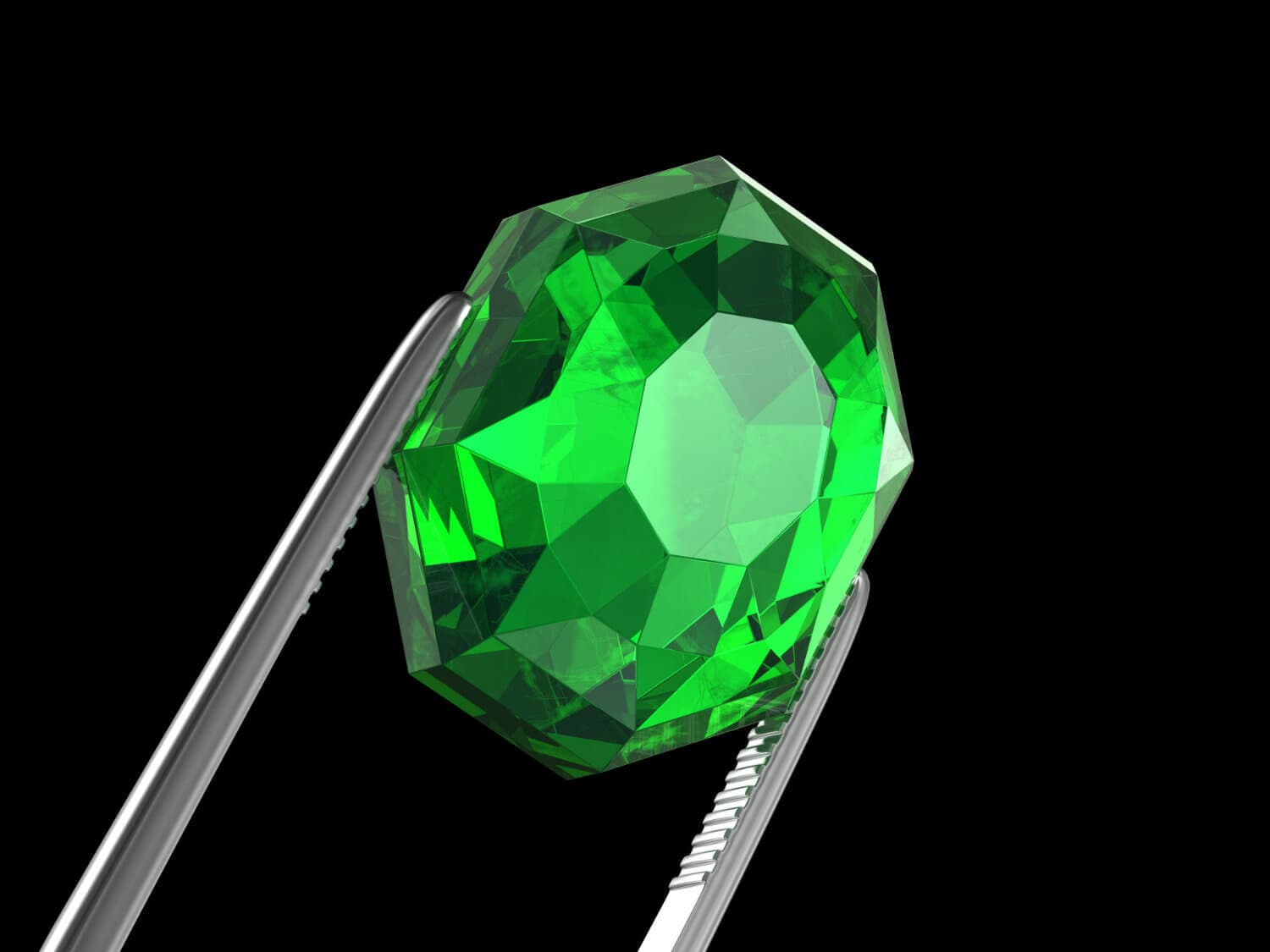
Beware of chrome sphene sold as "Mexican Emerald." Sphenes and real emeralds have very different properties and prices. Unfortunately, disreputable vendors sometimes attach the name of a more popular and expensive gem to a different gem just to drive up its price. For more examples, see our list of false or misleading gemstone names.
Canada, Madagascar, and Mexico are the primary sources of this gemstone.
Baja California, Mexico produces yellow-brown, brown, green, and dark green (chrome) gemmy crystals up to four inches. This may be one of the world's major sphene deposits.
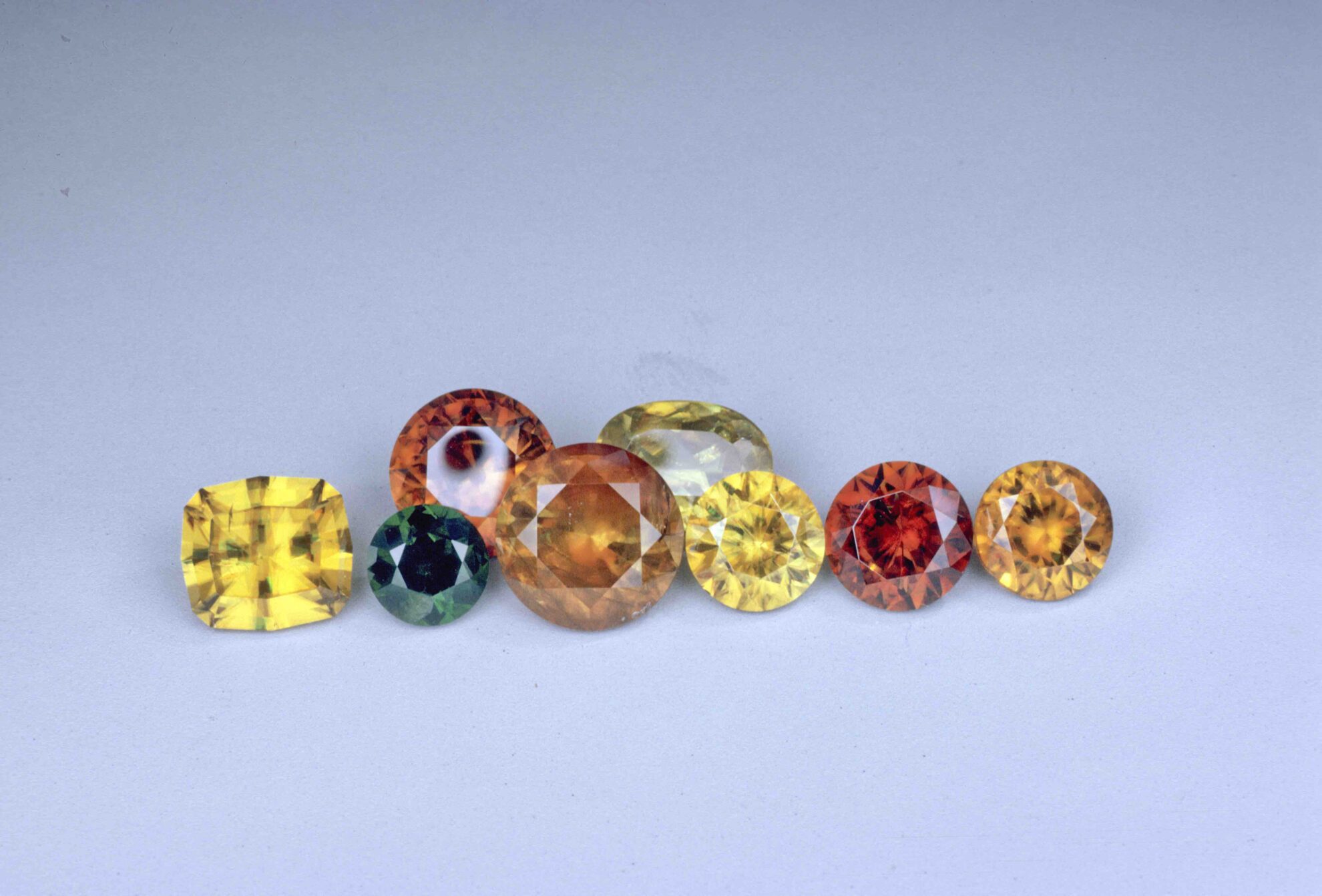
Madagascar produces green crystals, sometimes large.
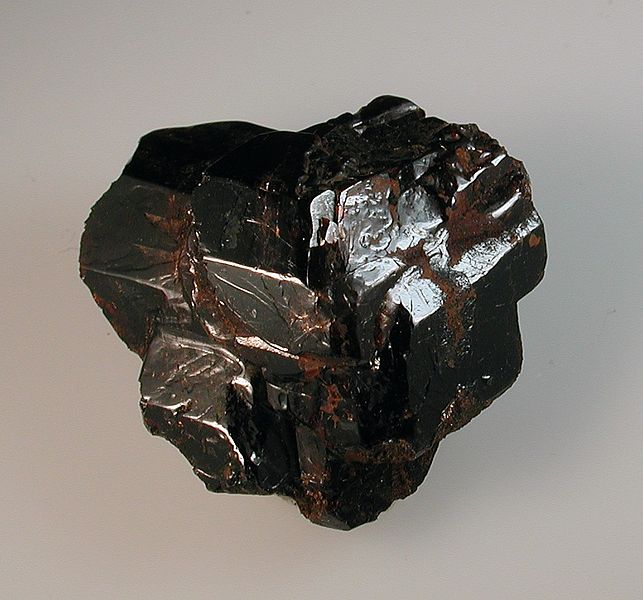
Canada produces brown and black crystals.
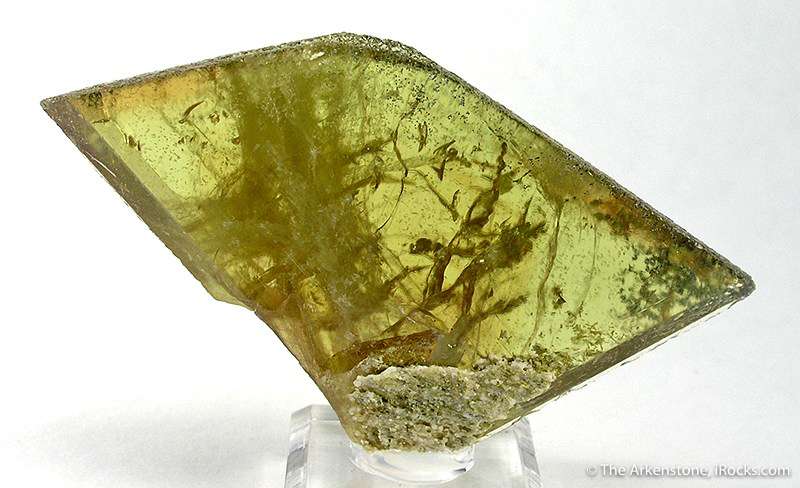
Minas Gerais, Brazil produces twinned yellowish to greenish crystals, often gemmy.
Historically, Zillerthal, Austria and Grisons, Switzerland both produced gems.
Other notable gem-quality sources include the following:
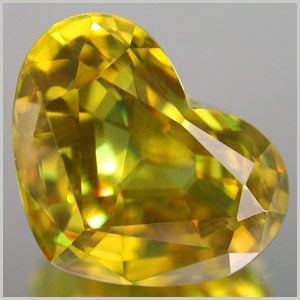
Very rare in clean stones over 5-10 carats, even a 5-carat flawless sphene would make a rare, fine stone.
Indian material generally cuts to about 10 carats, Madagascar material to perhaps 15 carats.
Brazilian yellow stones over 5 carats are scarce. Sri Lankan gems generally range under 10 carats.
Myanmar has produced stones over 20 carats. However, Mexico has the potential to produce some of the largest faceted gems.
Never use mechanical cleaning systems such as steamers or ultrasonics. Clean sphenes only with a soft brush, mild detergent, and warm water. See our gemstone jewelry cleaning guide for more recommendations.

When you join the IGS community, you get trusted diamond & gemstone information when you need it.
In this video, Jake Talve-Goodman of The Concierge Gemologist introduces viewers to the world of sphene and discusses its sourcing, properties, symbolism, and jewelry use.
Sphene or titanite belongs to the titanite mineral group as the titanium-rich (Ti) member. It's the only member of this group commonly used as a gemstone. While mineralogists officially use the term titanite to refer to this stone, many gemologists use the term sphene.
Bowesite, an ornamental rock from Australia, may contain sphene and other gem materials. Lapidaries have carved objects from this material. (Don't confuse bowesite with bowenite, a variety of serpentine).
Sphenes frequently come in yellow, orange, brown, and green hues, with many gradations between them, and often show color zoning. Iron (Fe) and rare-earth element impurities create these typical colors. Chromium (Cr) colors the rare "chrome sphene" variety an intense green. Sphenes can also occur colorless, red, blue, and black.
Sphene's relatively low hardness (5 to 5.5) and distinct cleavage make it a risky choice for jewelry. However, if placed in protective settings and worn just occasionally, sphenes can make a spectacular addition to your jewelry collection. Shield these gems from impacts, scratches, heat, and acids (including sweat).
Despite reasonable availability, sphene remains little known to most jewelry connoisseurs. Nevertheless, it also possesses gemological properties that make it a desirable piece for collectors as well as adventurous jewelry enthusiasts. For example, sphene's dispersion or fire ranks among the highest in the gem world. However, its body color, degree of inclusions, cutting orientation, and cutting style may enhance or obscure this feature. (Gems with high dispersion and strong pleochroism like sphene may not show both properties at the same time).
Round brilliant cuts can showcase sphenes beautifully. However, almost any cut designed for a zircon will also look wonderful.
Well-polished sphenes can match diamond's adamantine luster. Unfortunately, polishing this gem well proves quite difficult.
| Locality | a | γ | Birefringence | Specific Gravity |
| Madagascar | 1.910 | 2.070 | 0.160 | 3.52 |
| Mexico | 1.908 | 2.080 | 0.181 | 3.53 |
| Sri Lanka | 1.909 | 2.099 | 0.190 | 3.52 |
| Brazil | 1.911 | - | - | 3.53 |
Sphene's refractive indices (RI) exceeds 1.81. Therefore, its refractometer readings will be "over the limit" (OTL), since that exceeds the RI of most commercial RI liquids.
Sphene's high birefringence usually results in some visible doubling of facet images within the stone. This causes a degree of internal fuzziness similar to that often seen in zircon or peridot.
Some rare specimens from Afghanistan and Pakistan have demonstrated color change. Vanadium-bearing sphenes have shown green to yellow-green in daylight but brownish orange to brown under incandescent light.
Another specimen from Afghanistan has shown a brownish, yellowish green in daylight but orangey yellow under incandescent light.
Laboratories have synthesized sphene or titanite for research in geology, pigments, and radioactive waste disposal. Synthetic crystals have also been created. However, there's no known use of synthetic sphenes as jewelry stones. This beautiful but brittle, little-known gem simply isn't generating a market for synthetics.
Heating can turn sphenes orange or red.
Because of its high dispersion and luster, colored cubic zirconia (CZ) can make a convincing sphene simulant. However, CZ lacks sphene's birefringence and surpasses its hardness. CZ also fluoresces under ultraviolet light, while sphene doesn't.
Brownish red to orange gems such as grossular garnets, zircons, and rare bastnäsites have been misidentified as sphenes (and vice versa).
Beware of chrome sphene sold as "Mexican Emerald." Sphenes and real emeralds have very different properties and prices. Unfortunately, disreputable vendors sometimes attach the name of a more popular and expensive gem to a different gem just to drive up its price. For more examples, see our list of false or misleading gemstone names.
Canada, Madagascar, and Mexico are the primary sources of this gemstone.
Baja California, Mexico produces yellow-brown, brown, green, and dark green (chrome) gemmy crystals up to four inches. This may be one of the world's major sphene deposits.
Madagascar produces green crystals, sometimes large.
Canada produces brown and black crystals.
Minas Gerais, Brazil produces twinned yellowish to greenish crystals, often gemmy.
Historically, Zillerthal, Austria and Grisons, Switzerland both produced gems.
Other notable gem-quality sources include the following:
Very rare in clean stones over 5-10 carats, even a 5-carat flawless sphene would make a rare, fine stone.
Indian material generally cuts to about 10 carats, Madagascar material to perhaps 15 carats.
Brazilian yellow stones over 5 carats are scarce. Sri Lankan gems generally range under 10 carats.
Myanmar has produced stones over 20 carats. However, Mexico has the potential to produce some of the largest faceted gems.
Never use mechanical cleaning systems such as steamers or ultrasonics. Clean sphenes only with a soft brush, mild detergent, and warm water. See our gemstone jewelry cleaning guide for more recommendations.



Sphene, also known as titanite, has rich body colors, strong trichroism, and a fire that exceeds diamond. Although softer than many more popular gems, sphenes can make wonderful jewelry stones if set and maintained properly.
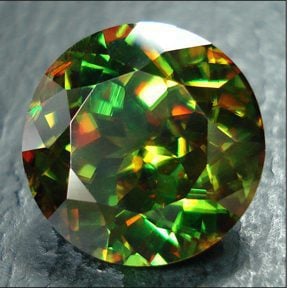
As with many gemstones, color, clarity, and carat are the most important value factors, followed by the skill and artistry shown in cutting. A preference exists for lighter tones, especially yellows, light oranges, and greens, which best exhibit sphene’s magnificent dispersion.
Chrome sphene is the most valuable type. The chrome sphene from Baja California is the color of fine emerald and very rare, especially if clean and larger than 1 carat. Brazilian yellow gem material has a sleepy look and isn’t as bright as that from Baja. Some of the largest and most spectacular green gems have been cut from Indian material.
Sphene is usually included and rarely even eye clean.
Size is definitely a premium characteristic with this species.
In general, specimens with reasonably good clarity, strong and attractive body color, and at least some display of dispersion command the best prices.