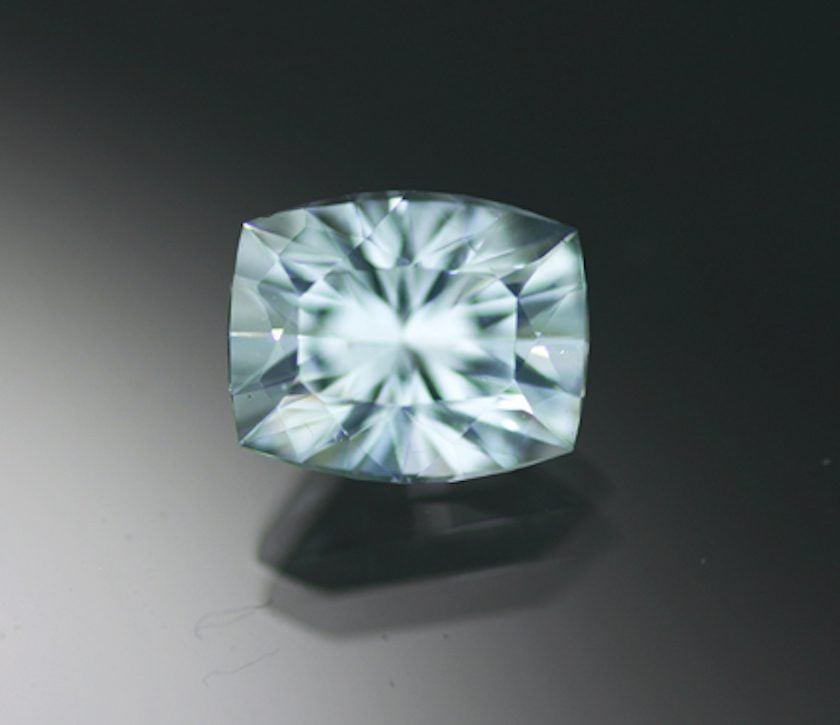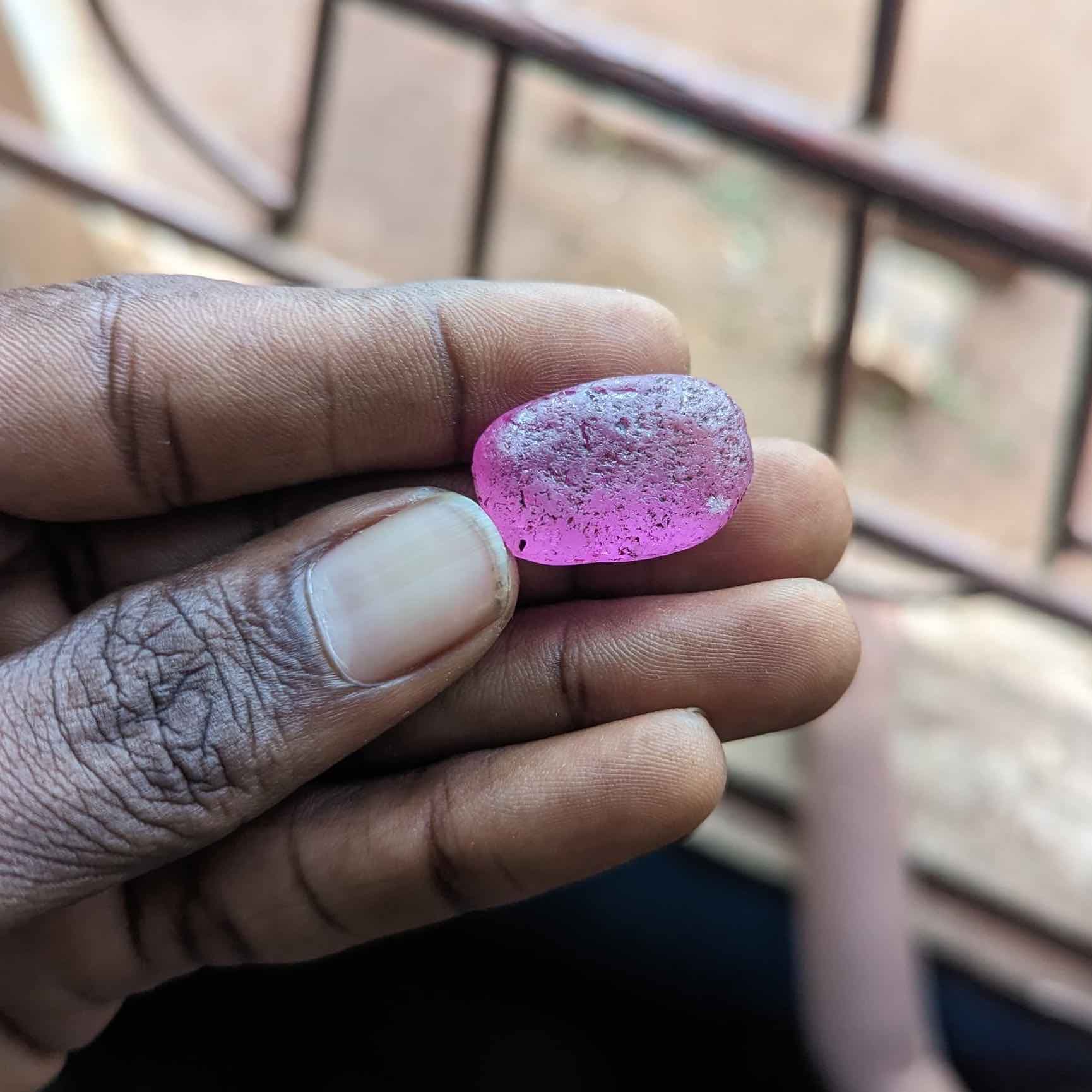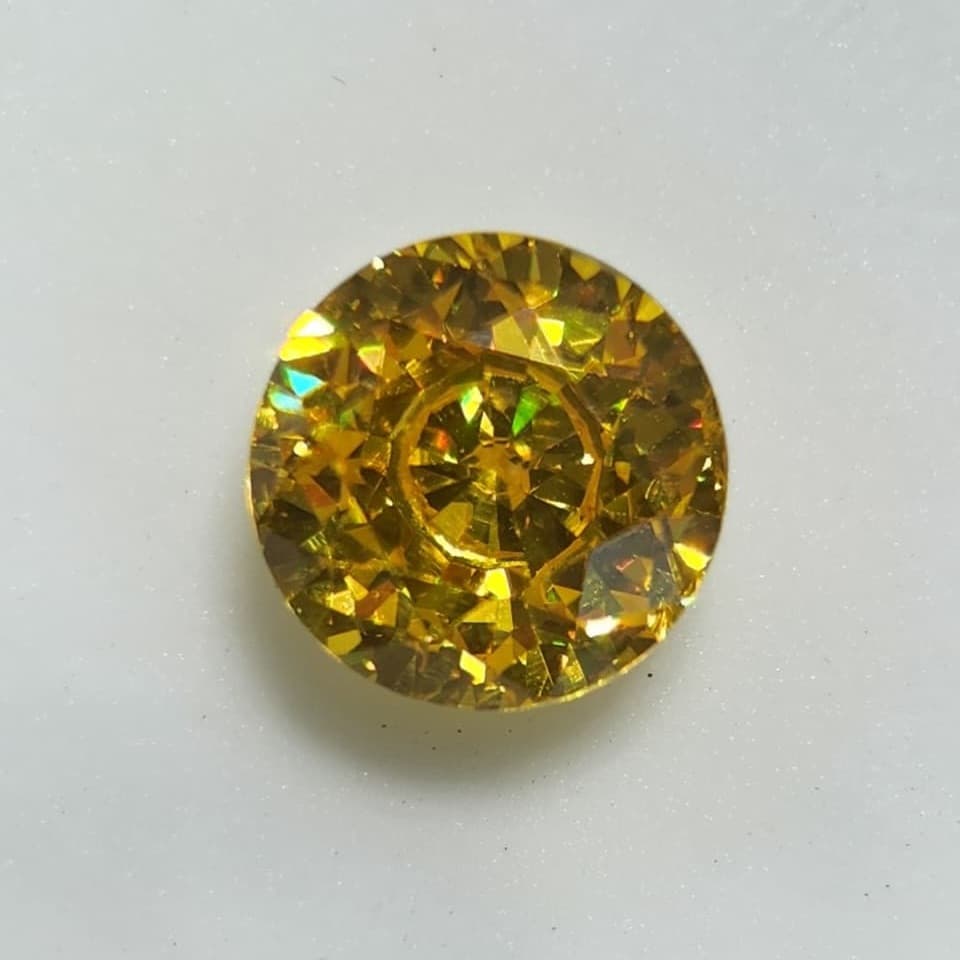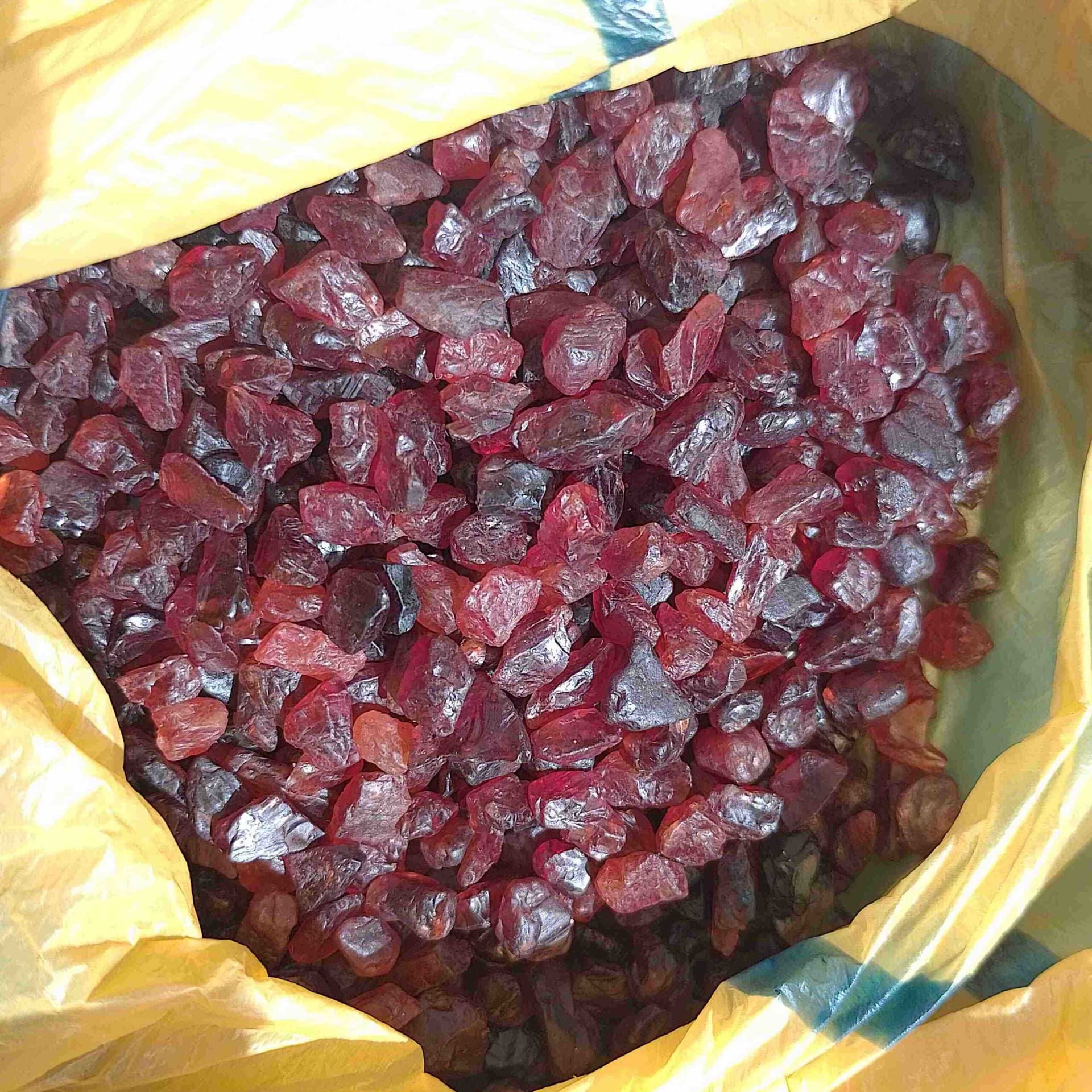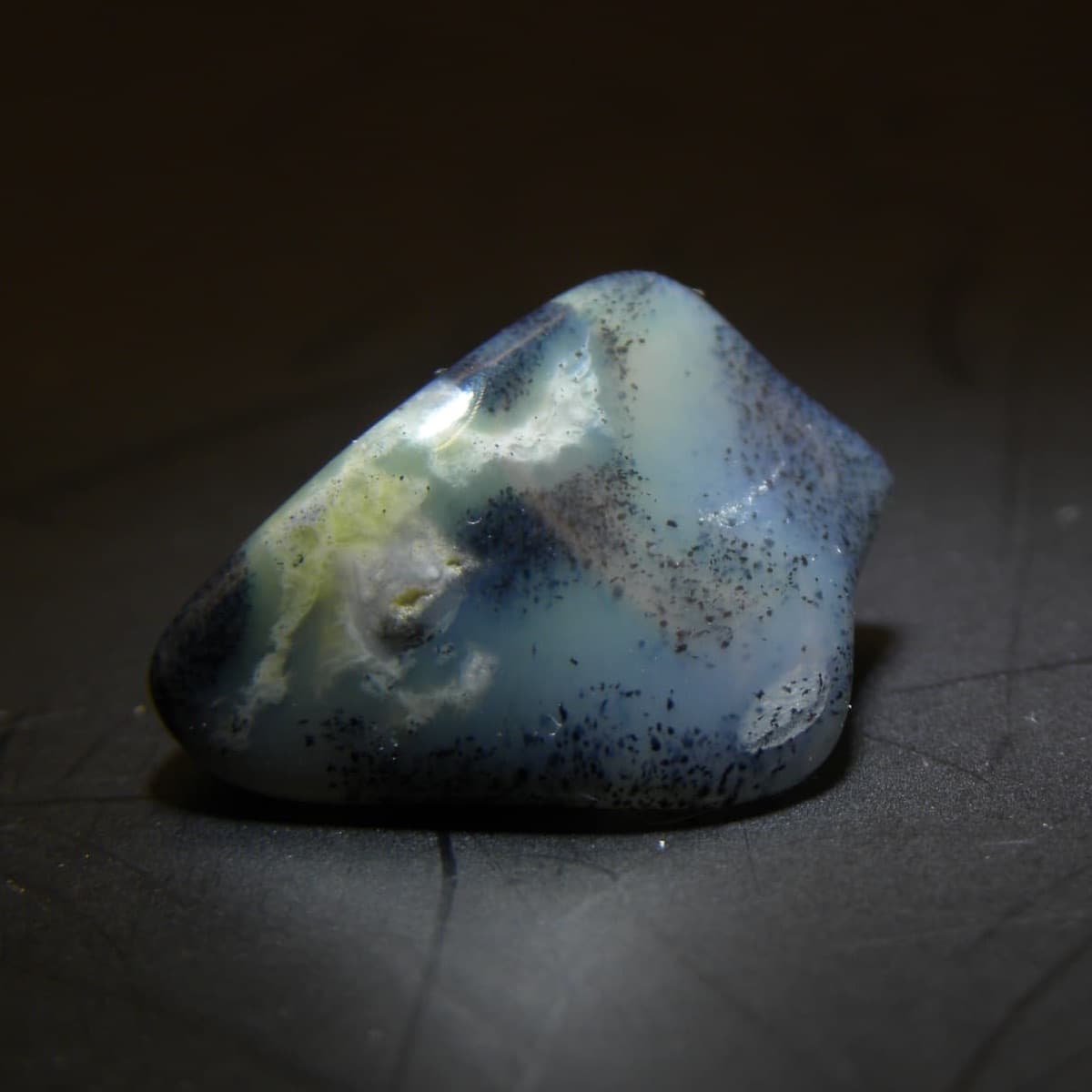
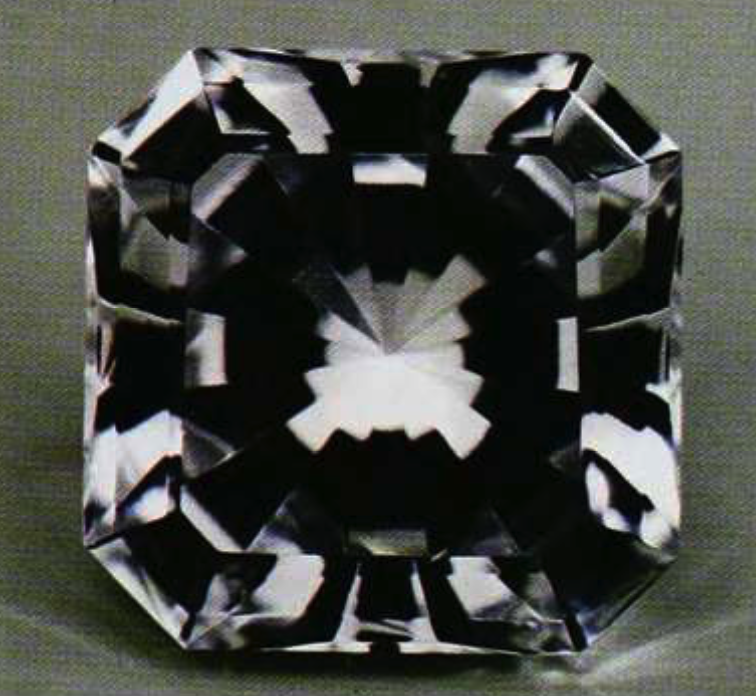
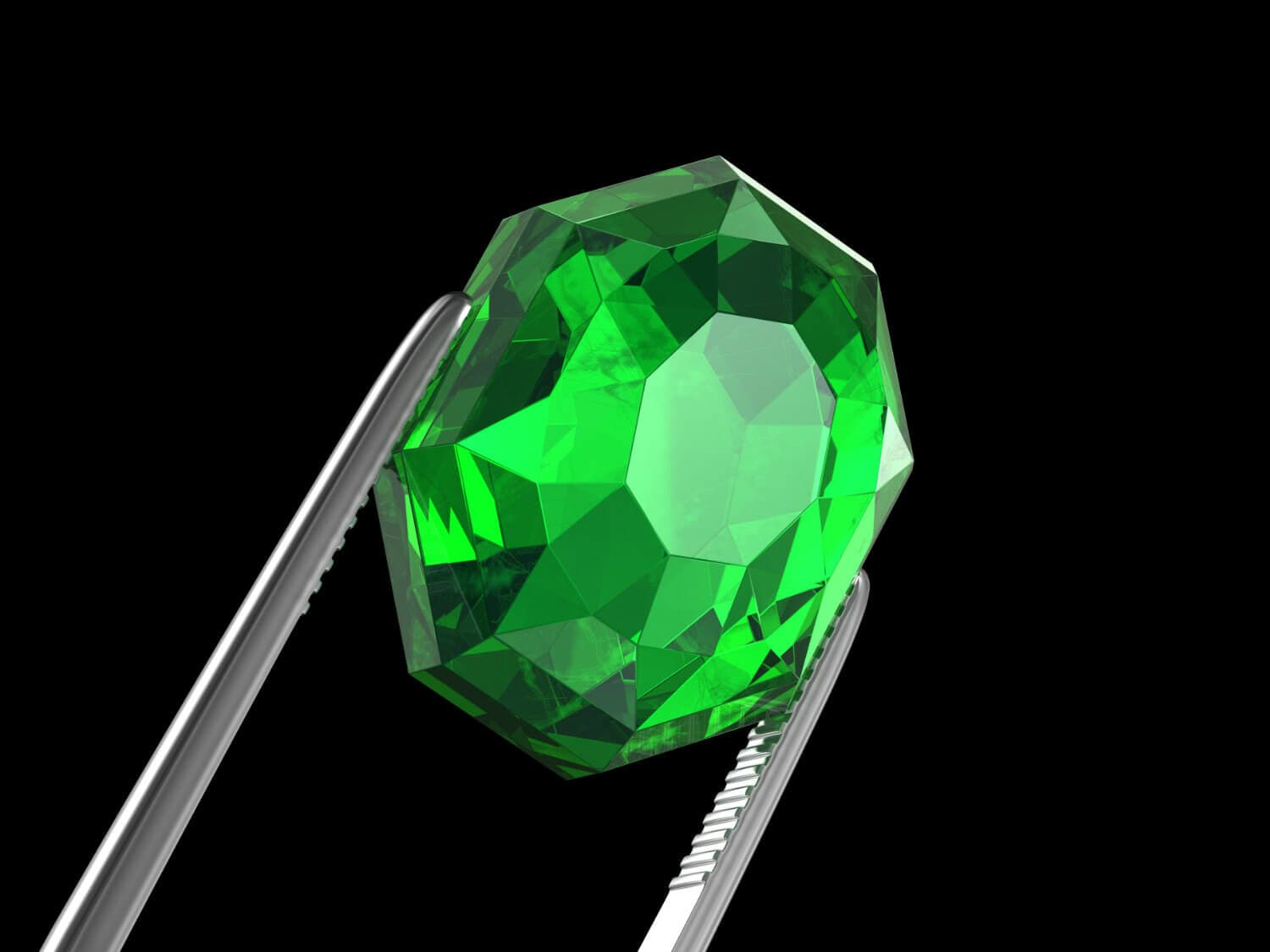
Soft, fragile, and hard to cut, celestite or celestine is seldom seen in gem collections. These gems are usually colorless or pale blue, but rare orange, green, yellow, and red shades have also been found.
1 Minute Read
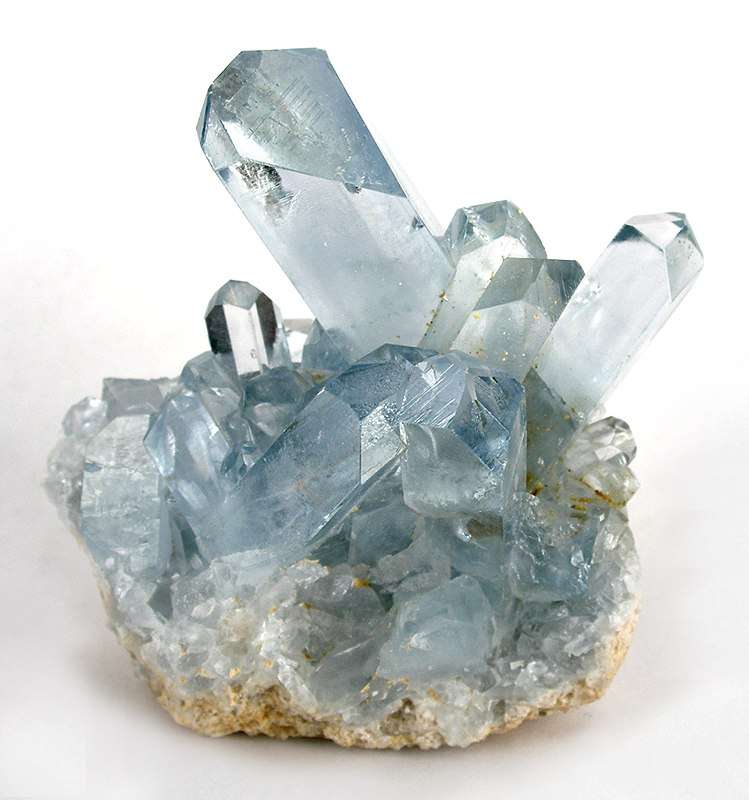
The minerals barite and celestite form a series. Baryte lies at the barium (Ba) end; celestite at the strontium (Sr) end. Celestite is a major source of strontium. Both celestites and barites form in the orthorhombic crystal system.
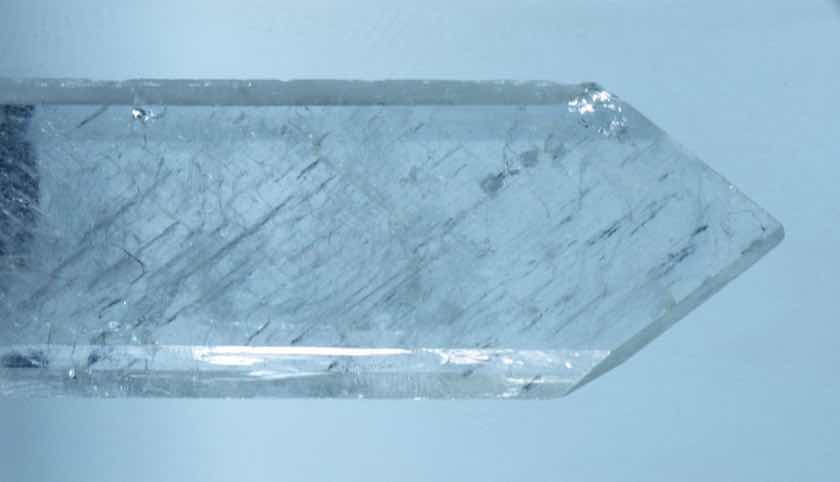
While transparent crystals aren't rare per se, facetable gem-quality celestites are quite rare. Regardless, celestites don't have properties amenable to jewelry use. Their very low hardness (3-3.5), perfect cleavage, and light sensitivity make these stones better collector's items than jewelry pieces. Faceted gems also show little dispersion.
Use protective settings for any celestites in jewelry, especially as ring stones, and reserve them for occasional use. Celestites also have great heat sensitivity. Since jeweler's torches can easily exceed 200° C (392° F) and cause this stone's colors to fade, be wary if you take a jewelry piece to be repaired.
Faceted celestites might appeal to collectors of unusual gemstones as display specimens.
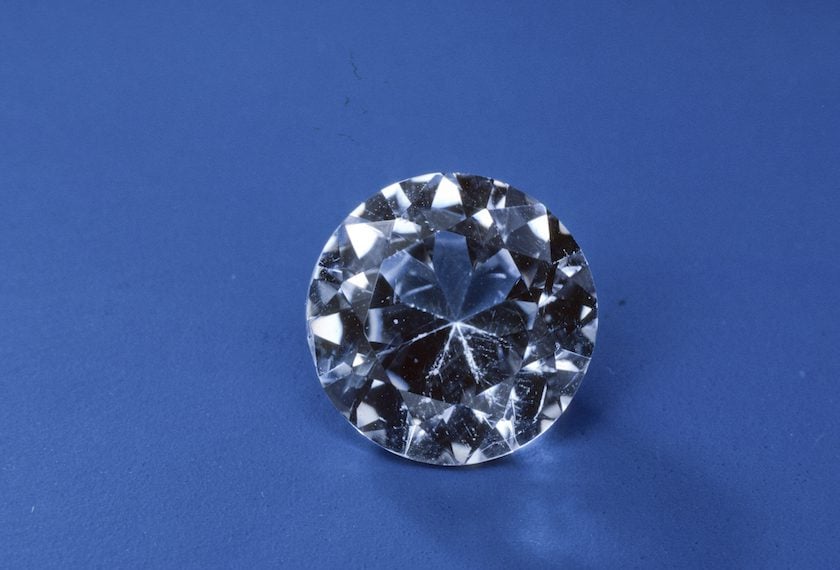
Celestites from Madagascar have refractive indices as follows: a = 1.619; γ = 1.631.
There are no known synthetic celestites.
Blue gems may fade because of heat or light, but irradiation may restore the color.
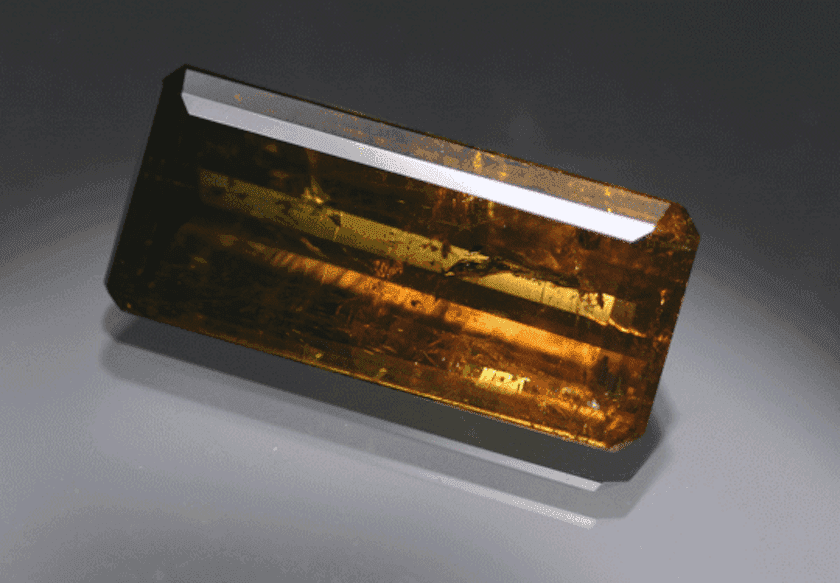
Canada produces rare orange crystals. Tsumeb, Namibia also yields gem-quality material.
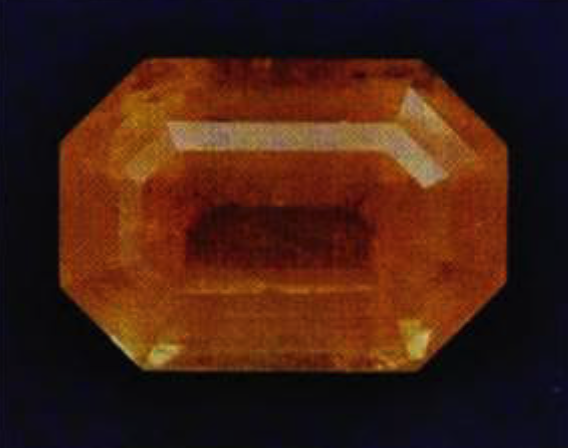
Other notable sources include the following:
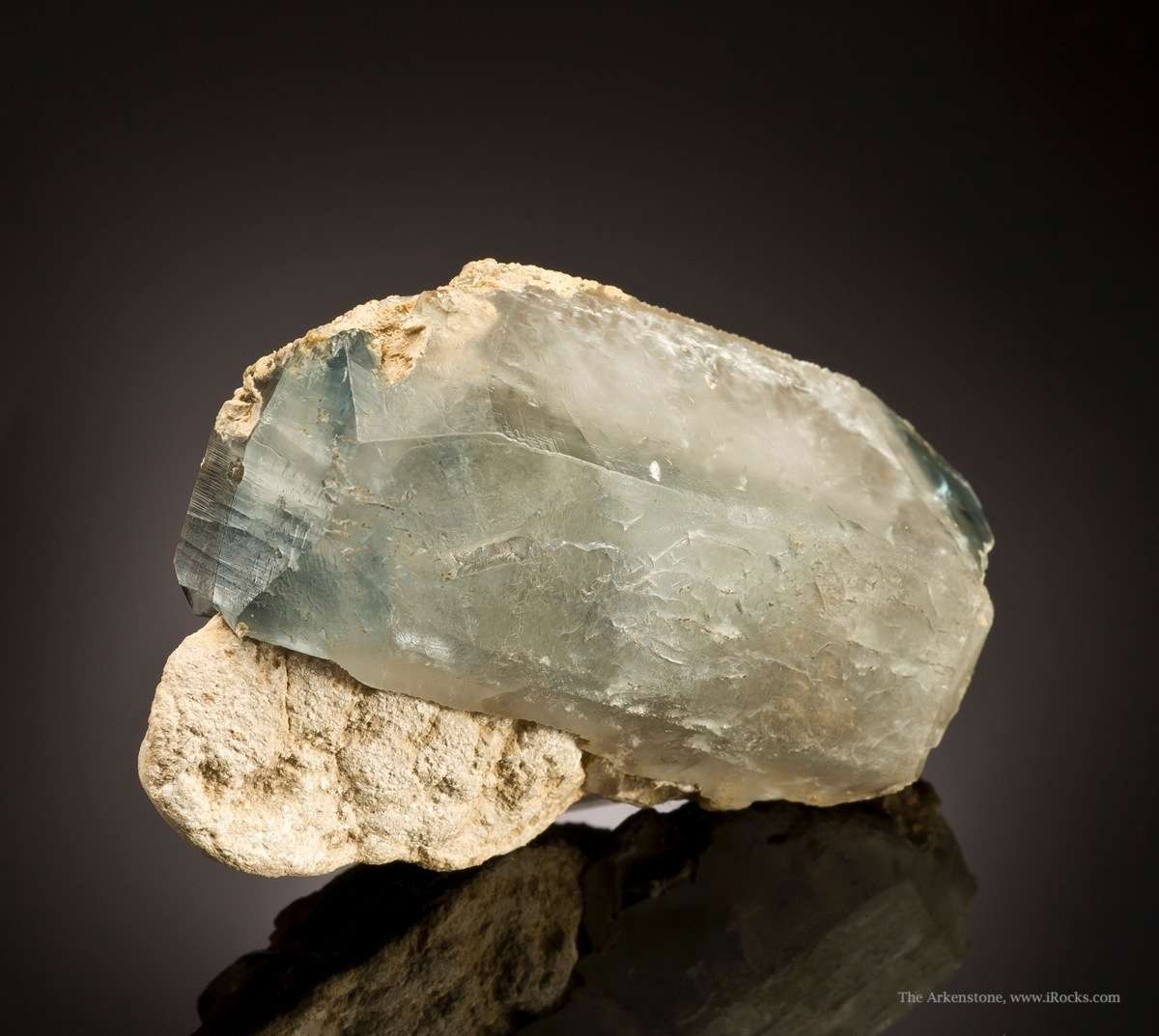
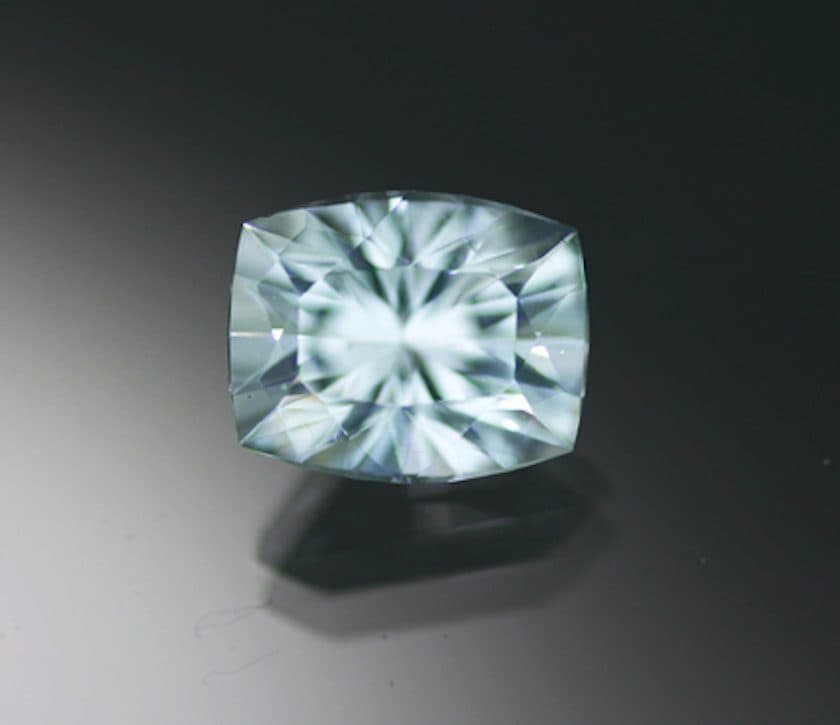
Celestite gems, usually colorless or pale blue, typically weigh under three carats and often receive step cuts. However, some gems are known in the 30-carat range. Large, transparent crystals may be found and cut.
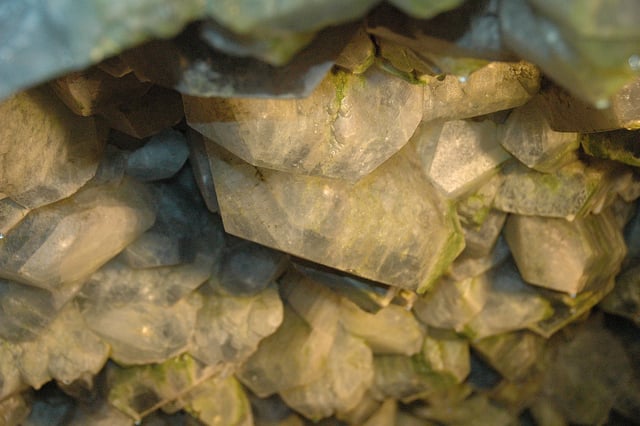
Put-in-Bay, Ohio boasts the Crystal Cave, "the world's largest geode." Converted into a cave, the 35′ wide geode contains celestite crystals up to 18" across.
Clean celestites only with a soft brush, mild detergent, and warm water. Consult our gemstone jewelry cleaning guide for more recommendations.


When you join the IGS community, you get trusted diamond & gemstone information when you need it.
The minerals barite and celestite form a series. Baryte lies at the barium (Ba) end; celestite at the strontium (Sr) end. Celestite is a major source of strontium. Both celestites and barites form in the orthorhombic crystal system.
While transparent crystals aren't rare per se, facetable gem-quality celestites are quite rare. Regardless, celestites don't have properties amenable to jewelry use. Their very low hardness (3-3.5), perfect cleavage, and light sensitivity make these stones better collector's items than jewelry pieces. Faceted gems also show little dispersion.
Use protective settings for any celestites in jewelry, especially as ring stones, and reserve them for occasional use. Celestites also have great heat sensitivity. Since jeweler's torches can easily exceed 200° C (392° F) and cause this stone's colors to fade, be wary if you take a jewelry piece to be repaired.
Faceted celestites might appeal to collectors of unusual gemstones as display specimens.
Celestites from Madagascar have refractive indices as follows: a = 1.619; γ = 1.631.
There are no known synthetic celestites.
Blue gems may fade because of heat or light, but irradiation may restore the color.
Canada produces rare orange crystals. Tsumeb, Namibia also yields gem-quality material.
Other notable sources include the following:
Celestite gems, usually colorless or pale blue, typically weigh under three carats and often receive step cuts. However, some gems are known in the 30-carat range. Large, transparent crystals may be found and cut.
Put-in-Bay, Ohio boasts the Crystal Cave, "the world's largest geode." Converted into a cave, the 35′ wide geode contains celestite crystals up to 18" across.
Clean celestites only with a soft brush, mild detergent, and warm water. Consult our gemstone jewelry cleaning guide for more recommendations.


Soft, fragile, and hard to cut, celestite or celestine is seldom seen in gem collections. Large, clean faceted celestites are very rare. These gems are usually colorless or pale blue, but rare orange, green, yellow, and red shades have also been found.