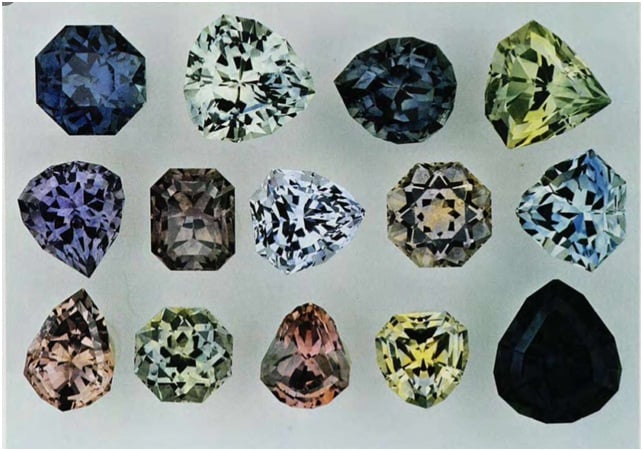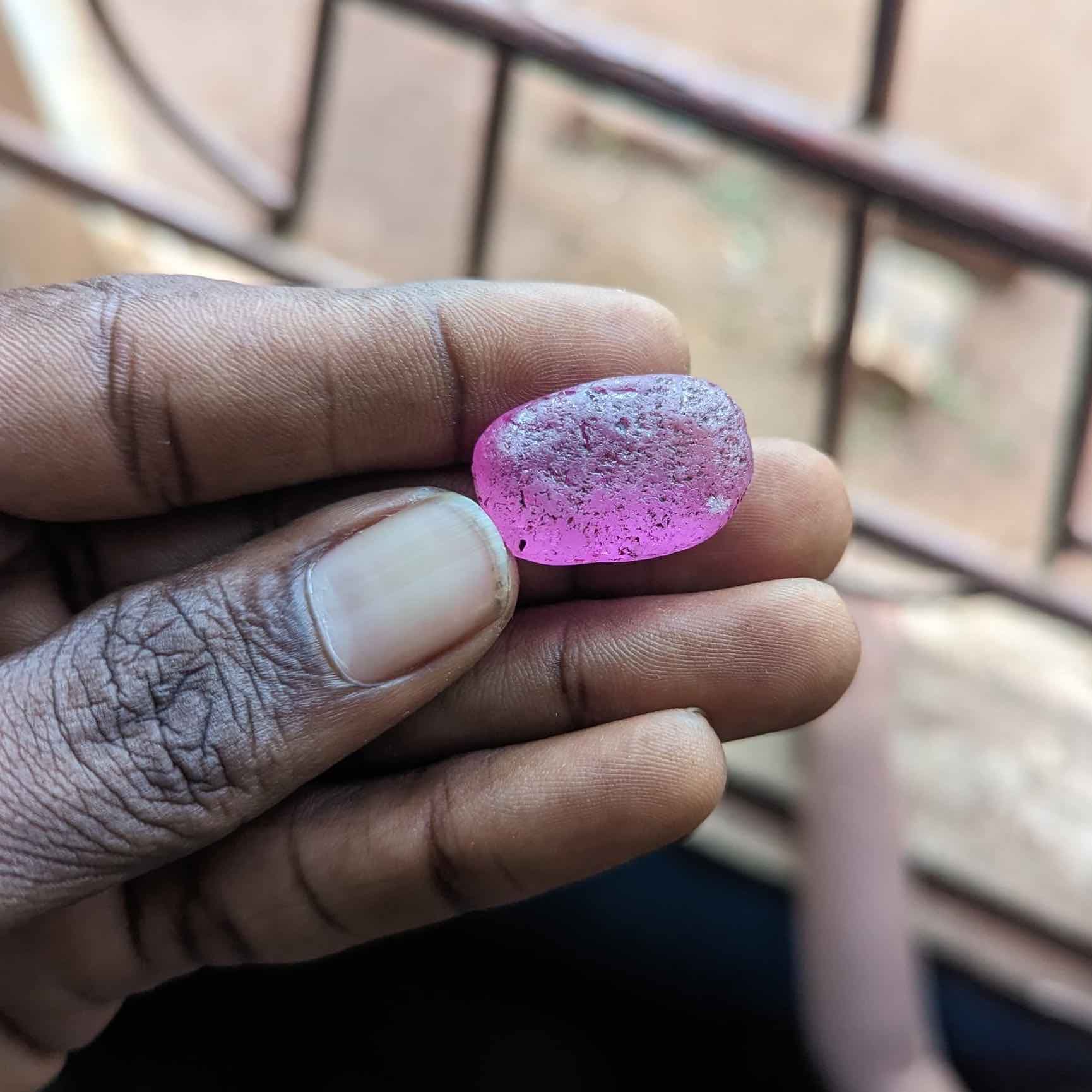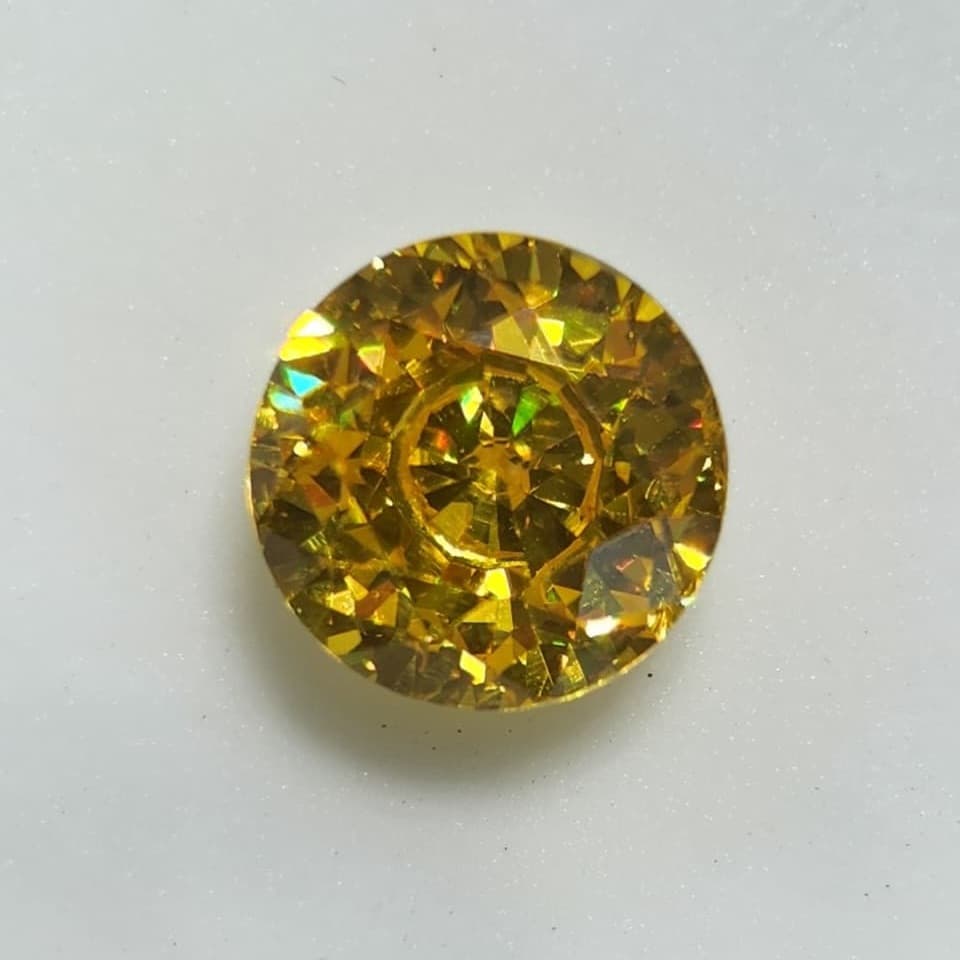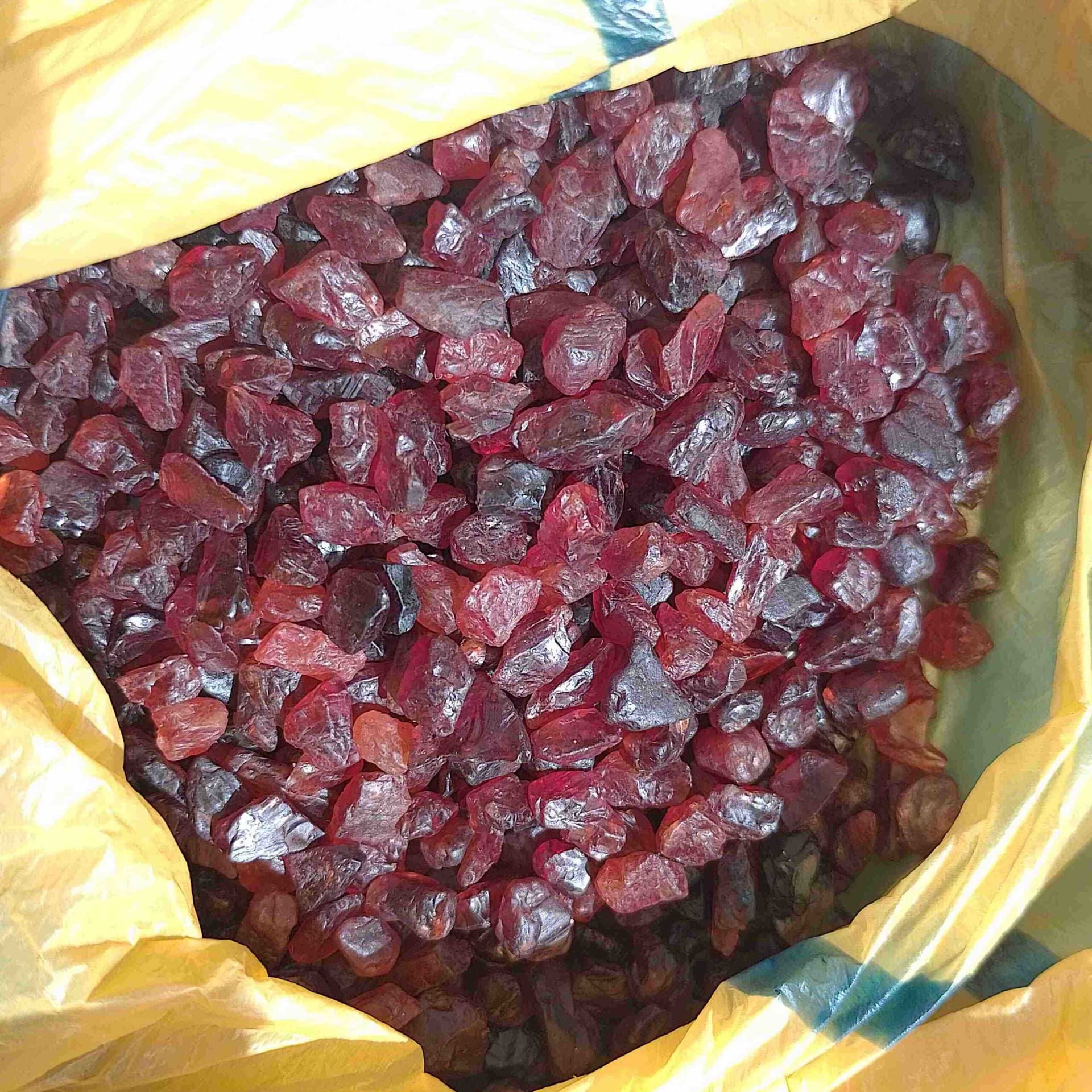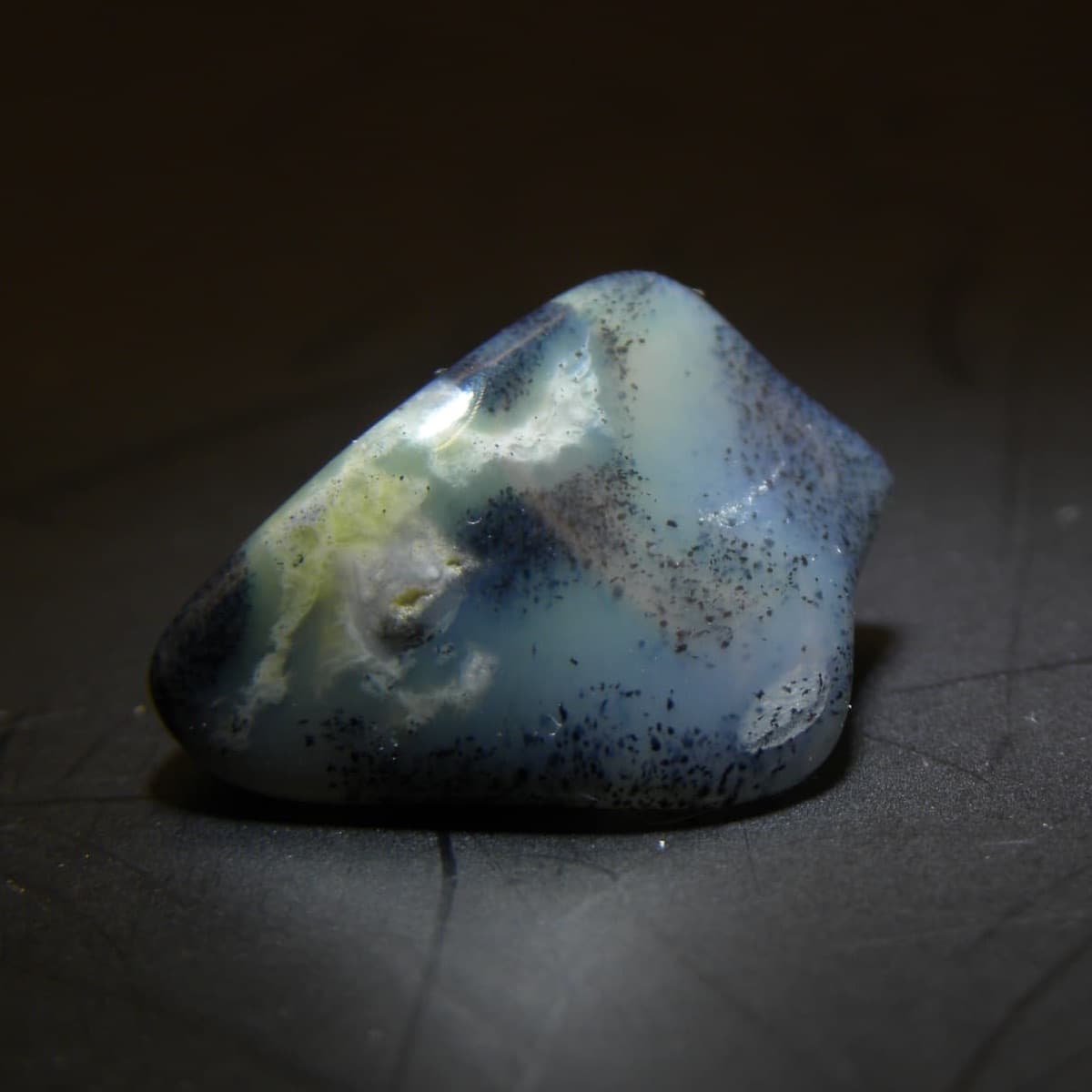
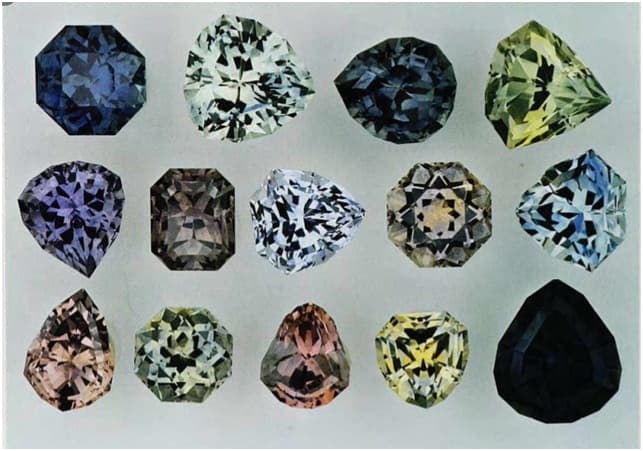
Next to diamond, corundum is the hardest mineral known and is very compact and dense, with no cleavage. As a result, corundum is one of the best of all jewelry stones, especially star corundum, which is tough as well as scratch-resistant. Faceted gems are slightly brittle and can be chipped, though much less easily than other gems. Ruby is red corundum. All other colors of corundum are called sapphires.
3 Minute Read
| Characteristics of Corundum from Various Localities | |||||||
| Locality | Variety | Color | e | o | Birefringence | S.G. | Comments |
| Australia | Sapphire | Light blue | 1.761 | 1.769 | 0.008 | 4.02 | |
| dark blue | 1.763 | 1.772 | 0.009 | 3.99 | |||
| green | 1.763 | 1.772 | 0.009 | 4.00 | |||
| yellow | 1.765 | 1,774 | 0.009 | 3.97 | |||
| yellow-green | 1.767 | 1,775 | 0.008 | 3.99 | |||
| golden yellow | 1.763 | 1.772 | 0.008 | 4.01 | |||
| Brazil | |||||||
| Jauru, Matto Grosso | Sapphire | dark blue | 1.762 | 1.770 | 0.008 | 3.95-4.05 | |
| Burma | Ruby | Finest Red | 1.760-1.769 | 1.768-1.778 | 0.008-0.009 | 3.996 | |
| Sapphire | dark blue | 1.762 | 1.770 | 0.008 | 4.00 | ||
| India | |||||||
| Kashmir | Sapphire | fine blue | 1.762 | 1.770 | 0.008 | 3.99 | |
| Colombia | Sapphire | blue, violet | 1.762 | 1.770 | 0.008 | 3.99-4.02 | |
| Japan | Ruby | purplish-red to pink | 1.761 | 1.769 | 0.008 | 3.89 | |
| Malawi | Sapphire | various | 1.760 -1.761 | 1.770 | 0.009 | - | |
| Ruby | red | 1.762-1.763 | 1.771-1.772 | 0.009 | - | ||
| Nepal | Ruby | red | 1.760 | 1.768 | 0.008 | 3.98 | |
| (Taplejung district) | |||||||
| Pakistan | Ruby | red | 1.762 | 1.770 | 0.008 | 3.99 | |
| Hunza Valley | |||||||
| Sri Lanka | Ruby | red | 1.761-1.763 | 1.769-1.772 | 0.008 | 3.99-4.00 | |
| Sapphire | blue | 1.757 -1.760 | 1.765-1.768 | 0.008 | 4.00 | ||
| yellow | 1.760-1.761 | 1.768 -1769 | 0.008 | 3.99-4.01 | |||
| green | 1.765 -1.770 | 1.773-1.779 | 0.008-0.009 | 4.00-4.01 | |||
| Tanzania | Ruby | red | 1.764 | 1.772 | 0.008 | 3.99 | |
| Longido | Sapphire | orange | 1.760-1.763 | 1.768-1.772 | 0.008-0.009 | 3.99 | |
| Umba River Valely | Sapphire | red-brown | 1.763-1.765 | 1.771-1.773 | 0.008 | 3.99-4.06 | |
| Thailand | Ruby | red | 1.760-1.764 | 1.768-1.772 | 0.008 | 4.01 | |
| Ruby | dark red | 1.768 | 1.776 | 0.008 | 4.00 | ||
| Yugoslavia | Ruby | red | - | ~1.765 | - | 3.80-3.98 | |
| Prilip | |||||||
| Note: Colorless: e=1.759 -1.761; o=1.768 -1.769;blue and green: e = 1.762 -1.770; o= 1.770-1.779. Among sapphires the green gems are more iron-rich, have higher indices. | |||||||
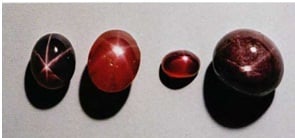
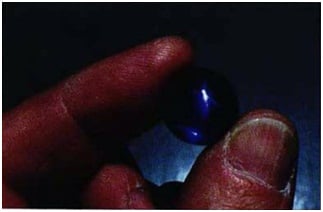
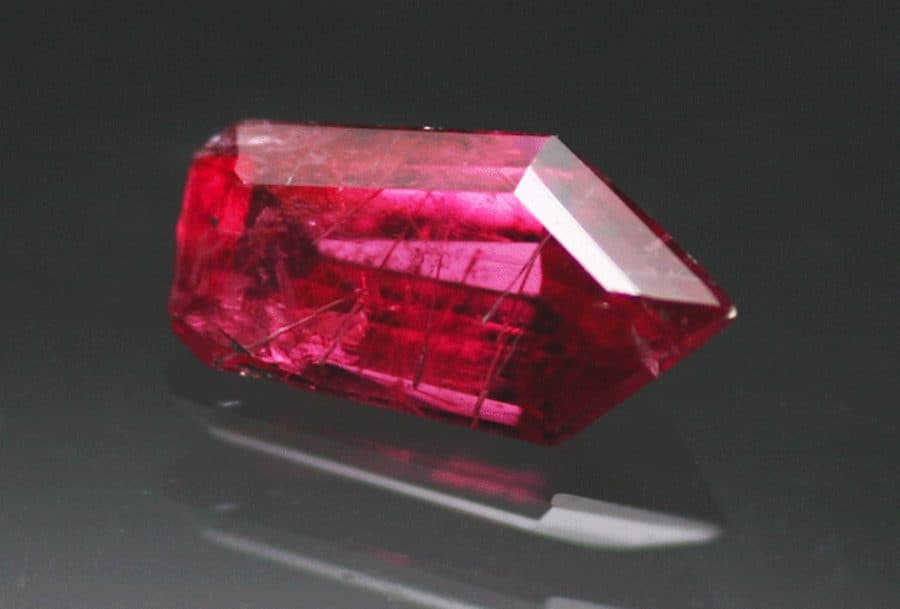
Star corundum gemstones show asterism, or a "star effect." This phenomenon is created by the inclusion of rutile needles within the host corundum crystal. The rutile needles orient themselves according to the hexagonal symmetry of the corundum, and reflections from these needles provide a chatoyancy. When such material is cut into a cabochon the sheen is concentrated along the top of the stone into three white lines crossing at 120° angles, creating a six-rayed star. Very rarely there are two distinct sets of needles oriented according to the first and second order prisms of the corundum (30° apart), resulting in a strong, 12-rayed star.
For more information on corundum inclusions, see Identifying Origins of Rubies and Sapphires.
See corundum treatments for more information.
Rubies and sapphires are found worldwide. For location details, see Identifying Origins of Rubies and Sapphires.
Gem-quality corundum is occasionally found in the Czech Republic, Finland, Greenland, Nepal, Norway, Pakistan, Russia, and Slovakia.
Sapphires, in general, reach a far greater size than rubies. A ruby of 30 carats is a great rarity, whereas sapphires in museum collections weighing hundreds of carats are not uncommon. The largest rubies come from the chrome-zoisite matrix in Tanzania, but these are not really of gem quality. Fine gem rubies of large size occur in the Sri Lankan gravels, with smaller ones from Burma and Thailand. Enormous sapphires of fine color and transparency have been found in the gem gravels of Sri Lanka and Burma. (Most are from Sri Lanka). A 1400 gram ruby was found in Yugoslavia (Prilip) but was not gemmy. Malawi material (sapphire) reaches a size of about 12 carats. Large sapphires have been found in Australia. Montana sapphires over 1 carat are very rare, but the blue ones in this size range are magnificent.
Specific gemstones of significant size are described in the ruby and sapphire entries.
Consult our gemstone care guide for recommended cleaning methods.

When you join the IGS community, you get trusted diamond & gemstone information when you need it.
| Characteristics of Corundum from Various Localities | |||||||
| Locality | Variety | Color | e | o | Birefringence | S.G. | Comments |
| Australia | Sapphire | Light blue | 1.761 | 1.769 | 0.008 | 4.02 | |
| dark blue | 1.763 | 1.772 | 0.009 | 3.99 | |||
| green | 1.763 | 1.772 | 0.009 | 4.00 | |||
| yellow | 1.765 | 1,774 | 0.009 | 3.97 | |||
| yellow-green | 1.767 | 1,775 | 0.008 | 3.99 | |||
| golden yellow | 1.763 | 1.772 | 0.008 | 4.01 | |||
| Brazil | |||||||
| Jauru, Matto Grosso | Sapphire | dark blue | 1.762 | 1.770 | 0.008 | 3.95-4.05 | |
| Burma | Ruby | Finest Red | 1.760-1.769 | 1.768-1.778 | 0.008-0.009 | 3.996 | |
| Sapphire | dark blue | 1.762 | 1.770 | 0.008 | 4.00 | ||
| India | |||||||
| Kashmir | Sapphire | fine blue | 1.762 | 1.770 | 0.008 | 3.99 | |
Star corundum gemstones show asterism, or a "star effect." This phenomenon is created by the inclusion of rutile needles within the host corundum crystal. The rutile needles orient themselves according to the hexagonal symmetry of the corundum, and reflections from these needles provide a chatoyancy. When such material is cut into a cabochon the sheen is concentrated along the top of the stone into three white lines crossing at 120° angles, creating a six-rayed star. Very rarely there are two distinct sets of needles oriented according to the first and second order prisms of the corundum (30° apart), resulting in a strong, 12-rayed star.
For more information on corundum inclusions, see Identifying Origins of Rubies and Sapphires.
See corundum treatments for more information.
Rubies and sapphires are found worldwide. For location details, see Identifying Origins of Rubies and Sapphires.
Gem-quality corundum is occasionally found in the Czech Republic, Finland, Greenland, Nepal, Norway, Pakistan, Russia, and Slovakia.
Sapphires, in general, reach a far greater size than rubies. A ruby of 30 carats is a great rarity, whereas sapphires in museum collections weighing hundreds of carats are not uncommon. The largest rubies come from the chrome-zoisite matrix in Tanzania, but these are not really of gem quality. Fine gem rubies of large size occur in the Sri Lankan gravels, with smaller ones from Burma and Thailand. Enormous sapphires of fine color and transparency have been found in the gem gravels of Sri Lanka and Burma. (Most are from Sri Lanka). A 1400 gram ruby was found in Yugoslavia (Prilip) but was not gemmy. Malawi material (sapphire) reaches a size of about 12 carats. Large sapphires have been found in Australia. Montana sapphires over 1 carat are very rare, but the blue ones in this size range are magnificent.
Specific gemstones of significant size are described in the ruby and sapphire entries.
Consult our gemstone care guide for recommended cleaning methods.

| Colombia | Sapphire | blue, violet | 1.762 | 1.770 | 0.008 | 3.99-4.02 |
| Japan | Ruby | purplish-red to pink | 1.761 | 1.769 | 0.008 | 3.89 |
| Malawi | Sapphire | various | 1.760 -1.761 | 1.770 | 0.009 | - |
| Ruby | red | 1.762-1.763 | 1.771-1.772 | 0.009 | - |
| Nepal | Ruby | red | 1.760 | 1.768 | 0.008 | 3.98 |
| (Taplejung district) |
| Pakistan | Ruby | red | 1.762 | 1.770 | 0.008 | 3.99 |
| Hunza Valley |
| Sri Lanka | Ruby | red | 1.761-1.763 | 1.769-1.772 | 0.008 | 3.99-4.00 |
| Sapphire | blue | 1.757 -1.760 | 1.765-1.768 | 0.008 | 4.00 |
| yellow | 1.760-1.761 | 1.768 -1769 | 0.008 | 3.99-4.01 |
| green | 1.765 -1.770 | 1.773-1.779 | 0.008-0.009 | 4.00-4.01 |
| Tanzania | Ruby | red | 1.764 | 1.772 | 0.008 | 3.99 |
| Longido | Sapphire | orange | 1.760-1.763 | 1.768-1.772 | 0.008-0.009 | 3.99 |
| Umba River Valely | Sapphire | red-brown | 1.763-1.765 | 1.771-1.773 | 0.008 | 3.99-4.06 |
| Thailand | Ruby | red | 1.760-1.764 | 1.768-1.772 | 0.008 | 4.01 |
| Ruby | dark red | 1.768 | 1.776 | 0.008 | 4.00 |
| Yugoslavia | Ruby | red | - | ~1.765 | - | 3.80-3.98 |
| Prilip |
| Note: Colorless: e=1.759 -1.761; o=1.768 -1.769;blue and green: e = 1.762 -1.770; o= 1.770-1.779. Among sapphires the green gems are more iron-rich, have higher indices. |
The corundum family of gemstones consists of ruby and sapphire. Corundum is very compact, dense, and lacks gemstone cleavage. It’s also the second hardest natural mineral after diamond. Gem-quality corundum is also quite rare. These factors make both varieties of corundum some of the most highly desired jewelry stones. Ruby is the red variety of corundum. All other colors of corundum, including colorless, are called sapphires.
Rubies and sapphires are some of the most valuable and popular of all gemstones. Despite the enormous size of these stones in museums and royal collections, most corundum gems available for sale are usually of more modest size. A 3-4 carat ruby of fine quality would be a rare and very expensive gem in today’s market. Sapphires over 5 carats, clean and with good blue color, are similarly rare and also valuable. Relatively speaking, there is an abundance of good quality small sapphires but not rubies. Very few known ruby deposits can be actively worked, while there are many more sapphire deposits being actively mined.