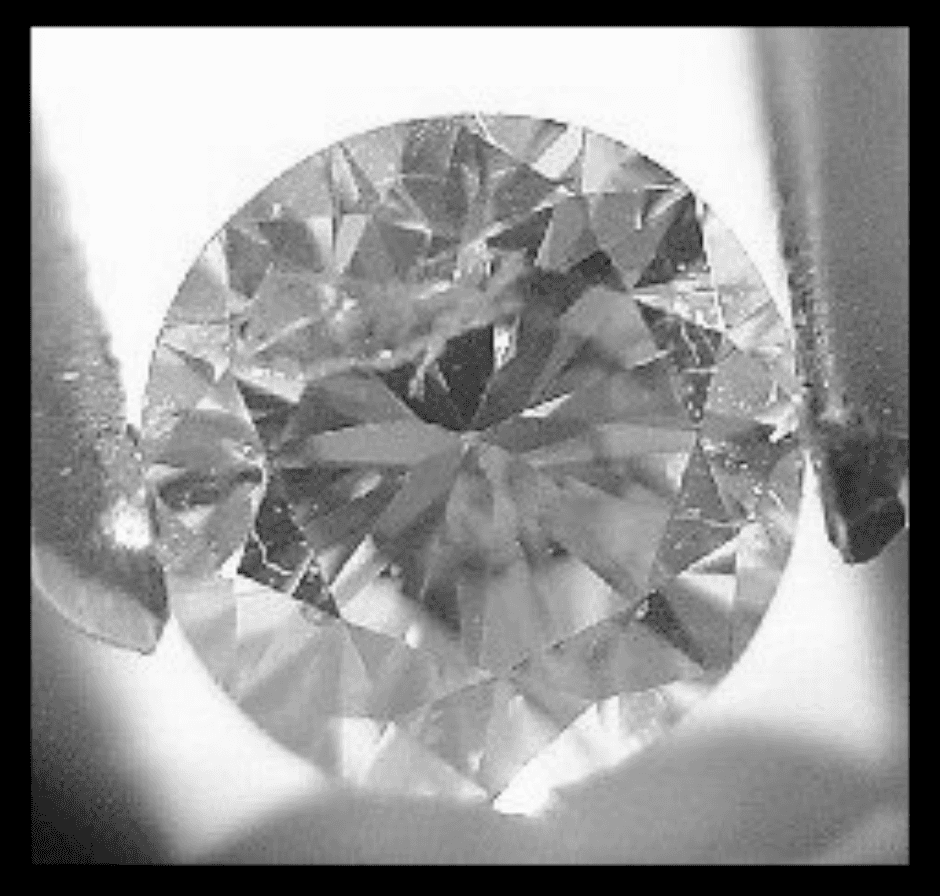
The GIA modern diamond cut grading method is the most widely accepted in the industry. Our step-by-step guide covers the tools and techniques you'll need.
7 Minute Read
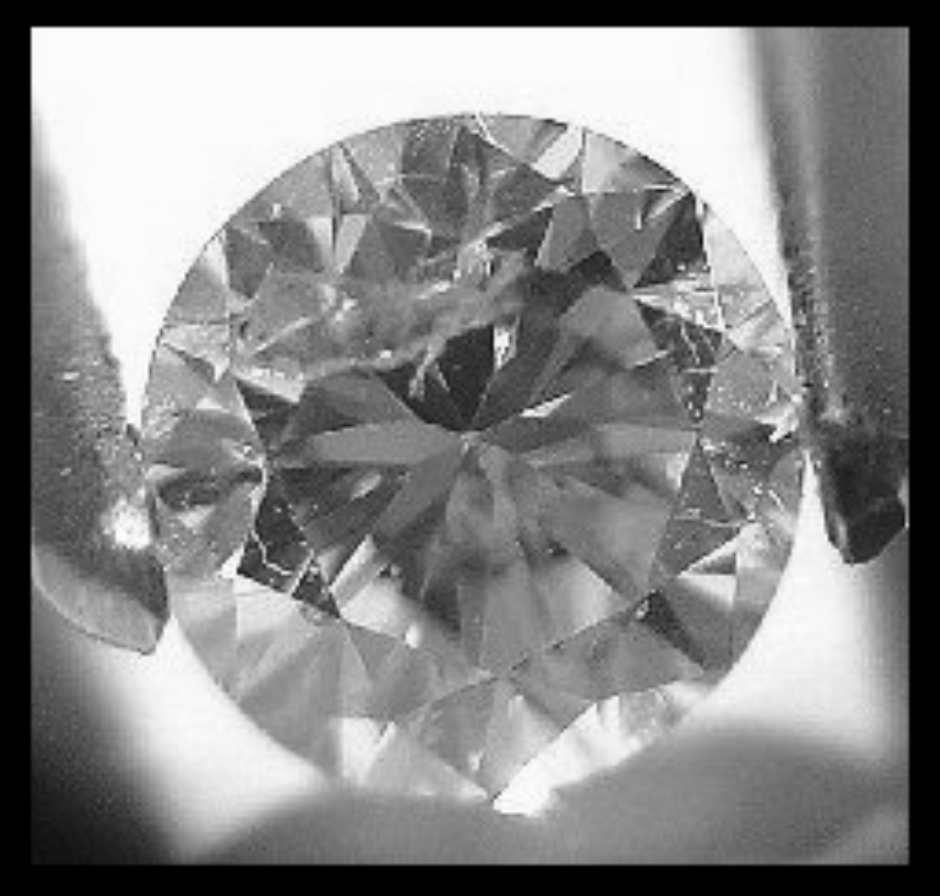
If you haven’t already, read the lesson on traditional diamond cut grading methods. This will teach you to grade diamonds in the field, away from your lab and reference materials. In addition, the standards for grading diamond finish remain unchanged. (The lesson on traditional methods also discusses economic and practical issues regarding choosing a diamond cut).
Traditional cut grading methods are still exceptionally valuable. However, they aren’t accurate enough for the new standards. Modern diamond cut grading requires measurements to a closer tolerance than you can estimate by sight. Sight estimation is the hallmark of traditional grading.
Taking some of these measurements will require reticles in conjunction with a microscope or loupe.
| Table size | 1.0% |
| Crown angle average | 0.5° |
| Pavilion angle average | 0.2° |
| Average star length | 5.0% |
| Average lower-half length | 5.0% |
| Average crown height | 0.5% |
| Average pavilion depth | 0.5% |
| Total depth | 0.1% |
| Girdle size | verbal |
| Culet size | verbal |
If necessary, review calculating percentages and averages.
Like the traditional systems, modern diamond cut (or make) evaluations have two parts: proportion and finish.
The following information…
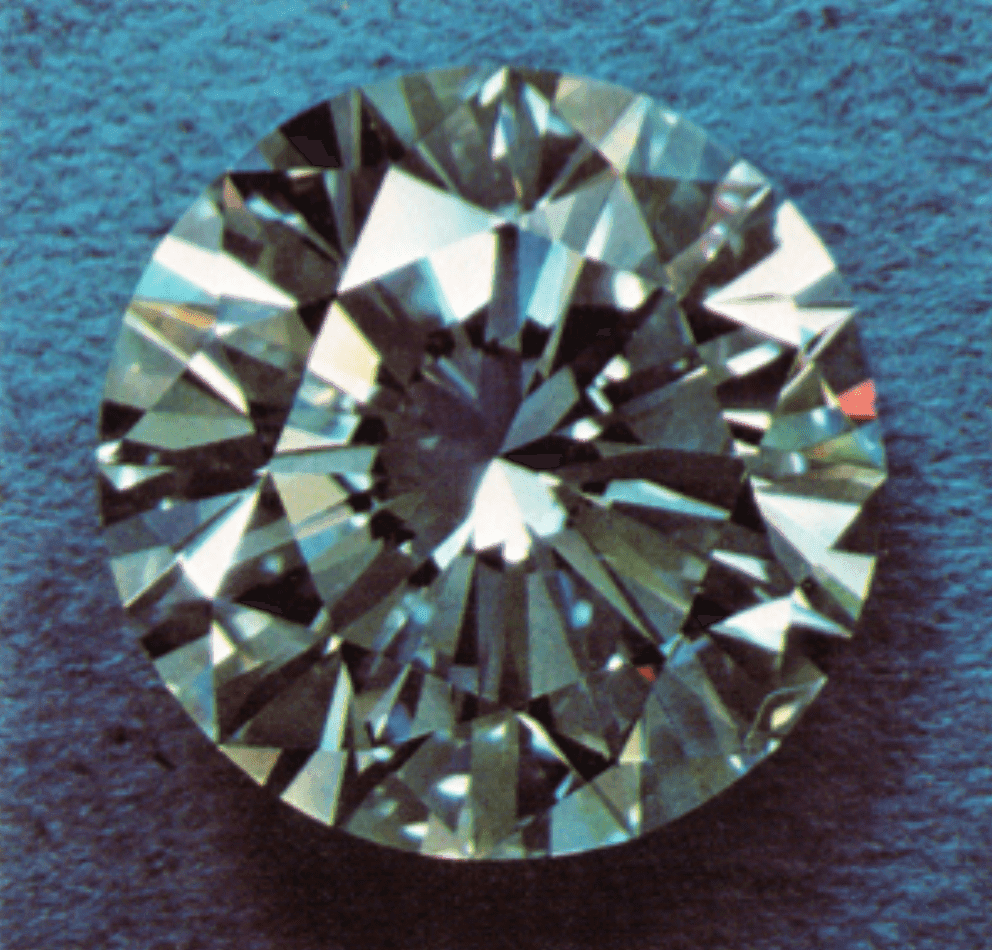


When you join the IGS community, you get trusted diamond & gemstone information when you need it.
If you haven’t already, read the lesson on traditional diamond cut grading methods. This will teach you to grade diamonds in the field, away from your lab and reference materials. In addition, the standards for grading diamond finish remain unchanged. (The lesson on traditional methods also discusses economic and practical issues regarding choosing a diamond cut).
Traditional cut grading methods are still exceptionally valuable. However, they aren’t accurate enough for the new standards. Modern diamond cut grading requires measurements to a closer tolerance than you can estimate by sight. Sight estimation is the hallmark of traditional grading.
Taking some of these measurements will require reticles in conjunction with a microscope or loupe.
| Table size | 1.0% |
| Crown angle average | 0.5° |
| Pavilion angle average | 0.2° |
| Average star length | 5.0% |
| Average lower-half length | 5.0% |
| Average crown height | 0.5% |
| Average pavilion depth | 0.5% |
| Total depth | 0.1% |
| Girdle size | verbal |
| Culet size | verbal |
If necessary, review calculating percentages and averages.
Like the traditional systems, modern diamond cut (or make) evaluations have two parts: proportion and finish.
The following information…

The GIA modern diamond cut grading method is the most widely accepted in the industry. Our step-by-step guide covers the tools and techniques you'll need.


“I have never known or heard of an organization that offers so much for its members, and at such a low cost.”
— Ernest Roisch, Rainbow Rocks LTD
That's less than $0.01 per article. Get instant access to 1,700+ premium articles, courses, and gem pricing data.