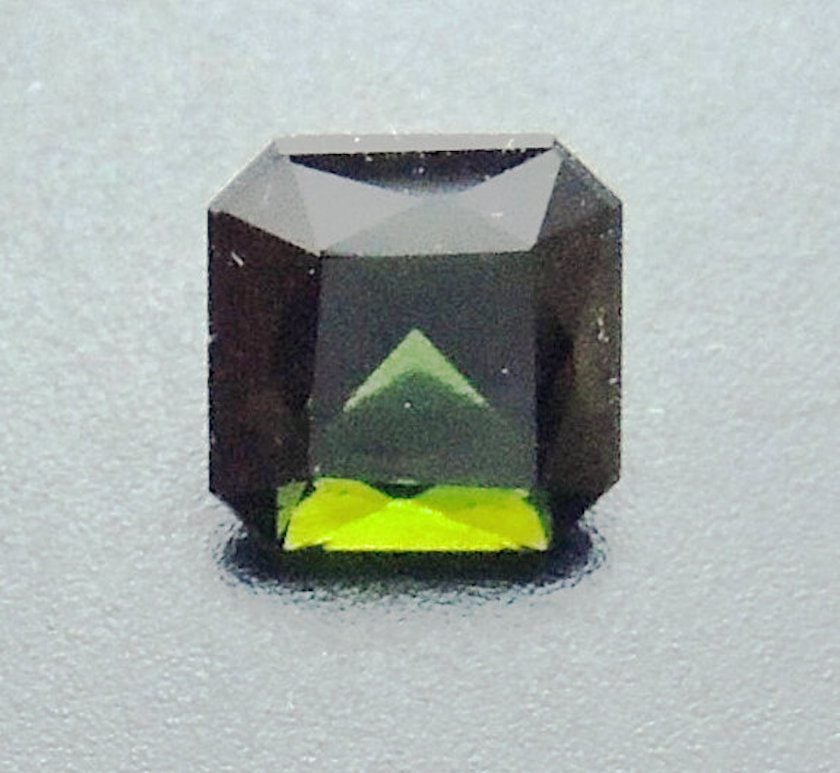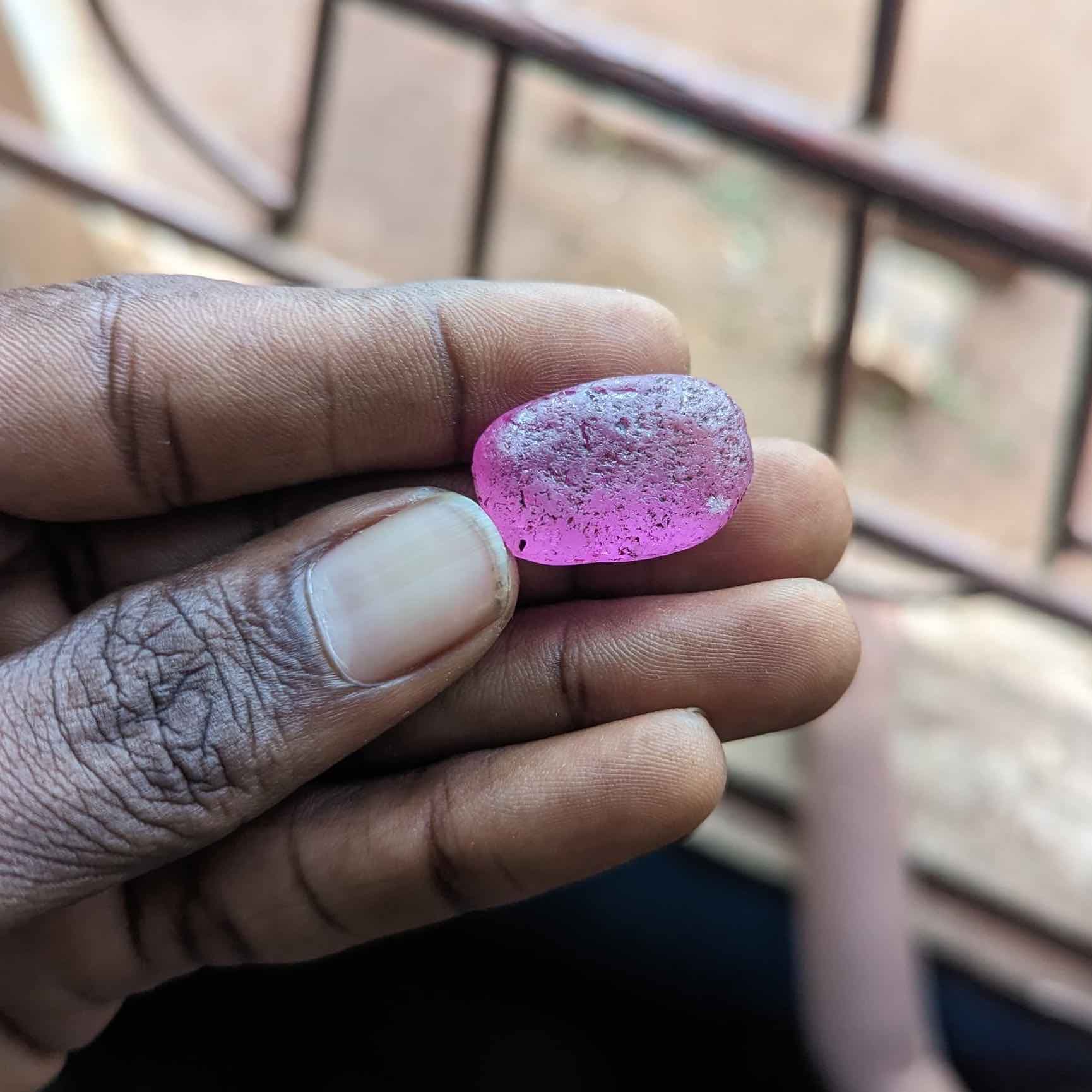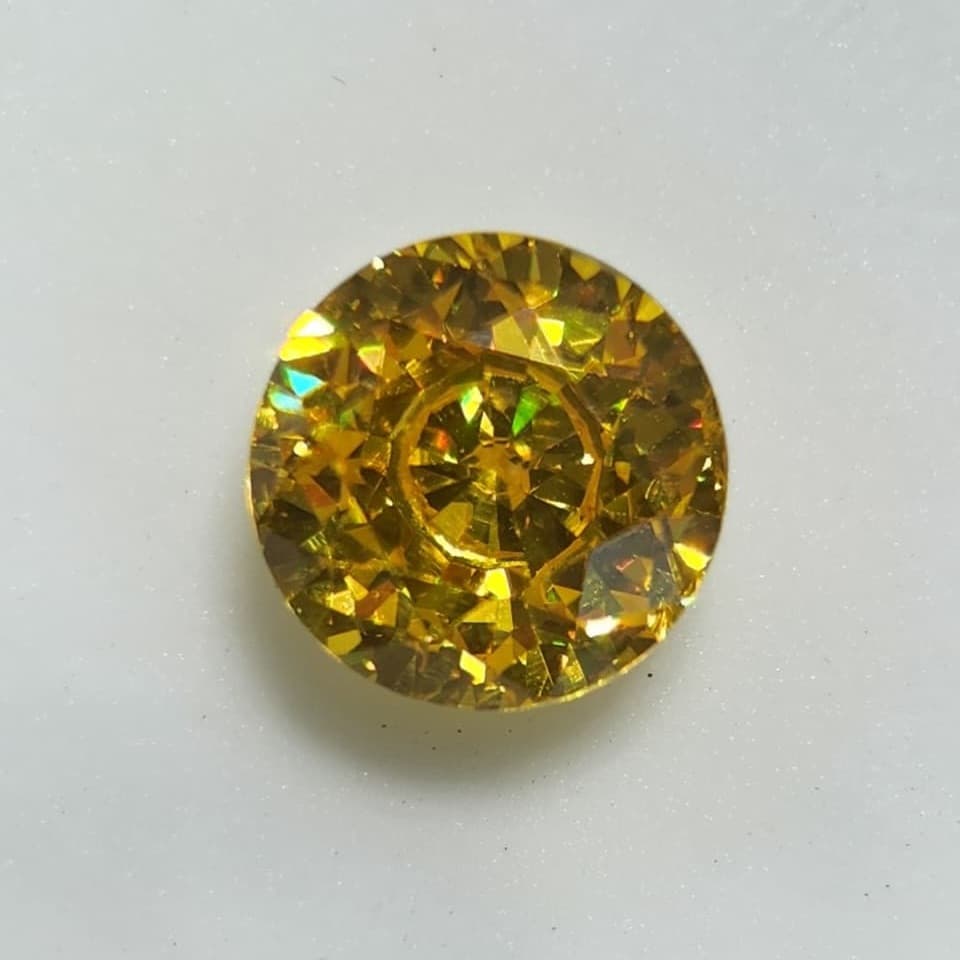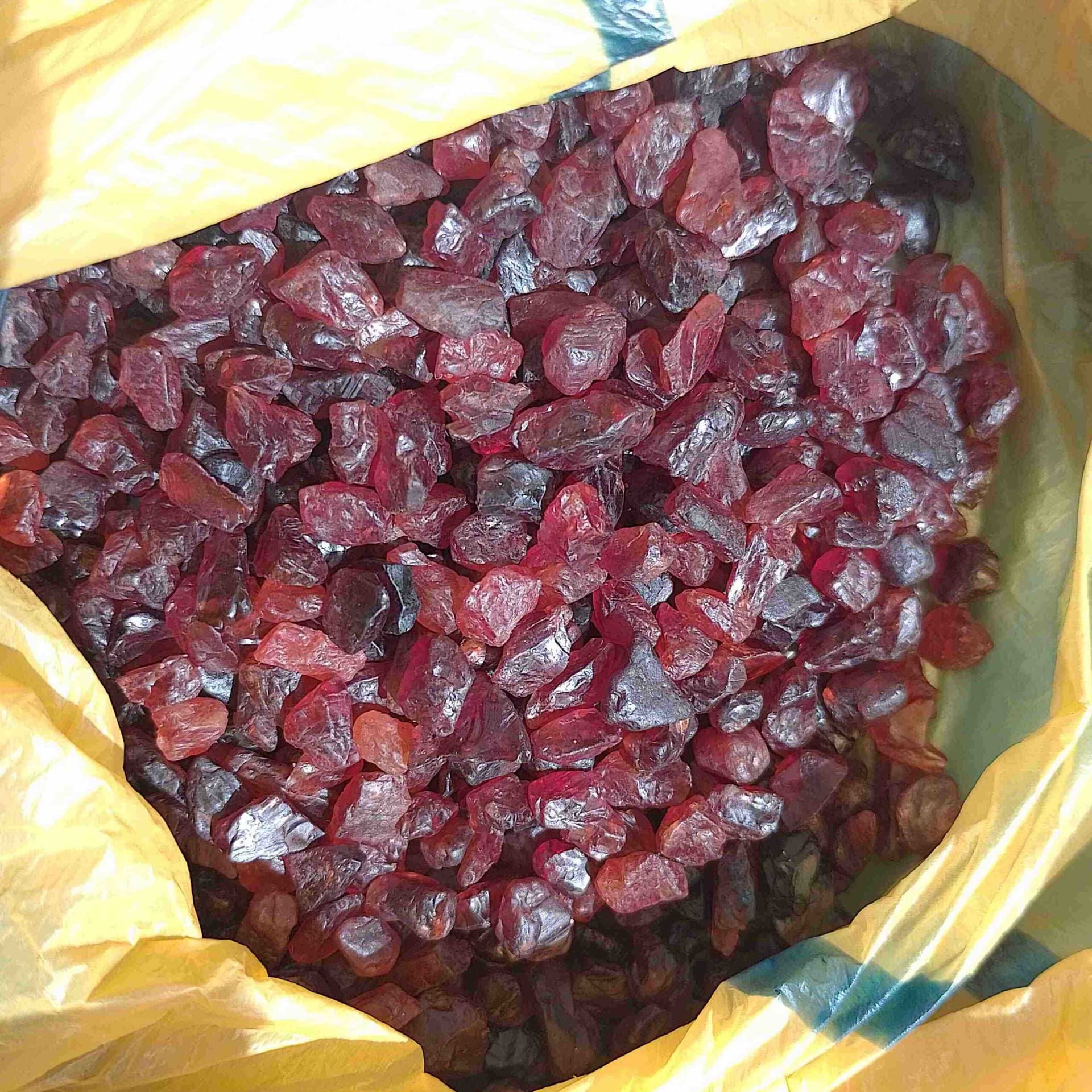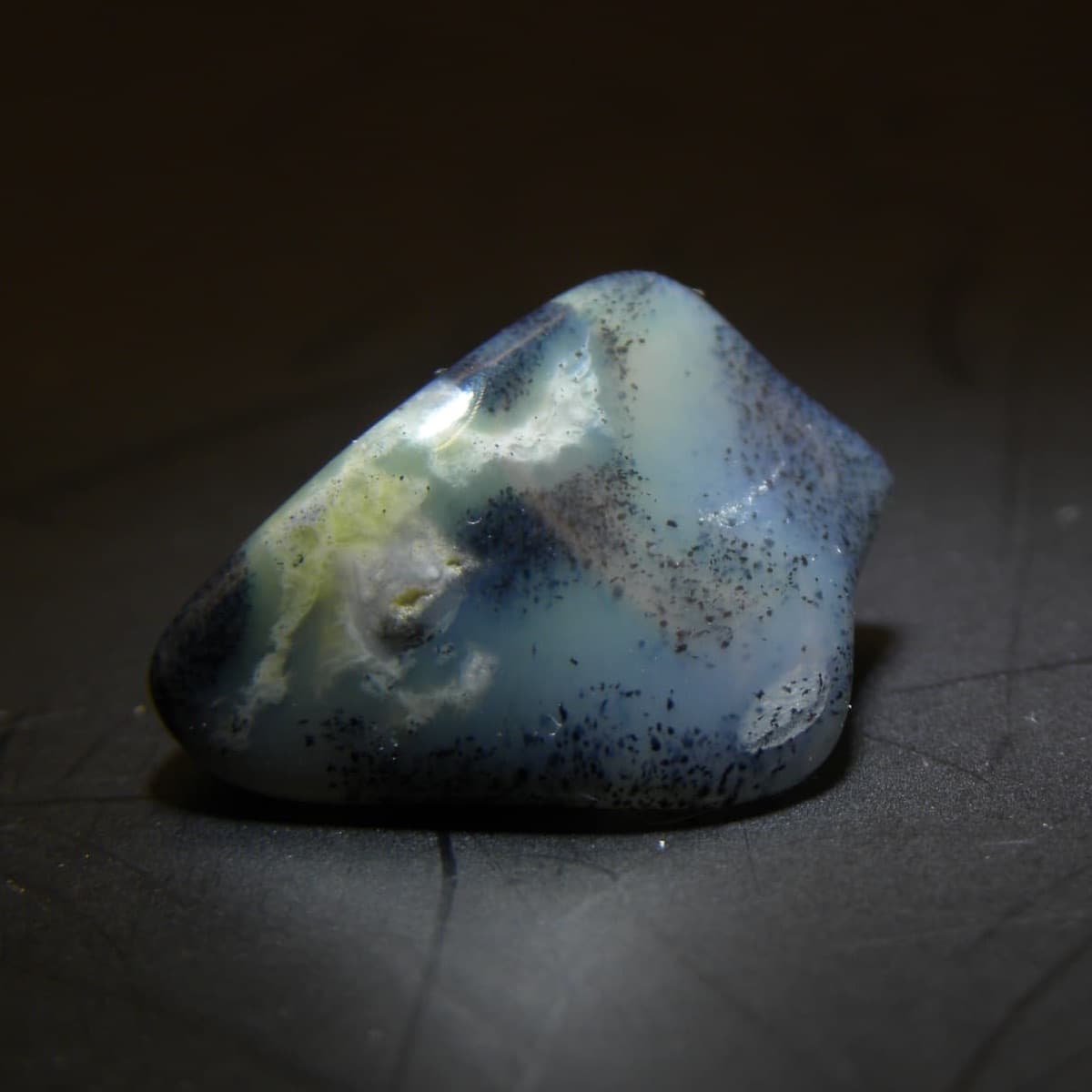
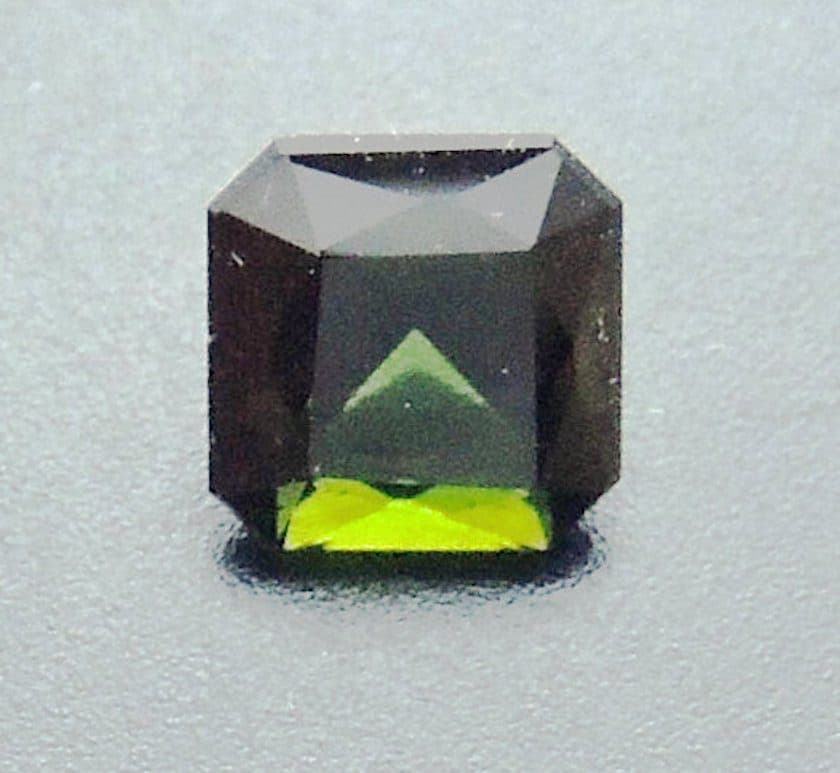
The epidote mineral supergroup contains many related species of interest to collectors. However, epidote itself is the one most likely to be faceted into beautiful, albeit small and dark, gemstones.
5 Minute Read
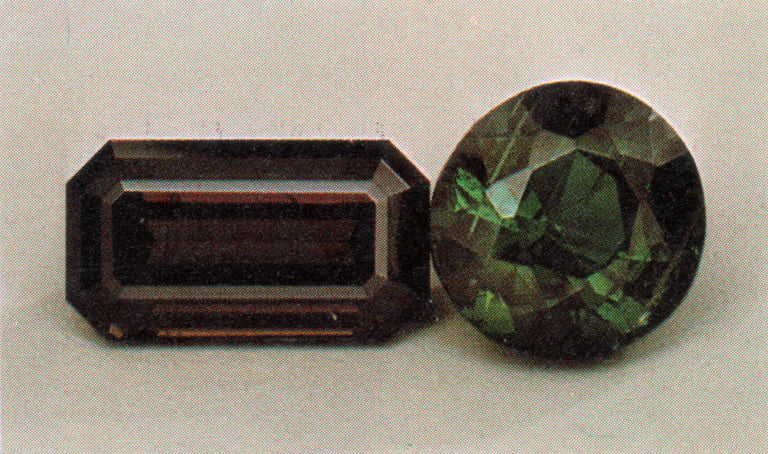
Although epidotes have loaned their name to the epidote mineral supergroup, the gems themselves form a clinozoisite-epidote solid-solution series within this taxon.
In 2006, mineralogists removed all varieties of zoisite, including its most well-known member, tanzanite, from the epidote supergroup. Zoisite is an orthorhombic polymorph of monoclinic clinozoisite. Mineralogists reclassified zoisite since all other epidote members had monoclinic crystal systems.
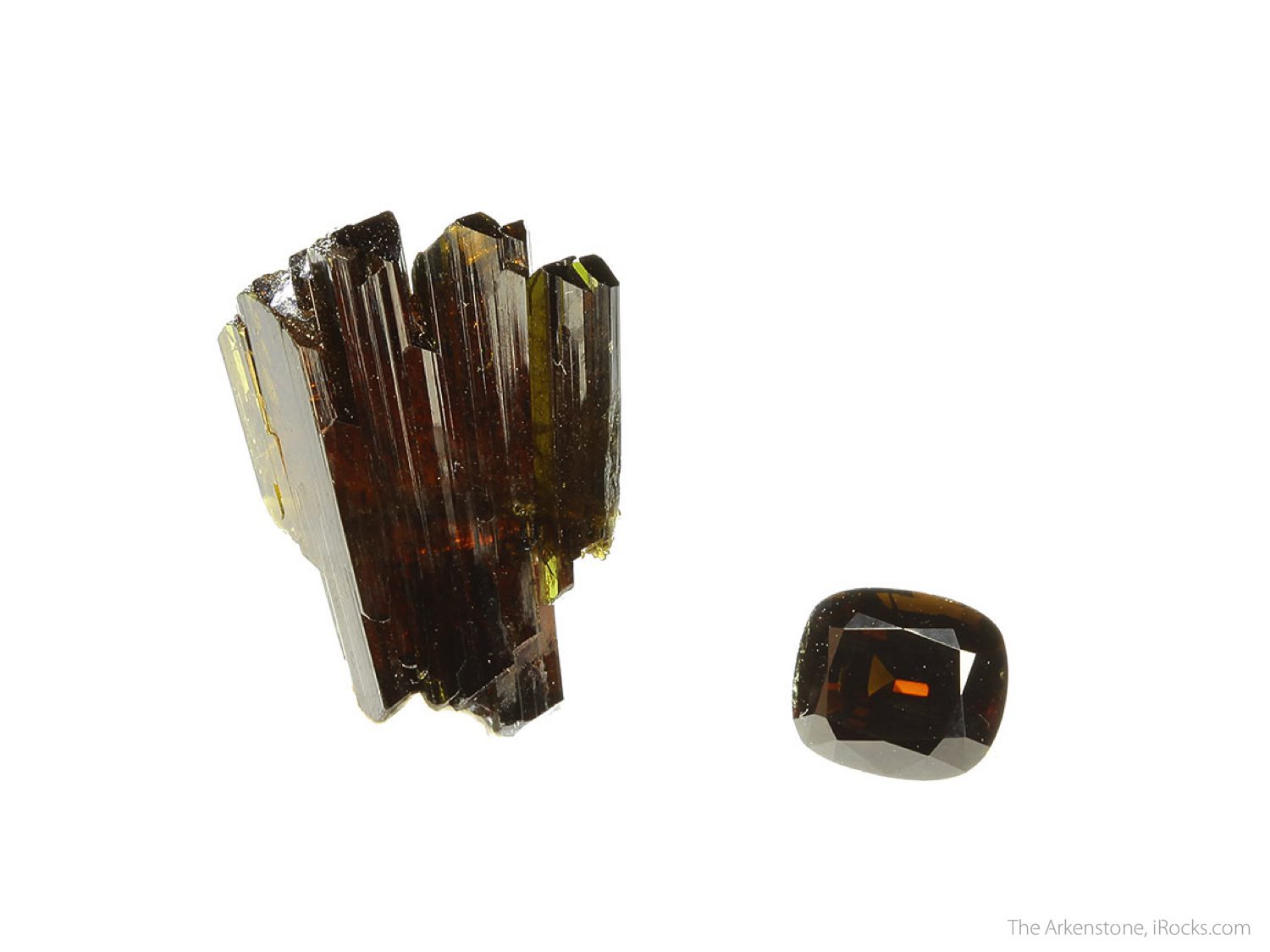
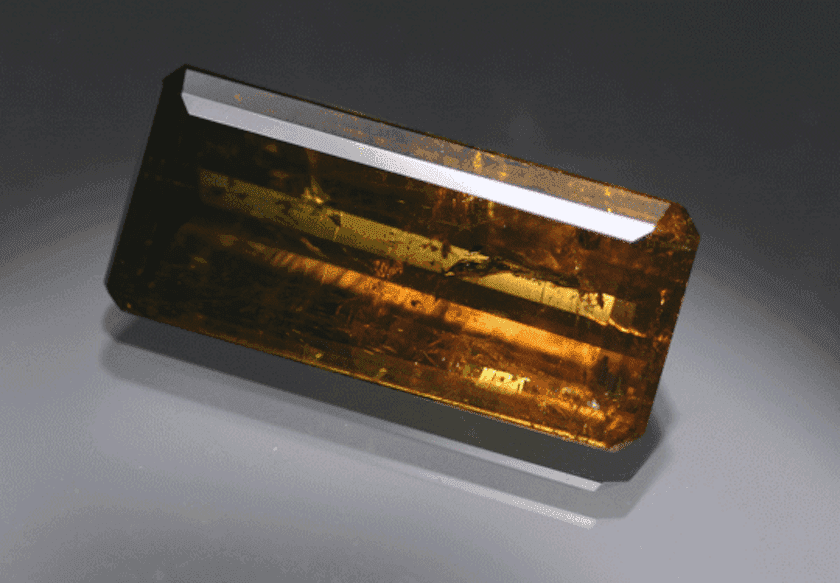
Despite losing tanzanite, the epidote supergroup still includes some interesting gemstones, both common and rare. It features species suitable for faceting and cabbing as well as beautiful crystals for collecting. These materials often contain fibrous inclusions. On rare occasions, they create a chatoyant "cat's eye" effect in cabbed epidotes and clinozoisites.
Some epidotes may have a hardness of 7, on par with quartz. However, most gem materials in this supergroup have a hardness of 6 or softer. Since these gems also have perfect cleavage and sensitivities to heat and acids, they require special care as jewelry stones. Have these stones set in protective settings, especially for ring use, and reserve them for occasional wear.
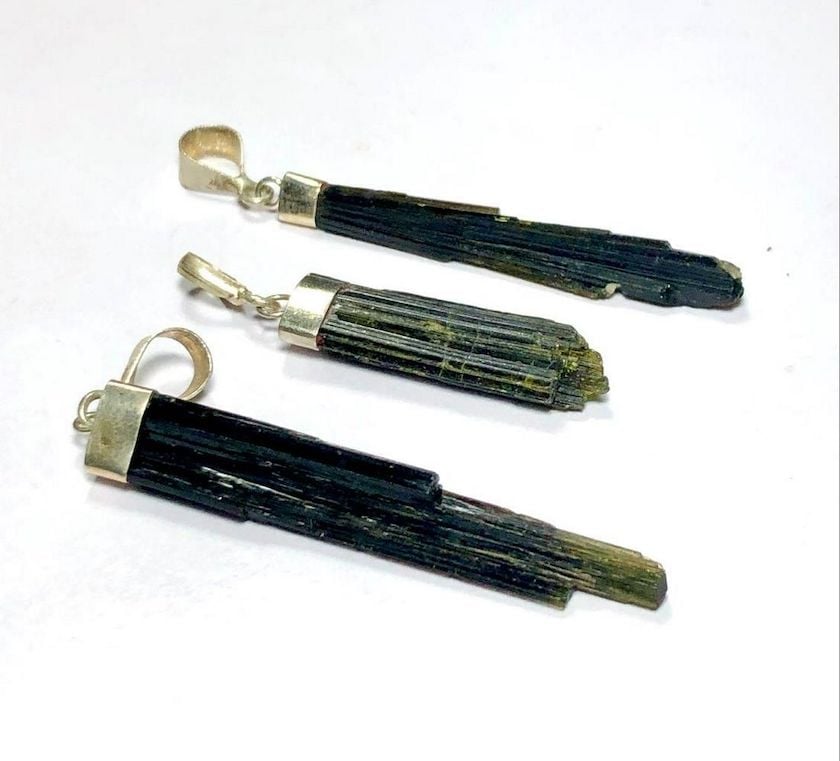
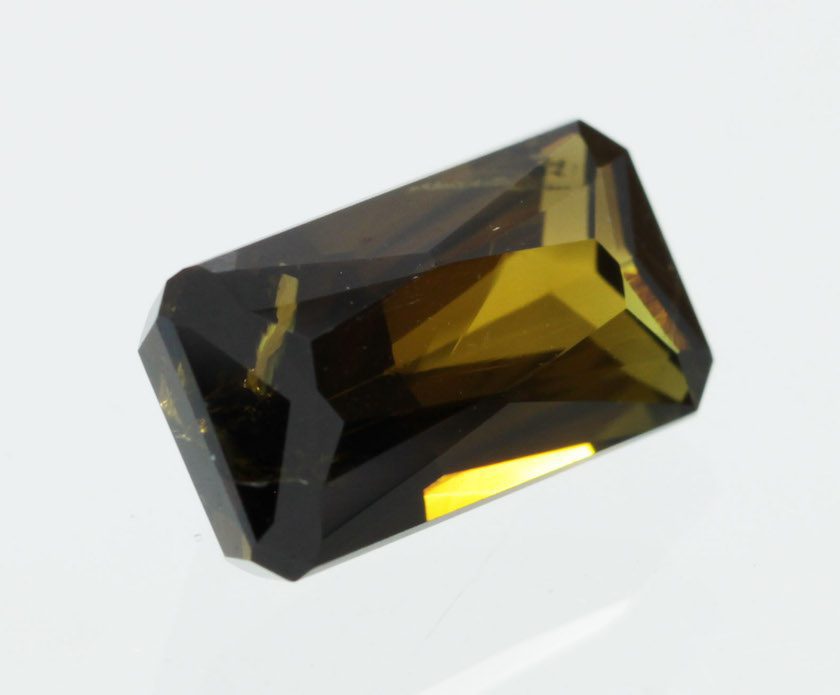
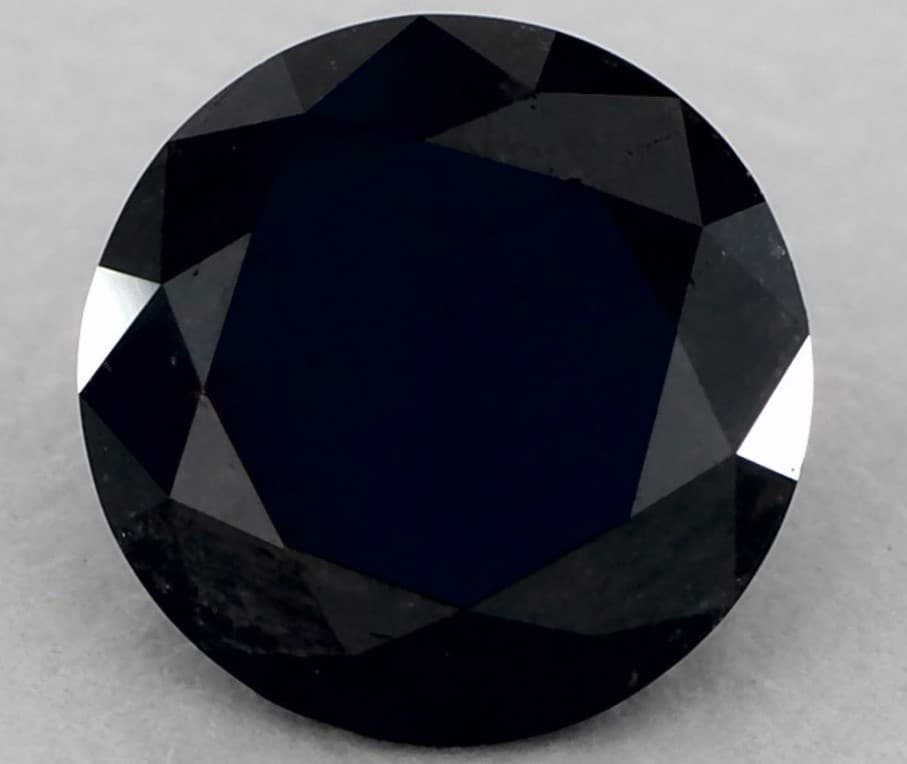
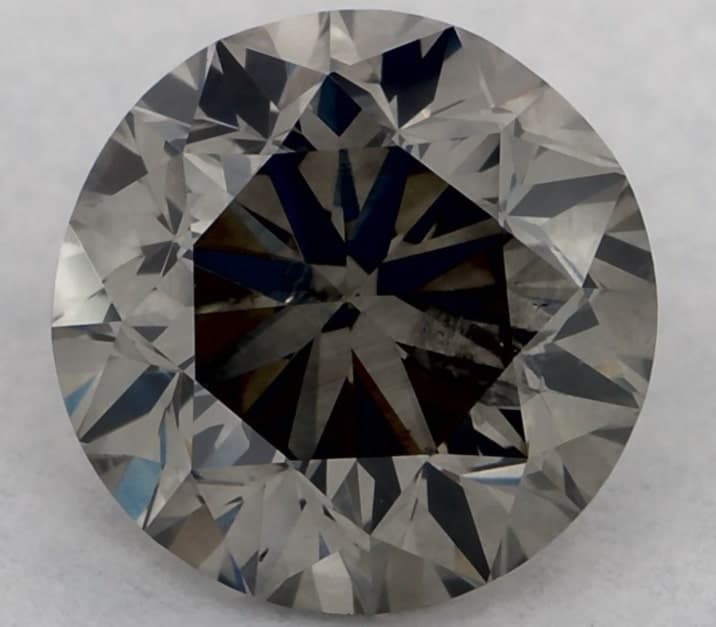
Usually so dark in color, large faceted epidotes result in nearly black, lifeless gems. However, small stones, under 3 to 4 carats, can often turn out as bright and lively faceted gems.
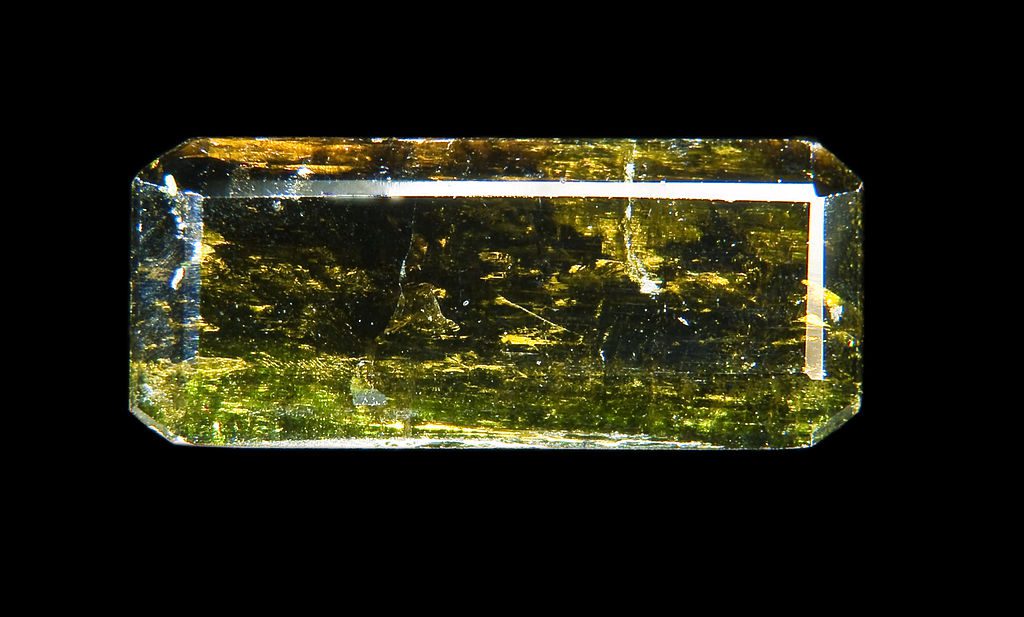
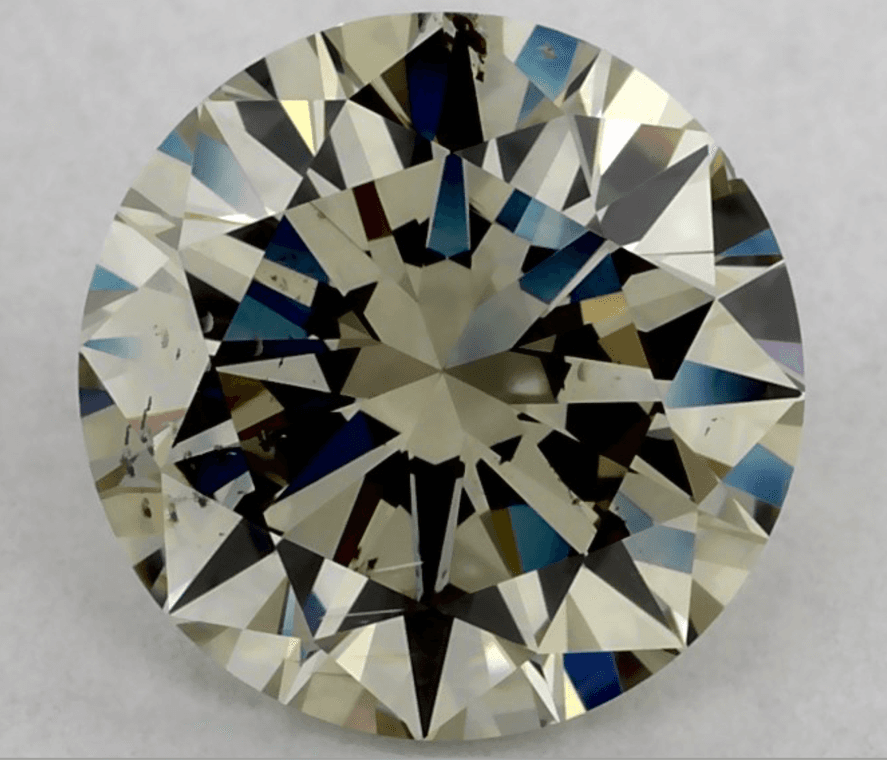
Pistazite or pistacite is a trade name for yellowish green "pistachio-colored" epidote.
These gems would actually make better looking faceted pieces than epidotes. Although clinozoisites aren't rare, they occur rarely in sizes over 5 carats.
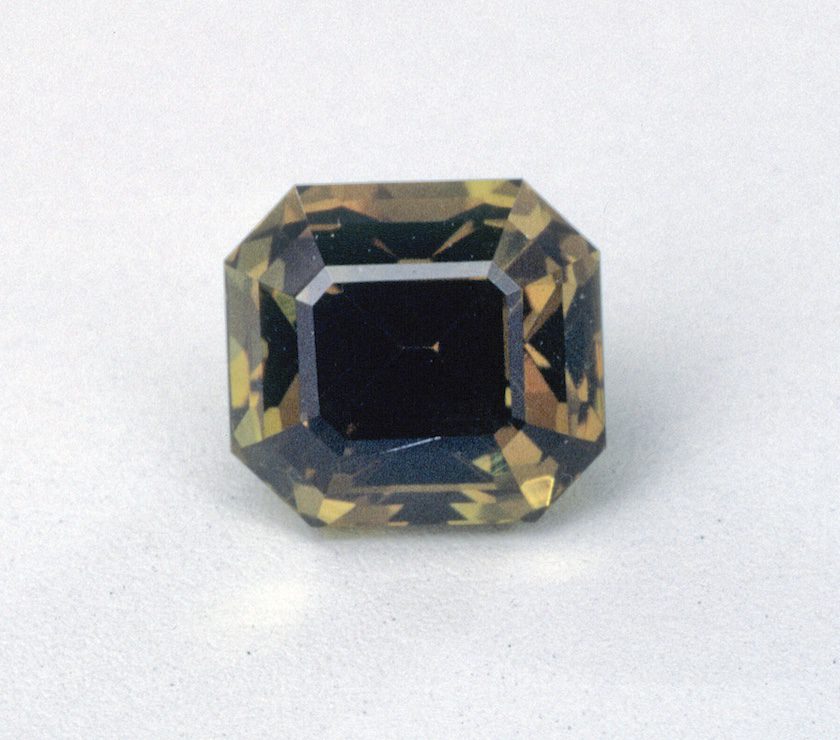
Some localities occasionally yield fine gems, but clinozoisite rarely occurs in pure form. It usually contains some iron, like its series brother, epidote. Clinozoisite shares a chemical formula and outward appearance (but not a crystal system) with zoisite.
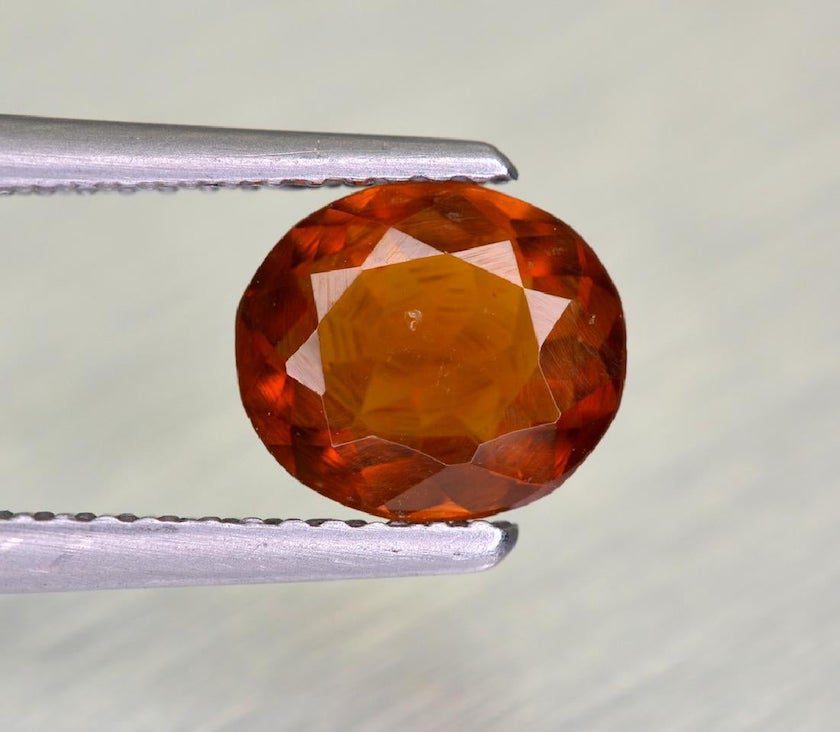
Very dark in color and seldom cut, allanite contains rare-earth and radioactive elements. As a result, these gems become metamict. In other words, they have severe damage to their internal crystalline structure.
This New Jersey gemstone is very rare. Faceted pieces, if any exist, would weigh under 1 to 2 carats.
This very rare mineral occurs in small grains. First discovered in Gornaya Shoriya, Russia, no cut specimens exist.
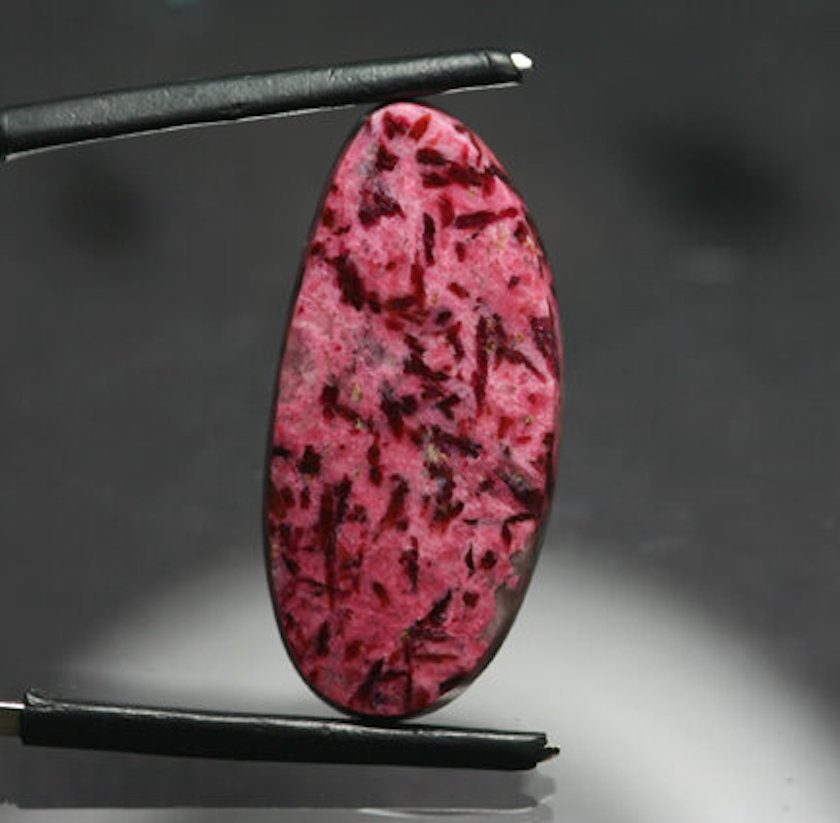
Also known as piemontite, this species is sometimes confused with thulite, a pink manganiferous variety of zoisite. While thulite sometimes appears bright pink, piedmontite typically has a dark brown or reddish color. Thulite can occur in large pieces, but piedmontite seldom occurs in large masses. However, both materials can make lovely cabochons.
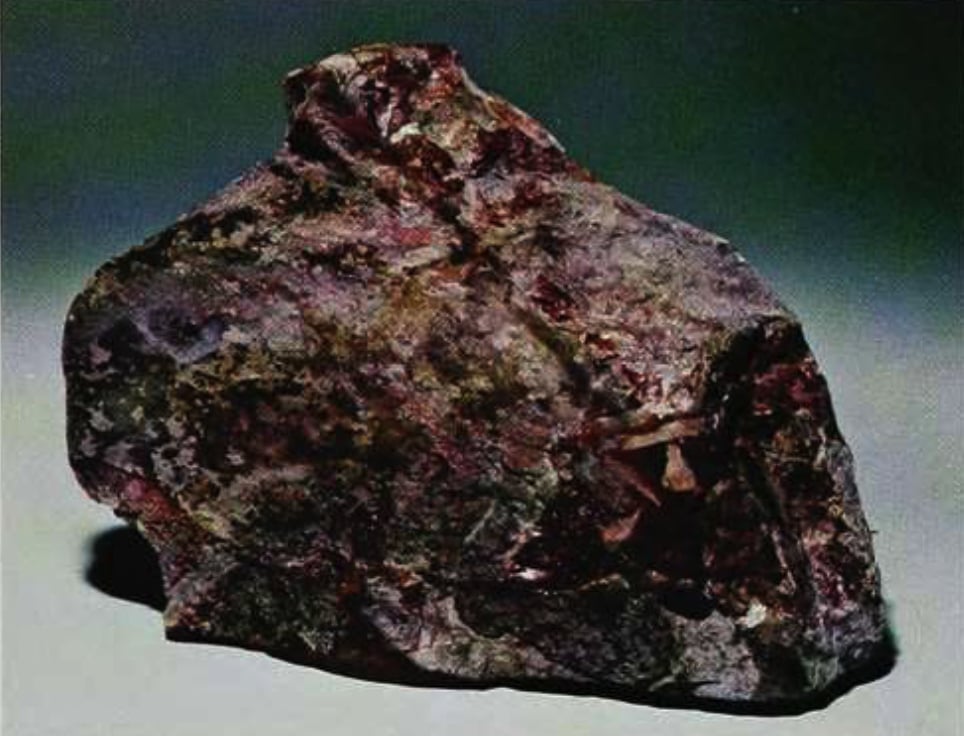
A very rare, deep emerald-green colored variety of epidote from Myanmar, this material gets its color from chromium.
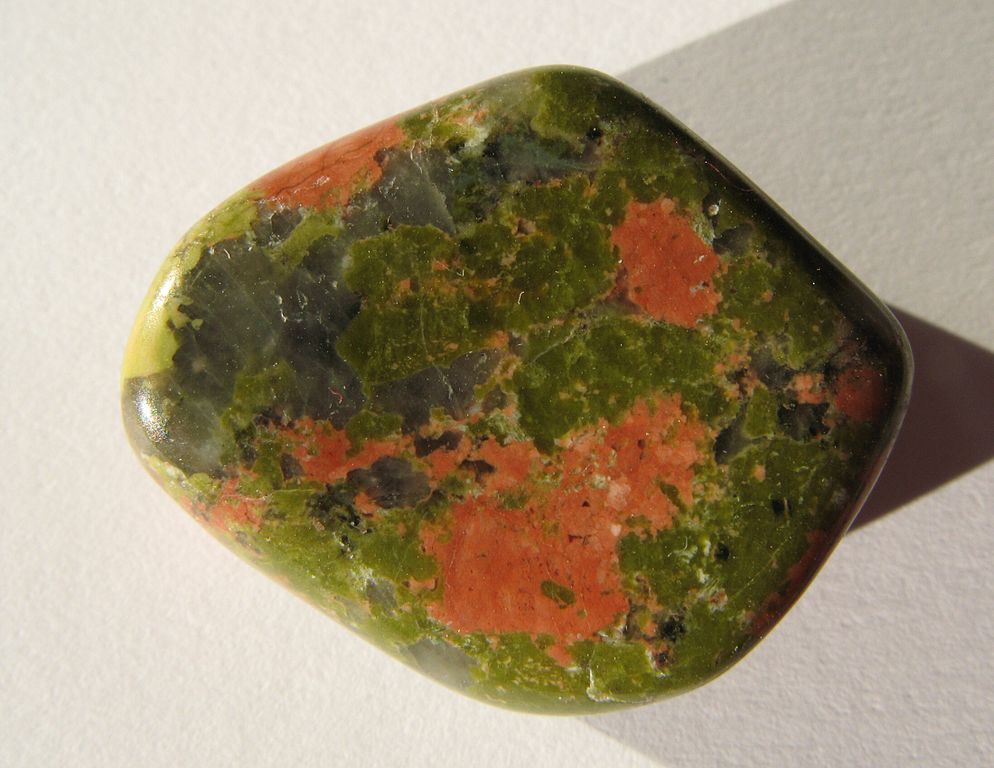
A popular material for cabochons, unakite, an altered granite, contains green epidote, white to gray quartz, and pink feldspar (orthoclase). The United States produces and exports this widely used lapidary rock, but Ireland, Zimbabwe, and other countries also produce similar material.
The light, striped lines of "Zebra Stone" from Arizona may contain epidote.
"Rosalinda," an ornamental rock from Peru, consists of calcite, scapolite, and red epidote-piedmontite.
Another ornamental rock used for carving, "Bowesite," from Australia, consists of epidote, diopside, grossular garnet, actinolite, and other gem materials.
"Lapis Nevada" consists of pink thulite, yellow-green epidote, green diopside, and white to lavender scapolite.
| Clinozoisite | Epidote | Piedmontite | Hancockite | Allanite | |
| Specific Gravity | 3.21-3.38 | 3.38-3.49 | 3.45-3.52 | 4.03 | 3.4-4.2 |
| Optics | |||||
| a | 1.670-1.715 | 1.715-1.751 | 1.732-1.794 | 1.788 | 1.640-1.791 |
| β | 1.675-1.725 | 1.725-1.784 | 1.750-1.807 | 1.81 | 1.650-1.815 |
| γ | 1.690-1.734 | 1.734-1.797 | 1.762-1.829 | 1.83 | 1.660-1.828 |
| 2V | (+) 14-90° | (-) 90-116° | (+) 2-9° | (-) 50° | (+/-) 40-123° |
| Birefringence | 0.005-0.015 | 0.015-0.049 | 0.025-0.073 | 0.042 | 0.013-0.036 |
Sri Lanka produces a yellow-brown epidote with the following properties:
Minas Gerais, Brazil produces cuttable, yellowish-green trichroic crystals. They're low in iron and have the following properties:
Epidote may have a gray streak. Please note that streak testing may harm or destroy your specimen. Conduct it on a piece of rough, never a finished gem, only as a last resort.
Scientists have synthesized epidotes for petrological research. Clinozoisite has also been created for mineralogical research. However, there is no known jewelry use for these materials.
Epidotes don't typically receive any treatments or enhancements.
Untersulzbachthal, Austria is the main source of faceting rough.
Other important gem-quality sources include the following:
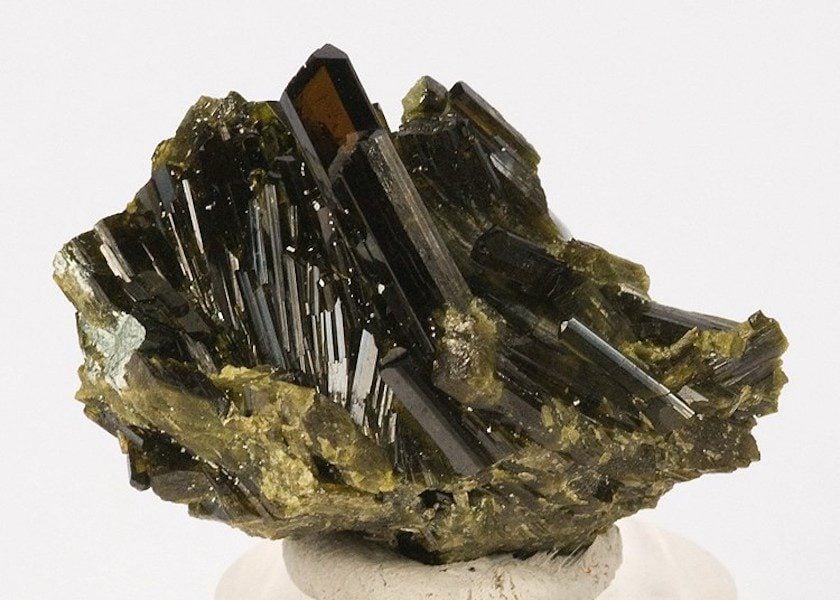
The best known source of gem-quality material, Gavilanes, Baja California, Mexico produces brownish facetable crystals.
Other notable gem-quality sources include the following:
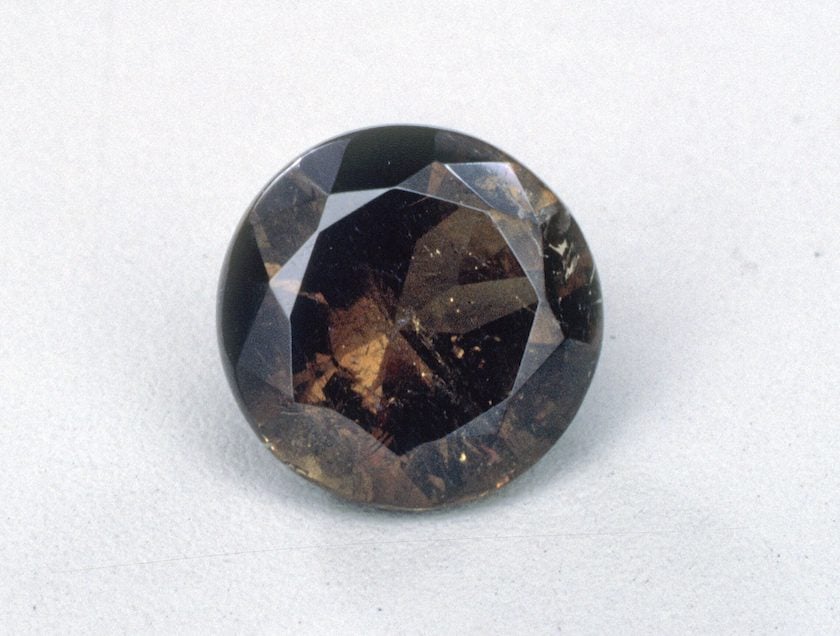
Various localities throughout the United States produce this material.
Other sources include the following:
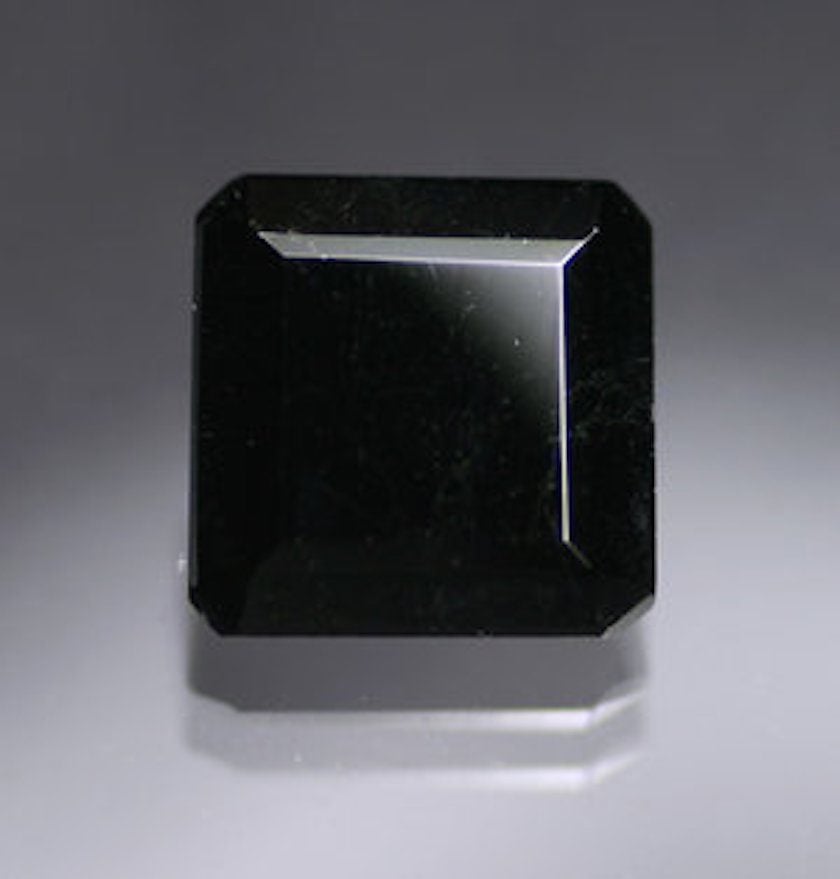
Franklin, New Jersey, the only notable locality, produces small crystals.
Piedmontite occurs in sericite schists in Piemonte, Italy. Egypt produces a porphyry colored red by piedmontite. California and Arizona also have many producing localities.
Other sources include the following:
Blue Ridge, Unaka Range, North Carolina produces this lapidary material. Other sources include Virginia and Georgia. In addition, Zimbabwe yields a similar rock.
Unakite occurs in huge blocks weighing many pounds. Gem cutters often cut it into spheres as well as cabs. Facetable epidote is rare over 5 carat sizes. Cut clinozoisite tends to be even smaller. Allanite is rarely ever cut, except as cabochons. Piedmontite is opaque and massive. It's also cut only as cabochons.
Clean these gems only with a soft brush, mild detergent, and warm water. For more recommendations, consult our gemstone jewelry care guide.


When you join the IGS community, you get trusted diamond & gemstone information when you need it.
Although epidotes have loaned their name to the epidote mineral supergroup, the gems themselves form a clinozoisite-epidote solid-solution series within this taxon.
In 2006, mineralogists removed all varieties of zoisite, including its most well-known member, tanzanite, from the epidote supergroup. Zoisite is an orthorhombic polymorph of monoclinic clinozoisite. Mineralogists reclassified zoisite since all other epidote members had monoclinic .
Despite losing tanzanite, the epidote supergroup still includes some interesting gemstones, both common and rare. It features species suitable for faceting and cabbing as well as beautiful crystals for collecting. These materials often contain fibrous inclusions. On rare occasions, they create a chatoyant "cat's eye" effect in cabbed epidotes and clinozoisites.
Some epidotes may have a hardness of 7, on par with quartz. However, most gem materials in this supergroup have a hardness of 6 or softer. Since these gems also have perfect cleavage and sensitivities to heat and acids, they require special care as jewelry stones. Have these stones set in protective settings, especially for ring use, and reserve them for occasional wear.
Usually so dark in color, large faceted epidotes result in nearly black, lifeless gems. However, small stones, under 3 to 4 carats, can often turn out as bright and lively faceted gems.
Pistazite or pistacite is a trade name for yellowish green "pistachio-colored" epidote.
These gems would actually make better looking faceted pieces than epidotes. Although clinozoisites aren't rare, they occur rarely in sizes over 5 carats.
Some localities occasionally yield fine gems, but clinozoisite rarely occurs in pure form. It usually contains some iron, like its series brother, epidote. Clinozoisite shares a chemical formula and outward appearance (but not a crystal system) with zoisite.
Very dark in color and seldom cut, allanite contains rare-earth and radioactive elements. As a result, these gems become metamict. In other words, they have severe damage to their internal crystalline structure.
This New Jersey gemstone is very rare. Faceted pieces, if any exist, would weigh under 1 to 2 carats.
This very rare mineral occurs in small grains. First discovered in Gornaya Shoriya, Russia, no cut specimens exist.
Also known as piemontite, this species is sometimes confused with thulite, a pink manganiferous variety of zoisite. While thulite sometimes appears bright pink, piedmontite typically has a dark brown or reddish color. Thulite can occur in large pieces, but piedmontite seldom occurs in large masses. However, both materials can make lovely cabochons.
A very rare, deep emerald-green colored variety of epidote from Myanmar, this material gets its color from chromium.
A popular material for cabochons, unakite, an altered granite, contains green epidote, white to gray quartz, and pink feldspar (orthoclase). The United States produces and exports this widely used lapidary rock, but Ireland, Zimbabwe, and other countries also produce similar material.
The light, striped lines of "Zebra Stone" from Arizona may contain epidote.
"Rosalinda," an ornamental rock from Peru, consists of calcite, scapolite, and red epidote-piedmontite.
Another ornamental rock used for carving, "Bowesite," from Australia, consists of epidote, diopside, grossular garnet, actinolite, and other gem materials.
"Lapis Nevada" consists of pink thulite, yellow-green epidote, green diopside, and white to lavender scapolite.
| Clinozoisite | Epidote | Piedmontite | Hancockite | Allanite | |
| Specific Gravity | 3.21-3.38 | 3.38-3.49 | 3.45-3.52 | 4.03 | 3.4-4.2 |
| Optics | |||||
| a | 1.670-1.715 | 1.715-1.751 | 1.732-1.794 | 1.788 | 1.640-1.791 |
| β | 1.675-1.725 | 1.725-1.784 | 1.750-1.807 | 1.81 | 1.650-1.815 |
| γ | 1.690-1.734 | 1.734-1.797 | 1.762-1.829 | 1.83 | 1.660-1.828 |
| 2V | (+) 14-90° | (-) 90-116° | (+) 2-9° | (-) 50° | (+/-) 40-123° |
| Birefringence | 0.005-0.015 | 0.015-0.049 | 0.025-0.073 | 0.042 | 0.013-0.036 |
Sri Lanka produces a yellow-brown epidote with the following properties:
Minas Gerais, Brazil produces cuttable, yellowish-green trichroic crystals. They're low in iron and have the following properties:
Epidote may have a gray streak. Please note that streak testing may harm or destroy your specimen. Conduct it on a piece of rough, never a finished gem, only as a last resort.
Scientists have synthesized epidotes for petrological research. Clinozoisite has also been created for mineralogical research. However, there is no known jewelry use for these materials.
Epidotes don't typically receive any treatments or enhancements.
Untersulzbachthal, Austria is the main source of faceting rough.
Other important gem-quality sources include the following:
The best known source of gem-quality material, Gavilanes, Baja California, Mexico produces brownish facetable crystals.
Other notable gem-quality sources include the following:
Various localities throughout the United States produce this material.
Other sources include the following:
Franklin, New Jersey, the only notable locality, produces small crystals.
Piedmontite occurs in sericite schists in Piemonte, Italy. Egypt produces a porphyry colored red by piedmontite. California and Arizona also have many producing localities.
Other sources include the following:
Blue Ridge, Unaka Range, North Carolina produces this lapidary material. Other sources include Virginia and Georgia. In addition, Zimbabwe yields a similar rock.
Unakite occurs in huge blocks weighing many pounds. Gem cutters often cut it into spheres as well as cabs. Facetable epidote is rare over 5 carat sizes. Cut clinozoisite tends to be even smaller. Allanite is rarely ever cut, except as cabochons. Piedmontite is opaque and massive. It's also cut only as cabochons.
Clean these gems only with a soft brush, mild detergent, and warm water. For more recommendations, consult our gemstone jewelry care guide.


The epidote mineral supergroup contains many related species of interest to collectors. However, epidote itself is the one most likely to be faceted into beautiful, albeit small and dark, gemstones.
Highest values go to transparency, color, and size.