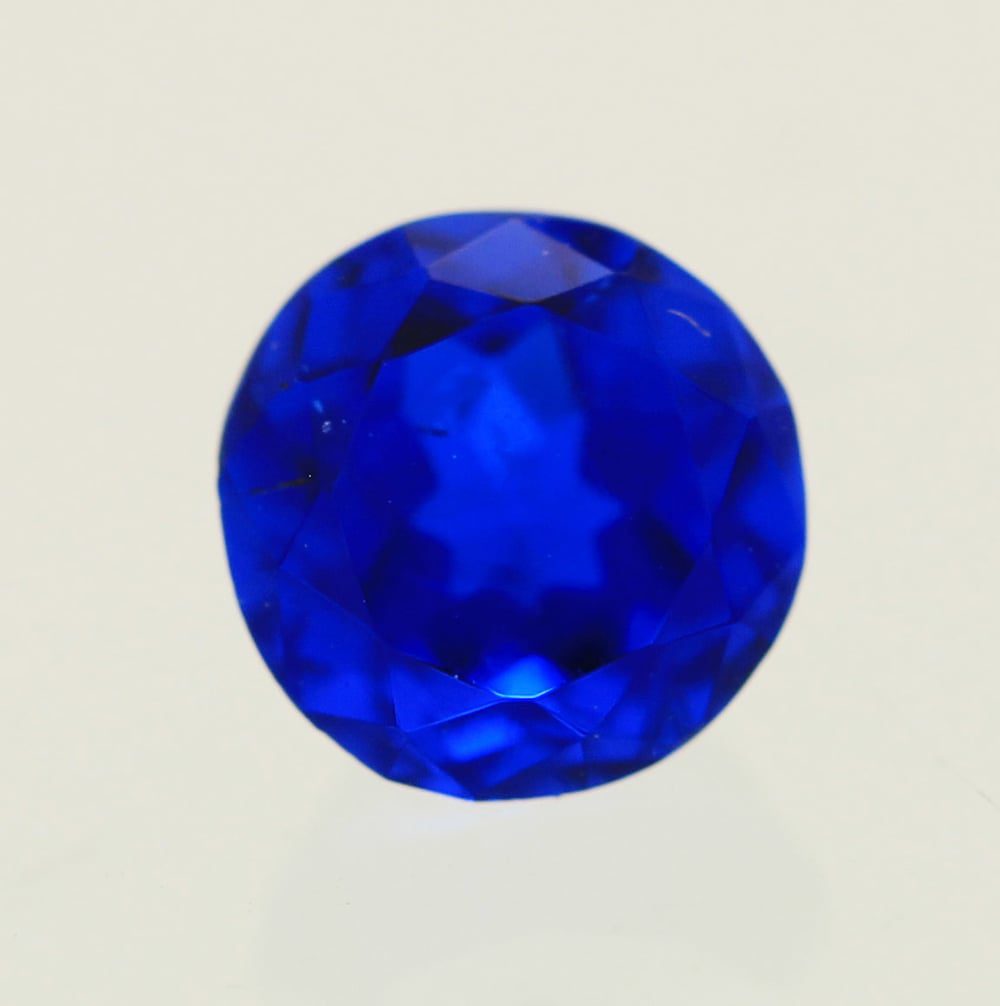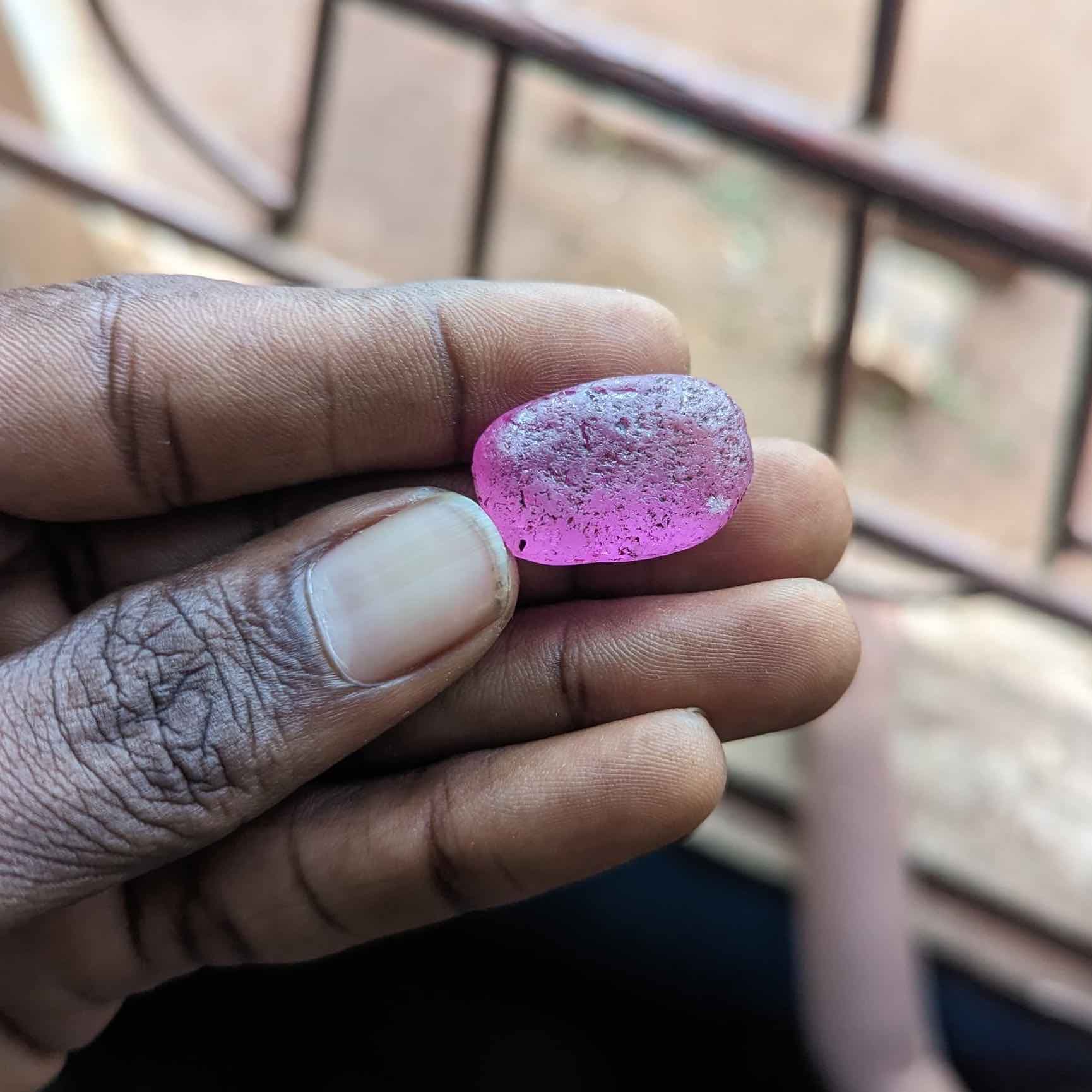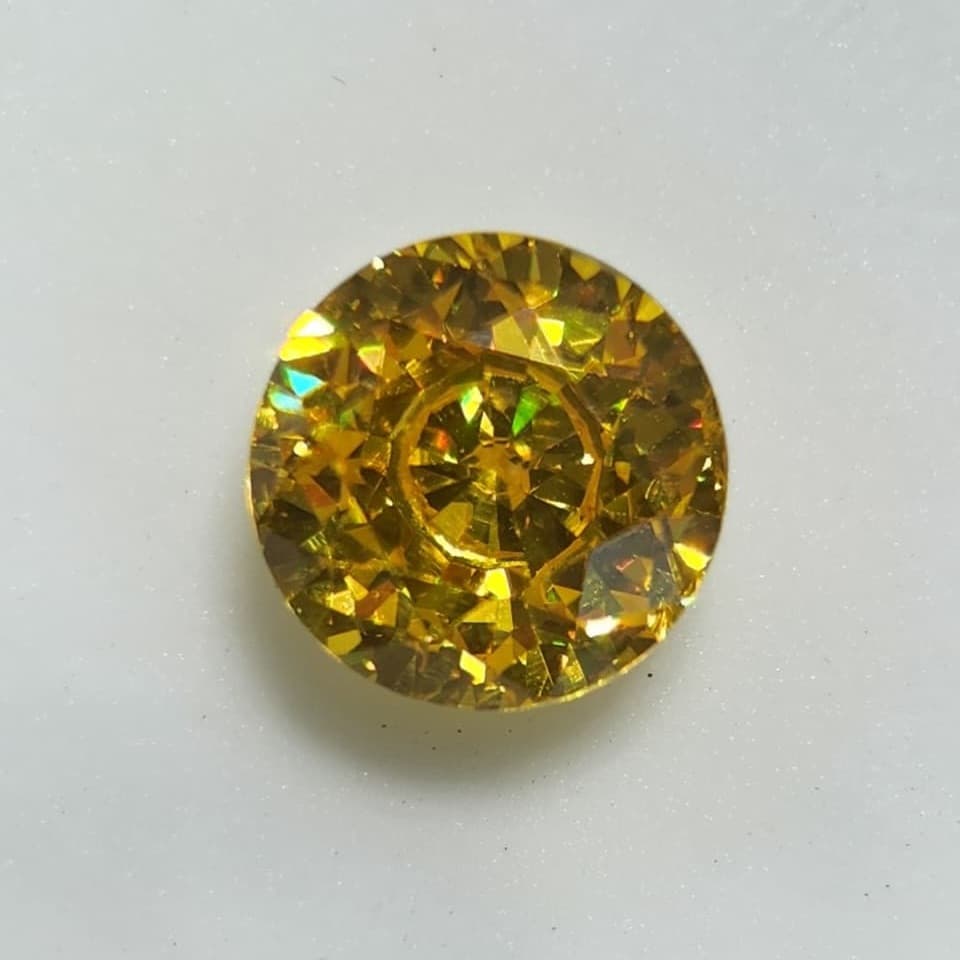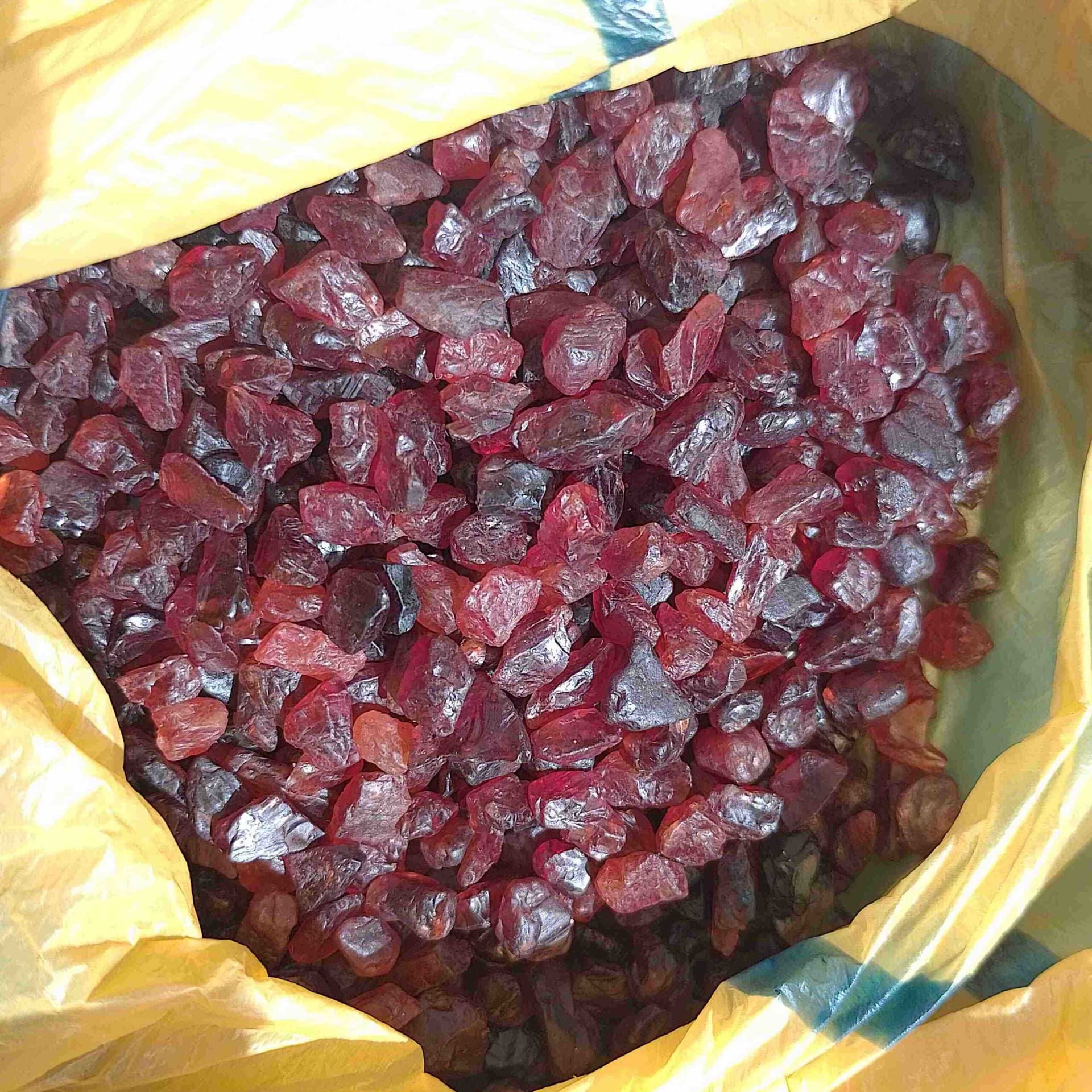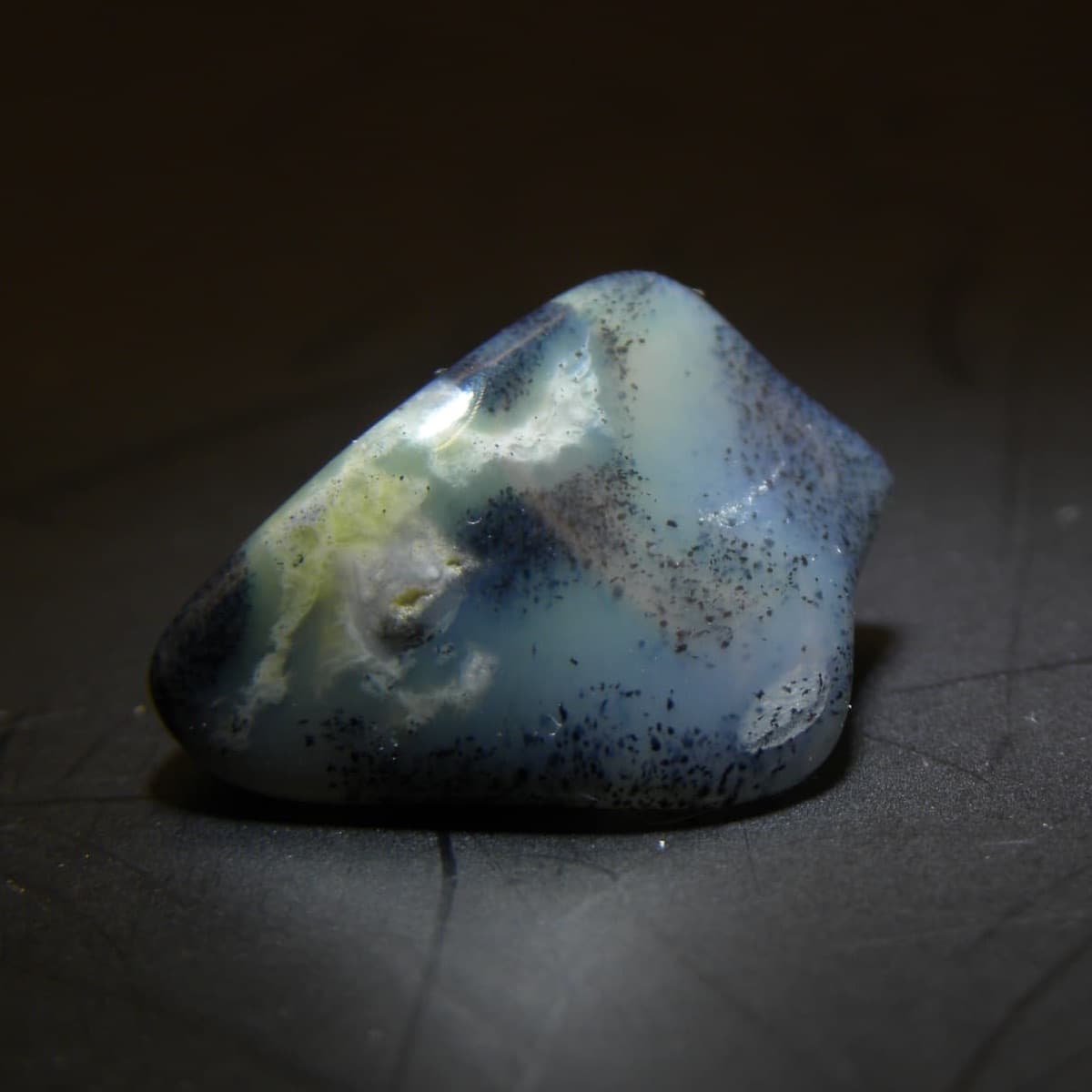
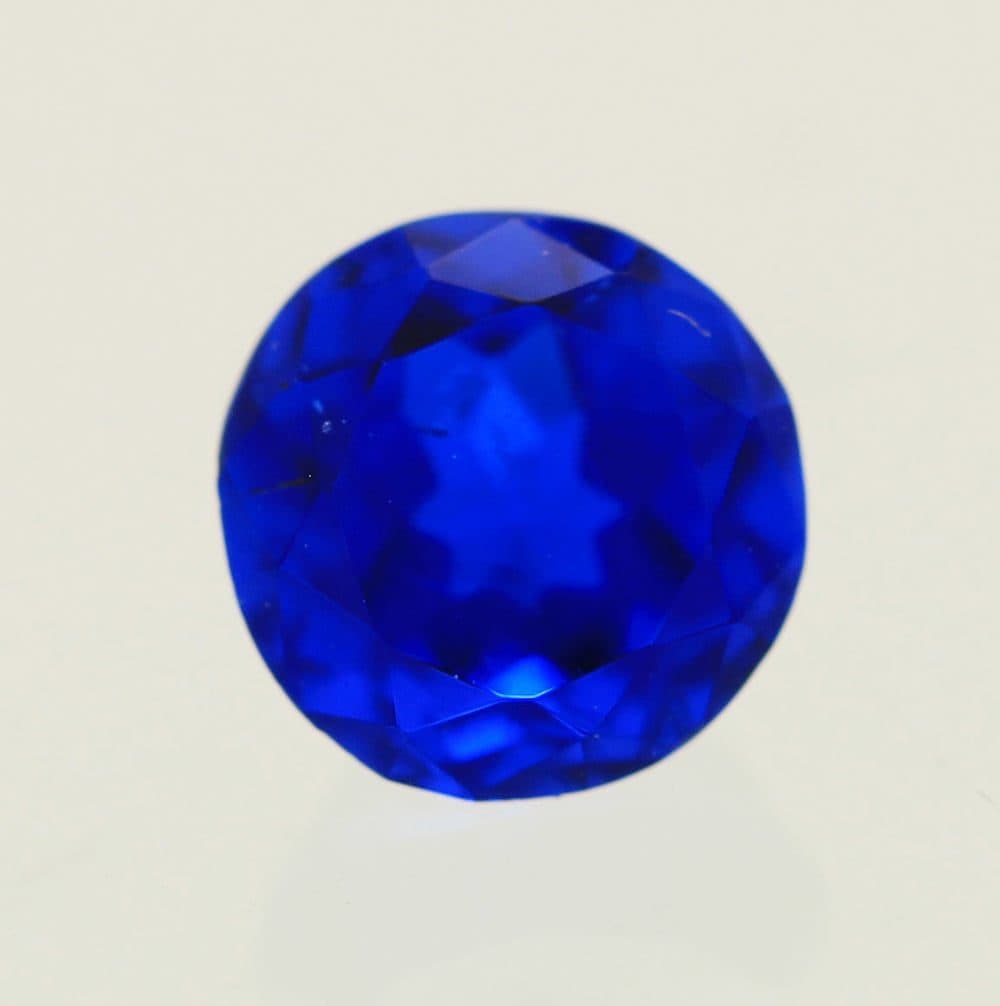
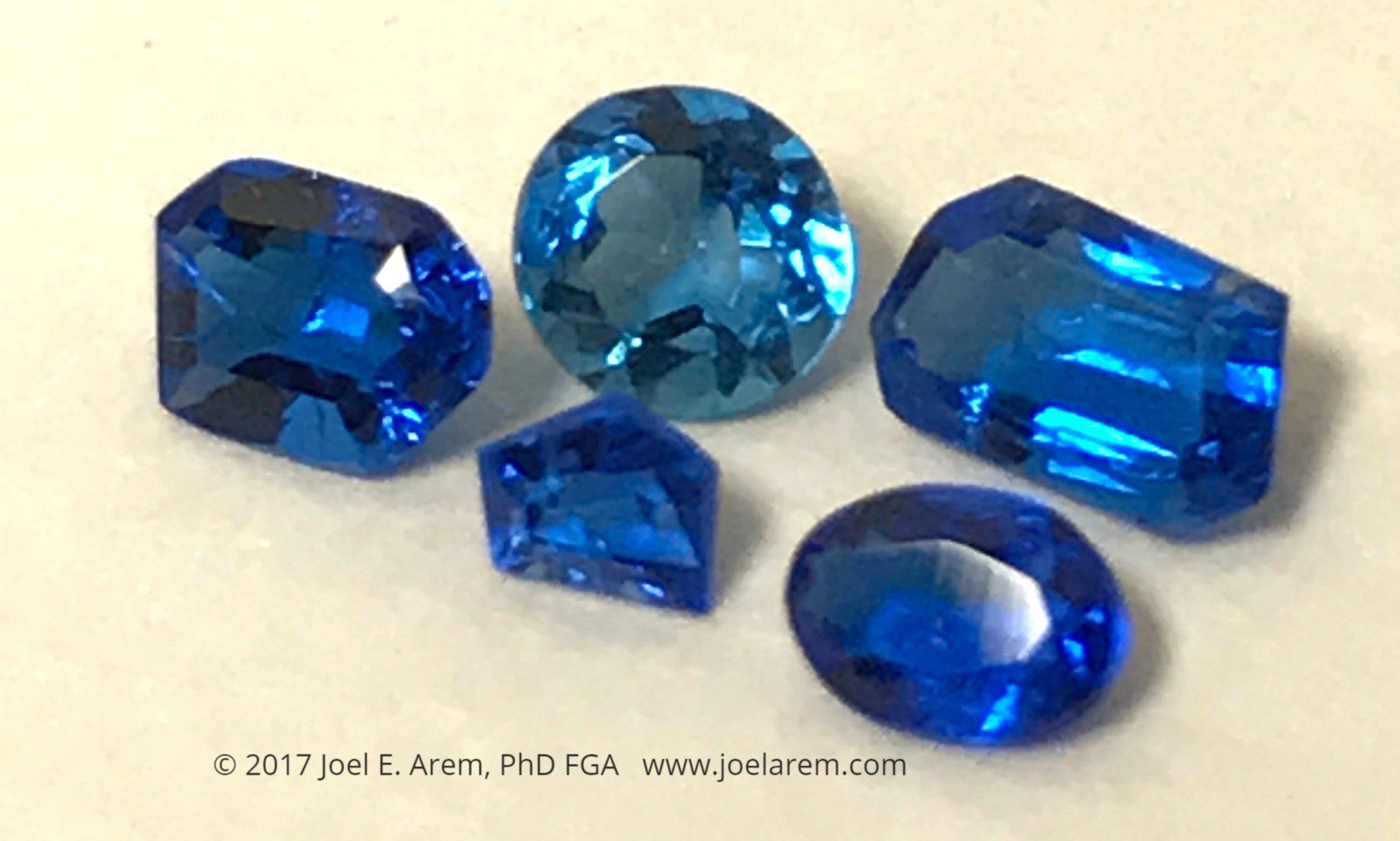
One of the major mineral constituents of lapis lazuli, haüyne is rarely found and faceted as a distinct gemstone. Collectors prize its beautiful, deep blue color, although it can also occur in other hues.
2 Minute Read
Haüyne (pronounced ah-WEEN) belongs to the sodalite mineral group, which includes sodalite, haüyne, lazurite (a sulfide-bearing haüyne variety), and nosean. Together, these minerals comprise the popular gem rock known as lapis lazuli.
With precautions, haüynes could make wonderful jewelry pieces best suited for occasional wear. With a hardness of 5.5-6 and distinct cleavage, these stones need protective settings, especially in rings.
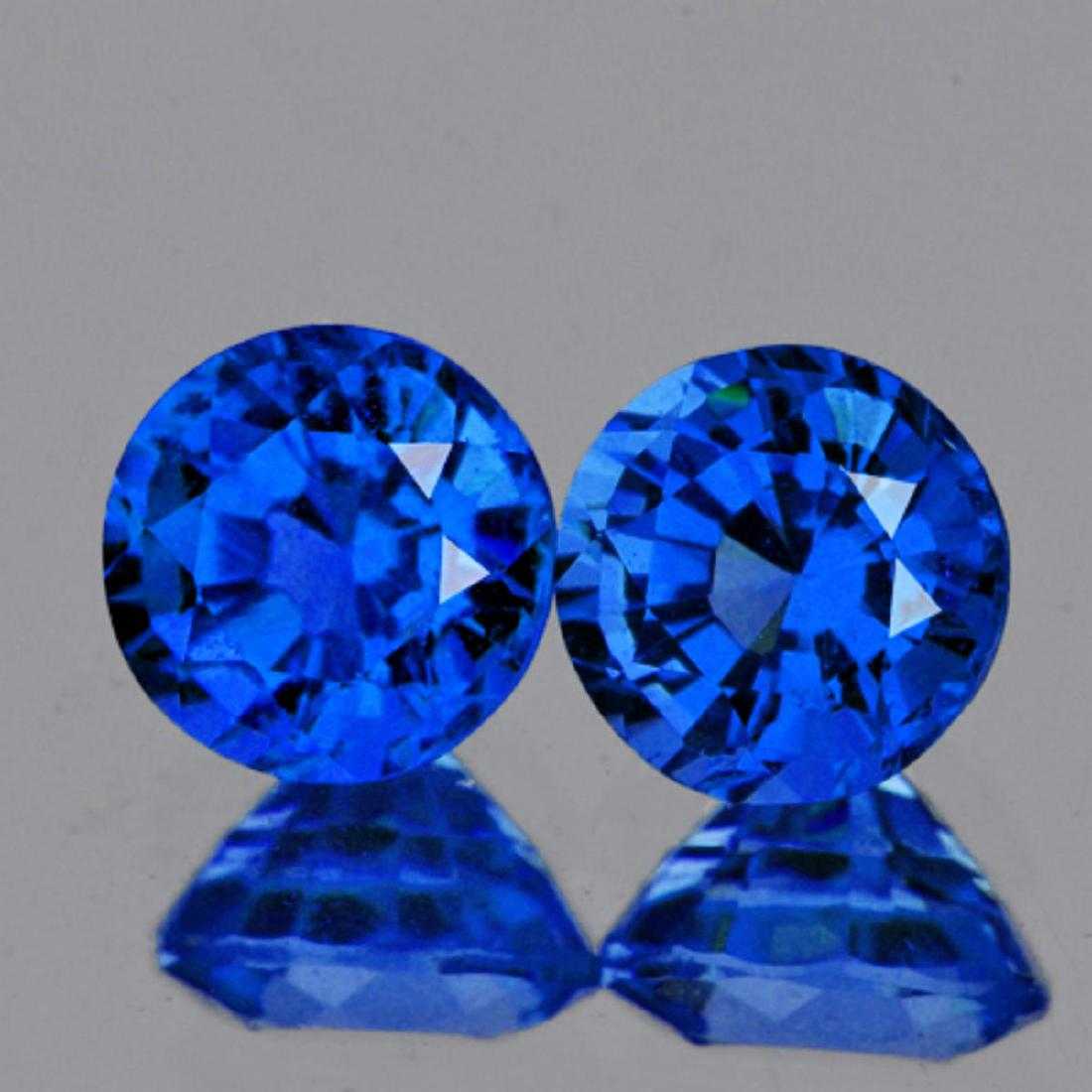
A rare mineral rarely faceted, haüyne is celebrated for showing blue color with vivid saturation. Although haüynes can occur in white, gray, green, yellow, red, and pink, until recently only blue crystals from Germany have yielded gem-quality material. However, in 2003, gem-quality yellow-green haüyne was discovered in Tanzania. In 2006, gemologists documented blue gem-quality haüynes from Afghanistan as well as a blue haüyne-sodalite cabochon from Myanmar.
Blue remains the color most desired by gem collectors and jewelry enthusiasts with a taste for rare materials. Imagine the appeal of a stone the color of lapis but faceted and transparent.
Haüynes have a slightly bluish to colorless streak. Since streak testing can damage or destroy a specimen and most gemstones leave a colorless streak, don't try this test on suspected haüynes.
Tanzanian material has a lower refractive index (RI) and higher specific gravity (SG) than other haüynes.
Note that glass has RI, SG, and hardness values that overlap those of haüyne. (Glass pieces, of course, can come in any color). A spectroscopic reading of absorption spectra might help distinguish these materials.
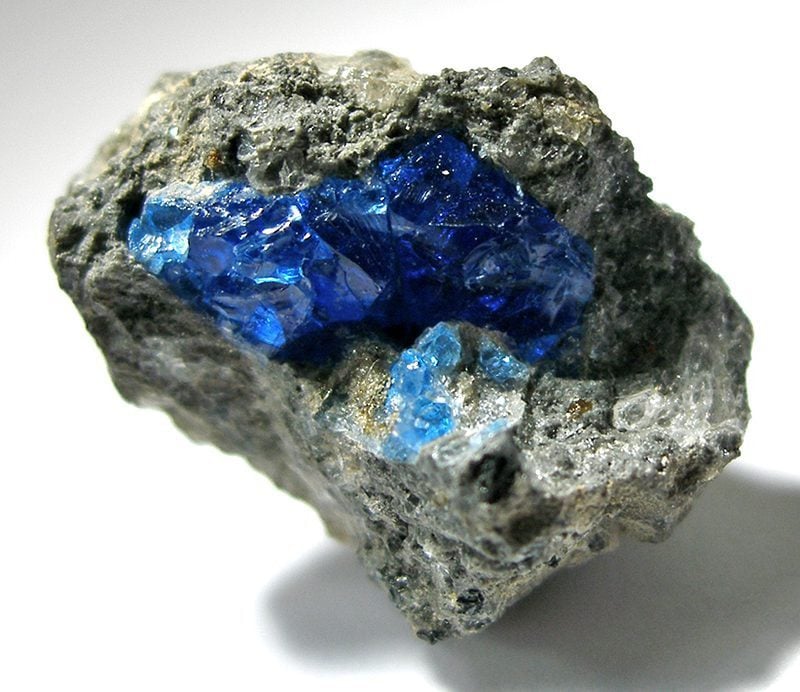
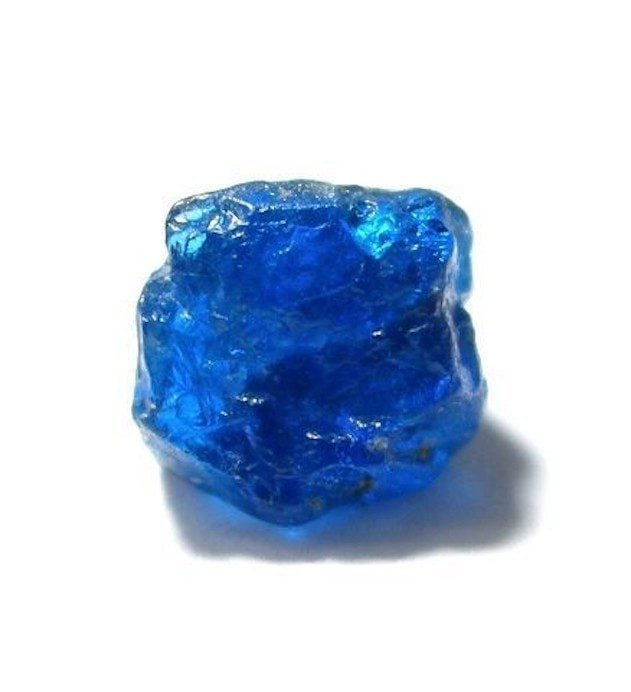
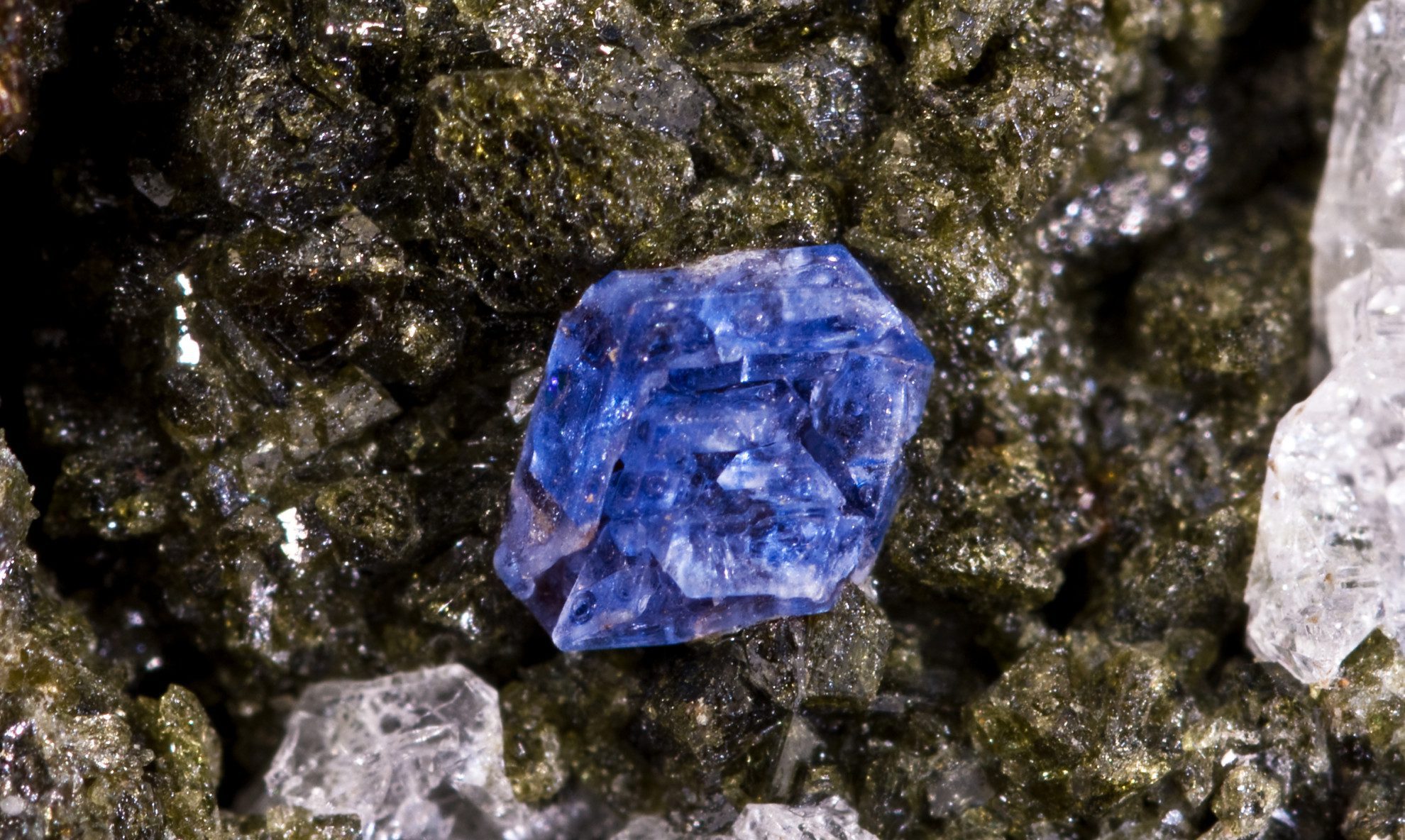
Haüynes, crystals in vug and loose crystal (0.5 cm across), Mayen, Eifel Mts, Rhineland-Palatinate, Germany. © Rob Lavinsky, www.iRocks.com. Used with permission.
Scientists have synthesized haüynes and lazurites for geological research. However, there's no known jewelry use for this lab-created material.
Paraffin wax has been used to seal fractures in faceted haüynes.
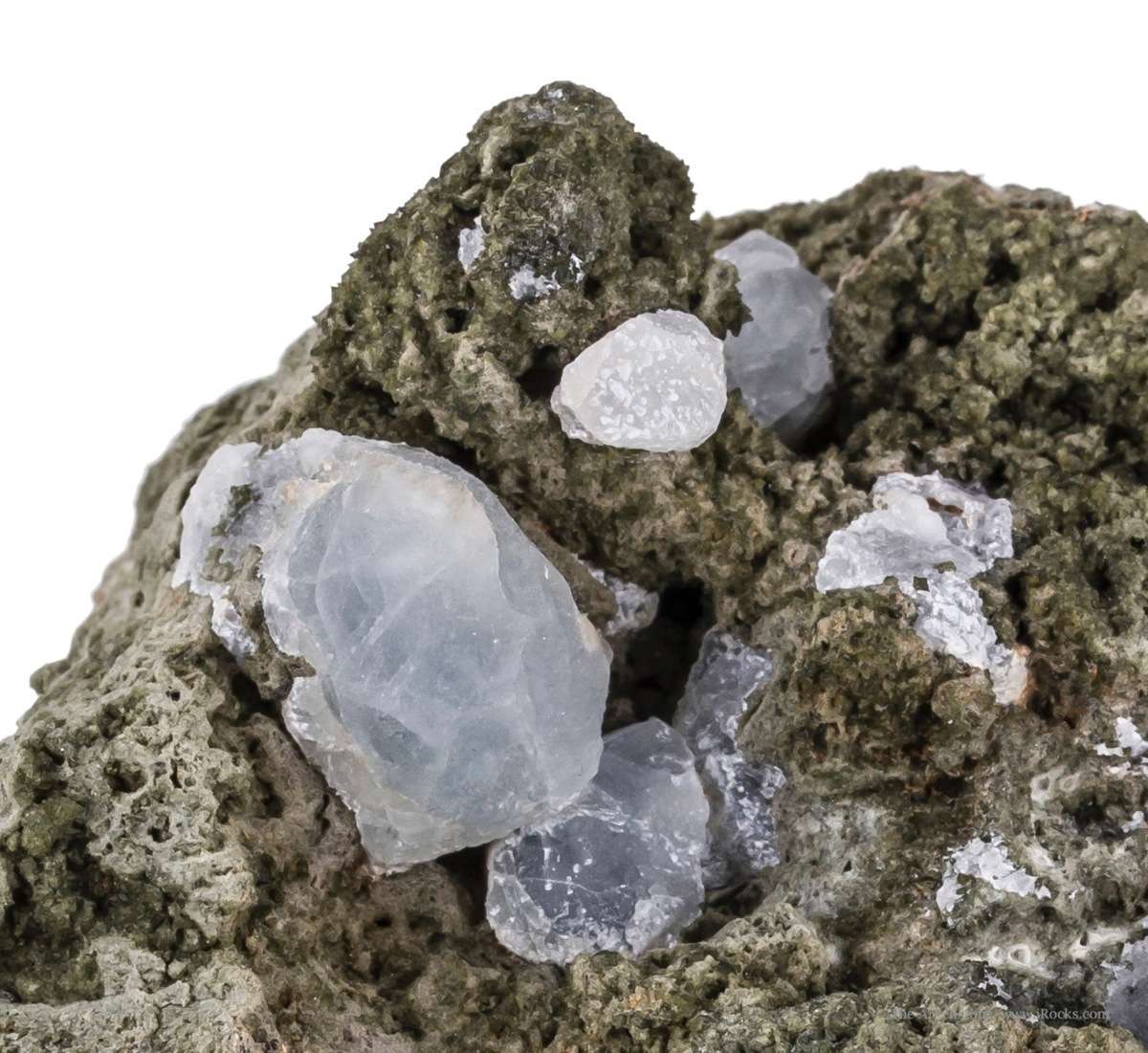
The source of most facetable haüynes, the area around Laacher See in the Eifel Mountains of Germany produces gem-quality, blue, transparent crystals. Afghanistan, Myanmar, and Tanzania also yield gem-quality material.
Italy also produces beautiful blue crystals. However, this material is usually too small to cut.
Other notable crystal sources include the following localities:
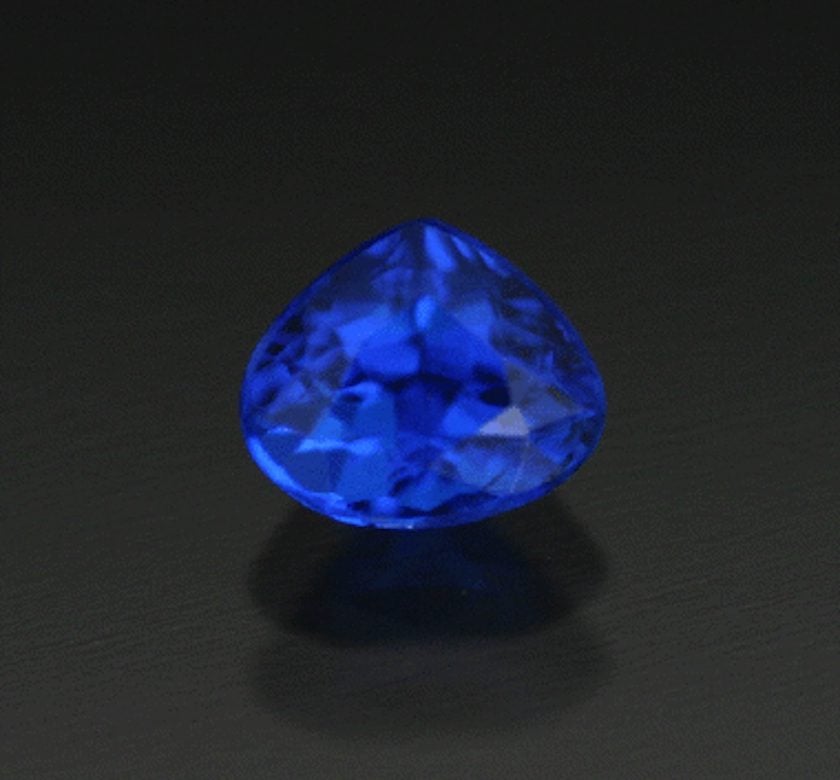
Faceters can cut opaque material into cabochons up to an inch or two in length. However, faceted gems are exceedingly rare and always small, usually under 1 or 2 carats.
Clean haüynes as you would lapis lazulis, with a soft brush, mild detergent, and warm water. Avoid chemical solvents and mechanical cleaning systems. Consult our gemstone jewelry care guide for more recommendations.

When you join the IGS community, you get trusted diamond & gemstone information when you need it.
Haüyne (pronounced ah-WEEN) belongs to the sodalite mineral group, which includes sodalite, haüyne, lazurite (a sulfide-bearing haüyne variety), and nosean. Together, these minerals comprise the popular gem rock known as .
With precautions, haüynes could make wonderful jewelry pieces best suited for occasional wear. With a hardness of 5.5-6 and distinct cleavage, these stones need protective settings, especially in rings.
A rare mineral rarely faceted, haüyne is celebrated for showing blue color with vivid saturation. Although haüynes can occur in white, gray, green, yellow, red, and pink, until recently only blue crystals from Germany have yielded gem-quality material. However, in 2003, gem-quality yellow-green haüyne was discovered in Tanzania. In 2006, gemologists documented blue gem-quality haüynes from Afghanistan as well as a blue haüyne-sodalite cabochon from Myanmar.
Blue remains the color most desired by gem collectors and jewelry enthusiasts with a taste for rare materials. Imagine the appeal of a stone the color of lapis but faceted and transparent.
Haüynes have a slightly bluish to colorless streak. Since streak testing can damage or destroy a specimen and most gemstones leave a colorless streak, don't try this test on suspected haüynes.
Tanzanian material has a lower refractive index (RI) and higher specific gravity (SG) than other haüynes.
Note that glass has RI, SG, and hardness values that overlap those of haüyne. (Glass pieces, of course, can come in any color). A spectroscopic reading of absorption spectra might help distinguish these materials.
Haüynes, crystals in vug and loose crystal (0.5 cm across), Mayen, Eifel Mts, Rhineland-Palatinate, Germany. © Rob Lavinsky, www.iRocks.com. Used with permission.
Scientists have synthesized haüynes and lazurites for geological research. However, there's no known jewelry use for this lab-created material.
Paraffin wax has been used to seal fractures in faceted haüynes.
The source of most facetable haüynes, the area around Laacher See in the Eifel Mountains of Germany produces gem-quality, blue, transparent crystals. Afghanistan, Myanmar, and Tanzania also yield gem-quality material.
Italy also produces beautiful blue crystals. However, this material is usually too small to cut.
Other notable crystal sources include the following localities:
Faceters can cut opaque material into cabochons up to an inch or two in length. However, faceted gems are exceedingly rare and always small, usually under 1 or 2 carats.
Clean haüynes as you would lapis lazulis, with a soft brush, mild detergent, and warm water. Avoid chemical solvents and mechanical cleaning systems. Consult our gemstone jewelry care guide for more recommendations.


One of the major mineral constituents of lapis lazuli, haüyne is rarely found and faceted as a distinct gemstone. Collectors prize its beautiful, deep blue color, although it can also occur in other hues.