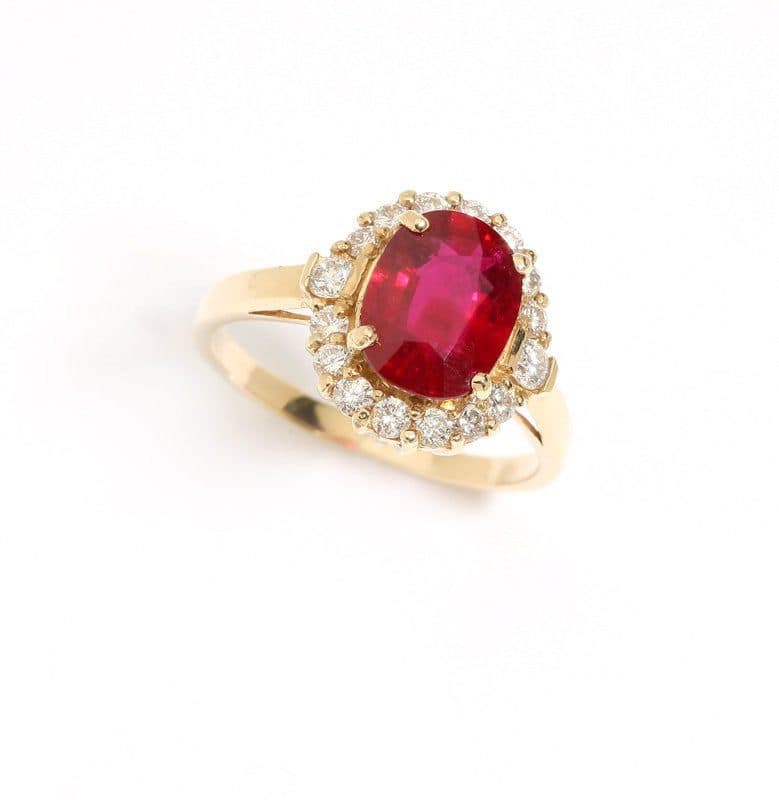
Some gems contain both natural and lab-made components. Learn about these hybrid gemstones and how to distinguish them from mined gems.
3 Minute Read
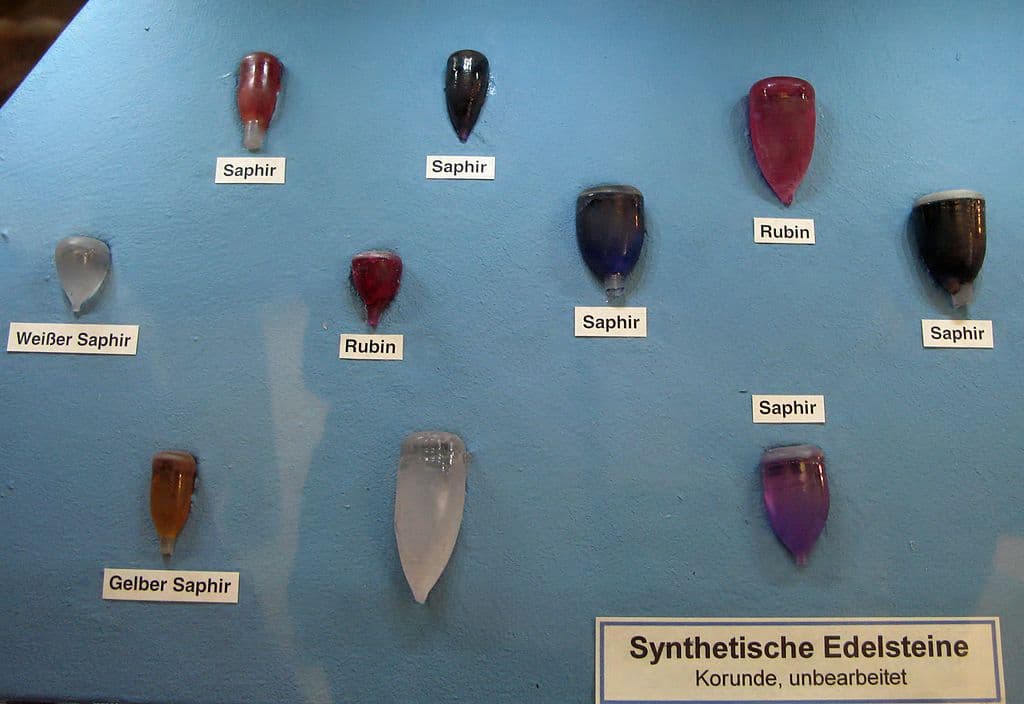
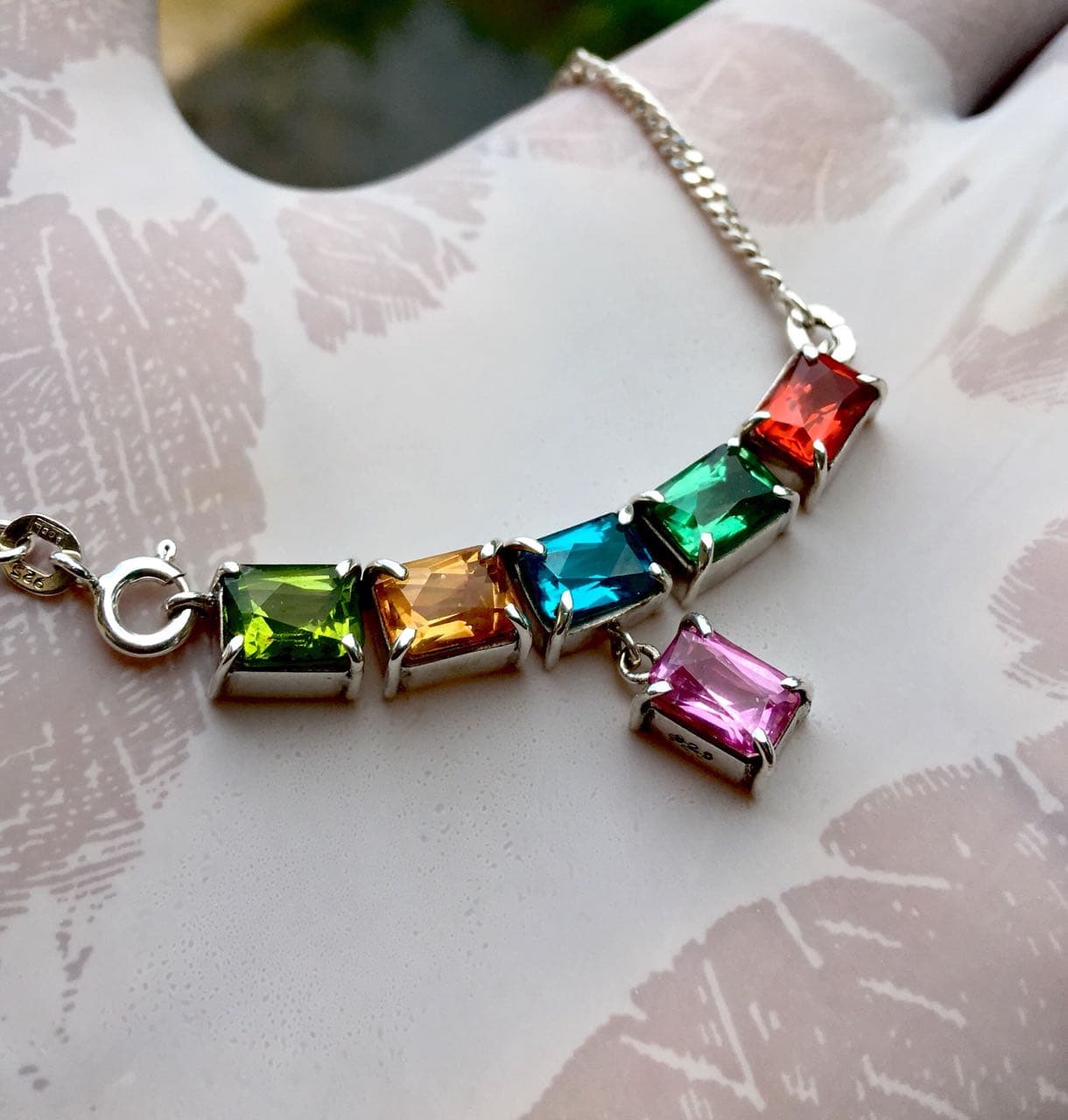
The term “hybrid” hasn’t been clearly defined in the industry. Some use the term to refer to any combination of mined and synthetic material. This includes assembled gems such as doublets, triplets, and mosaics.
Others will only apply the term to stones where differentiating the natural material from the treatment is difficult, if not impossible. These stones may be the results of reconstitution, polymer impregnation, or leaded-glass treatments.
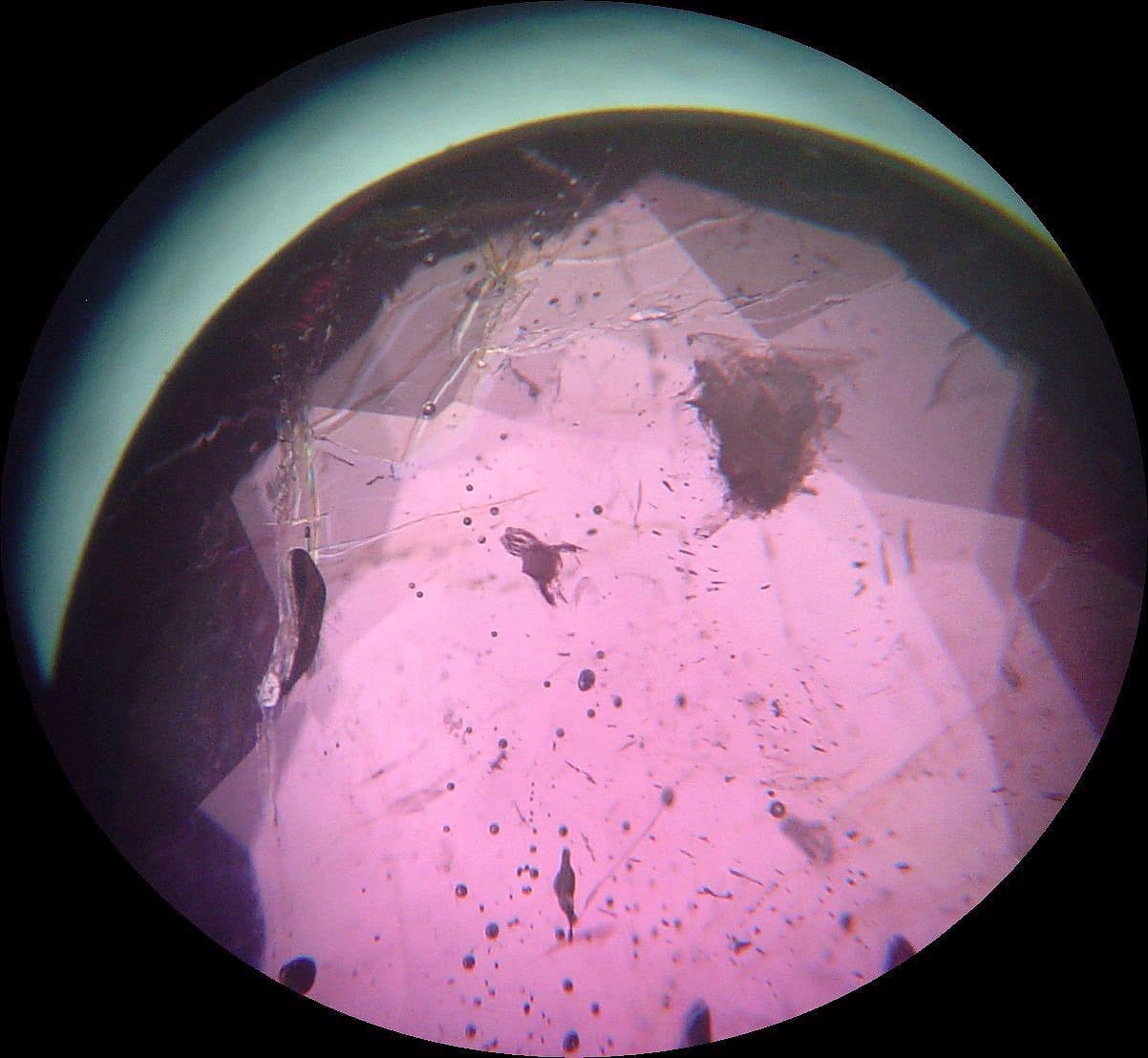
Growing lab-created material over a mined gem can also create hybrid gemstones. Although such synthetic overgrowth is uncommon in today’s colored gemstone market, older stones occasionally resurface. Diamond hybrids are somewhat more common. These can contain a chemical vapor deposition (CVD) layer over natural diamond to increase weight or improve color. Other diamond hybrids have a layer of diamond-like carbon (DLC) over a non-diamond, colorless gemstone.
Most who use the term “hybrid” first applied it to ruby-glass mixtures. This includes both fracture-filled stones and composites made of several small pieces of ruby in a glass matrix. In some cases, the glass component constitutes a significant portion of the stone’s size and weight. In extreme cases, the gemstone would hardly exist without the…



When you join the IGS community, you get trusted diamond & gemstone information when you need it.
The term “hybrid” hasn’t been clearly defined in the industry. Some use the term to refer to any combination of mined and synthetic material. This includes assembled gems such as doublets, triplets, and mosaics.
Others will only apply the term to stones where differentiating the natural material from the treatment is difficult, if not impossible. These stones may be the results of reconstitution, polymer impregnation, or leaded-glass treatments.
Growing lab-created material over a mined gem can also create hybrid gemstones. Although such synthetic overgrowth is uncommon in today’s colored gemstone market, older stones occasionally resurface. Diamond hybrids are somewhat more common. These can contain a chemical vapor deposition (CVD) layer over natural diamond to increase weight or improve color. Other diamond hybrids have a layer of diamond-like carbon (DLC) over a non-diamond, colorless gemstone.
Most who use the term “hybrid” first applied it to ruby-glass mixtures. This includes both fracture-filled stones and composites made of several small pieces of ruby in a glass matrix. In some cases, the glass component constitutes a significant portion of the stone’s size and weight. In extreme cases, the gemstone would hardly exist without the…

Some gems contain both natural and lab-made components. Learn about these hybrid gemstones and how to distinguish them from mined gems.


“I have never known or heard of an organization that offers so much for its members, and at such a low cost.”
— Ernest Roisch, Rainbow Rocks LTD
That's less than $0.01 per article. Get instant access to 1,700+ premium articles, courses, and gem pricing data.