What does it take to become a professional gemologist? Try these sample gemology questions from the International Gem Society certification exam.
1 Minute Read
The following sample gemology questions from the IGS certification exam should give you a sense of the scope of these tests. They'll cover gemstone formation, properties of specific gems, gem identification, and testing, as well as faceting, grading, and appraising. If you've studied the material and think you're ready, see how many you can answer correctly. Every answer has a brief explanation and/or links to the specific articles that cover the topic. If you're interested in starting the self-study program or just curious about gemology, check out the questions and answers and see what it's all about.
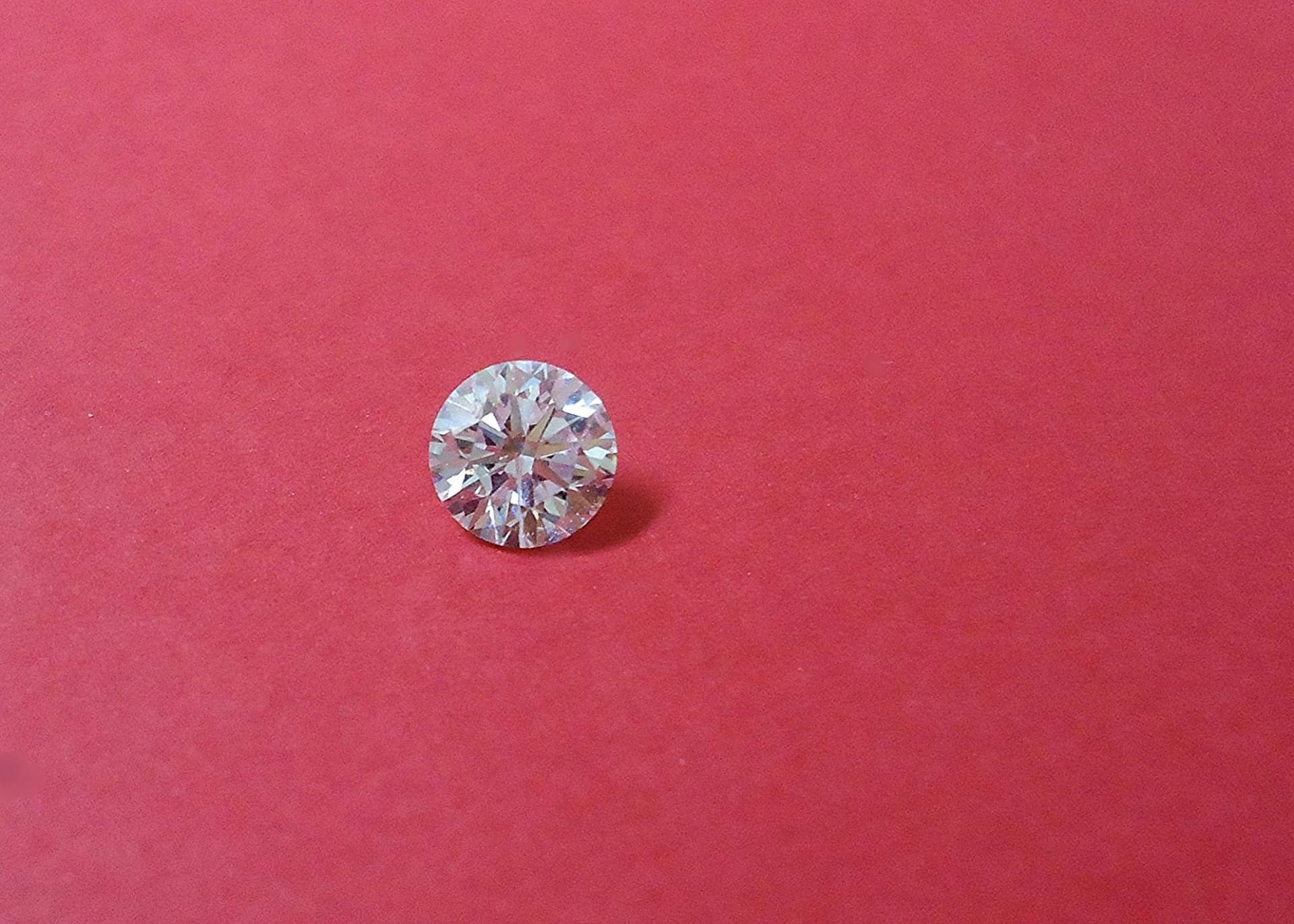
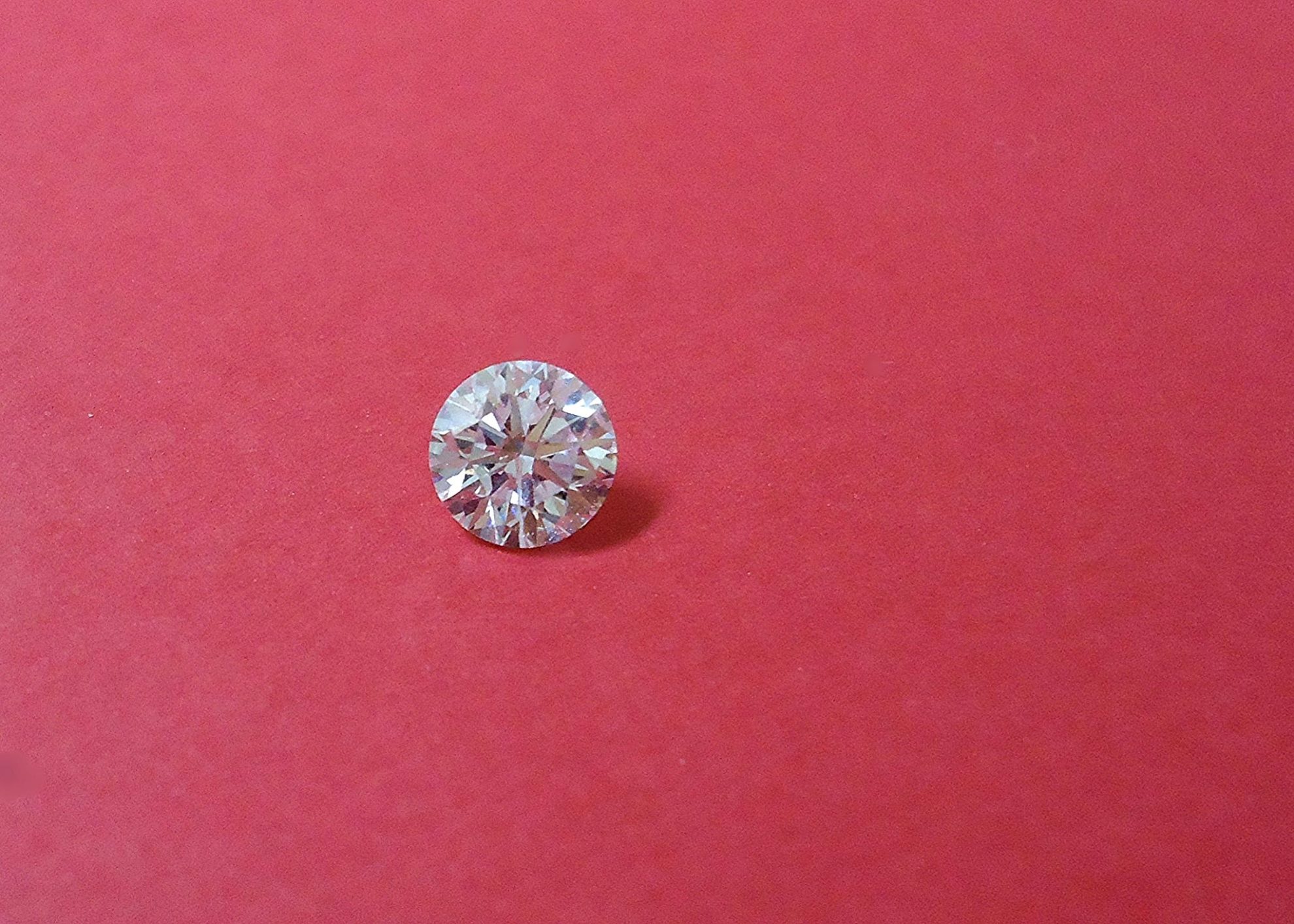
If you found a GGG in a diamond band, the GGG would be classed as:
A. An imitation
B. A homocreate
C. Both
D. Neither
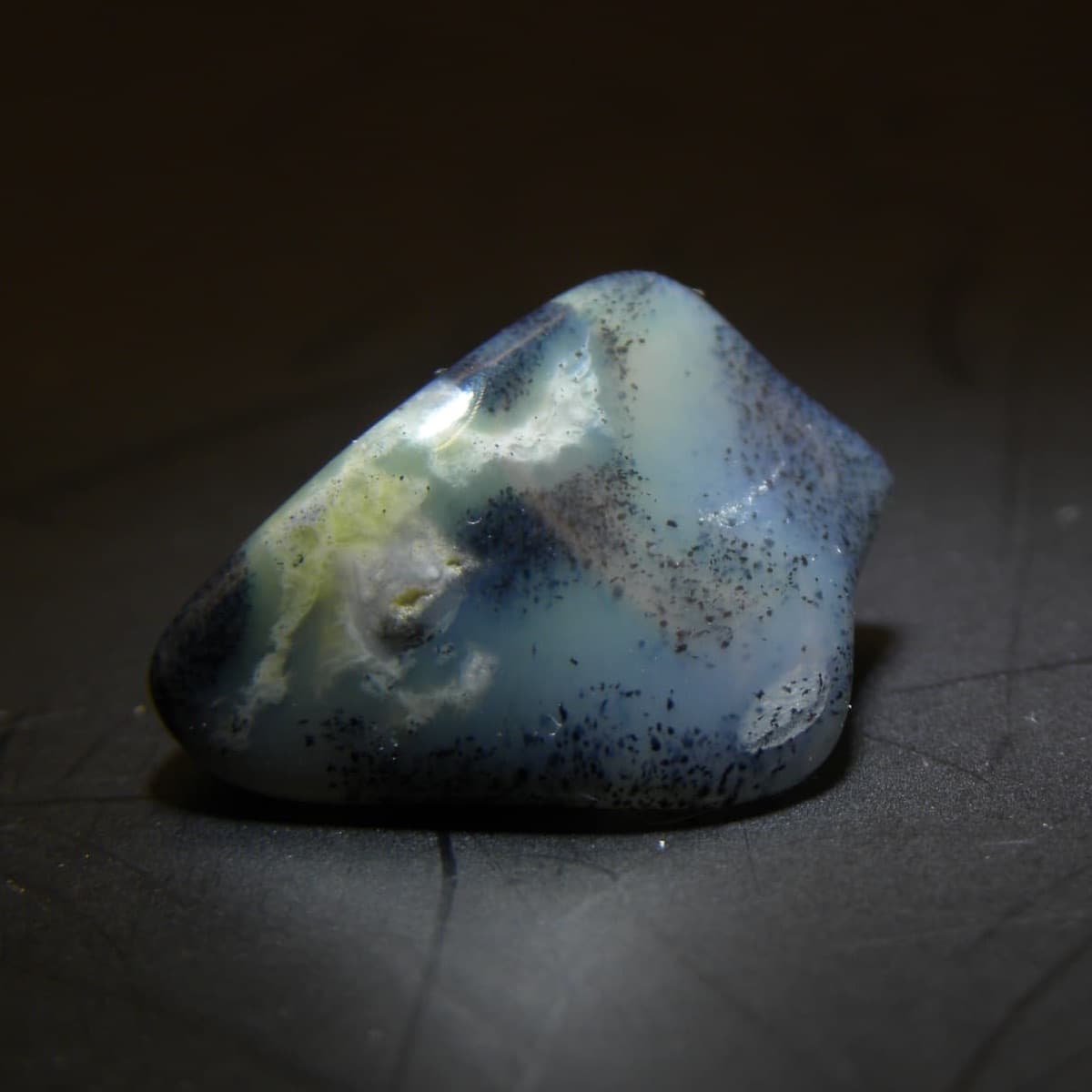
If an opal showed only blue color that was very bright, had a good cut, was only slightly directional, and had no imperfections on the top, it would be graded as:
A. Below commercial value
B. Commercial
C. Good
D. Fine
E. Extra fine
Hydrothermal grown refers to:
A. A natural process
B. Laboratory grown gems
C. Both
Brilliant faceting is determined by:
A. Optical performance
B. Triangular and kite shaped facets
C. Dispersion
D. All the above
E. None of the above
HPHT treatments to improve color are done on which type of diamond:
A. Type Ia
B. Type Ib
C. Type IIa
D. Type IIb
Demantoid is a species of garnet.
A. True
B. False
Hardness is a clear determination of how well a gem will wear.
A. True
B. False
All mineral species have a different chemical composition.
A. True
B. False
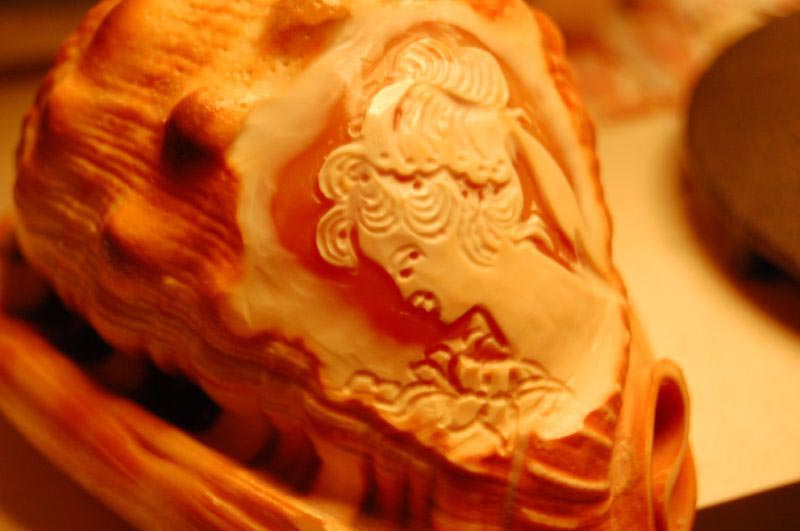
Cameos are made from both plastic and sea shells. They can be distinguished by:
A. RI
B. Hot point testing
C. Optic sign
D. Birefringence
E. Specific gravity
Color change is defined as the difference between what is seen in incandescent and fluorescent light.
A. True
B. False
Sign up for the Professional Gemologist Certification Course.

When you join the IGS community, you get trusted diamond & gemstone information when you need it.
The following sample gemology questions from the IGS certification exam should give you a sense of the scope of these tests. They'll cover gemstone formation, properties of specific gems, gem identification, and testing, as well as faceting, grading, and appraising. If you've studied the material and think you're ready, see how many you can answer correctly. Every answer has a brief explanation and/or links to the specific articles that cover the topic. If you're interested in starting the self-study program or just curious about gemology, check out the questions and answers and see what it's all about.
If you found a GGG in a diamond band, the GGG would be classed as:
A. An imitation
B. A homocreate
C. Both
D. Neither
If an opal showed only blue color that was very bright, had a good cut, was only slightly directional, and had no imperfections on the top, it would be graded as:
A. Below commercial value
B. Commercial
C. Good
D. Fine
E. Extra fine
Hydrothermal grown refers to:
A. A natural process
B. Laboratory grown gems
C. Both
Brilliant faceting is determined by:
A. Optical performance
B. Triangular and kite shaped facets
C. Dispersion
D. All the above
E. None of the above
HPHT treatments to improve color are done on which type of diamond:
A. Type Ia
B. Type Ib
C. Type IIa
D. Type IIb
Demantoid is a species of garnet.
A. True
B. False
Hardness is a clear determination of how well a gem will wear.
A. True
B. False
All mineral species have a different chemical composition.
A. True
B. False
Cameos are made from both plastic and sea shells. They can be distinguished by:
A. RI
B. Hot point testing
C. Optic sign
D. Birefringence
E. Specific gravity
Color change is defined as the difference between what is seen in incandescent and fluorescent light.
A. True
B. False
Sign up for the Professional Gemologist Certification Course.