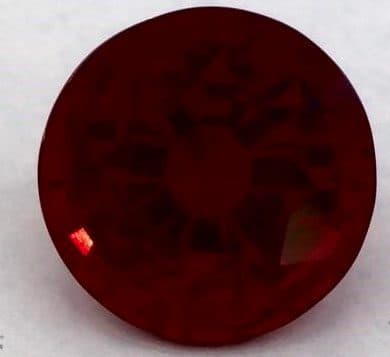
Discover the July birthstone ruby - the "King of Colored Stones" known for its vibrant red hues. Learn about ruby meanings, origins, durability, and how to choose the perfect ruby jewelry for your collection.
10 Minute Read
The July birthstone ruby captivates with its fiery red brilliance and rich historical significance. Often called the "King of Colored Stones," this magnificent gem has adorned royalty, warriors, and lovers throughout the centuries. In this comprehensive guide, you'll discover everything you need to know about this precious birthstone.
In this article, you'll learn:
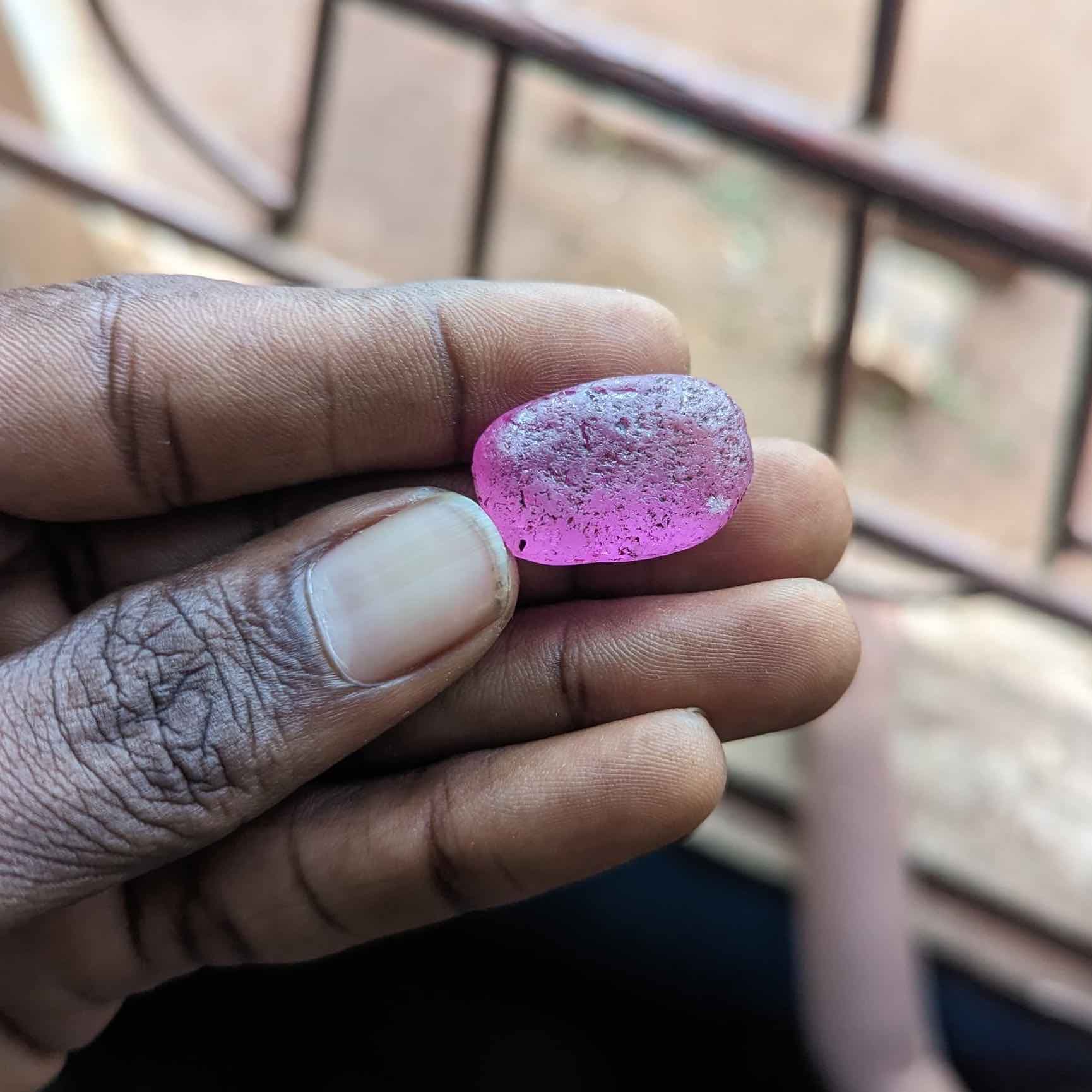
The July birthstone is ruby - the red variety of the mineral corundum, which belongs to the same gem species that includes sapphires. Interestingly, "ruby" actually refers to color rather than a separate gemstone species, as rubies are essentially red sapphires. The name "ruby" derives from the Latin word "ruber," meaning red.
Throughout history, this vibrant red gemstone has earned the nickname "The King of Colored Stones" and has been treasured by royalty and warriors alike. Today, the July birthstone primarily symbolizes love, passion, and romance. While you can find affordable ruby options, the largest and most beautifully colored specimens command some of the highest per-carat prices of any colored gemstone in existence.
Rubies hold significant historical importance across many cultures:
Beyond being the July birthstone, rubies traditionally commemorate milestone 40th wedding anniversaries, symbolizing the enduring fire of love.
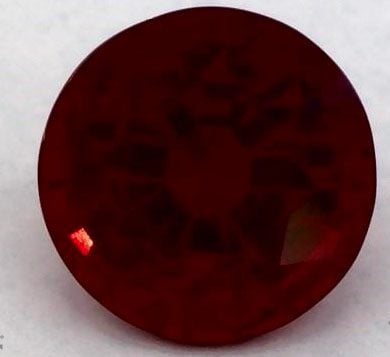
Rubies are renowned for their radiant red color, with the richest shades commanding the highest prices. Like all colored gems, ruby color quality depends on three key factors: hue, tone, and saturation. The most valuable rubies display a pure red hue, medium to medium-dark tone, and vivid saturation. Some purple, pink, or orange undertones are acceptable in fine rubies.
The most coveted ruby color carries the trade name "pigeon's blood" - a rare and highly sought-after shade combining predominantly red hues with subtle purple modifiers. This exceptional color significantly increases a ruby's value.
Corundum crystals are naturally colorless. The element chromium creates the July birthstone's distinctive red color:
While a ruby's color primarily determines its value, large specimens exceeding one carat are relatively rare. Consequently, prices increase dramatically as carat weights grow, with exceptional large rubies commanding premium prices.
The color red holds profound significance across human cultures, representing blood, life, and vitality. As the quintessential red gemstone, rubies have symbolized powerful concepts throughout history:
The July birthstone also carries emotional associations:
If you feel that that is a lot of meaning to associate with the July birthstone, you are right! Fortunately, this means that there are a million reasons for you to cite as an excuse to give a gift of a ruby to yourself or others.
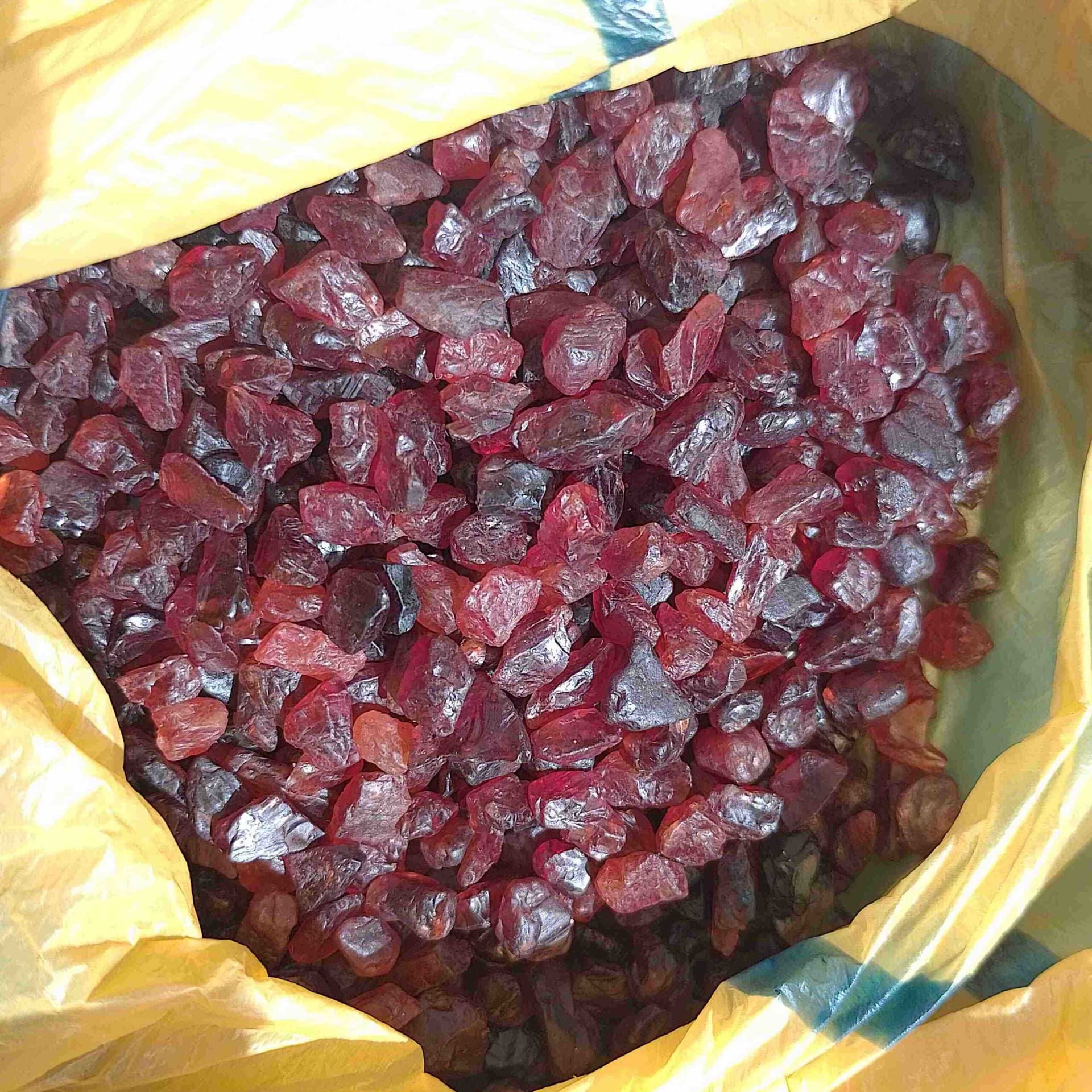
Rubies primarily form in two geological environments: metamorphic limestone deposits (like marble) and basaltic rock. Most market rubies originate from East Asia, with different formation conditions creating distinctive characteristics:
The specific chemical composition of individual rubies can sometimes identify their geographic origin. The GIA offers optional origin analysis for rubies that may reveal their source location. While origin doesn't typically affect value for most rubies (as quality depends primarily on color and carat weight), exceptional investment-grade stones from famous locations like Myanmar may command premium prices.
Fortunately for jewelry lovers, rubies (along with all corundum varieties) rank second only to diamonds in durability. They score an impressive 9 out of 10 on the Mohs Hardness Scale, making them extremely resistant to both breaking and scratching. Even the ancient Greek scholar Pliny praised rubies' exceptional toughness in his first-century CE work "Natural History."
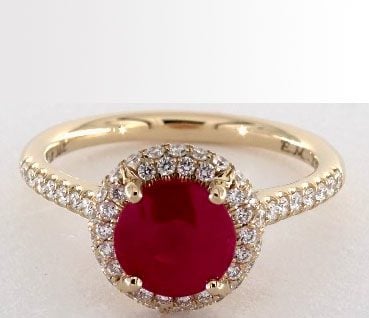
The July birthstone's inherent strength makes it suitable for all jewelry types, including rings worn daily. Rubies make excellent choices for engagement rings that will withstand decades of wear. You can confidently enjoy your ruby jewelry for years to come, which explains why beautiful vintage and antique ruby pieces survive alongside contemporary designs.
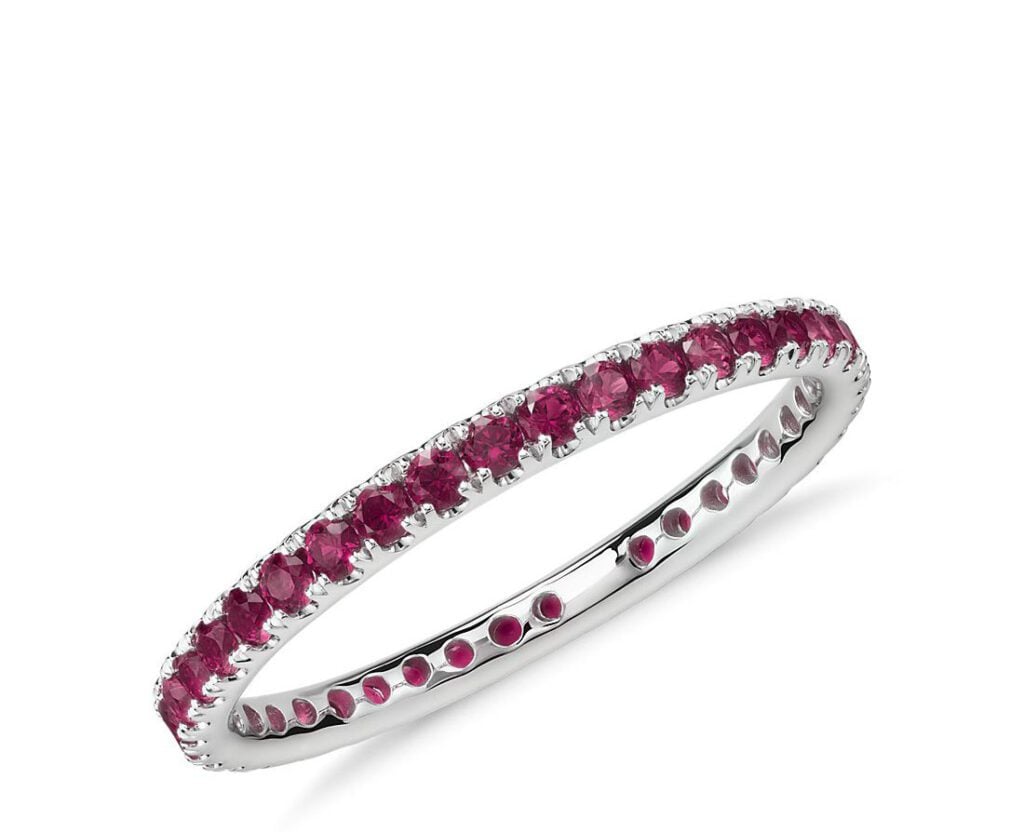
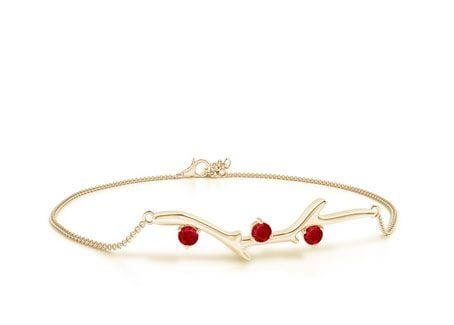
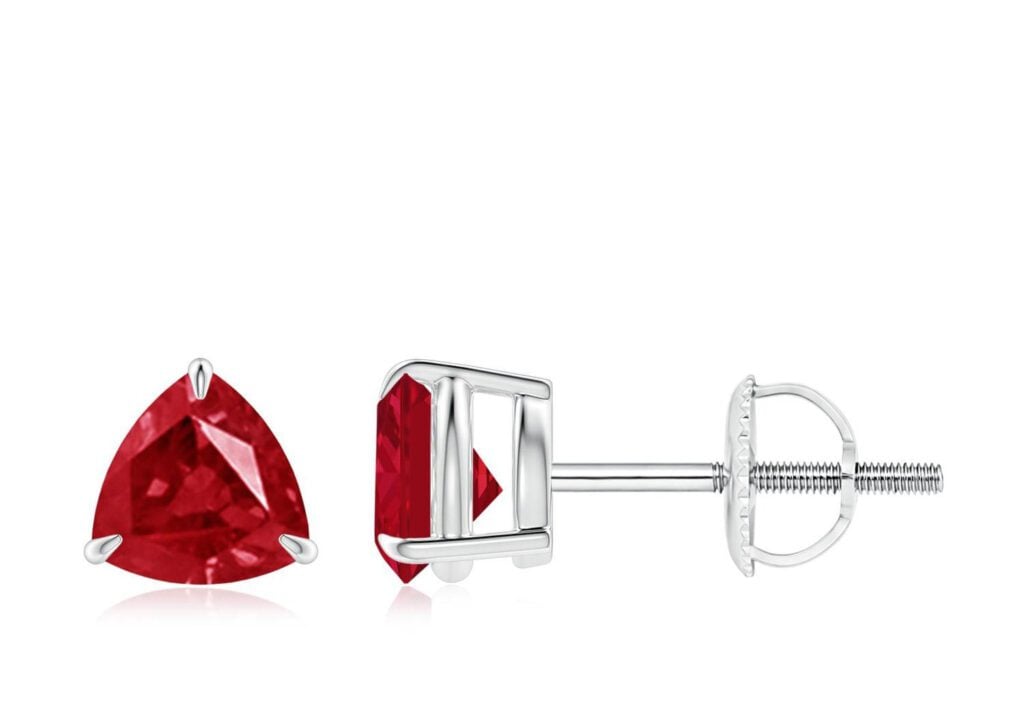
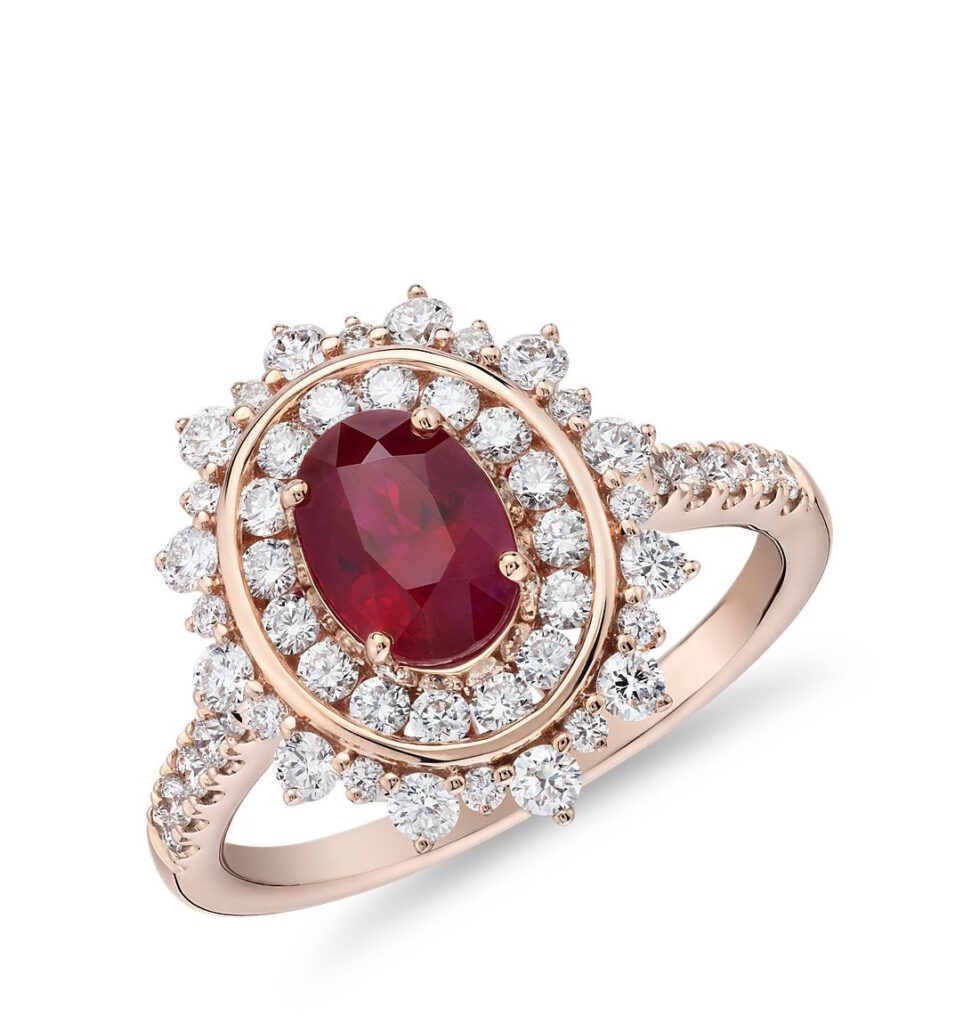
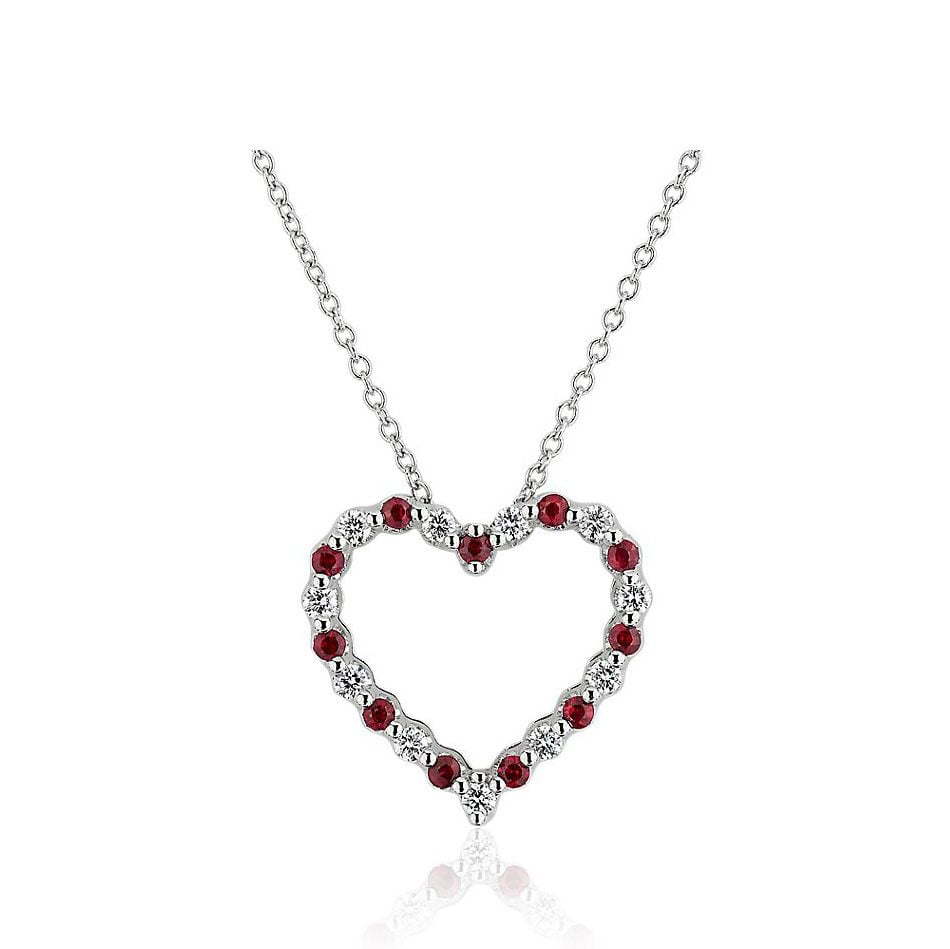
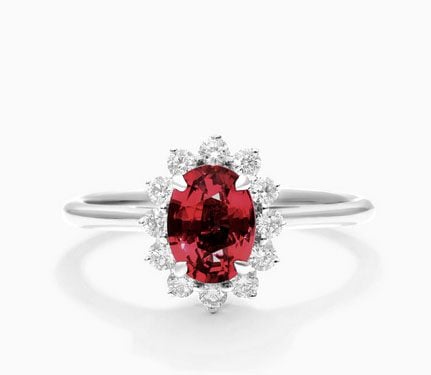
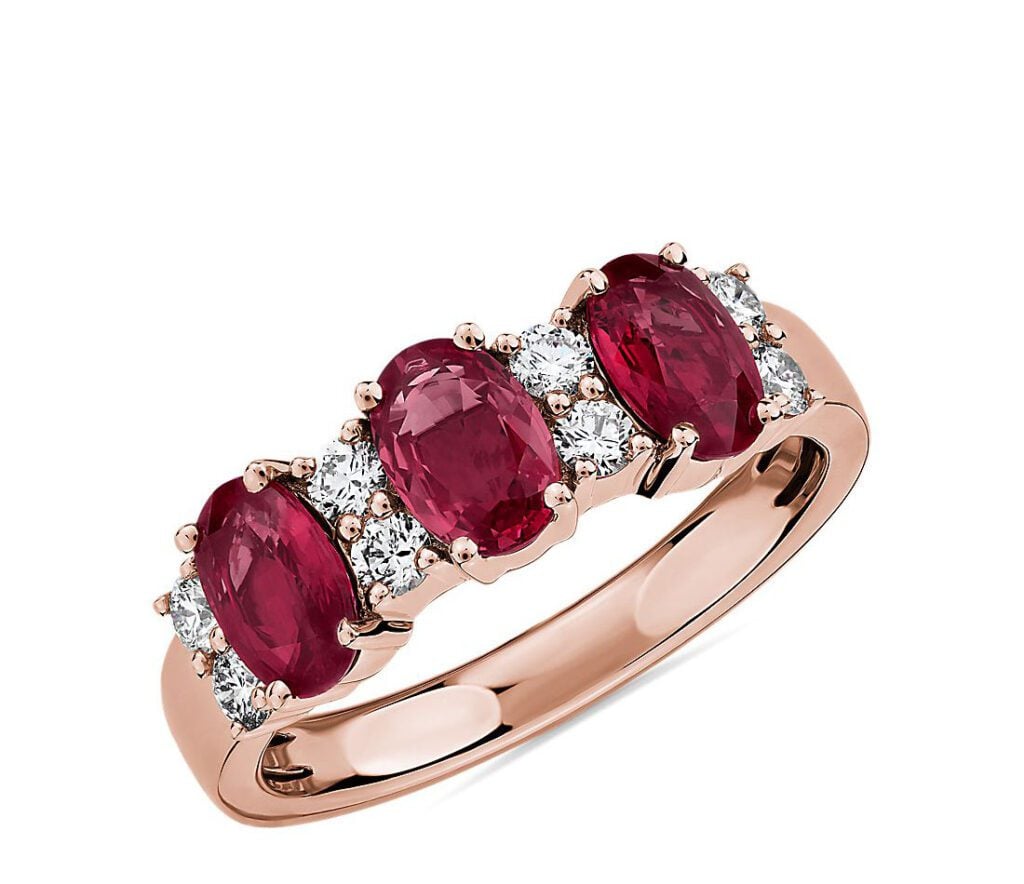
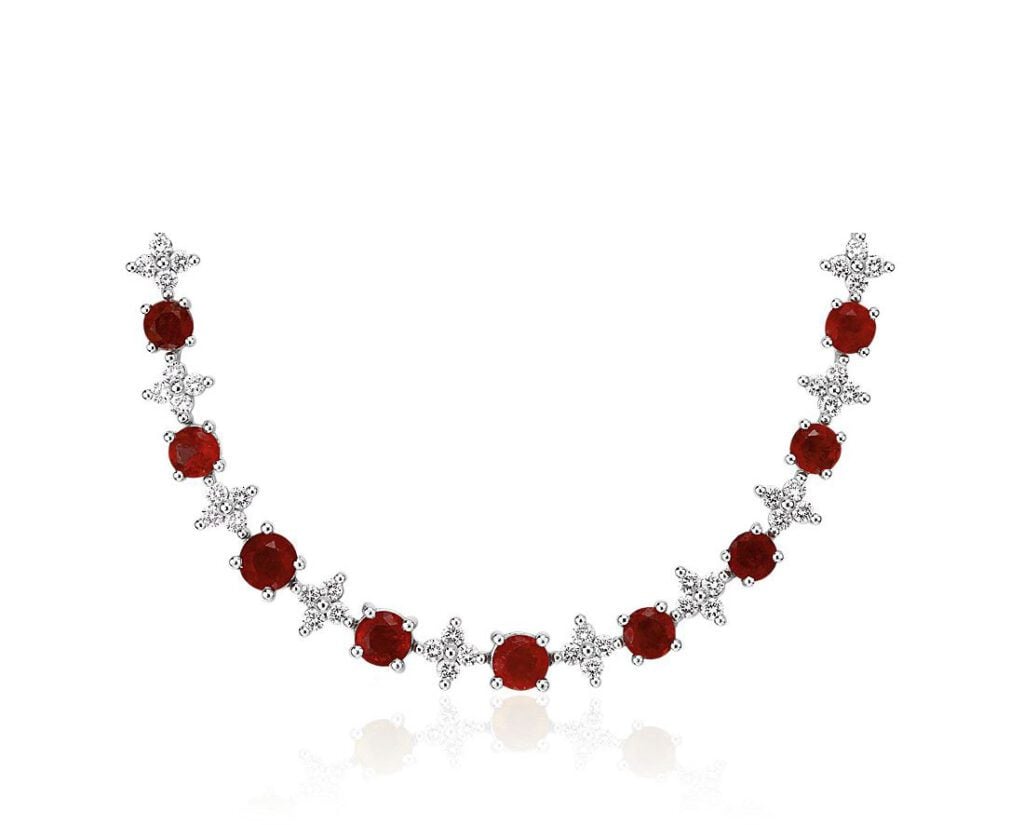
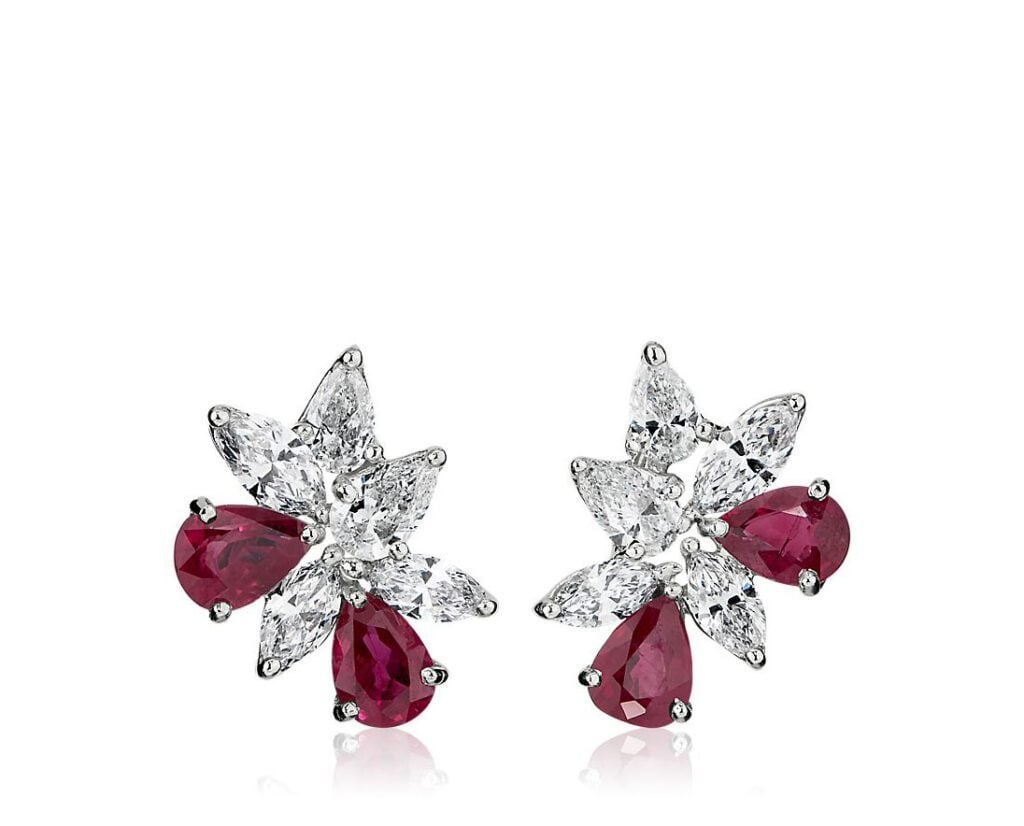
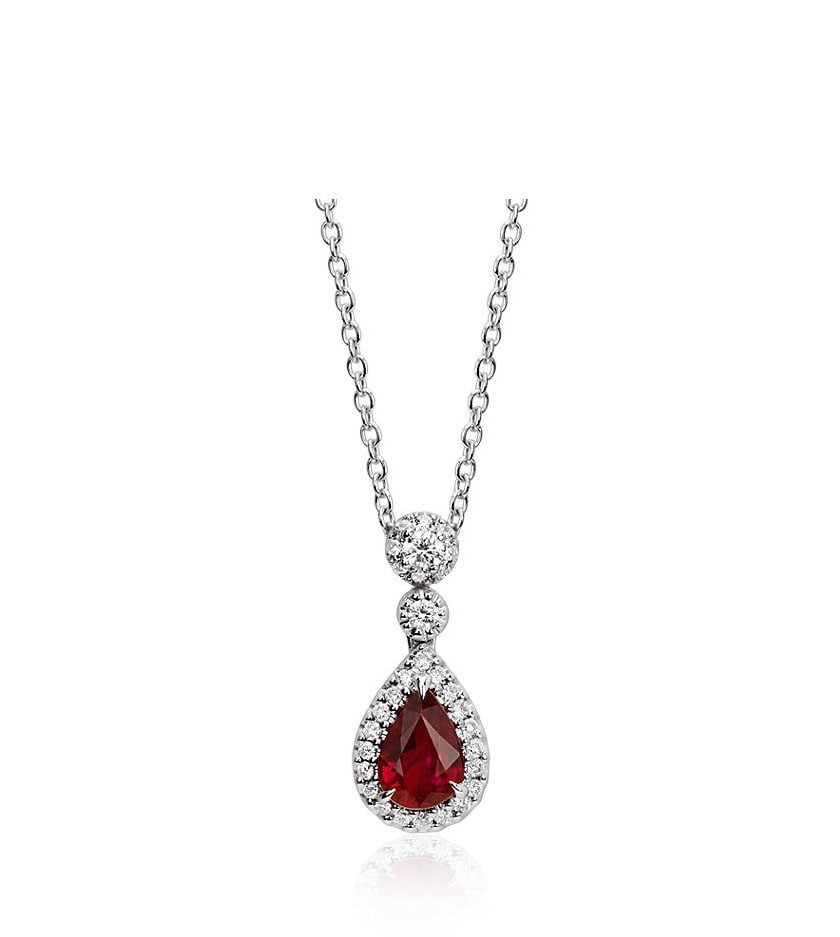
Thanks to the ruby's exceptional durability, you can confidently explore all types of ruby jewelry - from rings and necklaces to earrings and bracelets.
Unlike some other birthstones, rubies remain relatively rare, especially in sizes exceeding one carat. This scarcity makes well-matched ruby pairs and sets more difficult to find and potentially more expensive than similar jewelry featuring other gemstones. When selecting jewelry containing multiple rubies, color consistency becomes the most critical factor:
A ruby's clarity significantly impacts its value and beauty. Clarity refers to the number of inclusions (small imperfections acquired during formation) present in the gemstone. July birthstones may exhibit varying clarity grades:
When choosing between stones with visible inclusions, select options with less distracting features - typically inclusions with lighter colors positioned off-center toward one side of the gem.
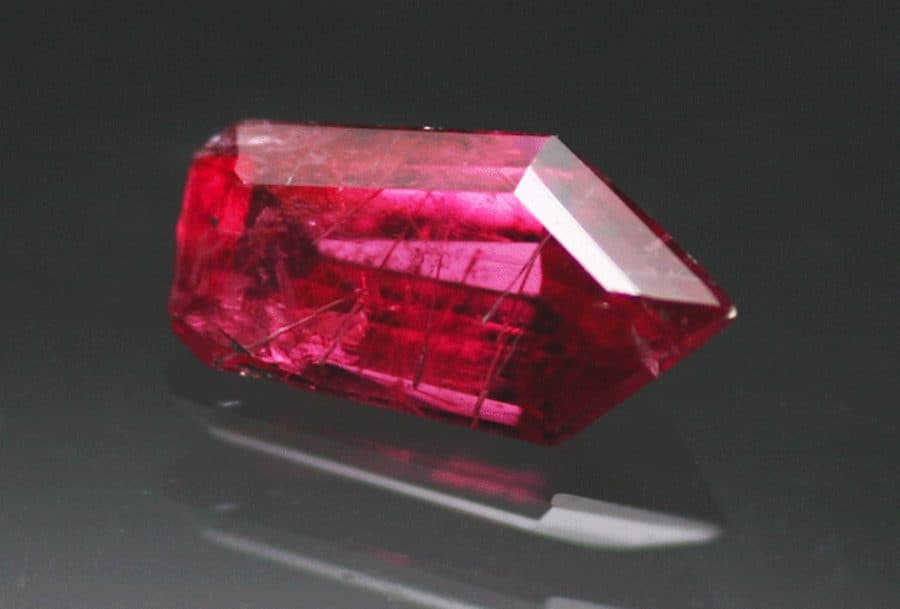
While inclusions generally decrease gemstone value, they occasionally create remarkable effects. Some rubies display a "star stone" effect (asterism) when the mineral rutile appears within the crystal. Cut in a cabochon shape, these exceptional rubies reflect light to create a shining star pattern across the gem's surface.
Ruby cutting considerations include:
The presence of synthetic rubies in the jewelry market deserves attention. Lab-grown rubies have existed for over a century and share identical chemical composition and appearance with natural stones. Several synthetic varieties exist, with premium lab-created rubies nearly indistinguishable from natural gems without gemological testing. These manufactured stones offer significant advantages:
The word "ruby" comes from the Latin term ruber, literally meaning "red". Because the red color is so meaningful, the ruby has taken on a huge variety of meanings over the centuries from youthful health, bodily strength, and recovery from injury to strength and healing to love and fury.
The red color of rubies led to an association between them and live-sustaining blood. As such, it was thought that inflammatory conditions or blood disorders could be helped by close proximity to rubies.
The cost of rubies varies widely. There are options of this birthstone on the market which are affordable. However, natural, high-quality rubies can be very costly. As it is rare to find a gem-quality ruby over one carat, the price per carat skyrockets as size increases. The most expensive ruby ever sold, the Sunrise Ruby, weighed in at a whopping 25.59 carats. It sold for over $1,000,000 per carat at a price of $30 million.
Thanks to their superior durability, rubies can safely be cleaned using a variety of methods. You can place rubies in ultrasonic machines, use any specialized jewelry cleaning solution, or simply use soapy water with a soft toothbrush. Regular cleaning will keep your ruby jewelry sparkling for years.
Yes. Corundum of all colors, including the red ruby, is famous for its potentially positive reaction to heat exposure and many of the gems you will find on the market have been heated to some degree. Unheated rubies with vivid color and clarity will fetch a higher price than unheated rubies with the same characteristics. While heat treatment is relatively common and accepted, other treatments like dying and lattice diffusion are unusual and often frowned upon.
Yes. The first synthetic rubies were grown at the end of the nineteenth century by a scientist named Auguste Verneuil. A few years after the initial discovery in 1902, Mr. Verneuil began selling his laboratory-grown rubies. Today, there are several different methods used to grow synthetic stones. Not only are synthetic rubies significantly less expensive than their natural counterparts, they can also be virtually identical. Those who are shopping for large rubies, or hope to acquire jewelry featuring many matched stones, may want to consider a lab-grown option.

When you join the IGS community, you get trusted diamond & gemstone information when you need it.
The July birthstone ruby captivates with its fiery red brilliance and rich historical significance. Often called the "King of Colored Stones," this magnificent gem has adorned royalty, warriors, and lovers throughout the centuries. In this comprehensive guide, you'll discover everything you need to know about this precious birthstone.
In this article, you'll learn:
The July is - the red variety of the mineral corundum, which belongs to the same gem species that includes sapphires. Interestingly, "ruby" actually refers to color rather than a separate gemstone species, as rubies are essentially red sapphires. The name "ruby" derives from the Latin word "," meaning red.
Throughout history, this vibrant red gemstone has earned the nickname "The King of Colored Stones" and has been treasured by royalty and warriors alike. Today, the July birthstone primarily symbolizes love, passion, and romance. While you can find affordable ruby options, the largest and most beautifully colored specimens command some of the highest per-carat prices of any colored gemstone in existence.
Rubies hold significant historical importance across many cultures:
Beyond being the July birthstone, rubies traditionally commemorate milestone 40th wedding anniversaries, symbolizing the enduring fire of love.
Rubies are renowned for their radiant red color, with the richest shades commanding the highest prices. Like all colored gems, ruby color quality depends on three key factors: hue, tone, and saturation. The most valuable rubies display a pure red hue, medium to medium-dark tone, and vivid saturation. Some purple, pink, or orange undertones are acceptable in fine rubies.
The most coveted ruby color carries the trade name "pigeon's blood" - a rare and highly sought-after shade combining predominantly red hues with subtle purple modifiers. This exceptional color significantly increases a ruby's value.
Corundum crystals are naturally colorless. The element chromium creates the July birthstone's distinctive red color:
While a ruby's color primarily determines its value, large specimens exceeding one carat are relatively rare. Consequently, prices increase dramatically as carat weights grow, with exceptional large rubies commanding premium prices.
The color red holds profound significance across human cultures, representing blood, life, and vitality. As the quintessential red gemstone, rubies have symbolized powerful concepts throughout history:
The July birthstone also carries emotional associations:
If you feel that that is a lot of meaning to associate with the July birthstone, you are right! Fortunately, this means that there are a million reasons for you to cite as an excuse to give a gift of a ruby to yourself or others.
Rubies primarily form in two geological environments: metamorphic limestone deposits (like marble) and basaltic rock. Most market rubies originate from East Asia, with different formation conditions creating distinctive characteristics:
The specific chemical composition of individual rubies can sometimes identify their geographic origin. The GIA offers optional origin analysis for rubies that may reveal their source location. While origin doesn't typically affect value for most rubies (as quality depends primarily on color and carat weight), exceptional investment-grade stones from famous locations like Myanmar may command premium prices.
Fortunately for jewelry lovers, rubies (along with all corundum varieties) rank second only to diamonds in durability. They score an impressive 9 out of 10 on the Mohs Hardness Scale, making them extremely resistant to both breaking and scratching. Even the ancient Greek scholar Pliny praised rubies' exceptional toughness in his first-century CE work "Natural History."
The July birthstone's inherent strength makes it suitable for all jewelry types, including rings worn daily. Rubies make excellent choices for engagement rings that will withstand decades of wear. You can confidently enjoy your ruby jewelry for years to come, which explains why beautiful vintage and antique ruby pieces survive alongside contemporary designs.
Thanks to the ruby's exceptional durability, you can confidently explore all types of ruby jewelry - from rings and necklaces to earrings and bracelets.
Unlike some other birthstones, rubies remain relatively rare, especially in sizes exceeding one carat. This scarcity makes well-matched ruby pairs and sets more difficult to find and potentially more expensive than similar jewelry featuring other gemstones. When selecting jewelry containing multiple rubies, color consistency becomes the most critical factor:
A ruby's clarity significantly impacts its value and beauty. Clarity refers to the number of inclusions (small imperfections acquired during formation) present in the gemstone. July birthstones may exhibit varying clarity grades:
When choosing between stones with visible inclusions, select options with less distracting features - typically inclusions with lighter colors positioned off-center toward one side of the gem.
While inclusions generally decrease gemstone value, they occasionally create remarkable effects. Some rubies display a "star stone" effect (asterism) when the mineral rutile appears within the crystal. Cut in a cabochon shape, these exceptional rubies reflect light to create a shining star pattern across the gem's surface.
Ruby cutting considerations include:
The presence of synthetic rubies in the jewelry market deserves attention. Lab-grown rubies have existed for over a century and share identical chemical composition and appearance with natural stones. Several synthetic varieties exist, with premium lab-created rubies nearly indistinguishable from natural gems without gemological testing. These manufactured stones offer significant advantages:
The word "ruby" comes from the Latin term ruber, literally meaning "red". Because the red color is so meaningful, the ruby has taken on a huge variety of meanings over the centuries from youthful health, bodily strength, and recovery from injury to strength and healing to love and fury.
The red color of rubies led to an association between them and live-sustaining blood. As such, it was thought that inflammatory conditions or blood disorders could be helped by close proximity to rubies.
The cost of rubies varies widely. There are options of this birthstone on the market which are affordable. However, natural, high-quality rubies can be very costly. As it is rare to find a gem-quality ruby over one carat, the price per carat skyrockets as size increases. The most expensive ruby ever sold, the Sunrise Ruby, weighed in at a whopping 25.59 carats. It sold for over $1,000,000 per carat at a price of $30 million.
Thanks to their superior durability, rubies can safely be cleaned using a variety of methods. You can place rubies in ultrasonic machines, use any specialized jewelry cleaning solution, or simply use soapy water with a soft toothbrush. Regular cleaning will keep your ruby jewelry sparkling for years.
Yes. Corundum of all colors, including the red ruby, is famous for its potentially positive reaction to heat exposure and many of the gems you will find on the market have been heated to some degree. Unheated rubies with vivid color and clarity will fetch a higher price than unheated rubies with the same characteristics. While heat treatment is relatively common and accepted, other treatments like dying and lattice diffusion are unusual and often frowned upon.
Yes. The first synthetic rubies were grown at the end of the nineteenth century by a scientist named Auguste Verneuil. A few years after the initial discovery in 1902, Mr. Verneuil began selling his laboratory-grown rubies. Today, there are several different methods used to grow synthetic stones. Not only are synthetic rubies significantly less expensive than their natural counterparts, they can also be virtually identical. Those who are shopping for large rubies, or hope to acquire jewelry featuring many matched stones, may want to consider a lab-grown option.