How can gem cutters predict the color that gem rough will likely show when cut? Learn how the simple white paper test can help you buy the right material.
1 Minute Read
Before buying a piece of rough, check it in the following manner:
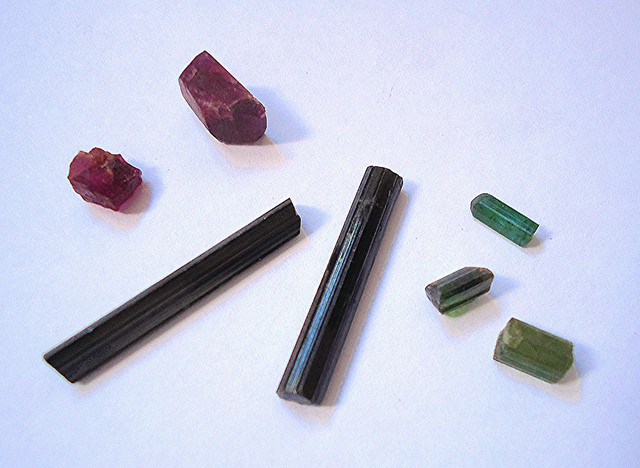
If the stone looks black with very little or no color, you don't want it. (Of course, if you insist on buying it, read my guide to dark saturated rough gems).
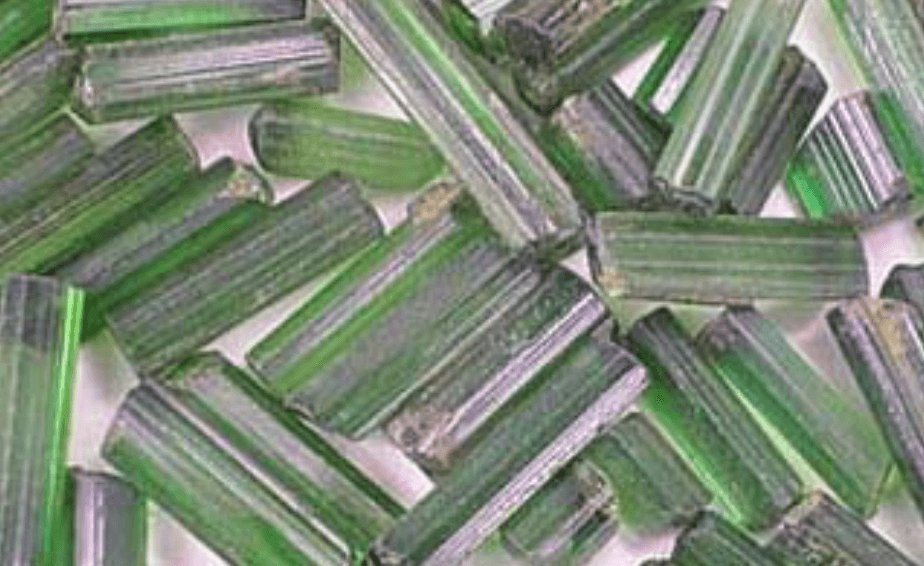
Take a look at the tourmaline crystals in the picture below. These pass the test easily. You can see good color.
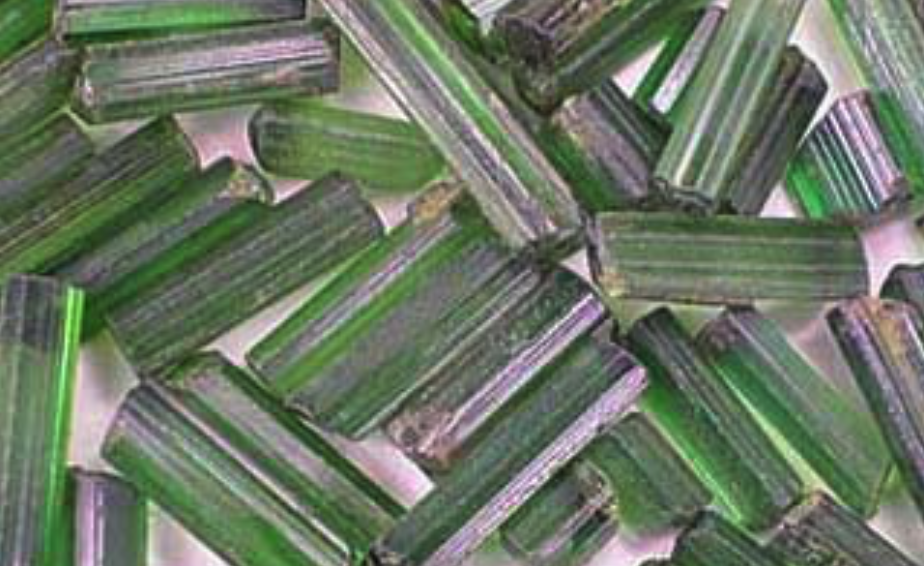
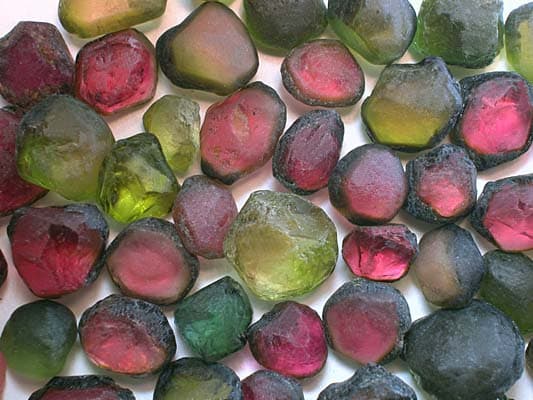
You want to buy rough that will show at least some color flash when you do the white paper test.
It's also a good idea to test rough under incandescent and fluorescent lighting, too, if possible. You can then see what colors the cut gem will show under those lights. This is particularly helpful if you're buying color change gems like sapphire or spinel.
Get into the habit of testing whatever rough you're cutting in your lab or workshop. (You'll have much more control over your lighting, too). Then, compare your approximations with the actual results after cutting. This will give you more experience, which will help significantly the next time time you buy rough.

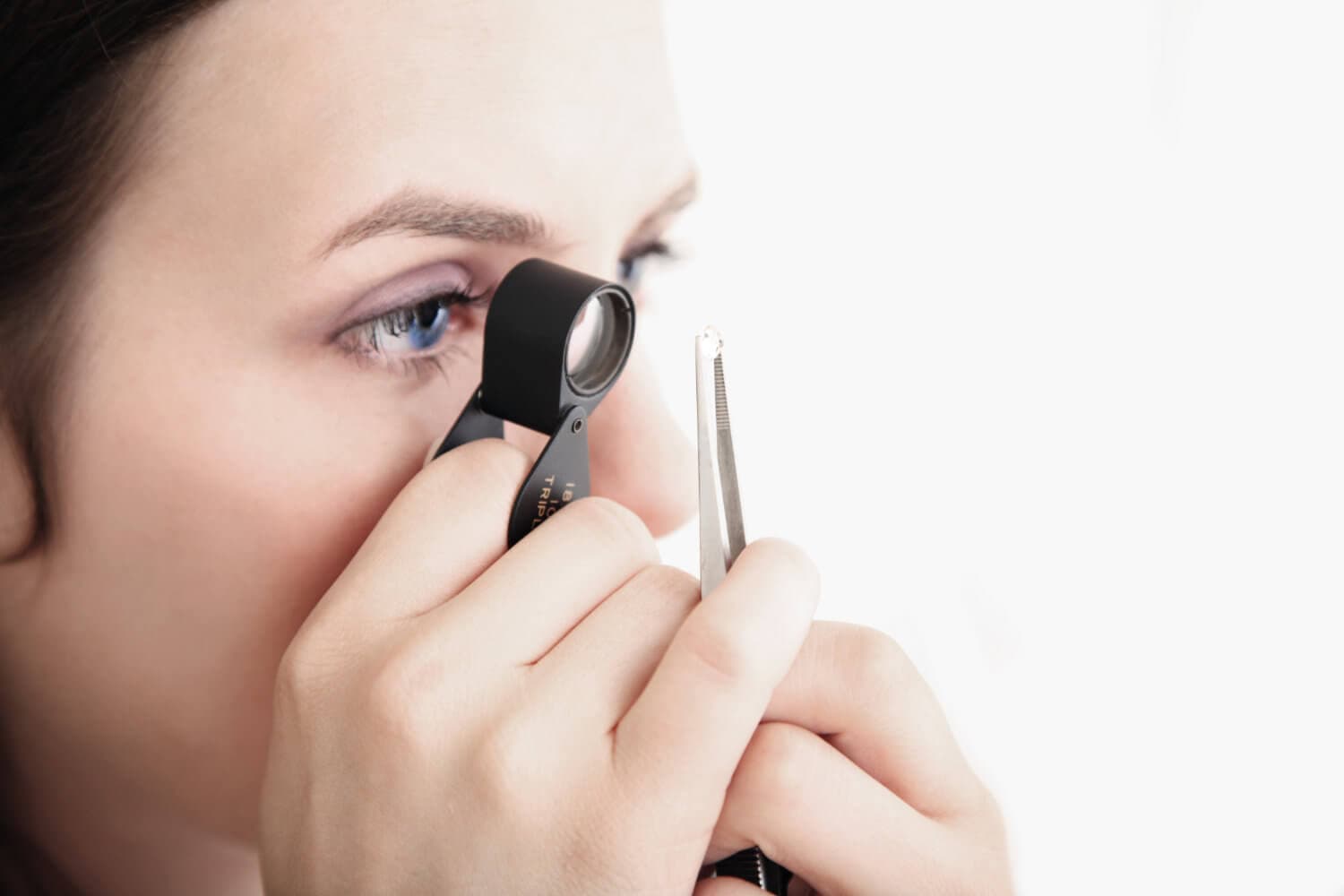
When you join the IGS community, you get trusted diamond & gemstone information when you need it.
Before buying a piece of rough, check it in the following manner:
If the stone looks black with very little or no color, you don't want it. (Of course, if you insist on buying it, read my ).
Take a look at the tourmaline crystals in the picture below. These pass the test easily. You can see good color.
You want to buy rough that will show at least some color flash when you do the white paper test.
It's also a good idea to test rough under incandescent and fluorescent lighting, too, if possible. You can then see what colors the cut gem will show under those lights. This is particularly helpful if you're buying color change gems like sapphire or spinel.
Get into the habit of testing whatever rough you're cutting in your lab or workshop. (You'll have much more control over your lighting, too). Then, compare your approximations with the actual results after cutting. This will give you more experience, which will help significantly the next time time you buy rough.