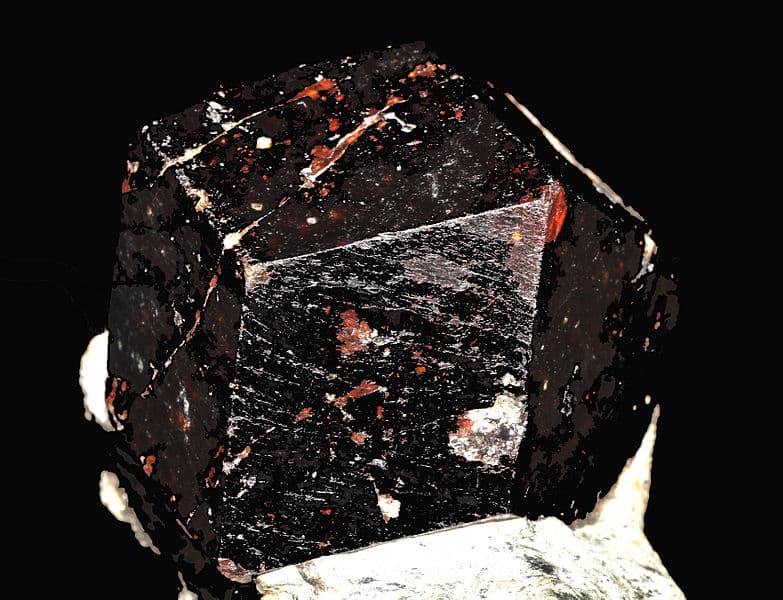
Can you turn dark saturated rough gems into facetable material? Learn how to pick the right cuts and heat treatments and, importantly, when to just say no.
7 Minute Read
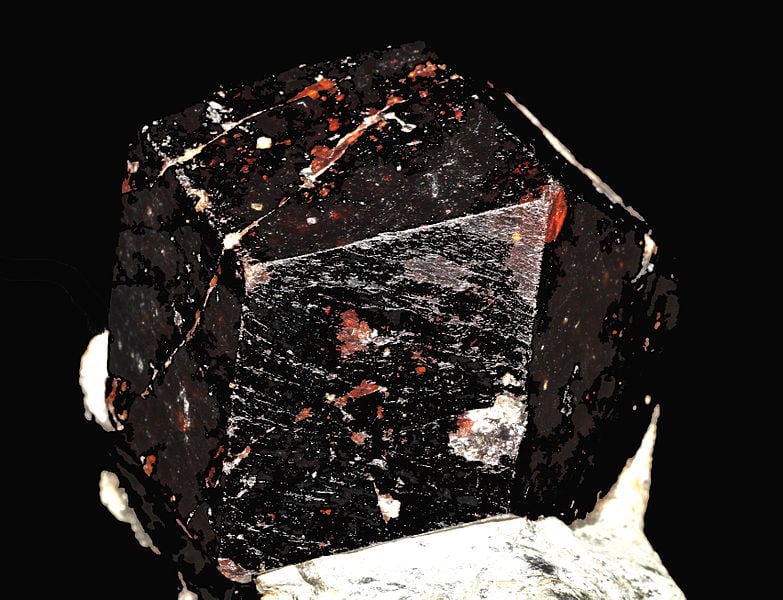
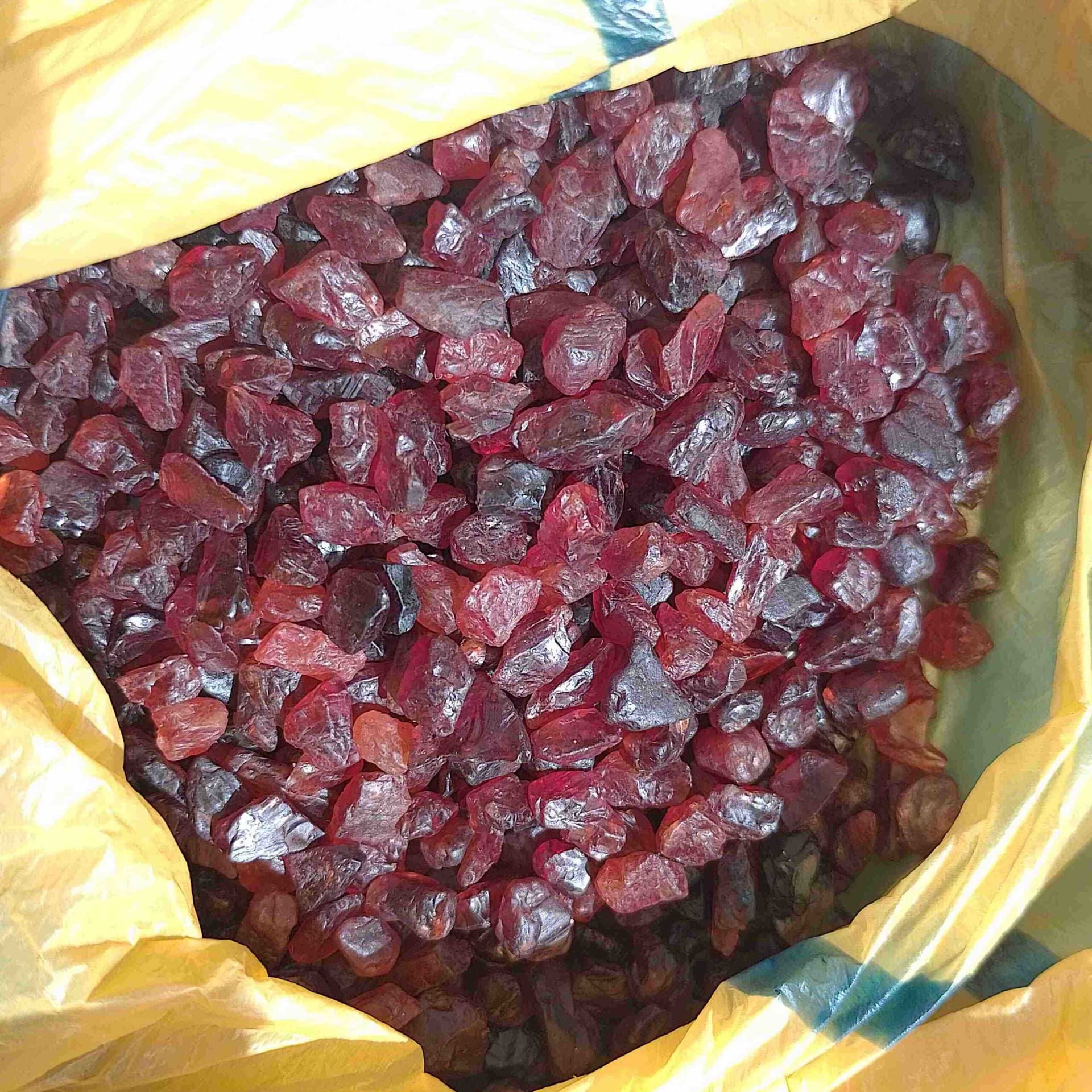
"What do I do with dark saturated rough gems?"
Most faceters have asked themselves this. Here's a piece of advice: avoid rough that doesn't pass the white paper test. This test will give you an approximation of the color and saturation the material will have when cut. It'll help keep you from dealing with rough that's too dark in the first place.
Simple advice, right? You'd be surprised how many people buy dark rough. In my opinion, the primary reason people buy this material is inexperience. Novice faceters just don't realize what they're purchasing.
Nevertheless, people do buy dark saturated rough gems for other reasons.
Whatever the reason, faceters need to determine if cutting dark saturated rough gems is worth their time. How much cutting time a week do you get? For most people with many obligations, it's not much. Do you want to spend those precious hours faceting a stone that in all likelihood will be too dark when you're done? Personally, if the rough doesn't pass the white paper test, I don't bother.
OK, so all faceters has some dark rough. Now what? Here are some options.
I've heard some people recommend cutting the dark rough shallow below the critical angle. In my experience, this doesn't do much. In some cases, you might get a little color, but cutting below the critical angle makes a "dead" stone, without any flash or sparkle. Furthermore, even if you do get a little color by cutting below the critical angle, the color is usually lost when the stone is set. Settings tend to close off the bottom of a stone, like in a ring. The only color you see before setting the stone is transparent color. You're looking "through" the stone. After the stone is set, you can't look through it anymore. The stone is now dark.
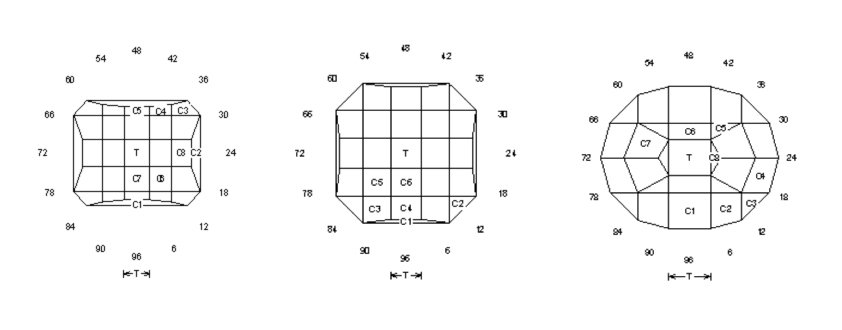
The last option for working with dark rough is heating. For most cases, I don't recommend this.
If there is any chance that heat treatments would improve the rough, you can bet that miners, rough dealers, etc., have already done them. This is particularly the case with valuable rough like aquamarine and tourmaline. Always assume rough has been heated unless you know for sure it hasn't. Never buy rough assuming you can heat and improve it. And if somehow you do get some untreated rough that you can improve by heating, that's great. Just don't make the mistake of thinking you can make money doing it. (If you believe that, I have a bridge I'd like to sell you).
Heating a stone will (hopefully) lighten the color. However, you have no real control over what the stone will do. Often, heating a stone will change the color into one that you don't want, even though it's not dark anymore. A lighter stone in a color you don't want (like colorless) is no better than a dark stone you don't want.
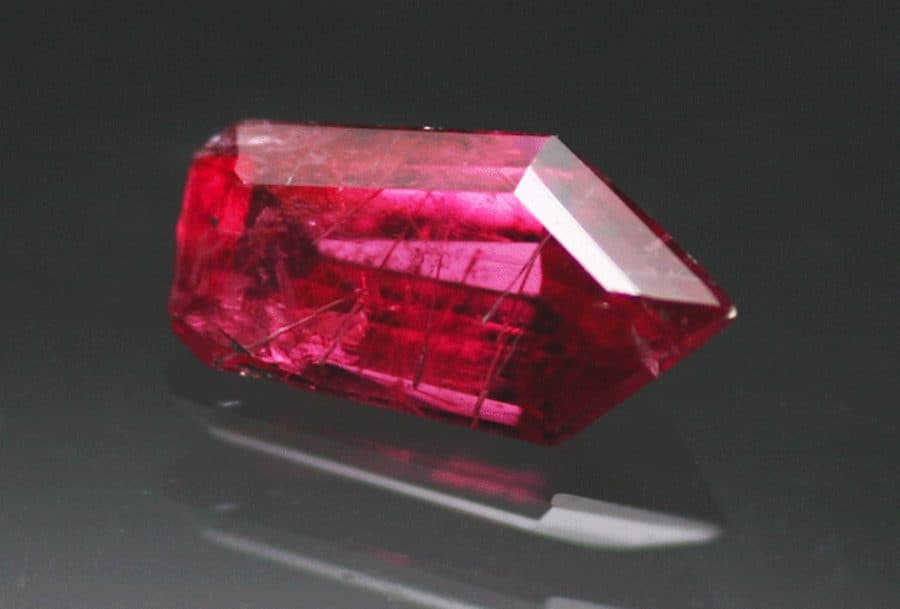
For example, faceters often buy dark, over-saturated red zircon stones. Heating a dark red zircon will usually lighten it but can also change its color. Your red stone may turn out orange-brown to clear, depending on the stone and source. If you want a red zircon, there's a good chance it won't be red after heating. Generally, red zircon, even dark, costs a lot of money. You could've saved time and money just buying the less expensive lighter rough in the first place.
Stones will often fracture during heating. Cutting stones before heating can help, but if you lose just one stone that you've spent time cutting, you've lost both time and money. If you'd spent a little more for a good piece of rough to start, calculate how far ahead you'd be.
Heating any stone is a gamble. The outcome depends on the source, the piece itself, and what may or may not have already been done to the rough.
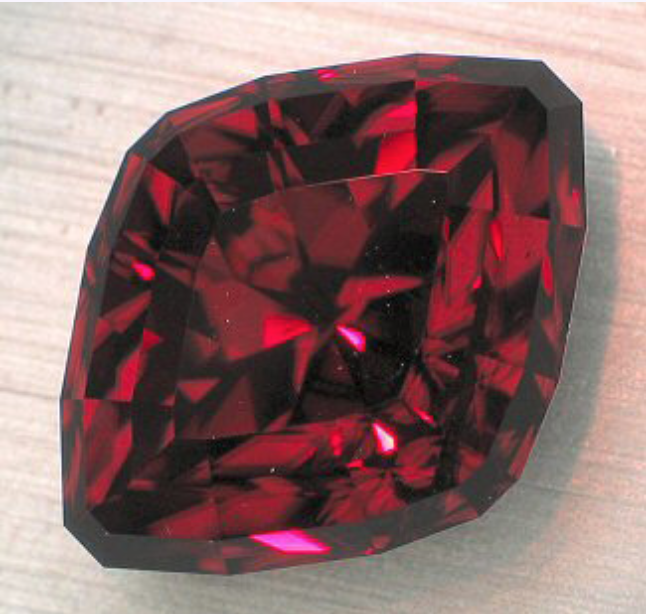
The stones listed below will sometimes heat. If a type of stone is not listed (like garnet), it won't heat.
There's no way to give definite temperatures. Depending on the sources, all rough will react differently. Experimentation is the only way to find out what your rough will do when heated. Start low and add heat until the rough changes.
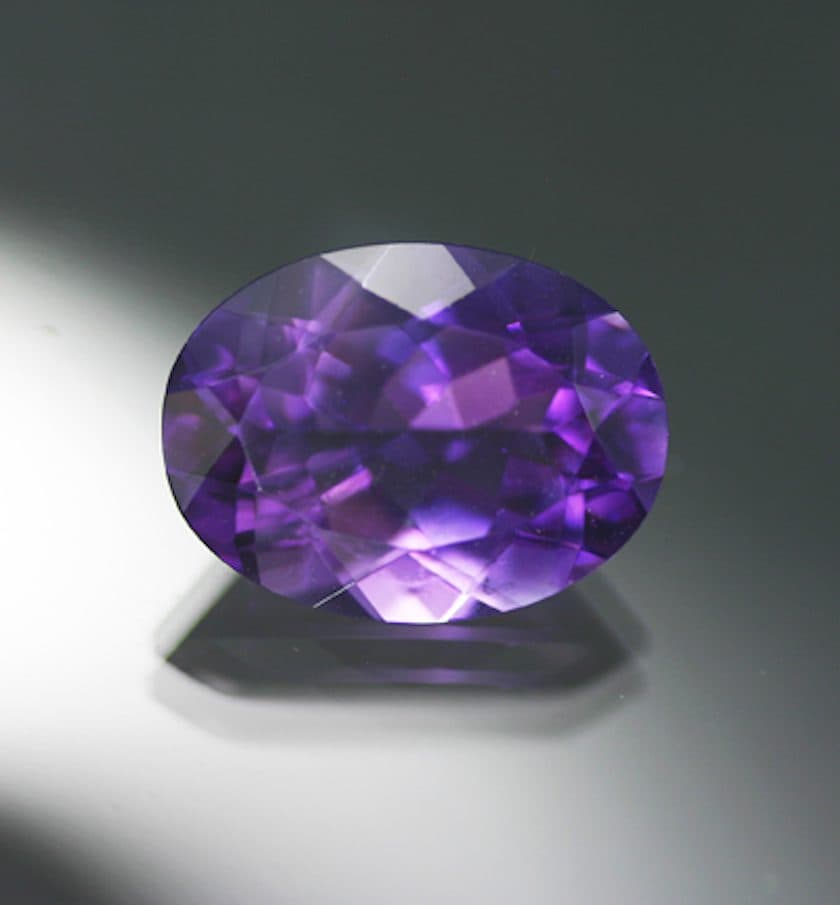
Siberian (a trade name, not the location) will usually heat lighter if you're careful and lucky. However, heating is generally not a good idea. Heating amethyst will lighten it and eventually turn it into citrine (which is less valuable than amethyst), depending on the source of the rough. Most quartz often fractures when heated. Heating range is from 125º C to 400º C.
Heat may eliminate the smoky color of some stones but can also make them go clear. Often fractures when heated.
Heat will usually lighten stones to clear or sometimes a very pale yellow/green. But why bother doing this to a smoky quartz? Often fractures when heated.
Heating improves blue and gets rid of green tones. I strongly advise against this. In almost all cases, aquamarine rough is heated before you can get it. Often cracks during heating. (Incidentally, there's a significant market for natural color aquamarine).
Some rough will lighten with heat. Heating is actually part of the process when "nuking it" from clear to blue (nuke, then heat from brown to blue). In general, you won't have any reason to heat topaz. Some types are very fragile and would be destroyed by heating, like Imperial and some Afghanistan material. Some types aren't color stable, depending on their sources, like New Mexico and some Afghanistan. Heating range for most topaz is 125º C to 400º C.
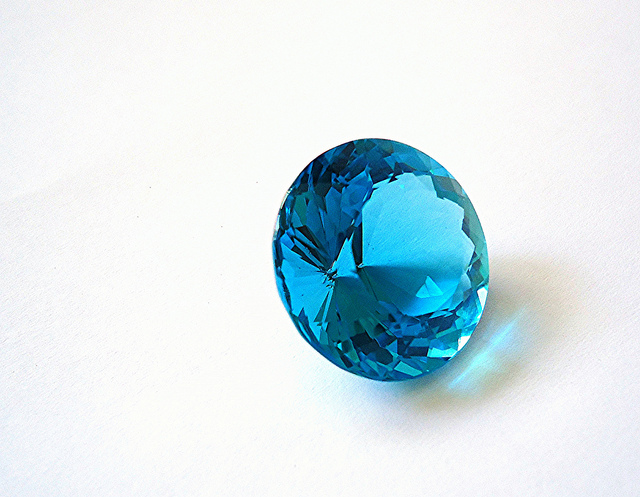
Some rough will lighten slightly or even a shade or two depending on the source and type. In almost all cases, however, if tourmaline will heat then it's already been heated before you'll get it. Generally, tourmaline isn't cheap. Rough from some locations is very heat sensitive and very easily damaged. It's not worth the gamble of heating. Expect to lose a fair amount of material or just buy good rough in the first place. Heating range is 100º C to 700º C.
Red zircon will usually heat lighter and change color (but won't always turn out red). These stones are pretty stable and usually don't crack much. Every once in a while there'll be some heat damage. Heating range is 400º C to 1,000º C.
There are occasions when heating is a viable option for a piece of dark rough. However, I think most people will be better off buying good rough that passes the white paper test in the first place. Of course, there are those who believe they can get a good deal on dark rough and heat it into quality material. Those people keep Las Vegas in business.
Bottom line: spend your time and money wisely. If you have some dark saturated rough gems from parcels and just want to experiment with heat treatments or faceting designs, go right ahead. Have fun. You may or may not be happy with the results. Personally, I think you'll do better cutting something worthwhile to begin with.


When you join the IGS community, you get trusted diamond & gemstone information when you need it.
"What do I do with dark saturated rough gems?"
Most faceters have asked themselves this. Here's a piece of advice: avoid rough that doesn't pass the white paper test. This test will give you an approximation of the color and saturation the material will have when cut. It'll help keep you from dealing with rough that's too dark in the first place.
Simple advice, right? You'd be surprised how many people buy dark rough. In my opinion, the primary reason people buy this material is inexperience. Novice faceters just don't realize what they're purchasing.
Nevertheless, people do buy dark saturated rough gems for other reasons.
Whatever the reason, faceters need to determine if cutting dark saturated rough gems is worth their time. How much cutting time a week do you get? For most people with many obligations, it's not much. Do you want to spend those precious hours faceting a stone that in all likelihood will be too dark when you're done? Personally, if the rough doesn't pass the white paper test, I don't bother.
OK, so all faceters has some dark rough. Now what? Here are some options.
I've heard some people recommend cutting the dark rough shallow below the critical angle. In my experience, this doesn't do much. In some cases, you might get a little color, but cutting below the critical angle makes a "dead" stone, without any flash or sparkle. Furthermore, even if you do get a little color by cutting below the critical angle, the color is usually lost when the stone is set. Settings tend to close off the bottom of a stone, like in a ring. The only color you see before setting the stone is transparent color. You're looking "through" the stone. After the stone is set, you can't look through it anymore. The stone is now dark.
The last option for working with dark rough is heating. For most cases, I don't recommend this.
If there is any chance that heat treatments would improve the rough, you can bet that miners, rough dealers, etc., have already done them. This is particularly the case with valuable rough like aquamarine and tourmaline. Always assume rough has been heated unless you know for sure it hasn't. Never buy rough assuming you can heat and improve it. And if somehow you do get some untreated rough that you can improve by heating, that's great. Just don't make the mistake of thinking you can make money doing it. (If you believe that, I have a bridge I'd like to sell you).
Heating a stone will (hopefully) lighten the color. However, you have no real control over what the stone will do. Often, heating a stone will change the color into one that you don't want, even though it's not dark anymore. A lighter stone in a color you don't want (like colorless) is no better than a dark stone you don't want.
For example, faceters often buy dark, over-saturated red zircon stones. Heating a dark red zircon will usually lighten it but can also change its color. Your red stone may turn out orange-brown to clear, depending on the stone and source. If you want a red zircon, there's a good chance it won't be red after heating. Generally, red zircon, even dark, costs a lot of money. You could've saved time and money just buying the less expensive lighter rough in the first place.
Stones will often fracture during heating. Cutting stones before heating can help, but if you lose just one stone that you've spent time cutting, you've lost both time and money. If you'd spent a little more for a good piece of rough to start, calculate how far ahead you'd be.
Heating any stone is a gamble. The outcome depends on the source, the piece itself, and what may or may not have already been done to the rough.
The stones listed below will sometimes heat. If a type of stone is not listed (like garnet), it won't heat.
There's no way to give definite temperatures. Depending on the sources, all rough will react differently. Experimentation is the only way to find out what your rough will do when heated. Start low and add heat until the rough changes.
Siberian (a trade name, not the location) will usually heat lighter if you're careful and lucky. However, heating is generally not a good idea. Heating amethyst will lighten it and eventually turn it into citrine (which is less valuable than amethyst), depending on the source of the rough. Most quartz often fractures when heated. Heating range is from 125º C to 400º C.
Heat may eliminate the smoky color of some stones but can also make them go clear. Often fractures when heated.
Heat will usually lighten stones to clear or sometimes a very pale yellow/green. But why bother doing this to a smoky quartz? Often fractures when heated.
Heating improves blue and gets rid of green tones. I strongly advise against this. In almost all cases, aquamarine rough is heated before you can get it. Often cracks during heating. (Incidentally, there's a significant market for natural color aquamarine).
Some rough will lighten with heat. Heating is actually part of the process when "nuking it" from clear to blue (nuke, then heat from brown to blue). In general, you won't have any reason to heat topaz. Some types are very fragile and would be destroyed by heating, like Imperial and some Afghanistan material. Some types aren't color stable, depending on their sources, like New Mexico and some Afghanistan. Heating range for most topaz is 125º C to 400º C.
Some rough will lighten slightly or even a shade or two depending on the source and type. In almost all cases, however, if tourmaline will heat then it's already been heated before you'll get it. Generally, tourmaline isn't cheap. Rough from some locations is very heat sensitive and very easily damaged. It's not worth the gamble of heating. Expect to lose a fair amount of material or just buy good rough in the first place. Heating range is 100º C to 700º C.
Red zircon will usually heat lighter and change color (but won't always turn out red). These stones are pretty stable and usually don't crack much. Every once in a while there'll be some heat damage. Heating range is 400º C to 1,000º C.
There are occasions when heating is a viable option for a piece of dark rough. However, I think most people will be better off buying good rough that passes the white paper test in the first place. Of course, there are those who believe they can get a good deal on dark rough and heat it into quality material. Those people keep Las Vegas in business.
Bottom line: spend your time and money wisely. If you have some dark saturated rough gems from parcels and just want to experiment with heat treatments or faceting designs, go right ahead. Have fun. You may or may not be happy with the results. Personally, I think you'll do better cutting something worthwhile to begin with.