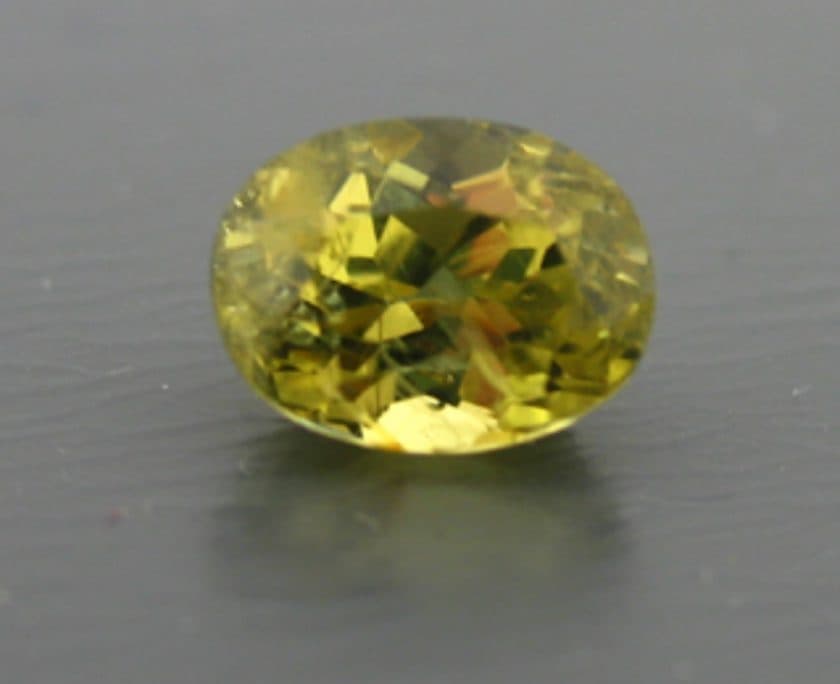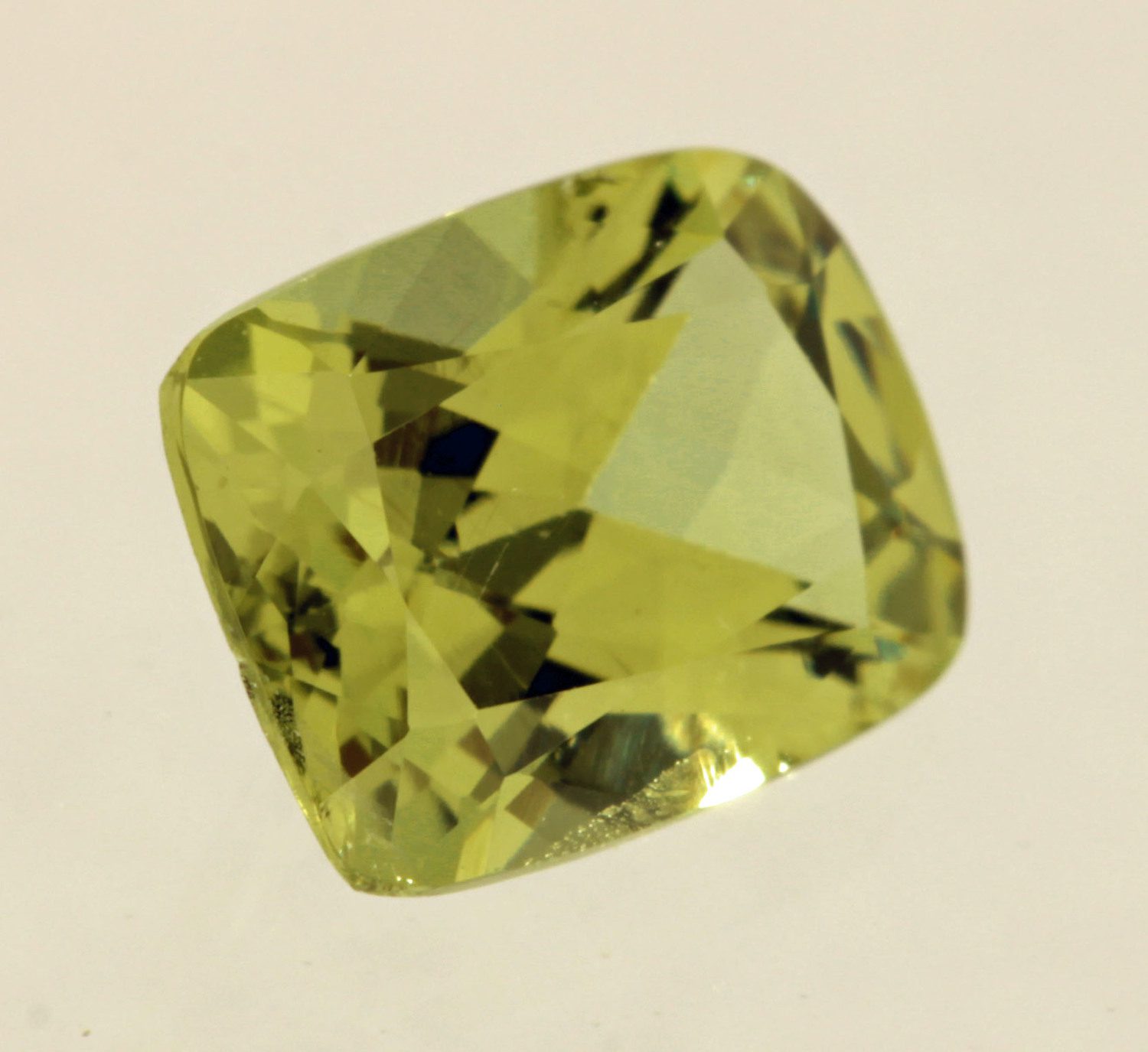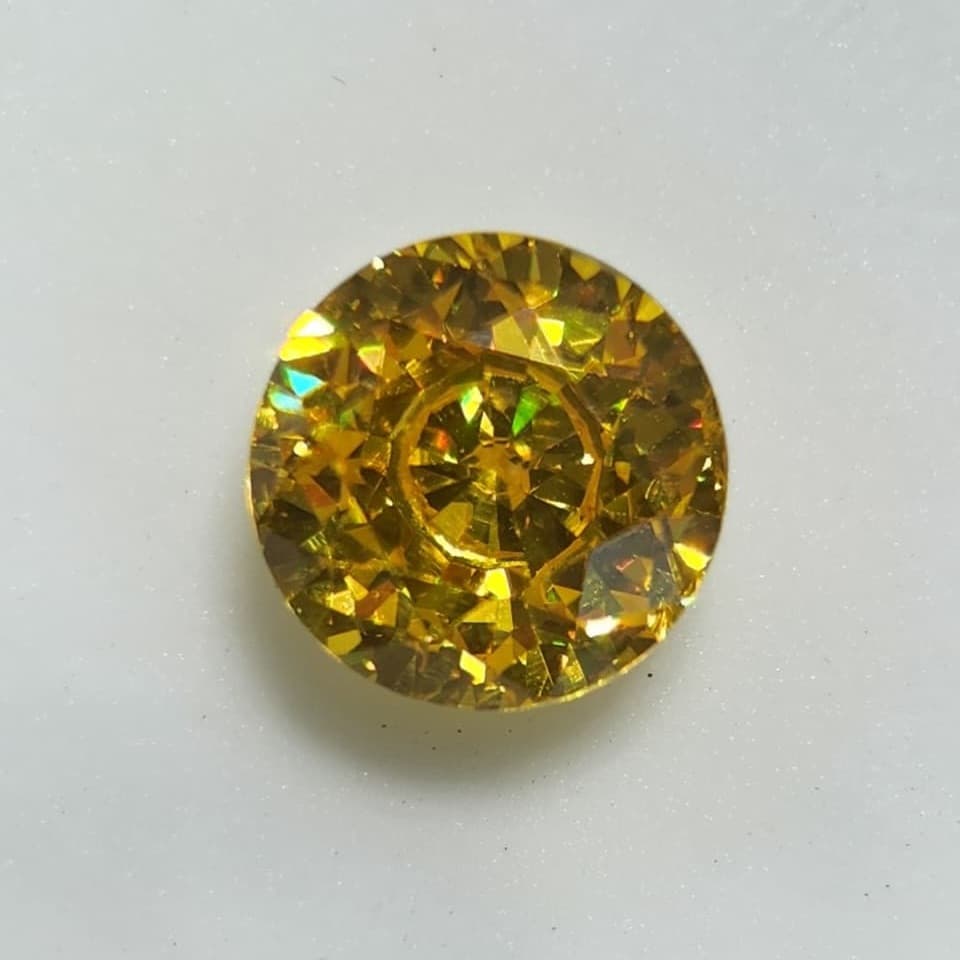
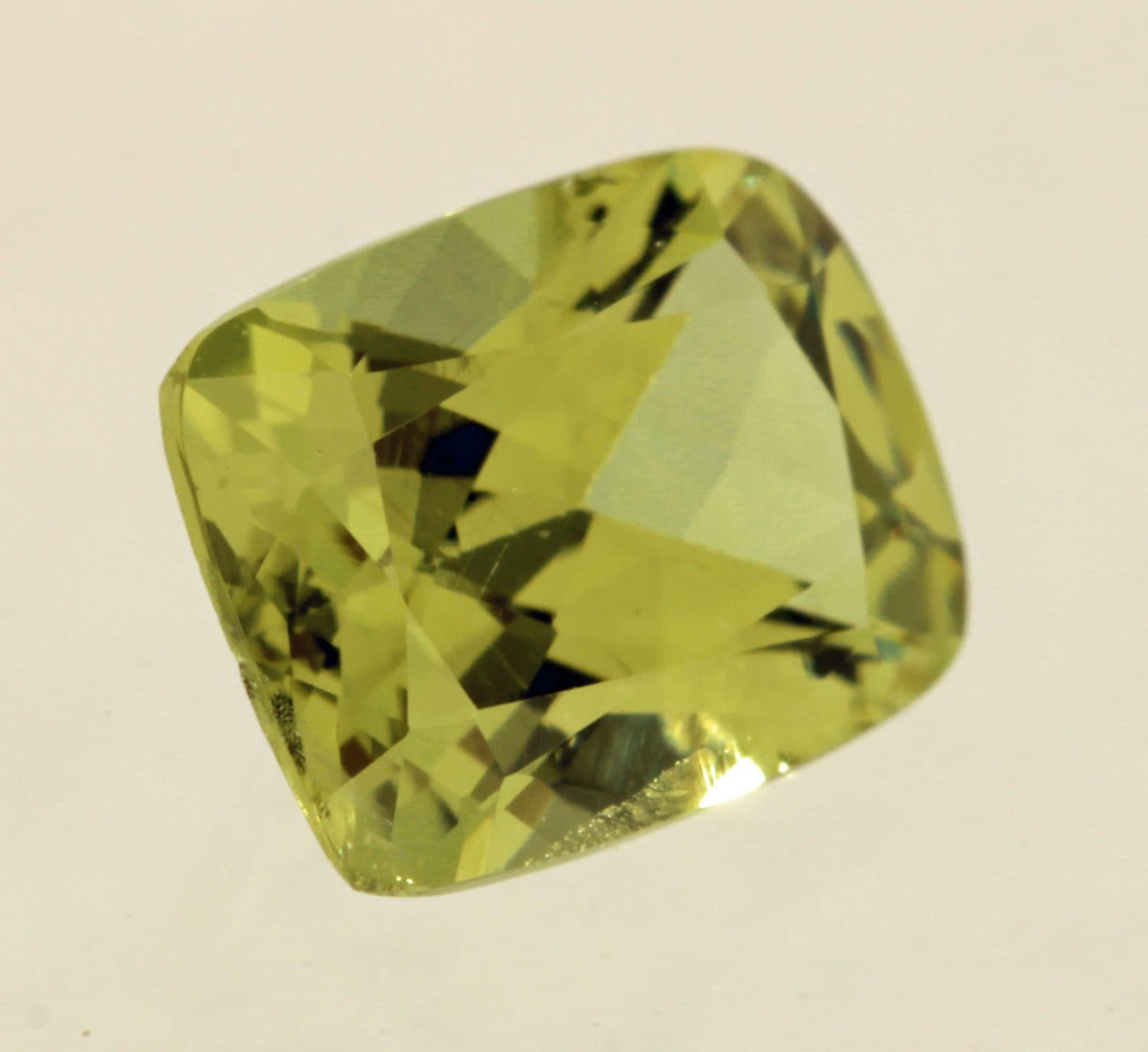
One of the rarer varieties in the garnet group, Mali garnet is a blend of grossular and andradite. This gemstone has great brilliance and a high dispersion. Its colors range from almost tsavorite green to yellow-green, yellow, gold, and brown.
1 Minute Read
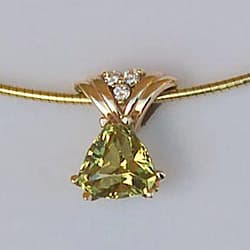
Gemological study has established that Mali garnets have a composition somewhere between grossular (calcium aluminum silicate) and andradite (calcium iron silicate). This blend is sometimes called "grandite."
Mali garnets are predominantly grossular, but the variable admixture of andradite changes its characteristics in at least one important way. While this hybrid seems to favor its grossular parent in terms of refractive index (1.77 in most specimens) and hardness, its superb dispersion comes from its andradite heritage.
Some rare Mali garnets may show a color change from grayish green in fluorescent light to brown in incandescent light. Nevertheless, most color change garnets are a pyrope-spessartite blend.
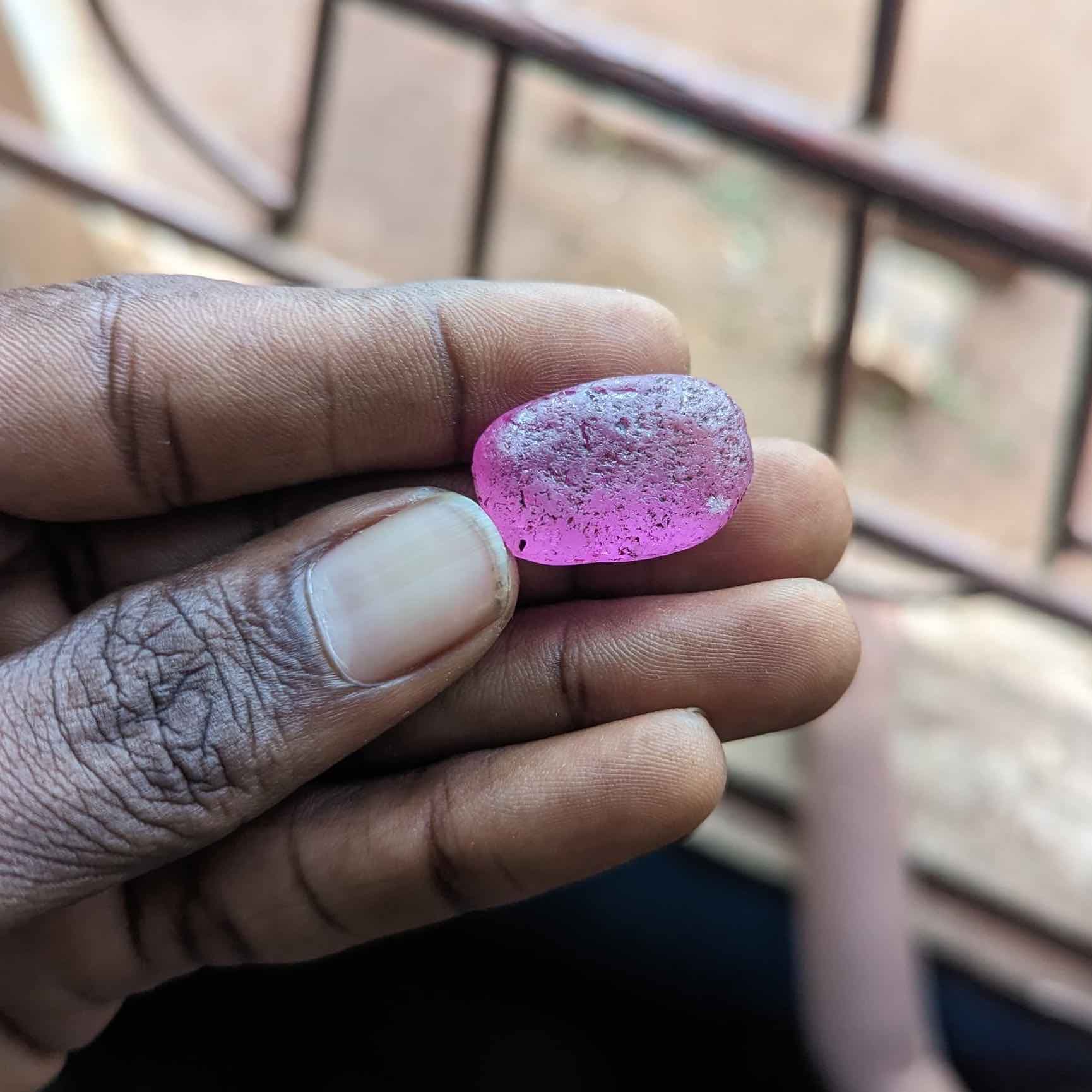
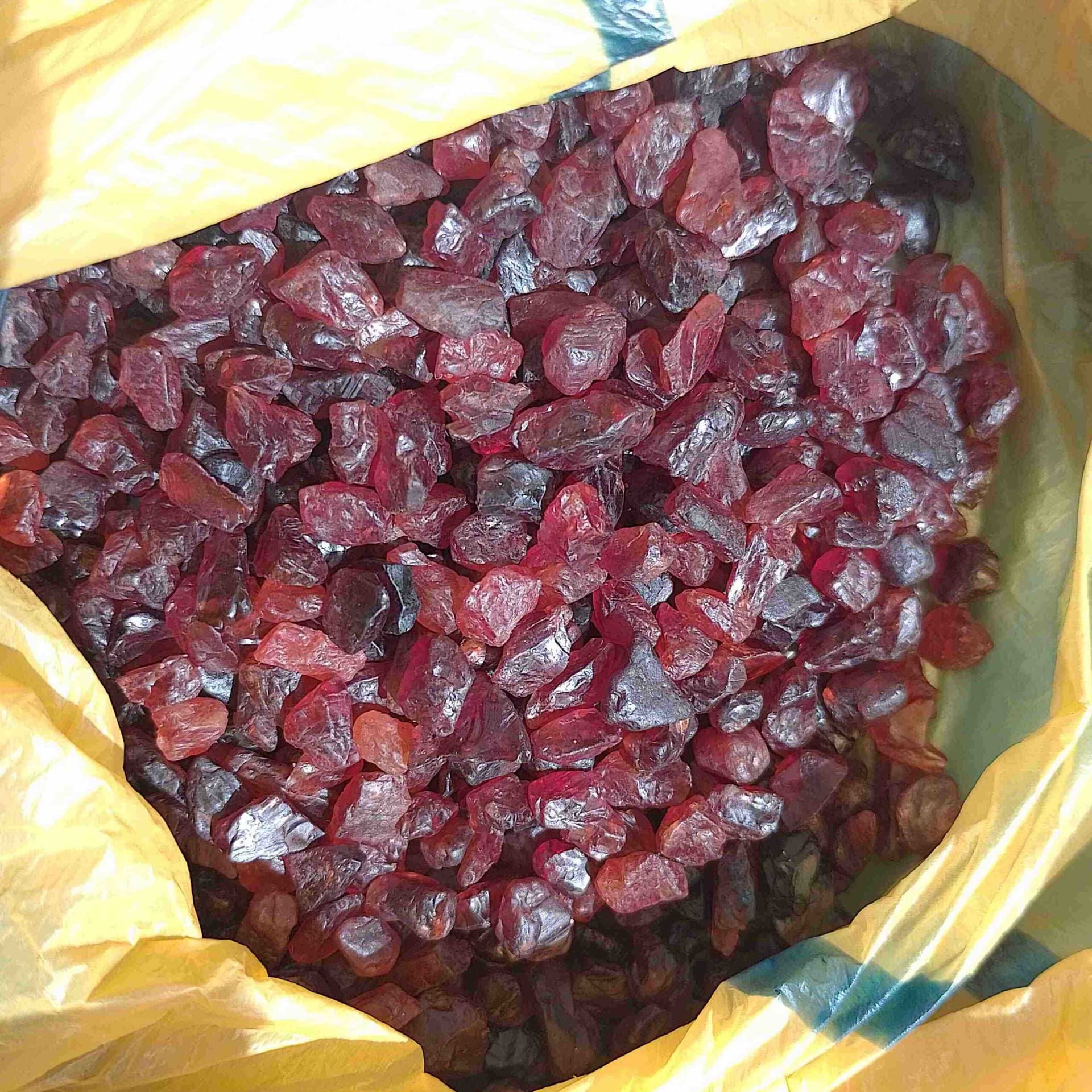
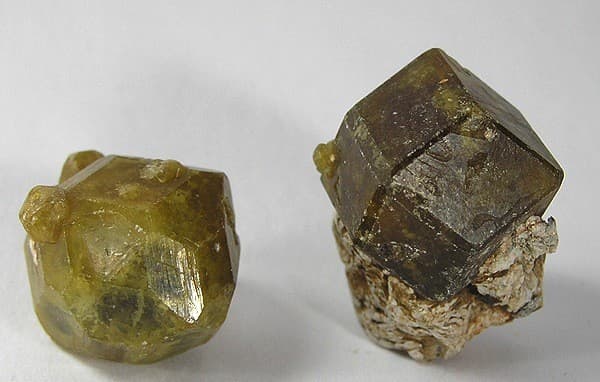
Mined from alluvial deposits, most Mali garnet rough typically shows rounded, waterworn shapes.
Faceted stones with a light body color will show off their brilliance spectacularly.
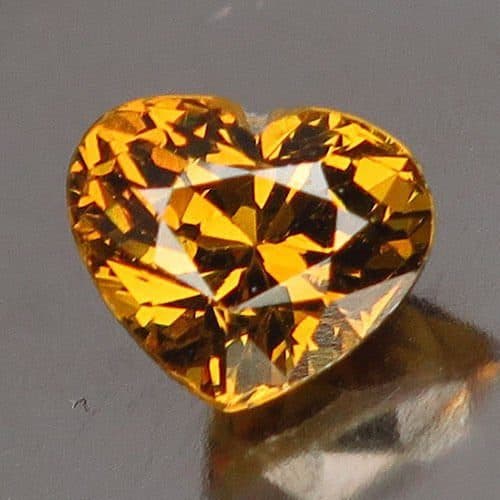
No known synthetics or enhancements for this gemstone are known on the market.
The Kayes region of Mali is the only known source of this gemstone.
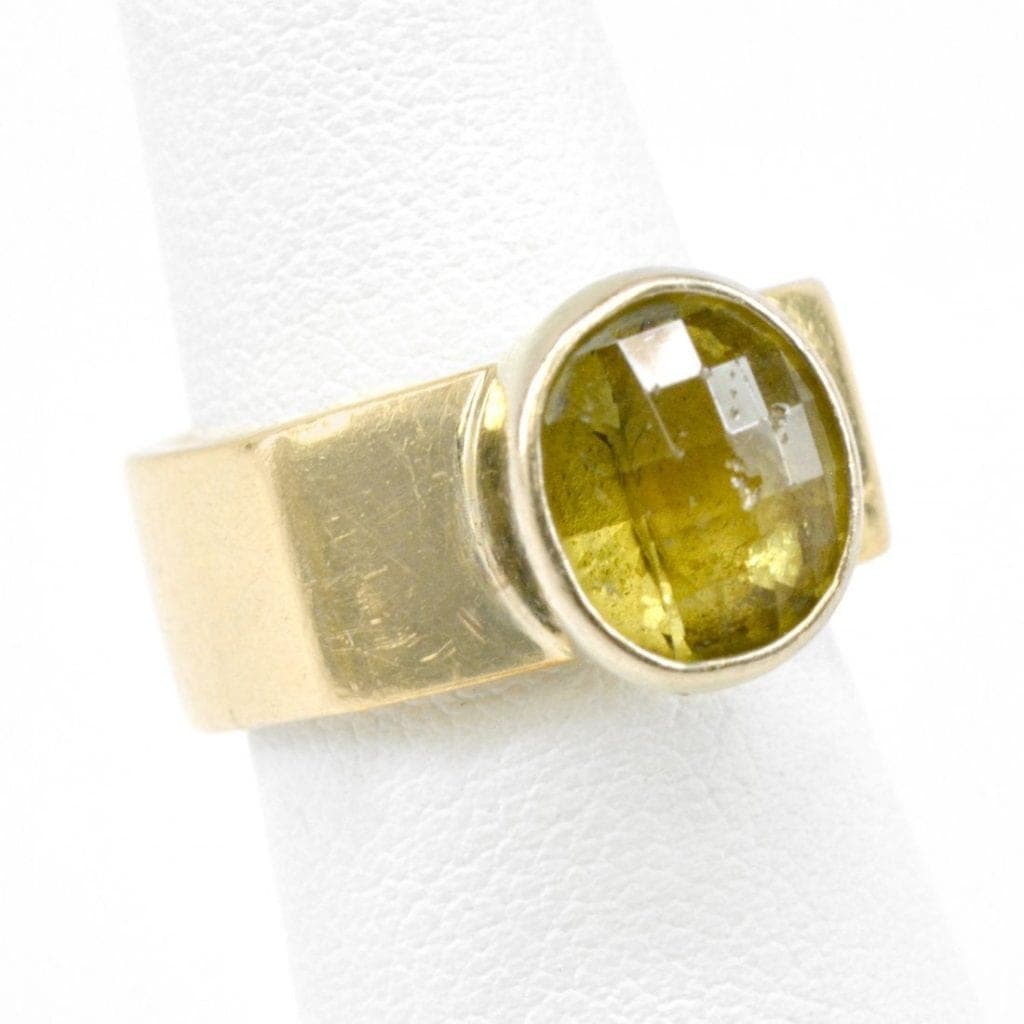
No special precautions are necessary when setting or wearing these gems, so they're suitable for all jewelry uses. Our garnet engagement ring guide has more information on garnet jewelry.
Unlike some of their relatives, Mali garnets aren't heat sensitive. However, you should still clean these garnets with warm water, detergent, and a soft brush. Consult our gemstone care guide and gemstone jewelry cleaning guide for more information.

When you join the IGS community, you get trusted diamond & gemstone information when you need it.
Gemological study has established that Mali garnets have a composition somewhere between grossular (calcium aluminum silicate) and andradite (calcium iron silicate). This blend is sometimes called "grandite."
Mali garnets are predominantly grossular, but the variable admixture of andradite changes its characteristics in at least one important way. While this hybrid seems to favor its grossular parent in terms of refractive index (1.77 in most specimens) and hardness, its superb dispersion comes from its andradite heritage.
Some rare Mali garnets may show a color change from grayish green in fluorescent light to brown in incandescent light. Nevertheless, most color change garnets are a pyrope-spessartite blend.
Mined from alluvial deposits, most Mali garnet rough typically shows rounded, waterworn shapes.
Faceted stones with a light body color will show off their brilliance spectacularly.
No known synthetics or enhancements for this gemstone are known on the market.
The Kayes region of Mali is the only known source of this gemstone.
No special precautions are necessary when setting or wearing these gems, so they're suitable for all jewelry uses. Our garnet engagement ring guide has more information on garnet jewelry.
Unlike some of their relatives, Mali garnets aren't heat sensitive. However, you should still clean these garnets with warm water, detergent, and a soft brush. Consult our gemstone care guide and gemstone jewelry cleaning guide for more information.



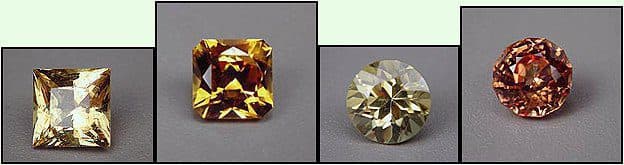
One of the rarer varieties in the garnet group, Mali garnet is a blend of grossular and andradite. Discovered in 1994 in Mali (still its only known source), this gemstone has great brilliance and a high dispersion. Its colors range from almost tsavorite green to yellow-green, yellow, gold, and brown.
Without question, the high-value range for Mali garnets is reserved for those with extremely rare chrome-green color. In general, green, yellow, and green-yellow stones command higher prices than brownish stones. As with any gem, carat, clarity, and cut affect the value dramatically, but dispersion is a special value factor for Mali garnets.
In the year following the discovery of Mali garnets, a great deal of material was produced, and the popularity of this pretty stone soared. Although prices were initially very high, they soon dropped. Recent years have seen far smaller amounts produced. This has resulted in a price increase. Since large rough is rare in this variety, price per carat rises dramatically with size.