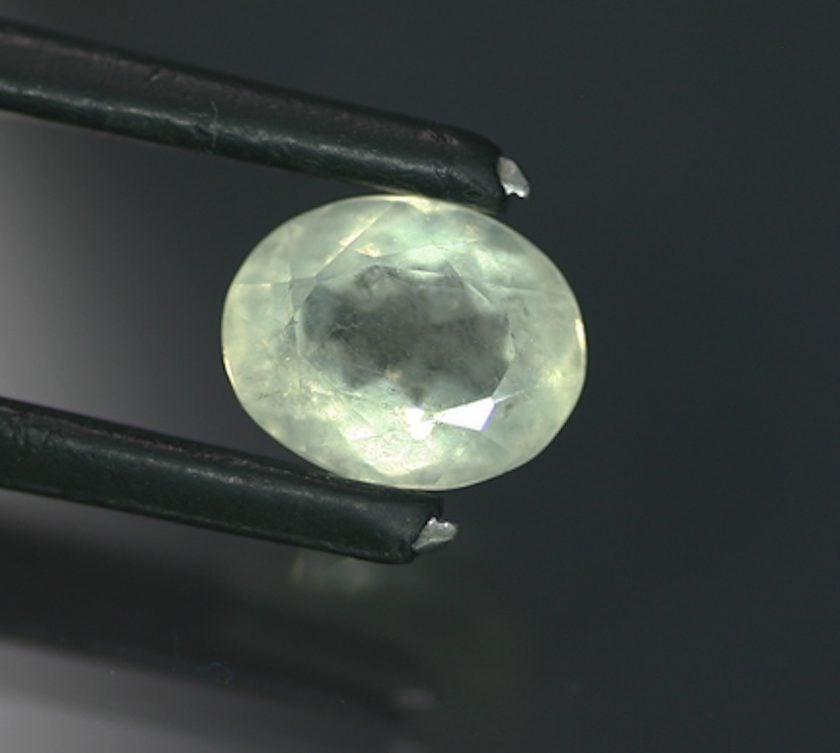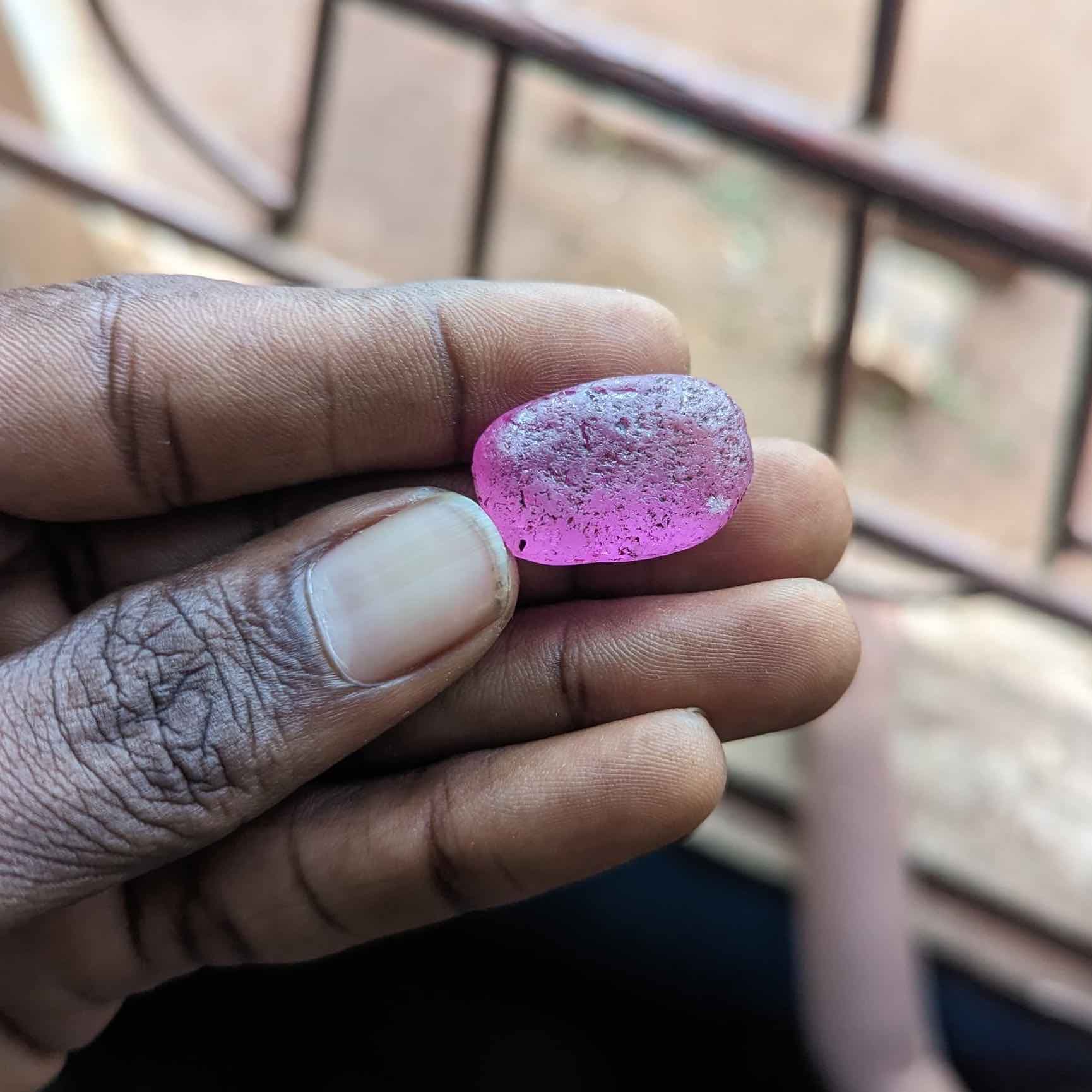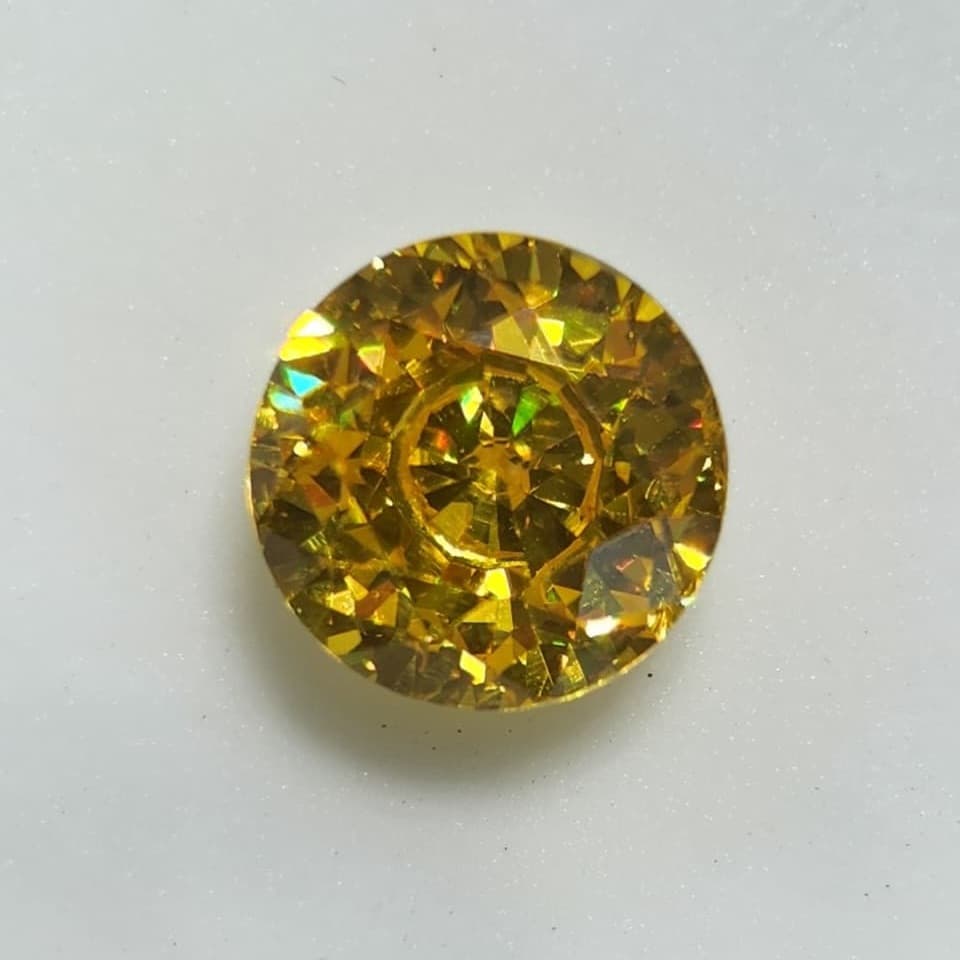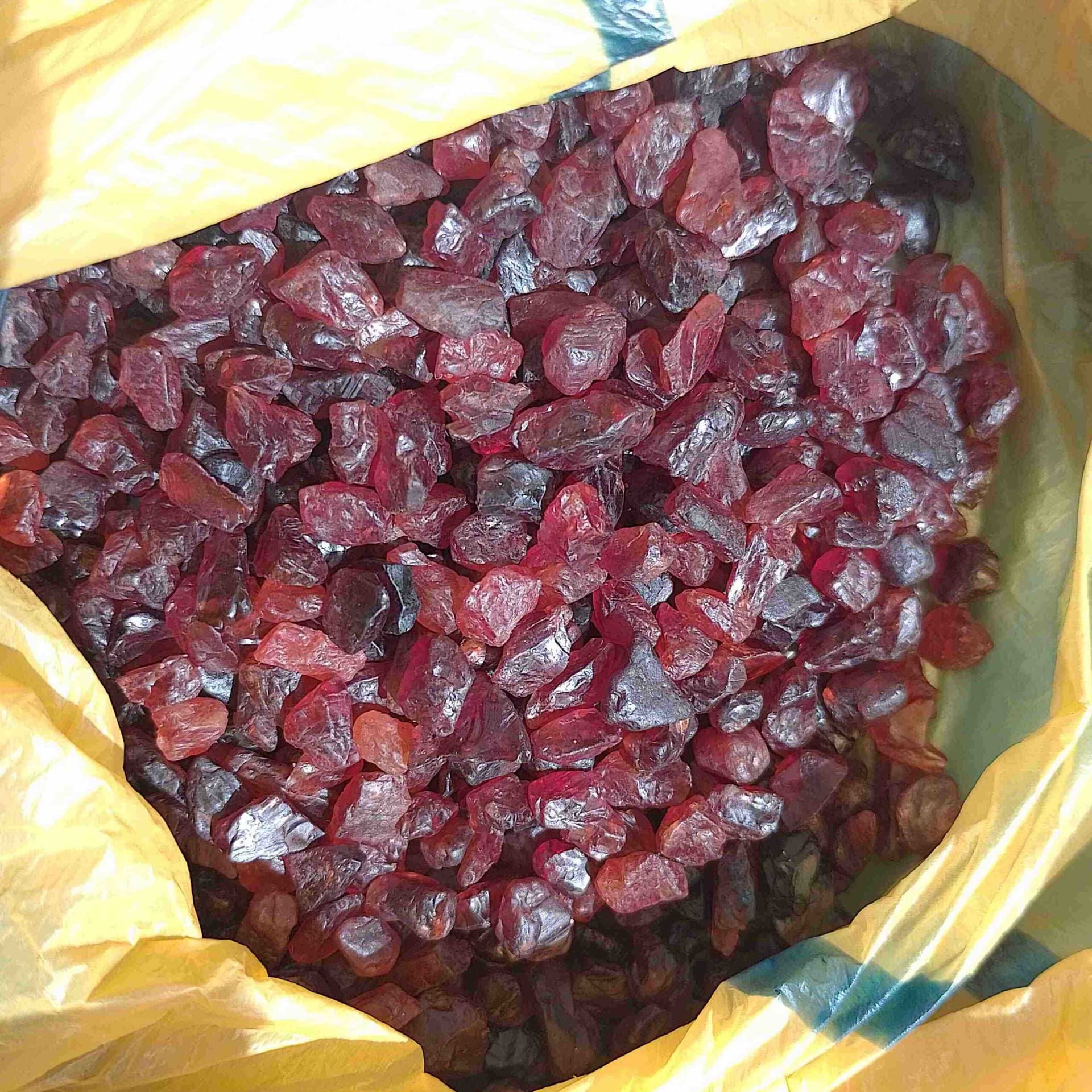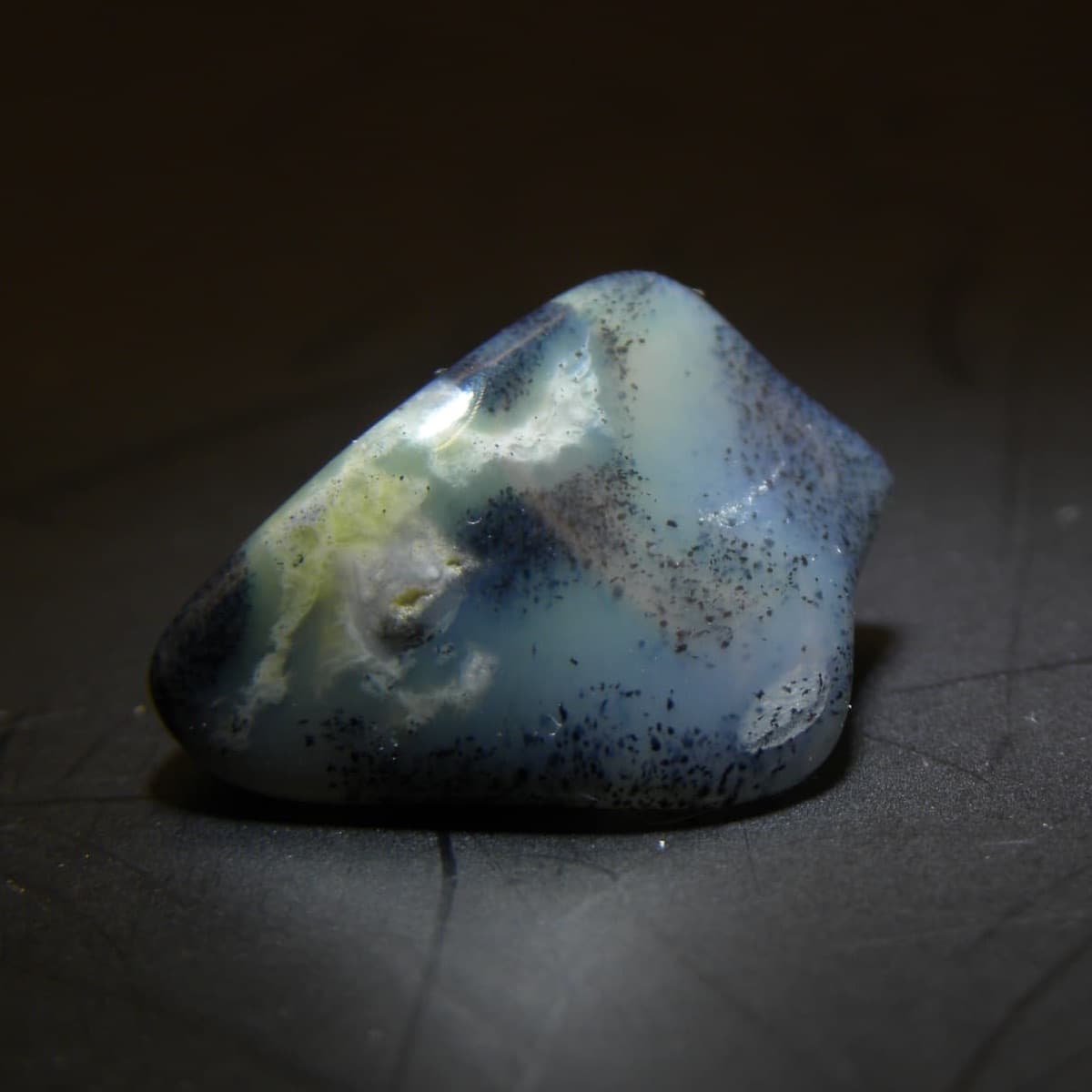
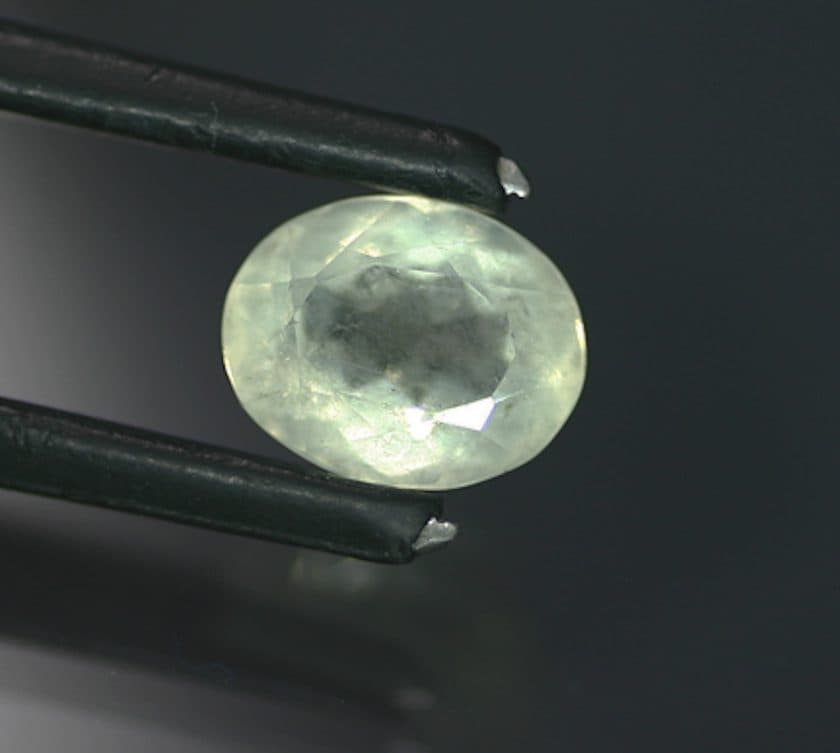
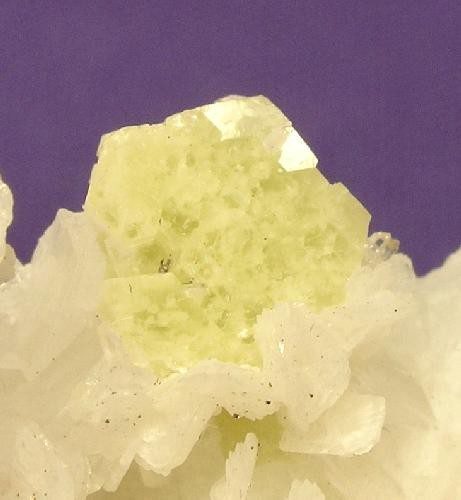
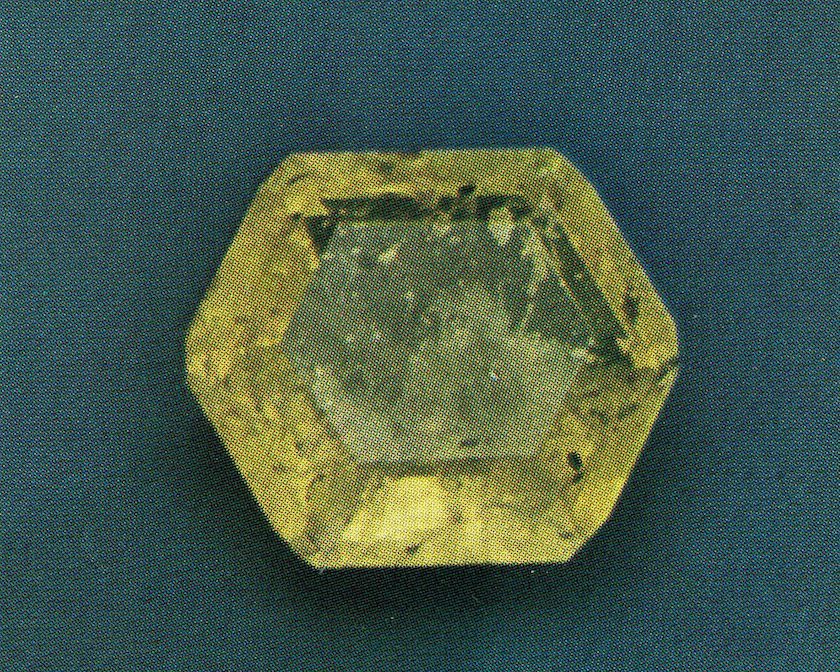
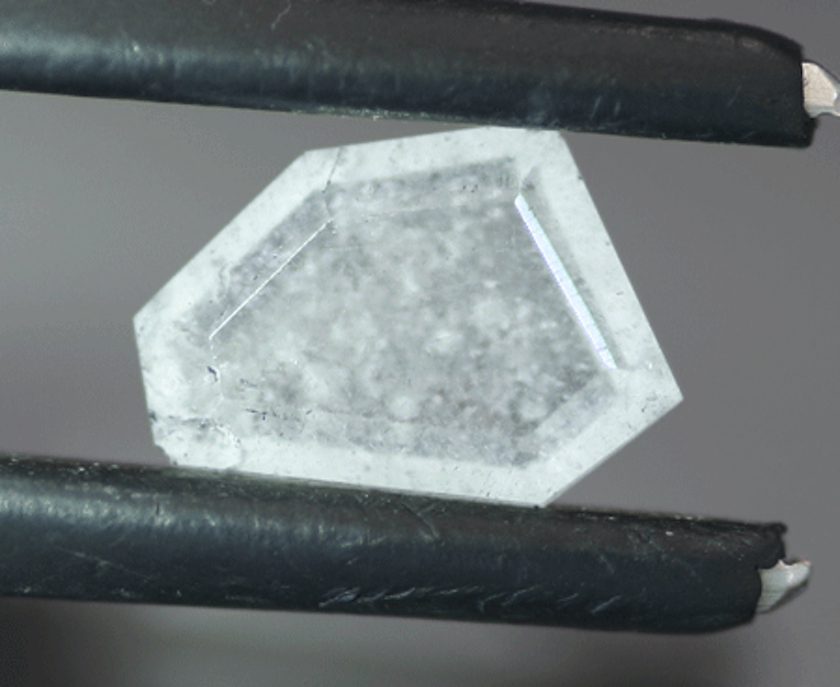
Very rare milarite crystals can occur in green and yellow colors. Transparent material can yield small but pleasant looking faceted gems for collectors.
1 Minute Read
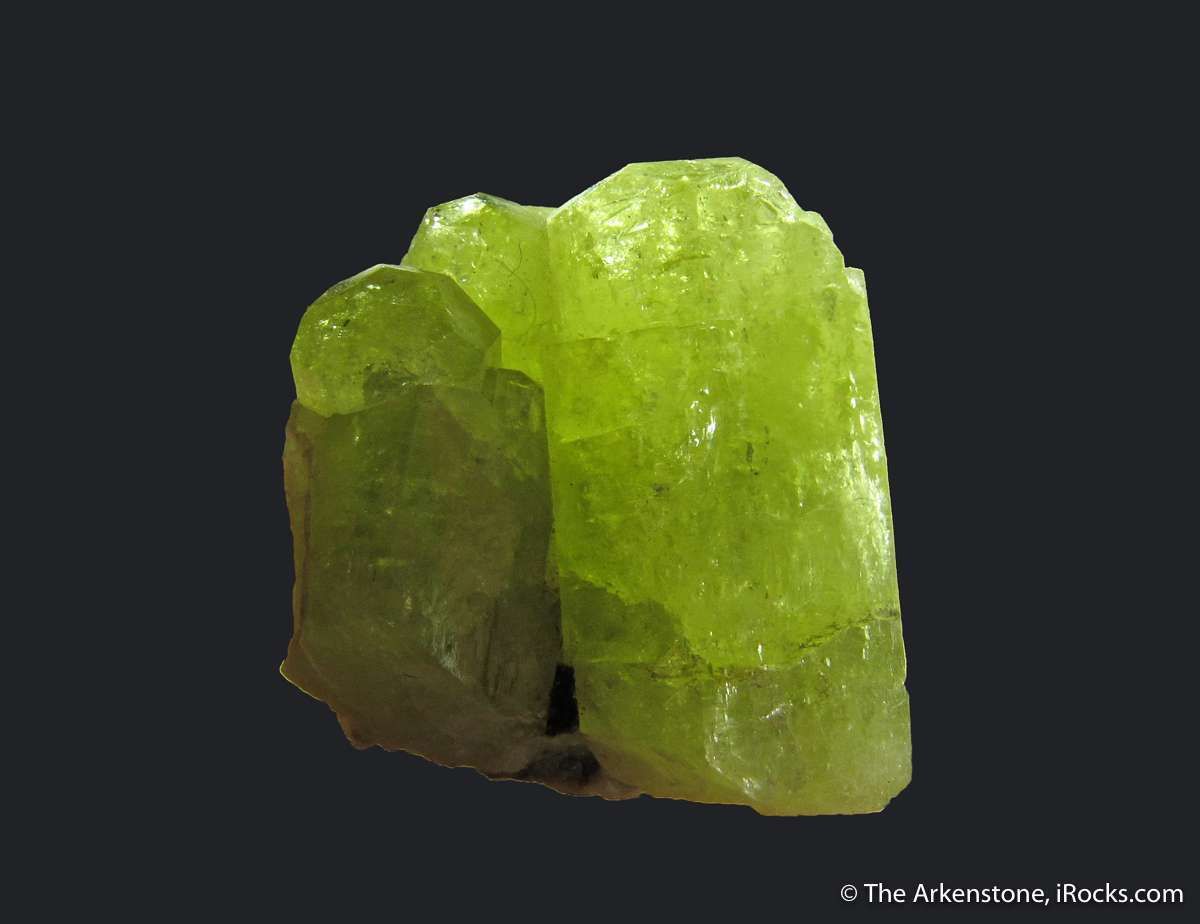
Milarite belongs to the mineral group named after it. Sometimes called the osumilite group, this group also includes sugilite and other rarely faceted minerals, such as laurentthomasite, poudretteite, and sogdianite.
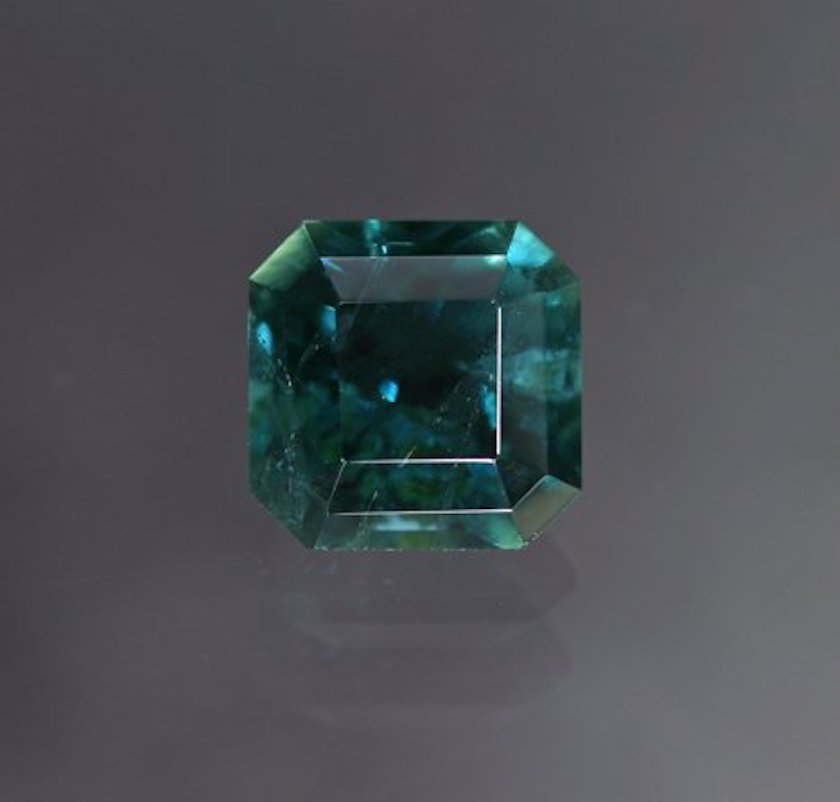
With a hardness of 5.5 to 6 and no cleavage, milarites could make suitable jewelry stones if worn with protective settings. However, you're more likely to find them — if at all — in mineral collections than jewelry collections.
Milarite was originally known as a green mineral, until fine yellow crystals were discovered in Mexico in 1968.
Some milarites may luminesce. Shortwave (SW) ultraviolet (UV) light may cause bluish white or greenish white fluorescence and phosphorescence, while longwave (LW) UV light may cause medium chalky green fluorescence and weak phosphorescence.
There are no known synthetic milarites and no known treatments or enhancements for these gemstones.
Guanajuato, Mexico produces yellow and yellow-green gem-quality crystals on matrix, and some larger Mexican crystals have transparent areas suitable for cutting.
Minas Gerais, Brazil and Tsumeb and the Erongo region in Namibia have also yielded small, facetable material.
Other notable crystal sources include the following locations:
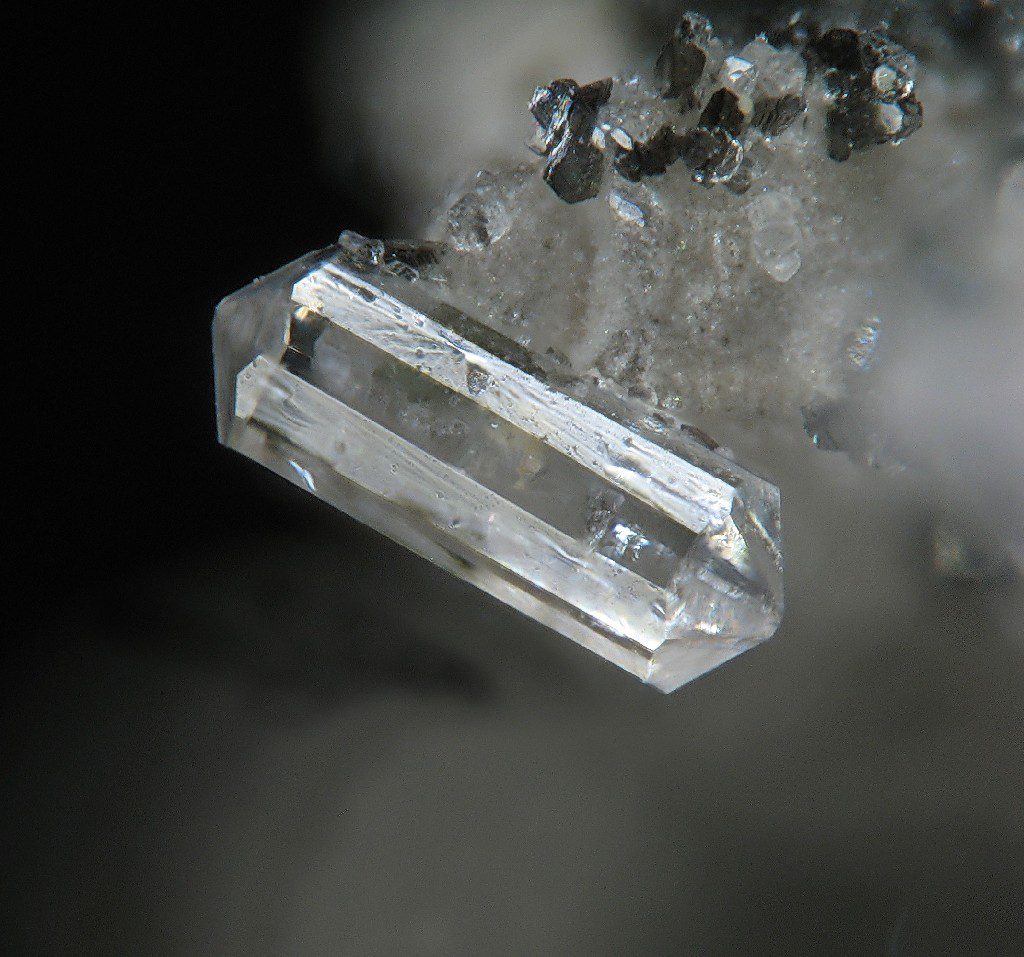
Crystals can occur up to about four cm across, but facetable areas in such crystals are very small. Thus, stones over one carat could be considered large for the species.
Stay on the safe side and refrain from cleaning these rare gems in mechanical systems. Instead, use a soft brush, mild detergent, and warm water. Consult our gemstone jewelry care guide for more recommendations.
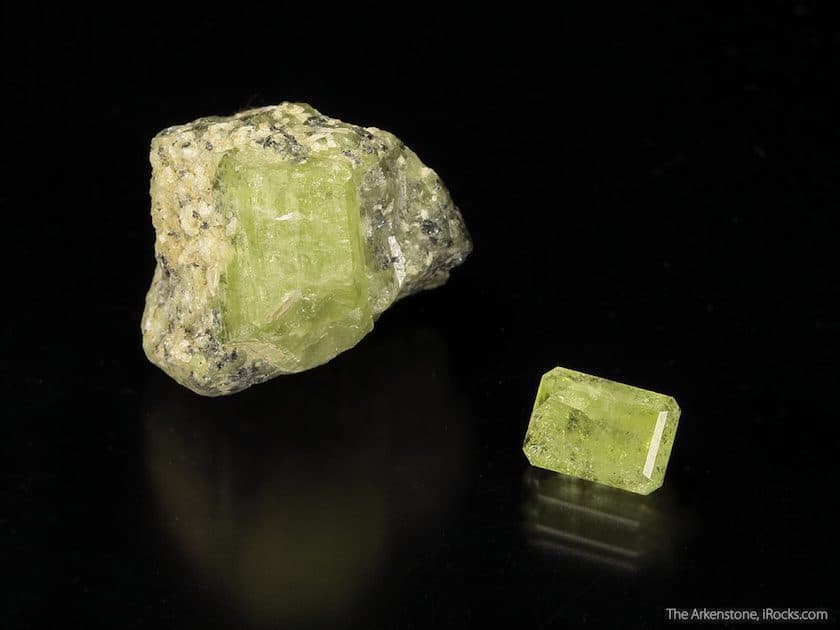
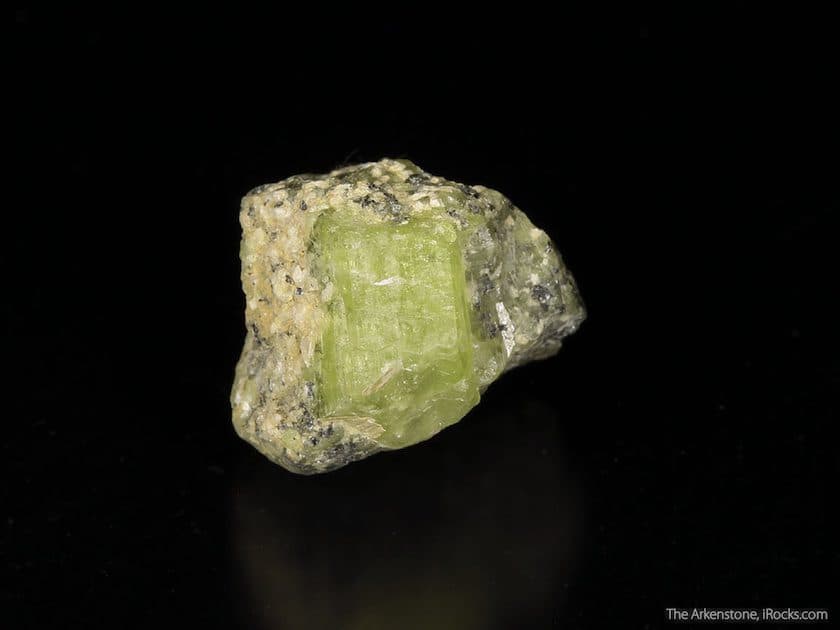
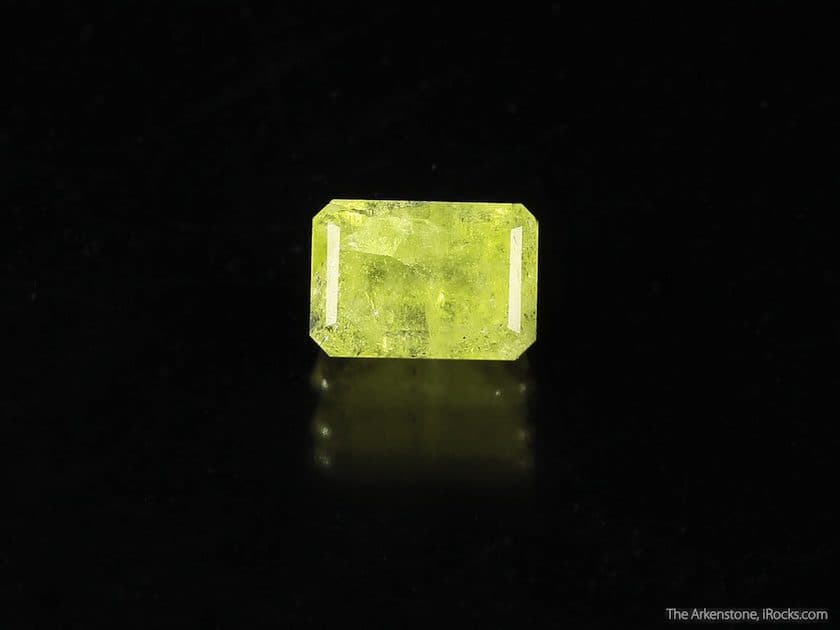
Milarite rough and cut set (crystal: 1.4 x 1.3 x 1.3 cm; emerald-cut gem: 1.38 cts), Jaguaracu, Minas Gerais, Brazil. © Rob Lavinsky, www.iRocks.com. Used with permission.

When you join the IGS community, you get trusted diamond & gemstone information when you need it.
Milarite belongs to the mineral group named after it. Sometimes called the osumilite group, this group also includes sugilite and other rarely faceted minerals, such as laurentthomasite, poudretteite, and sogdianite.
With a hardness of 5.5 to 6 and no cleavage, milarites could make suitable jewelry stones if worn with protective settings. However, you're more likely to find them — if at all — in mineral collections than jewelry collections.
Milarite was originally known as a green mineral, until fine yellow crystals were discovered in Mexico in 1968.
Some milarites may luminesce. Shortwave (SW) ultraviolet (UV) light may cause bluish white or greenish white fluorescence and phosphorescence, while longwave (LW) UV light may cause medium chalky green fluorescence and weak phosphorescence.
There are no known synthetic milarites and no known treatments or enhancements for these gemstones.
Guanajuato, Mexico produces yellow and yellow-green gem-quality crystals on matrix, and some larger Mexican crystals have transparent areas suitable for cutting.
Minas Gerais, Brazil and Tsumeb and the Erongo region in Namibia have also yielded small, facetable material.
Other notable crystal sources include the following locations:
Crystals can occur up to about four cm across, but facetable areas in such crystals are very small. Thus, stones over one carat could be considered large for the species.
Stay on the safe side and refrain from cleaning these rare gems in mechanical systems. Instead, use a soft brush, mild detergent, and warm water. Consult our gemstone jewelry care guide for more recommendations.
Milarite rough and cut set (crystal: 1.4 x 1.3 x 1.3 cm; emerald-cut gem: 1.38 cts), Jaguaracu, Minas Gerais, Brazil. © Rob Lavinsky, www.iRocks.com. Used with permission.


Very rare milarite crystals can occur in green and yellow colors. Transparent material can yield small but pleasant looking faceted gems for collectors.