What is Moonstone? Key Facts, Information, and Insights
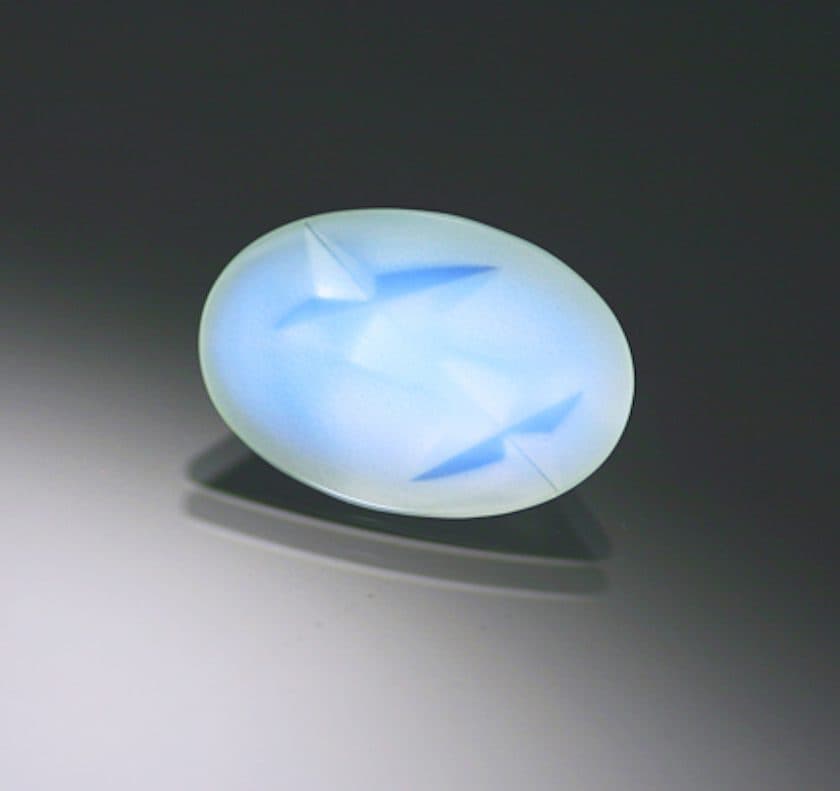
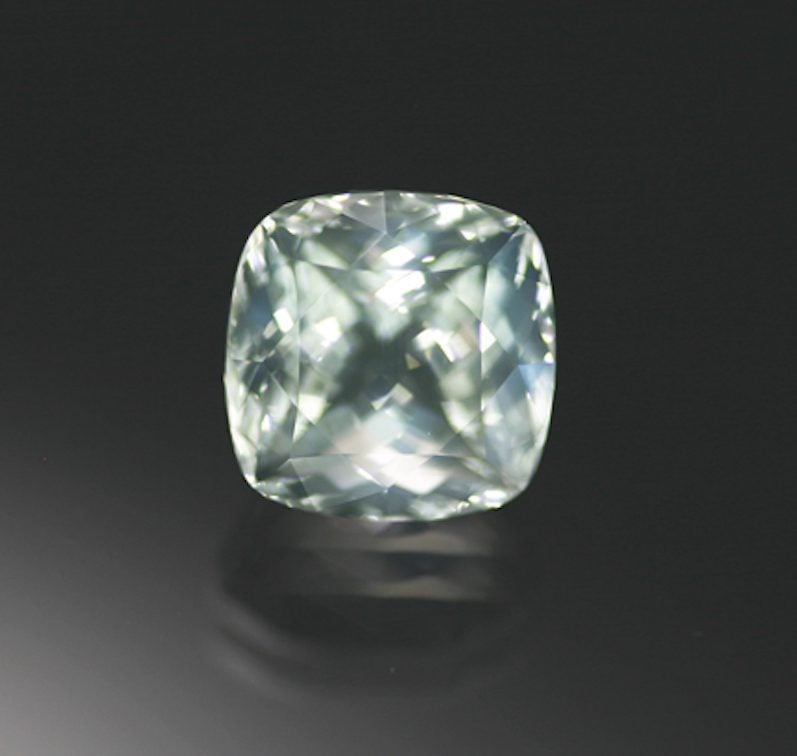
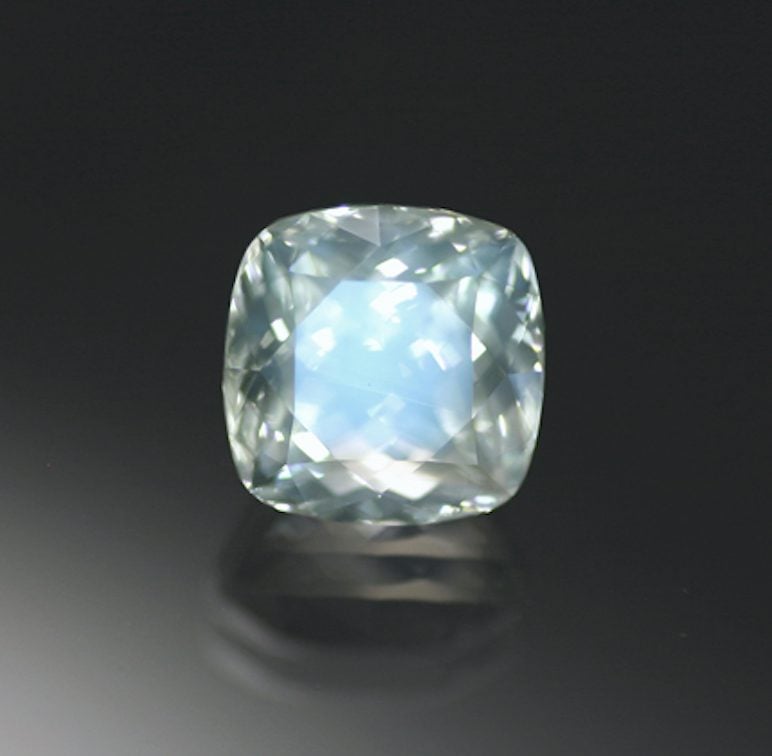
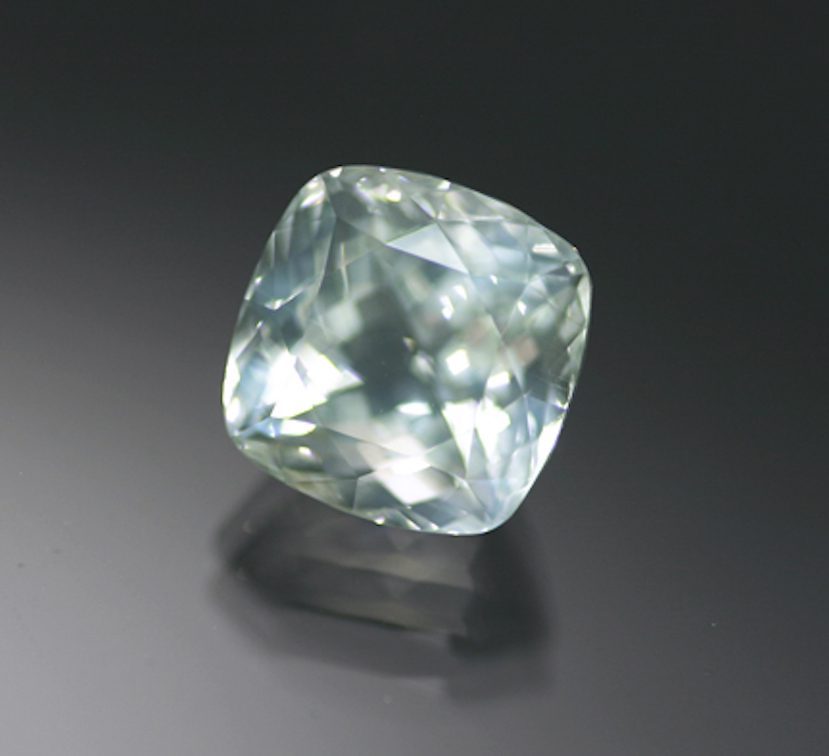
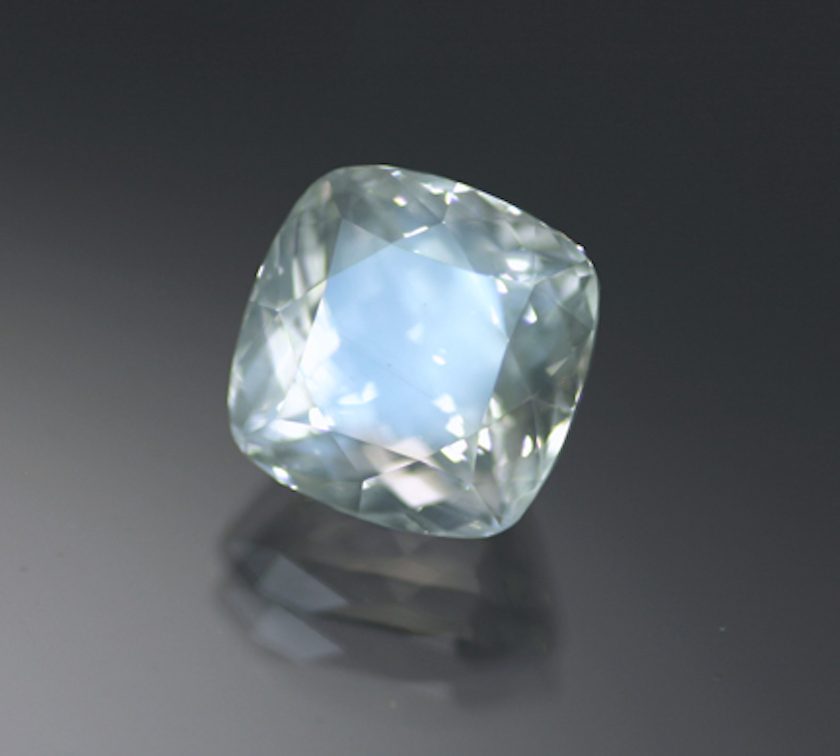
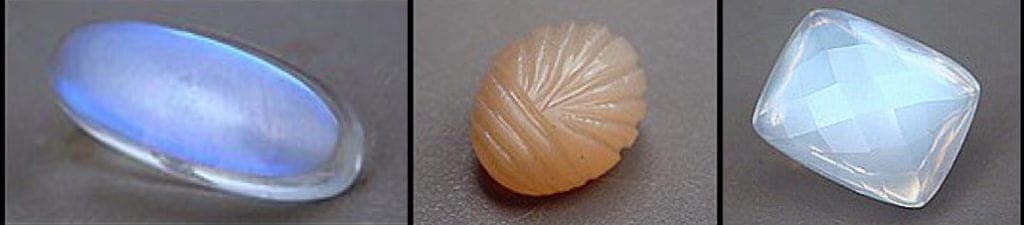
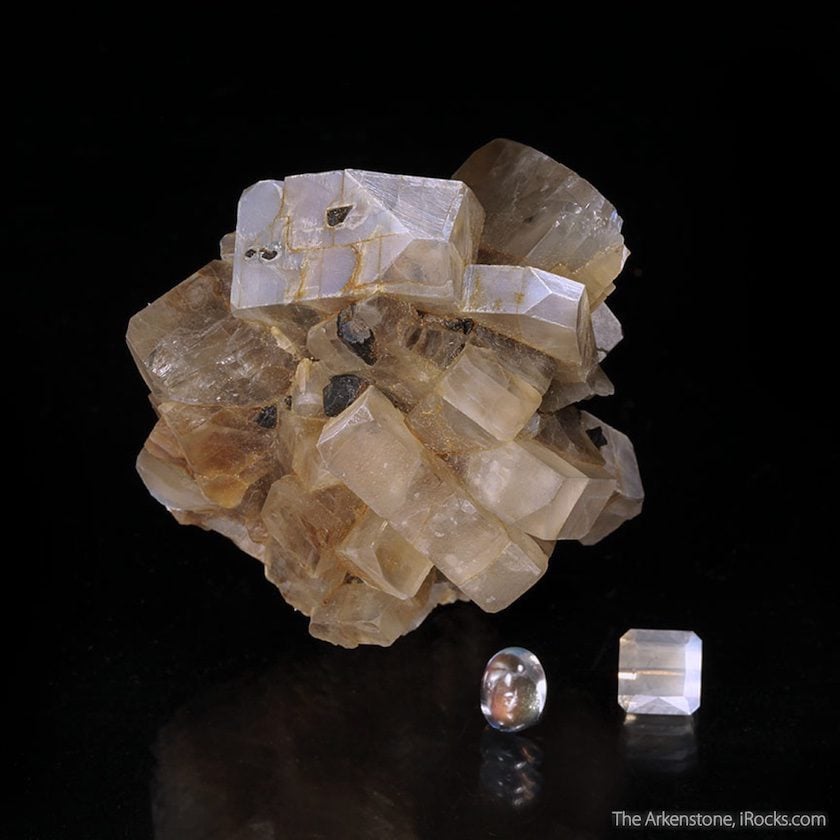
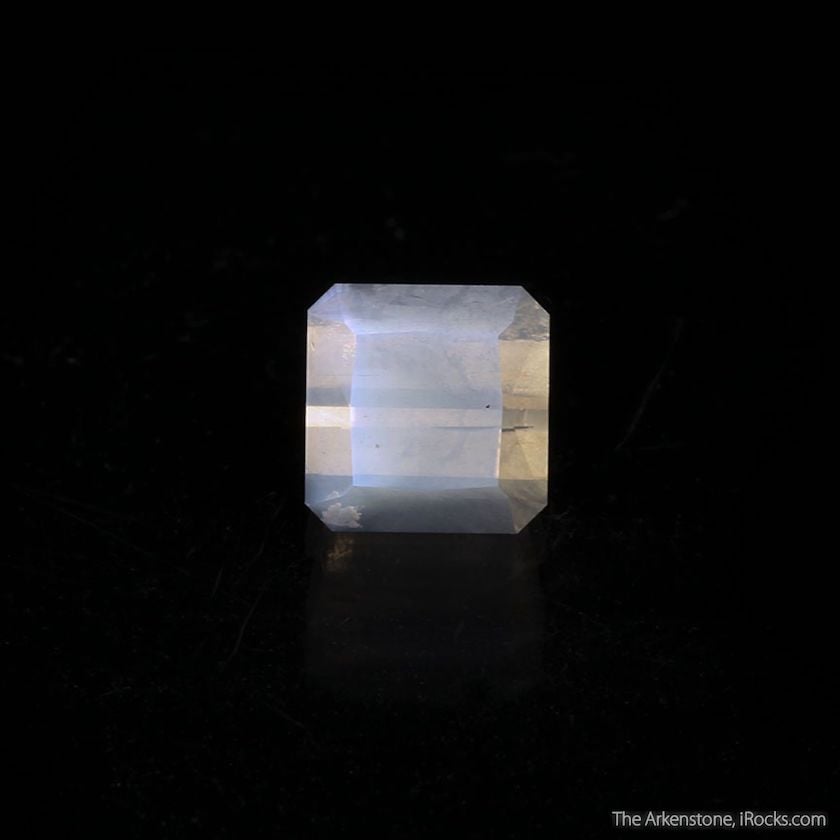
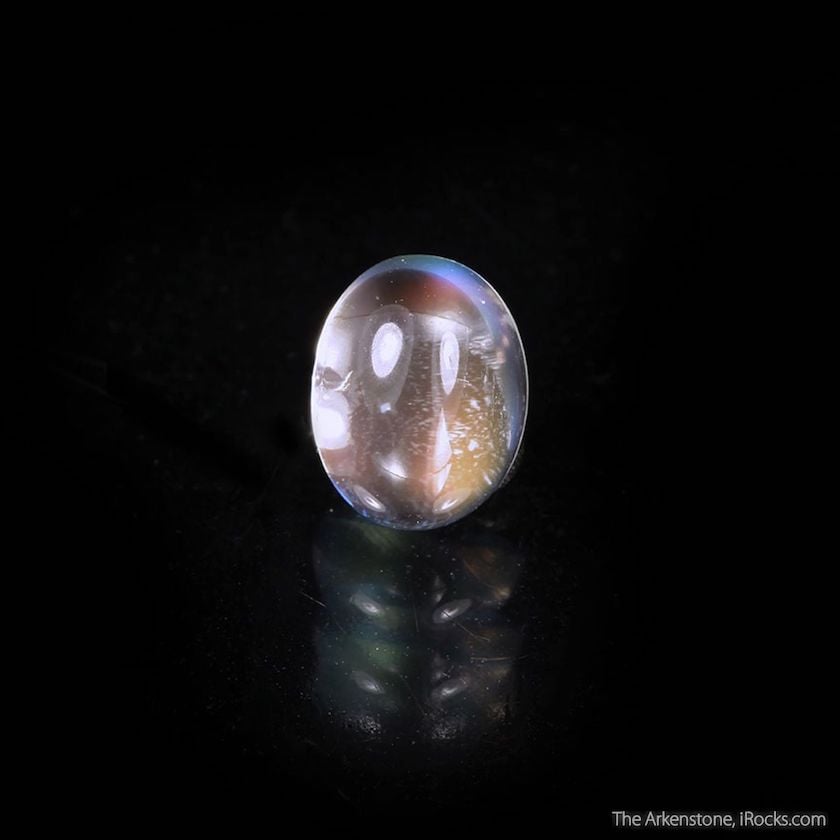
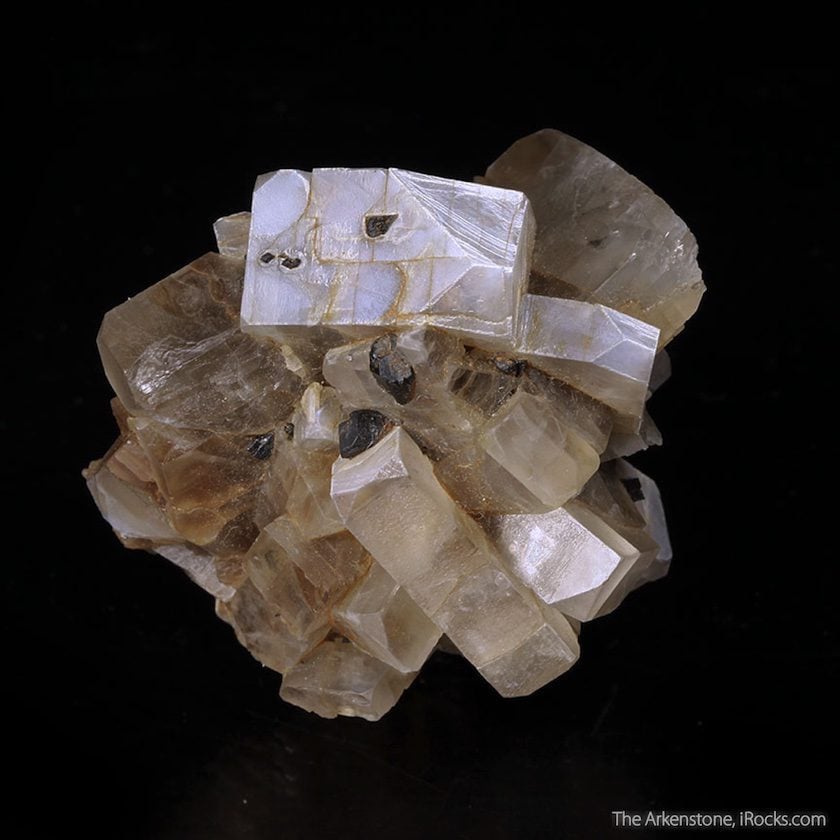
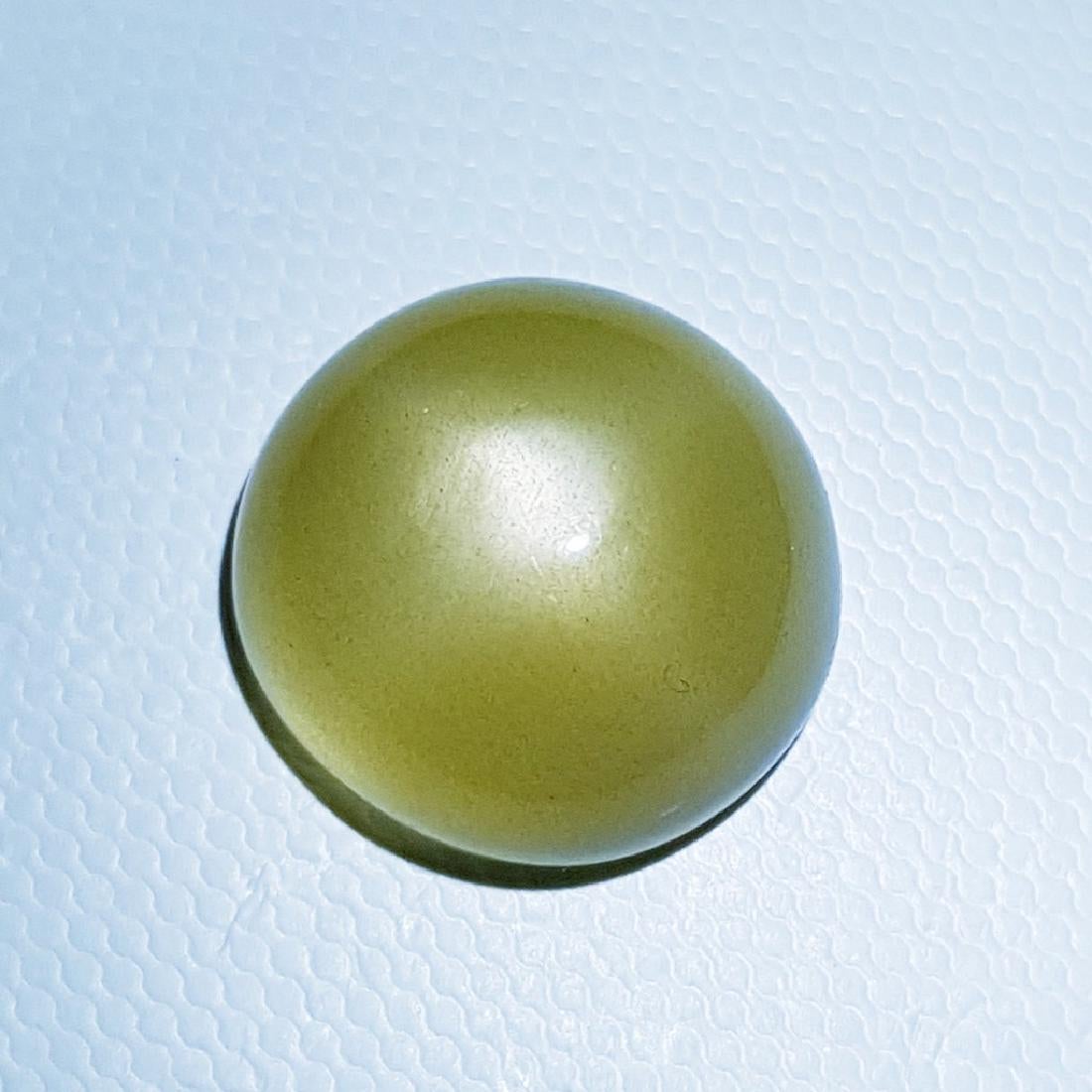
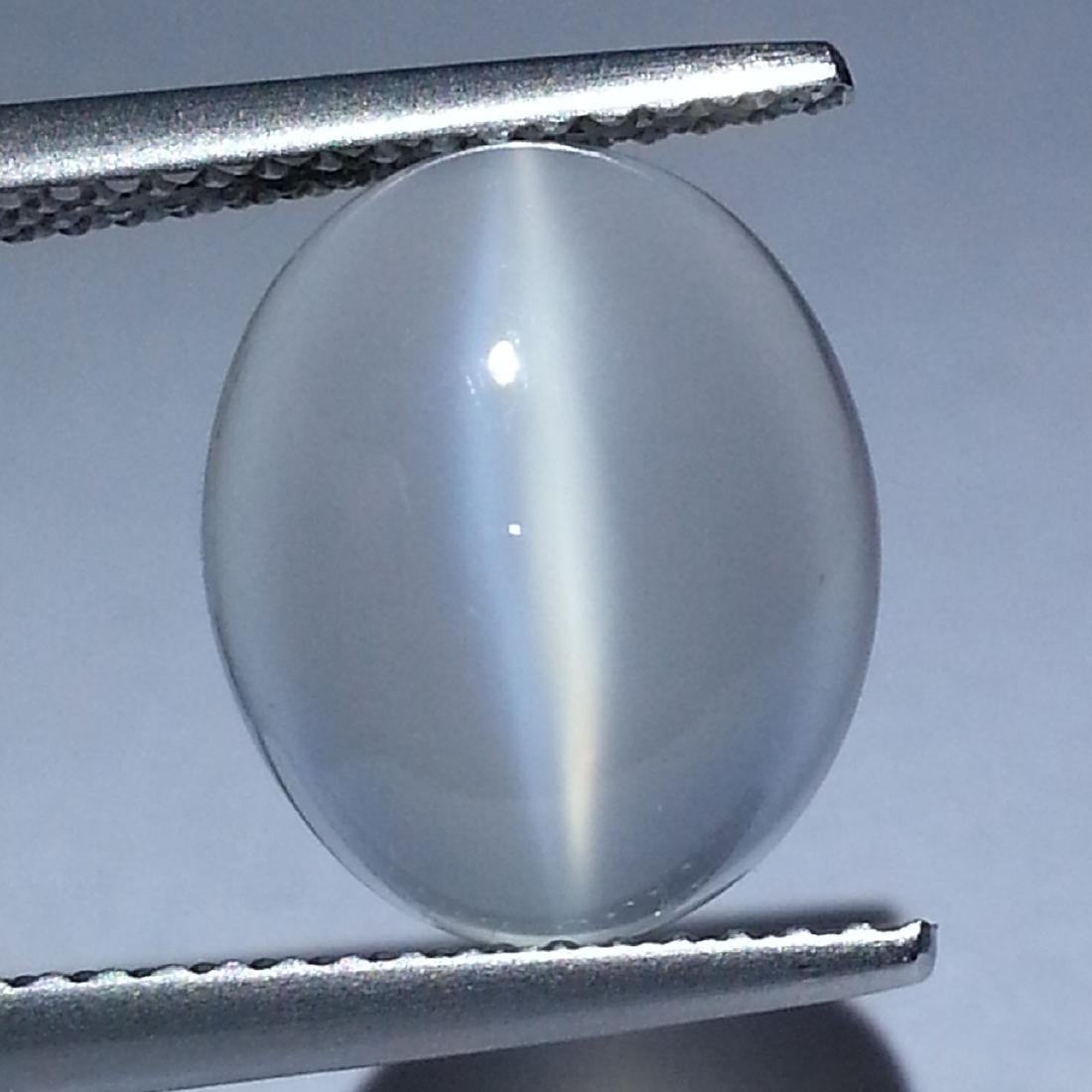
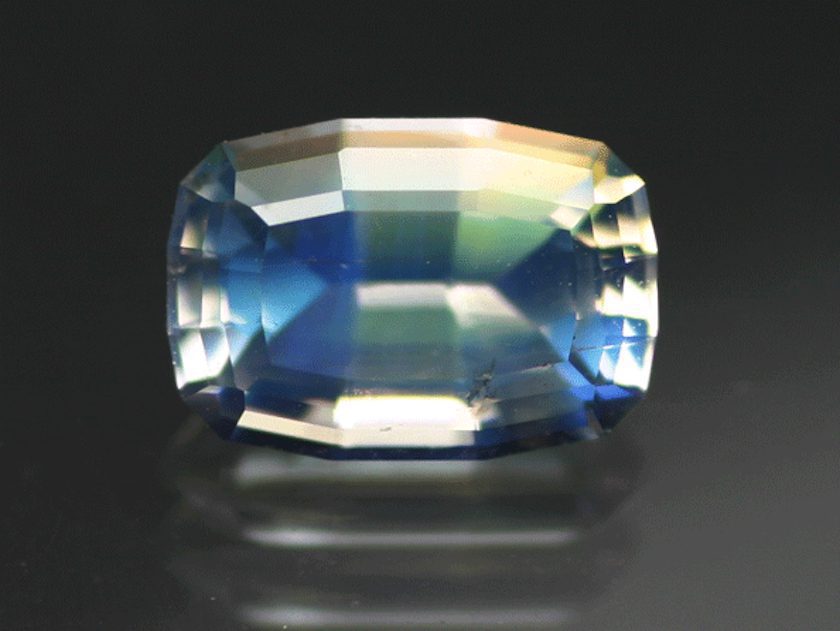
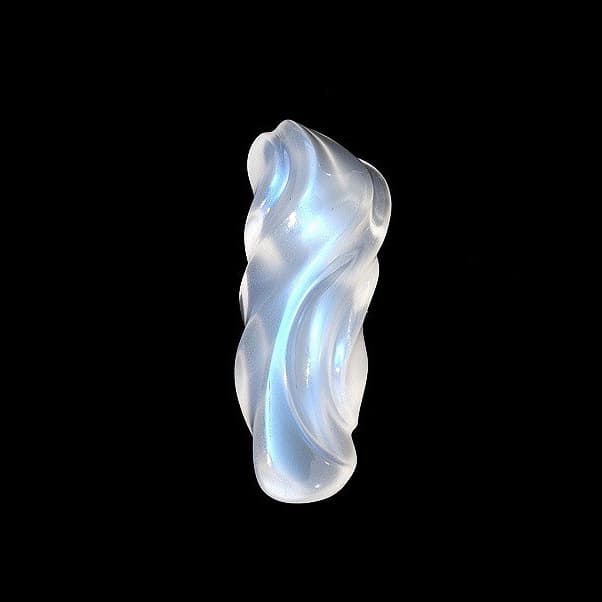
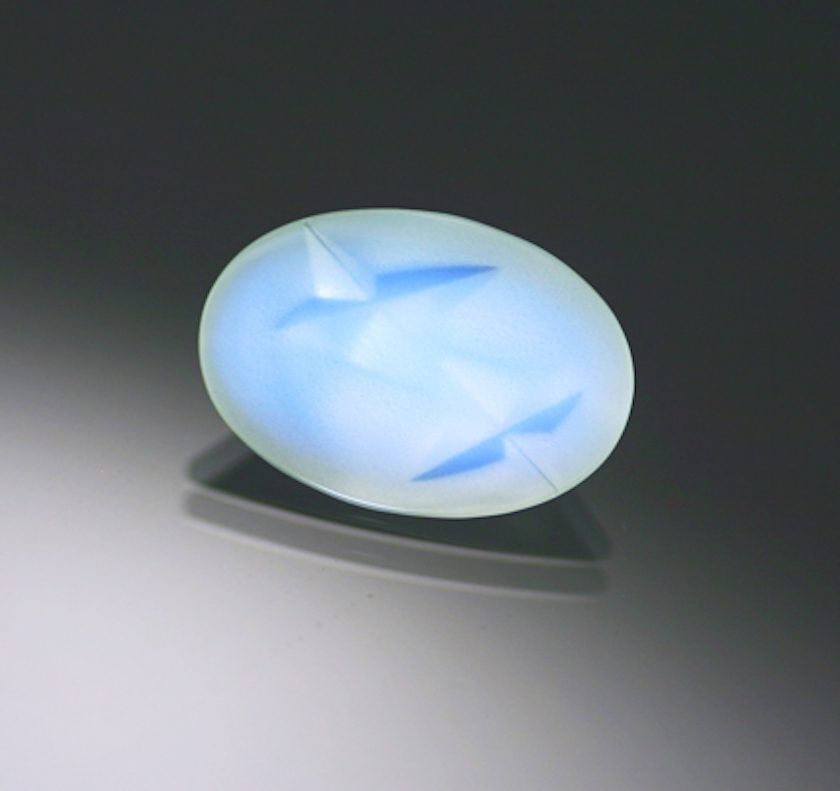
Moonstone, a gem treasured globally, dazzles with its signature adularescence — a shimmering, moonlight-like glow ranging from blue to white. Though somewhat delicate, this stone remains a beloved pick for jewelry designs.Moonstones belong to the orthoclase feldspar family and features a mix of compositions, typically with alternating layers of orthoclase feldspar and albite. This structure gives moonstone crystals their distinctive shimmering effect, a hallmark of their appeal.Moonstone gems, left to right: cabbed, carved, and faceted. Photos courtesy of Barbara Smigel, Artistic Colored Stones.
Do Moonstones Make Good Jewelry Stones?
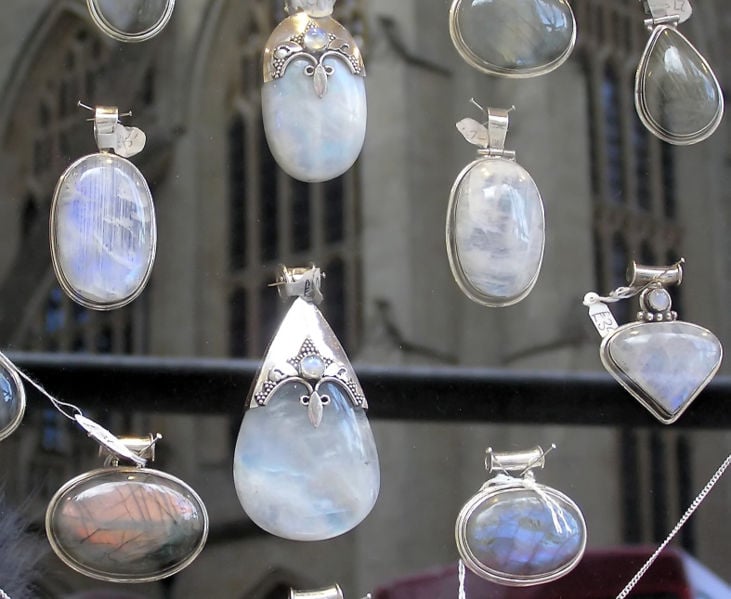
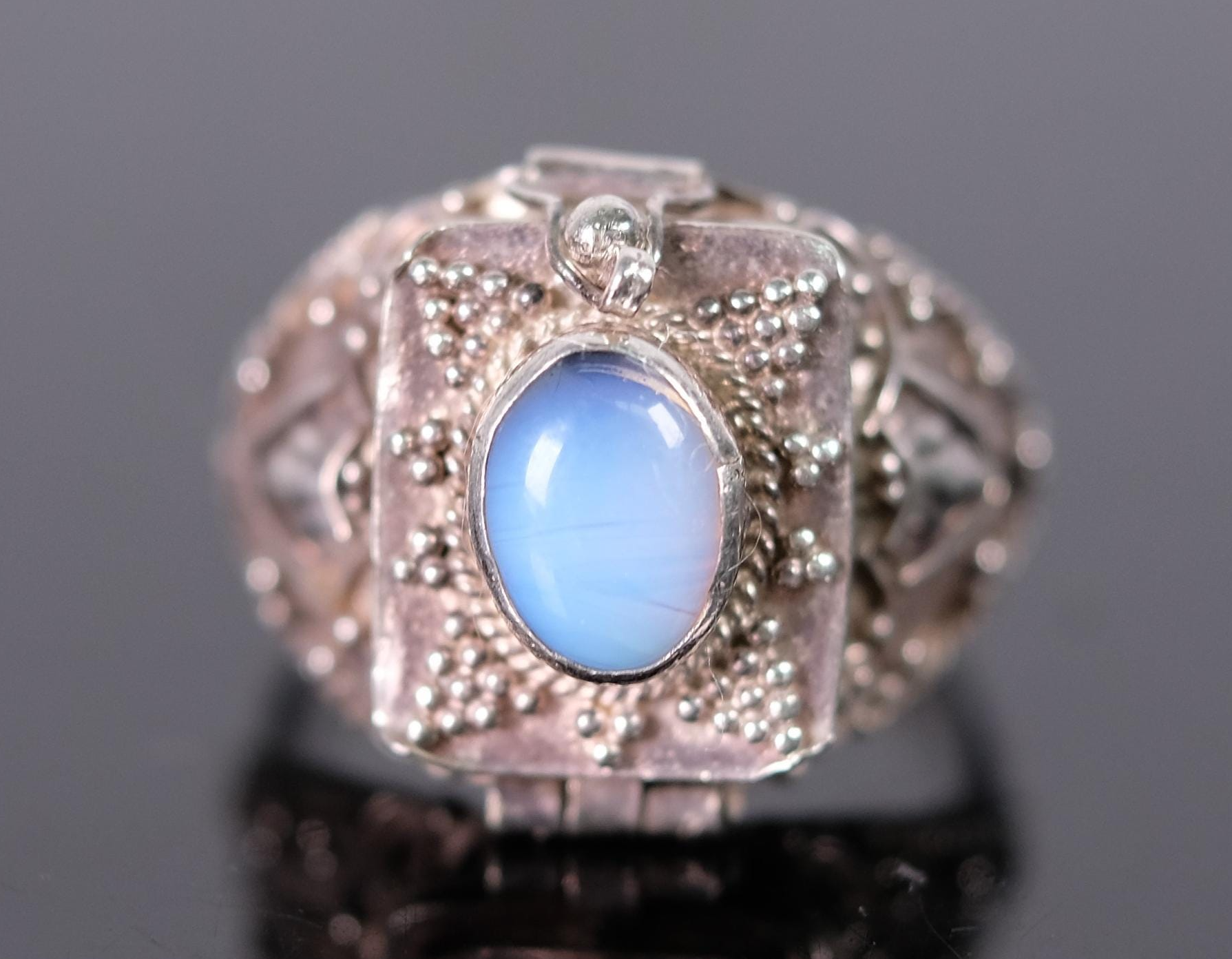
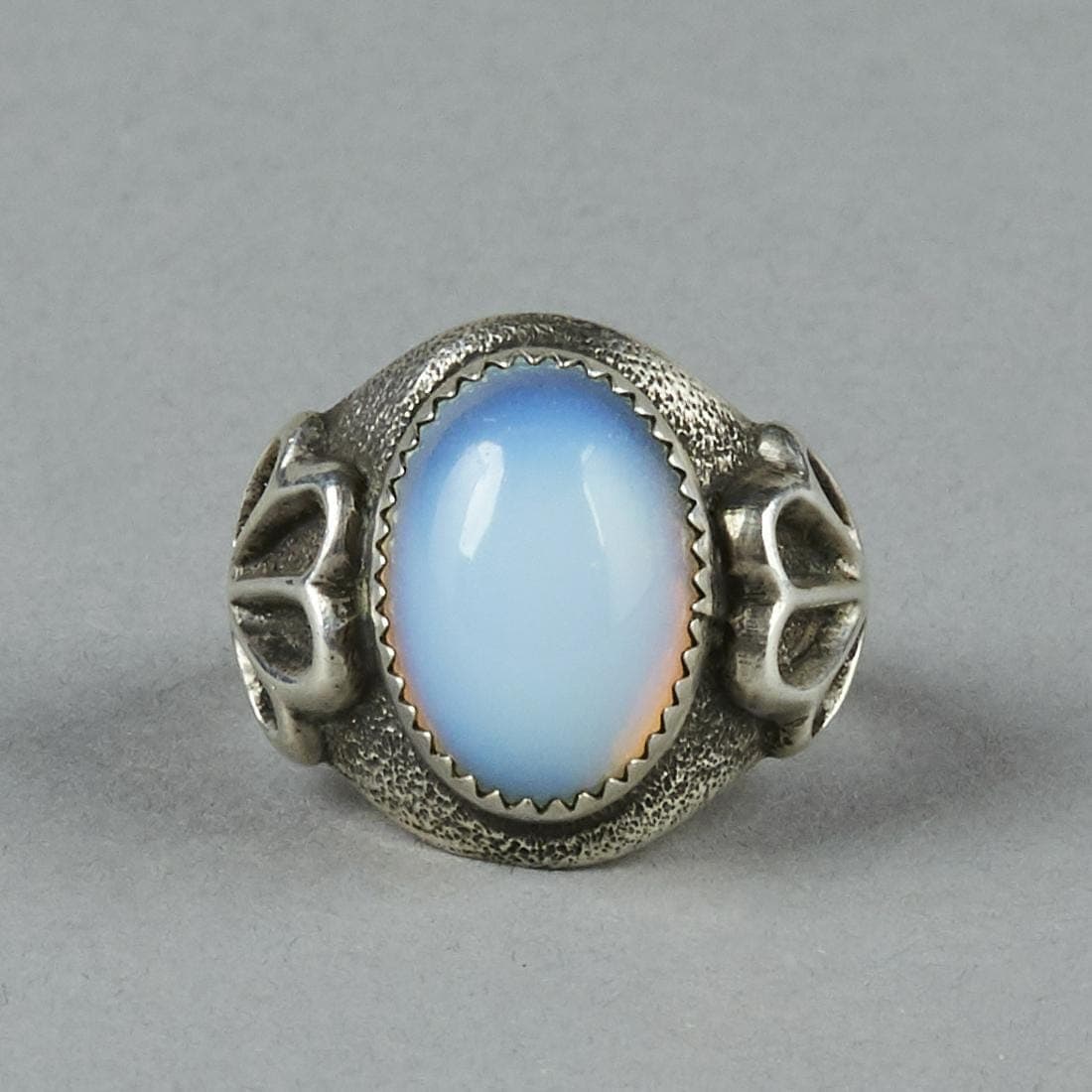
Moonstones are jewelry favorites, yet their hardness of 6 and slight tendency to cleave or chip call for caution.
Protection is key: opt for protective settings, especially in rings, to shield against scratches.
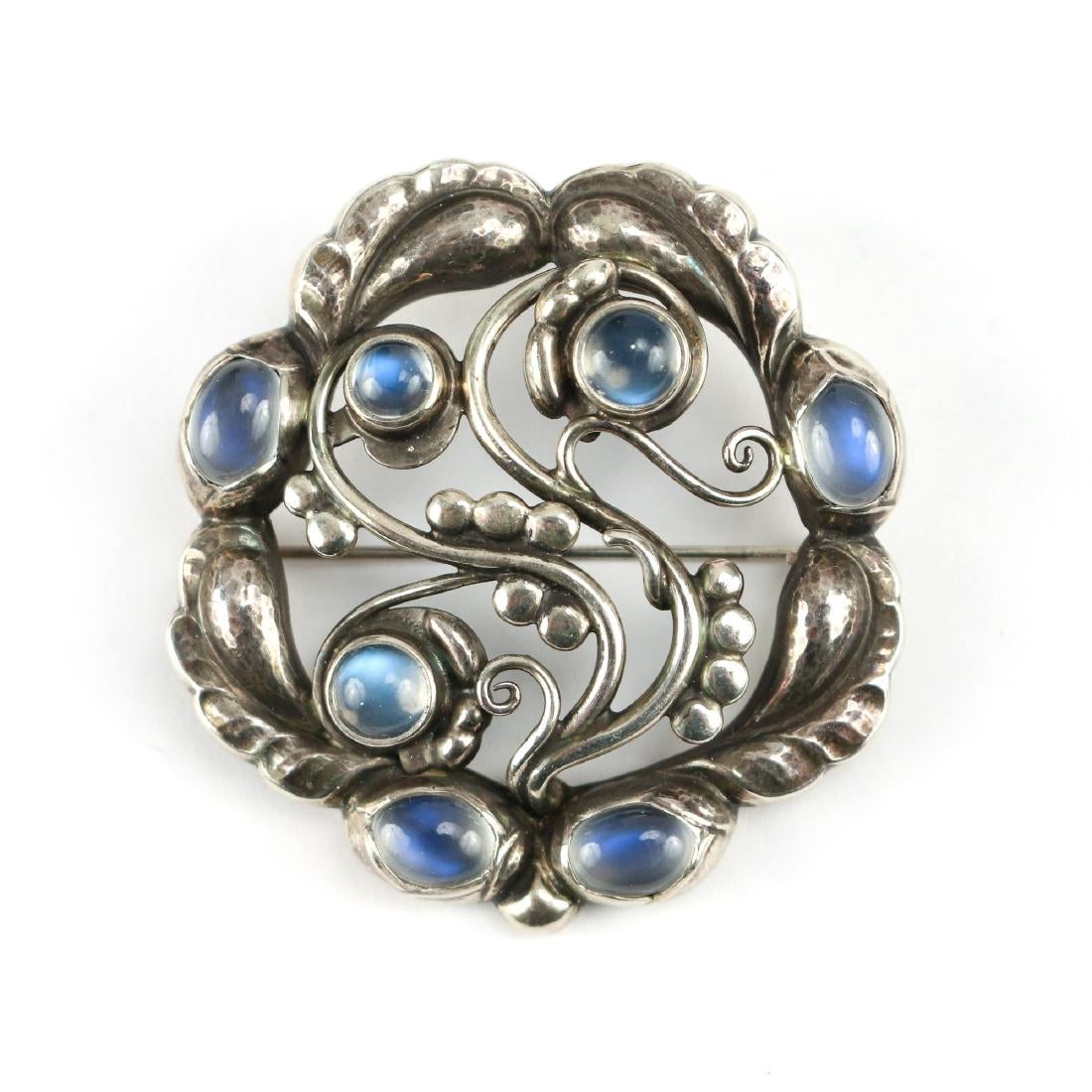
Safer choices: brooches and pendants reduce exposure to damage.
Care tips: in any setting, guard moonstones from rough impacts to preserve their beauty.
What Do Moonstones Symbolize?
With their name tied to the Moon's mystique, moonstones inspire romantic lore associated with fertility, love, protection, and lunar energy. Here are just a few examples of their cultural significance.
Historical appeal: jewelry aficionados, including royalty, have prized these gems for centuries.
Regional popularity: in Germany and Scandinavian countries, moonstones outshine pearls and alexandrites as preferred June birthstones.
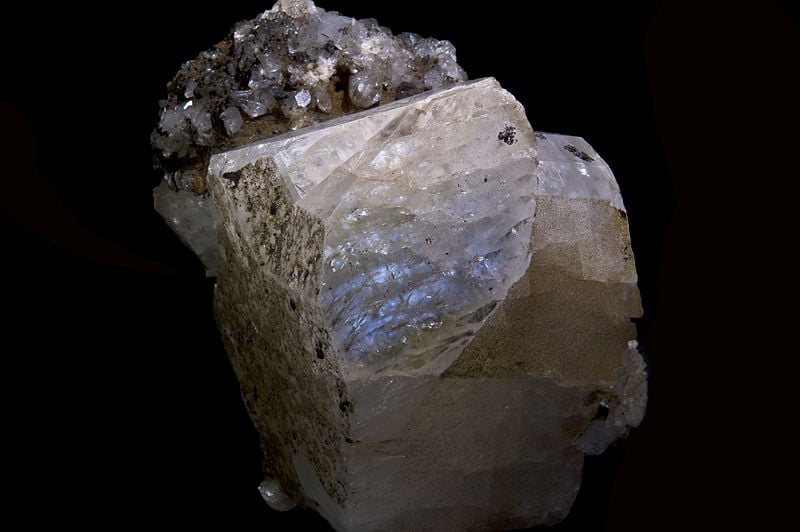
Moonstones are sometimes called "adularia" after Mt. Adular in Switzerland, a famous source for these gems. This mountain has also lent its name to moonstone's characteristic, phenomenal effect. Moonstone crystal showing adularescence, Mt. Adular, Tessin, Switzerland, 7 x 6.5 cm. Photo by Didier Descouens. Licensed under CC By-SA 3.0.Adularescence is caused by the diffraction of light as it hits thin, alternating layers of orthoclase and albite within the gem. This produces the appearance of a floating, cloud-like, blue-to-white light inside the gem. A blue sheen is produced if the albite crystals are very fine. (Fine orthoclase and albite plates are dispersed within each other as a result of unmixing on cooling). If the albite plates are thick, the sheen is white.
The value of a moonstone hinges on several key traits. Gems with a clear, colorless body and vivid blue adularescence fetch the highest prices. Here's a breakdown of what impacts moonstone value:
Clarity and color — the more transparent and colorless the stone, and the stronger its blue sheen, the greater its worth.
Cut and quality — cabochons of translucent material, showcasing appealing body color and adularescence, are common and moderately priced.
Rare finds — on occasion, some transparent stones are faceted for a unique look.
Historical rarity — the finest colorless, blue-sheen moonstones from Myanmar are nearly depleted, driving up prices as they circulate among dealers and collectors.
Special effects — for stones with cat's eyes or rare stars, prices rise based on the effect's beauty, size, and clarity.
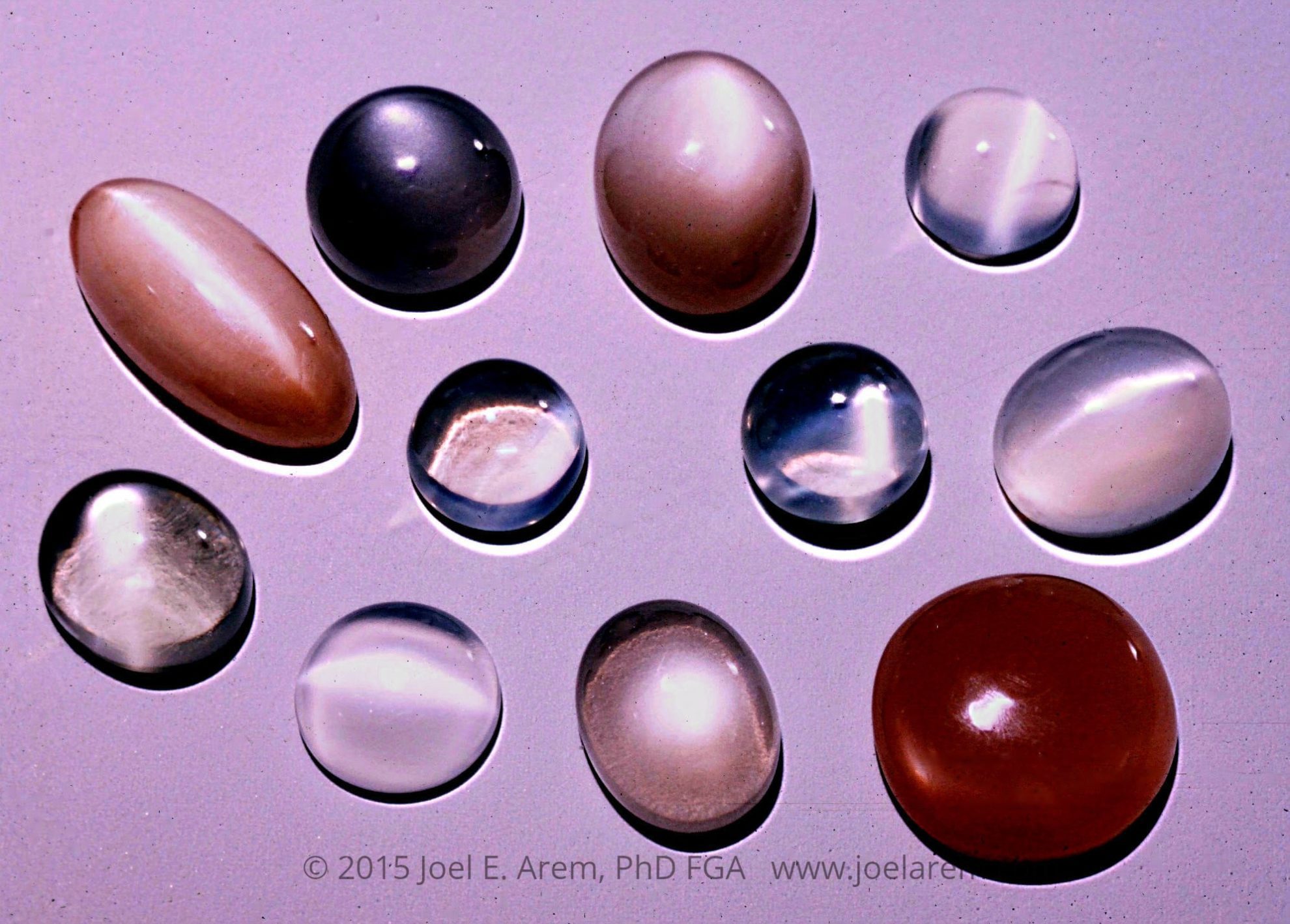
Moonstone cabochons. Photo by Adrian Pingstone. Public domain.Affordable options include near-opaque stones with various hues, often carved into "moon faces" or figures. These are budget friendly and widely available.For more insights into quality factors for moonstones, check our buying guide.Star moonstone, 16.08 cts, round cabochon, India. Photo courtesy of liveauctioneers.com and Jasper52.
Moonstone Varieties
Moonstone properties vary, offering an array of stunning options for gemstone enthusiasts. Lapidaries typically cut high-domed cabochons to highlight adularescence. The highlights of cabbed moonstones include:
Special effects — strong adularescence can reveal cat's eyes or rare four-legged stars (asterism).
Color range — body colors, influenced by iron content, range from white, beige, brown, red-brown, orange, greenish, to yellowish. Goethite (iron oxide) adds red tones.
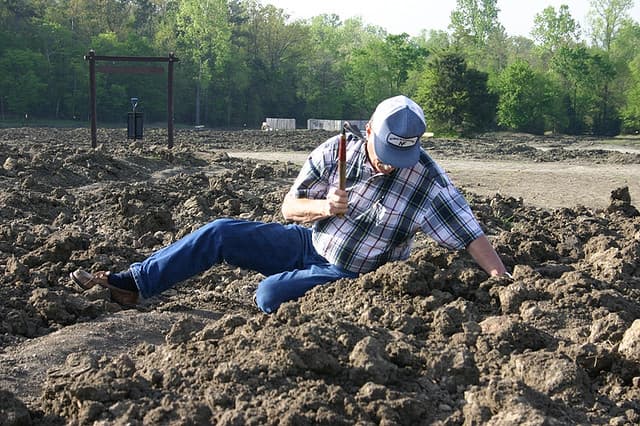
Moonstones containing the orthoclase feldspar sanidine occur in Grant County, New Mexico.
What is a "Rainbow Moonstone"?
Some transparent plagioclase feldspars, such as labradorite, also have thin layers of albite. These also produce a blue schiller effect if thin and a white effect if thick.
In rare instances, a multicolored schiller displays blue with green and/or orange colors, a phenomenon known as labradorescence. Although such stones are often called "rainbow moonstones," they're technically a variety of labradorite, not moonstone. Labradorescence is distinct from adularescence .However, the gem trade has generally accepted the use of the name "rainbow moonstone."
Moonstone crystals, gems, and rough stones have traits that set them apart from other gem materials. Here are the notable characteristics that can help gemologists identify moonstones.
Inclusions
Moonstones have unique inclusions that make them easily identifiable. These inclusions include: "Centipede" fissure systems
Formed due to exsolution pressures along incipient cleavages.
Consist of short pairs of cracks running parallel to the crystal's vertical axis.
Smaller cracks extend perpendicularly from these fissures, creating a pattern that resembles many-legged insects under a microscope.
Although moonstone has been simulated by milky chalcedony and certain types of synthetic spinel, these substitutes usually look inferior and are easily spotted. Lab-created moonstones haven't entered the market.
Where are Moonstones Found?
Moonstone crystal is mined across the globe. Historically, Myanmar has produced the finest quality gems, but this source is now mostly depleted. Many other countries and regions boast notable sources of this captivating stone. These include the following:
Australia
Austria
Finland
India
Madagascar
Mexico
Norway
Sri Lanka
Switzerland
Tanzania
United States - New Mexico and Virginia
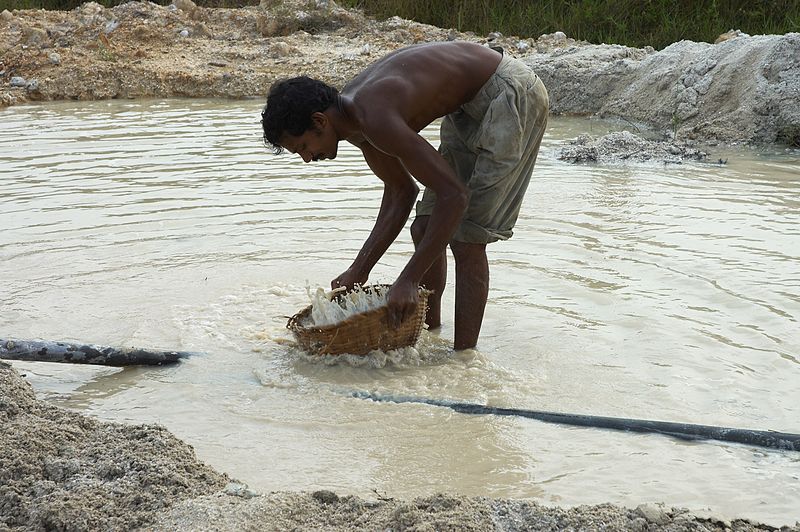
Moonstone mine, Meetiyagoda, Sri Lanka. Photo by Wouter Hagens. Public domain.
How Big Do Moonstones Get?
Moonstone's availability varies by size and quality:
Rare sizes — blue-sheen moonstones, the most valuable, seldom exceed 15-20 carats.
Abundant sizes — silvery or white adularescent stones can reach hundreds of carats.
Indian advantage — Indian moonstones with strong body color are plentiful, well-cut, and affordable.
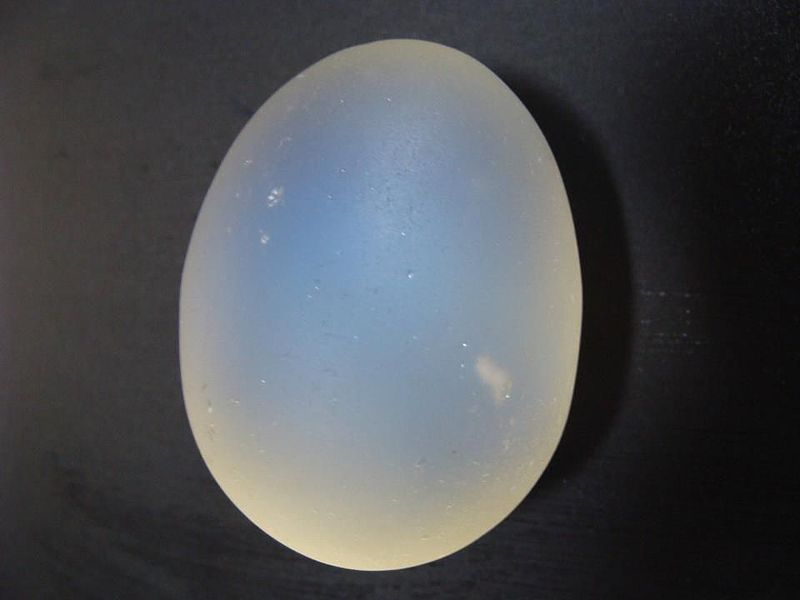
Discovered by the first Japanese expedition to Mt. Kilimanjaro in 1918 and reputed to weigh between 300 and 450 carats, this might be the largest known moonstone. Photo by Mr Matthew Hardy Japan. Licensed under CC By-SA 3.0.
How to Clean Moonstones
Moonstone requires gentle methods to maintain its beauty.
Avoid harsh tools — skip mechanical systems like ultrasonic or steam cleaners.
Safe approach — use warm, soapy water and a soft brush.
Various cultures have long traditions of moonstone meaning and symbolism. It has been associated with romantic lore, symbolizing fertility, love, protection, and the Moon's energy. Many civilizations have cherished moonstones for centuries.
Why is rainbow moonstone special?
Rainbow moonstones, technically labradorites, stand out with their multicolored labradorescence, displaying blue, green, and orange hues unlike typical adularescence.
How can I tell if my moonstone is real?
Look for characteristic inclusions like "centipedes" — fissure systems resembling insects. Usually, when people ask if a moonstone is "real," they mean whether it is natural and not synthetic. Synthetic moonstones are not available on the market (though they might exist for research purposes). Therefore, the real challenge for gemologists is the proper identification and differentiation of moonstone from other gemstones.
How should I care for my moonstone jewelry?
Avoid mechanical systems. Clean your jewelry with warm, soapy water and a soft brush. This will protect your moonstone, which has a delicate hardness of 6.
Get started with the International Gem Society’s free guide to gemstone identification. Join our weekly newsletter & get a free copy of the Gem ID Checklist!
The secrets behind moonstone's value and pricing factors
The fascinating meaning of moonstone and its symbolic ties to love and the Moon
Moonstone properties
Moonstone jewelry use and care tips
Moonstones are sometimes called "adularia" after Mt. Adular in Switzerland, a famous source for these gems. This mountain has also lent its name to moonstone's characteristic, phenomenal effect. is caused by the diffraction of light as it hits thin, alternating layers of orthoclase and albite within the gem. This produces the appearance of a floating, cloud-like, blue-to-white light inside the gem. A blue sheen is produced if the albite crystals are very fine. (Fine orthoclase and albite plates are dispersed within each other as a result of unmixing on cooling). If the albite plates are thick, the sheen is white. "" fissure systems Rectangular dark areas Myanmar moonstones Material from Sri Lanka tends to have values on the low end of the moonstone scale, 2.56. Material from India tends toward the high end, 2.59. Most moonstones usually have (RI) of 1.520-1.525 with a of 0.005. However, material from Virginia has an RI of 1.518-1.524 with a birefringence of 0.006. Although moonstone has been by milky and certain types of , these substitutes usually look inferior and are easily spotted. moonstones haven't entered the market. Various cultures have long traditions of moonstone meaning and symbolism. It has been associated with romantic lore, symbolizing fertility, love, protection, and the Moon's energy. Many civilizations have cherished moonstones for centuries. Rainbow moonstones, technically , stand out with their multicolored labradorescence, displaying blue, green, and orange hues unlike typical adularescence. Look for characteristic inclusions like "centipedes" — fissure systems resembling insects. Usually, when people ask if a moonstone is "real," they mean whether it is natural and not synthetic. Synthetic moonstones are not available on the market (though they might exist for research purposes). Therefore, the real challenge for gemologists is the proper identification and differentiation of moonstone from other gemstones. Avoid mechanical systems. Clean your jewelry with warm, soapy water and a soft brush. This will protect your moonstone, which has a delicate hardness of 6.
What is Moonstone? Key Facts, Information, and Insights
Moonstone, a gem treasured globally, dazzles with its signature adularescence — a shimmering, moonlight-like glow ranging from blue to white. Though somewhat delicate, this stone remains a beloved pick for jewelry designs.
The value of a moonstone hinges on several key traits. Gems with a clear, colorless body and vivid blue adularescence fetch the highest prices. Here's a breakdown of what impacts moonstone value:
Clarity and color — the more transparent and colorless the stone, and the stronger its blue sheen, the greater its worth.
Cut and quality — cabochons of translucent material, showcasing appealing body color and adularescence, are common and moderately priced.
Rare finds — on occasion, some transparent stones are faceted for a unique look.
Historical rarity — the finest colorless, blue-sheen moonstones from Myanmar are nearly depleted, driving up prices as they circulate among dealers and collectors.
Special effects — for stones with cat's eyes or rare stars, prices rise based on the effect's beauty, size, and clarity.
Affordable options include near-opaque stones with various hues, often carved into "moon faces" or figures. These are budget friendly and widely available.
For more insights into quality factors for moonstones, check our
Moonstone properties vary, offering an array of stunning options for gemstone enthusiasts. Lapidaries typically cut high-domed cabochons to highlight adularescence. The highlights of cabbed moonstones include:
Special effects — strong adularescence can reveal cat's eyes or rare four-legged stars (asterism).
Color range — body colors, influenced by iron content, range from white, beige, brown, red-brown, orange, greenish, to yellowish. Goethite (iron oxide) adds red tones.
Moonstones containing the orthoclase feldspar sanidine occur in Grant County, New Mexico.
What is a "Rainbow Moonstone"?
Some transparent plagioclase feldspars, such as labradorite, also have thin layers of albite. These also produce a blue schiller effect if thin and a white effect if thick.
In rare instances, a multicolored schiller displays blue with green and/or orange colors, a phenomenon known as labradorescence. Although such stones are often called "rainbow moonstones," they're technically a variety of labradorite, not moonstone. Labradorescence is distinct from adularescence .However, the gem trade has generally accepted the use of the name "rainbow moonstone."
Moonstone crystals, gems, and rough stones have traits that set them apart from other gem materials. Here are the notable characteristics that can help gemologists identify moonstones.
Inclusions
Moonstones have unique inclusions that make them easily identifiable. These inclusions include:
Moonstone crystal is mined across the globe. Historically, Myanmar has produced the finest quality gems, but this source is now mostly depleted. Many other countries and regions boast notable sources of this captivating stone. These include the following:
Australia
Austria
Finland
India
Madagascar
Mexico
Norway
Sri Lanka
Switzerland
Tanzania
United States - New Mexico and Virginia
Moonstone mine, Meetiyagoda, Sri Lanka. Photo by Wouter Hagens. Public domain.
How Big Do Moonstones Get?
Moonstone's availability varies by size and quality:
Rare sizes — blue-sheen moonstones, the most valuable, seldom exceed 15-20 carats.
Abundant sizes — silvery or white adularescent stones can reach hundreds of carats.
Indian advantage — Indian moonstones with strong body color are plentiful, well-cut, and affordable.
Discovered by the first Japanese expedition to Mt. Kilimanjaro in 1918 and reputed to weigh between 300 and 450 carats, this might be the largest known moonstone. Photo by Mr Matthew Hardy Japan. Licensed under CC By-SA 3.0.
How to Clean Moonstones
Moonstone requires gentle methods to maintain its beauty.
Avoid harsh tools — skip mechanical systems like ultrasonic or steam cleaners.
Safe approach — use warm, soapy water and a soft brush.
Welcome to the mesmerizing realm of moonstone, a gemstone celebrated for its ethereal beauty and rich history. Known for its captivating blue-to-white sheen, moonstone has enchanted jewelry enthusiasts and royalty alike for centuries. In this article, we’ll dive deep into moonstone’s allure, explore its value and symbolism, and examine the unique properties that make it a standout gem.
In this video, Jake Talve-Goodman of The Concierge Gemologist introduces viewers to the world of moonstone and discusses its sourcing, appearance, composition, symbolism, and jewelry use.
Start an IGS Membership today
for full access to our price guide (updated monthly).