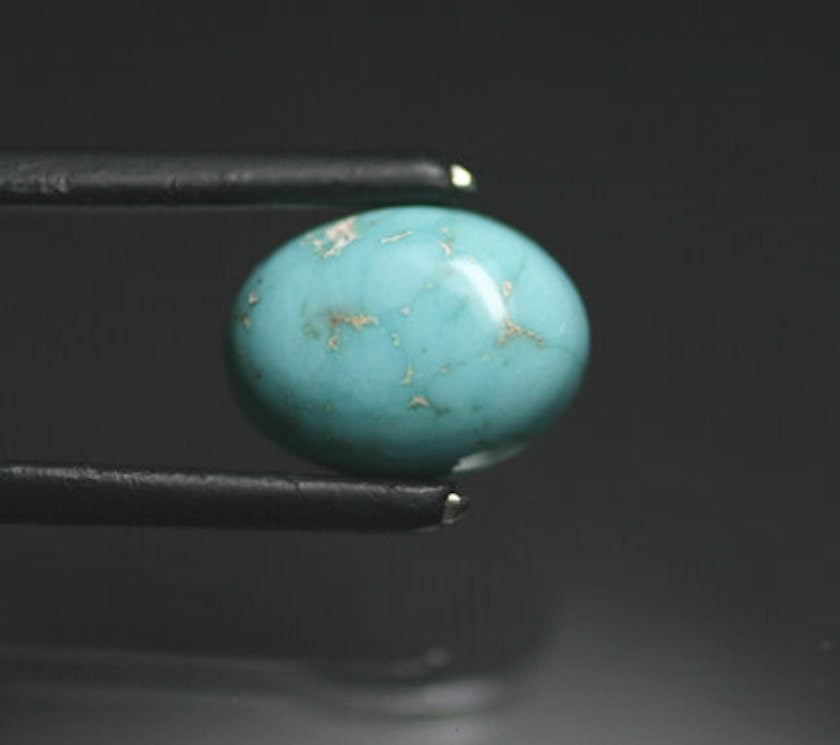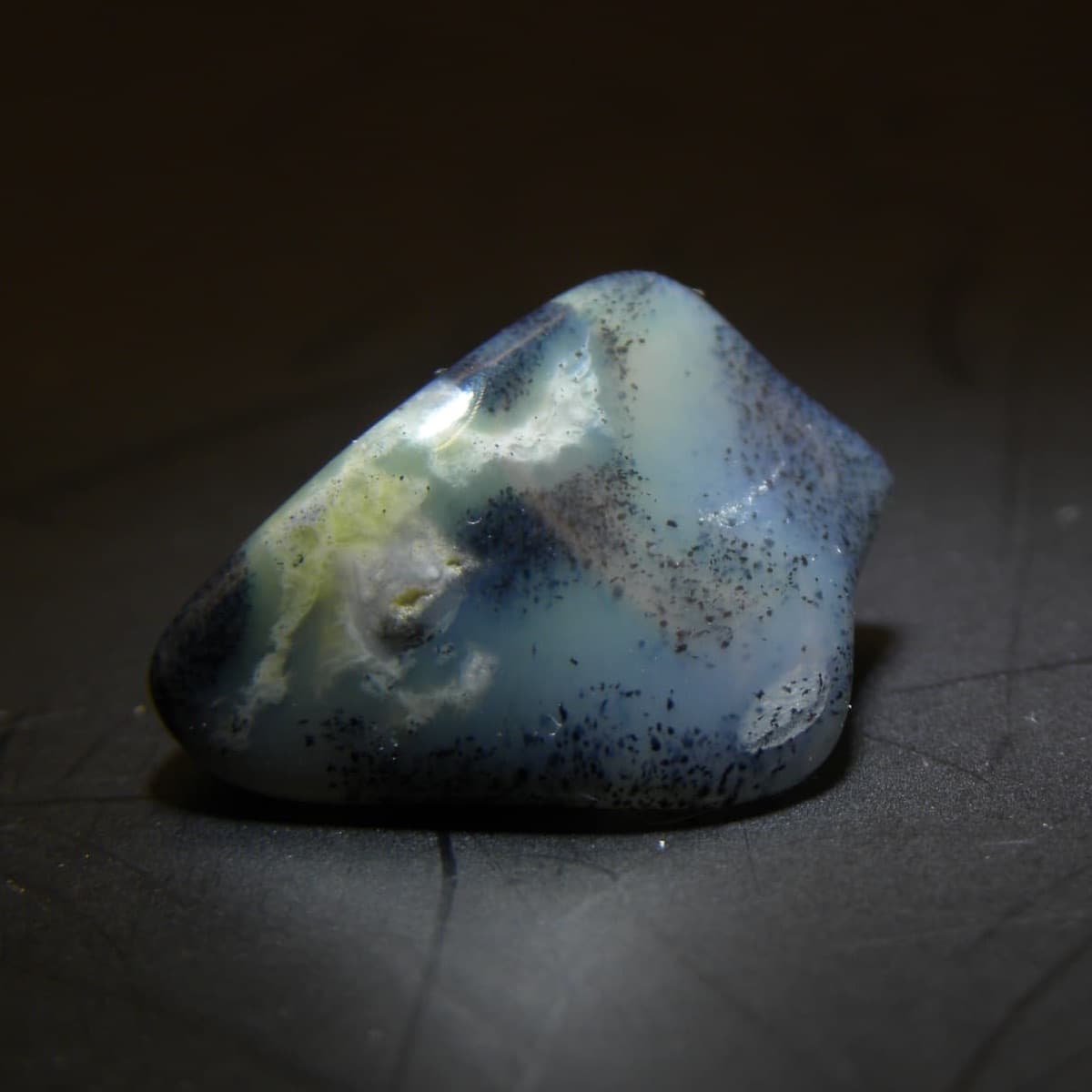
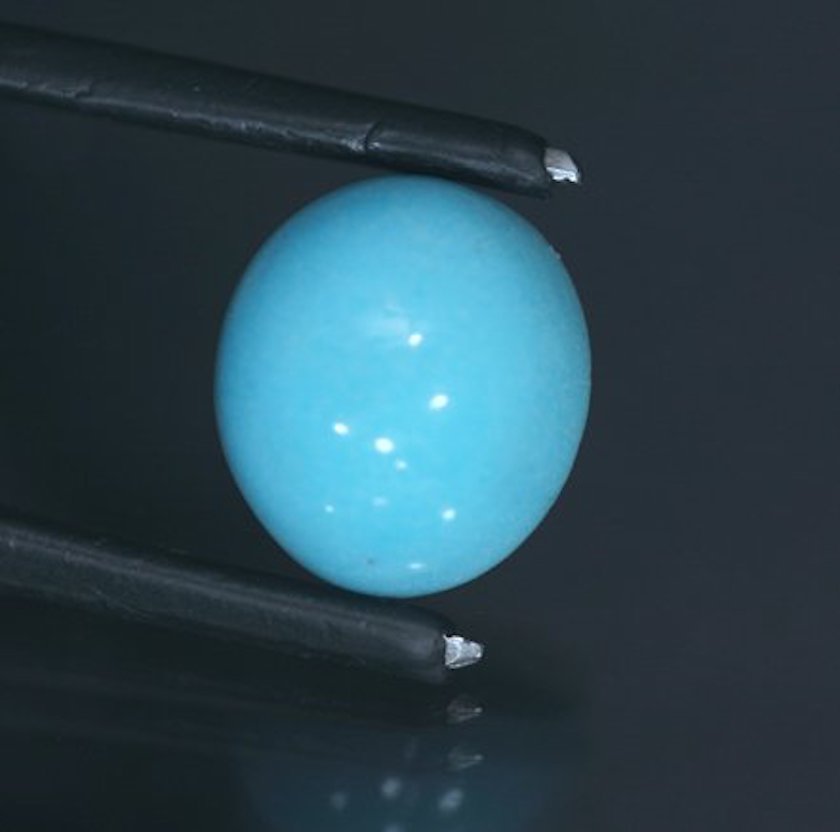
Prosopite is usually a nondescript mineral with no gem significance. However, beautiful blue specimens are sometimes cut for jewelry.
1 Minute Read
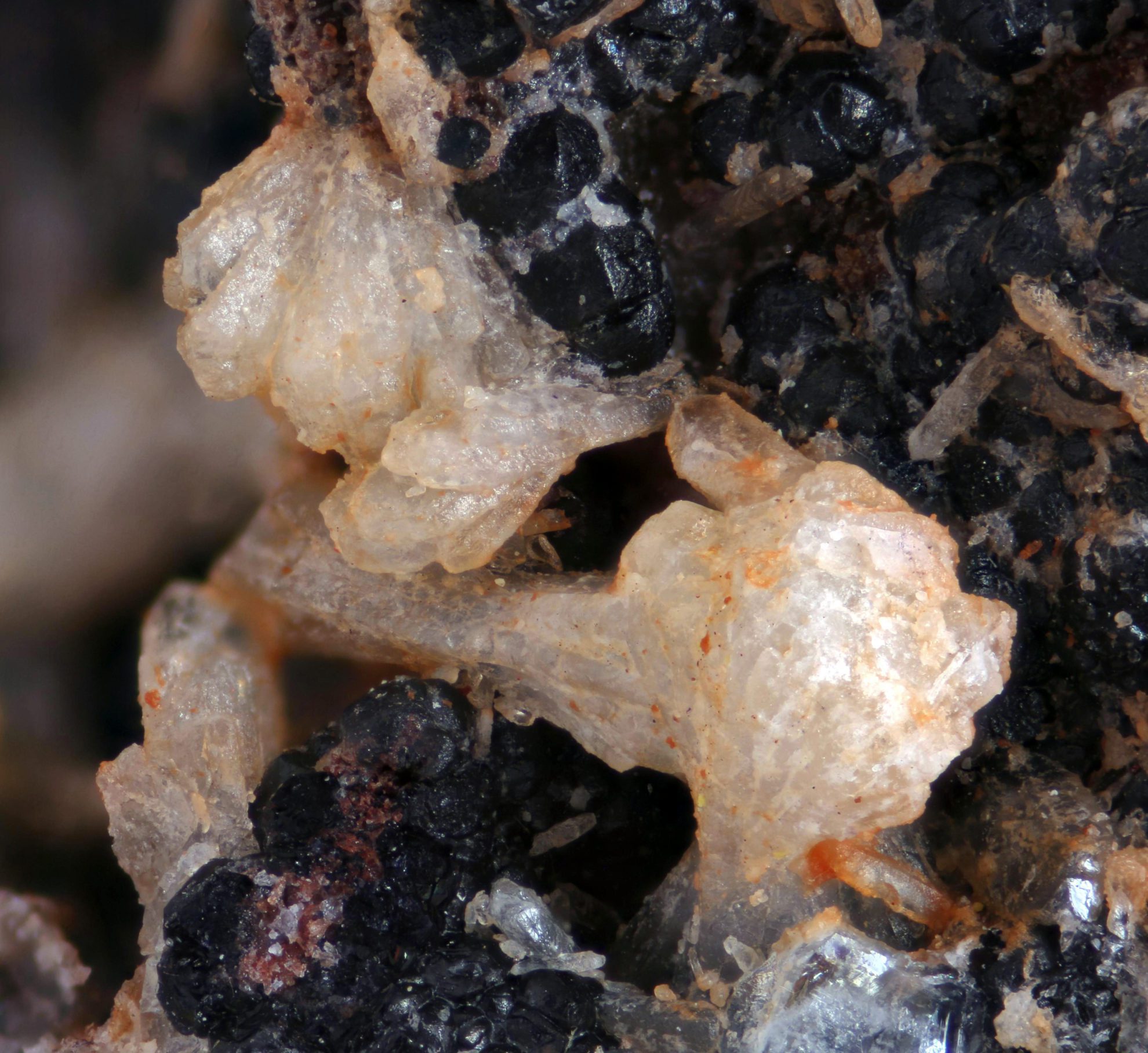
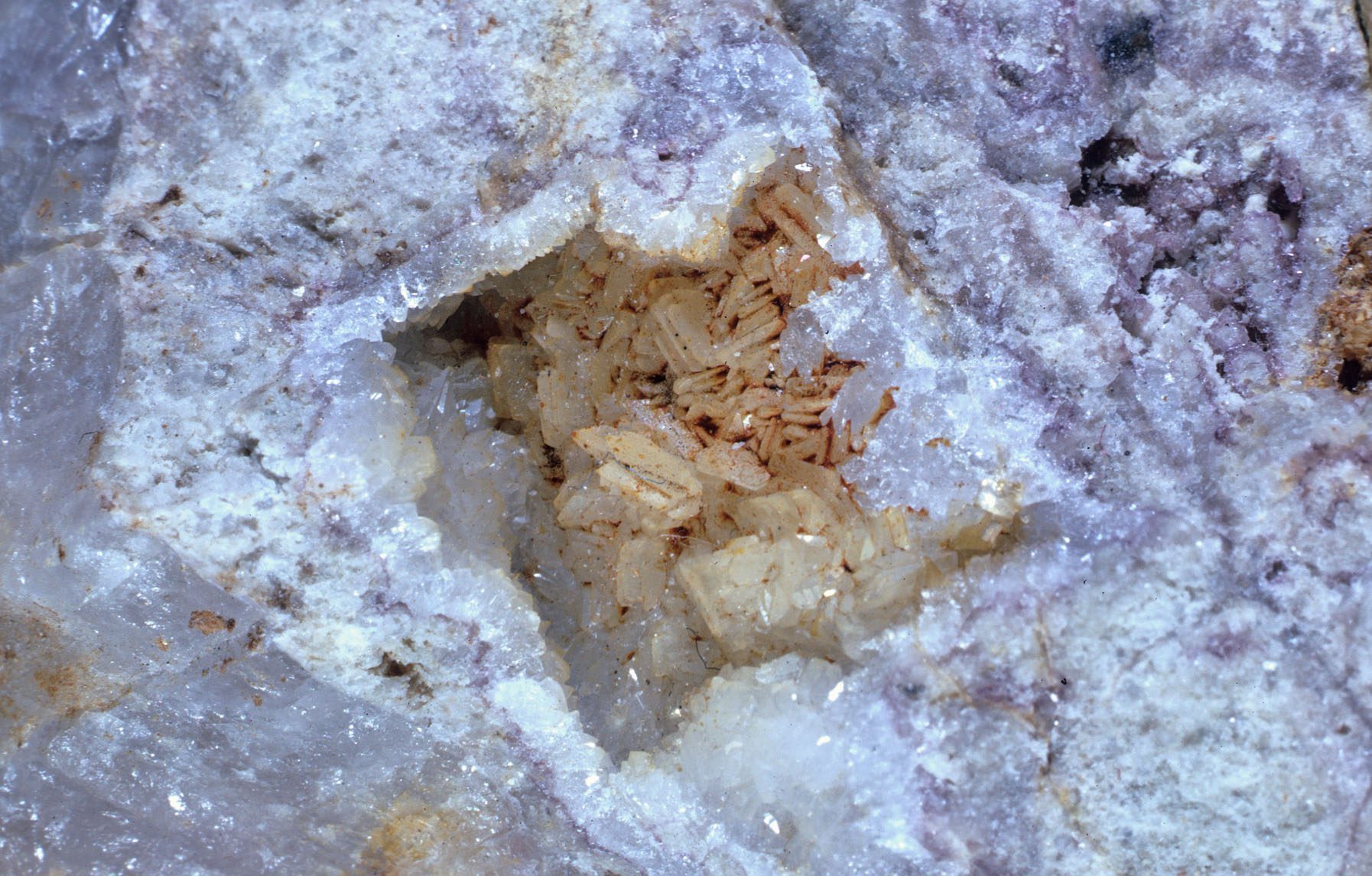
Prosopites may occur as pseudomorphs of topaz. This means the topaz forms first but then gradually changes chemical structure, becoming prosopite while retaining the external crystal form of the original topaz.
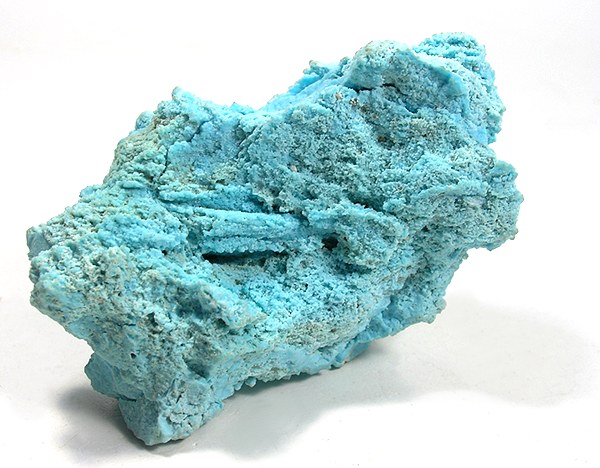
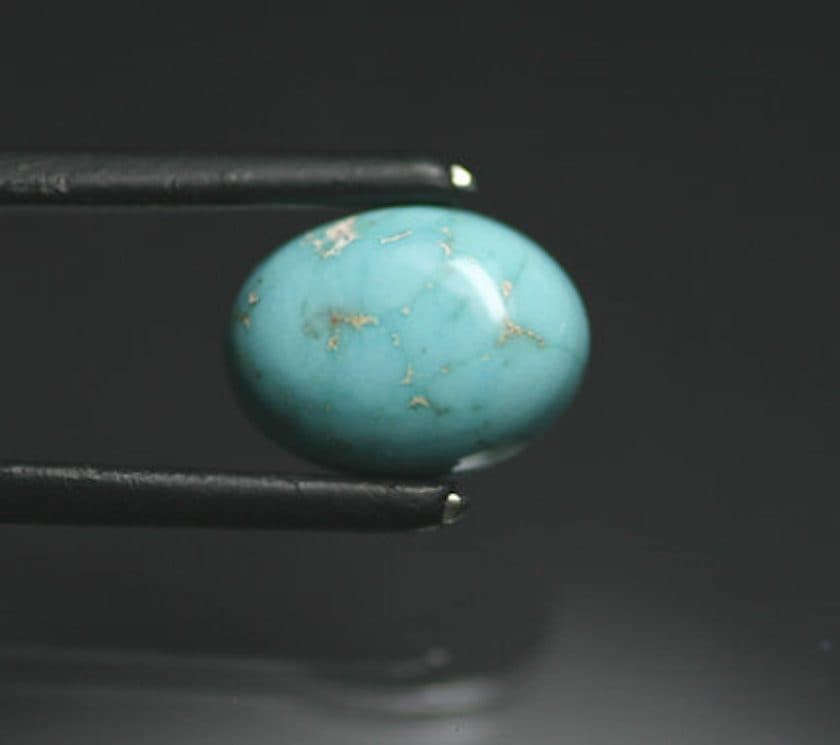
Material from Zacatecas, Mexico has a turquoise-like blue color. These prosopites have an even coloration due to a copper content of approximately 1.4%. They make attractive and convincing turquoise simulants. Of course, they are distinct gem species.
If used as ring stones, place prosopites in protective settings to protect them from bumps and scratches or reserve them for occasional wear. Other uses, such as in pendants or brooches, shouldn't require any special protections.
Turquoise and Mexican prosopites can show similar colors and also have specific gravity values that overlap. A refractive index reading is the most effective way to distinguish them. (1.501-1.510 for prosopites; 1.590-1.650 for turquoises). Prosopites also have a lower hardness than turquoises, but scratch testing isn't recommended for finished gemstones.
There are no known enhanced or synthetic prosopites.
Turquoise-like blue prosopite material occurs only in Santa Rosa, Zacatecas, Mexico, in association with azurite.
Other notable sources of crystals include the following:
Avoid cleaning prosopites with mechanical systems, such as steam or ultrasonic processes. Instead, use a soft brush, mild detergent, and warm water. Consult our gemstone jewelry care guide for more recommendations.


When you join the IGS community, you get trusted diamond & gemstone information when you need it.
Prosopites may occur as pseudomorphs of topaz. This means the topaz forms first but then gradually changes chemical structure, becoming prosopite while retaining the external crystal form of the original topaz.
Material from Zacatecas, Mexico has a turquoise-like blue color. These prosopites have an even coloration due to a copper content of approximately 1.4%. They make attractive and convincing turquoise simulants. Of course, they are distinct gem species.
If used as ring stones, place prosopites in protective settings to protect them from bumps and scratches or reserve them for occasional wear. Other uses, such as in pendants or brooches, shouldn't require any special protections.
Turquoise and Mexican prosopites can show similar colors and also have specific gravity values that overlap. A refractive index reading is the most effective way to distinguish them. (1.501-1.510 for prosopites; 1.590-1.650 for turquoises). Prosopites also have a lower hardness than turquoises, but scratch testing isn't recommended for finished gemstones.
Turquoise-like blue prosopite material occurs only in Santa Rosa, Zacatecas, Mexico, in association with azurite.
Other notable sources of crystals include the following:
Avoid cleaning prosopites with mechanical systems, such as steam or ultrasonic processes. Instead, use a soft brush, mild detergent, and warm water. Consult our gemstone jewelry care guide for more recommendations.


Prosopite is usually a nondescript mineral with no gem significance. However, beautiful blue specimens are sometimes cut for jewelry.