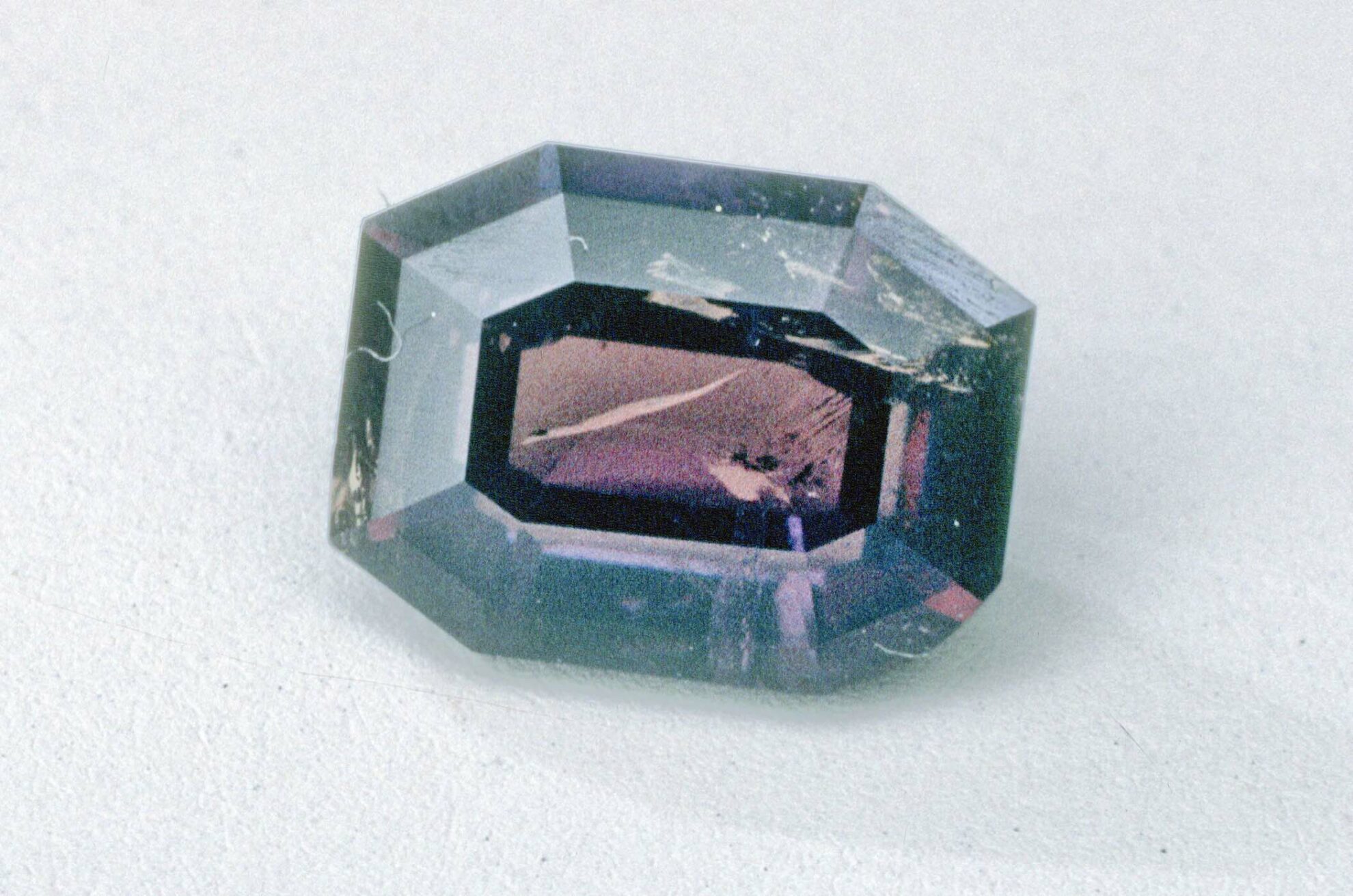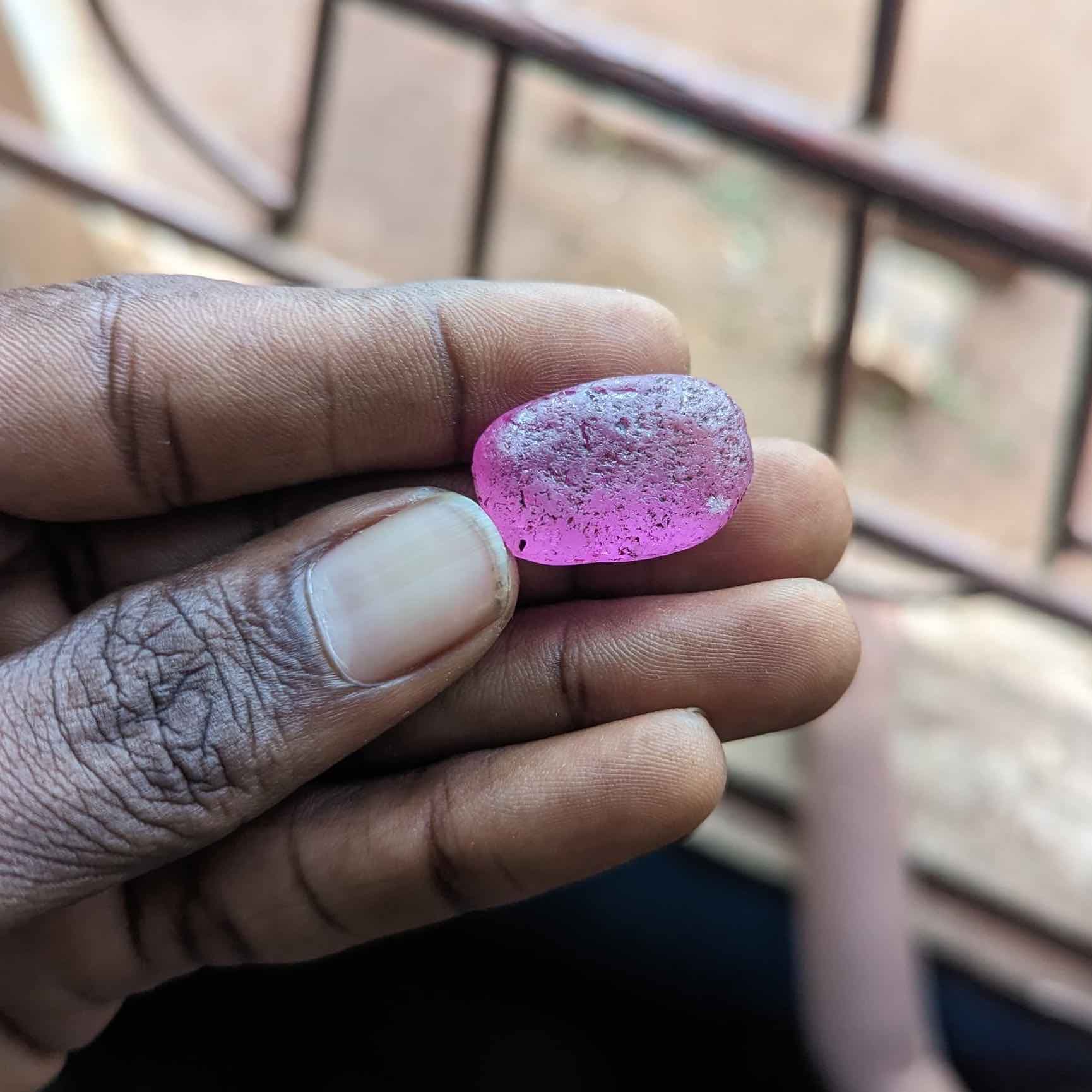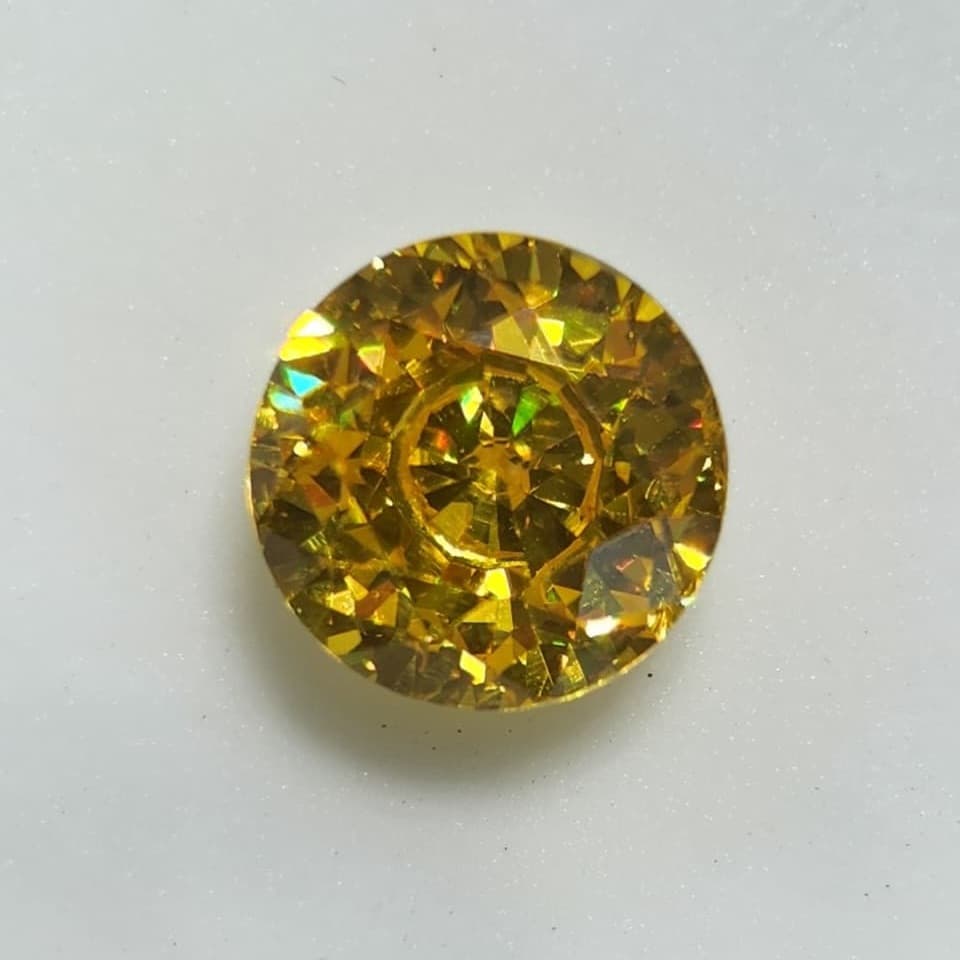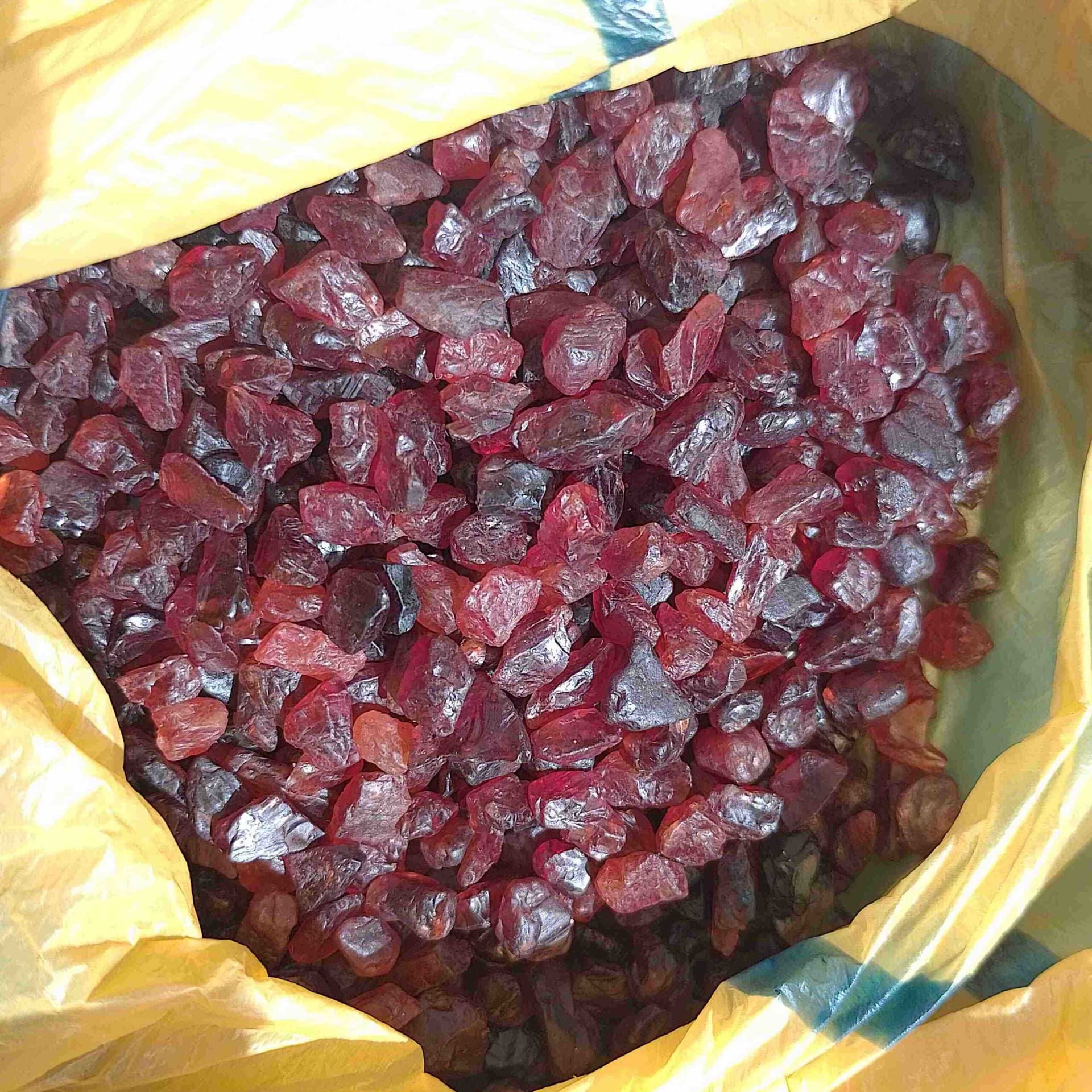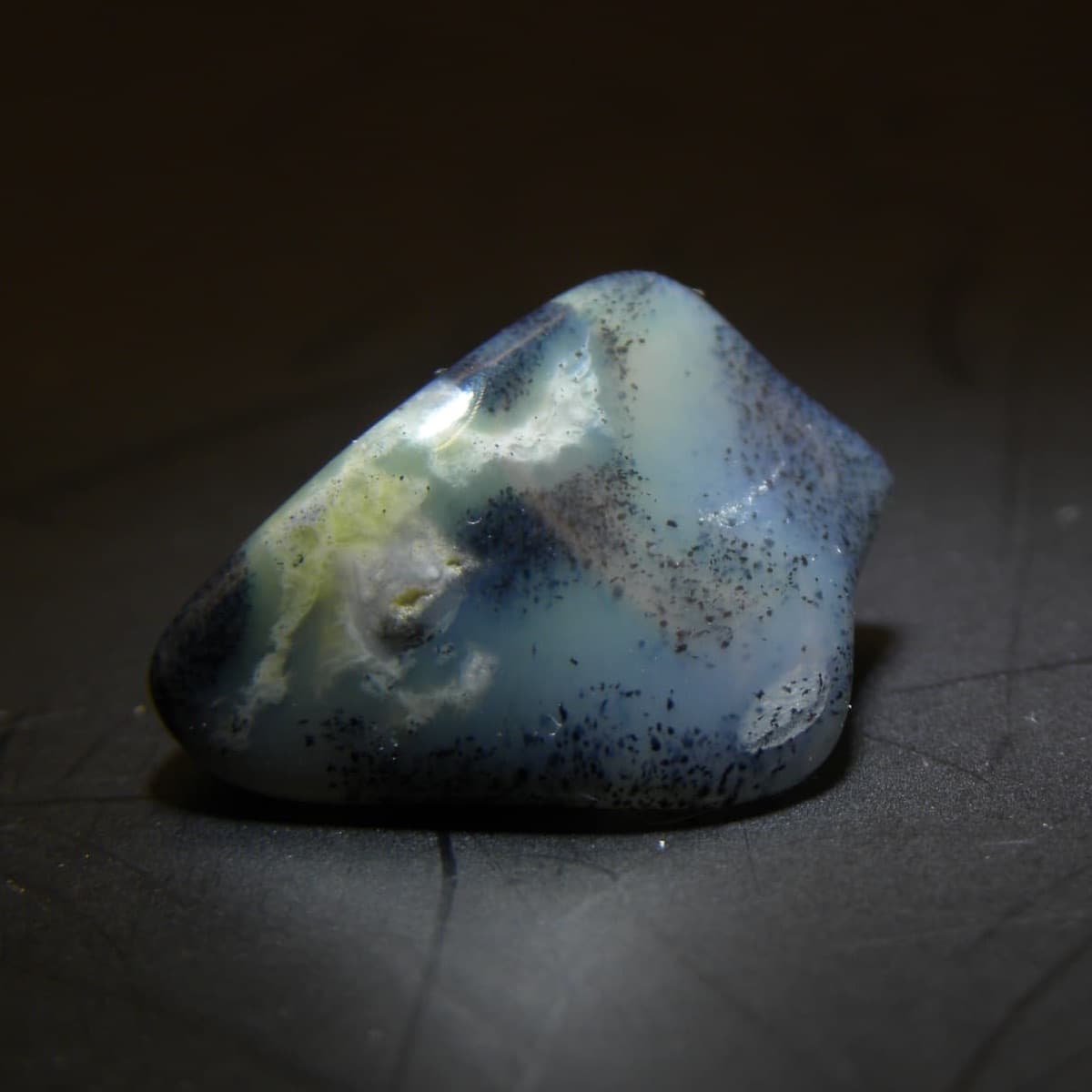
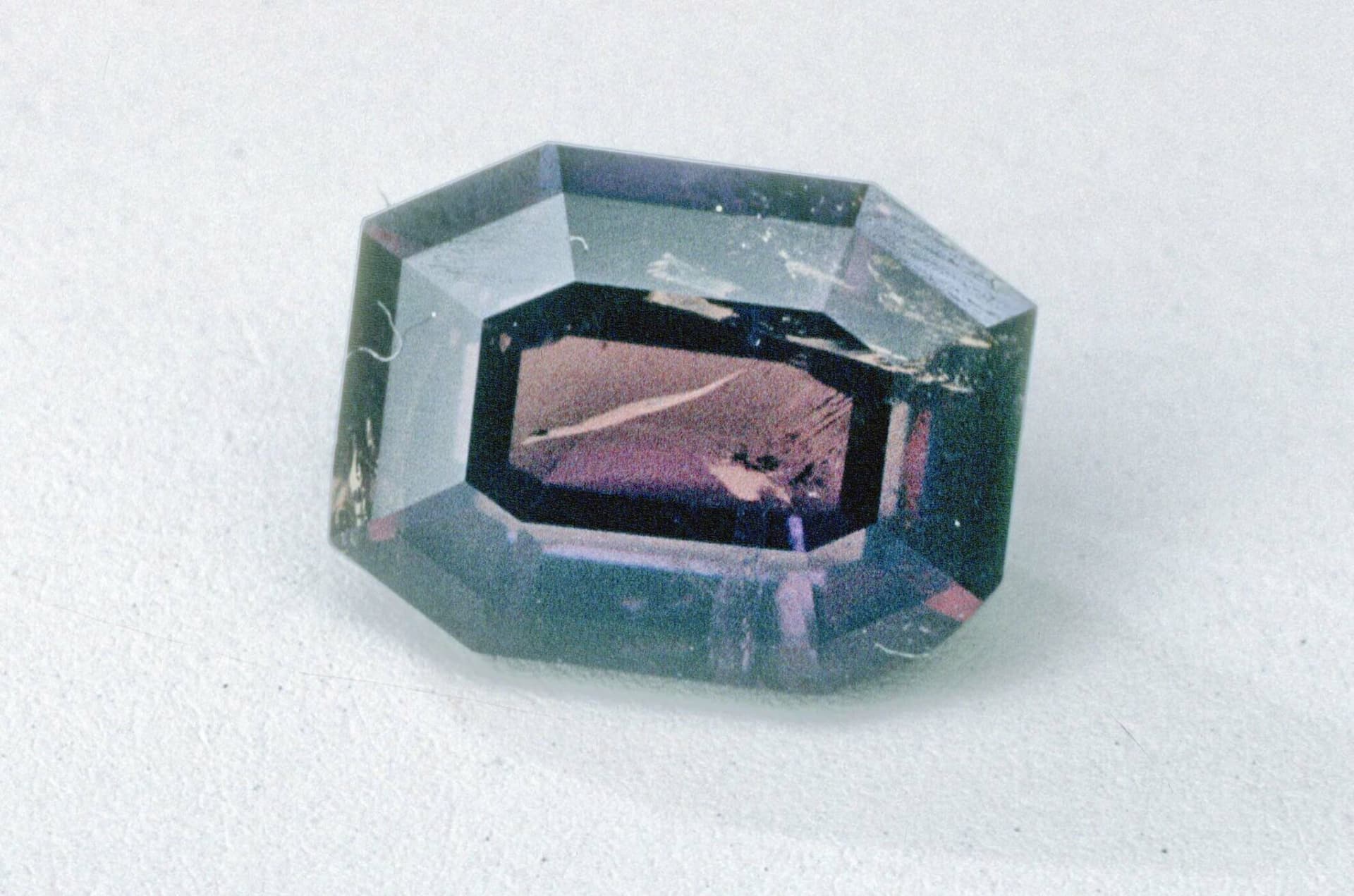
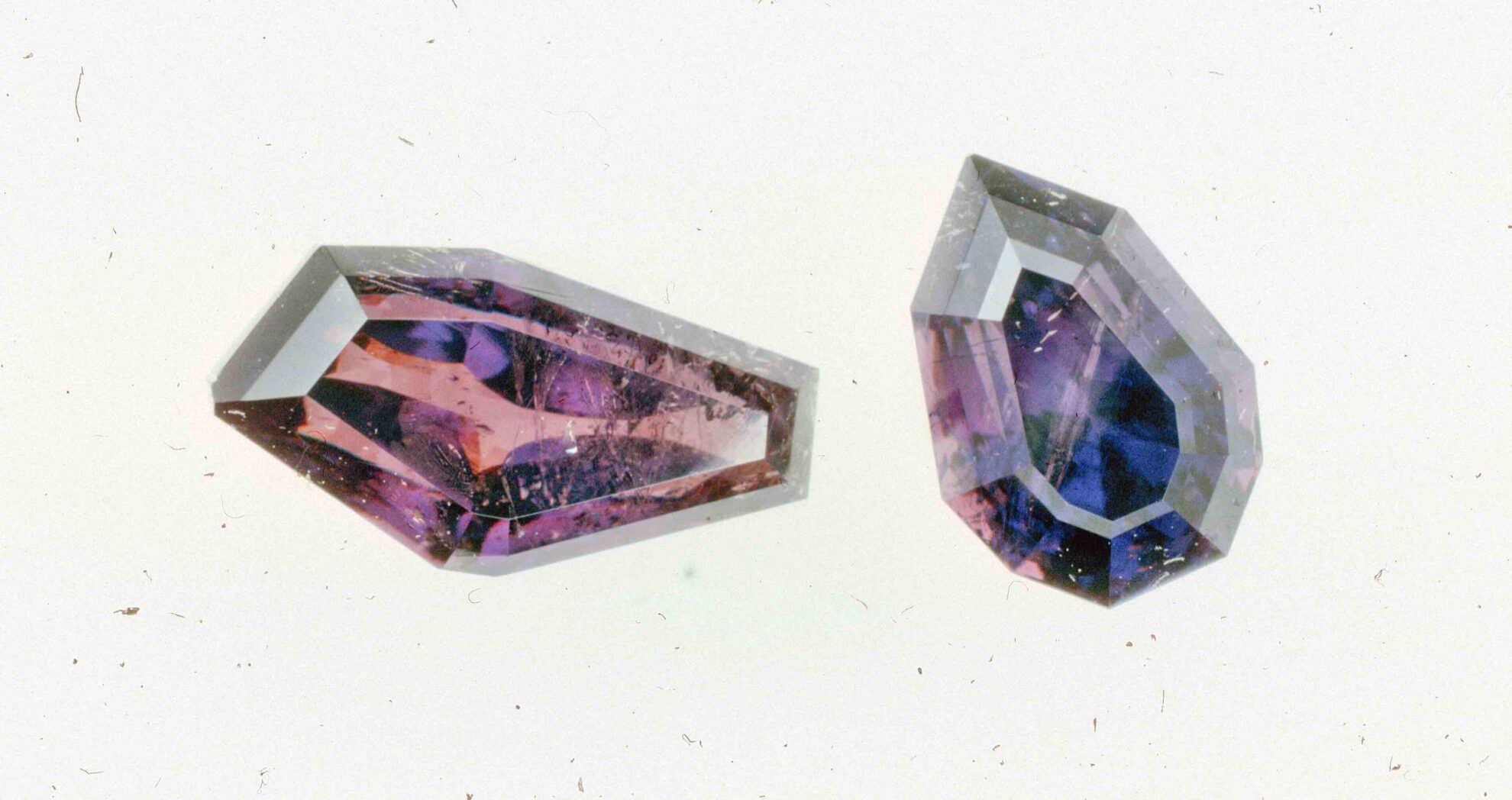
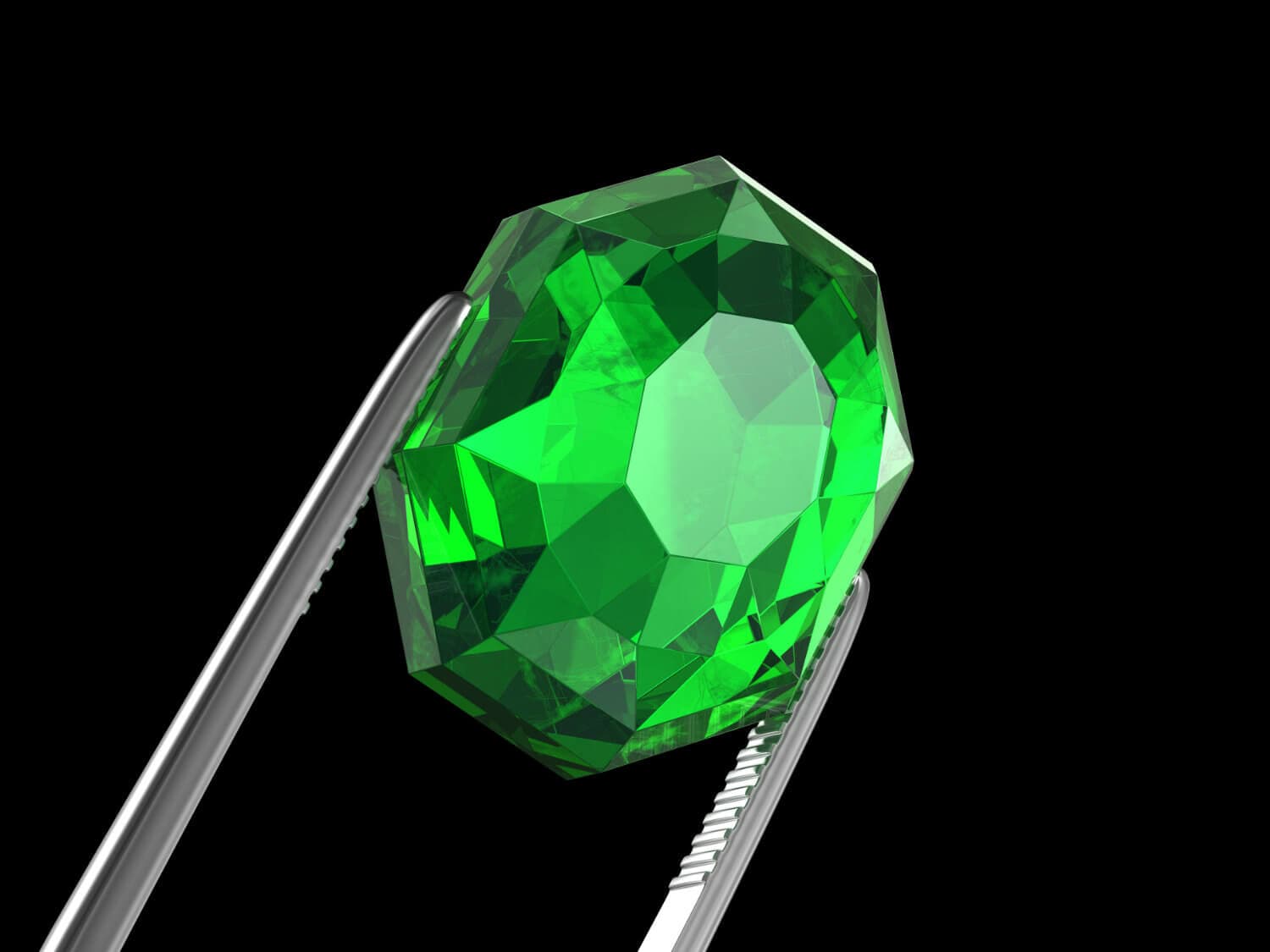
With lovely colors and intense pleochroism, faceted scorodite is a prize for collectors of the rare and unusual. However, it’s too soft for jewelry use.
2 Minute Read
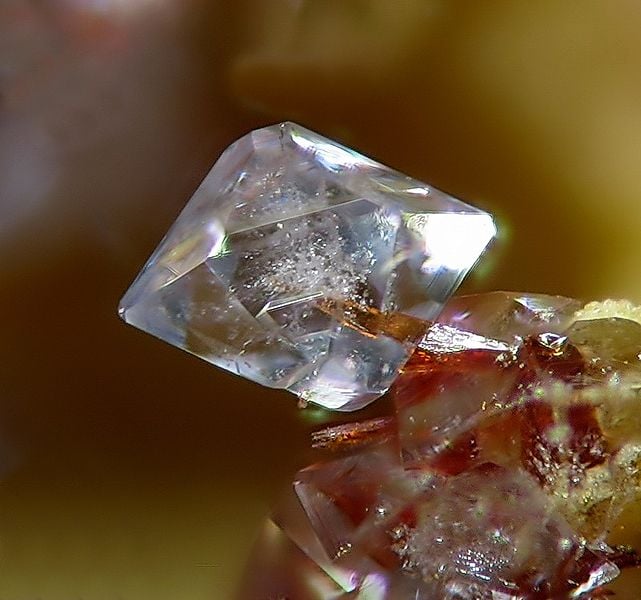
Scorodite belongs to the variscite mineral group. It forms series as the ferric iron analogue (Fe3+) with mansfieldite (AlAsO4 · 2H2O), yanomamite (InAsO4 · 2H2O), and strengite (FePO4 · 2H2O). These minerals occur far more rarely than their fellow series member scorodite. Accordingly, faceted examples of these minerals are even rarer than faceted scorodites.
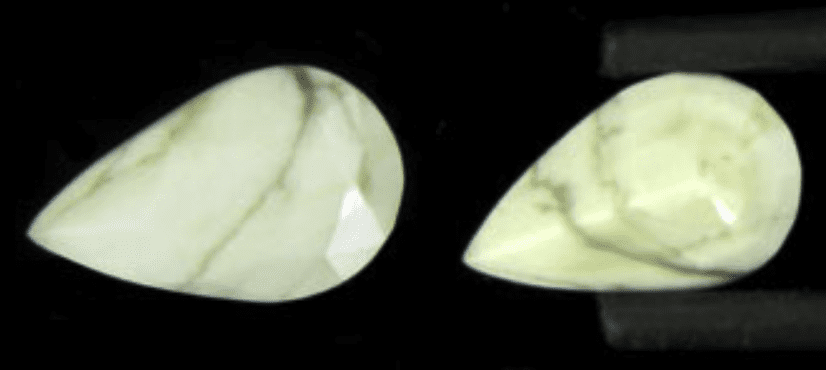
Although not a rare mineral in nature, faceted or cabbed scorodites are extremely rare. A low Mohs hardness score of 3.5 to 4 and imperfect cleavage make them very susceptible to scratches and blows. Thus, scorodites just don't have the wearability to serve as jewelry stones. Furthermore, they're soluble in acids and contain arsenic. Gem cutters should take precautions to prevent inhaling particles, protect their eyes, and wash their hands while working with scorodites.
Since such a soft stone can be scratched easily, which can release small particles of the gem, jewelry use is not recommended. Reserve scorodites for display in mineral or gem collections.
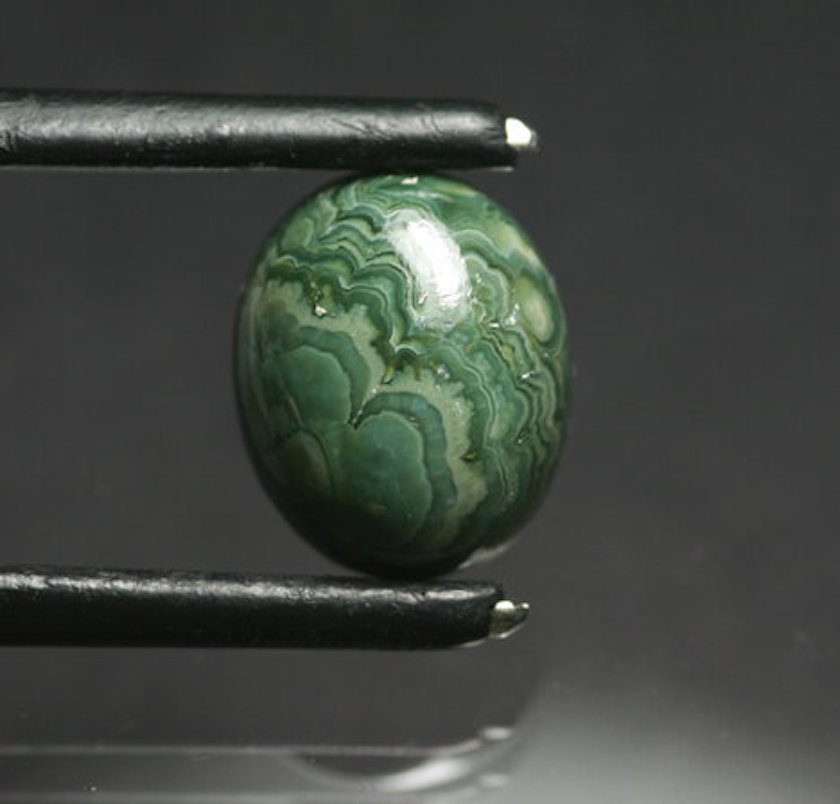
Rare specimens display color change, from blue-green in daylight to blueish purple or grayish blue in incandescent light.
Scorodites may have a greenish-white streak. Please note that streak testing may harm or destroy your specimen. Conduct it on a piece of rough, never a finished gem, only as a last resort.
α | β | γ | Birefringence | 2V | |
| Durango, Mexico | 1.784 | 1.795 | 1.814 | 0.030 | 75° |
| Idaho | 1.738 | 1.742 | 1.765 | 0.027 | 60° |
| Oregon | 1.741 | 1.744 | 1.768 | 0.027 | 40° |
| Tsumeb, Namibia | 1.785 | 1.796 | 1.816 | 0.031 | 75° |
Scientists have synthesized scorodite, including crystals, for research into the safe disposal of arsenic. However, there is no known jewelry use of this material.
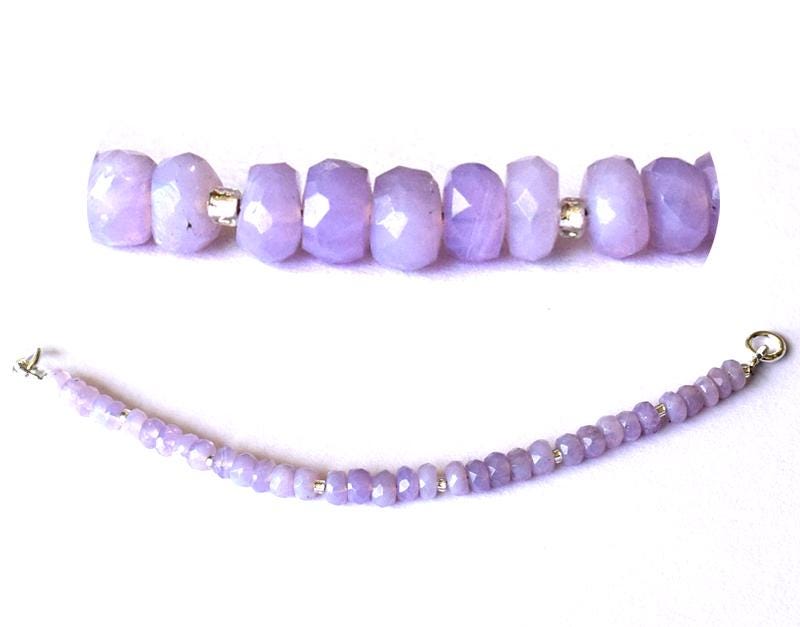
Consumers may encounter so-called "scorolites" for sale online, especially as purplish beads. Occasionally, these same pieces are offered as a type of scorodite. More often, they're marketed as "scorolite opals." However, in fact, they're simulants, usually purplish glass or quartz pieces. Of course, quartz and glass are distinct gemologically from opals and scorodites. Gemologists can readily distinguish these materials.
"Scorolite" is not an accepted synonym or trade name for scorodite. This confusion may stem from a typo in a paper on geo-environmental hazards in groundwater in India. Any gems sold as "scorolites" should come with a disclaimer identifying what they actually are.
There are no known gemstone enhancements for scorodites.
Tsumeb, Namibia produces beautiful, pleochroic blue/purplish crystals, some gemmy, up to 25 mm long.
Durango, Mexico and Ouro Preto, Minas Gerais, Brazil also yield fine, blue crystals, some gemmy.
Other notable crystal sources include
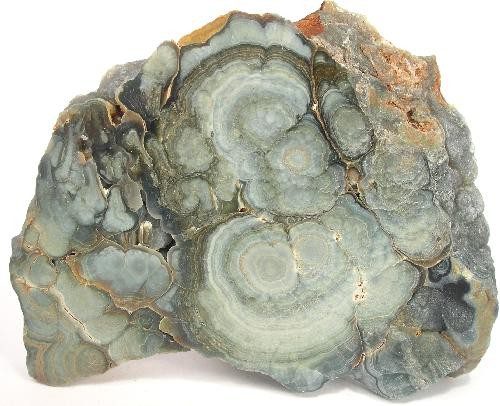
Scorodites almost always make small faceted gems. As a reasonable maximum, expect about five carats. However, even that would be very large for the species.
Clean scorodites with a soft brush, mild detergent, and warm water. For more care recommendations, consult our gemstone jewelry care guide.

When you join the IGS community, you get trusted diamond & gemstone information when you need it.
Scorodite belongs to the variscite mineral group. It forms series as the ferric iron analogue (Fe3+) with mansfieldite (AlAsO4 · 2H2O), yanomamite (InAsO4 · 2H2O), and strengite (FePO4 · 2H2O). These minerals occur far more rarely than their fellow series member scorodite. Accordingly, faceted examples of these minerals are even rarer than faceted scorodites.
Although not a rare mineral in nature, faceted or cabbed scorodites are extremely rare. A low Mohs hardness score of 3.5 to 4 and imperfect cleavage make them very susceptible to scratches and blows. Thus, scorodites just don't have the wearability to serve as jewelry stones. Furthermore, they're soluble in acids and contain arsenic. Gem cutters should take precautions to prevent inhaling particles, protect their eyes, and wash their hands while working with scorodites.
Since such a soft stone can be scratched easily, which can release small particles of the gem, jewelry use is not recommended. Reserve scorodites for display in mineral or gem collections.
Rare specimens display color change, from blue-green in daylight to blueish purple or grayish blue in incandescent light.
Scorodites may have a greenish-white streak. Please note that streak testing may harm or destroy your specimen. Conduct it on a piece of rough, never a finished gem, only as a last resort.
α | β | γ | Birefringence | 2V | |
| Durango, Mexico | 1.784 | 1.795 | 1.814 | 0.030 | 75° |
| Idaho | 1.738 | 1.742 | 1.765 | 0.027 | 60° |
| Oregon | 1.741 | 1.744 | 1.768 | 0.027 |
Scientists have synthesized scorodite, including crystals, for research into the safe disposal of arsenic. However, there is no known jewelry use of this material.
Consumers may encounter so-called "scorolites" for sale online, especially as purplish beads. Occasionally, these same pieces are offered as a type of scorodite. More often, they're marketed as "scorolite opals." However, in fact, they're simulants, usually purplish glass or quartz pieces. Of course, quartz and glass are distinct gemologically from opals and scorodites. Gemologists can readily distinguish these materials.
"Scorolite" is not an accepted synonym or trade name for scorodite. This confusion may stem from a typo in a paper on geo-environmental hazards in groundwater in India. Any gems sold as "scorolites" should come with a disclaimer identifying what they actually are.
There are no known gemstone enhancements for scorodites.
Tsumeb, Namibia produces beautiful, pleochroic blue/purplish crystals, some gemmy, up to 25 mm long.
Durango, Mexico and Ouro Preto, Minas Gerais, Brazil also yield fine, blue crystals, some gemmy.
Other notable crystal sources include
Scorodites almost always make small faceted gems. As a reasonable maximum, expect about five carats. However, even that would be very large for the species.
Clean scorodites with a soft brush, mild detergent, and warm water. For more care recommendations, consult our gemstone jewelry care guide.


40° |
| Tsumeb, Namibia | 1.785 | 1.796 | 1.816 | 0.031 | 75° |
With lovely colors and intense pleochroism, faceted scorodite is a prize for collectors of the rare and unusual. However, it’s too soft for jewelry use.