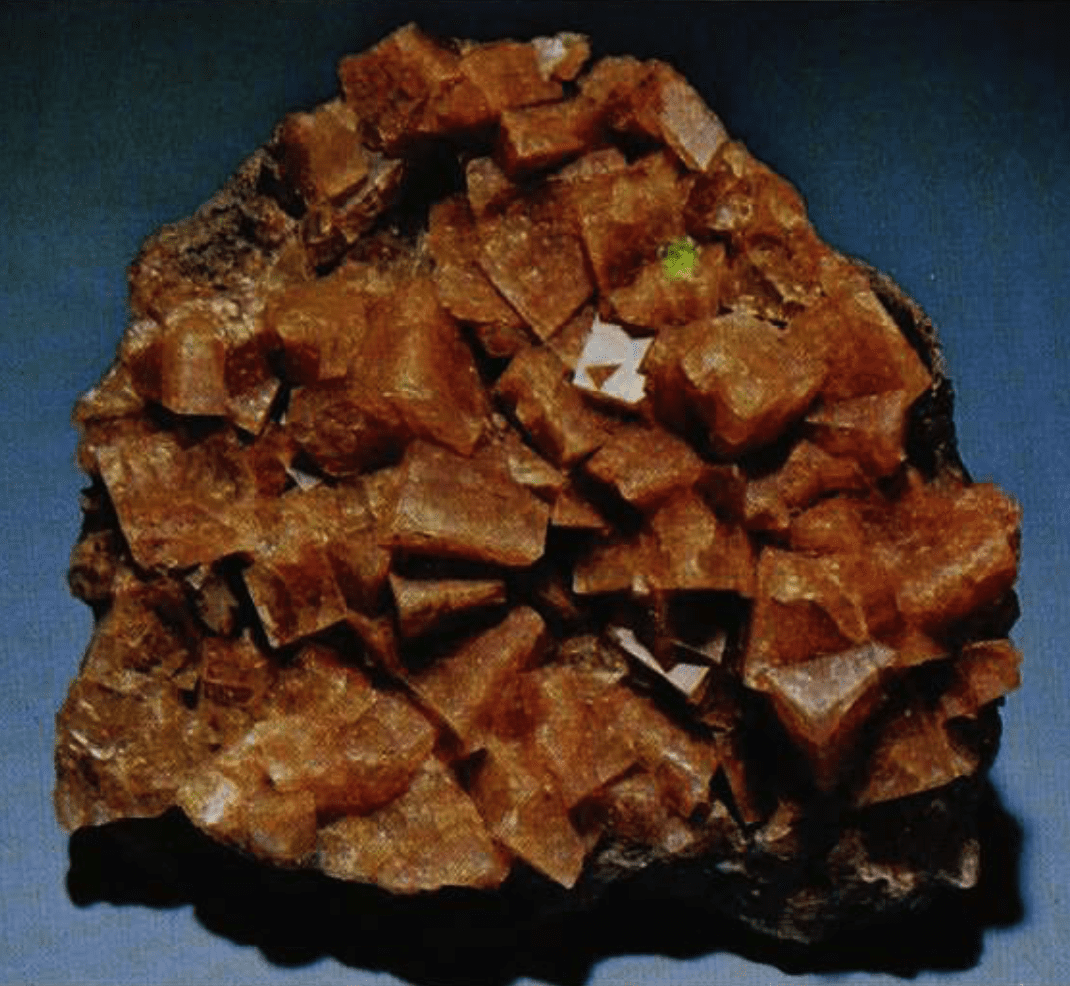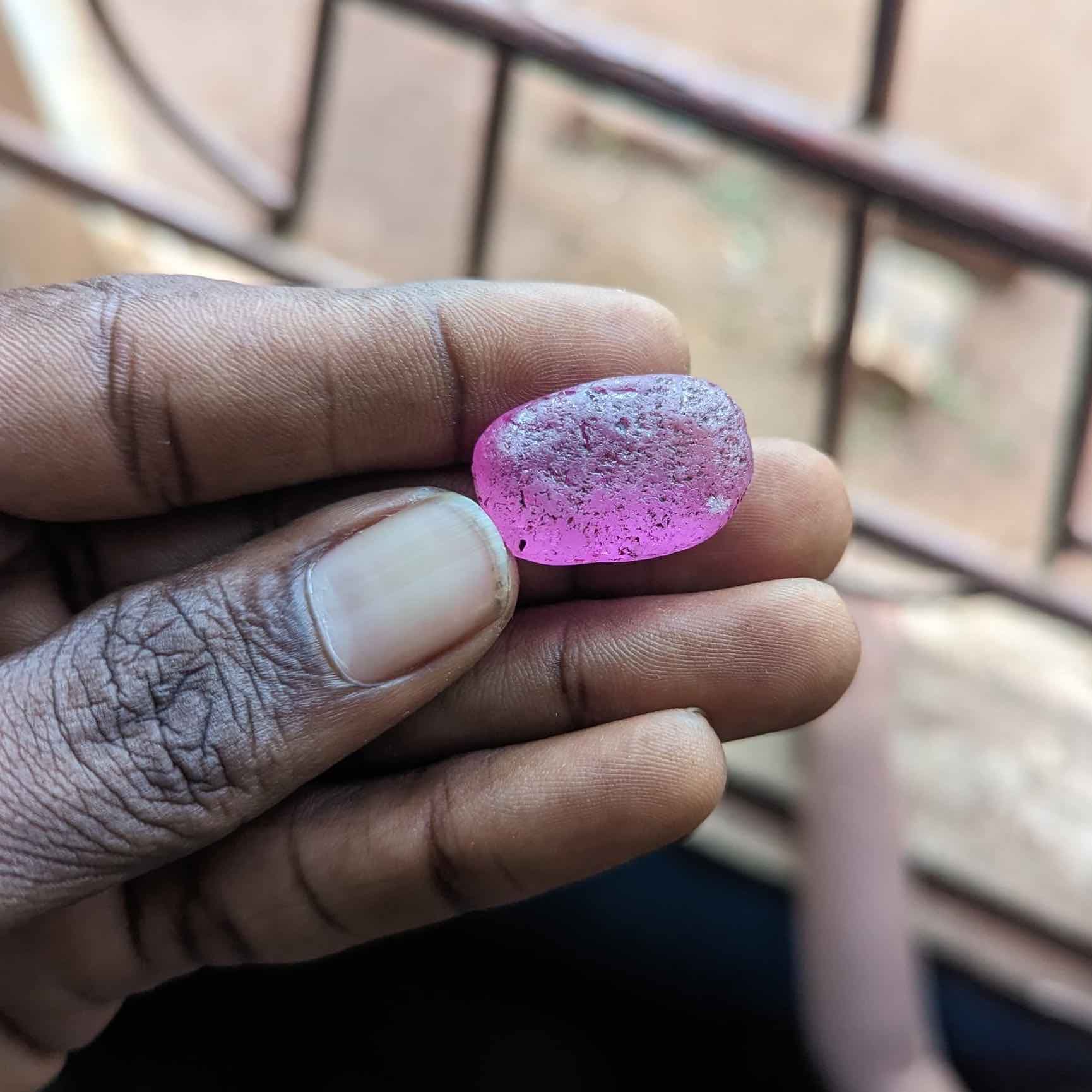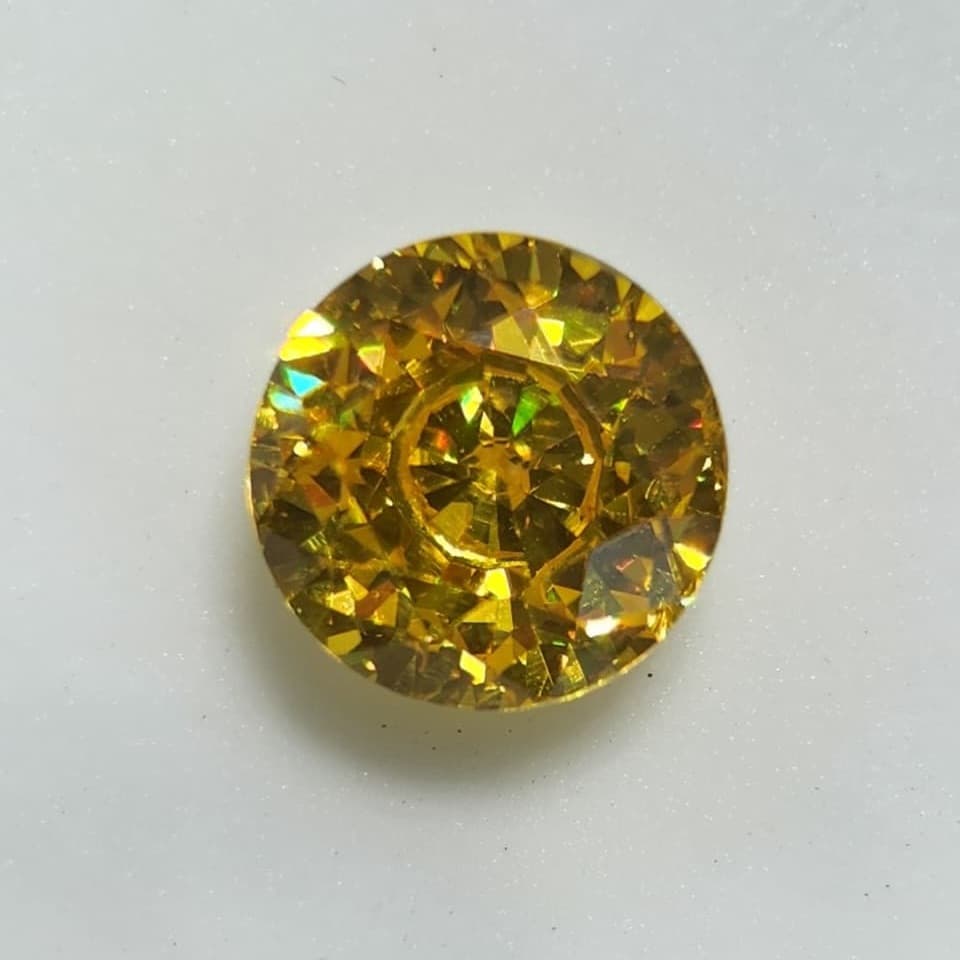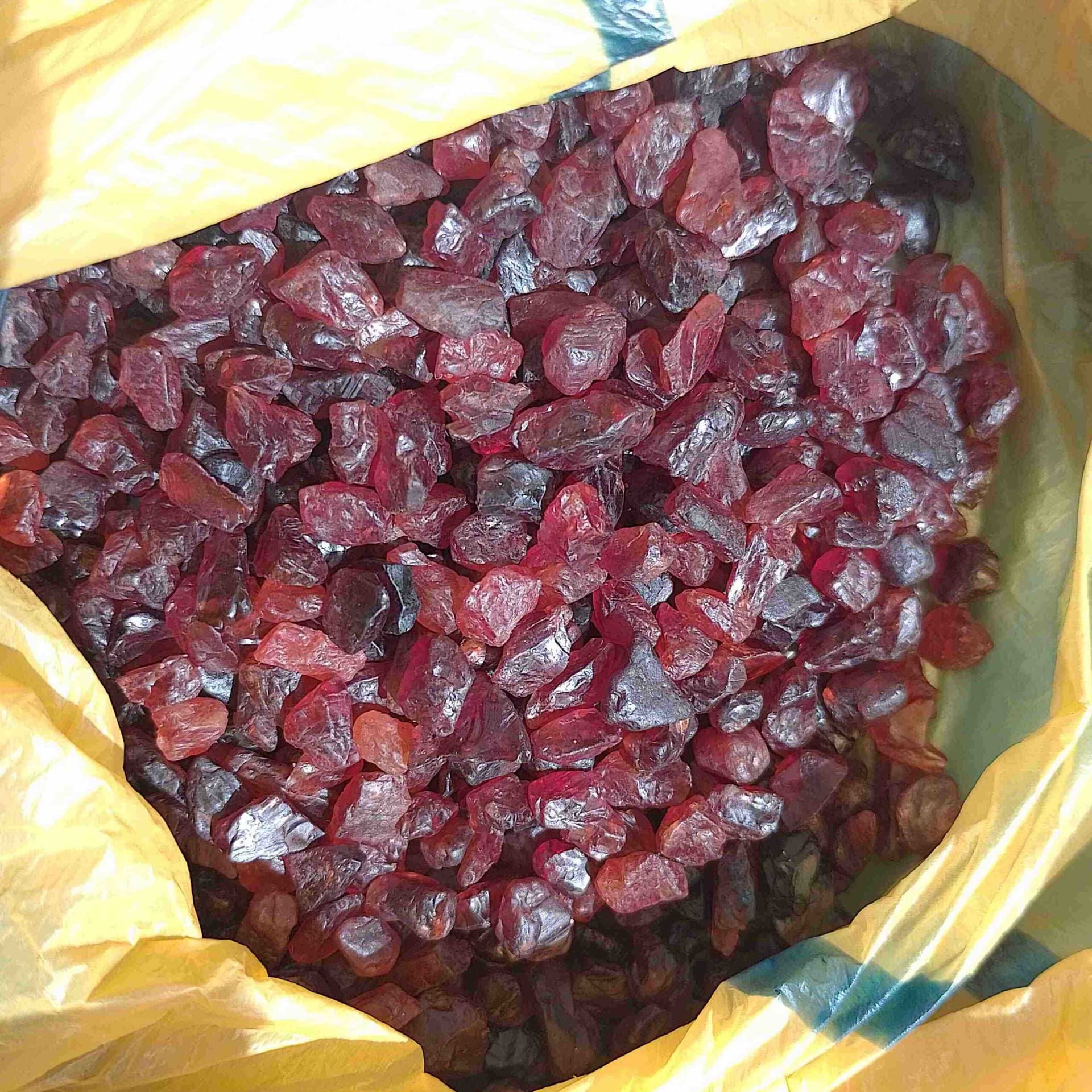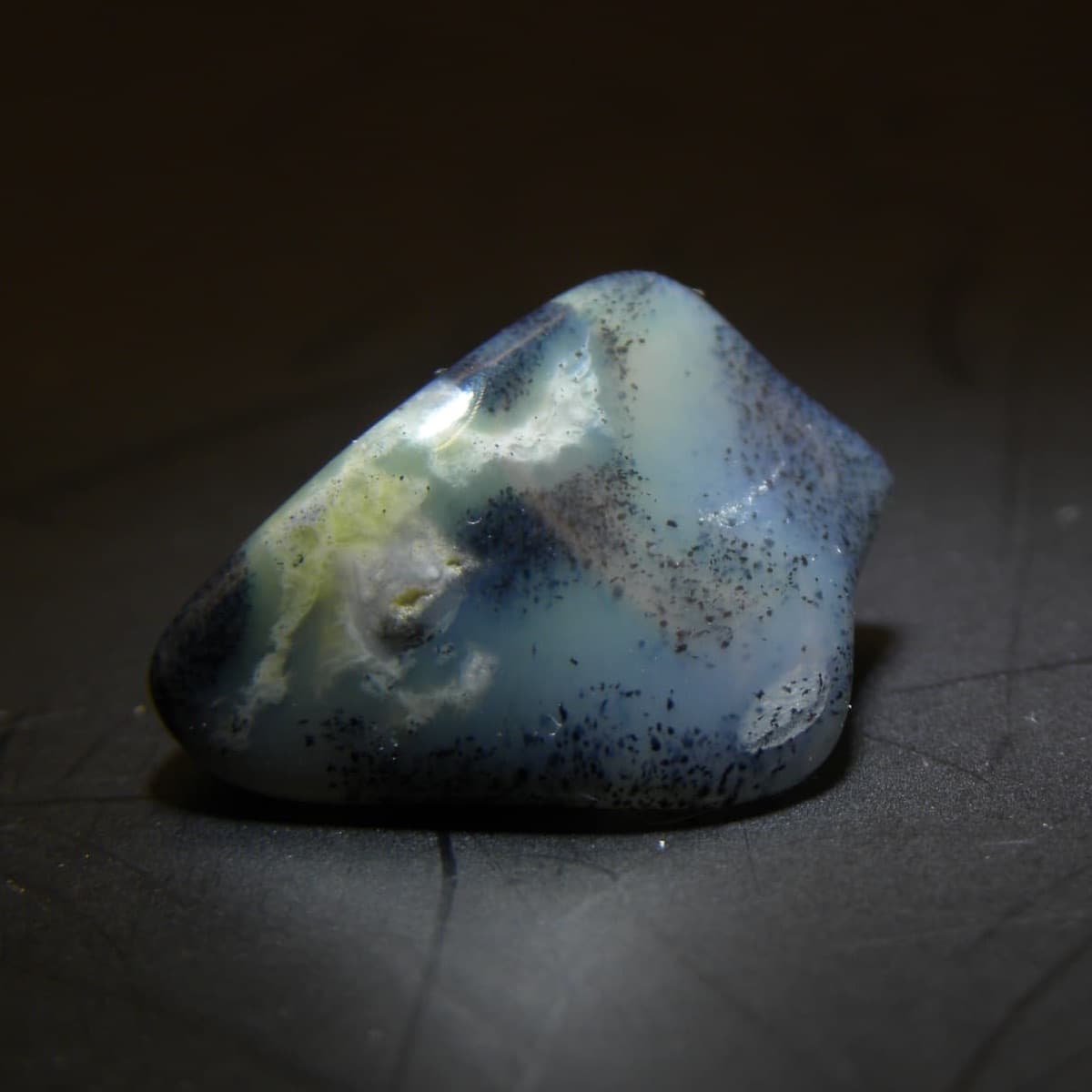
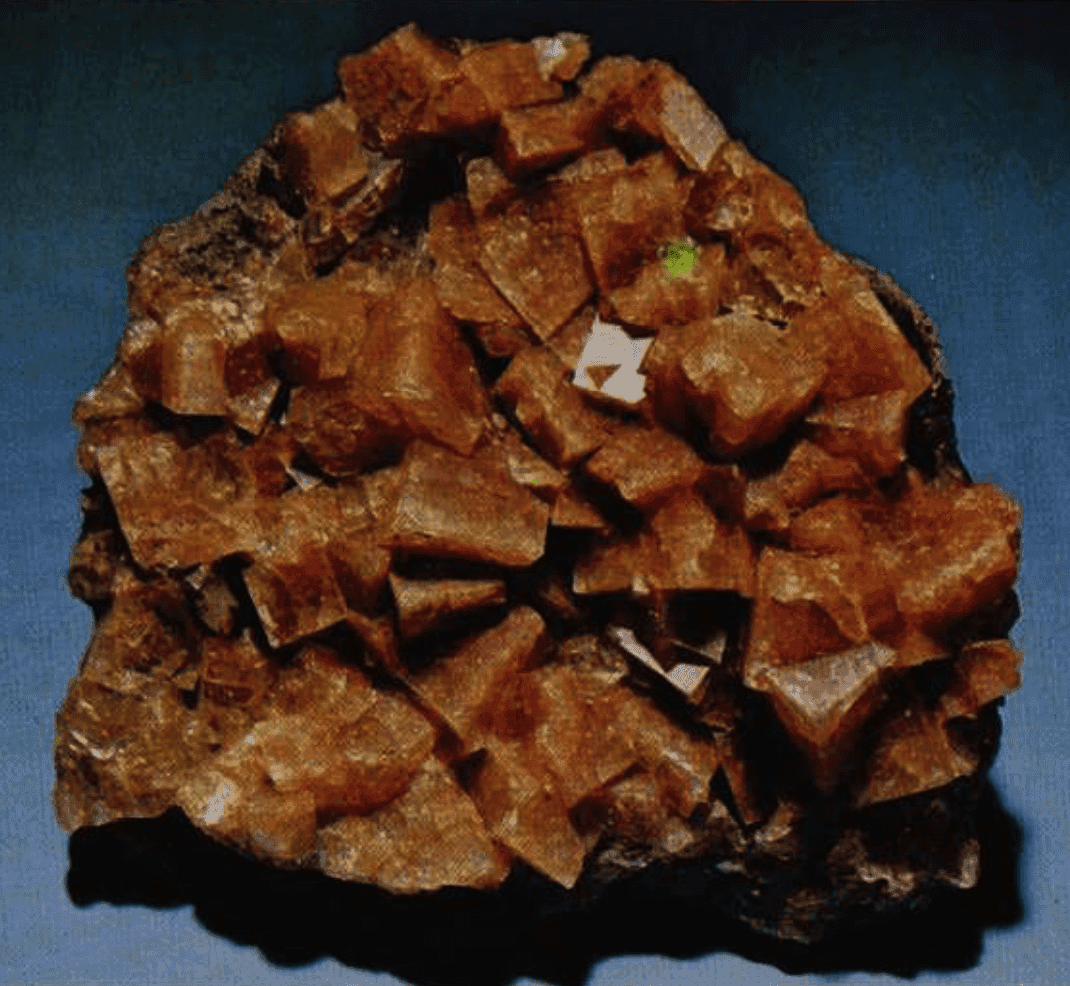
Although faceting chabazite isn't too difficult, it's too soft for jewelry. However, only a handful of cut chabazites may exist because facetable material is extremely scarce.
1 Minute Read
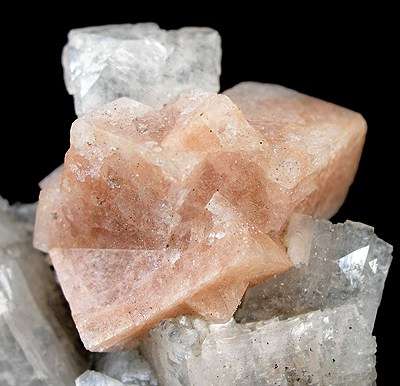
Chabazite refers to a series of related minerals. This series include calcium (Ca), potassium (K), magnesium (Mg), sodium (Na), and strontium (Sr) dominant members. The sodium-dominant member is also known as herschelite.
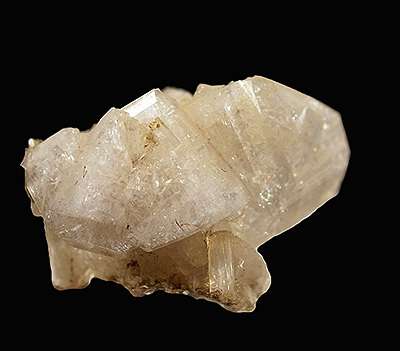
Chabazite can show pale but attractive colors. Unfortunately, it's too soft to wear (hardness 4-5) and rarely found in clean condition. Usually, faceters can cut only one corner of pinkish or colorless crystals, since they're never entirely transparent. You're more likely to find chabazites in mineral collections, if at all, than in jewelry collections. Even museum collections of rare gemstones seldom possess cut chabazites.
This rare, relatively little-known gem has a poetic but mangled etymology. As Senning and DaveWilton discuss, the name "chabazite" comes from a poem attributed to the poet Orpheus from Greek mythology. However, the actual source, the 4th century CE Orphic Lithica of Pseudo-Orpheus, refers to chalazias, a stone said to be like hail. According to this mystical work, the stone purportedly cooled passions and cured fevers and snakebites. The "b" in the modern name came from a misspelling in a text of the poem used in the 18th century. (2005) Evidently, its magical purview doesn't cover typos.
What was chalazias? Possible identities for this gem range from quartz to diamond. Chabazites have been found in Greece, Cyprus, and the Aegean region, too.
Chabazite's optic sign may vary. It may be uniaxial positive or negative.
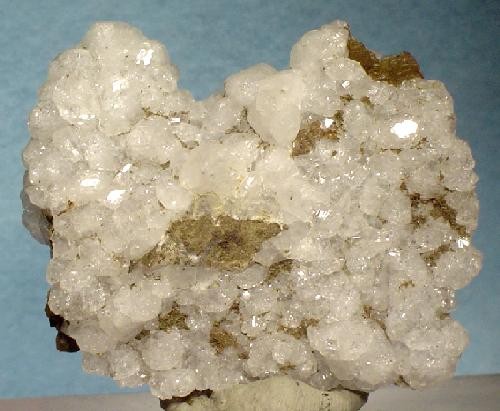
Labs have created synthetic minerals, like SSZ-13, isostructural with chabazite. (They share the same crystal structure but not the same chemical composition). These materials only have industrial uses.
Cut chabazites are always very small, usually less than 1-2 carats.
Chabazites have significantly lower hardness than common jewelry stones, such as quartz and topaz, not to mention diamond. Therefore, store them separately from other gems to avoid contact scratches. For cleaning, use a soft brush, mild detergent, and warm water. Consult our gemstone jewelry cleaning guide for more recommendations.
Senning and DaveWilton (2005). "Chabazite," Wordorigins Discussion Forum. (Accessed 2/13/24)

When you join the IGS community, you get trusted diamond & gemstone information when you need it.
Chabazite refers to a series of related minerals. This series include calcium (Ca), potassium (K), magnesium (Mg), sodium (Na), and strontium (Sr) dominant members. The sodium-dominant member is also known as herschelite.
Chabazite can show pale but attractive colors. Unfortunately, it's too soft to wear (hardness 4-5) and rarely found in clean condition. Usually, faceters can cut only one corner of pinkish or colorless crystals, since they're never entirely transparent. You're more likely to find chabazites in mineral collections, if at all, than in jewelry collections. Even museum collections of rare gemstones seldom possess cut chabazites.
This rare, relatively little-known gem has a poetic but mangled etymology. As Senning and DaveWilton discuss, the name "chabazite" comes from a poem attributed to the poet Orpheus from Greek mythology. However, the actual source, the 4th century CE Orphic Lithica of Pseudo-Orpheus, refers to chalazias, a stone said to be like hail. According to this mystical work, the stone purportedly cooled passions and cured fevers and snakebites. The "b" in the modern name came from a misspelling in a text of the poem used in the 18th century. (2005) Evidently, its magical purview doesn't cover typos.
What was chalazias? Possible identities for this gem range from quartz to diamond. Chabazites have been found in Greece, Cyprus, and the Aegean region, too.
Chabazite's optic sign may vary. It may be uniaxial positive or negative.
Labs have created synthetic minerals, like SSZ-13, isostructural with chabazite. (They share the same crystal structure but not the same chemical composition). These materials only have industrial uses.
Cut chabazites are always very small, usually less than 1-2 carats.
Chabazites have significantly lower hardness than common jewelry stones, such as quartz and topaz, not to mention diamond. Therefore, store them separately from other gems to avoid contact scratches. For cleaning, use a soft brush, mild detergent, and warm water. Consult our gemstone jewelry cleaning guide for more recommendations.
Senning and DaveWilton (2005). "Chabazite," Wordorigins Discussion Forum. (Accessed 2/13/24)


Although faceting chabazite isn’t too difficult, it’s too soft for jewelry. However, only a handful of cut chabazites may exist because facetable material is extremely scarce.