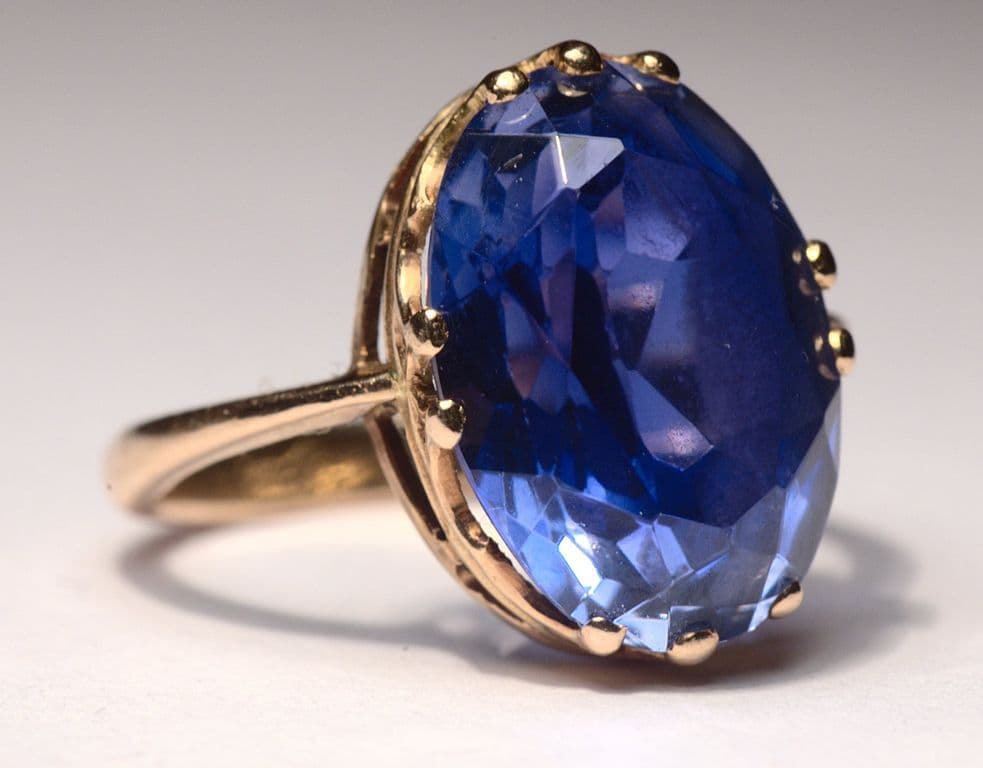
A little gemology goes a long way. Learn how to clean your gemstone jewelry safely and how to deal with difficult jewelry settings and sensitive gems.
4 Minute Read

Have the gemstones in your jewelry been properly identified? Different gemstones have different physical properties. That means they can react very differently to heat, light, acids, and scratching.
Don't assume a gem's resistance to one type of exposure is the same for all types of exposure. Hardness is a commonly referenced physical quality for gemstones, and those that rank high on the Mohs scale, such as diamonds, rubies, and sapphires, are prized choices for jewelry. However, a high Mohs score doesn't make the gemstone indestructible. Hardness is the ability to resist scratching and nothing more. For example, diamonds have the greatest hardness of any natural material. However, they can have inclusions and incipient cleaves that might have unfortunate reactions to heat or mechanical cleaning.
Gemstone treatments can enhance appearance but can also negatively interact with some cleaning processes. For example, gem merchants sometimes fill tiny fractures in emerald gems with oils. This improves the emeralds' transparency. However, exposing an oil-treated emerald to heat or an ultrasonic cleaning could damage it.

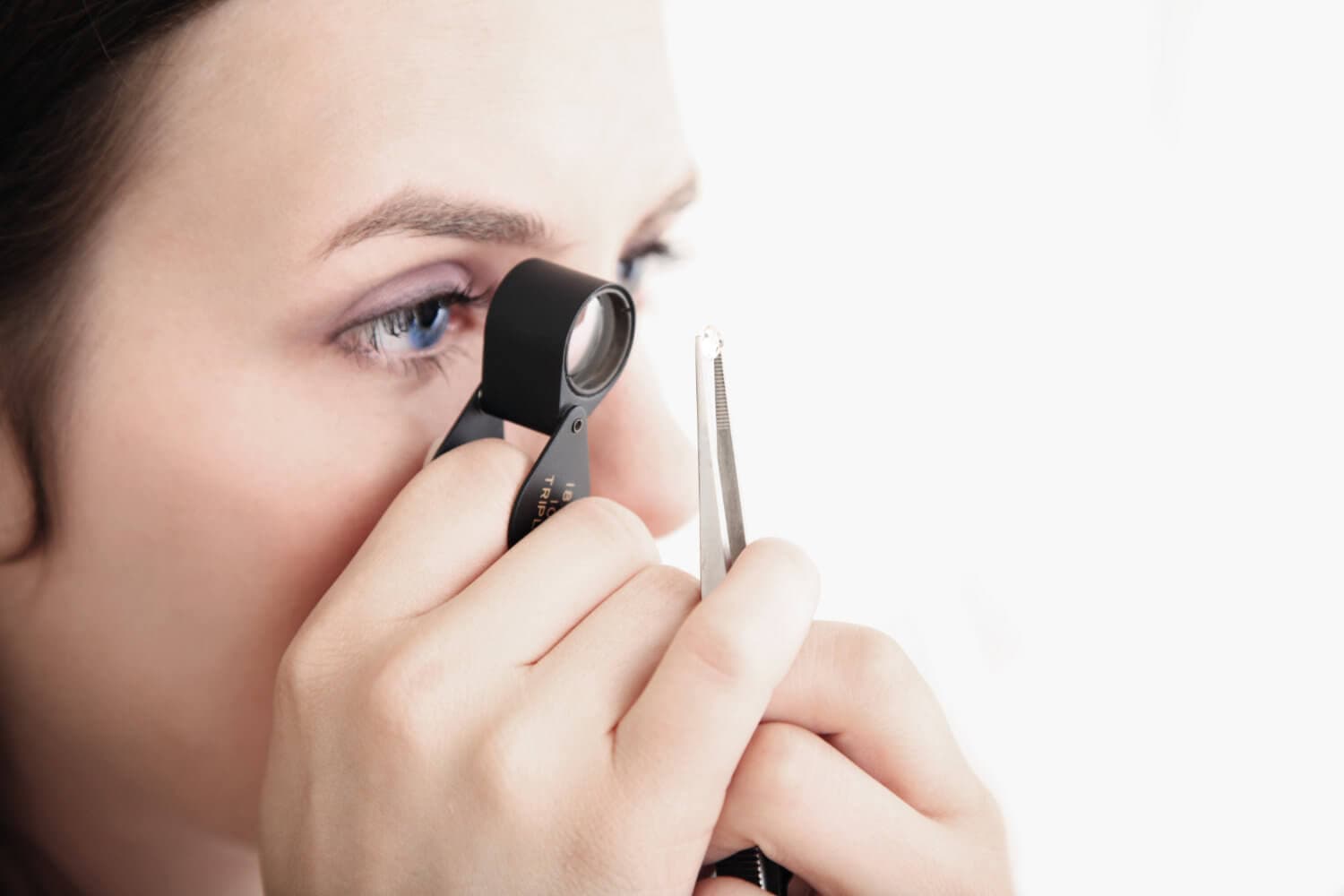
Knowing your collection is the critical first step to choosing the best cleaning method. Reputable jewelers should provide information about the gems you purchase. Gemologists can accurately identify your gems as well as any treatments they've received. They can also assess the unique inclusions and physical quirks of individual gems you possess that might impact their care. The International Gem Society lists recommended gem identification laboratories and appraisal services.
Once you've identified your gems, consult our gemstone care guide for how to clean your jewelry. If cleaning with mild detergent at home is the best course of action, here are some recommendations:
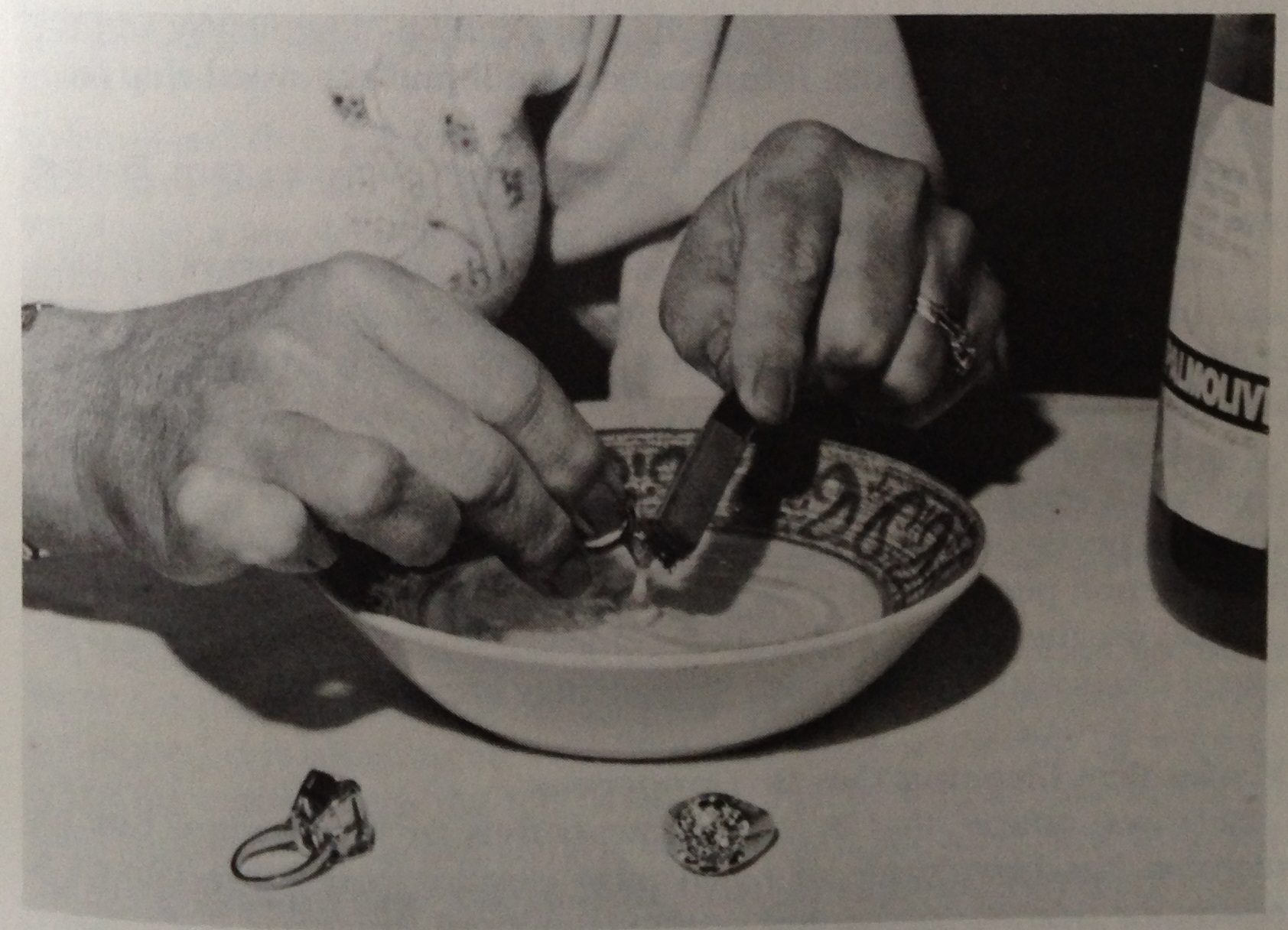
Nowadays, you can easily purchase toothbrushes with bristles designated "soft" or "extra-soft." These are fine for cleaning most jewelry stones at home. However, avoid using any brush with hard, inflexible bristles or any toothbrush with bristles designated "medium" or "firm/hard." Toothbrushes with "medium" or "firm/hard" bristles can potentially scratch tooth enamel, which has a Mohs hardness of 5. While most gems typically used for jewelry have a hardness greater than 5, gold and silver alloys commonly used for settings only have a hardness of 2 to 3. Platinum has a hardness of 4.5. A toothbrush with medium or hard bristles could easily scratch jewelry settings made from these metals.
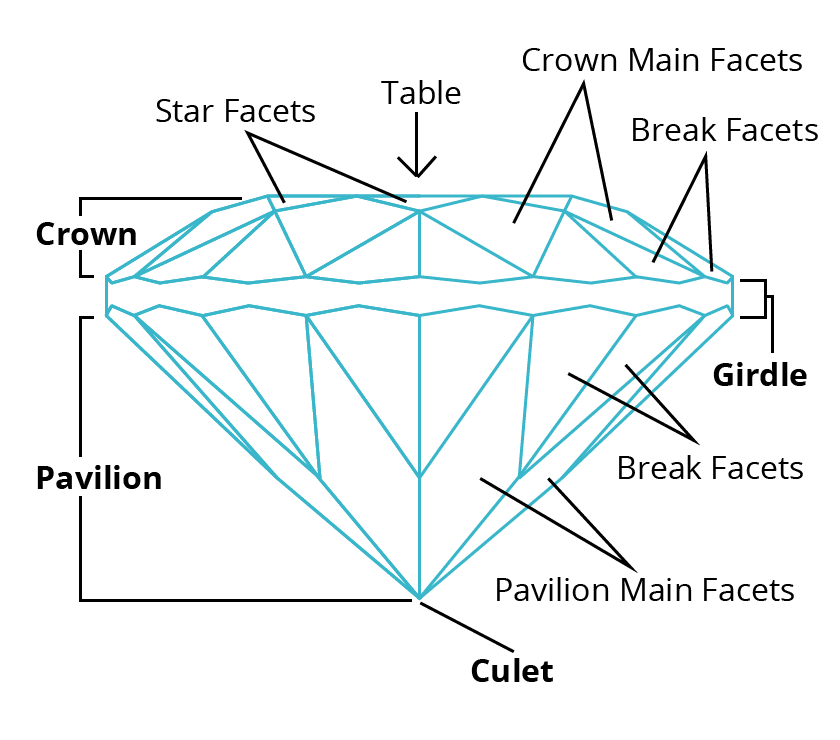
Familiarize yourself with the various types of gem facets and their functions.
To get transparent faceted gemstones to look their best, the pavilion facets below the girdle of the gem need to be cleaned carefully. These facets play a critical role in gemstone dispersion, the beautiful reflection of colors. Unfortunately, dirt tends to accumulate on the underside of a gem.
The prongs of a jewelry setting can make the pavilion difficult to reach. Furthermore, some gem setters may not smooth out notches they cut into the prongs, making them prime repositories for dirt. Be especially watchful cleaning around the prongs. A fine camel hair artist's brush is highly recommended for getting at the pavilions and the prongs.

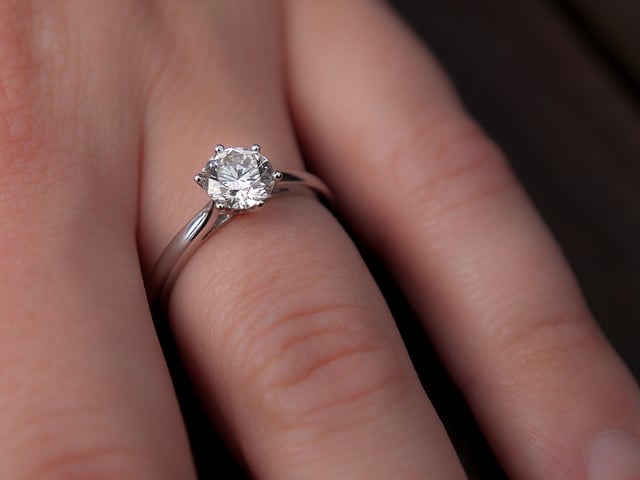
Cleaning your gemstones after they get dirty is only part of proper care. Pre-use care is also important.
Apply your perfumes, colognes, and hairsprays before you put on gemstone jewelry. Not only will these chemicals reduce gem brilliance, the ability to return light, they can be highly destructive to some gems, such as pearls, which react violently to acid and alcohol.
If possible, wear your perfumes and colognes in areas that won't come in contact with your gems. In the case of pearls, try to keep them out of contact with skin, whether you're wearing perfume or not.
Perspiration is inimical to pearls. If it's impossible to keep your pearls away from your skin (if they're on chokers or bracelets, for example), wipe them clean with a damp cloth immediately after wearing them.
You can find more information on caring for sensitive gemstones in our article on pearl and opal jewelry.
Many different kinds of gemstones have been used in jewelry, and some may have special properties that can affect how you should clean and wear them. Learn more about your particular gemstone in our encyclopedia articles and buying guides.



When you join the IGS community, you get trusted diamond & gemstone information when you need it.
Have the gemstones in your jewelry been properly identified? Different gemstones have different physical properties. That means they can react very differently to heat, light, acids, and scratching.
Don't assume a gem's resistance to one type of exposure is the same for all types of exposure. Hardness is a commonly referenced physical quality for gemstones, and those that rank high on the Mohs scale, such as diamonds, rubies, and sapphires, are prized choices for jewelry. However, a high Mohs score doesn't make the gemstone indestructible. Hardness is the ability to resist scratching and nothing more. For example, diamonds have the greatest hardness of any natural material. However, they can have inclusions and incipient cleaves that might have unfortunate reactions to heat or mechanical cleaning.
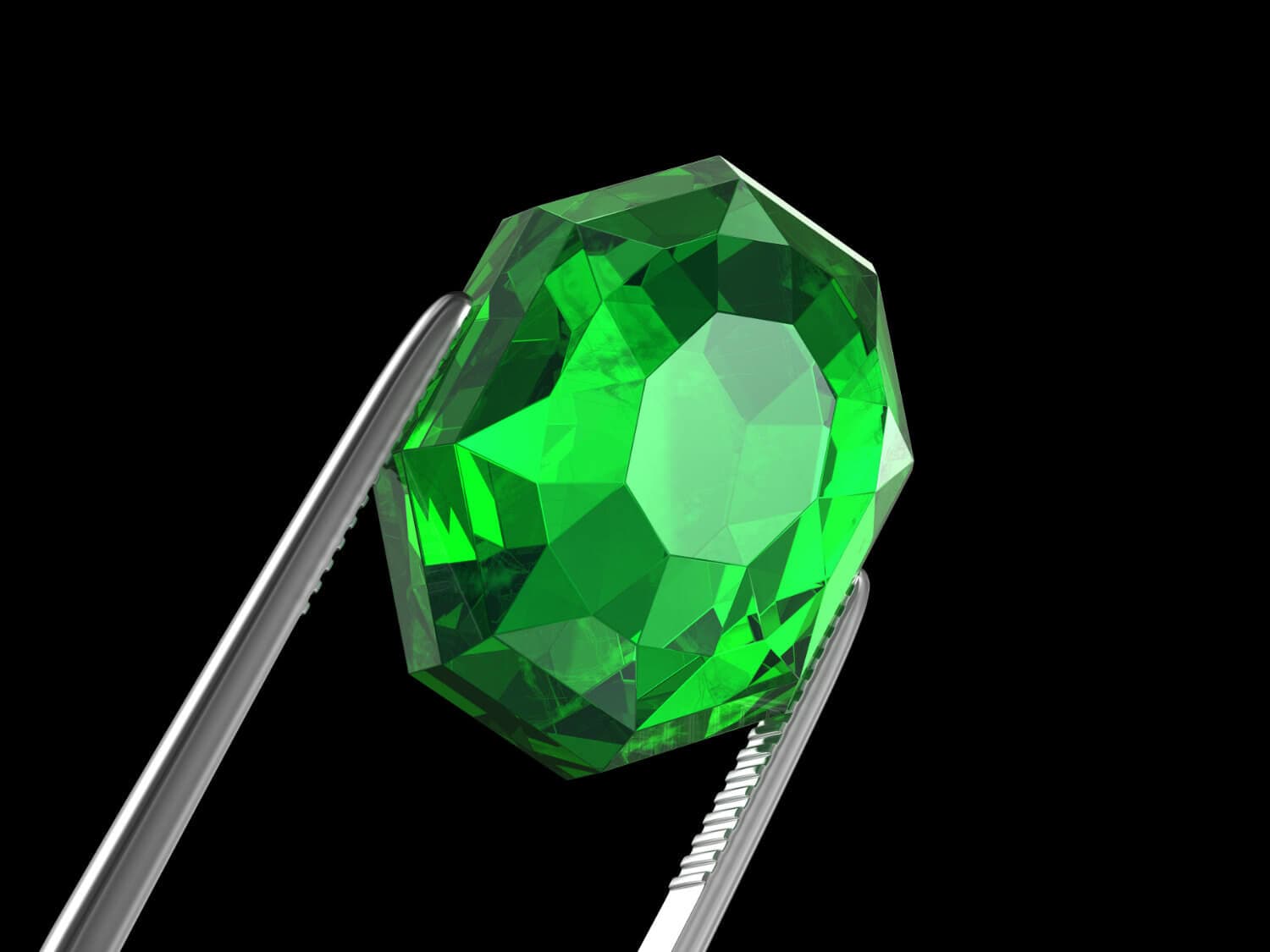
Gemstone treatments can enhance appearance but can also negatively interact with some cleaning processes. For example, gem merchants sometimes fill tiny fractures in emerald gems with oils. This improves the emeralds' transparency. However, exposing an oil-treated emerald to heat or an ultrasonic cleaning could damage it.
Knowing your collection is the critical first step to choosing the best cleaning method. Reputable jewelers should provide information about the gems you purchase. Gemologists can accurately identify your gems as well as any treatments they've received. They can also assess the unique inclusions and physical quirks of individual gems you possess that might impact their care. The International Gem Society lists recommended gem identification laboratories and appraisal services.
Once you've identified your gems, consult our gemstone care guide for how to clean your jewelry. If cleaning with mild detergent at home is the best course of action, here are some recommendations:
Nowadays, you can easily purchase toothbrushes with bristles designated "soft" or "extra-soft." These are fine for cleaning most jewelry stones at home. However, avoid using any brush with hard, inflexible bristles or any toothbrush with bristles designated "medium" or "firm/hard." Toothbrushes with "medium" or "firm/hard" bristles can potentially scratch tooth enamel, which has a Mohs hardness of 5. While most gems typically used for jewelry have a hardness greater than 5, gold and silver alloys commonly used for settings only have a hardness of 2 to 3. Platinum has a hardness of 4.5. A toothbrush with medium or hard bristles could easily scratch jewelry settings made from these metals.
Familiarize yourself with the various types of gem facets and their functions.
To get transparent faceted gemstones to look their best, the pavilion facets below the girdle of the gem need to be cleaned carefully. These facets play a critical role in gemstone dispersion, the beautiful reflection of colors. Unfortunately, dirt tends to accumulate on the underside of a gem.
The prongs of a jewelry setting can make the pavilion difficult to reach. Furthermore, some gem setters may not smooth out notches they cut into the prongs, making them prime repositories for dirt. Be especially watchful cleaning around the prongs. A fine camel hair artist's brush is highly recommended for getting at the pavilions and the prongs.
Cleaning your gemstones after they get dirty is only part of proper care. Pre-use care is also important.
Apply your perfumes, colognes, and hairsprays before you put on gemstone jewelry. Not only will these chemicals reduce gem brilliance, the ability to return light, they can be highly destructive to some gems, such as pearls, which react violently to acid and alcohol.
If possible, wear your perfumes and colognes in areas that won't come in contact with your gems. In the case of pearls, try to keep them out of contact with skin, whether you're wearing perfume or not.
Perspiration is inimical to pearls. If it's impossible to keep your pearls away from your skin (if they're on chokers or bracelets, for example), wipe them clean with a damp cloth immediately after wearing them.
You can find more information on caring for sensitive gemstones in our article on pearl and opal jewelry.
Many different kinds of gemstones have been used in jewelry, and some may have special properties that can affect how you should clean and wear them. Learn more about your particular gemstone in our encyclopedia articles and buying guides.