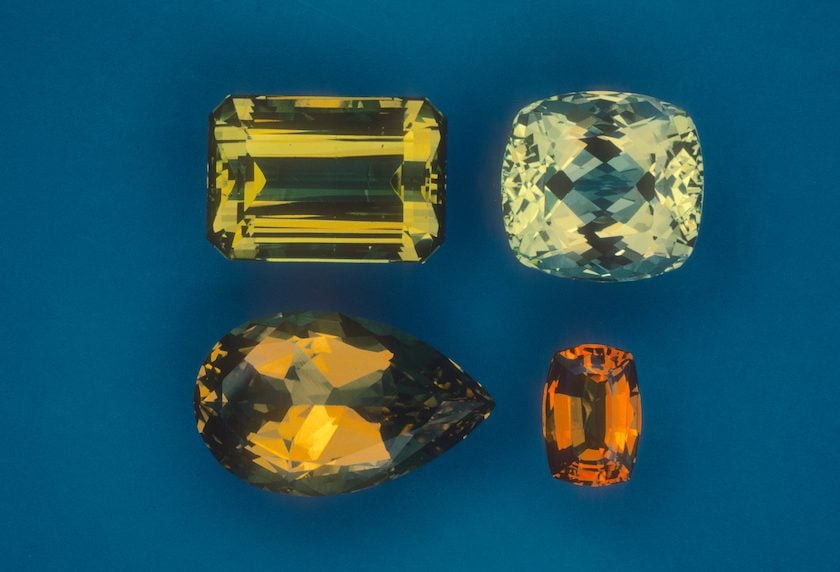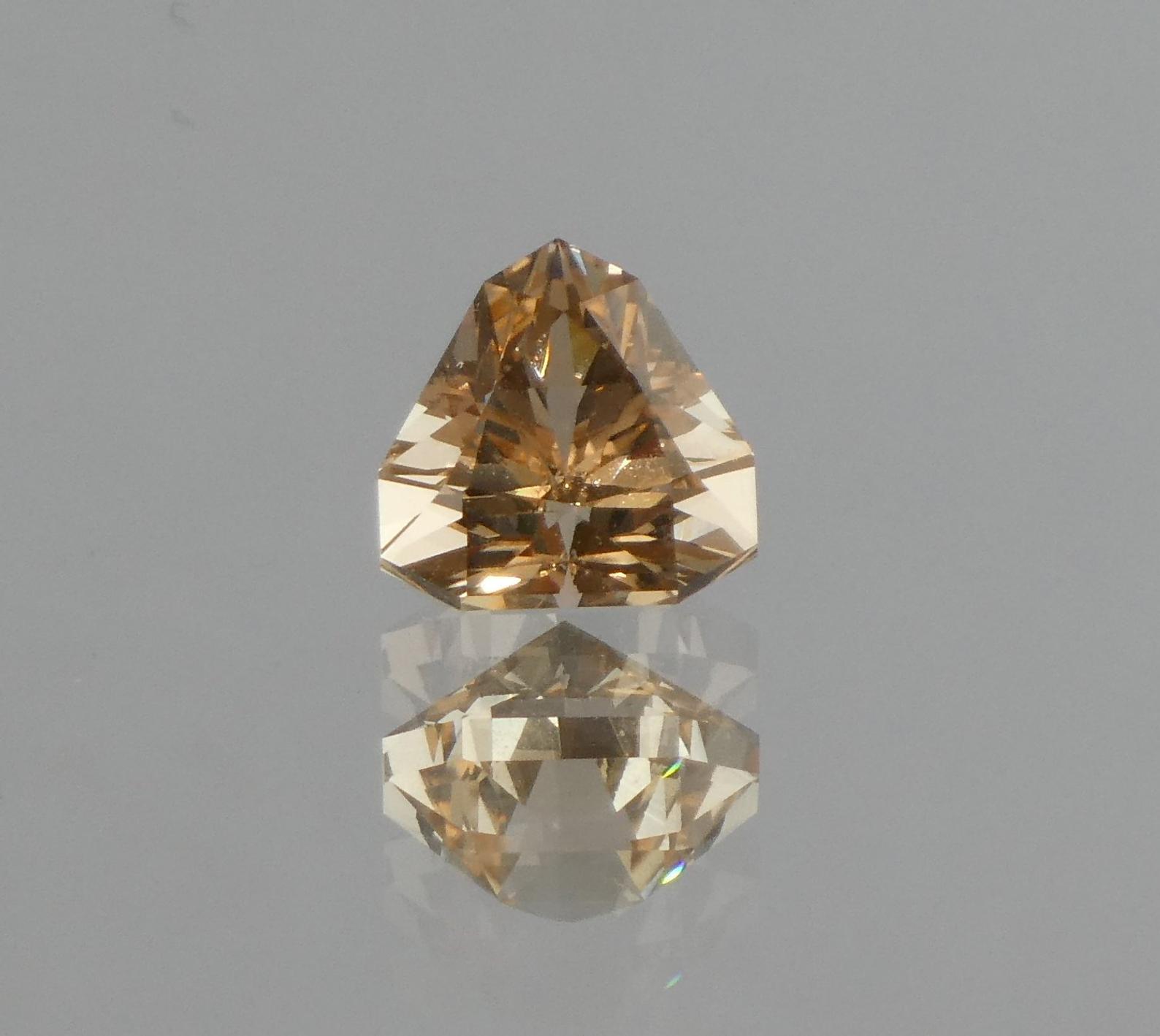
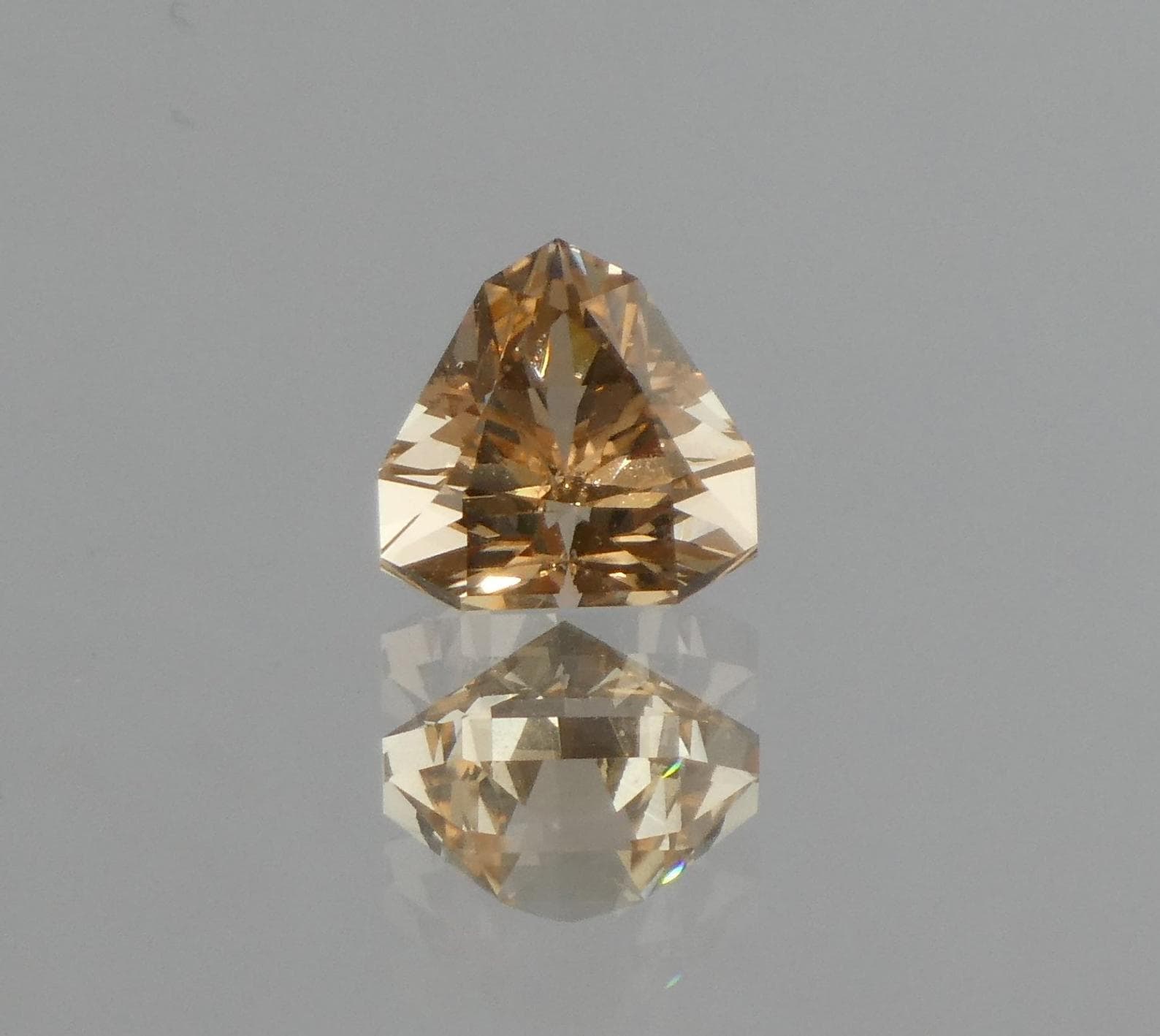
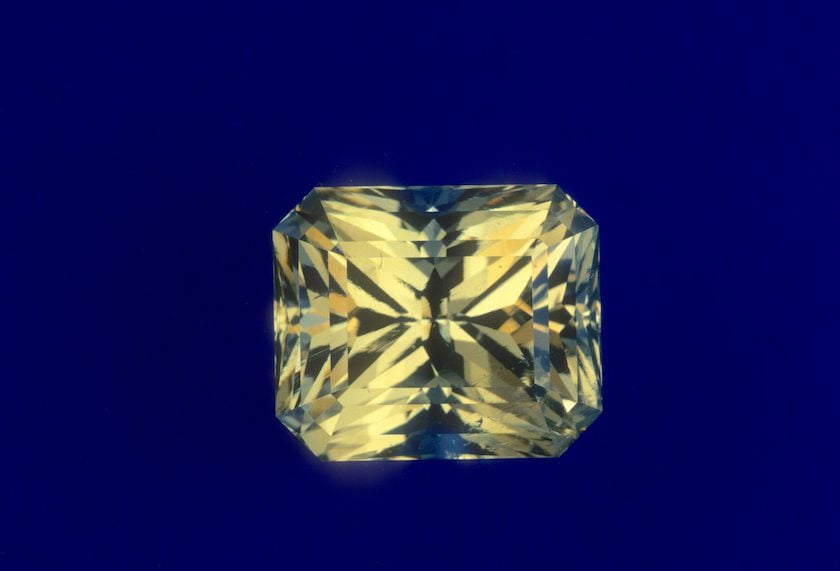
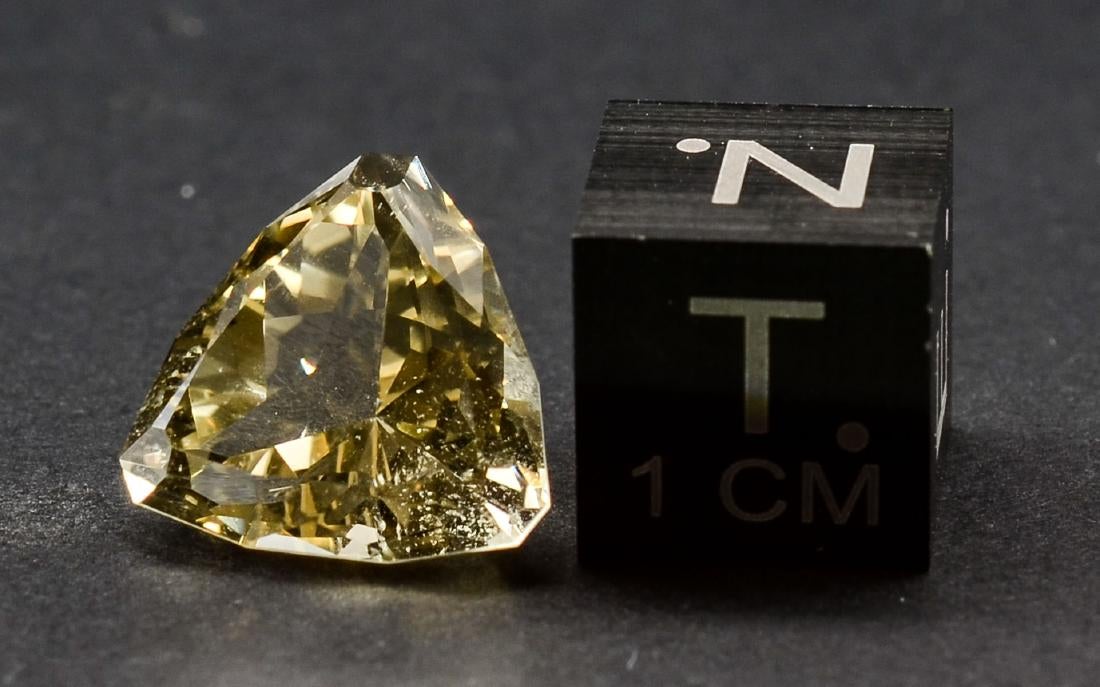
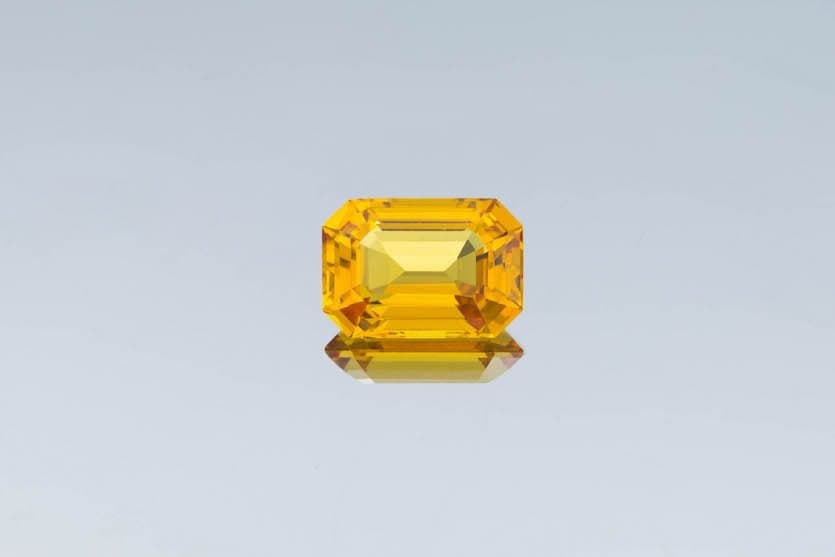
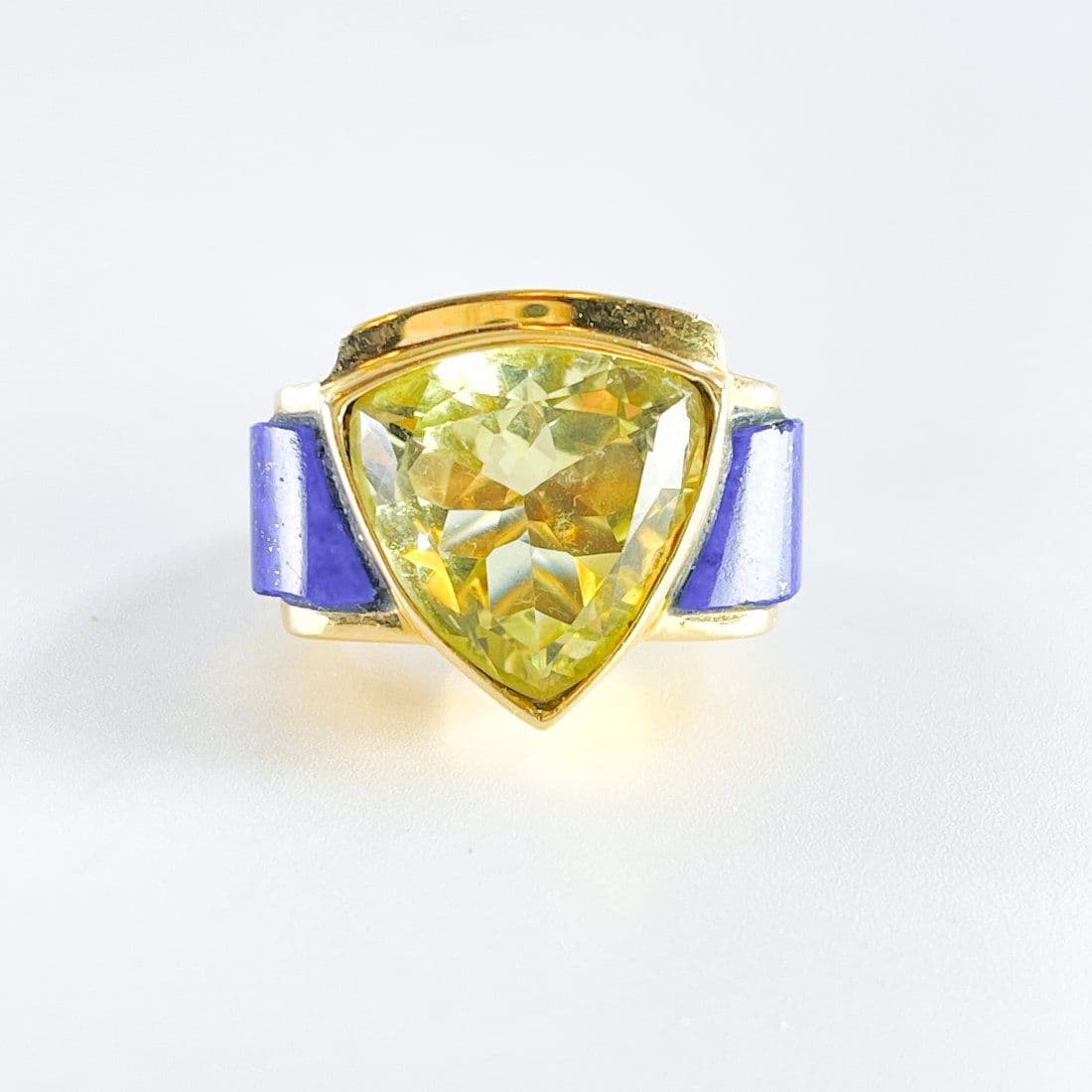
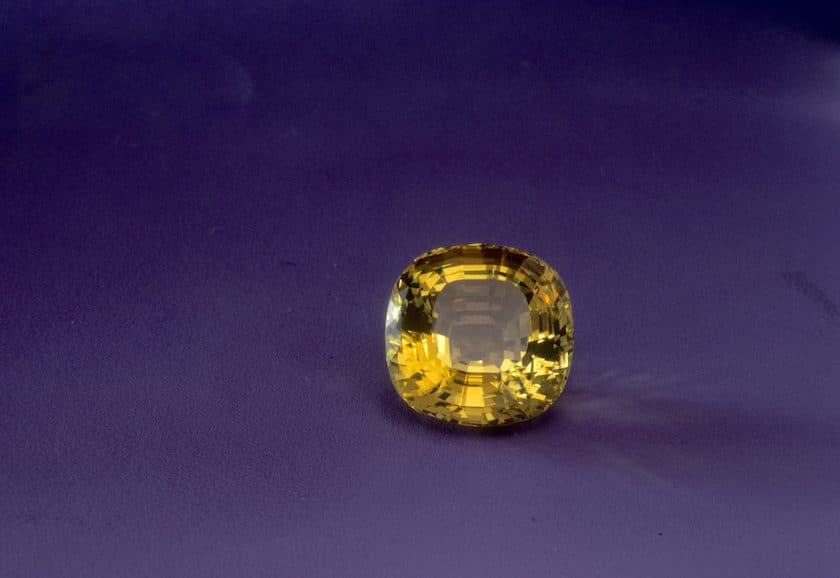
Heliodor is a member of the beryl family. This stone is known for its range of yellow colors — from pale yellow, greenish yellow, orange-yellow, to a deep golden orange. Heliodor can be faceted for jewelry use.
2 Minute Read
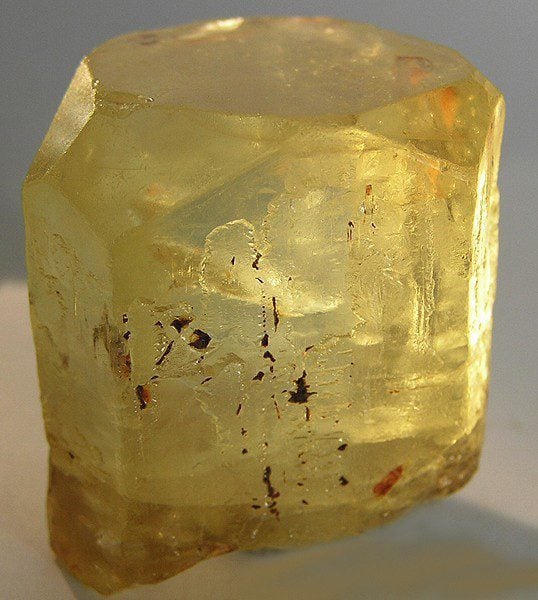
Heliodor is the beryl variety that receives its yellow color from Fe3+ ions. Per Mindat, the name "heliodor" originated as a trade name for golden beryl from Rössing, Namibia but now encompasses any gem-quality, golden-yellow beryl.
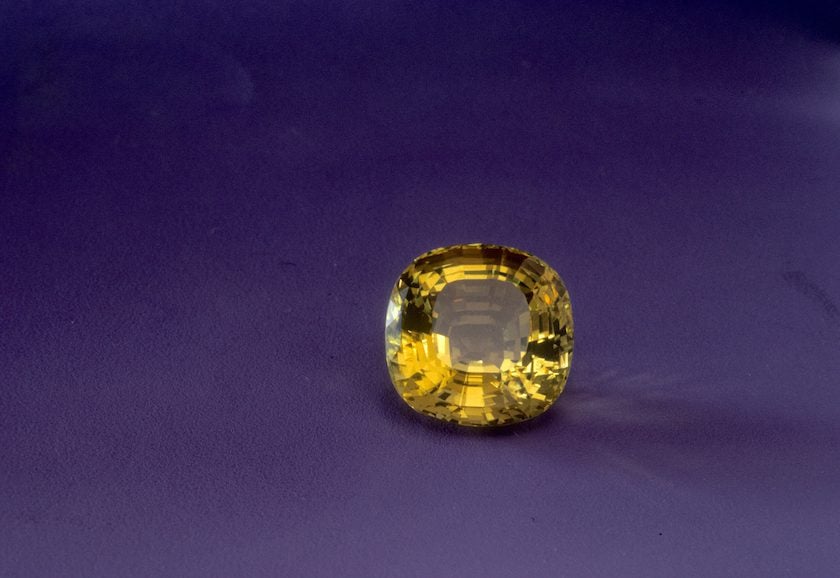
Heliodor is also known as golden beryl. However, some gemological references distinguish between the terms heliodor and golden beryl, using "heliodor" strictly for beryls with a greenish yellow color and "golden beryl" for beryls with pure yellow to gold color. Other references, notably Walter Schumann, reject heliodor as a distinct variety of beryl altogether and consider heliodors as simply "weak-colored" golden beryls.
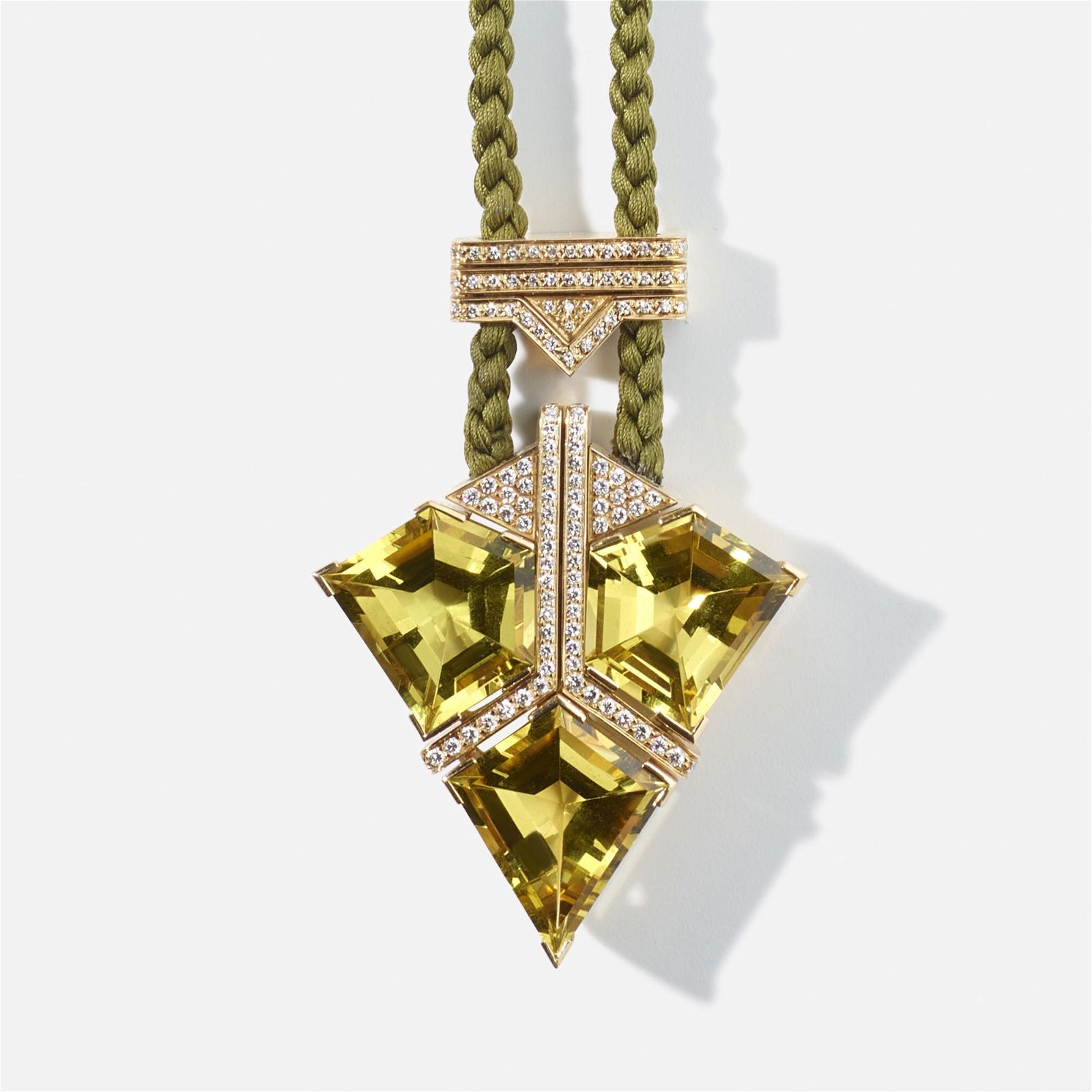
Heliodors make durable jewelry stones, whether faceted or cabbed.
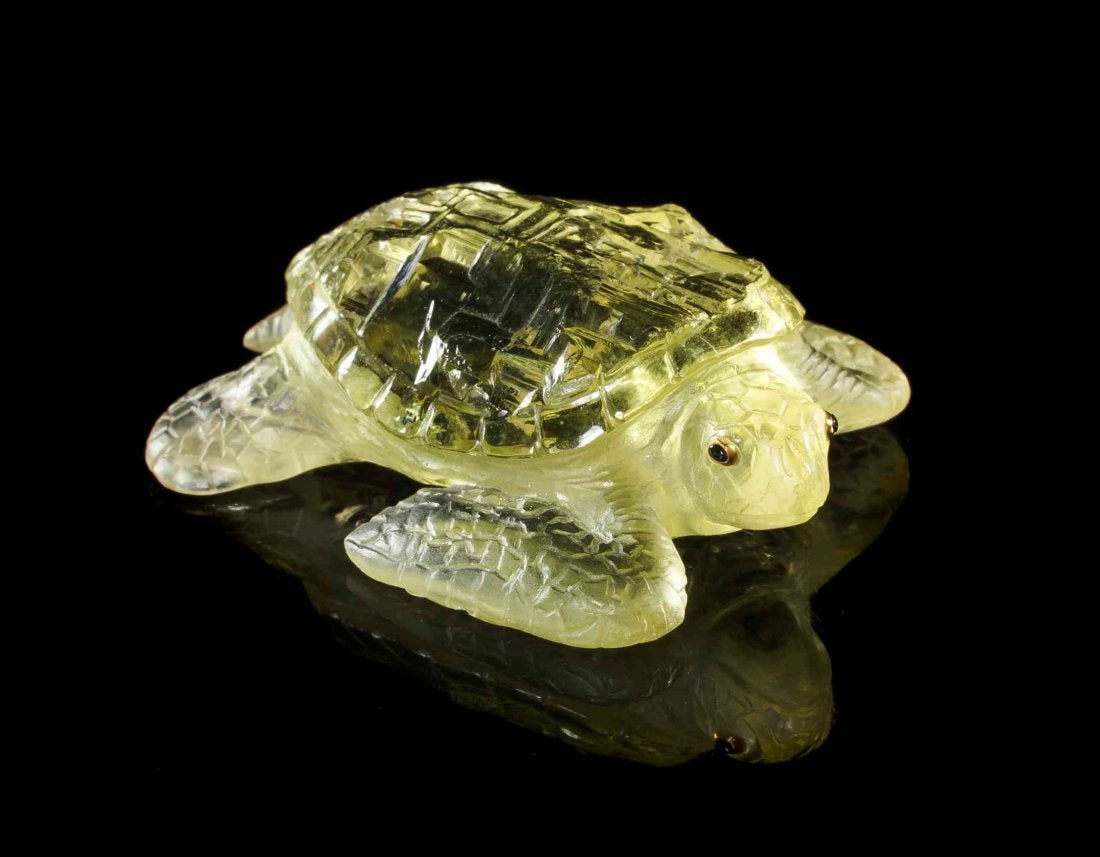
These stones also occur in sizes large enough for carving.
Green beryls are sometimes misidentified as heliodors.
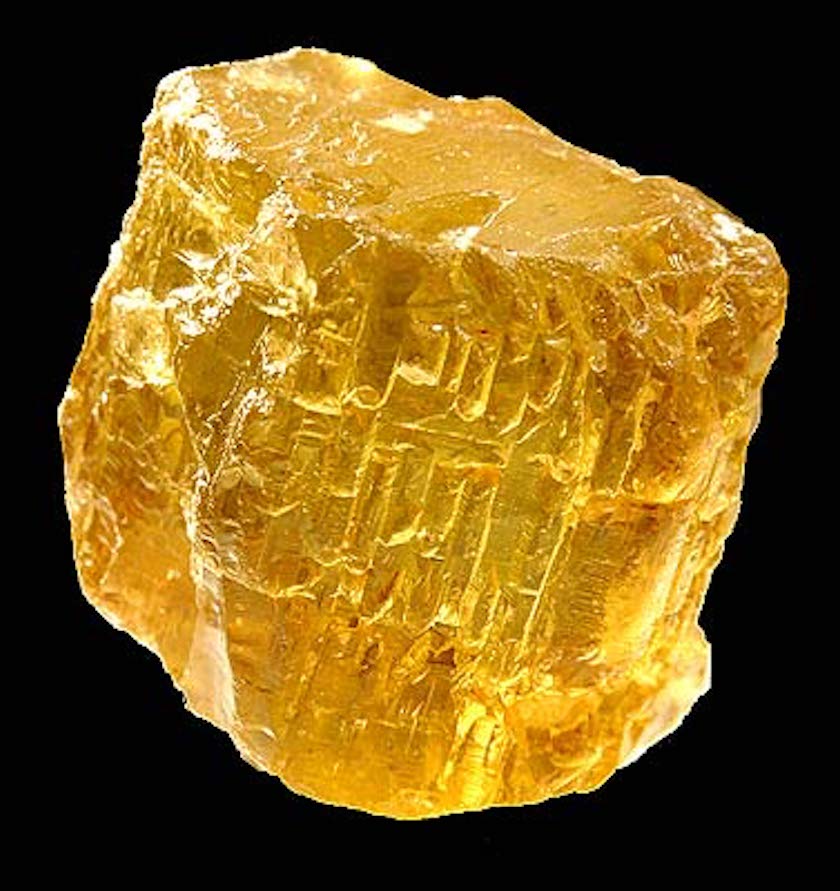
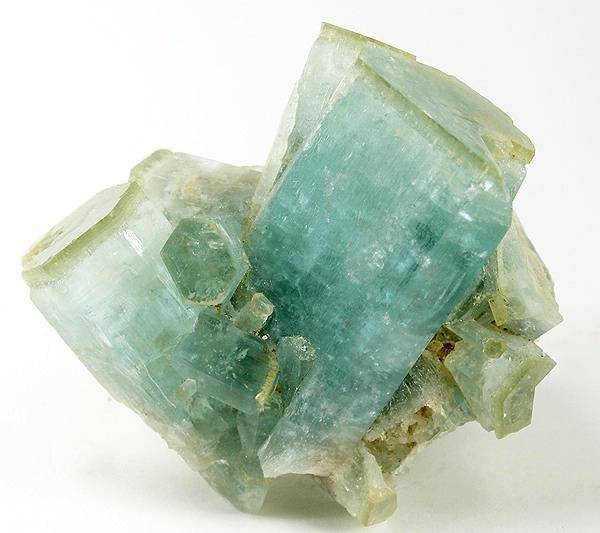
Prismatic heliodor crystals may have naturally etched faces. This results from changes in the chemical composition of the crystal's growth medium due to overpressure during its formation.
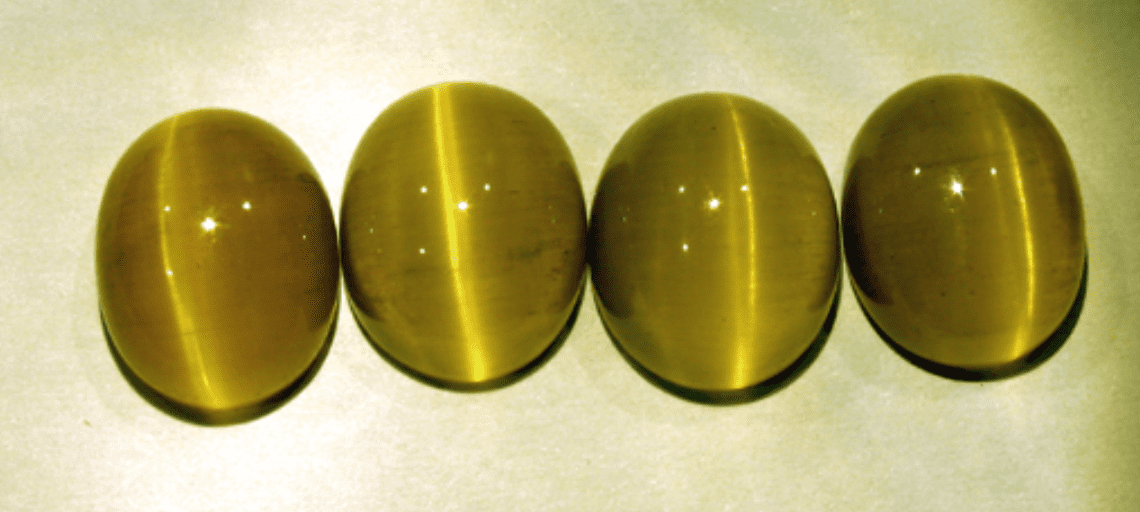
Some cabbed heliodors may show chatoyancy (a "cat's eye" effect).
Manufacturers can synthesize beryls, including heliodors, via flux and hydrothermal methods. You might find these lab-created stones in jewelry.
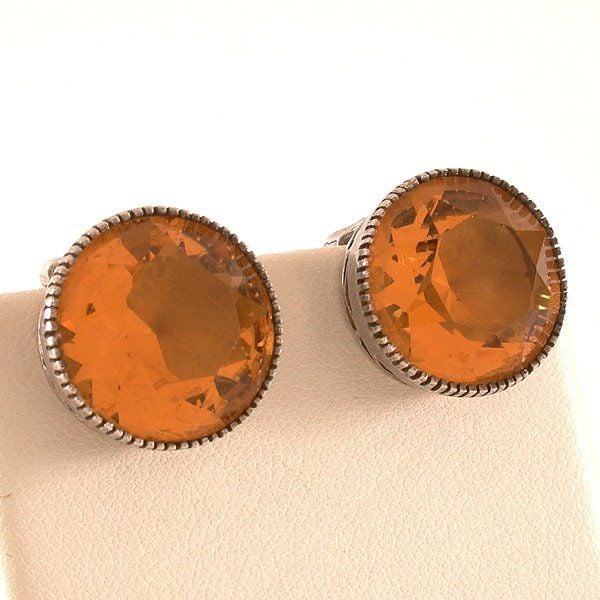
Treatments applied to heliodors include heating, impregnation, and dyeing.
Greenish yellow heliodors may be heated and turned into aquamarines. This is known to have happened with Ukrainian material. Better known by consumers, faceted aquamarines will generally sell for more than heliodors. However, aquamarines may also be irradiated and turned into heliodors. Reportedly, pale aquamarines from Vietnam may receive radiation treatments in Laos, only to be returned to Vietnam and sold as natural heliodors.
Some controversy surrounds so-called heliodors from Zelatoya Vada, Tajikistan. According to Dmitriy Belakovskiy, the curator of the Fersman Museum in Moscow, these heliodors, aside from their color, look like Pakistani aquamarines and Chinese beryls. Furthermore, he was unable to locate the purported source of these stones in the field. (See his chapter in Beryl and Its Color Varieties (2005) for more information). These heliodors may simply be treated aquamarines and/or colorless beryls (goshenite).
Significant sources of gem-quality heliodors include the following:
In the United States, Connecticut produces small but fine colored crystals, some gemmy.
Maine and New Hampshire also produce some crystals.
Other sources:
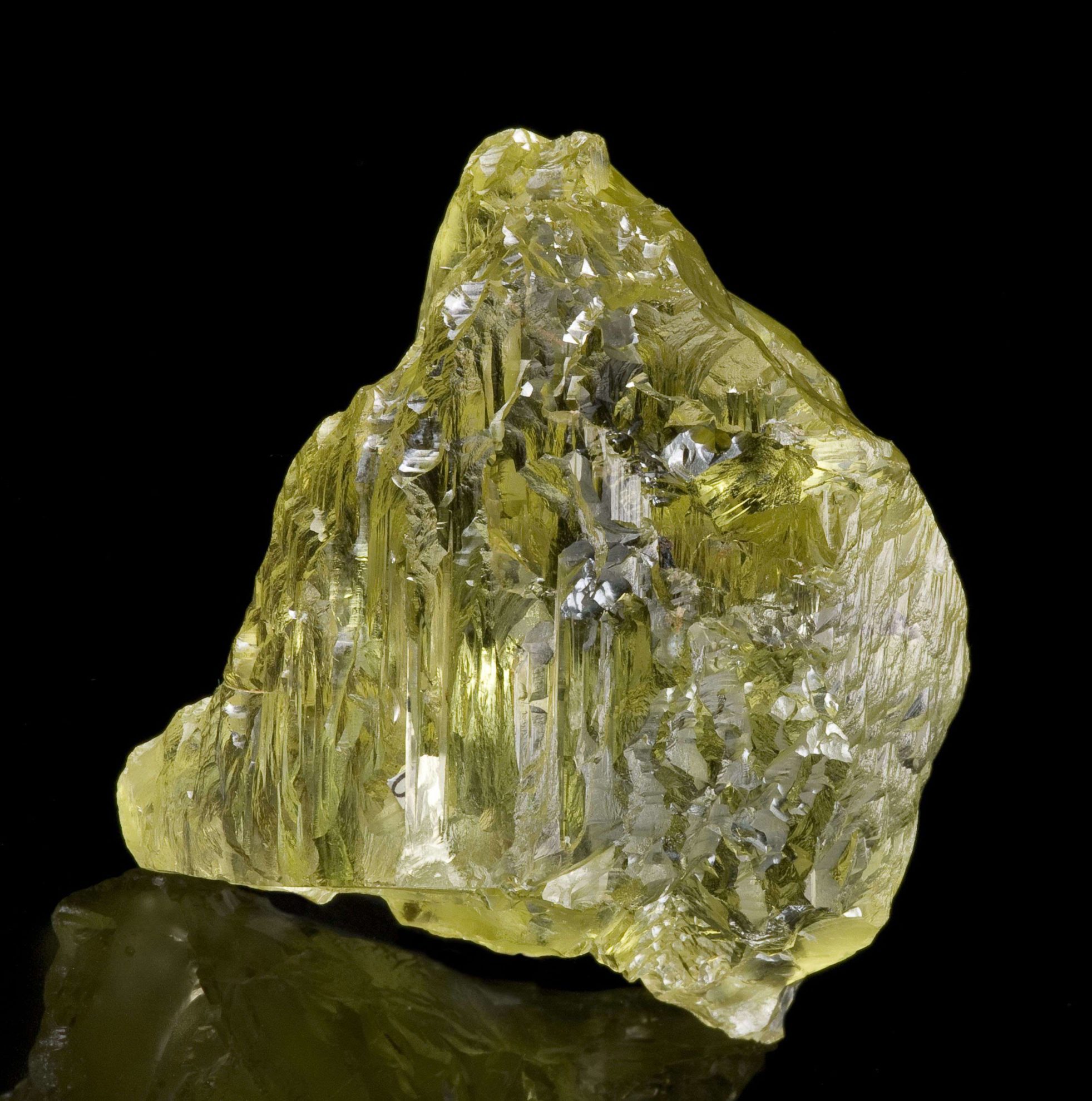
Ukraine has produced rough that has yielded faceted heliodors up to 2,500 cts in weight.
Notable, sizable heliodors in museum collections include the following:
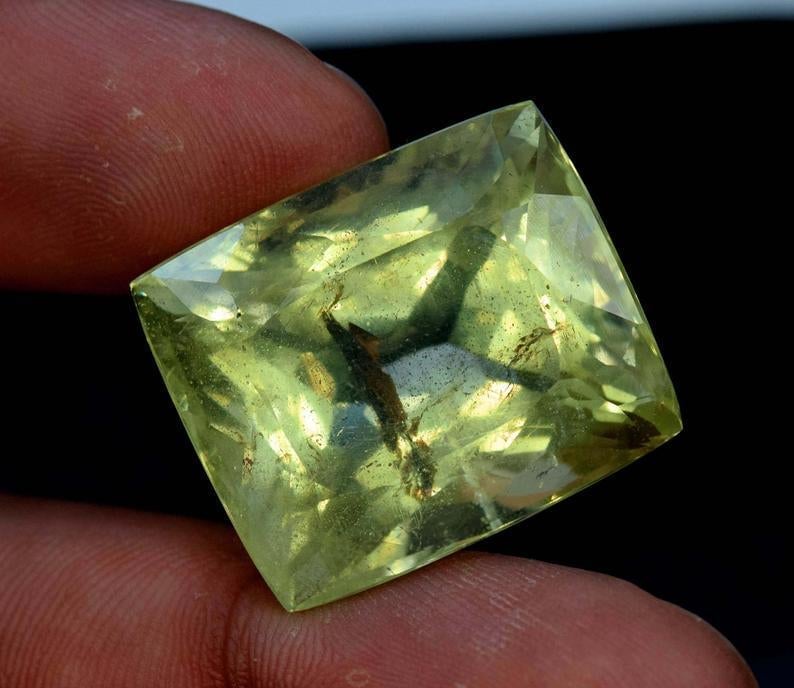
Heliodors free of inclusions can be cleaned using mechanical systems. Have a gemologist examine your gems first to identify any potential weaknesses. Of course, a soft brush, mild detergent, and warm water will always work safely.
Consult our gemstone jewelry care guide for more recommendations.

When you join the IGS community, you get trusted diamond & gemstone information when you need it.
Heliodor is the beryl variety that receives its yellow color from Fe3+ ions. Per Mindat, the name "heliodor" originated as a trade name for golden beryl from Rössing, Namibia but now encompasses any gem-quality, golden-yellow beryl.
Heliodor is also known as golden beryl. However, some gemological references distinguish between the terms heliodor and golden beryl, using "heliodor" strictly for beryls with a greenish yellow color and "golden beryl" for beryls with pure yellow to gold color. Other references, notably Walter Schumann, reject heliodor as a distinct variety of beryl altogether and consider heliodors as simply "weak-colored" golden beryls.
Heliodors make durable jewelry stones, whether faceted or cabbed.
These stones also occur in sizes large enough for carving.
Green beryls are sometimes misidentified as heliodors.
Prismatic heliodor crystals may have naturally etched faces. This results from changes in the chemical composition of the crystal's growth medium due to overpressure during its formation.
Some cabbed heliodors may show chatoyancy (a "cat's eye" effect).
Manufacturers can synthesize beryls, including heliodors, via flux and hydrothermal methods. You might find these lab-created stones in jewelry.
Treatments applied to heliodors include heating, impregnation, and dyeing.
Greenish yellow heliodors may be heated and turned into aquamarines. This is known to have happened with Ukrainian material. Better known by consumers, faceted aquamarines will generally sell for more than heliodors. However, aquamarines may also be irradiated and turned into heliodors. Reportedly, pale aquamarines from Vietnam may receive radiation treatments in Laos, only to be returned to Vietnam and sold as natural heliodors.
Some controversy surrounds so-called heliodors from Zelatoya Vada, Tajikistan. According to Dmitriy Belakovskiy, the curator of the Fersman Museum in Moscow, these heliodors, aside from their color, look like Pakistani aquamarines and Chinese beryls. Furthermore, he was unable to locate the purported source of these stones in the field. (See his chapter in Beryl and Its Color Varieties (2005) for more information). These heliodors may simply be treated aquamarines and/or colorless beryls (goshenite).
Significant sources of gem-quality heliodors include the following:
In the United States, Connecticut produces small but fine colored crystals, some gemmy.
Maine and New Hampshire also produce some crystals.
Other sources:
Ukraine has produced rough that has yielded faceted heliodors up to 2,500 cts in weight.
Notable, sizable heliodors in museum collections include the following:
Heliodors free of inclusions can be cleaned using mechanical systems. Have a gemologist examine your gems first to identify any potential weaknesses. Of course, a soft brush, mild detergent, and warm water will always work safely.
Consult our gemstone jewelry care guide for more recommendations.


Heliodor is a member of the beryl family. This stone is known for its range of yellow colors — from pale yellow, greenish yellow, orange-yellow, to a deep golden orange. Heliodor can be faceted for jewelry use.
As with other beryls, top values for heliodor go to gems with high clarity first and good color a close second. Heliodors are available in large sizes, too, so there’s no increase in price per carat until 10+ carats.