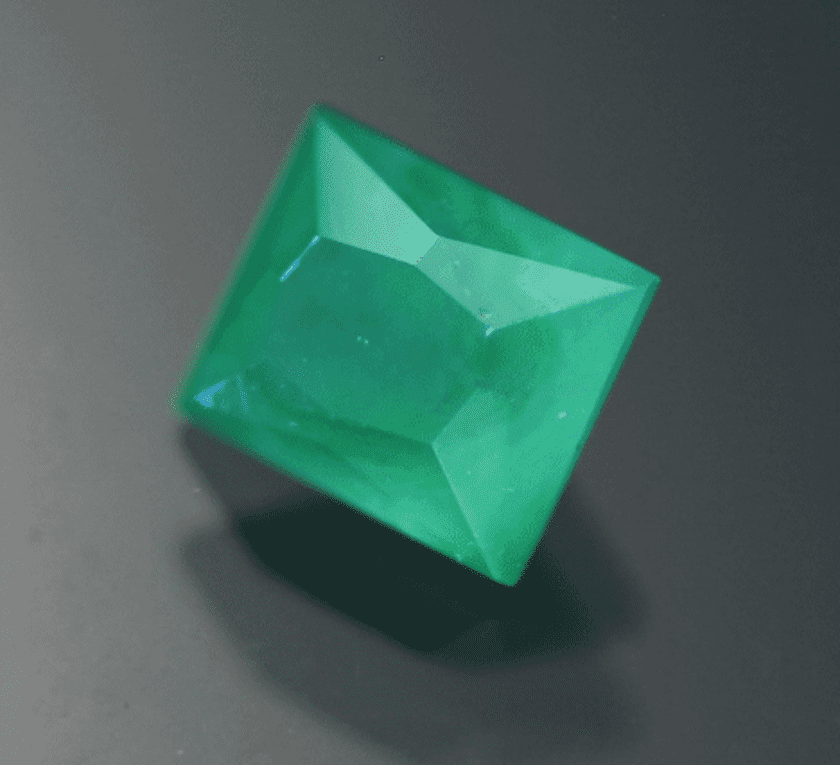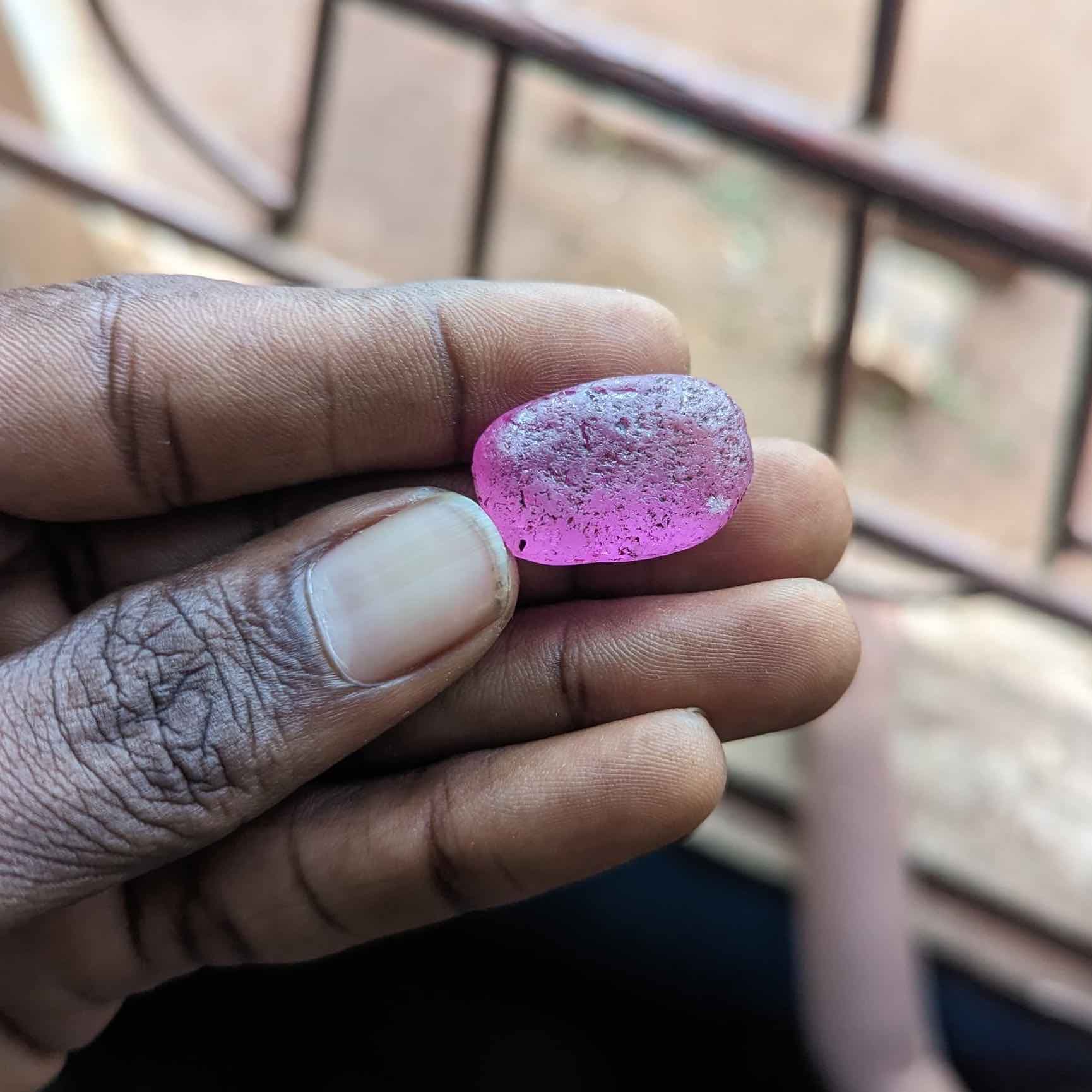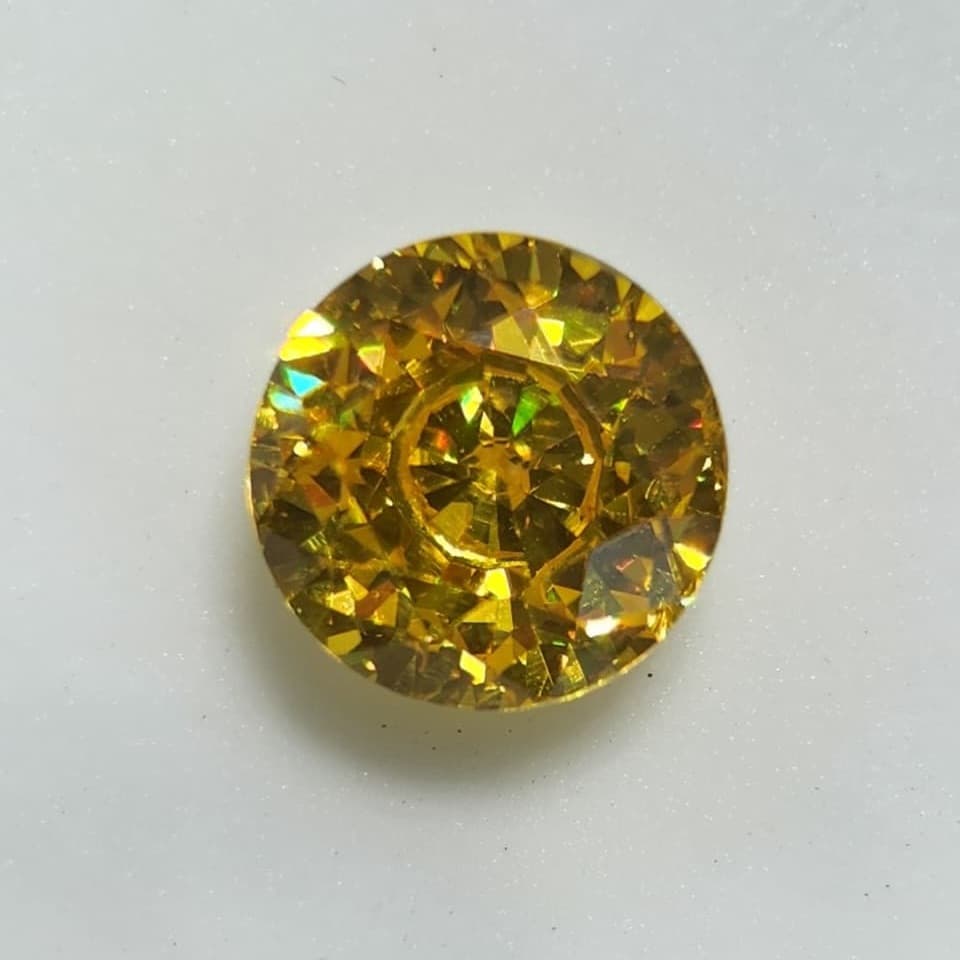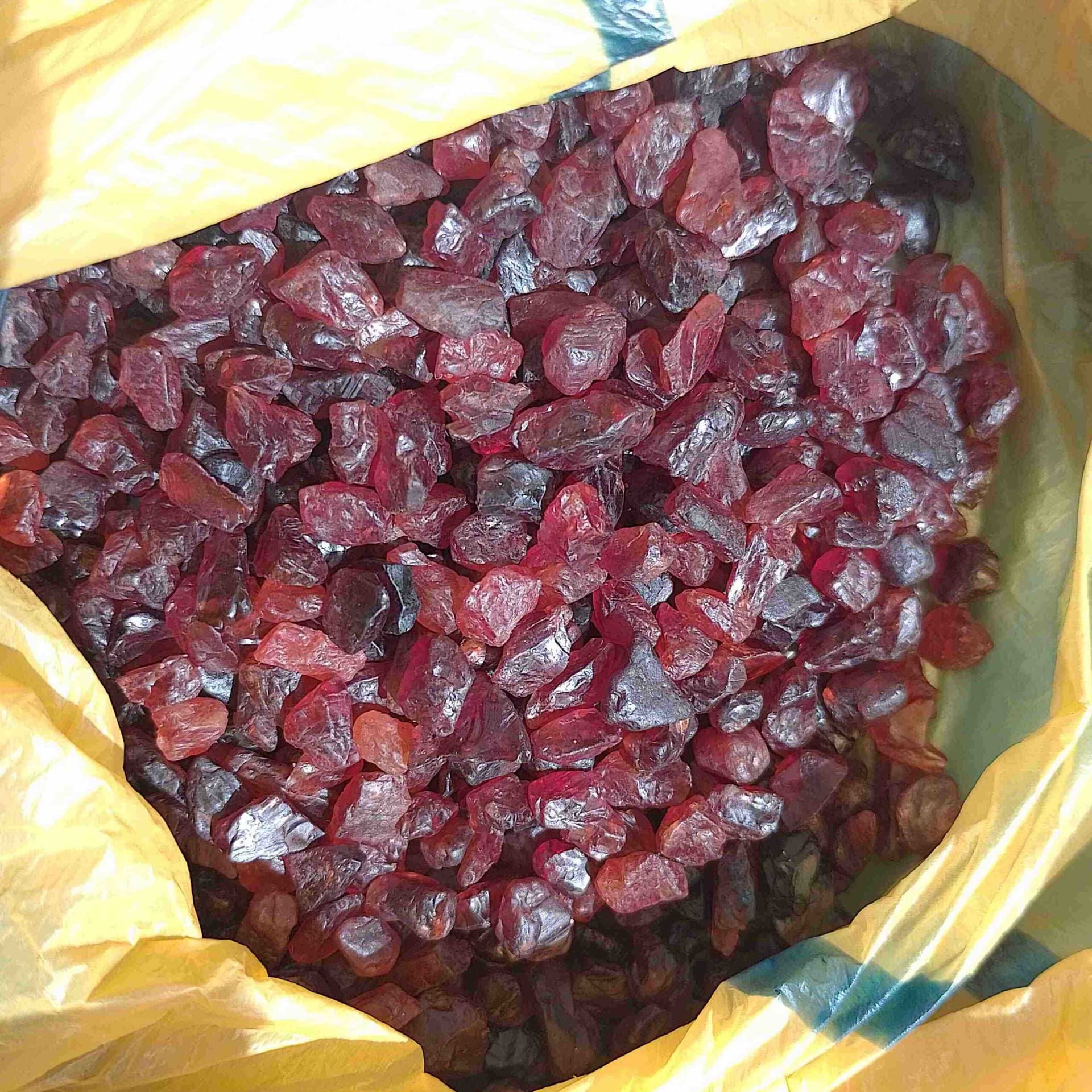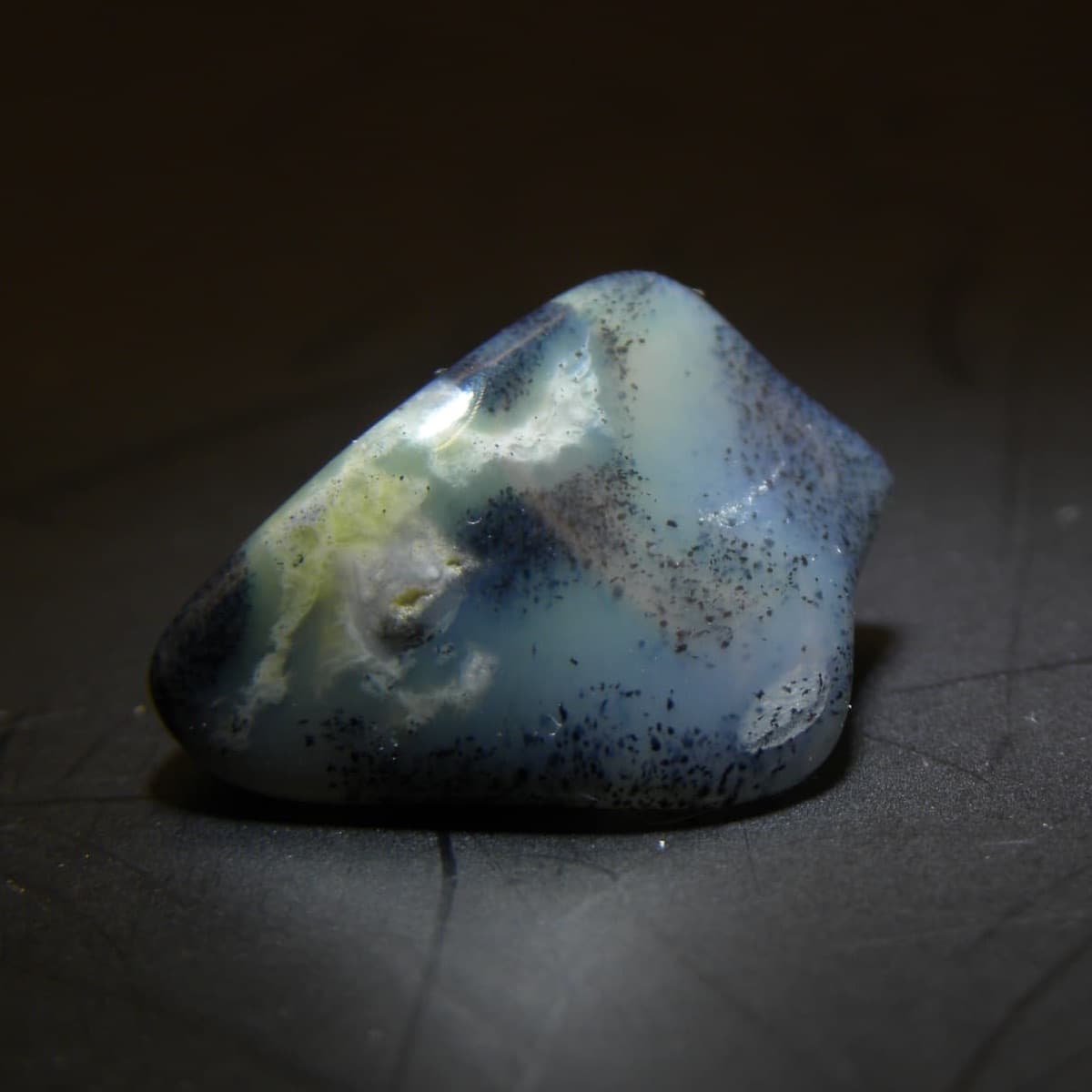
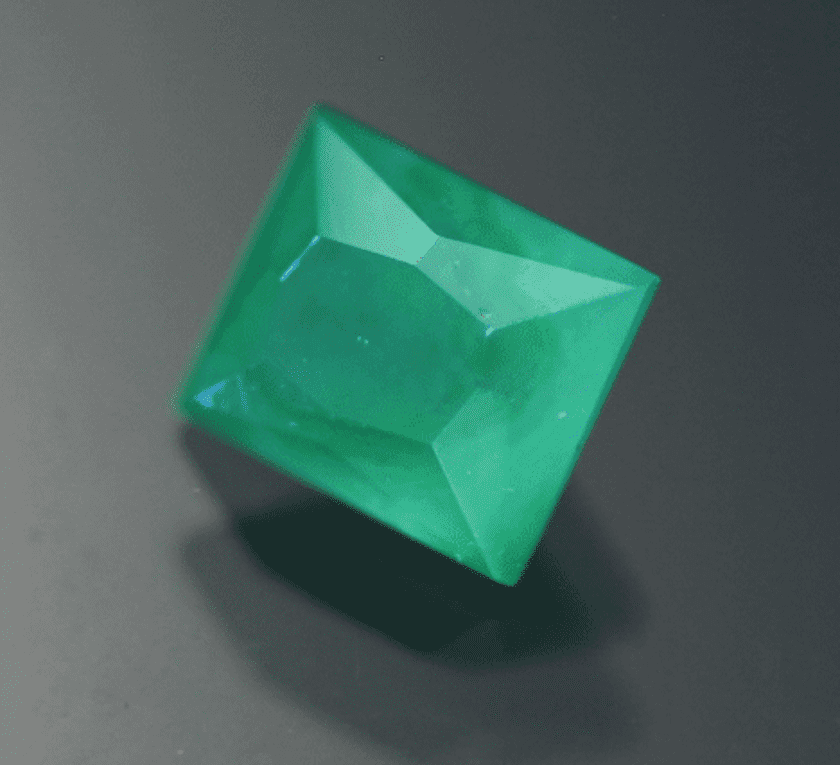
Although adamite occurs in many localities, it's very rarely cut as a gem. This mineral is much too soft and fragile for jewelry. However, collectors prize its intense fluorescence.
1 Minute Read
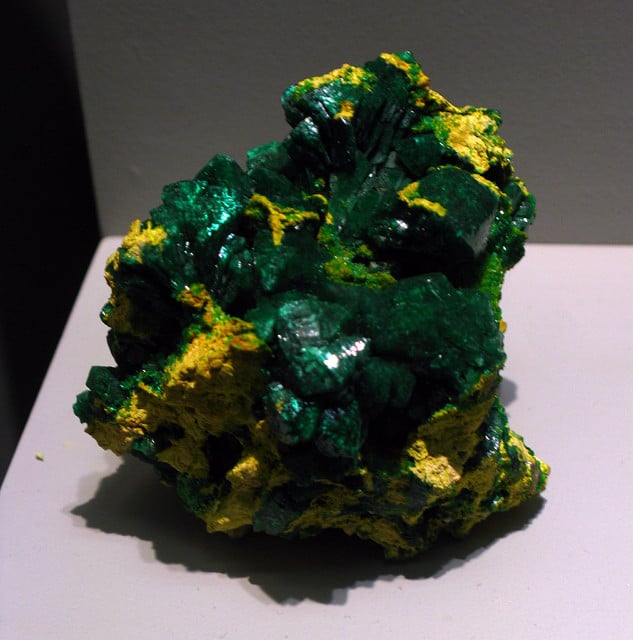
Adamite forms a series, as the zinc (Zn) analogue, with olivenite, the copper (Cu) analogue. This series has a distinct, intermediate member known as zincolivenite. (Don't confuse olivenite with olivine).
Adamites have a low hardness of 3.5 and good cleavage. Thus, they make less than optimal pieces for jewelry use. You'll find these stones more likely in gem collections as crystal specimens than in jewelry collections. Use protective settings for any jewelry use.
The presence of numerous impurities can create various colors in adamites. For example, iron (Fe) can cause yellow hues. Cuprian (Cu bearing) varieties show green hues. Cobalt (Co) bearing specimens can show rose or purple/violet hues. Manganoan or manganese (Mn) bearing specimens may have purple/violet colors as well as pink and lavender.
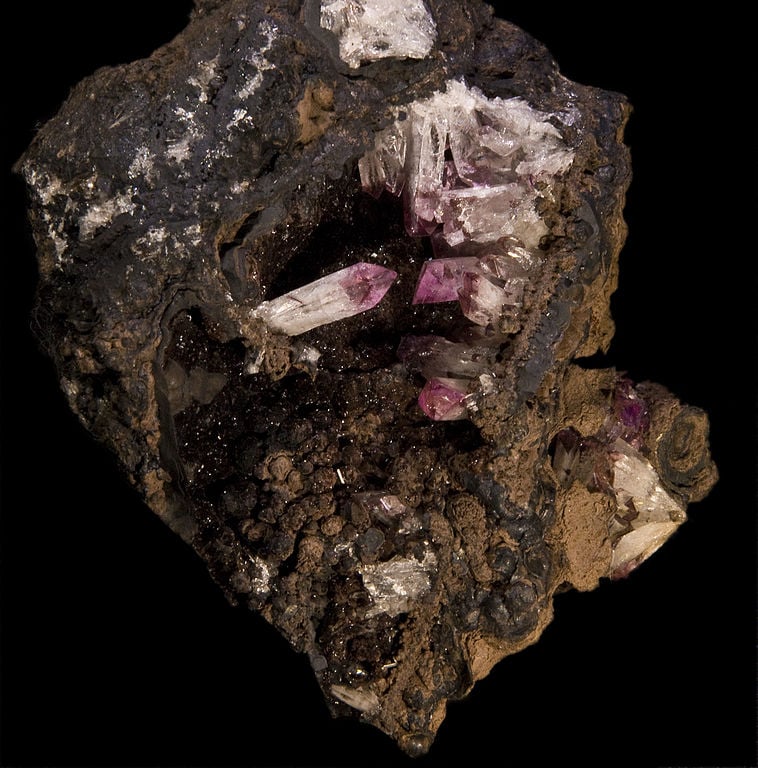
Adamites can have an intense green fluorescence under either shortwave (SW) or longwave (LW) ultraviolet light. They may also show lemon yellow fluorescence under SW.
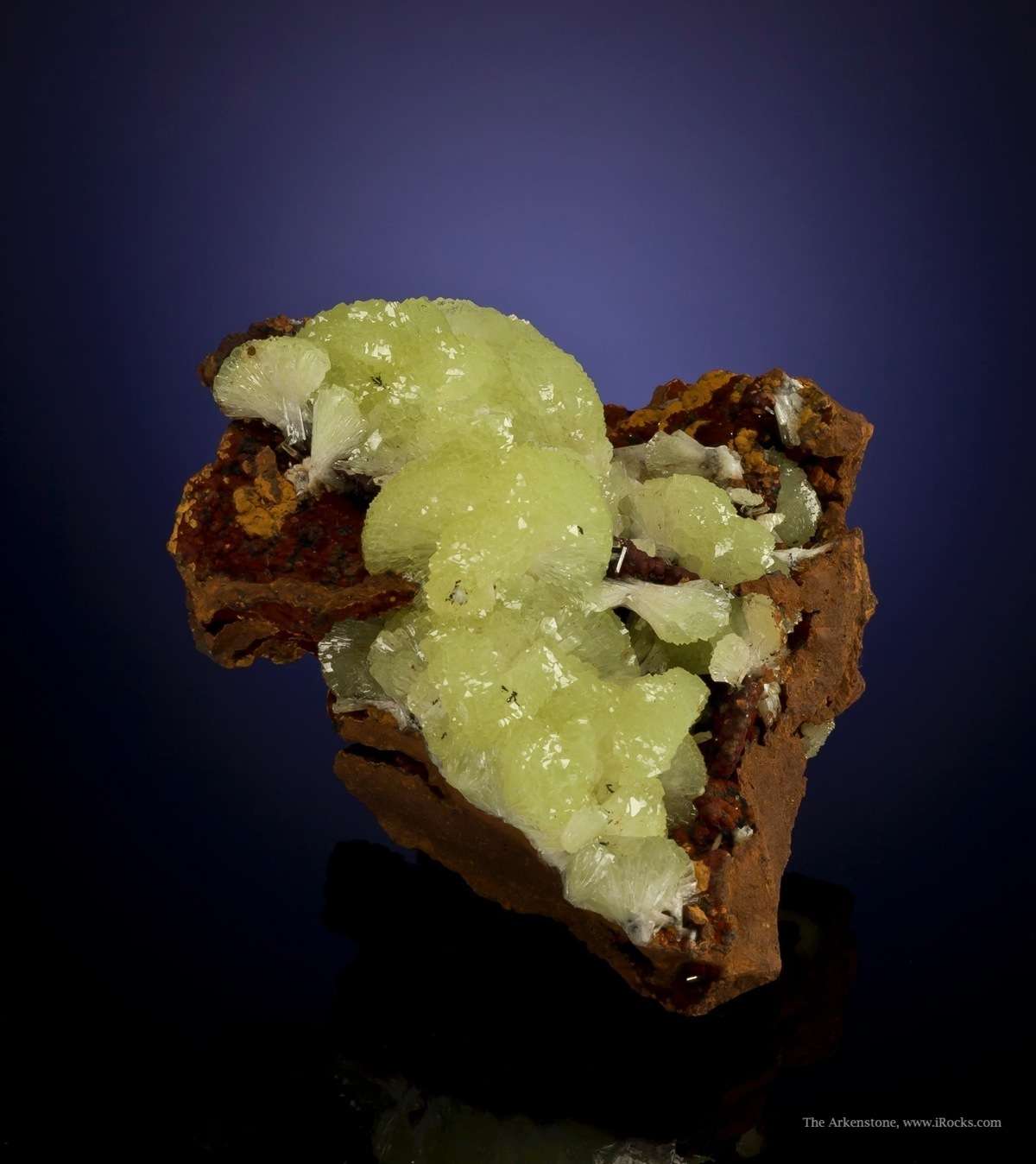
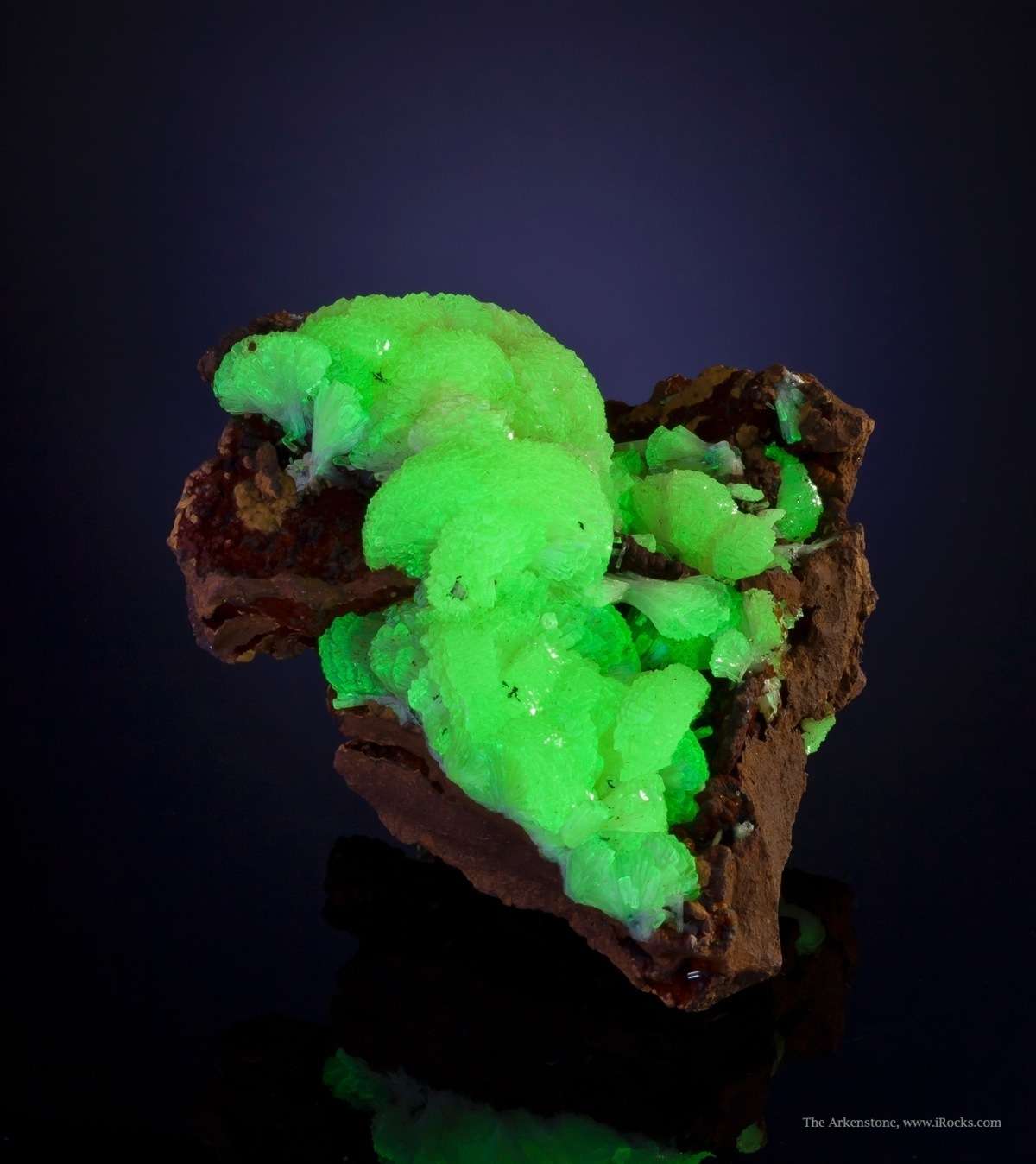
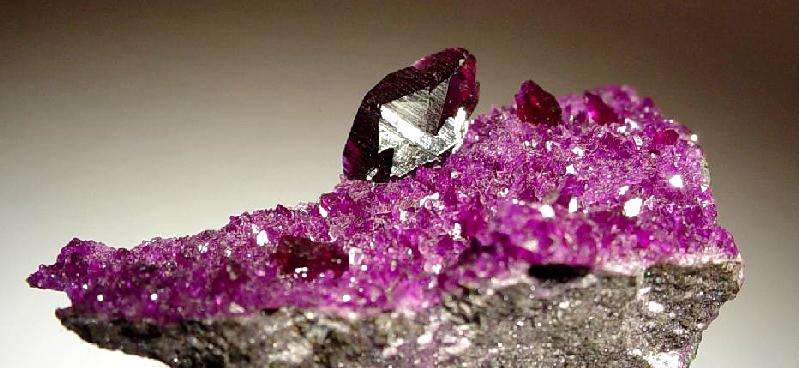
This crystal specimen shows dozens of "pinwheel" adamites on gossan matrix with intense neon green fluorescence. Ojuela Mine, Mapimi, Durango, Mexico, 10.5 x 9.3 x 6.2 cm. © Rob Lavinsky, www.iRocks.com. Used with permission.
Due to wide variations in composition, optical properties can vary significantly.
| Locality | α | β | γ | Birefringence |
| Mapimi, Mexico (reddish) | 1.712 | 1.736 | 1.760 | 0.048 |
| Mapimi, Mexico (rose) | 1.710 | 1.735 | 1.759 | 0.049 |
| Mapimi, Mexico (violet) | 1.710 | 1.735 | 1.758 | 0.048 |
| Mapimi, Mexico (green) | 1.722 | 1.742 | 1.763 | 0.041 |
| Tsumeb, Namibia (Cu) | 1.742 | 1.768 | 1.773 | 0.031 |
| Tsumeb, Namibia (Co) | 1.722 | 1.738 | 1.761 | 0.039 |
| Laurium, Greece | 1.708 | 1.734 | 1.758 | 0.050 |
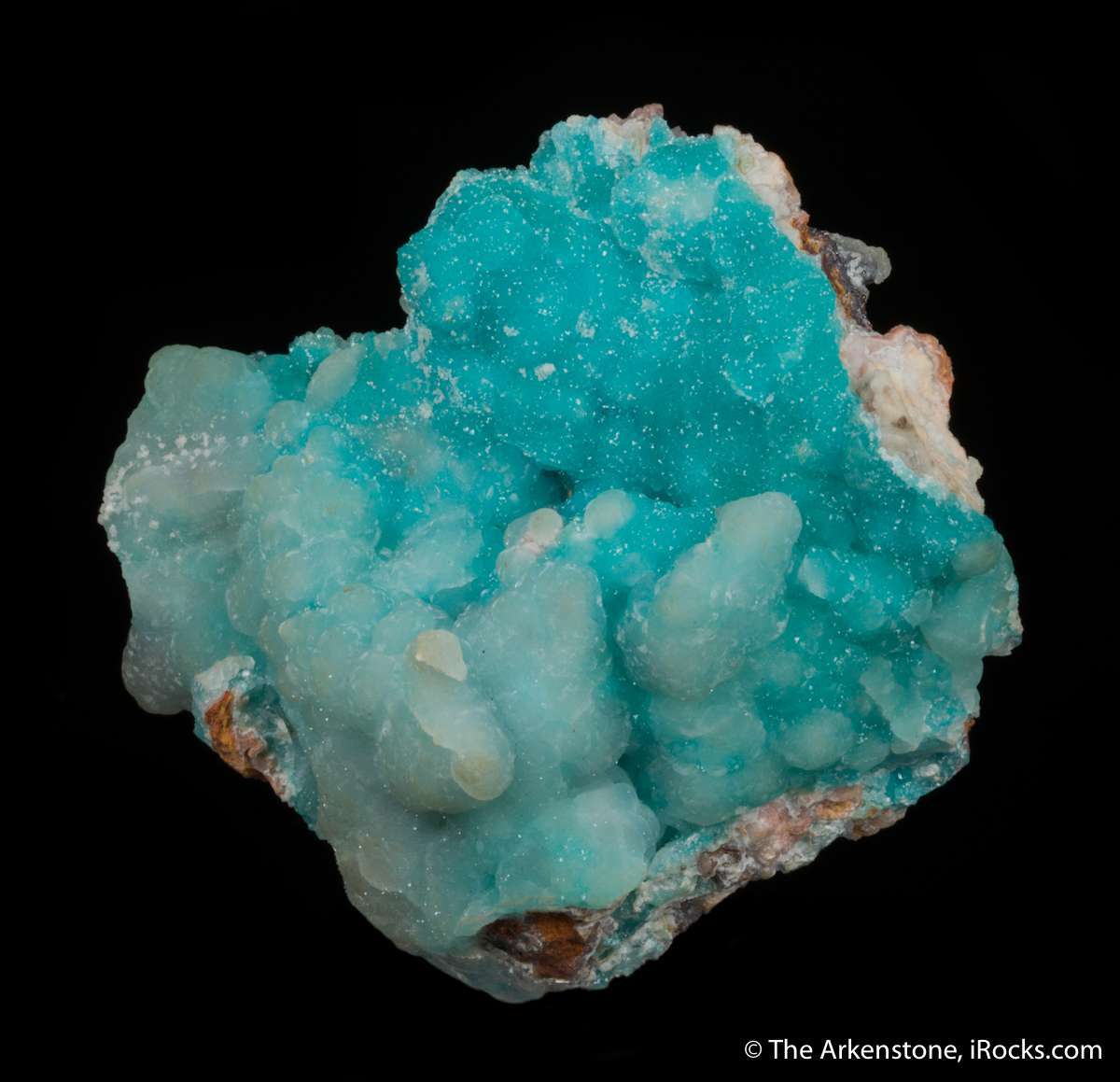
Scientists have used synthetic specimens of the adamite-olivenite series for spectroscopy research. However, there is no known jewelry use for this material.
There are no known gem enhancements for adamites.
The Ojuela Mine in Mapimi, Mexico produces fine sprays of crystals in limonite matrix.
Tsumeb, Namibia also produces fine crystals, sometimes colored purple by cobalt.
Laurium, Greece yields specimens often containing copper, in lovely blue and green shades.
Other notable sources include the following:
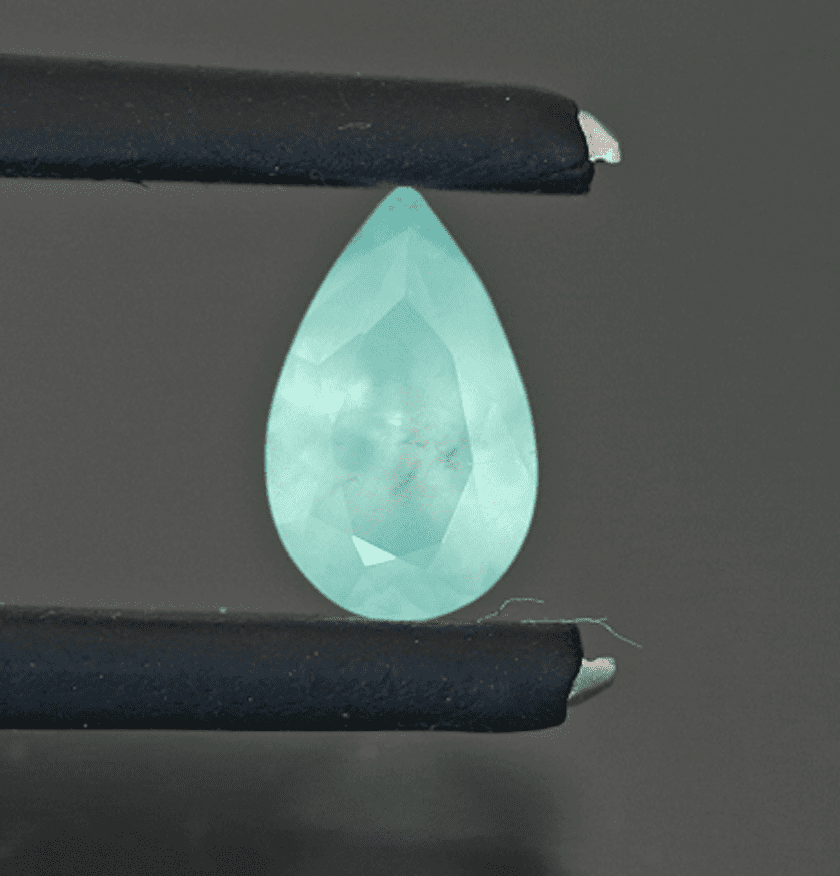
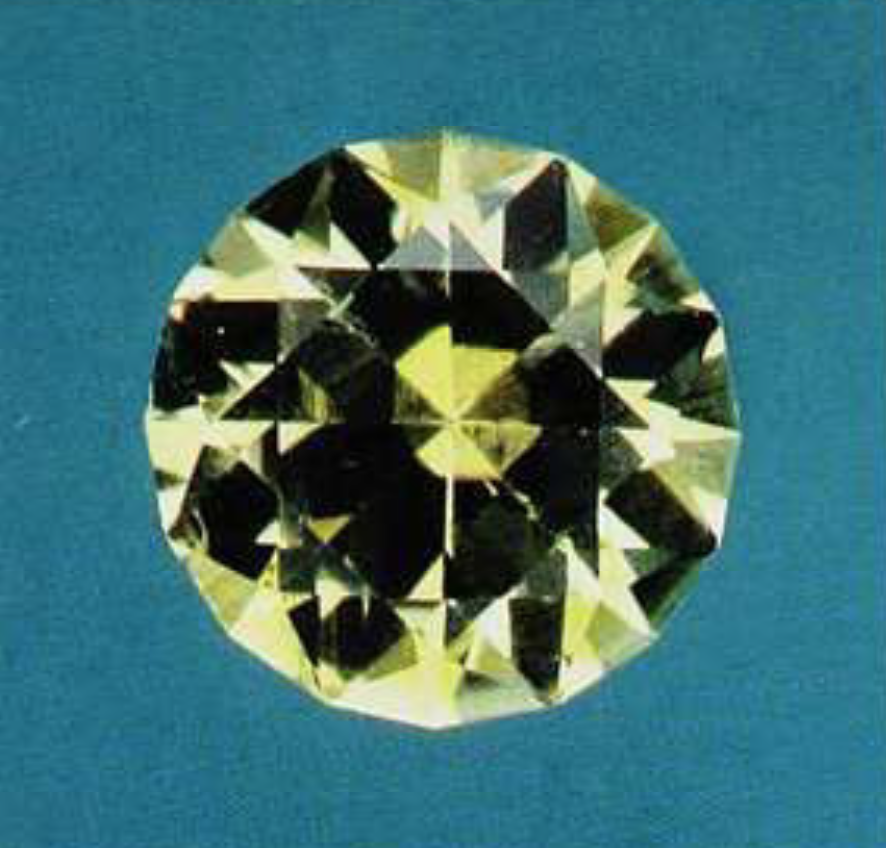
Violet crystals, noted up to 1 cm long and transparent, would yield stones up to about 1-2 carats. Green material, usually not clean, would provide only small faceted gems (1-3 carats).
See our gemstone jewelry cleaning guide for care recommendations.

When you join the IGS community, you get trusted diamond & gemstone information when you need it.
Adamite forms a series, as the zinc (Zn) analogue, with olivenite, the copper (Cu) analogue. This series has a distinct, intermediate member known as zincolivenite. (Don't confuse olivenite with olivine).
Adamites have a low hardness of 3.5 and good cleavage. Thus, they make less than optimal pieces for jewelry use. You'll find these stones more likely in gem collections as crystal specimens than in jewelry collections. Use protective settings for any jewelry use.
The presence of numerous impurities can create various colors in adamites. For example, iron (Fe) can cause yellow hues. Cuprian (Cu bearing) varieties show green hues. Cobalt (Co) bearing specimens can show rose or purple/violet hues. Manganoan or manganese (Mn) bearing specimens may have purple/violet colors as well as pink and lavender.
Adamites can have an intense green fluorescence under either shortwave (SW) or longwave (LW) ultraviolet light. They may also show lemon yellow fluorescence under SW.
This crystal specimen shows dozens of "pinwheel" adamites on gossan matrix with intense neon green fluorescence. Ojuela Mine, Mapimi, Durango, Mexico, 10.5 x 9.3 x 6.2 cm. © Rob Lavinsky, www.iRocks.com. Used with permission.
Due to wide variations in composition, optical properties can vary significantly.
| Locality | α | β | γ | Birefringence |
| Mapimi, Mexico (reddish) | 1.712 | 1.736 | 1.760 | 0.048 |
| Mapimi, Mexico (rose) | 1.710 | 1.735 | 1.759 | 0.049 |
| Mapimi, Mexico (violet) | 1.710 | 1.735 | 1.758 | 0.048 |
| Mapimi, Mexico (green) | 1.722 | 1.742 | 1.763 |
Scientists have used synthetic specimens of the adamite-olivenite series for spectroscopy research. However, there is no known jewelry use for this material.
There are no known gem enhancements for adamites.
The Ojuela Mine in Mapimi, Mexico produces fine sprays of crystals in limonite matrix.
Tsumeb, Namibia also produces fine crystals, sometimes colored purple by cobalt.
Laurium, Greece yields specimens often containing copper, in lovely blue and green shades.
Other notable sources include the following:
Violet crystals, noted up to 1 cm long and transparent, would yield stones up to about 1-2 carats. Green material, usually not clean, would provide only small faceted gems (1-3 carats).
See our gemstone jewelry cleaning guide for care recommendations.


0.041 |
| Tsumeb, Namibia (Cu) | 1.742 | 1.768 | 1.773 | 0.031 |
| Tsumeb, Namibia (Co) | 1.722 | 1.738 | 1.761 | 0.039 |
| Laurium, Greece | 1.708 | 1.734 | 1.758 | 0.050 |
Although adamite occurs in many localities, it’s very rarely cut as a gem. This mineral is much too soft and fragile for jewelry. However, collectors prize its intense fluorescence.