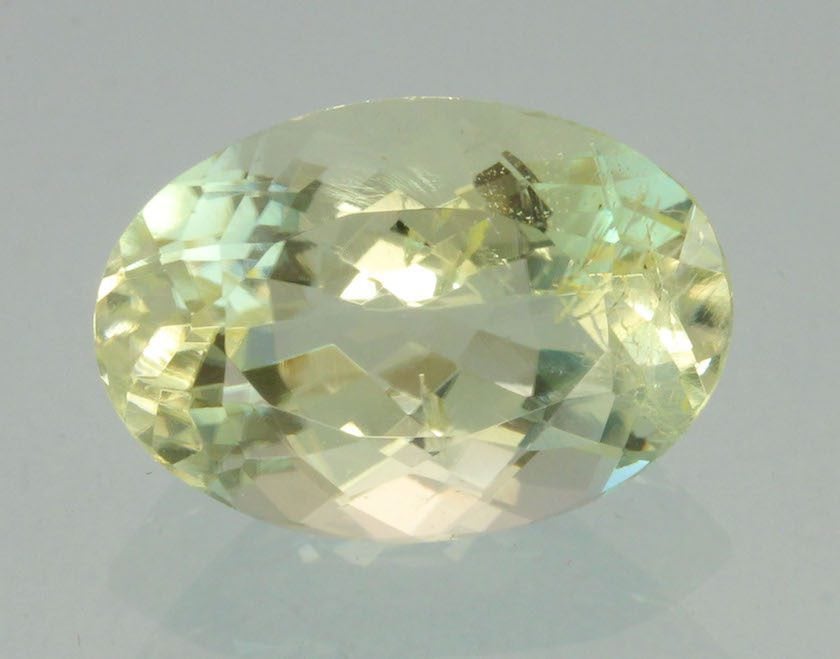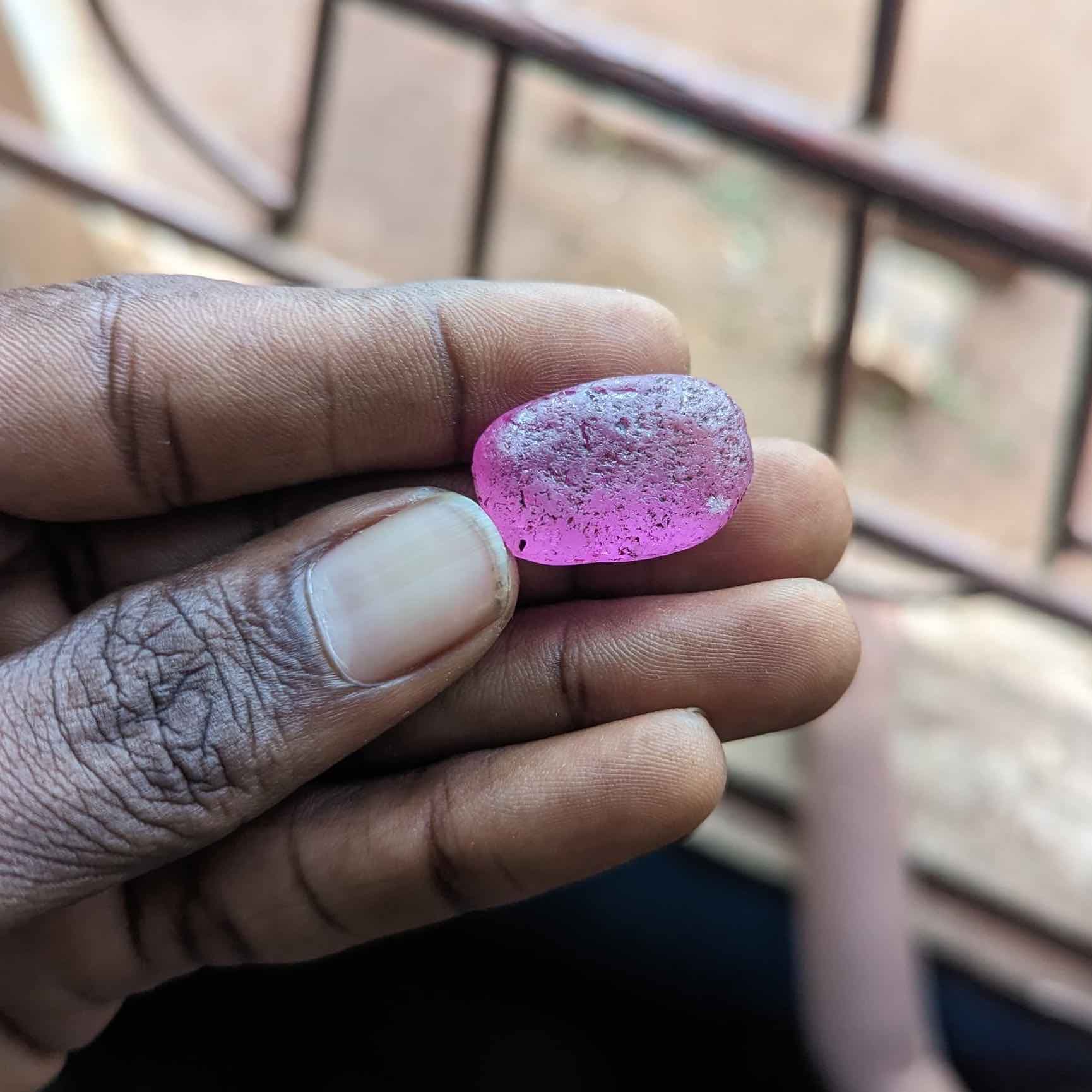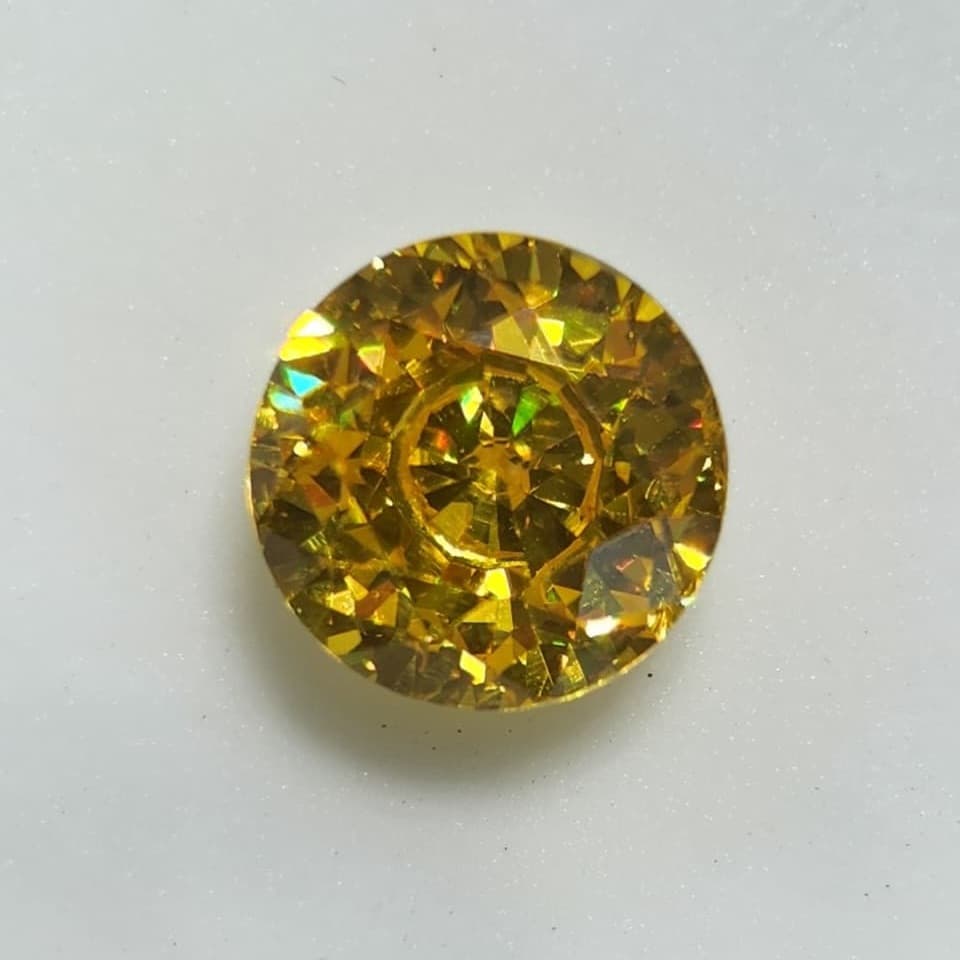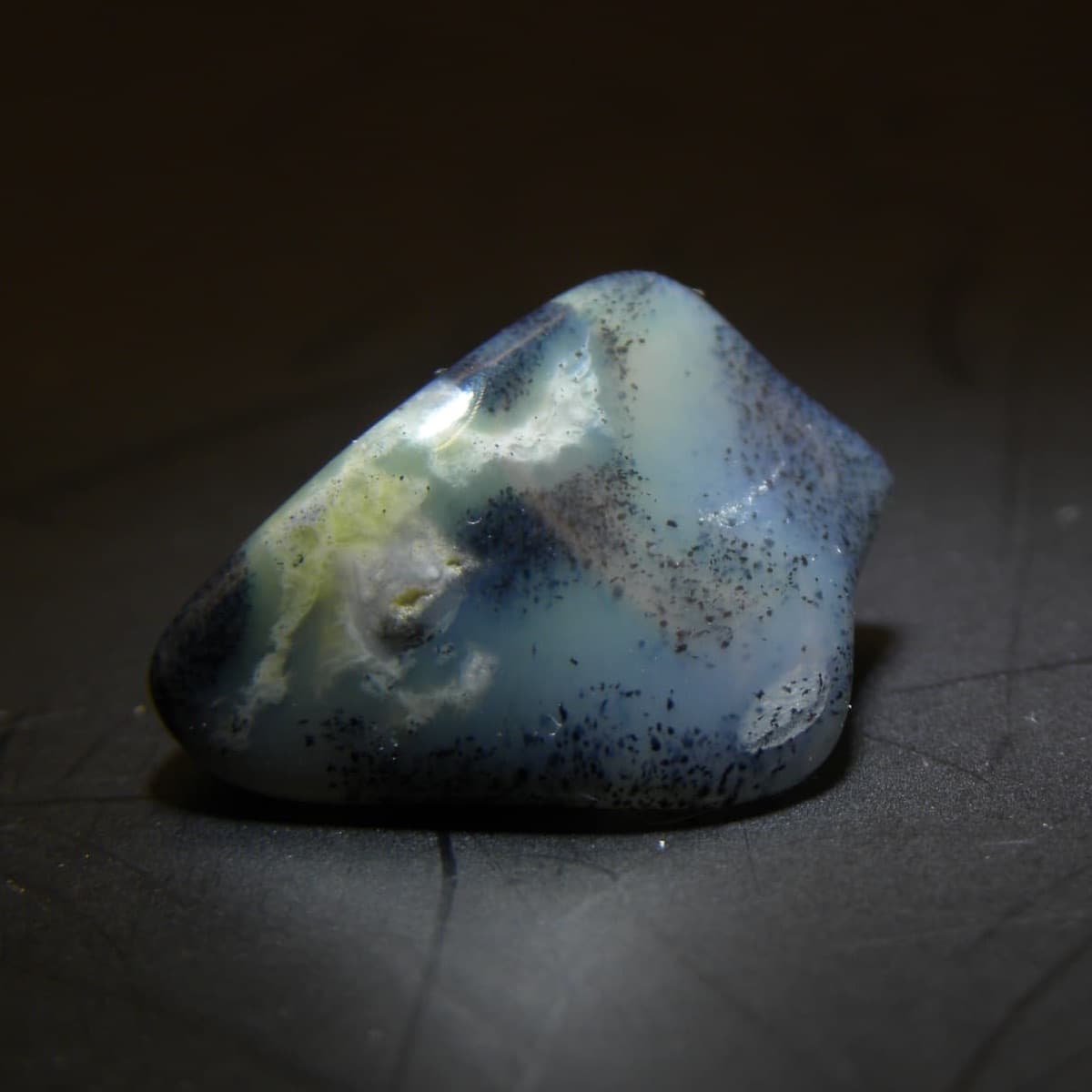
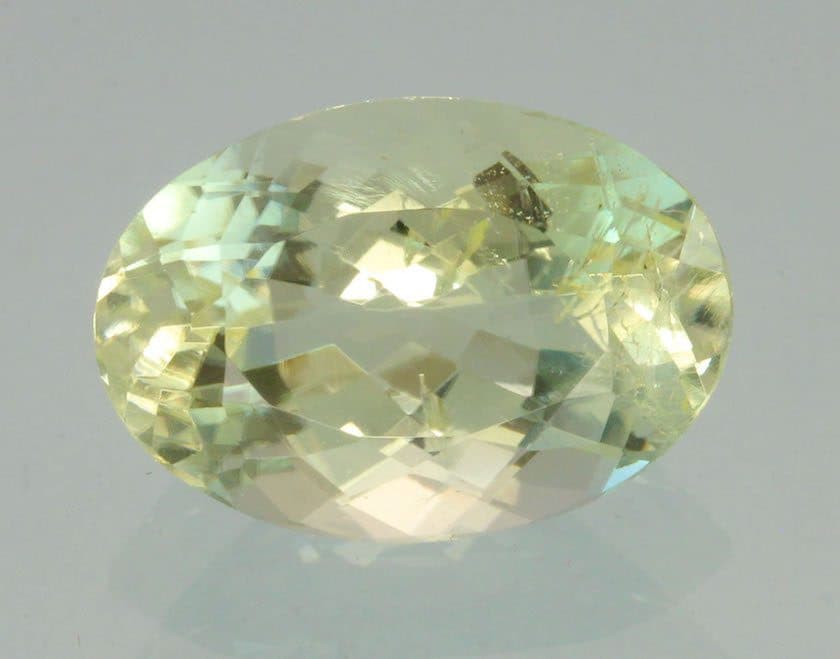
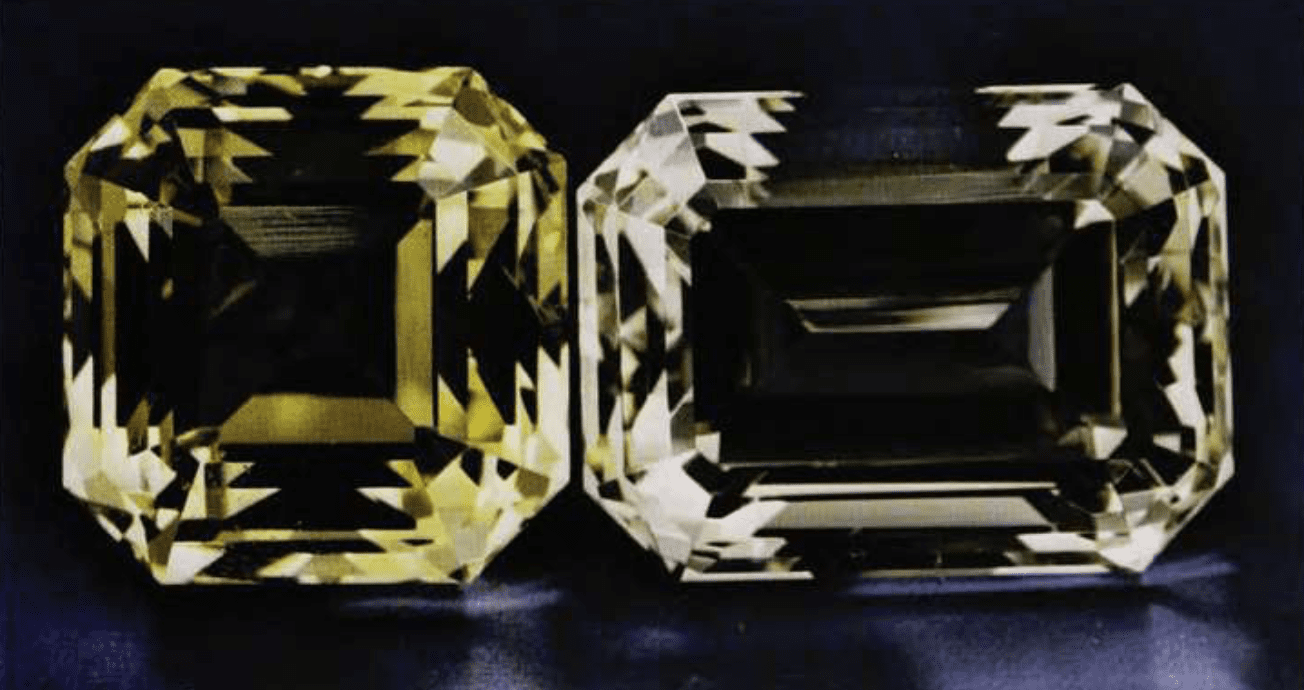
Amblygonite gems are usually pale straw yellow. Although they are too soft and cleavable to make good ring stones, collectors prize them if they show darker colors. Large faceted stones are extremely rare.
2 Minute Read
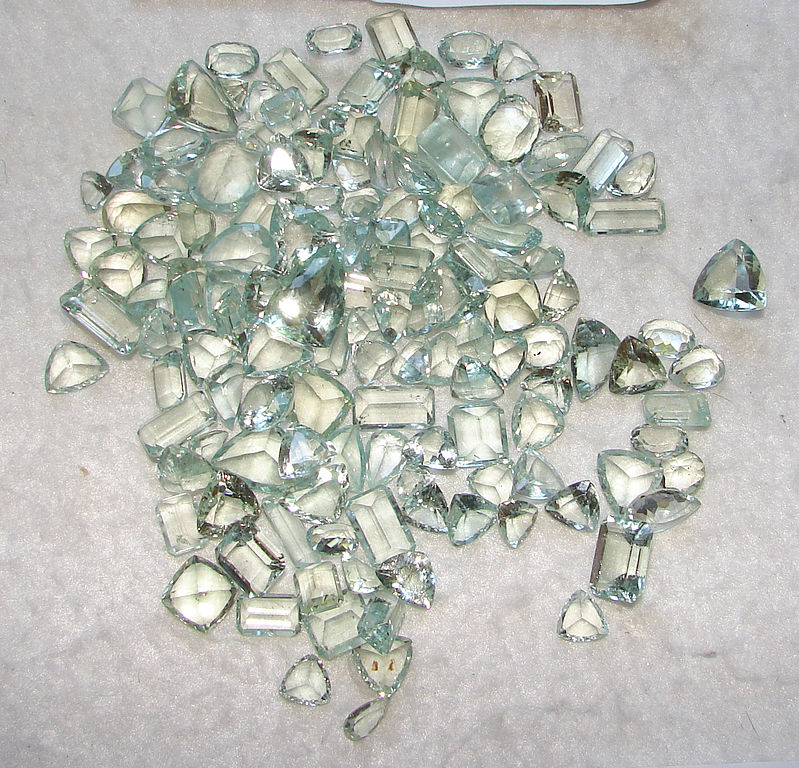
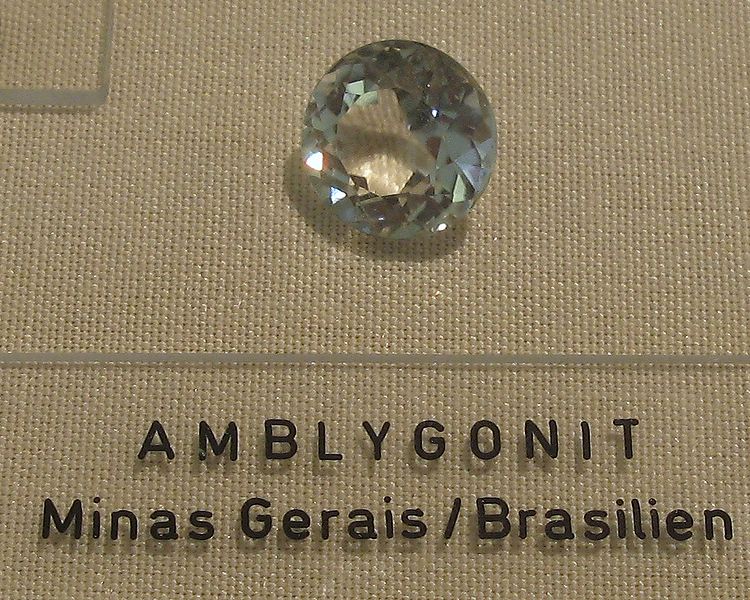
Amblygonite and montebrasite form a mineral series. Fluorine-dominant (F) amblygonites are much rarer than hydroxyl-dominant (OH) montebrasites. In addition, amblygonite has a biaxial (-) optic sign, while montebrasite has a biaxial (+) optic sign. Many gems labelled as amblygonites in collections may merit reexamination.
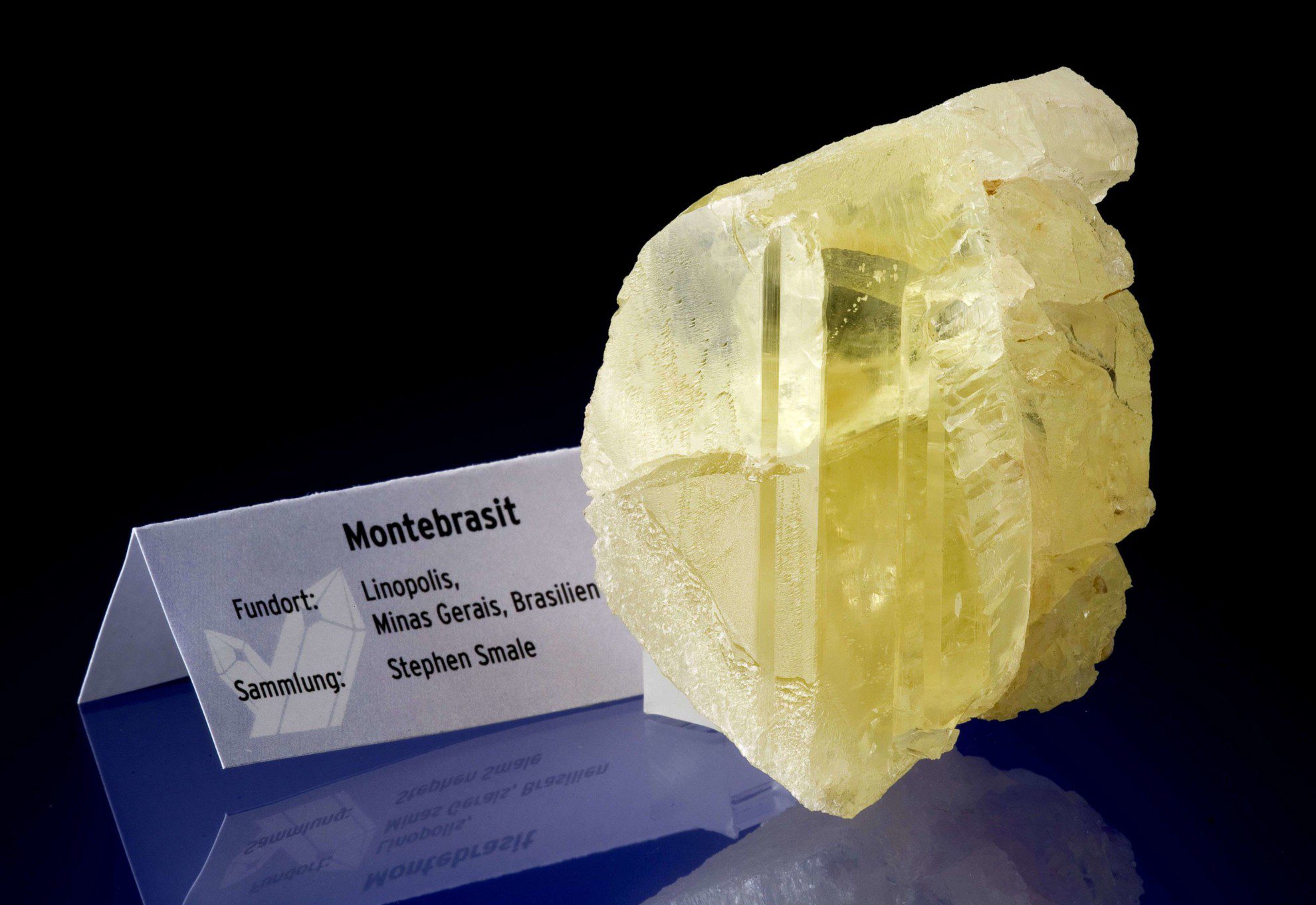
Most yellow gems in this series, found in collections and on the market, are amblygonites from Brazil. However, stones from Mogi dãs Cruzes, Sao Paulo, Brazil, are montebrasite.
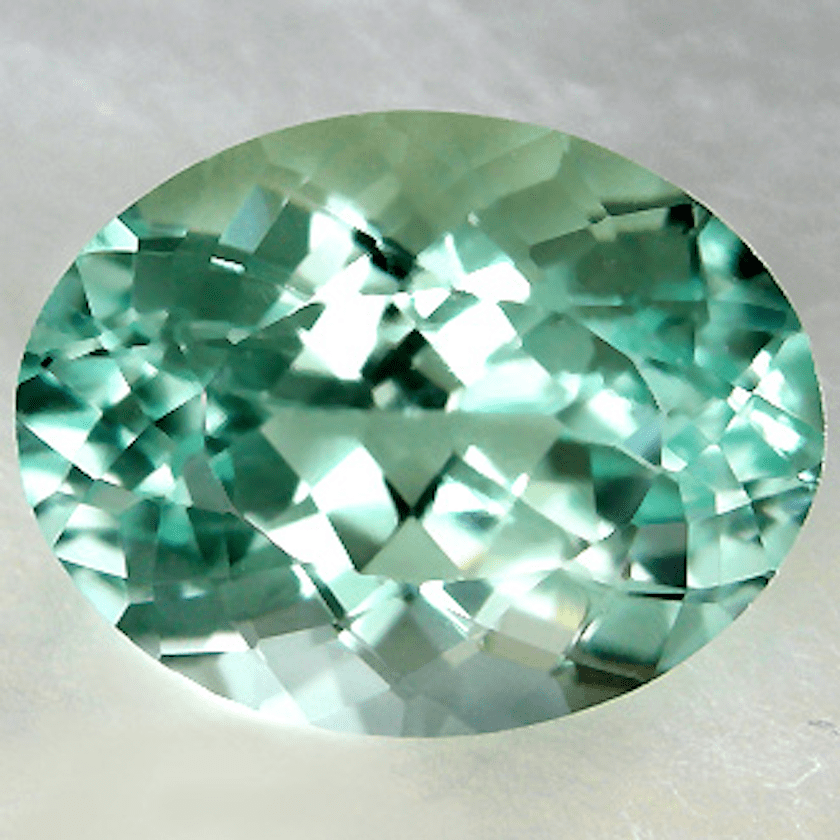
Extremely rare material from Karibib, Namibia shows a lilac color. These stones also make beautiful faceted gems.
| Species | Locality | α | β | γ | Birefringence | SG |
| Amblygonite | Chursdorf, Germany | 1.578 | - | 1.598 | 0.020 | 3.101 |
| Amblygonite | Uto, Sweden | 1.591 | 1.605 | 1.612 | 0.021 | 3.065 |
| Montebrasite | Karibib, Namibia | 1.594 | 1.608 | 1.616 | 0.022 | 3.085 |
| Montebrasite | Kimito, Finland | 1.611 | 1.619 | 1.633 | 0.022 | 3.00 |
| Natromontebrasite* | Fremont County, Colorado | 1.594 | 1.603 | 1.615 | 0.021 | 3.04 |
Note that refractive indices and optic angles decrease as sodium (Na) and F content increase. The change in optic sign (where 2V = 90°) occurs at around 60% (OH). A complete series of (OH, F) substitutions appears to exist.
* As of 2006, the International Mineralogical Association (IMA) no longer considers natromontebrasite a mineral species. Now, it's considered a mixture of amblygonite, lacroixite, and wardite. (See our article on gemological formulas for more information).
Using the hydrothermal method, scientists have synthesized amblygonites and montebrasites, as well as intermediate members of their series (Canadian Mineralogist, Vol 14, 357 pdf). However, jewelry use for such gems is unknown.
Pale yellow amblygonites may turn pale green with radiation treatment.
Custer County, South Dakota produces non gem-quality amblygonite masses up to 200 tons in size. Tinton, South Dakota also yields non-gem material in masses.
Most gem-quality amblygonites come from Brazil, where they occur in masses and crystals of fine, yellow color.
Other notable sources include:
Notable gem-quality montebrasite sources include Montebras, France and Karibib Namibia, as well as Brazil.
Other notable sources include:
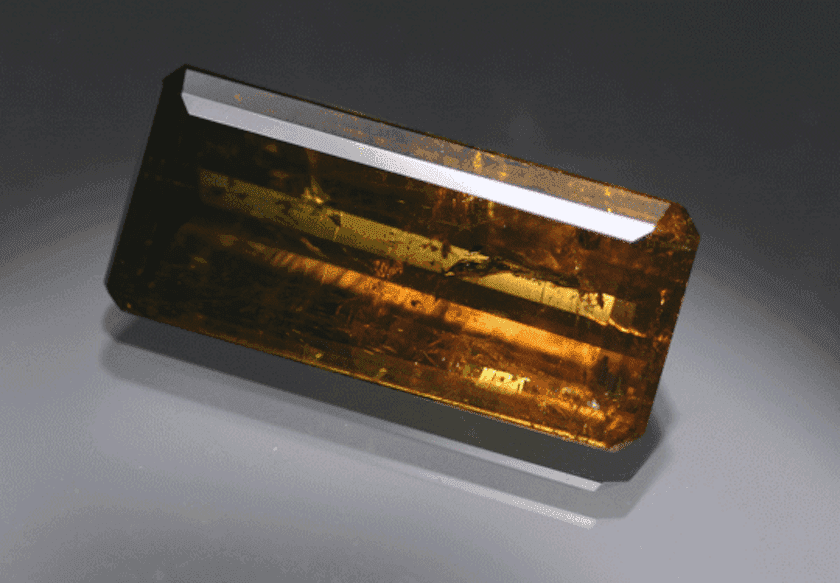
The largest cut amblygonite, cut from Brazilian material, weighs approximately 70 cts. Faceted gems normally range from 1 to 15 cts. However, cut gems very rarely top 10 cts.
Due to amblygonites' and montebrasites' relatively low hardness and perfect cleavage, avoid using mechanical cleaning methods like steam and ultrasonic. Instead, use a soft brush, mild detergent, and warm water. Consult our gemstone jewelry cleaning guide for more recommendations.
You'll more likely encounter these stones in mineral collections than jewelry collections. However, if you want jewelry made from these gems, use protective settings and avoid ring use. Pendants, brooches, and earrings shouldn't pose too many risks. Also, store this jewelry separately from more common, harder gem materials, like quartz, to avoid contact scratching.
When you join the IGS community, you get trusted diamond & gemstone information when you need it.
Amblygonite and montebrasite form a mineral series. Fluorine-dominant (F) amblygonites are much rarer than hydroxyl-dominant (OH) montebrasites. In addition, amblygonite has a biaxial (-) optic sign, while montebrasite has a biaxial (+) optic sign. Many gems labelled as amblygonites in collections may merit reexamination.
Most yellow gems in this series, found in collections and on the market, are amblygonites from Brazil. However, stones from Mogi dãs Cruzes, Sao Paulo, Brazil, are montebrasite.
Extremely rare material from Karibib, Namibia shows a lilac color. These stones also make beautiful faceted gems.
| Species | Locality | α | β | γ | Birefringence | SG |
| Amblygonite | Chursdorf, Germany | 1.578 | - | 1.598 | 0.020 | 3.101 |
| Amblygonite | Uto, Sweden | 1.591 | 1.605 | 1.612 | 0.021 | 3.065 |
| Montebrasite | Karibib, Namibia | 1.594 | 1.608 | 1.616 | 0.022 | 3.085 |
| Montebrasite | Kimito, Finland | 1.611 | 1.619 | 1.633 |
Note that refractive indices and optic angles decrease as sodium (Na) and F content increase. The change in optic sign (where 2V = 90°) occurs at around 60% (OH). A complete series of (OH, F) substitutions appears to exist.
* As of 2006, the International Mineralogical Association (IMA) no longer considers natromontebrasite a mineral species. Now, it's considered a mixture of amblygonite, lacroixite, and wardite. (See our article on gemological formulas for more information).
Using the hydrothermal method, scientists have synthesized amblygonites and montebrasites, as well as intermediate members of their series (Canadian Mineralogist, Vol 14, 357 pdf). However, jewelry use for such gems is unknown.
Pale yellow amblygonites may turn pale green with radiation treatment.
Custer County, South Dakota produces non gem-quality amblygonite masses up to 200 tons in size. Tinton, South Dakota also yields non-gem material in masses.
Most gem-quality amblygonites come from Brazil, where they occur in masses and crystals of fine, yellow color.
Other notable sources include:
Notable gem-quality montebrasite sources include Montebras, France and Karibib Namibia, as well as Brazil.
Other notable sources include:
The largest cut amblygonite, cut from Brazilian material, weighs approximately 70 cts. Faceted gems normally range from 1 to 15 cts. However, cut gems very rarely top 10 cts.
Due to amblygonites' and montebrasites' relatively low hardness and perfect cleavage, avoid using mechanical cleaning methods like steam and ultrasonic. Instead, use a soft brush, mild detergent, and warm water. Consult our gemstone jewelry cleaning guide for more recommendations.
You'll more likely encounter these stones in mineral collections than jewelry collections. However, if you want jewelry made from these gems, use protective settings and avoid ring use. Pendants, brooches, and earrings shouldn't pose too many risks. Also, store this jewelry separately from more common, harder gem materials, like quartz, to avoid contact scratching.


0.022 |
3.00 |
| Natromontebrasite* | Fremont County, Colorado | 1.594 | 1.603 | 1.615 | 0.021 | 3.04 |
Amblygonite gems are usually pale straw yellow. Although they are too soft and cleavable to make good ring stones, collectors prize them if they show darker colors. Large faceted stones are extremely rare.