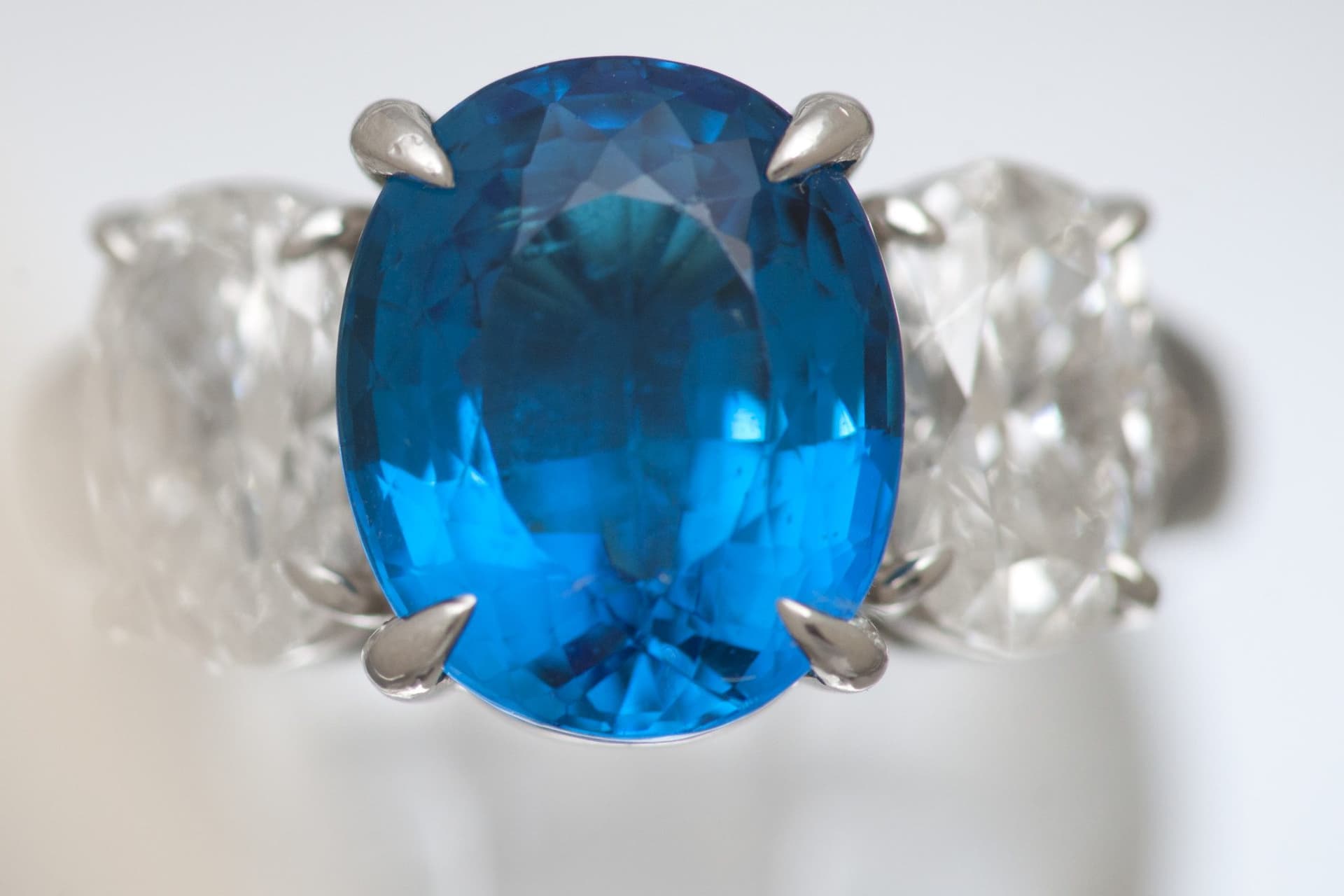
Are you looking for something truly unique for your next jewelry purchase? Explore these ten gemstones that are actually rarer than diamond. How many of these exceptional treasures have you heard of before?
7 Minute Read
Rare gemstones offer a unique alternative to traditional diamond jewelry, combining exceptional scarcity with stunning visual appeal. In this comprehensive guide, you'll discover ten gemstones that are actually rarer than diamonds, each with its own fascinating characteristics and history.
What you'll learn in this article:
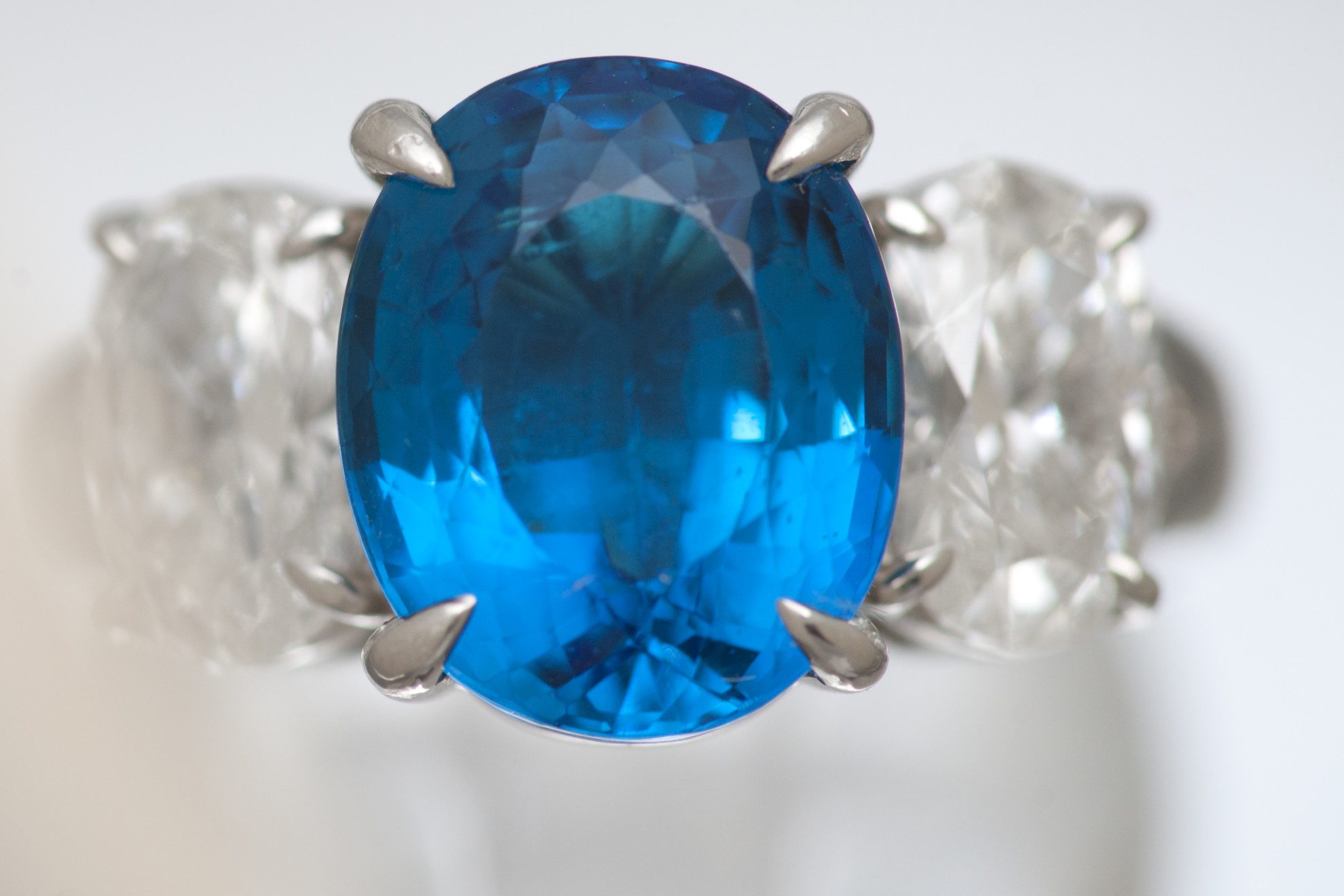
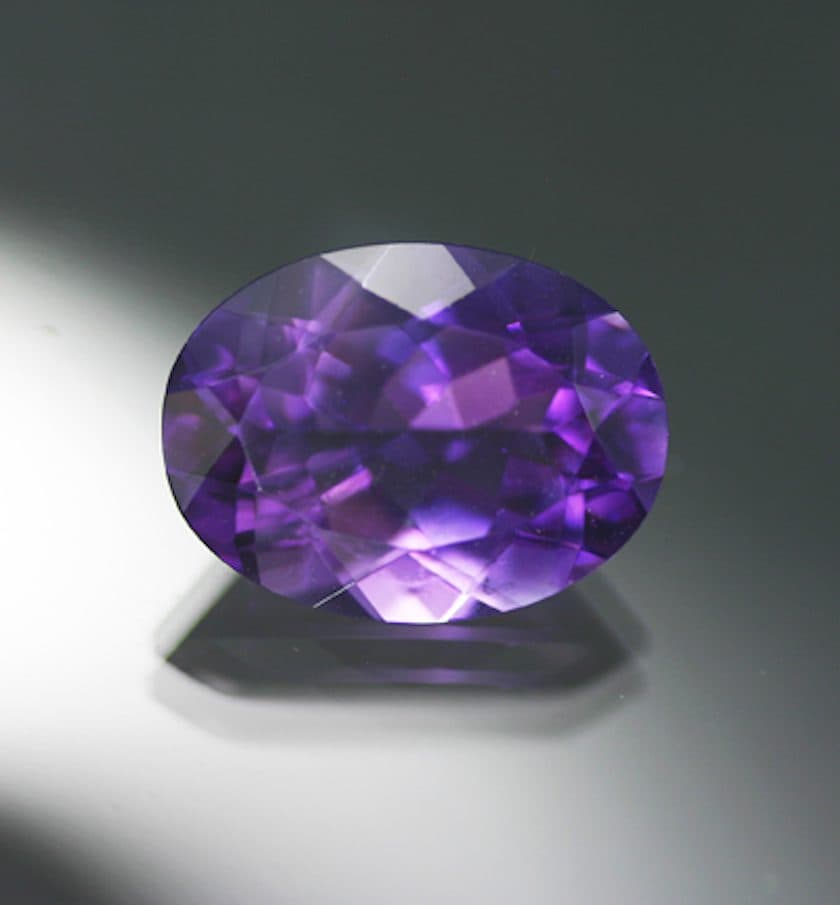
The intense violet-blue hues of tanzanite can rival fine sapphire at a fraction of the price—yet it's a much rarer stone! This exceptional gemstone occurs only in a small area of Tanzania, making it one of the most geographically limited rare gemstones on earth.
Key facts about tanzanite that make it special:
Almost all tanzanite undergoes heat treatment to produce its attractive blue coloration, resulting in a stable color that makes this stone so desirable.
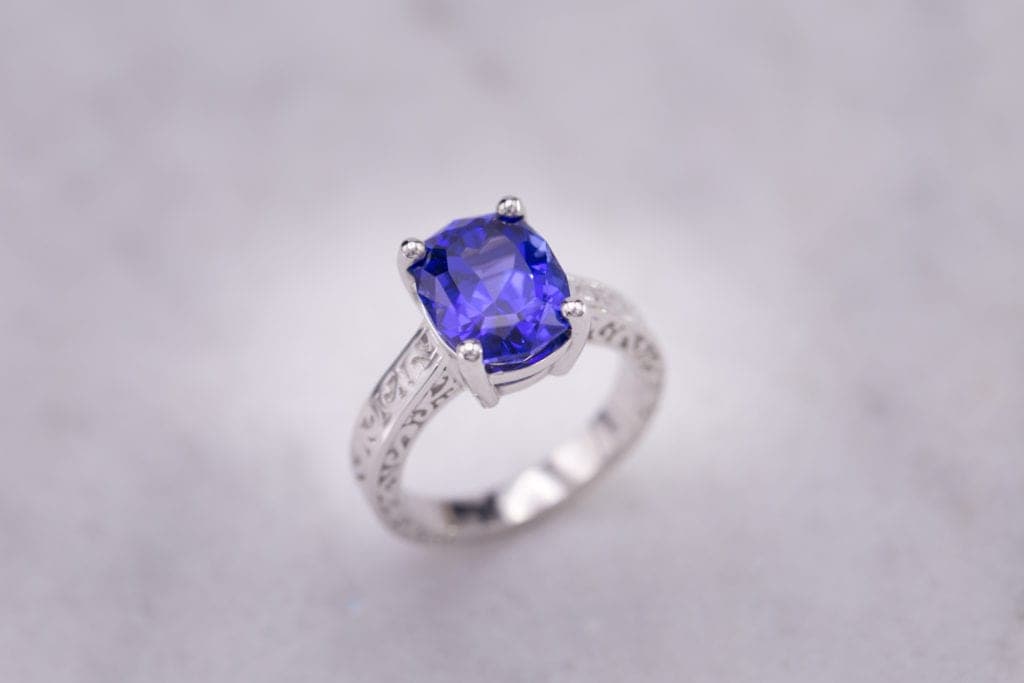
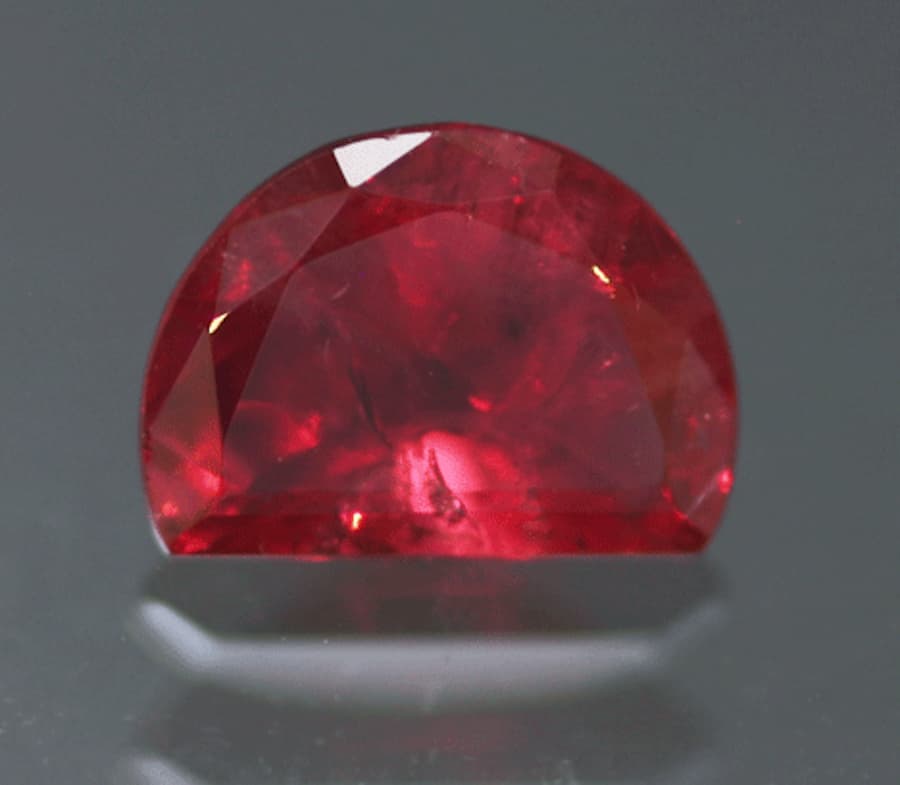
All rubies are rare, but those from Myanmar (formerly Burma) set the standard for quality and color while being exceptionally scarce. These represent some of the most rare gemstone specimens in the world of colored gems.
What makes Burma rubies special compared to other sources:
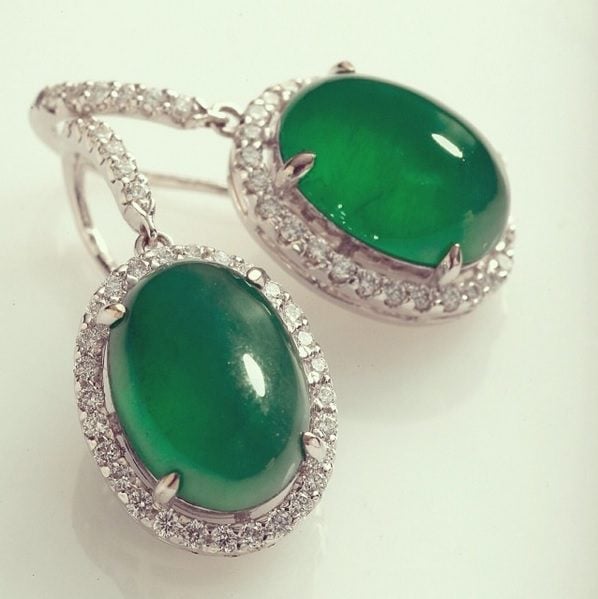
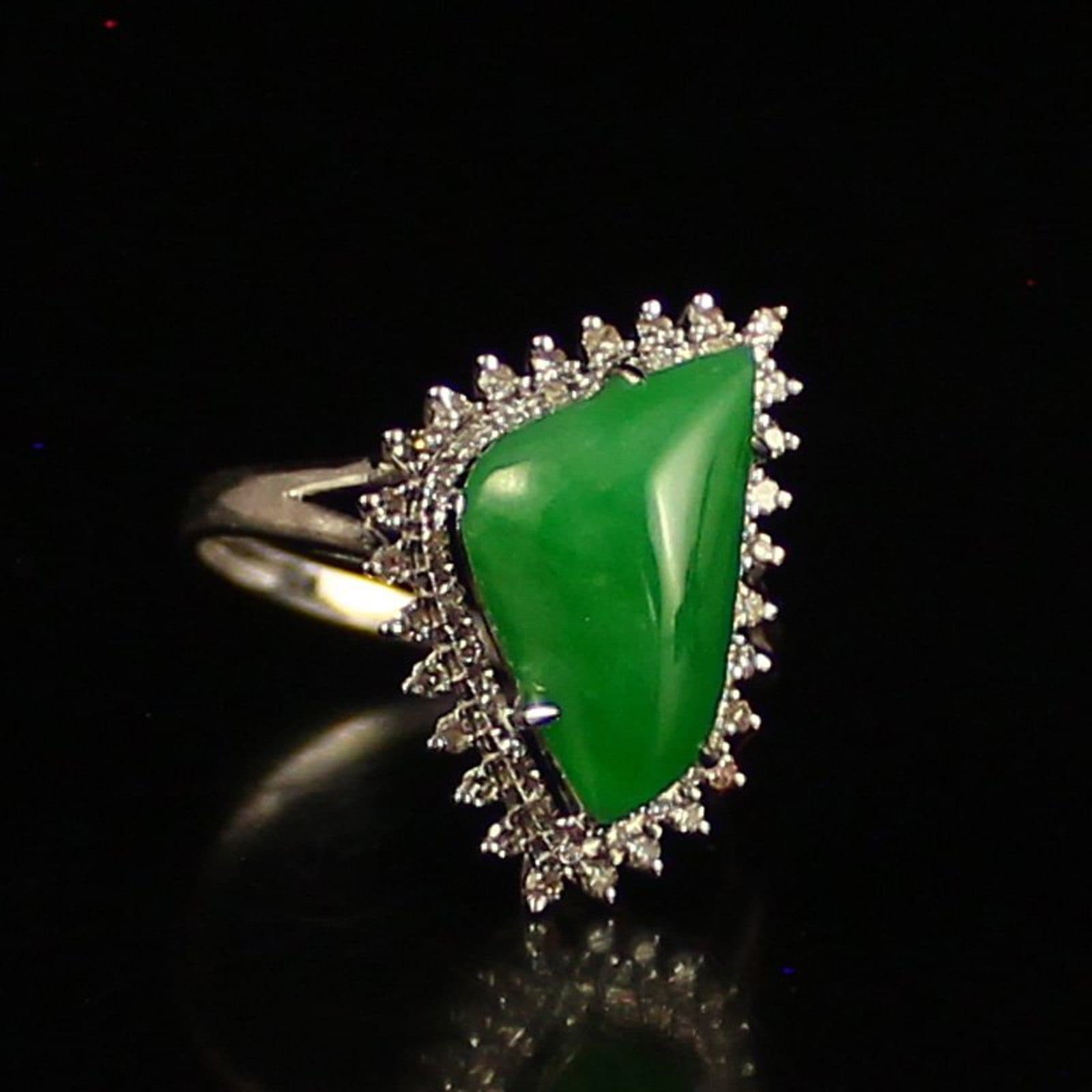
Known for the bright electric green of imperial jade, jadeite can actually occur in many colors, including lavender, yellow, orange-red, blue, black, and colorless. This ancient treasure has been highly prized in Chinese and Mayan cultures with an extensive body of folklore surrounding it.
What determines jadeite's exceptional value:
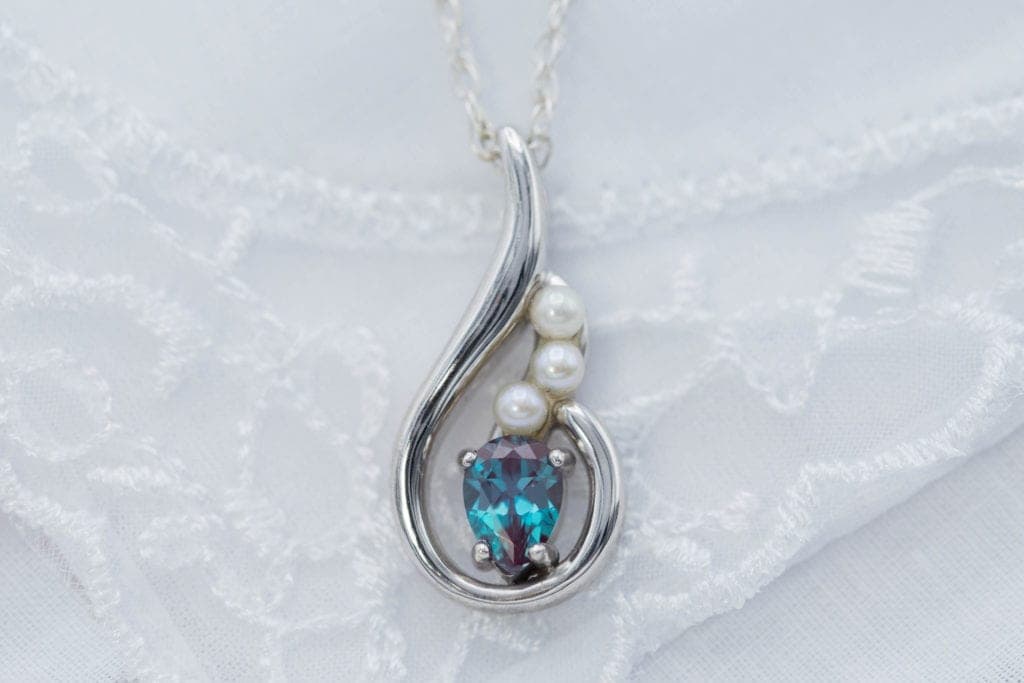
Discovered in 1830 in Russia's Ural Mountains, alexandrite has remarkable color-changing abilities that make it one of the most sought-after rare gemstones in the world.
What makes alexandrite so special:
As a modern June birthstone, alexandrite remains popular and is often synthesized for jewelry use due to its extreme natural scarcity.
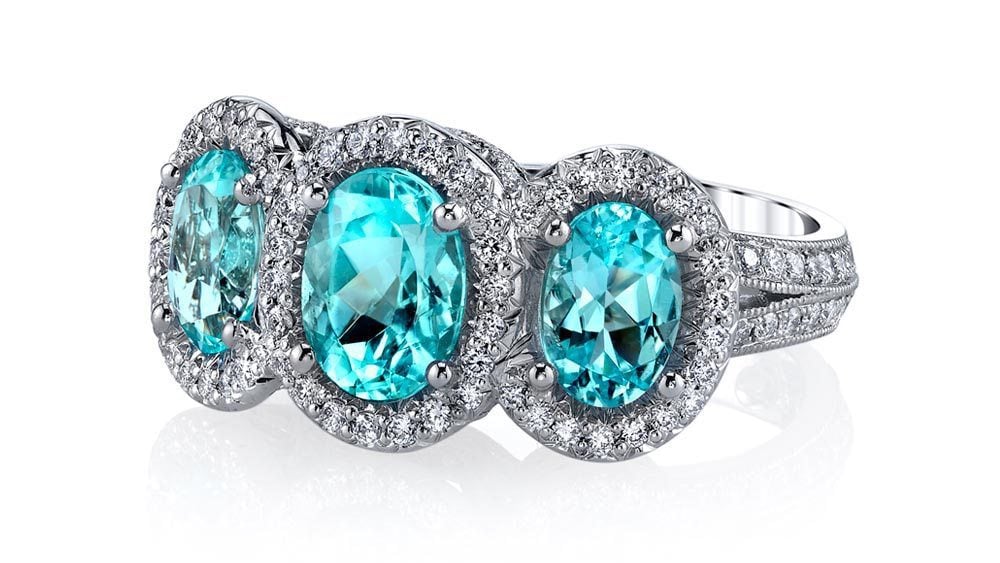
The brightly saturated blue-green hues of paraíba tourmaline stunned the gem world when discovered in the 1980s. Its remarkable discovery in the Brazilian state of Paraíba spurred a rush of prospectors and miners into the area.
What makes this gemstone exceptionally rare:
Despite multiple sources, this variety of tourmaline remains among the rarest gemstones due to limited production at all known localities.
In 1981, the World Jewellery Confederation (CIBJO) declaredammolite a new organic gem. Occurring in limited deposits in the Rocky Mountains, this gem material is much rarer than diamond.
What makes ammolite unique among rare gemstones:
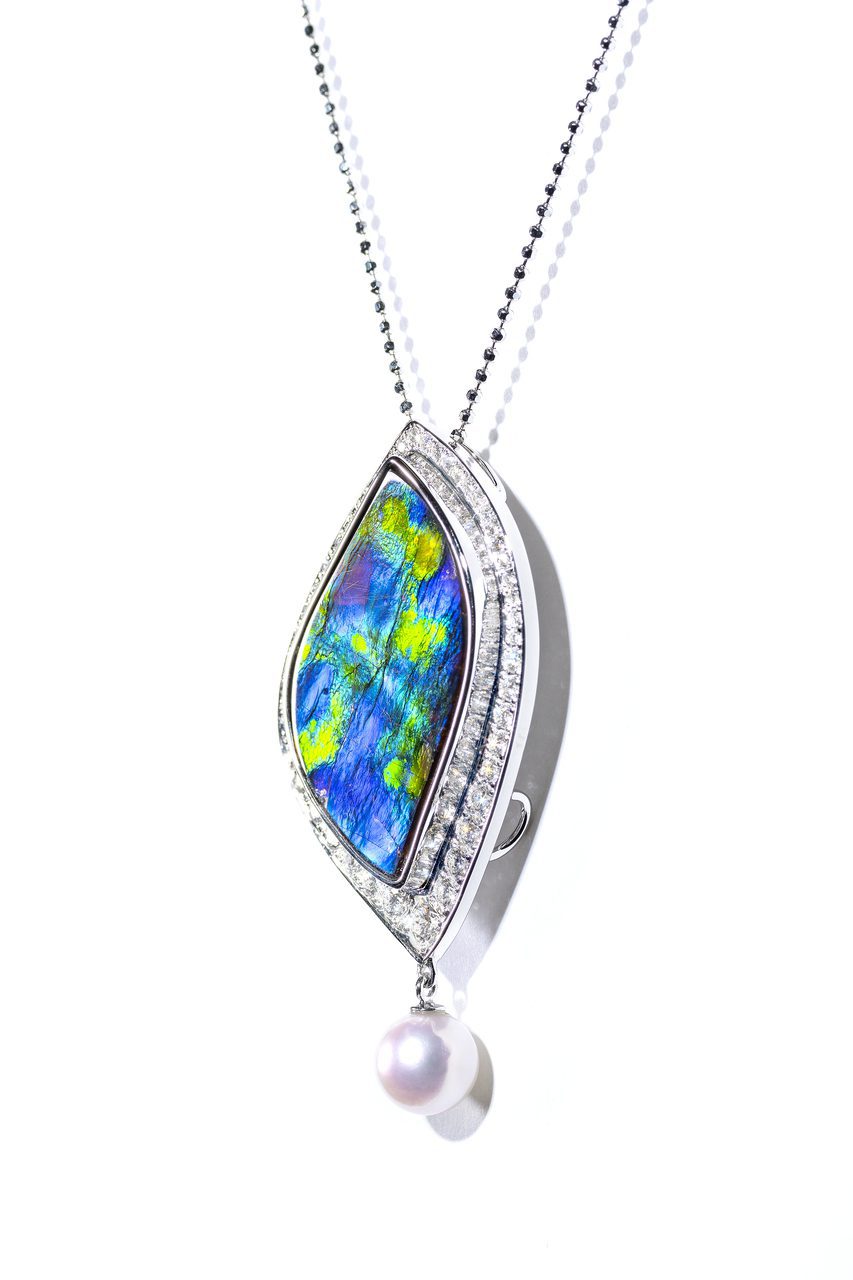
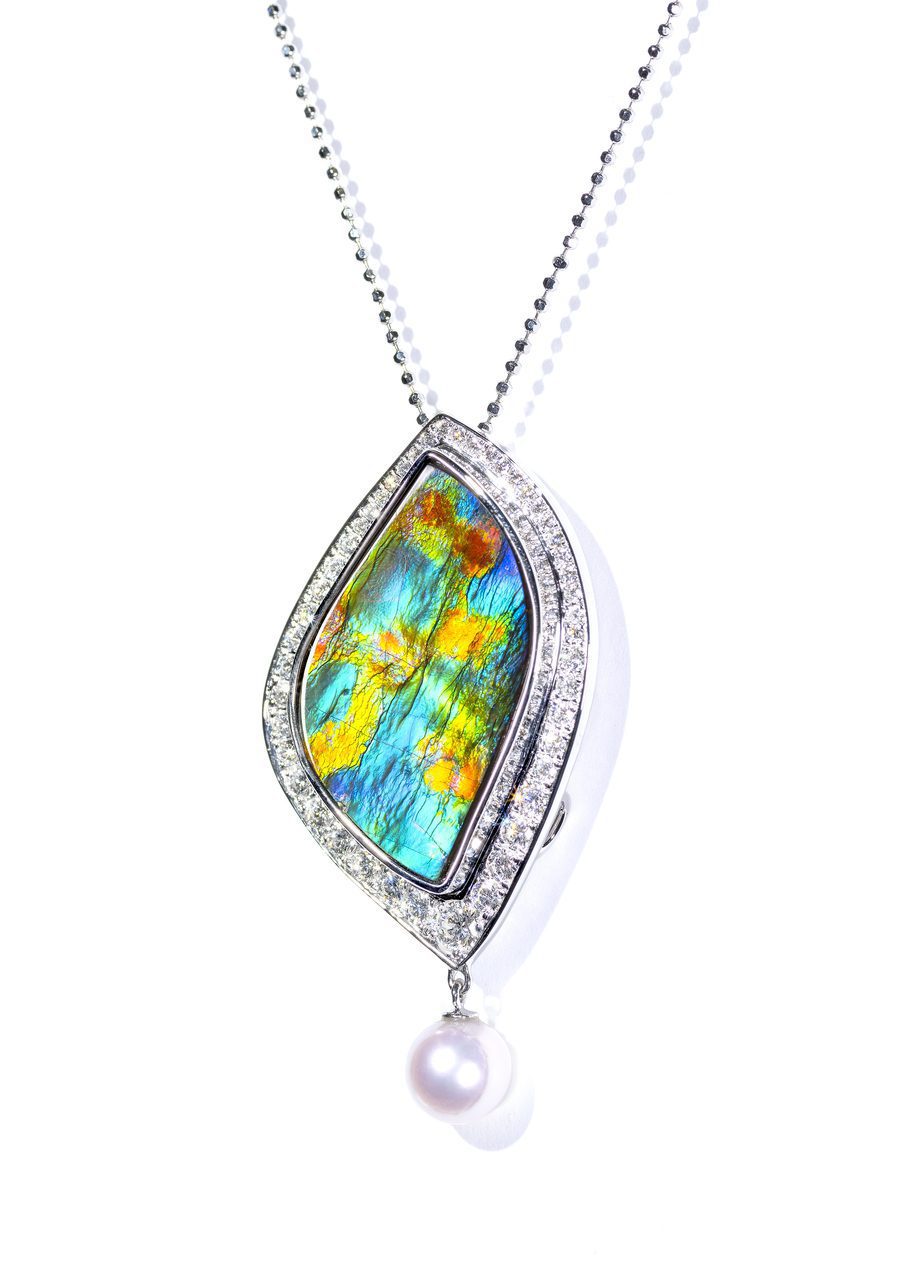
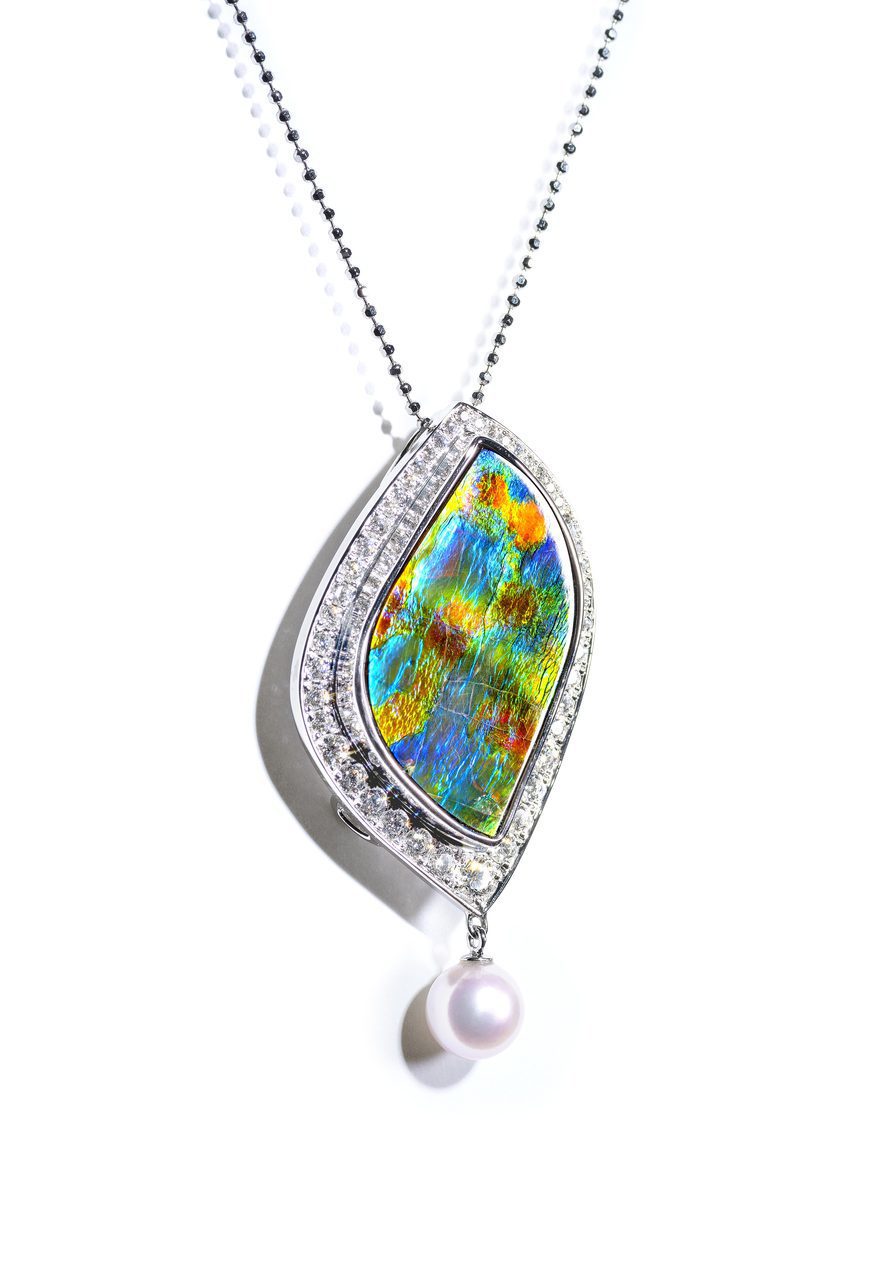
At 4.2 x 2.2 cm, the ammolite in this pendant makes a statement. Watch the mesmerizing color shift as the ammolite rotates in this slide show. Adorned by diamonds and a 6 mm Akoya pearl, this pendant is a showstopper even without the matching earrings. "Garden of Giverny" © Korite International. Used with permission.
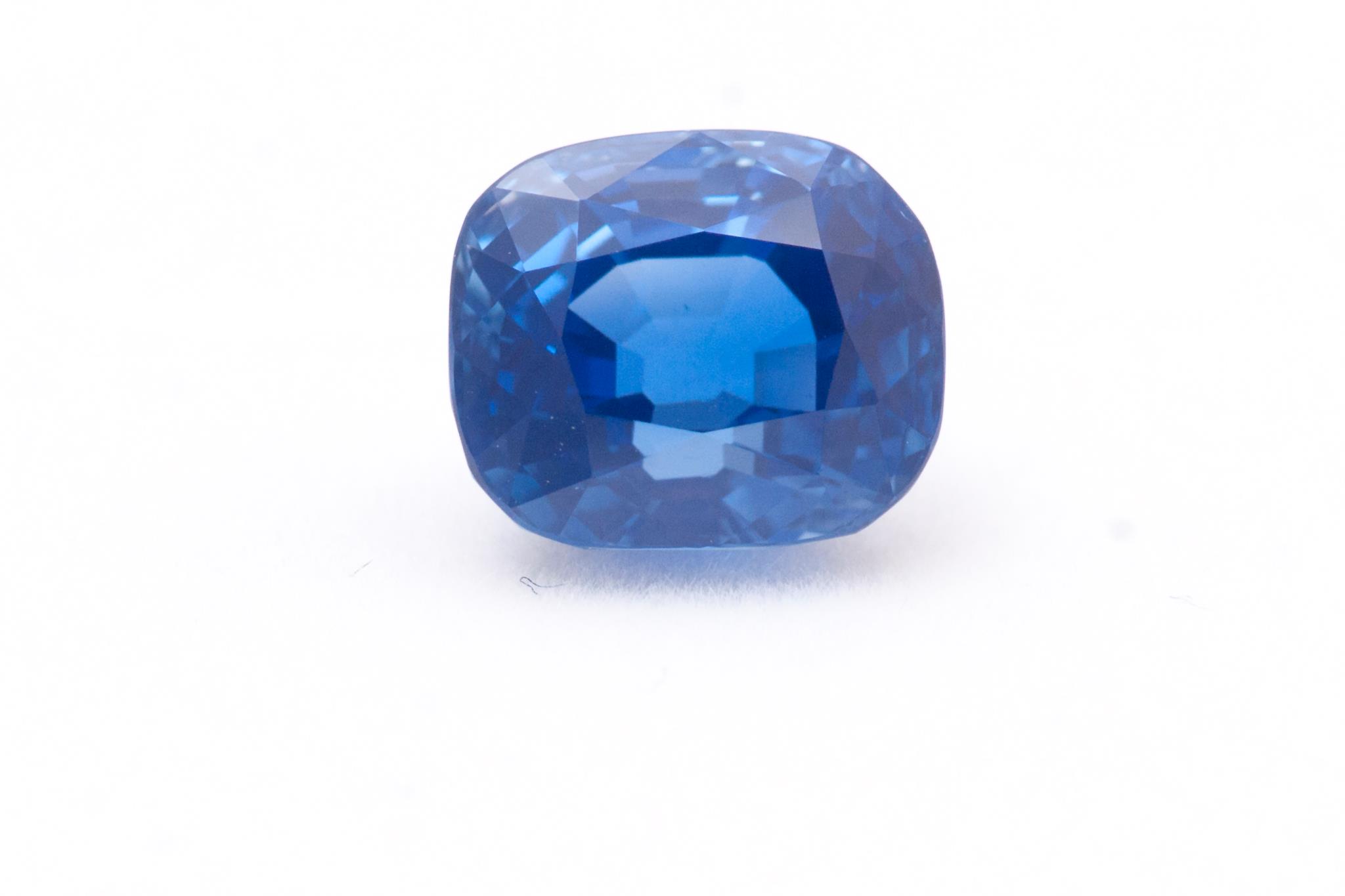
Soft, velvety, saturated blue hues characterize Kashmir sapphires. These gems contain very fine inclusions of rutile that create their distinctive soft appearance.
What makes Kashmir sapphires extremely rare:
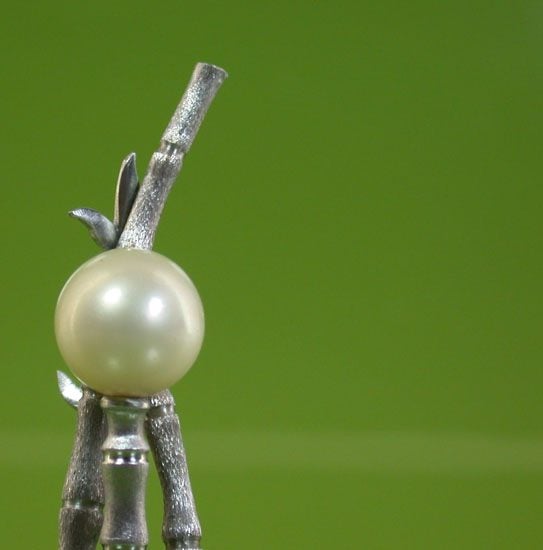
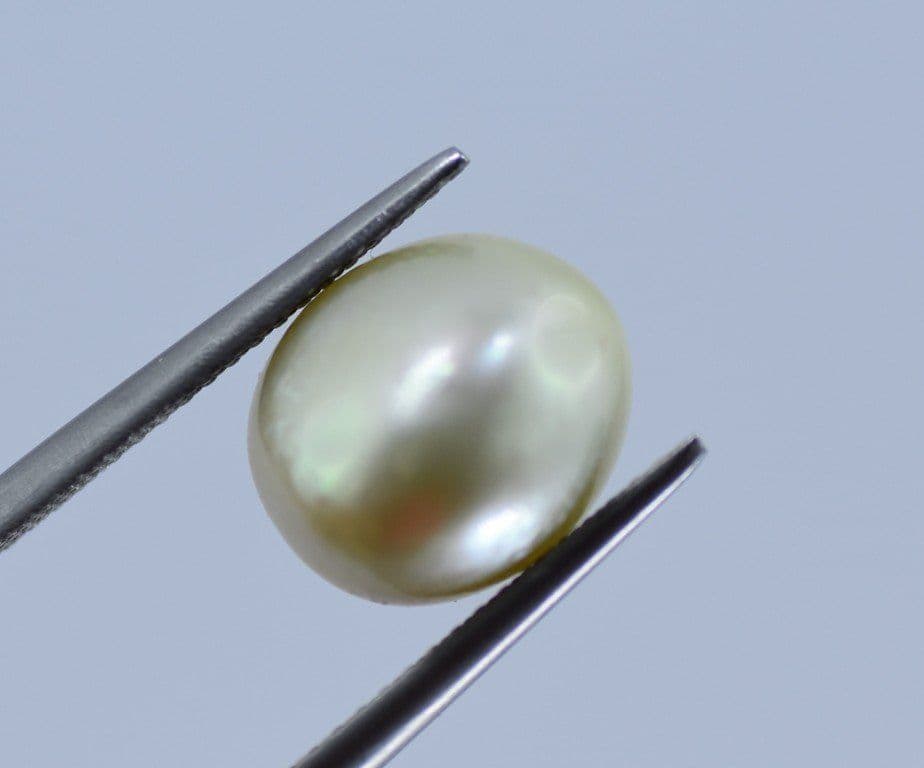
Pearls are ubiquitous in jewelry but would be almost non-existent without the cultured pearl industry. Natural pearls are extremely rare and becoming rarer every year.
Factors contributing to natural pearl scarcity:
While the standard for matching roundpearl jewelry is very high in cultured pearls, natural pearl strands will have more imperfections.
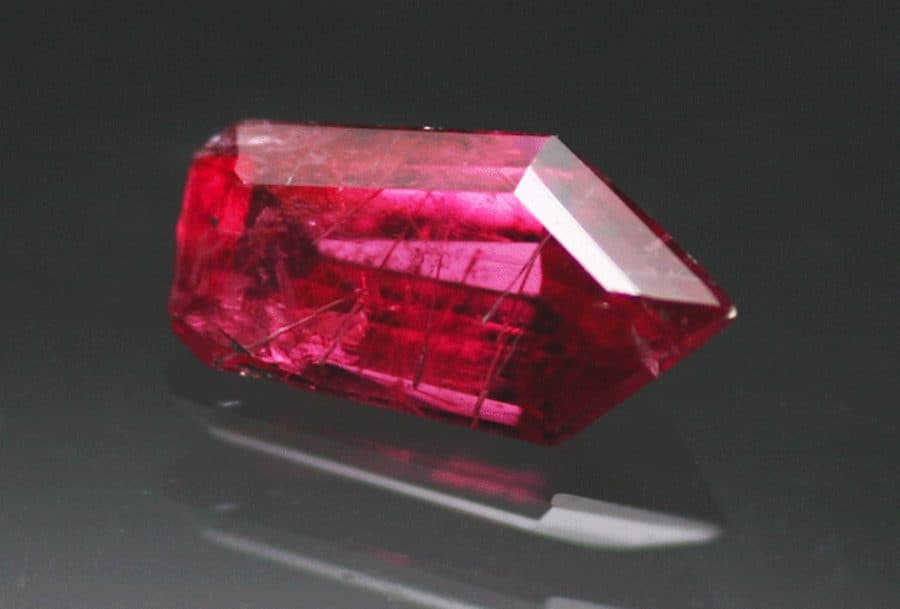
A cousin of emerald, aquamarine, and morganite, red beryl contains manganese, which imparts a bright red hue. Once called bixbite, red beryl stands as one of the rarest and most desirable gems on earth.
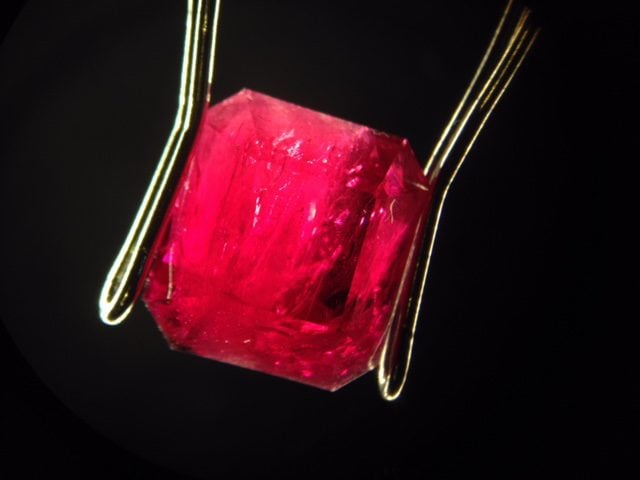
Key facts about this exceptional rare gemstone:
In this video, Jake Talve-Goodman of The Concierge Gemologist discusses the color, inclusions, and symbolism of red beryl.
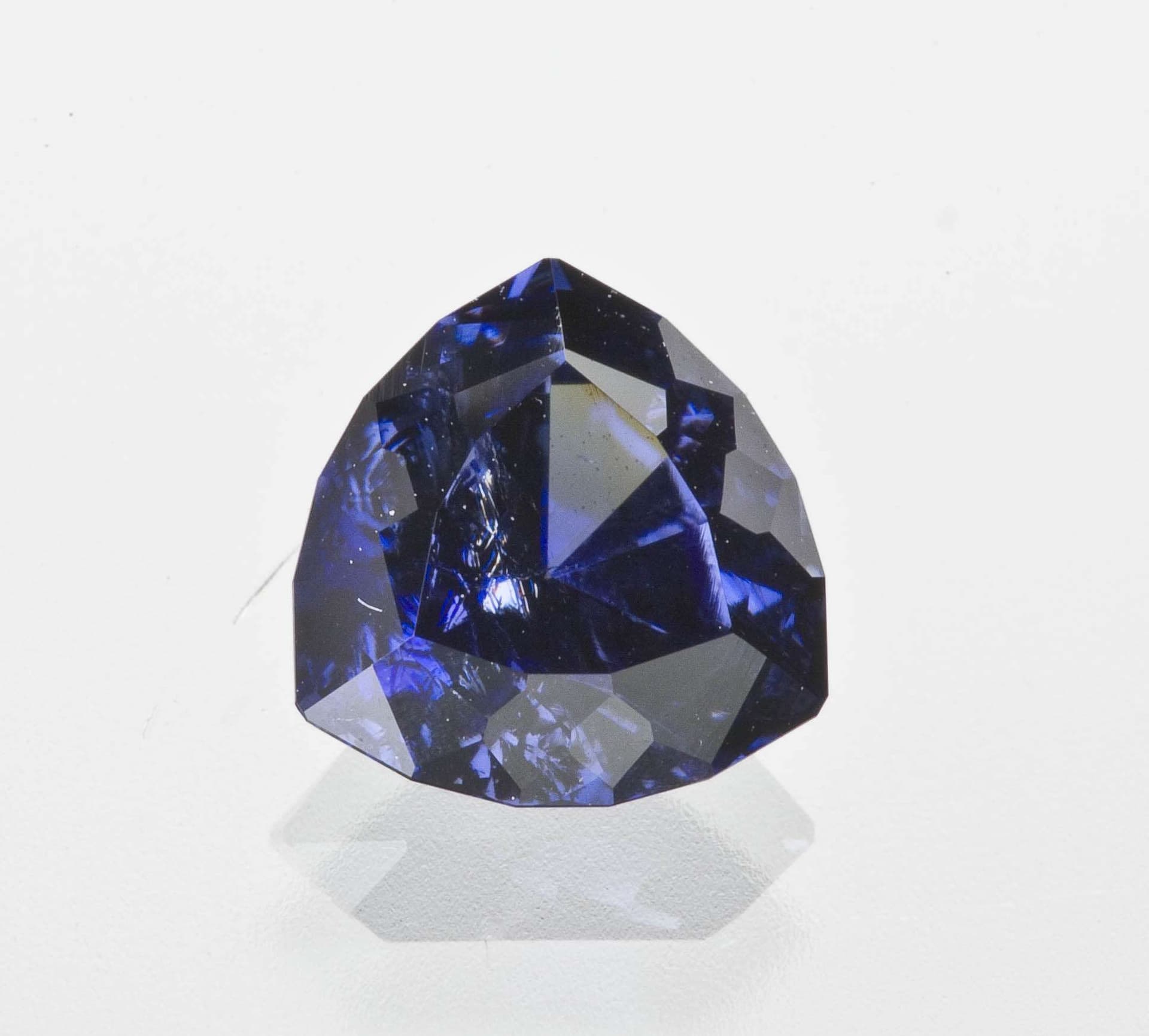
Benitoite exceeds diamond's rarity as well as its "fire" or dispersion. Combined with its often sapphire-blue color, it's no wonder this rare stone is a highly sought rare gem.
What makes benitoite exceptionally rare:
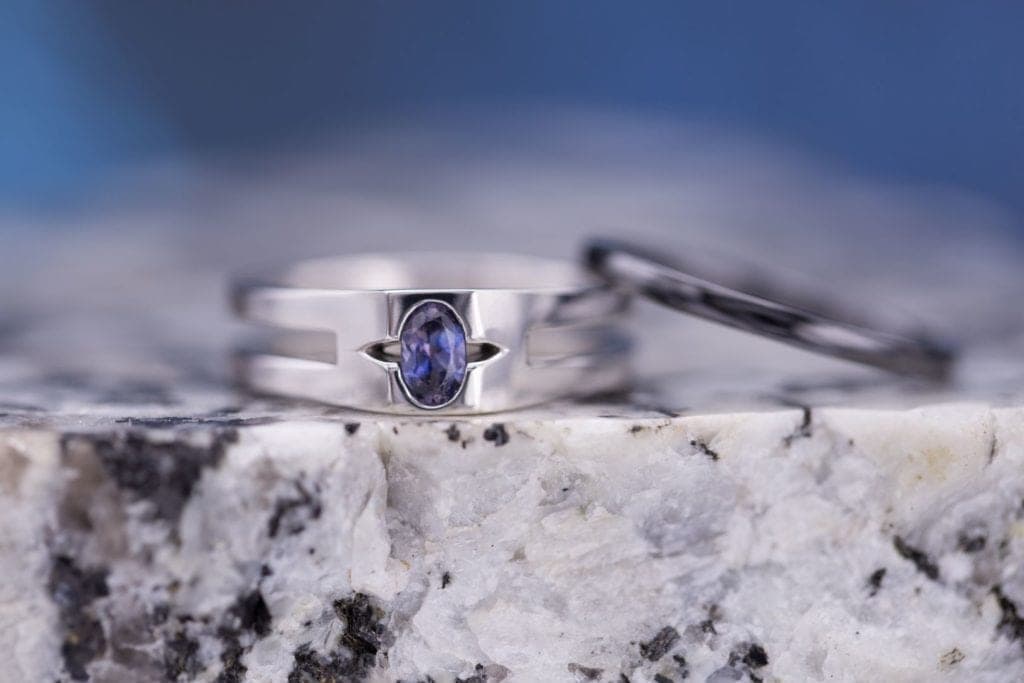
Looking for more gemstones rarer than diamond? Expand your knowledge of the world's rarest gemstones by exploring these exceptional varieties:
If you're searching for something truly special beyond common gemstones, these rarest gemstones offer a combination of beauty, scarcity, and distinctive qualities that make them treasured additions to any fine jewelry collection.


When you join the IGS community, you get trusted diamond & gemstone information when you need it.
Rare gemstones offer a unique alternative to traditional diamond jewelry, combining exceptional scarcity with stunning visual appeal. In this comprehensive guide, you'll discover ten gemstones that are actually rarer than diamonds, each with its own fascinating characteristics and history.
What you'll learn in this article:
The intense violet-blue hues of tanzanite can rival fine sapphire at a fraction of the price—yet it's a much rarer stone! This exceptional gemstone occurs only in a small area of Tanzania, making it one of the most geographically limited rare gemstones on earth.
Key facts about tanzanite that make it special:
Almost all tanzanite undergoes heat treatment to produce its attractive blue coloration, resulting in a stable color that makes this stone so desirable.
All rubies are rare, but those from Myanmar (formerly Burma) set the standard for quality and color while being exceptionally scarce. These represent some of the most rare gemstone specimens in the world of colored gems.
What makes Burma rubies special compared to other sources:
Known for the bright electric green of imperial jade, jadeite can actually occur in many colors, including lavender, yellow, orange-red, blue, black, and colorless. This ancient treasure has been highly prized in Chinese and Mayan cultures with an extensive body of folklore surrounding it.
What determines jadeite's exceptional value:
Discovered in 1830 in Russia's Ural Mountains, alexandrite has remarkable color-changing abilities that make it one of the most sought-after rare gemstones in the world.
What makes alexandrite so special:
As a modern June birthstone, alexandrite remains popular and is often synthesized for jewelry use due to its extreme natural scarcity.
The brightly saturated blue-green hues of paraíba tourmaline stunned the gem world when discovered in the 1980s. Its remarkable discovery in the Brazilian state of Paraíba spurred a rush of prospectors and miners into the area.
What makes this gemstone exceptionally rare:
Despite multiple sources, this variety of tourmaline remains among the rarest gemstones due to limited production at all known localities.
In 1981, the World Jewellery Confederation (CIBJO) declaredammolite a new organic gem. Occurring in limited deposits in the Rocky Mountains, this gem material is much rarer than diamond.
What makes ammolite unique among rare gemstones:
At 4.2 x 2.2 cm, the ammolite in this pendant makes a statement. Watch the mesmerizing color shift as the ammolite rotates in this slide show. Adorned by diamonds and a 6 mm Akoya pearl, this pendant is a showstopper even without the matching earrings. "Garden of Giverny" © Korite International. Used with permission.
Soft, velvety, saturated blue hues characterize Kashmir sapphires. These gems contain very fine inclusions of rutile that create their distinctive soft appearance.
What makes Kashmir sapphires extremely rare:
Pearls are ubiquitous in jewelry but would be almost non-existent without the cultured pearl industry. Natural pearls are extremely rare and becoming rarer every year.
Factors contributing to natural pearl scarcity:
While the standard for matching roundpearl jewelry is very high in cultured pearls, natural pearl strands will have more imperfections.
A cousin of emerald, aquamarine, and morganite, red beryl contains manganese, which imparts a bright red hue. Once called bixbite, red beryl stands as one of the rarest and most desirable gems on earth.
Key facts about this exceptional rare gemstone:
In this video, Jake Talve-Goodman of The Concierge Gemologist discusses the color, inclusions, and symbolism of red beryl.
Benitoite exceeds diamond's rarity as well as its "fire" or dispersion. Combined with its often sapphire-blue color, it's no wonder this rare stone is a highly sought rare gem.
What makes benitoite exceptionally rare:
Looking for more gemstones rarer than diamond? Expand your knowledge of the world's rarest gemstones by exploring these exceptional varieties:
If you're searching for something truly special beyond common gemstones, these rarest gemstones offer a combination of beauty, scarcity, and distinctive qualities that make them treasured additions to any fine jewelry collection.