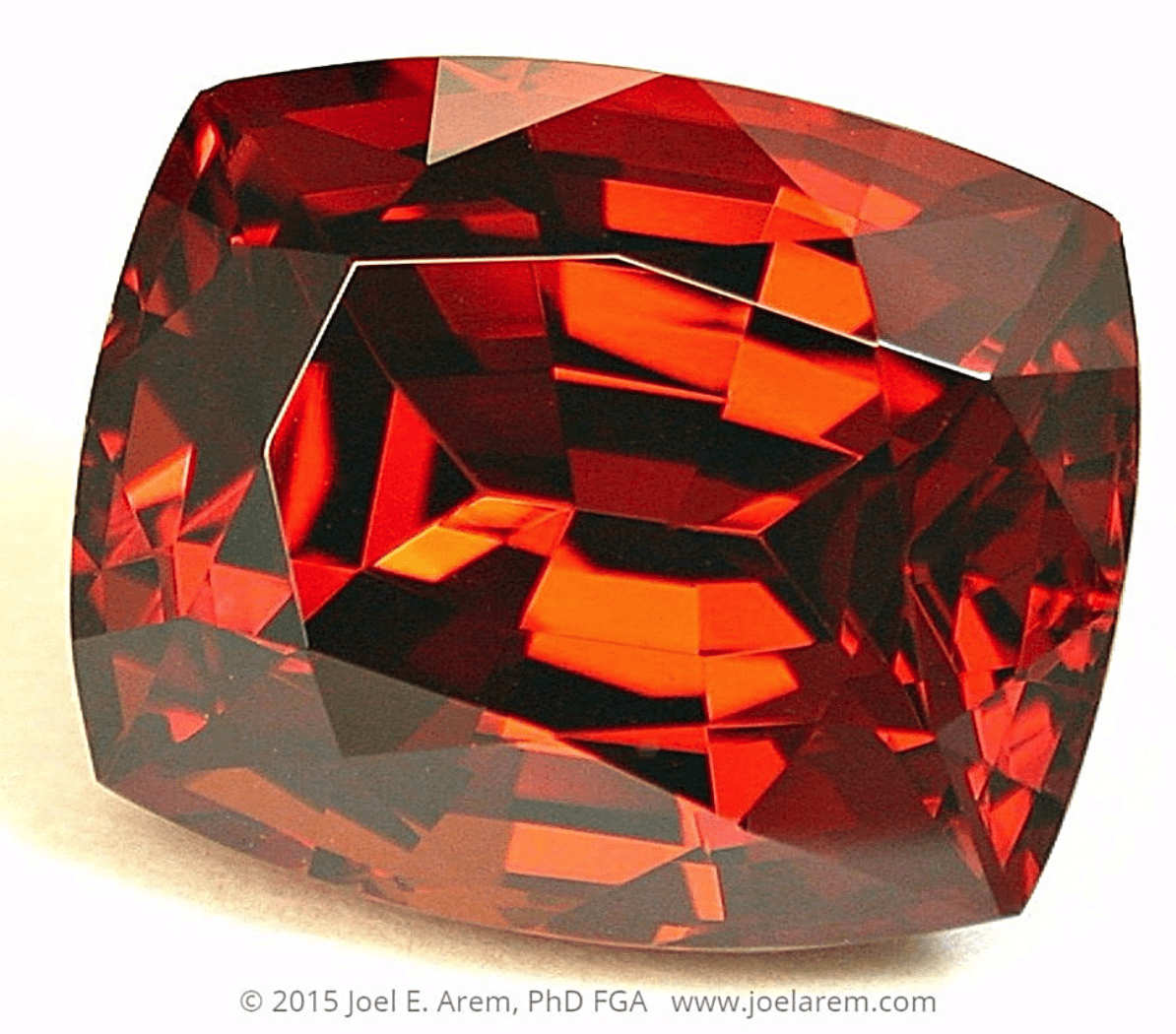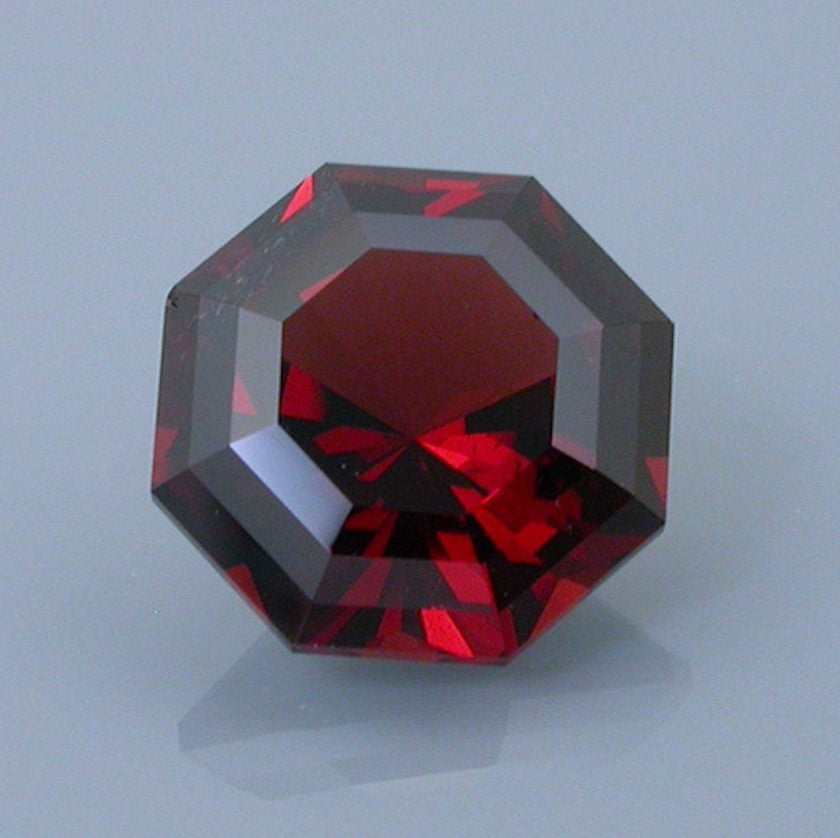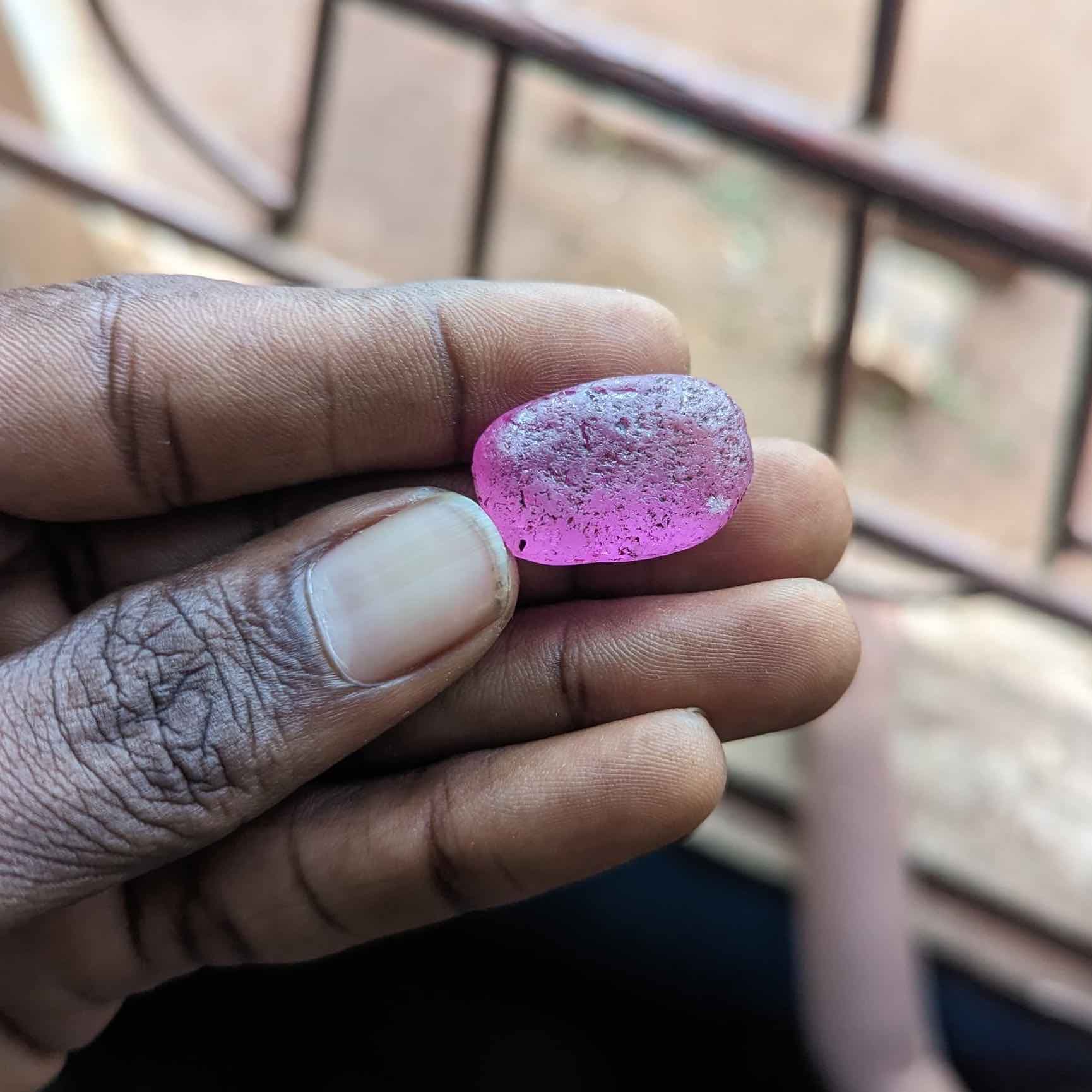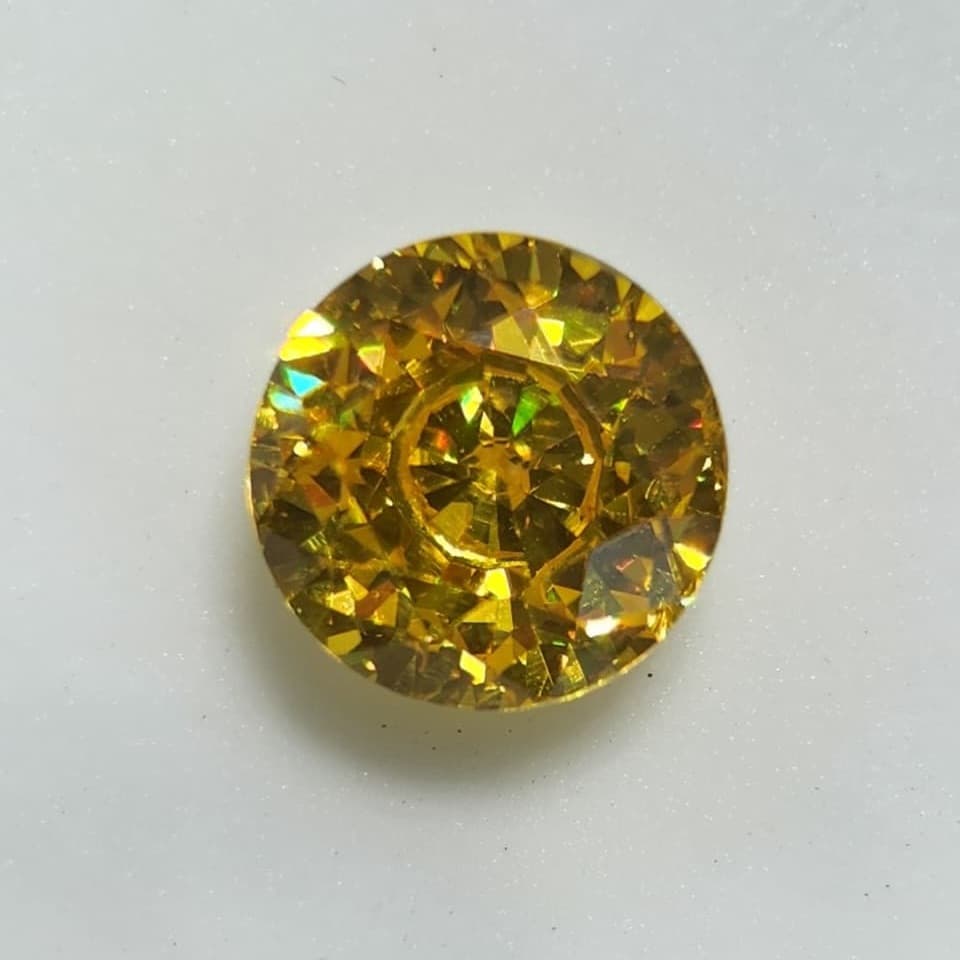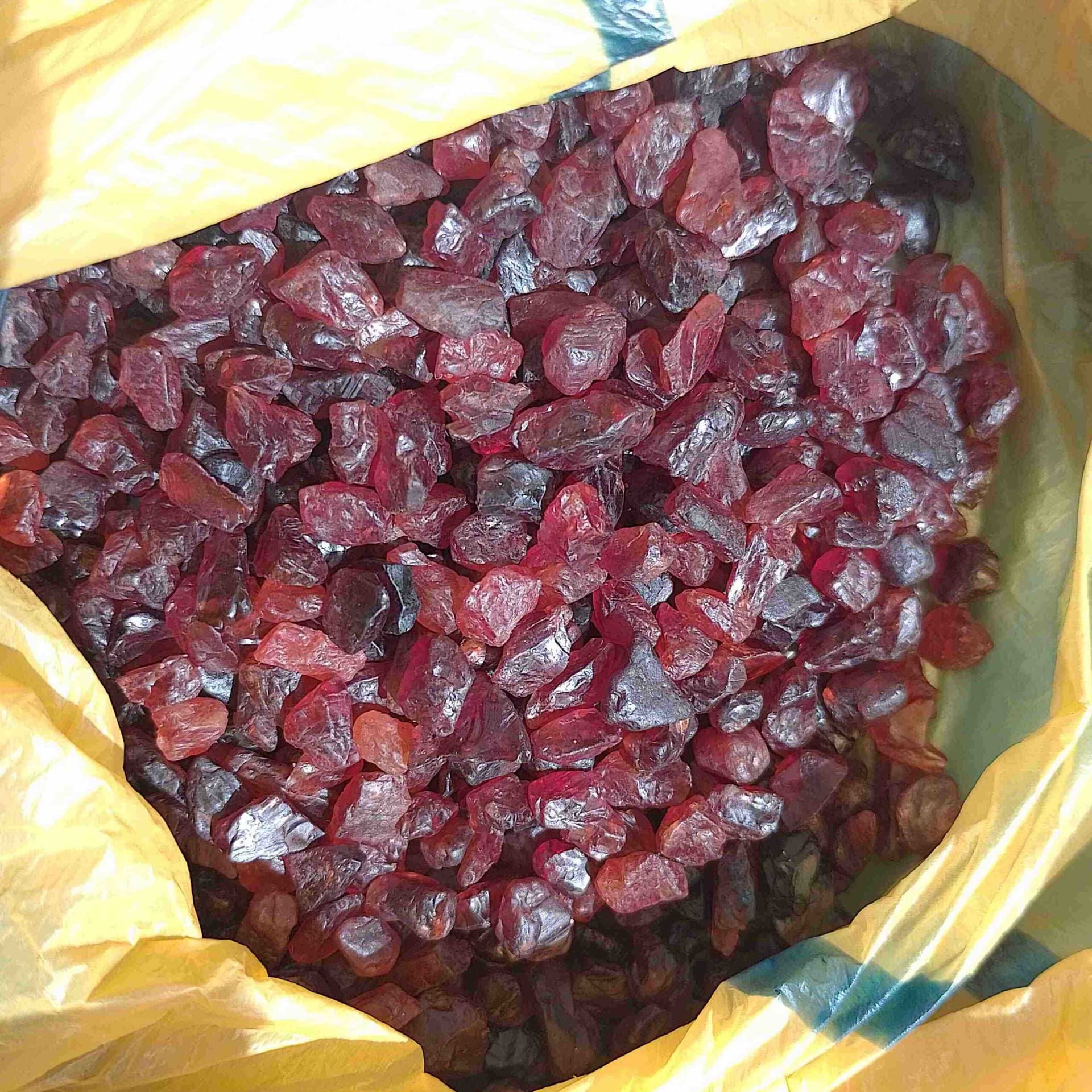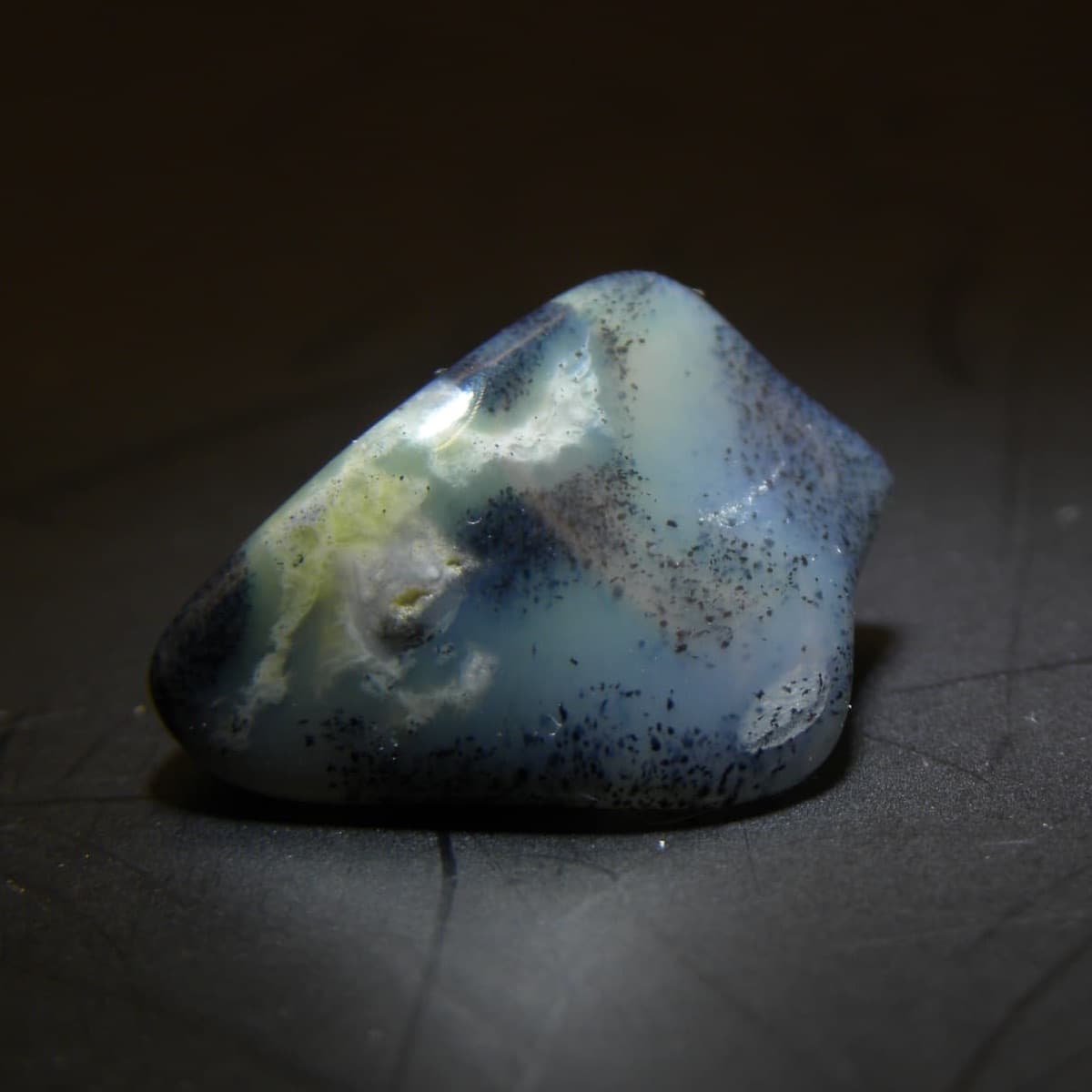
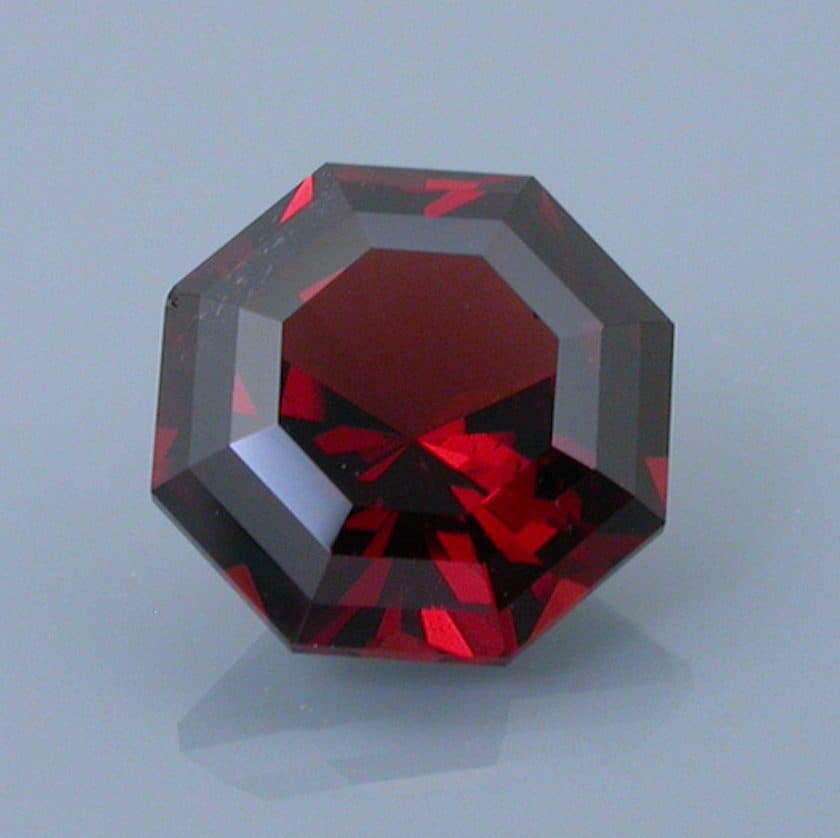
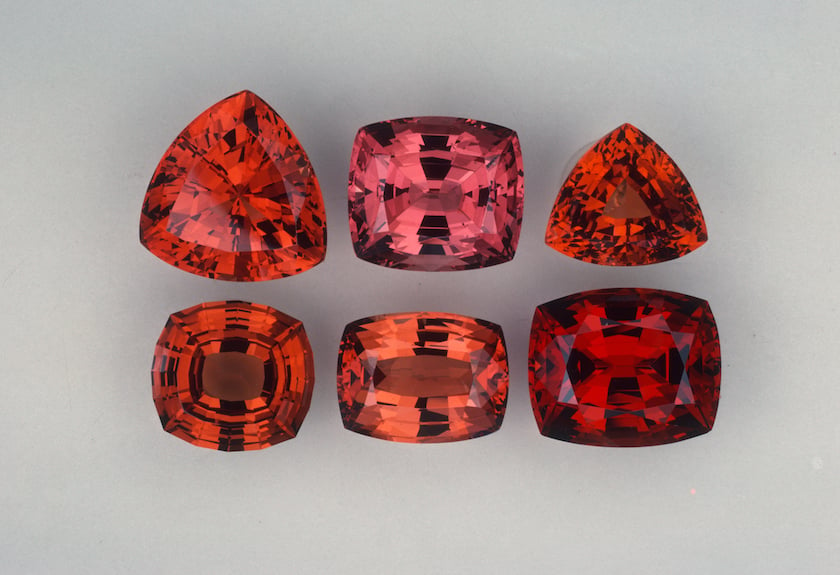
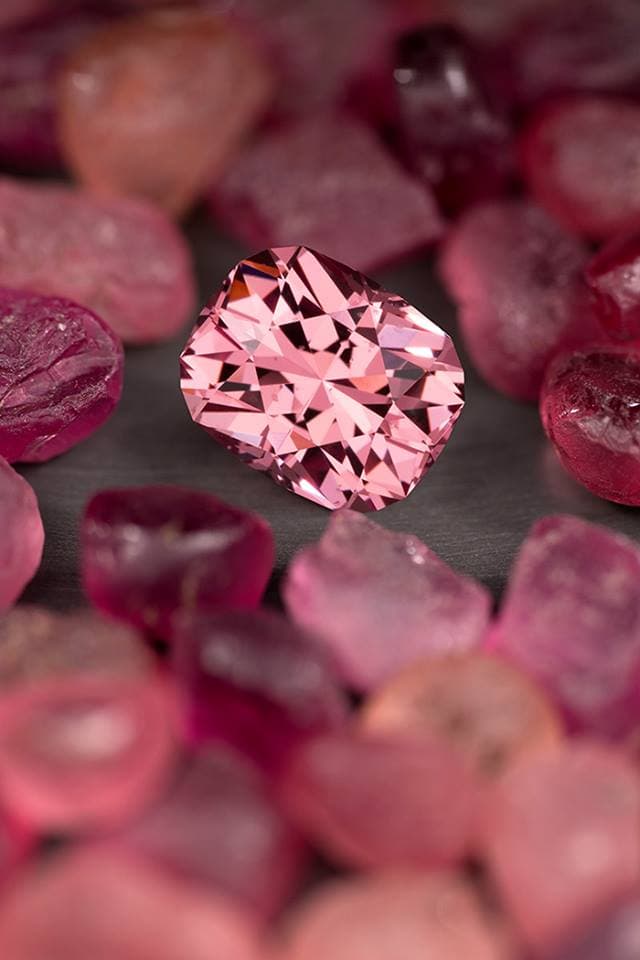
Malaia or malaya garnets are typically light to dark, slightly pinkish orange, reddish orange, or yellowish orange in color. This a popular but rare garnet variety.
2 Minute Read
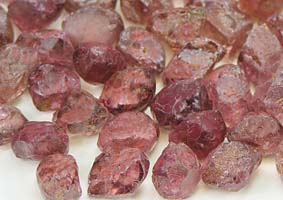
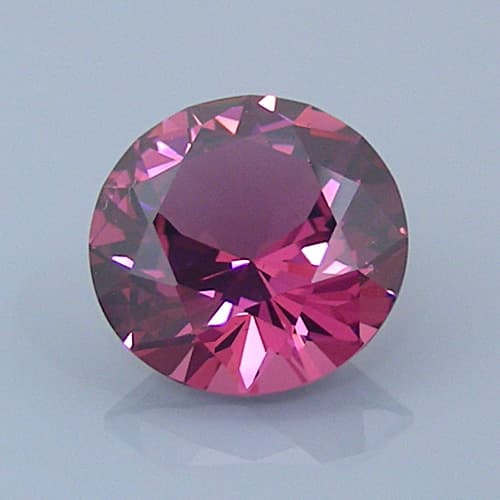
Garnets are a complicated family. The story of malaia or malaya garnet illustrates this well. Discovered in the 1960s in the Umba Valley in Tanzania, these pink gems were called malaia, Swahili for "out of the family." Miners who were being paid to search for violet rhodolite literally set aside these finds. At that time, they didn't fit into any known garnet varieties.
When malaia garnets came to the attention of the gem world in the 1970s, however, the outcast quickly became quite popular and valuable. Since then, new discoveries have revealed these gems occur in a wider range of colors than the pink that initially garnered so much attention.
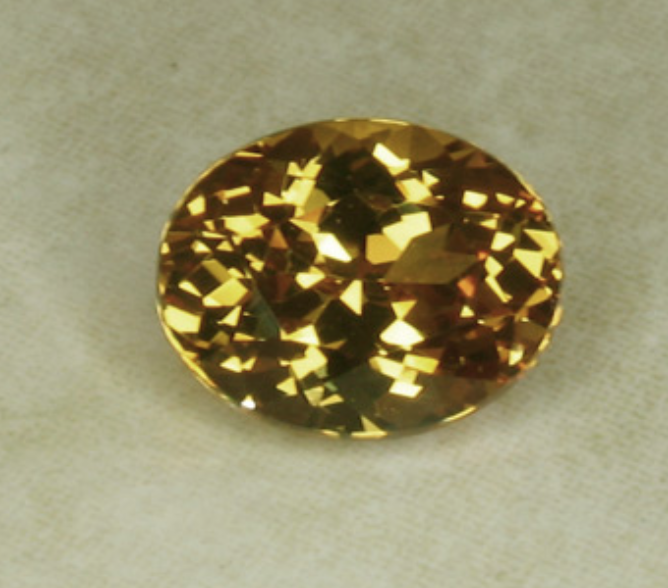
Popularity notwithstanding, these rare gems remain complicated. Currently, the name has two different uses. It's a trade name for pyrope-spessartine garnets with light to slightly dark colors ranging from pink, pinkish orange, yellowish orange, orange, to red. It's also a variety of pyralspite (a blend of pyrope, almandine, and spessartite garnets) with a very wide range of possible mixtures. Malaia garnets may consist of 0-83% pyrope, 2-78% almandine, 2-94% spessartite, and 0-24% grossular, with no more than 4% andradite.
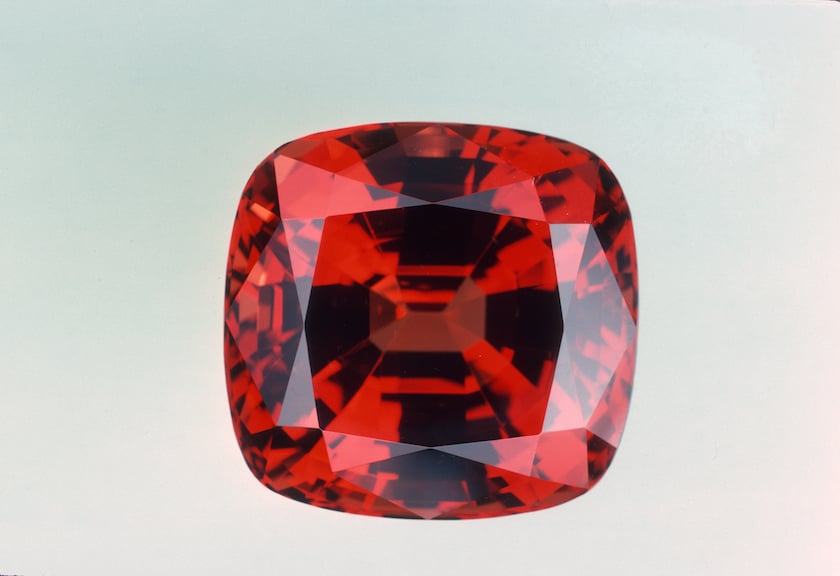
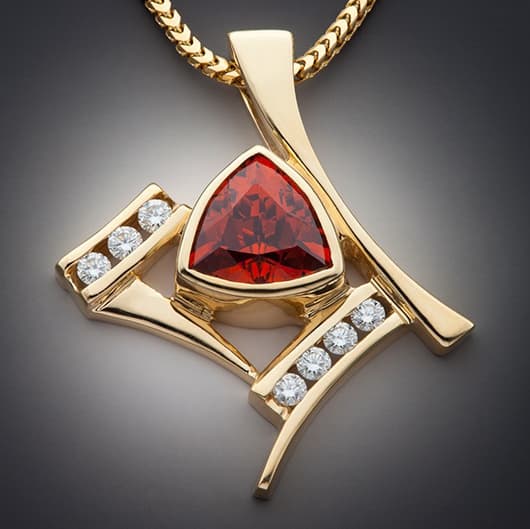
With their high hardness, no cleavage, and excellent dispersion, malaia garnets are excellent stones for faceting and any type of jewelry use. For engagement ring design ideas, consult our garnet engagement ring guide.
Some malaia garnets may change colors under incandescent and fluorescent light. When faceted, they may also show scintillating red flashes due to the presence of chromium or vanadium.
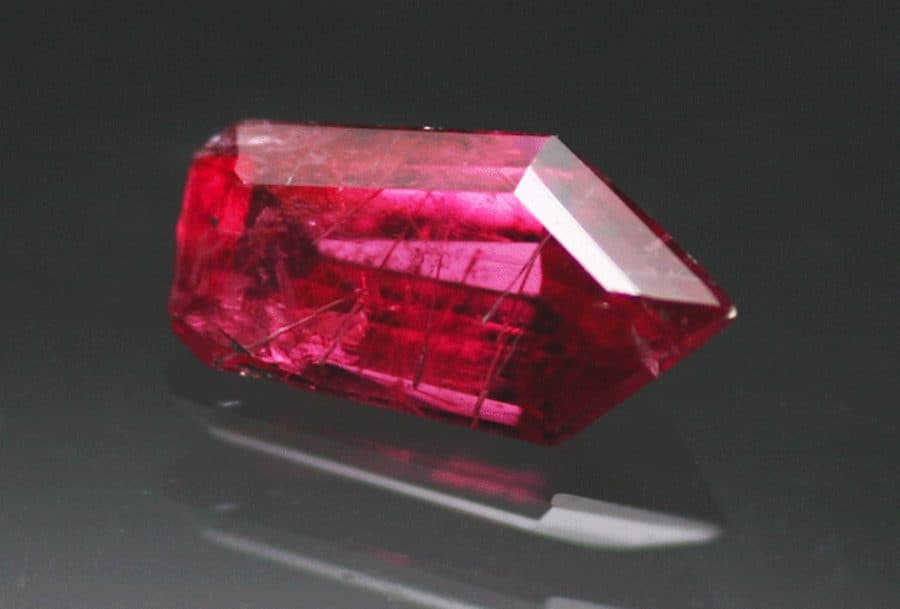
This gem's absorption spectrum and needle inclusions can also help distinguish them from other garnet varieties.
Malaia garnets aren't usually enhanced or synthesized.
The Umba Valley in Tanzania, the first known source of malaia garnet, now rarely produces the material. The gemstone also occurs in Tunduro, Tanzania, as well as Kenya and Madagascar.
Stones larger than four carats are very rare.
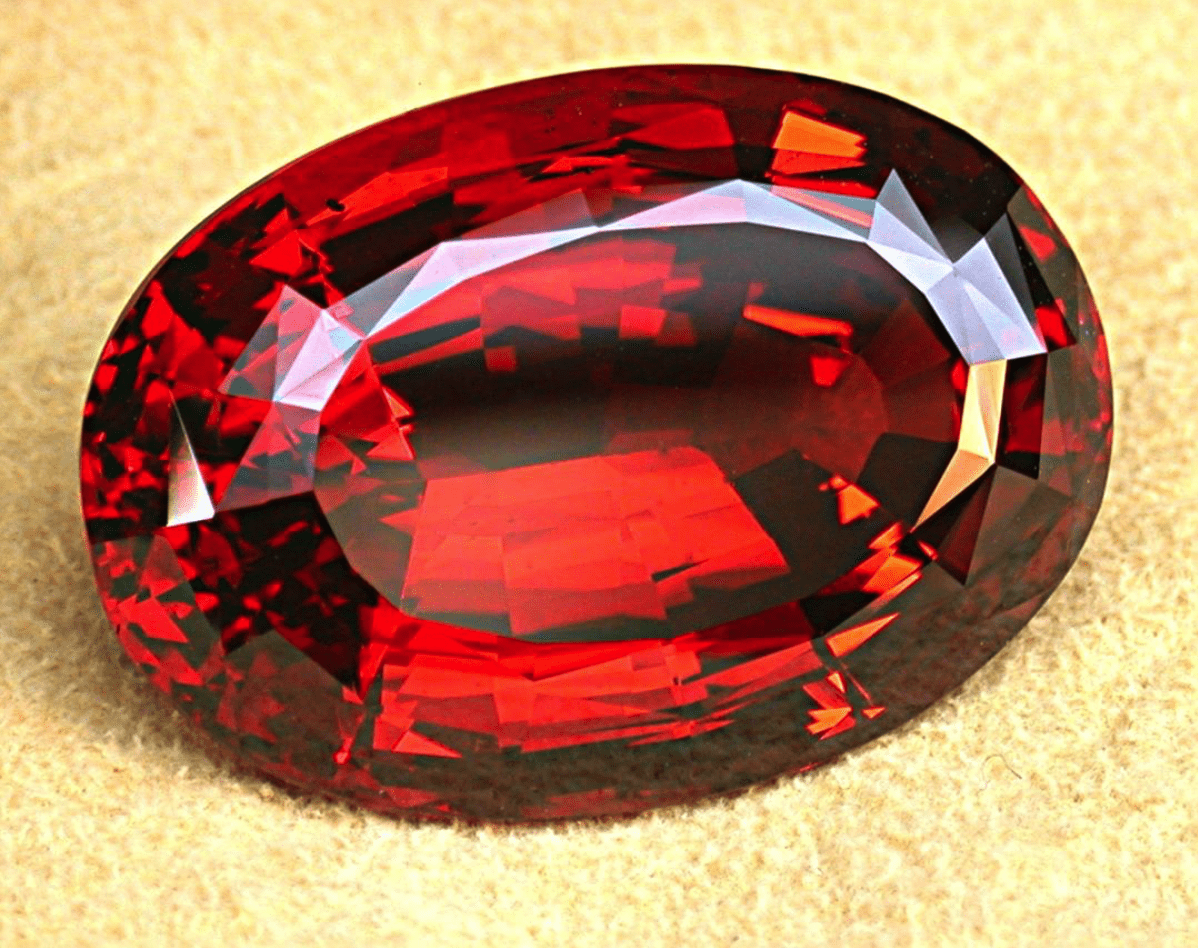
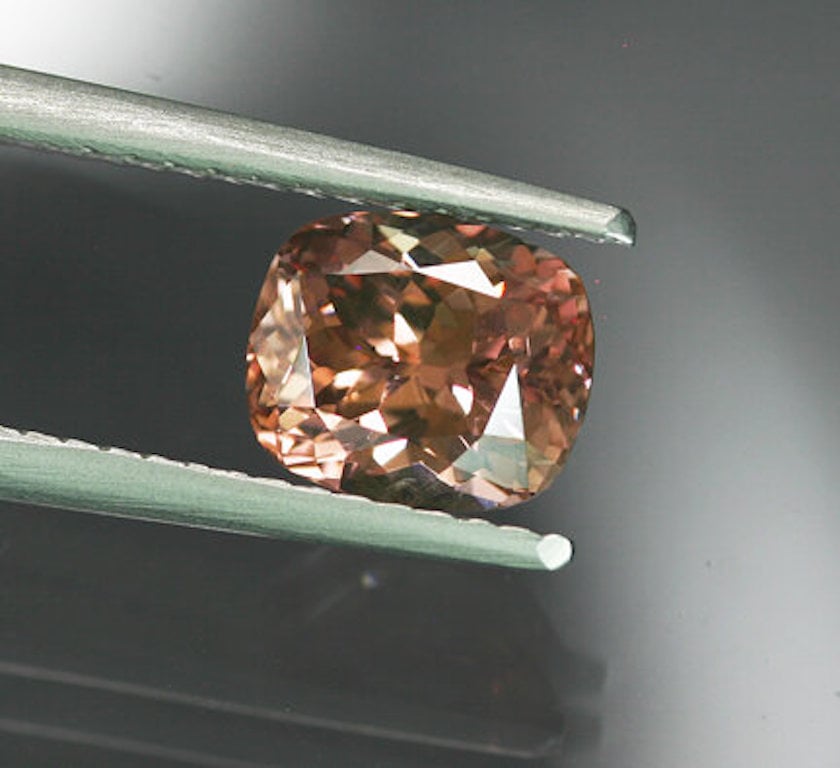
Light peach and pinkish orange malaias are sometimes marketed as "Imperial garnets." Brownish, pinkish orange specimens from Madagascar with a high anomalous double refraction have been called "Imperial malaia garnet." Tan, beige specimens are marketed as "Champagne garnet."
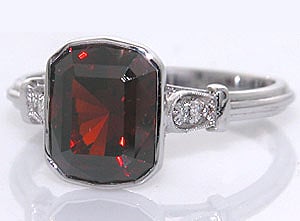
Despite malaia garnet's durability, take care when cleaning these gems and garnets in general. Inclusions may burst due to extreme heat or ultrasound and fracture the stone. Avoid mechanical cleaning systems and stick to a soft brush, mild detergent, and warm water, instead.
Consult our gemstone care guide and gemstone jewelry cleaning guide for more information.


When you join the IGS community, you get trusted diamond & gemstone information when you need it.
Garnets are a complicated family. The story of malaia or malaya garnet illustrates this well. Discovered in the 1960s in the Umba Valley in Tanzania, these pink gems were called malaia, Swahili for "out of the family." Miners who were being paid to search for violet literally set aside these finds. At that time, they didn't fit into any known garnet varieties.
When malaia garnets came to the attention of the gem world in the 1970s, however, the outcast quickly became quite popular and valuable. Since then, new discoveries have revealed these gems occur in a wider range of colors than the pink that initially garnered so much attention.
Popularity notwithstanding, these rare gems remain complicated. Currently, the name has two different uses. It's a trade name for pyrope-spessartine garnets with light to slightly dark colors ranging from pink, pinkish orange, yellowish orange, orange, to red. It's also a variety of pyralspite (a blend of pyrope, almandine, and spessartite garnets) with a very wide range of possible mixtures. Malaia garnets may consist of 0-83% pyrope, 2-78% almandine, 2-94% spessartite, and 0-24% grossular, with no more than 4% andradite.
With their high hardness, no cleavage, and excellent dispersion, malaia garnets are excellent stones for faceting and any type of jewelry use. For engagement ring design ideas, consult our garnet engagement ring guide.
Some malaia garnets may change colors under incandescent and fluorescent light. When faceted, they may also show scintillating red flashes due to the presence of chromium or vanadium.
This gem's absorption spectrum and needle inclusions can also help distinguish them from other garnet varieties.
Malaia garnets aren't usually enhanced or synthesized.
The Umba Valley in Tanzania, the first known source of malaia garnet, now rarely produces the material. The gemstone also occurs in Tunduro, Tanzania, as well as Kenya and Madagascar.
Stones larger than four carats are very rare.
Light peach and pinkish orange malaias are sometimes marketed as "Imperial garnets." Brownish, pinkish orange specimens from Madagascar with a high anomalous double refraction have been called "Imperial malaia garnet." Tan, beige specimens are marketed as "Champagne garnet."
Despite malaia garnet's durability, take care when cleaning these gems and garnets in general. Inclusions may burst due to extreme heat or ultrasound and fracture the stone. Avoid mechanical cleaning systems and stick to a soft brush, mild detergent, and warm water, instead.
Consult our gemstone care guide and gemstone jewelry cleaning guide for more information.



Malaia or malaya garnets are typically light to dark, slightly pinkish orange, reddish orange, or yellowish orange in color. This a popular but rare garnet variety.
Malaia garnet value increases as the tone lightens.
Although these gems were readily available in the 1970s, they have since become scarce, especially in large sizes.
For more information on quality and value factors for malaia garnets, consult our buying guide.