Although many gems show a cat’s eye effect, when the term “cat’s eye” is used alone, it always refers to the rare gemstone chrysoberyl. Both chatoyant and non-chatoyant chrysoberyls can make wonderful jewelry stones.
5 Minute Read
All varieties of chrysoberyl can make prized and durable stones for any kind of jewelry setting.
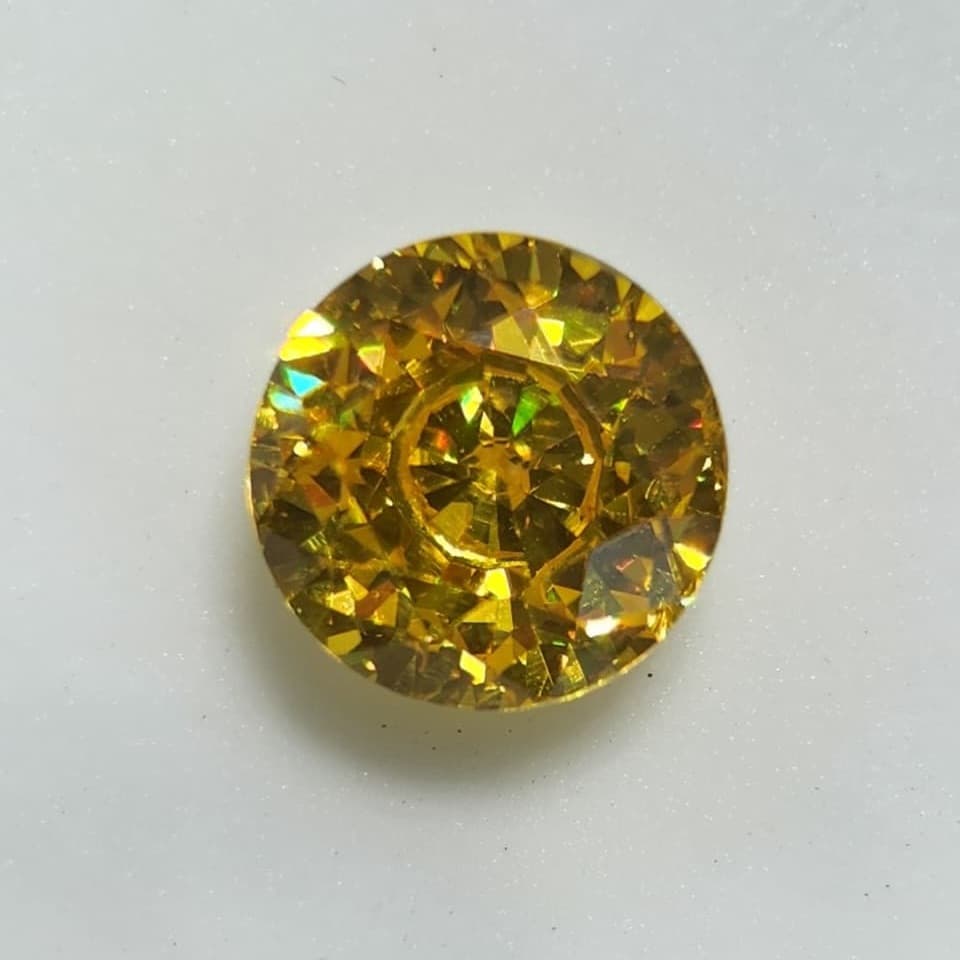
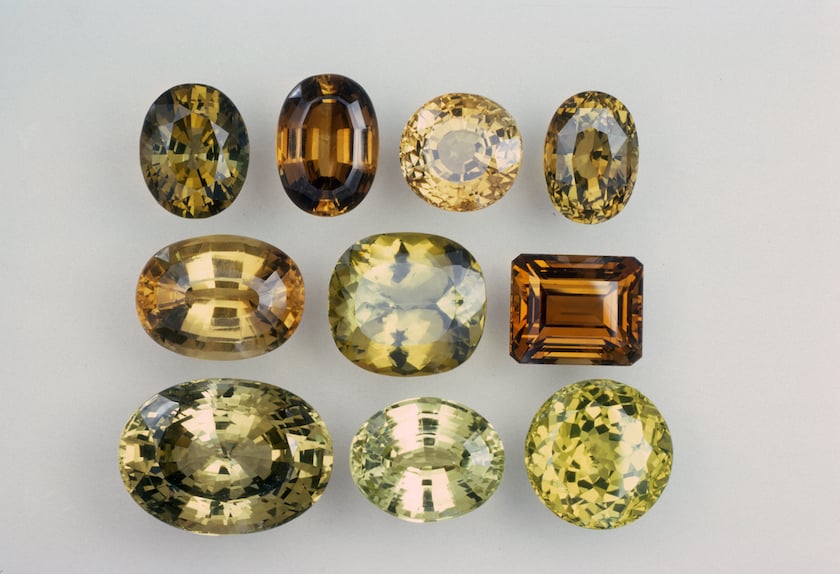
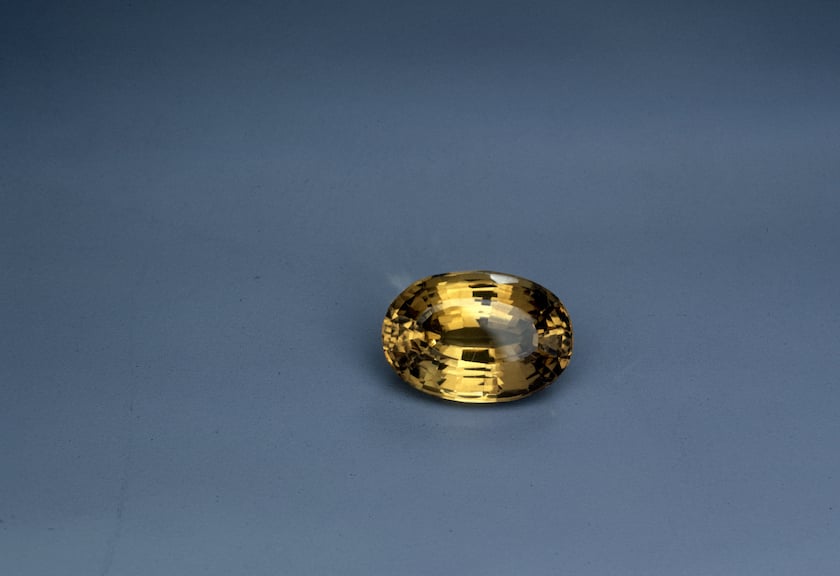
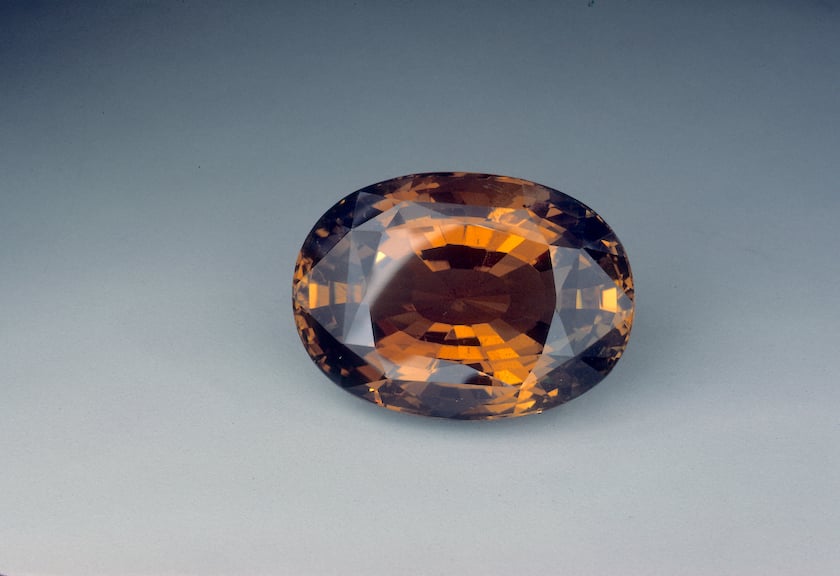
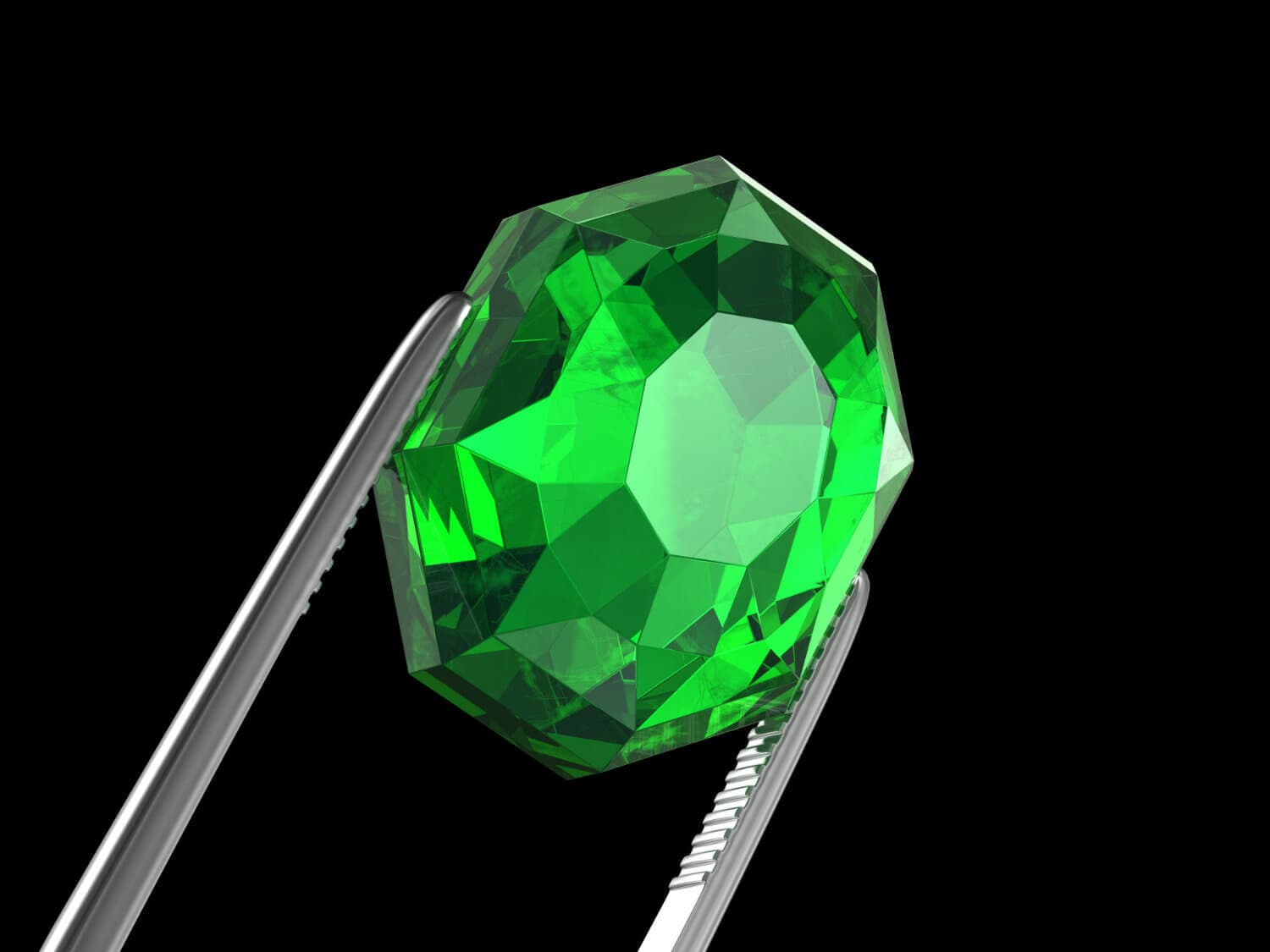
The transparent variety of chrysoberyl makes a handsome faceted gem. With indistinct cleavage and hardness of 8.5, it's one of the toughest stones for jewelry purposes. In general, the bright yellow and yellow-green shades are the most desirable colors, but some of the browns are also striking. Properly cut gems are very brilliant, although they lack fire due to low dispersion. Chrysoberyls from Australia have such unusually high refractive indices they could be misidentified as yellow-brown sapphires.
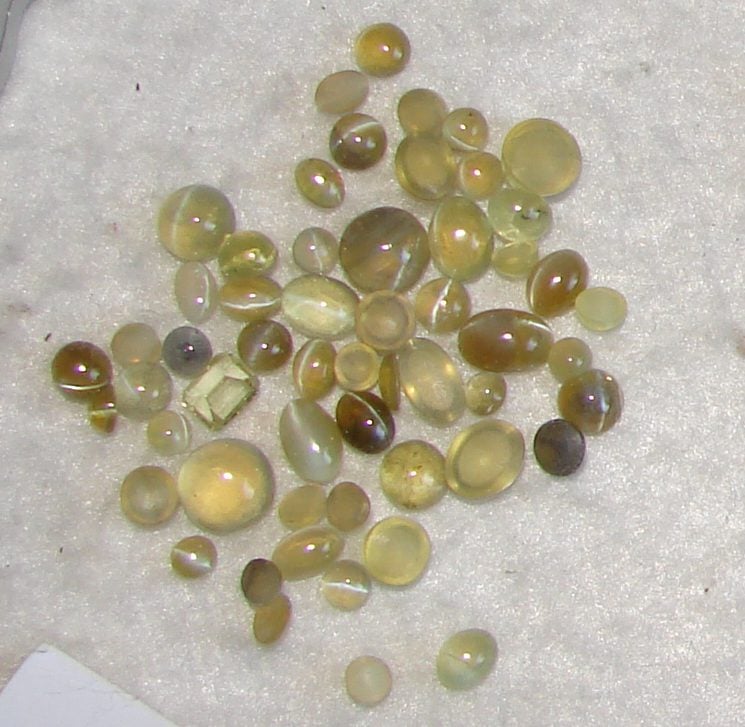
Chatoyant or cat's eye chrysoberyls are cabbed to display their spectacular eyes.
Despite chrysoberyl's durability, gem cutters should take care when working with this material because it has some sensitivity to knocks and extreme heat. However, these sensitivities don't apply to normal jewelry wear.
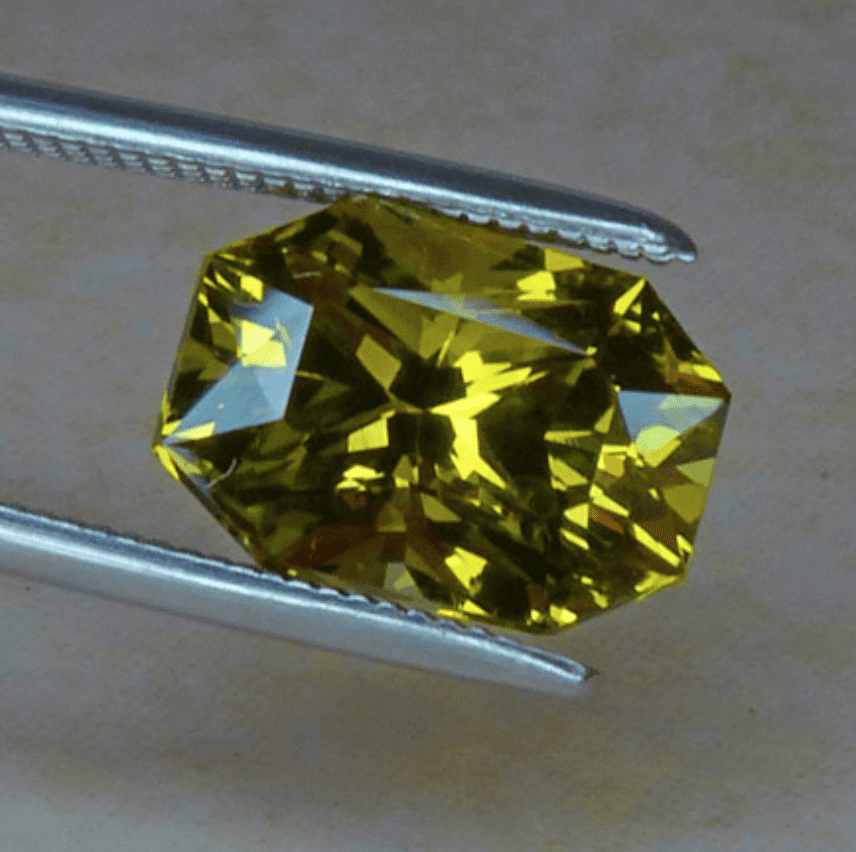
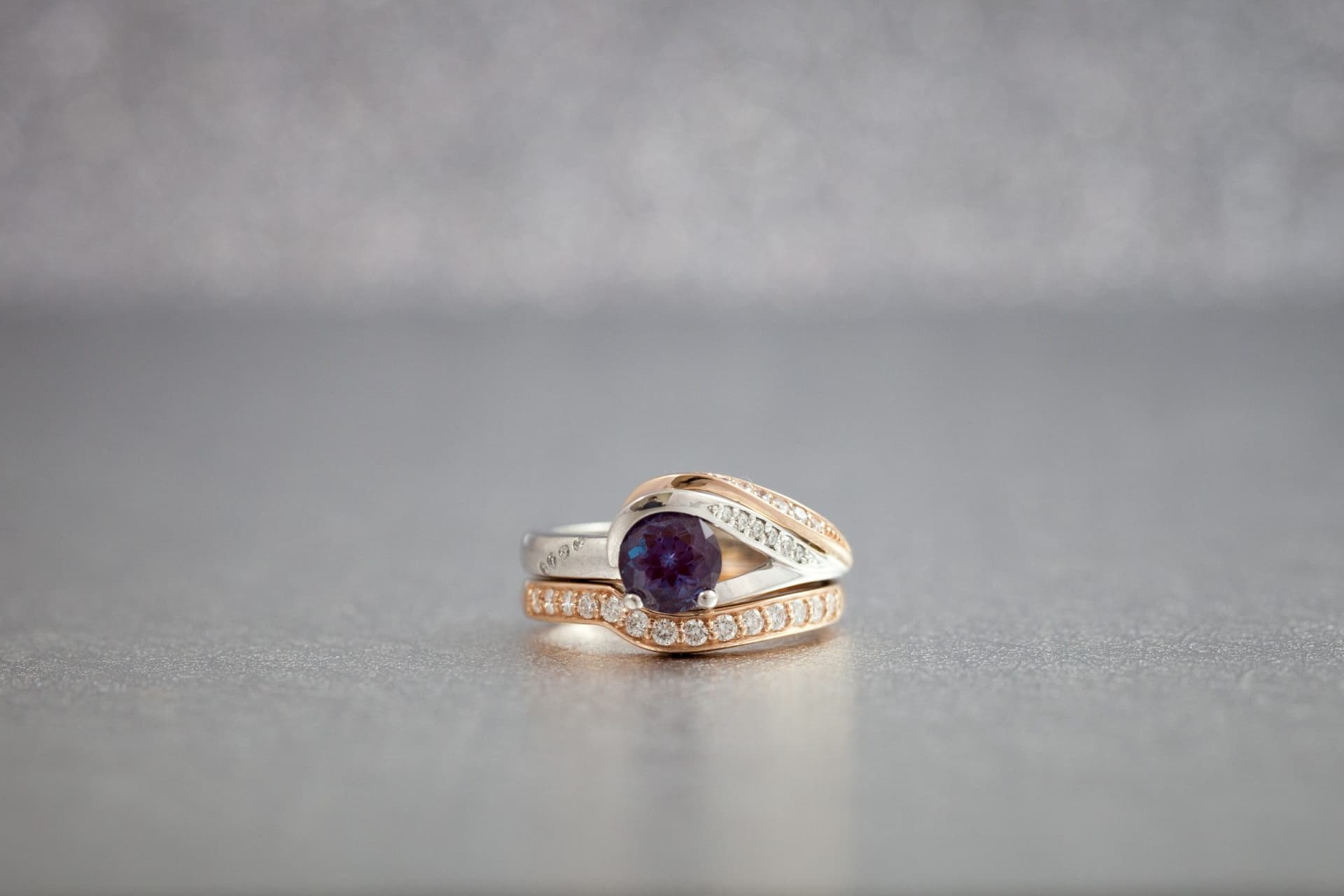
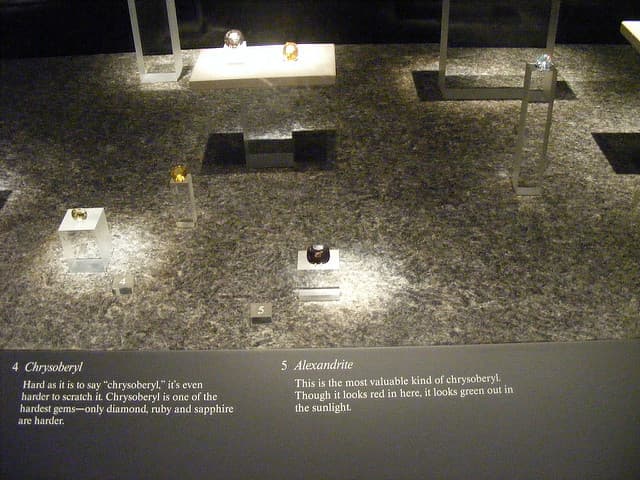
Alexandrite is a color-change variety of chrysoberyl. For gemological information about this variety, see our alexandrite gem listing. Additionally, consult our alexandrite buying guide for information about evaluating this very rare and expensive gemstone.
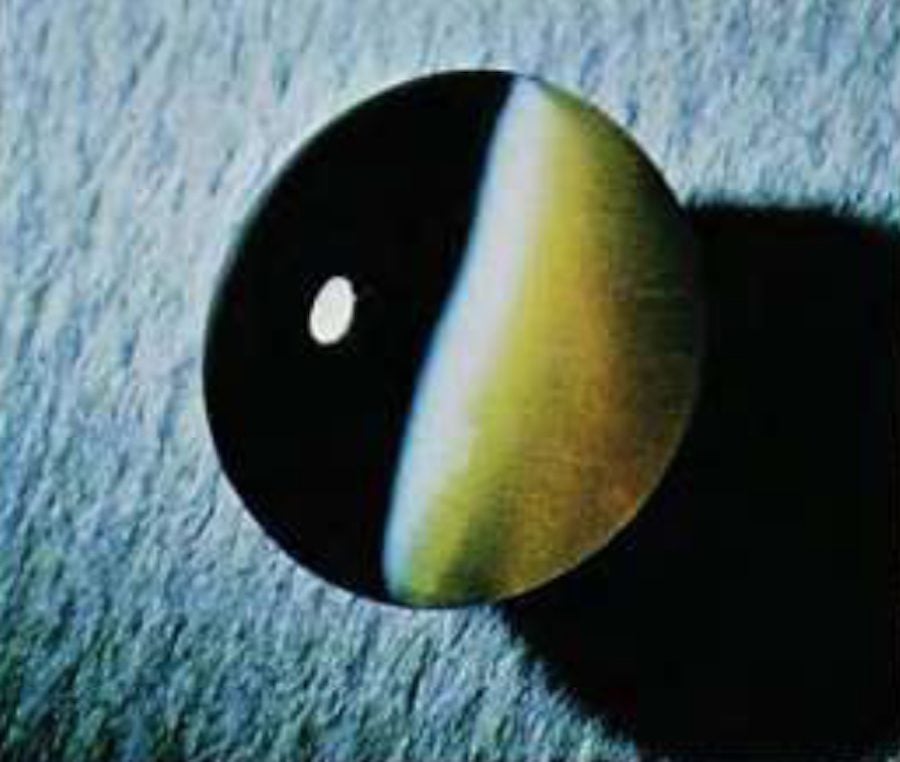
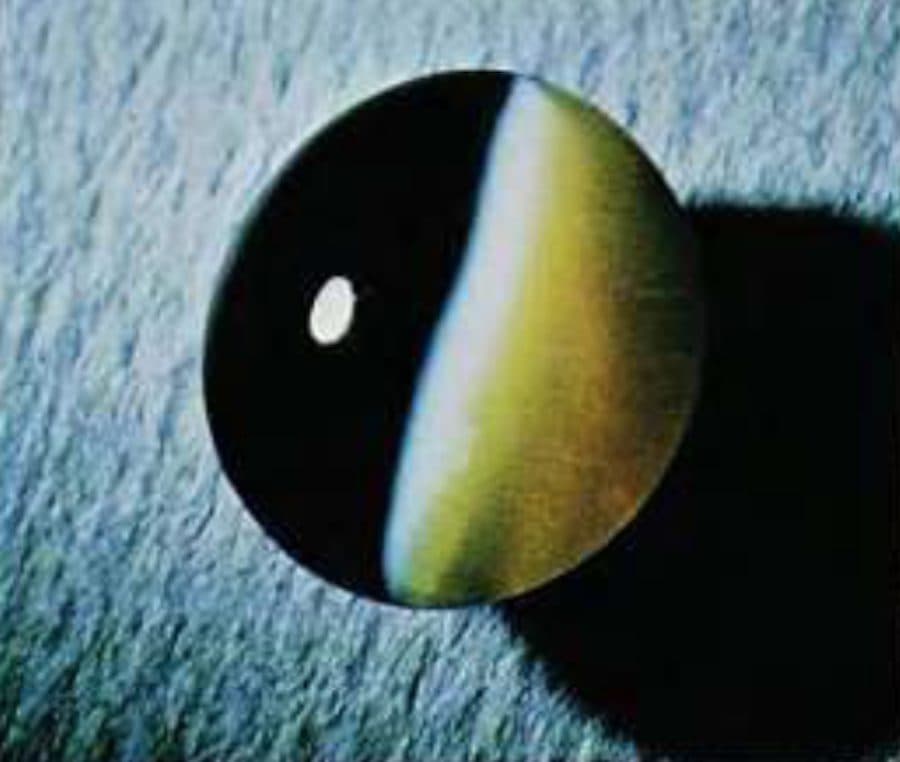
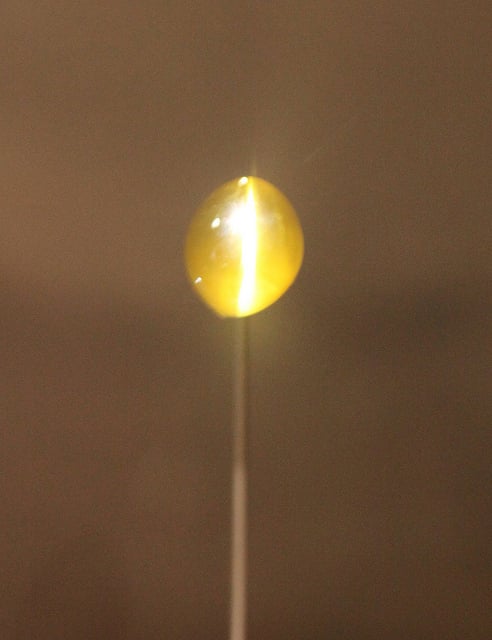
Cat's eye chrysoberyls show a sharp "eye" that looks like a cat's pupil. Known as chatoyancy, this effect can also appear in other gem species. Nevertheless, the effect is so pronounced in chrysoberyls that chatoyant chrysoberyls are often simply called "cat's eyes."
Jake Talve-Goodman of The Concierge Gemologist discusses cat's eye chrysoberyls and shows many spectacular examples of these gemstones.
Cat's eye chrysoberyl is also known as cymophane. That name comes from a Greek word meaning "appearing like a wave," alluding to the opalescent, hazy appearance of the surface of some cat's eye crystals. However, the eye of a chatoyant chrysoberyl is the sharpest of any cat's eye gemstone.
Fine silk inclusions create the cat's eye effect in chrysoberyls. However, seeing these fibers requires a microscope.
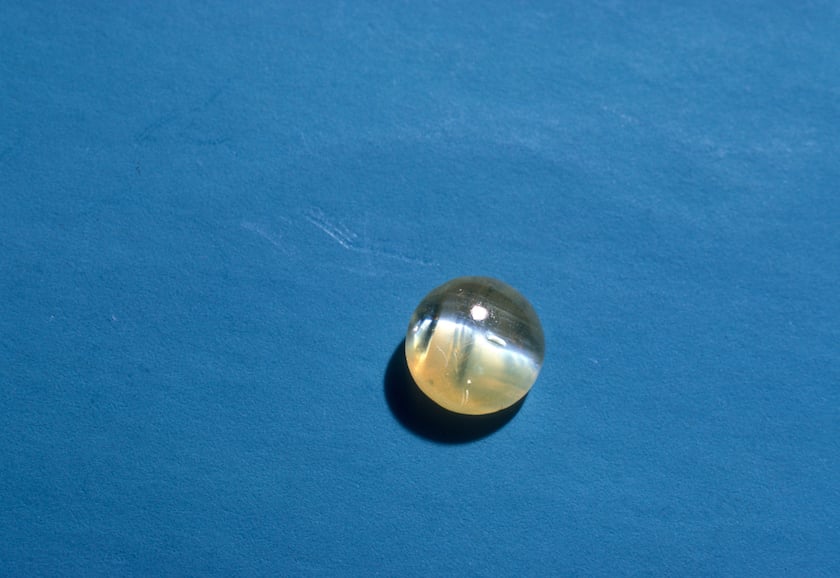
The eye in a chrysoberyl cat's eye often has a shimmering blue tone. However, the optimum color for these stones is a honey brown. When light obliquely strikes such a stone, it usually creates a shadow effect within the gem. The side away from the light is a rich brown, while the side facing the light is yellowish white. This so-called "milk and honey" look is characteristic of the finest cat's eyes. In stones over 20 carats, this look can result in very high values.
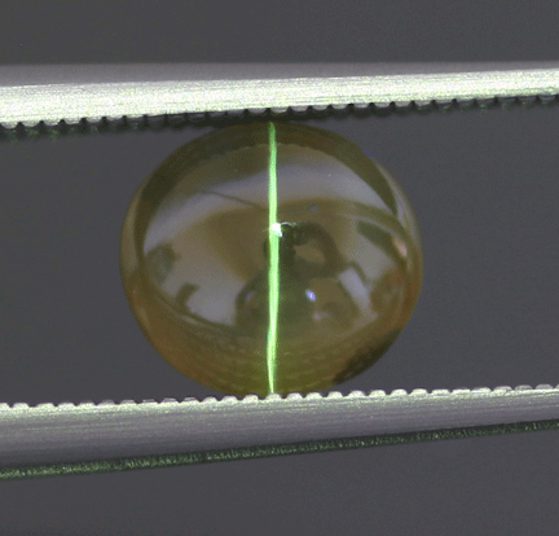

This greenish yellow chrysoberyl shows a very sharp cat's eye as well as the "milk and honey" effect. 1.16 cts, 6 x 5.5 mm, oval cabochon, Sri Lanka. © The Gem Trader. Used with permission.
Some chrysoberyls show a four-ray cross or star effect known as asterism. These "star chrysoberyls" or "star stones" are very rare.
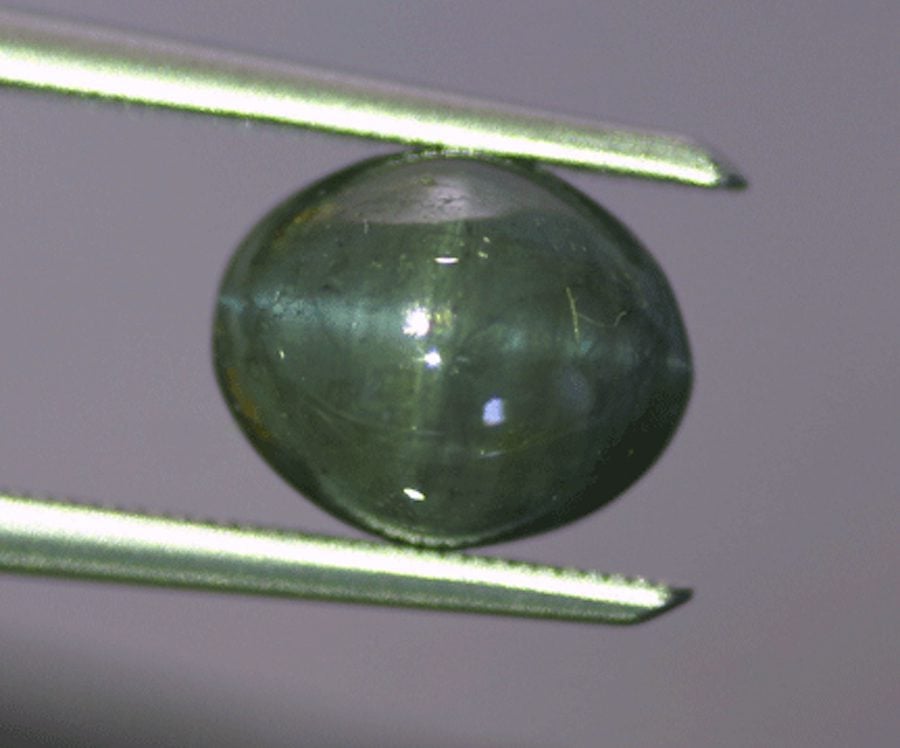
In the 19th century, yellow-green chrysoberyl was commonly known as chrysolite, a term also used to refer to peridot. The name "chrysolite" has since fallen out of use. Gemologists now recognize peridot and chrysoberyl as distinct gem species.
Despite their names, beryl and chrysoberyl are distinct gem species, though they both include the rare element beryllium in their chemical makeup.
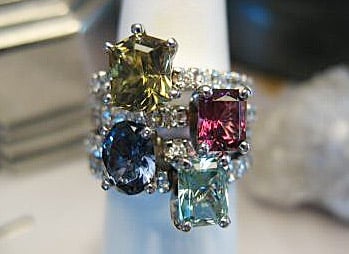
Manufacturers have synthesized all varieties of chrysoberyls. Non-chatoyant chrysoberyl stones have been flux grown since the late 19th century. Laboratories have also used melt as well as hydrothermal creation processes.
Cat's eyes have been synthesized since the 1970s and available commercially since the 1980s. As Robert E. Kane writes, gemologists can distinguish these synthetic chatoyant stones from their natural counterparts by the following characteristics:
See the alexandrite gem listing for more information on the synthesis of that gemstone.
Consult a professional gemological laboratory to distinguish synthetic from natural chrysoberyls.
Non-chatoyant chrysoberyls usually receive no treatments or enhancements. Rarely, cat's eyes receive dye, oil, or radiation treatments to enhance their colors.
Notable sources of non-alexandrite, gem-quality chrysoberyls include the following:
See the alexandrite gem listing for information on the sources of that particular variety.
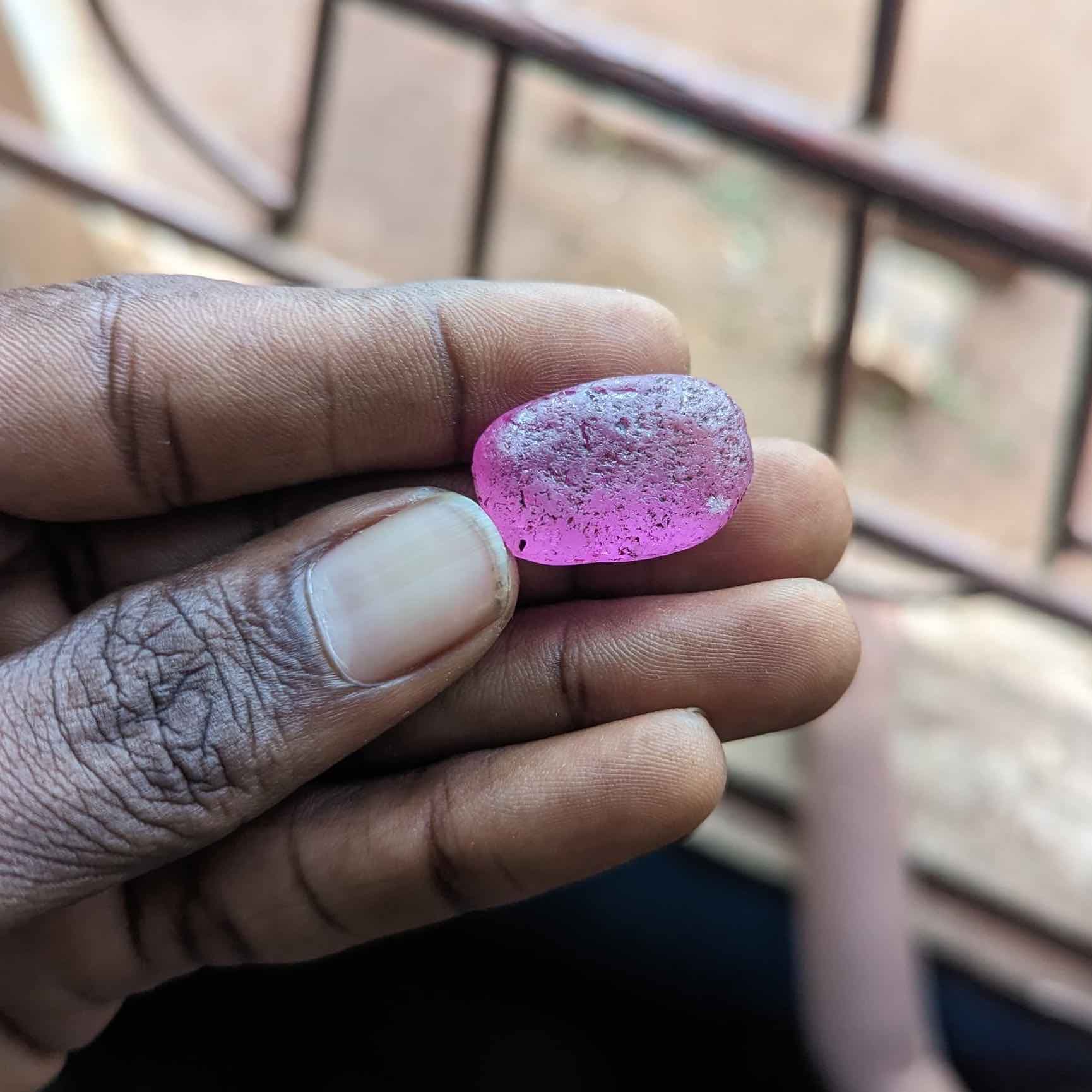
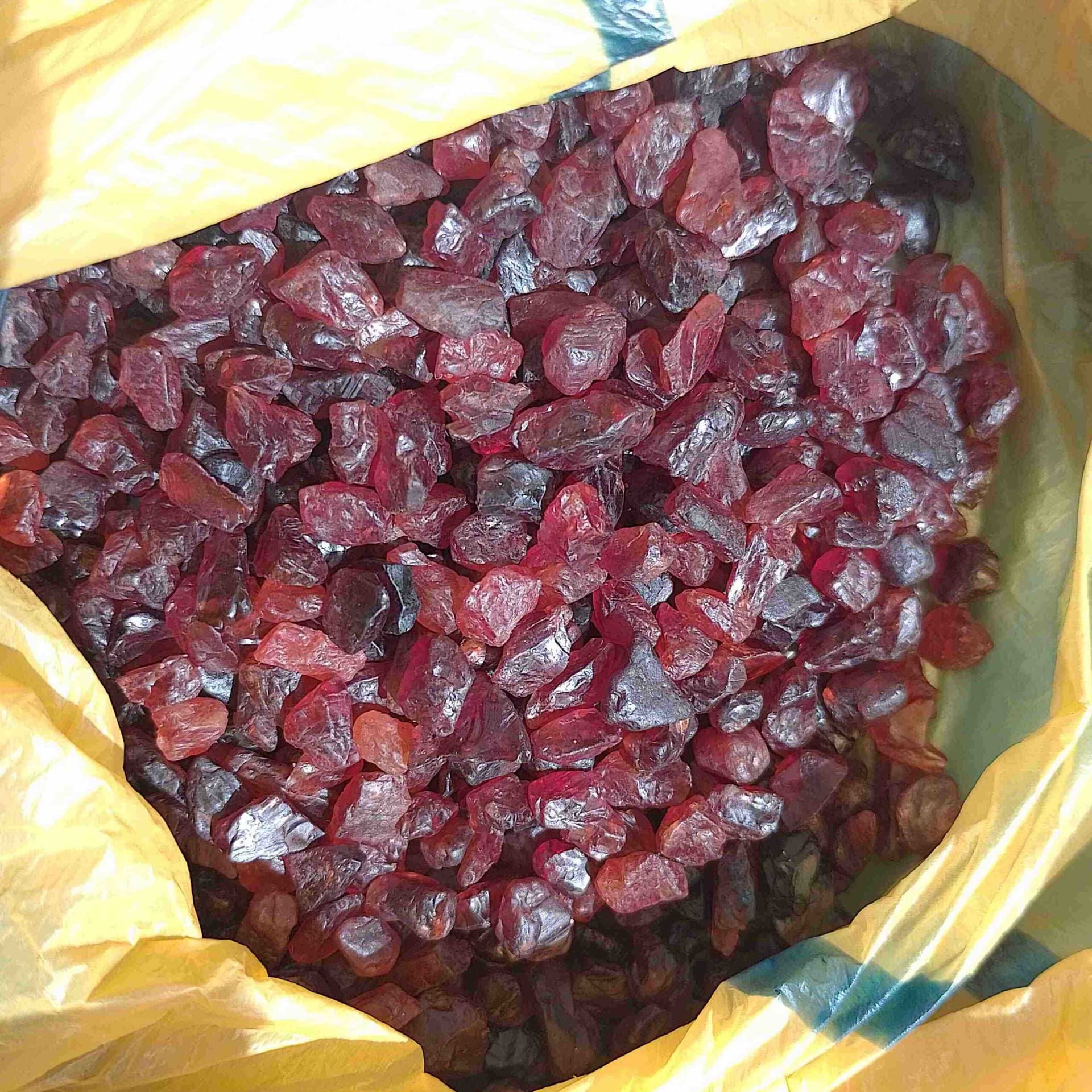
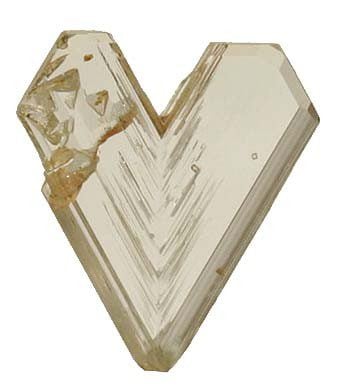
Facetable non-chatoyant chrysoberyl rough occurs in sizes up to several hundred carats. Cat's eye rough of similar size has also been found.
Faceted gems over 40-50 carats are very rare. The world's largest cut cat's eye is "The Eye of The Lion," a dark, greenish yellow 465-ct oval cabochon, cut from a piece of Sri Lankan rough weighing over 700 carats.
The world's largest faceted chrysoberyl is a flawless 245-ct, slightly yellowish green oval-cut gem from Sri Lanka.
Chrysoberyls require no special care. They can be cleaned mechanically, per the machine's instructions, or with warm, soapy water and a brush. Consult our gemstone jewelry cleaning guide for more recommendations.

When you join the IGS community, you get trusted diamond & gemstone information when you need it.
All varieties of chrysoberyl can make prized and durable stones for any kind of jewelry setting.
The transparent variety of chrysoberyl makes a handsome faceted gem. With indistinct cleavage and hardness of 8.5, it's one of the toughest stones for jewelry purposes. In general, the bright yellow and yellow-green shades are the most desirable colors, but some of the browns are also striking. Properly cut gems are very , although they lack fire due to low . from Australia have such unusually high they could be misidentified as yellow-brown .
Chatoyant or cat's eye chrysoberyls are cabbed to display their spectacular eyes.
Despite chrysoberyl's durability, gem cutters should take care when working with this material because it has some sensitivity to knocks and extreme heat. However, these sensitivities don't apply to normal jewelry wear.
Alexandrite is a color-change variety of chrysoberyl. For gemological information about this variety, see our alexandrite gem listing. Additionally, consult our alexandrite buying guide for information about evaluating this very rare and expensive gemstone.
Cat's eye chrysoberyls show a sharp "eye" that looks like a cat's pupil. Known as chatoyancy, this effect can also appear in other gem species. Nevertheless, the effect is so pronounced in chrysoberyls that chatoyant chrysoberyls are often simply called "cat's eyes."
Jake Talve-Goodman of The Concierge Gemologist discusses cat's eye chrysoberyls and shows many spectacular examples of these gemstones.
Cat's eye chrysoberyl is also known as cymophane. That name comes from a Greek word meaning "appearing like a wave," alluding to the opalescent, hazy appearance of the surface of some cat's eye crystals. However, the eye of a chatoyant chrysoberyl is the sharpest of any cat's eye gemstone.
Fine silk inclusions create the cat's eye effect in chrysoberyls. However, seeing these fibers requires a microscope.
The eye in a chrysoberyl cat's eye often has a shimmering blue tone. However, the optimum color for these stones is a honey brown. When light obliquely strikes such a stone, it usually creates a shadow effect within the gem. The side away from the light is a rich brown, while the side facing the light is yellowish white. This so-called "milk and honey" look is characteristic of the finest cat's eyes. In stones over 20 carats, this look can result in very high values.
This greenish yellow chrysoberyl shows a very sharp cat's eye as well as the "milk and honey" effect. 1.16 cts, 6 x 5.5 mm, oval cabochon, Sri Lanka. © The Gem Trader. Used with permission.
Some chrysoberyls show a four-ray cross or star effect known as asterism. These "star chrysoberyls" or "star stones" are very rare.
In the 19th century, yellow-green chrysoberyl was commonly known as chrysolite, a term also used to refer to peridot. The name "chrysolite" has since fallen out of use. Gemologists now recognize peridot and chrysoberyl as distinct gem species.
Despite their names, beryl and chrysoberyl are distinct gem species, though they both include the rare element beryllium in their chemical makeup.
Manufacturers have synthesized all varieties of chrysoberyls. Non-chatoyant chrysoberyl stones have been flux grown since the late 19th century. Laboratories have also used melt as well as hydrothermal creation processes.
Cat's eyes have been synthesized since the 1970s and available commercially since the 1980s. As Robert E. Kane writes, gemologists can distinguish these synthetic chatoyant stones from their natural counterparts by the following characteristics:
See the alexandrite gem listing for more information on the synthesis of that gemstone.
Consult a professional gemological laboratory to distinguish synthetic from natural chrysoberyls.
Non-chatoyant chrysoberyls usually receive no treatments or enhancements. Rarely, cat's eyes receive dye, oil, or radiation treatments to enhance their colors.
Notable sources of non-alexandrite, gem-quality chrysoberyls include the following:
See the alexandrite gem listing for information on the sources of that particular variety.
Facetable non-chatoyant chrysoberyl rough occurs in sizes up to several hundred carats. Cat's eye rough of similar size has also been found.
Faceted gems over 40-50 carats are very rare. The world's largest cut cat's eye is "The Eye of The Lion," a dark, greenish yellow 465-ct oval cabochon, cut from a piece of Sri Lankan rough weighing over 700 carats.
The world's largest faceted chrysoberyl is a flawless 245-ct, slightly yellowish green oval-cut gem from Sri Lanka.
Chrysoberyls require no special care. They can be cleaned mechanically, per the machine's instructions, or with warm, soapy water and a brush. Consult our gemstone jewelry cleaning guide for more recommendations.


Many different minerals can produce cat’s eye gems, but when the term “cat’s eye” is used alone it always refers to the rare gemstone chrysoberyl. Chatoyant chrysoberyls are cut into cabochons to best display their spectacular eyes. However, not all chrysoberyls show this chatoyant effect. Transparent to translucent chrysoberyl without a cat’s eye can make a wonderful faceted stone.