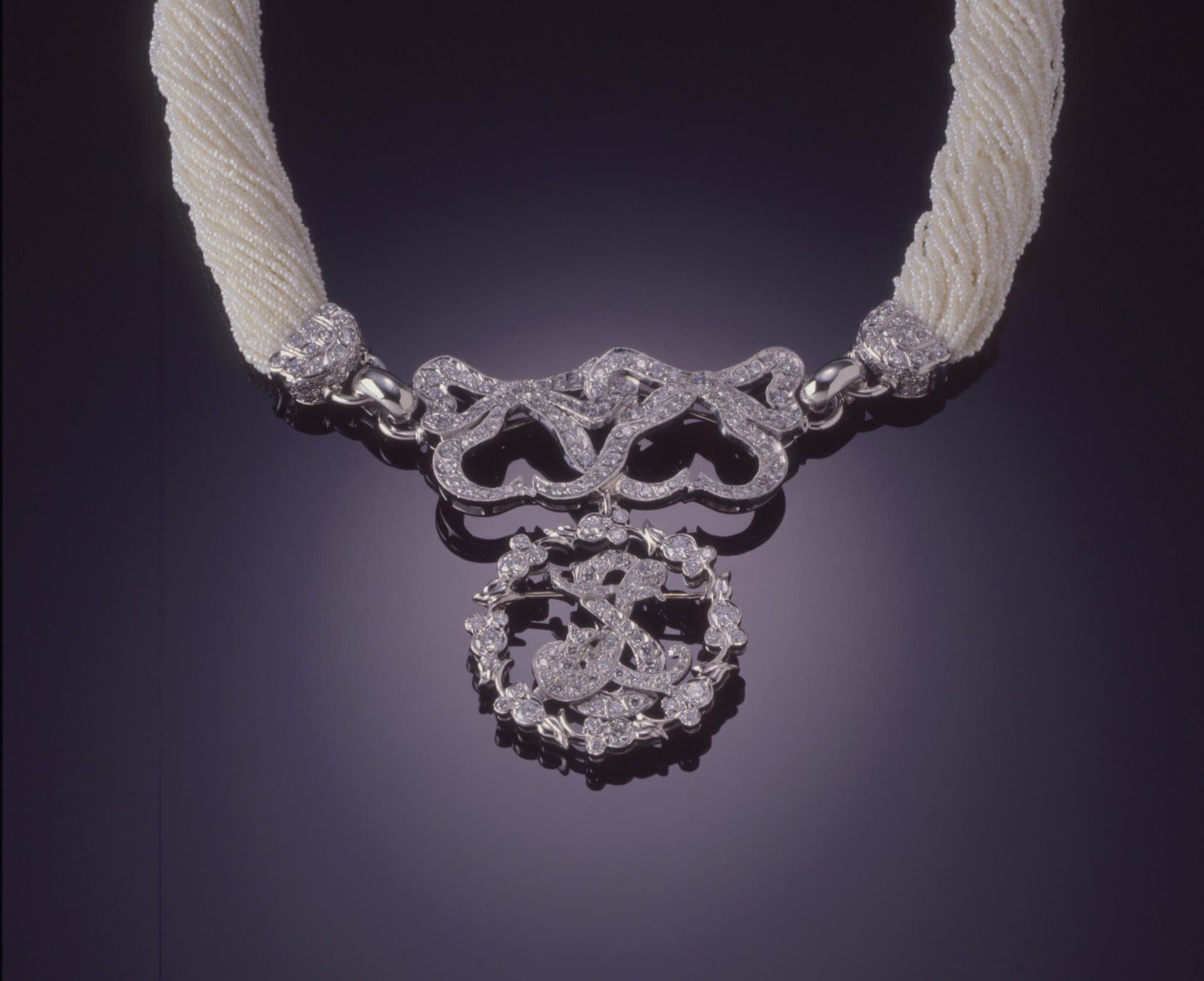
Belle Époque jewelry combined opulent but graceful metalwork with a variety of gems. Learn more about this style and how it inspires modern jewelry makers.
3 Minute Read
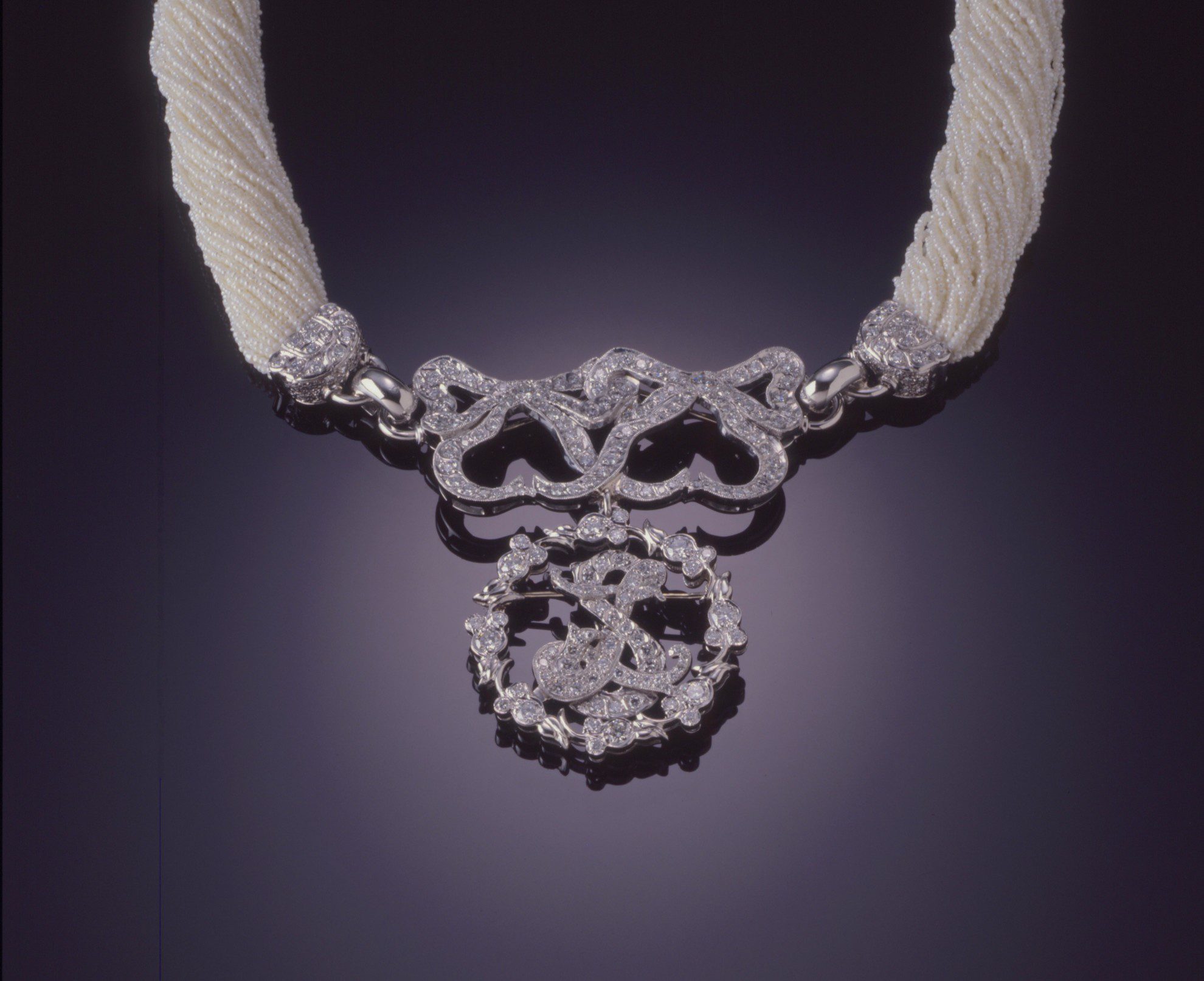
Belle Époque jewelry included machine created as well as handcrafted pieces. However, the Arts and Crafts movement was a response against the use of machines. Thus, Arts and Crafts jewelry was all hand-fabricated. This design period was brief due to incredibly labor-intensive techniques, which made the jewelry too expensive.
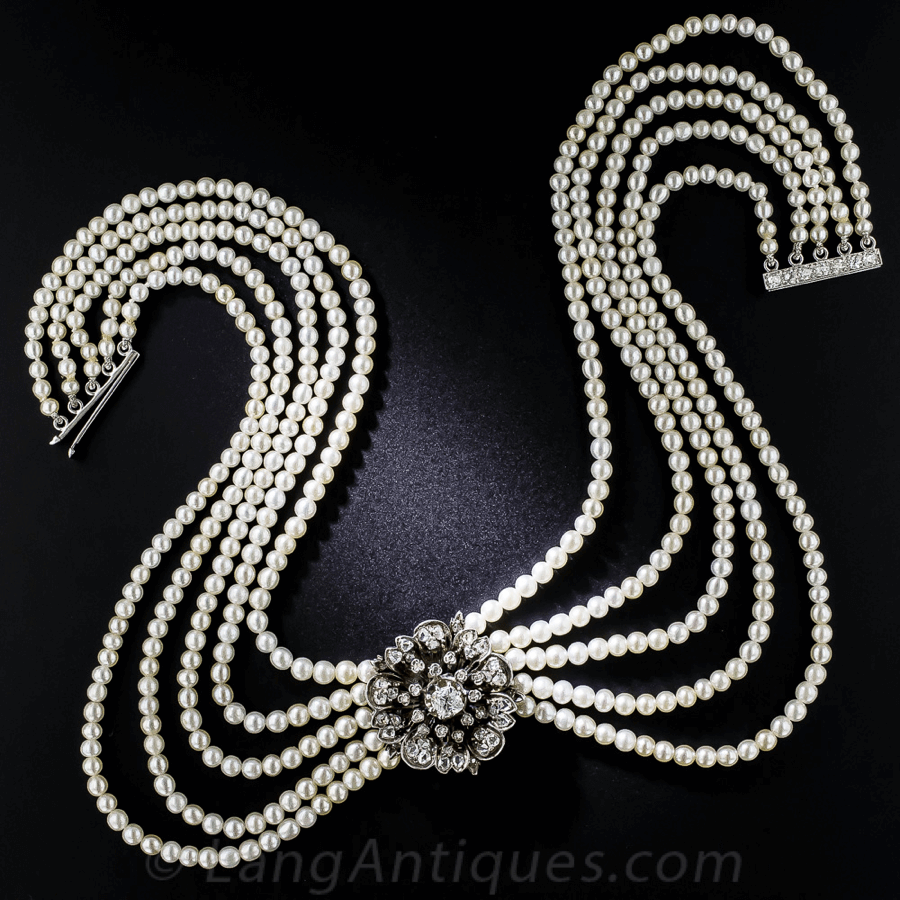
Cultured pearls appeared on the scene and were often used in Belle Époque jewelry, in addition to natural freshwater and saltwater pearls.
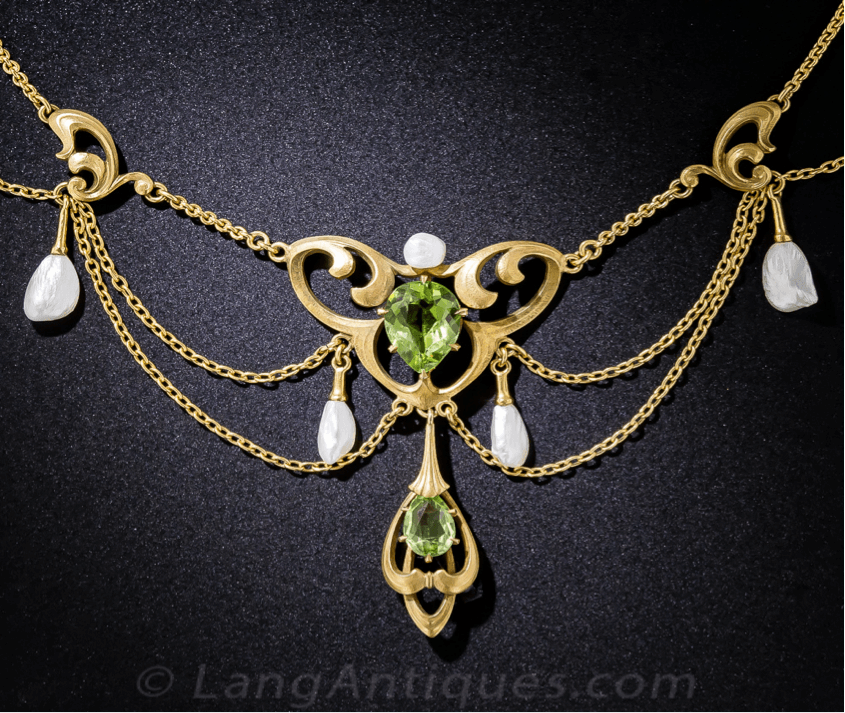
Jewelry makers of the Art Nouveau period strived to capture the movement of nature in wearable works of art. The jewelry designs seemed to come straight from paintings or the natural environment.
Fluid lines and asymmetrical patterns were common motifs. Female forms and nature scenes, including flowers, insects, lizards, and snakes, often graced jewelry pieces from this period. Jewelry makers commonly used gold, silver, and platinum.
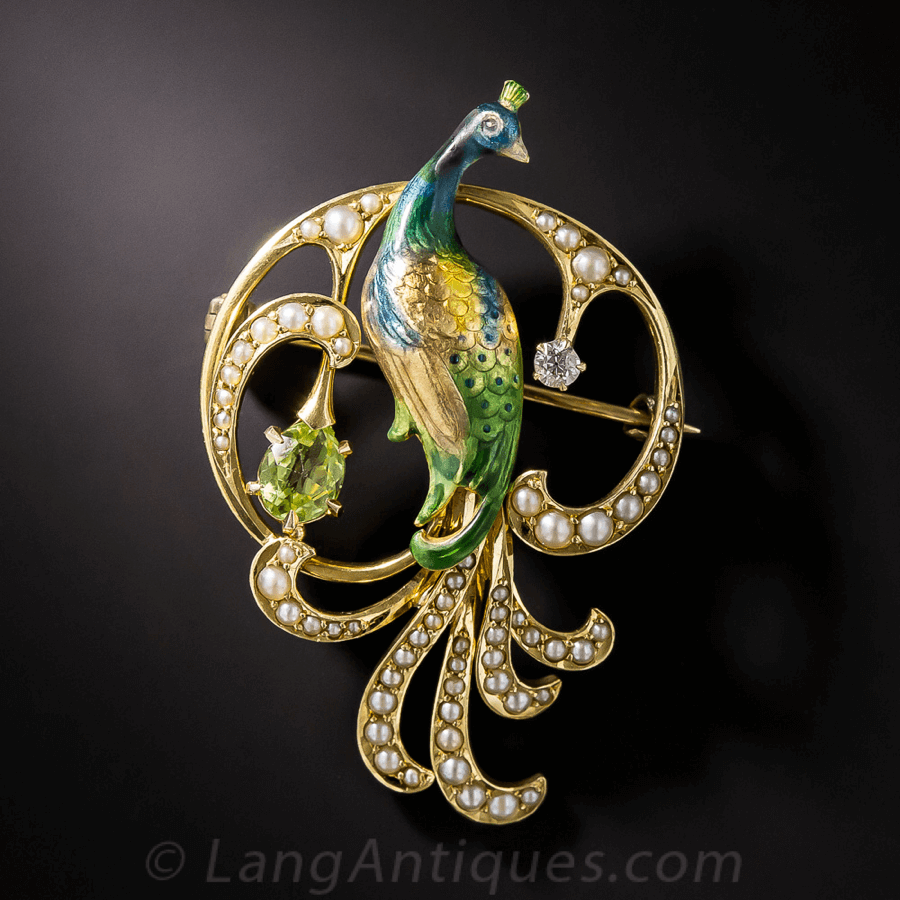
Enameling dominated Belle Époque jewelry of the Art Nouveau. Methods used included the following:
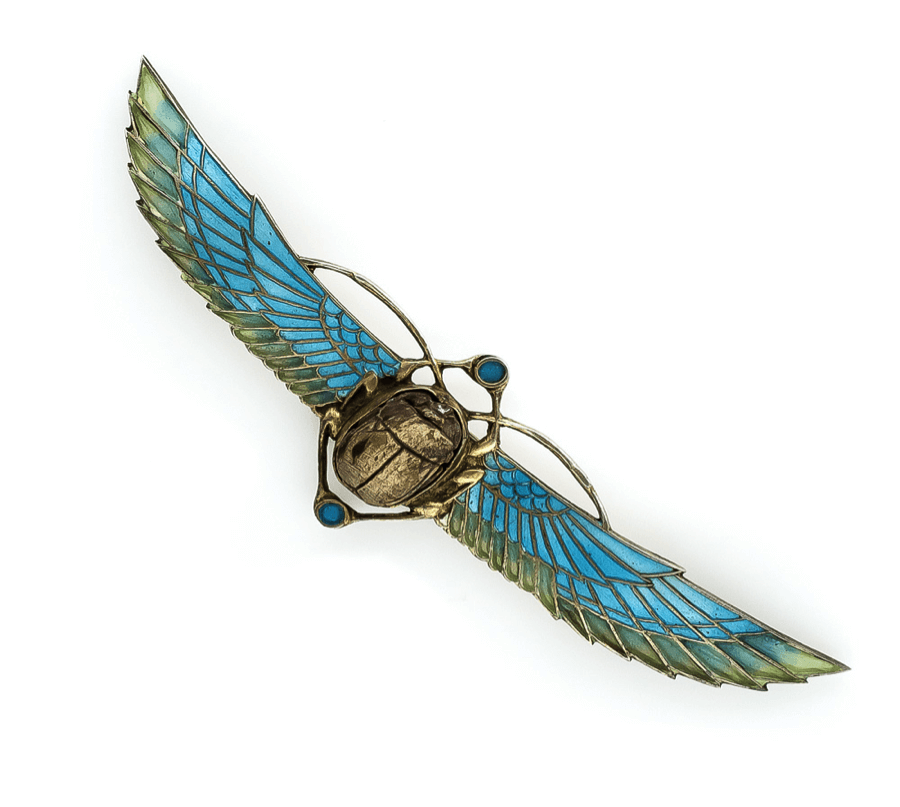
The gem materials most popular during the Art Nouveau were amber, celluloid (plastic), chrysoberyl, crystal glass, demantoid garnet, horn, malachite, moonstone, opal, tortoise shell, and tourmaline.
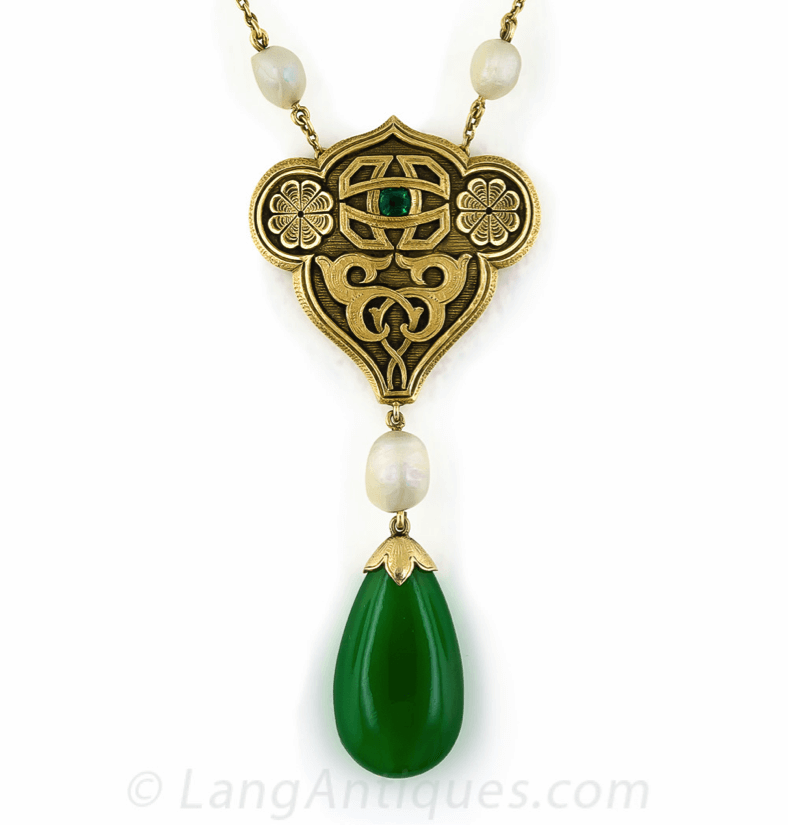
The jewelry created in this style was an attempt to reclaim art from the machine. However, this return to the old ways was short-lived and not very popular. Arts and Crafts jewelry pieces featured very simple designs. The intricacy of the metalwork was the focal point. Semi-precious gems, non-precious metals, and enameling were commonly used.
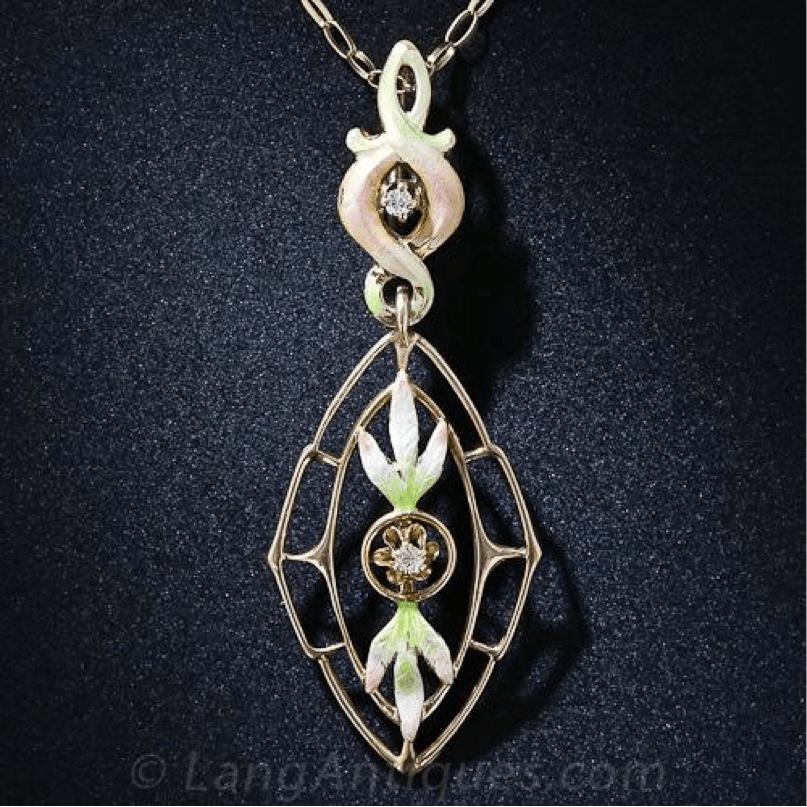
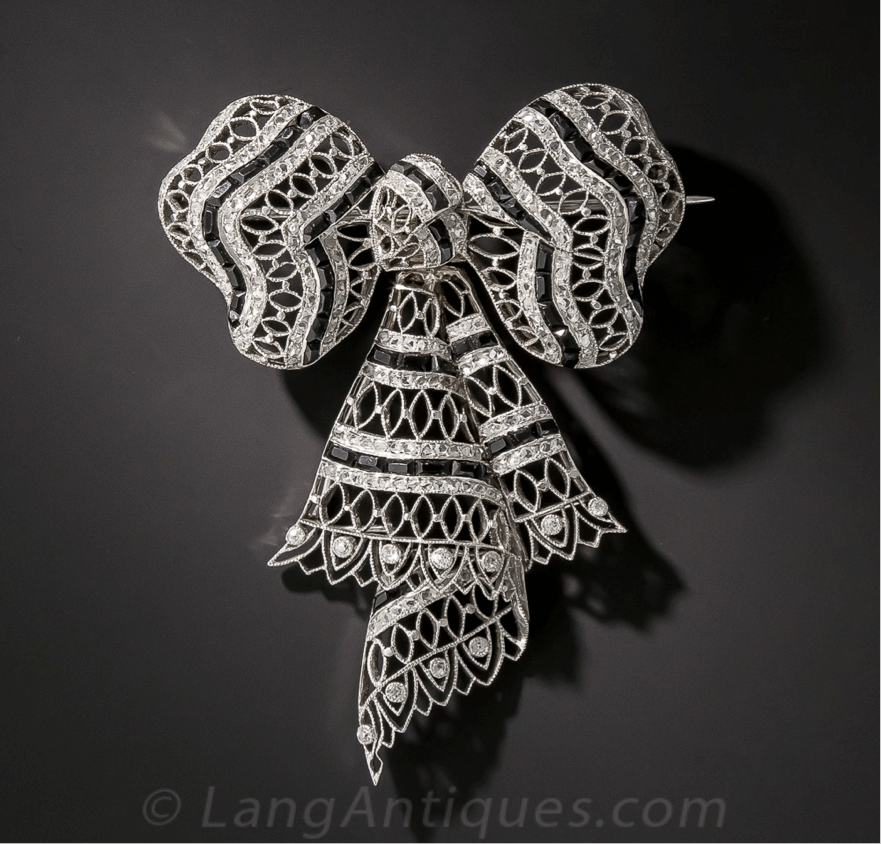
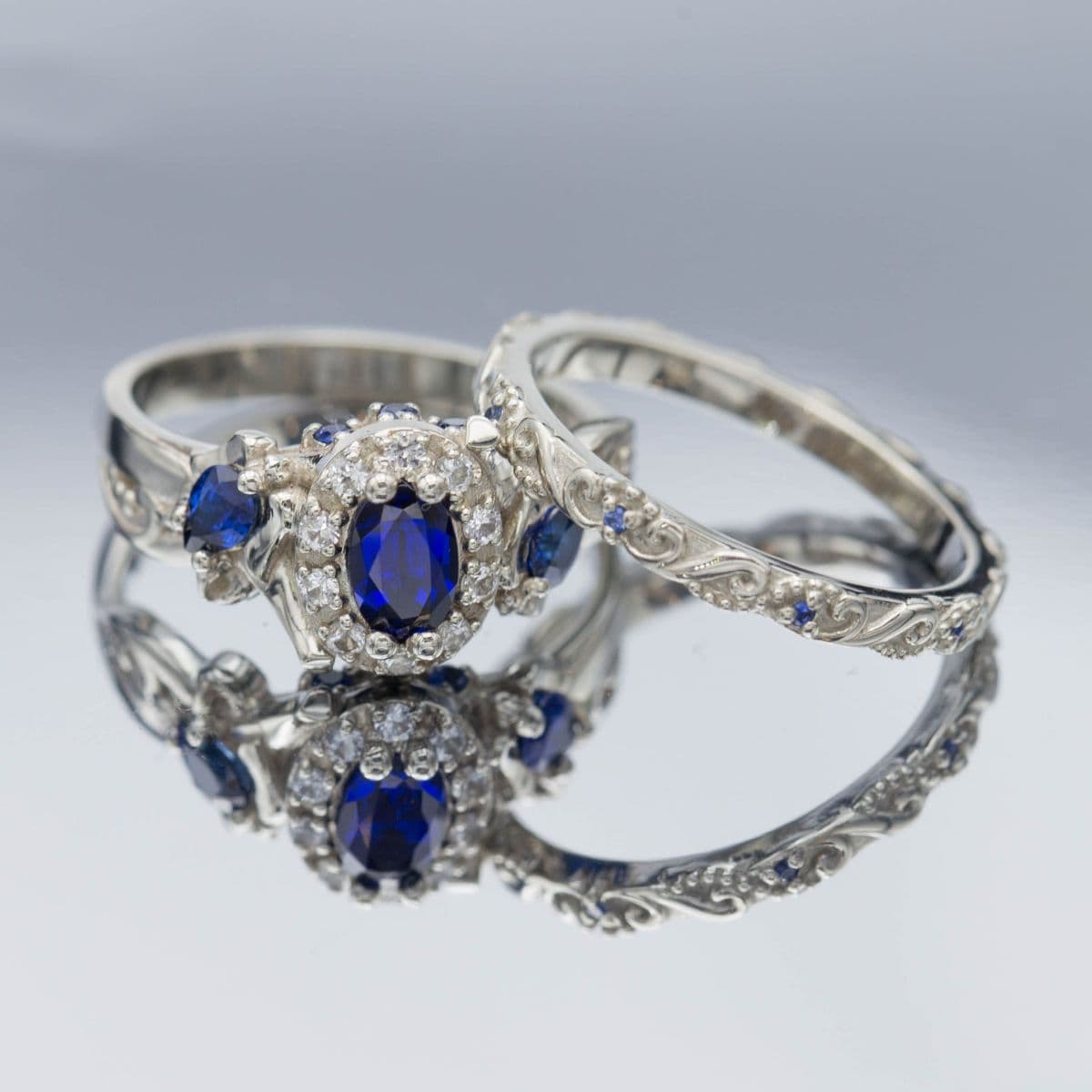
The Edwardian period covered the reign of King Edward of Great Britain and his trendsetting queen, Alexandra. The jewelry from this period was very light and delicate. Diamonds took center stage, while colored gemstones played supporting roles. Some of the most popular included amethyst, aquamarine, emerald, garnet, moonstone, opal, pearl, peridot, ruby, and sapphire.
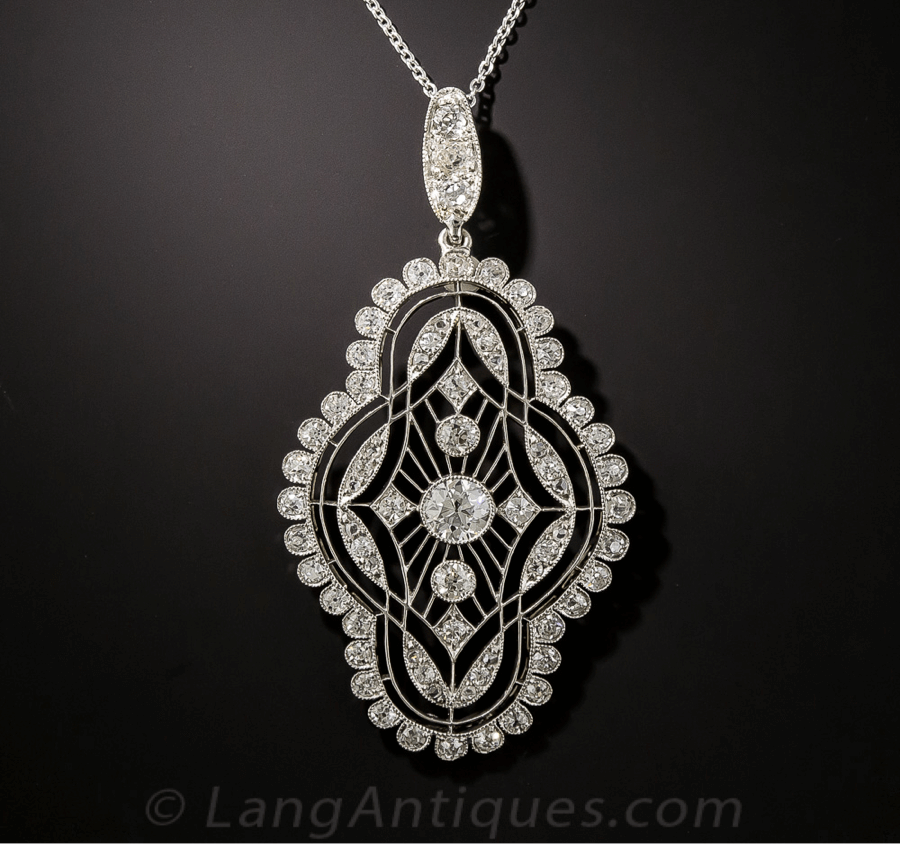
Platinum dominated as a jewelry metal. The strength of platinum, in particular, played an important role in Edwardian jewelry making. Thin bridges of platinum created delicate and lacy designs scattered with gemstones held tightly in place by the strong metal. In addition, jewelry makers frequently used rolled gold, multi-colored gold, and silver. The Japanese art of enameling was a prominent feature in the Belle Époque jewelry of this time.
Common motifs were bows, crescent moons with stars, flowers, horseshoes, shamrocks, sporting themes, and wishbones.
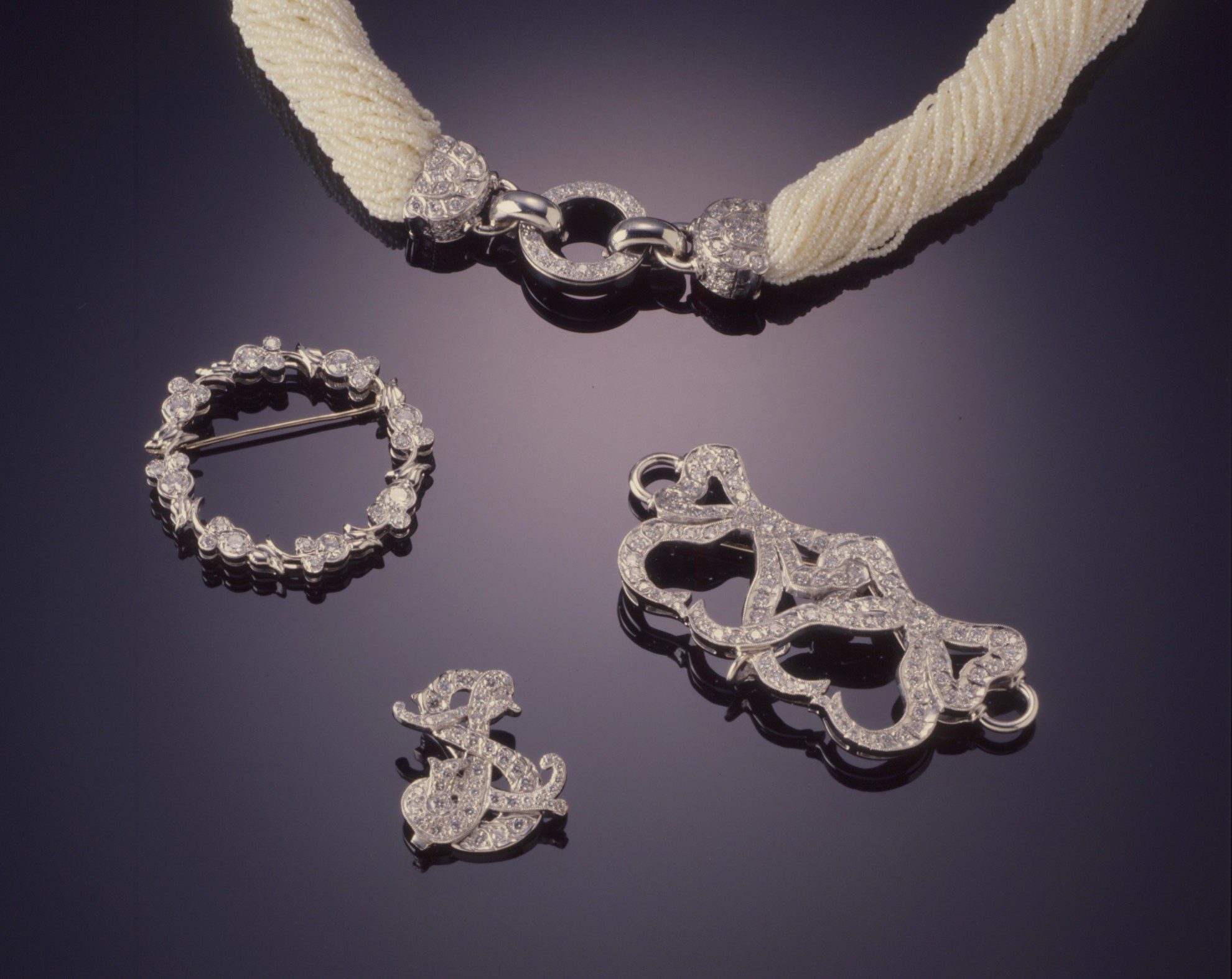
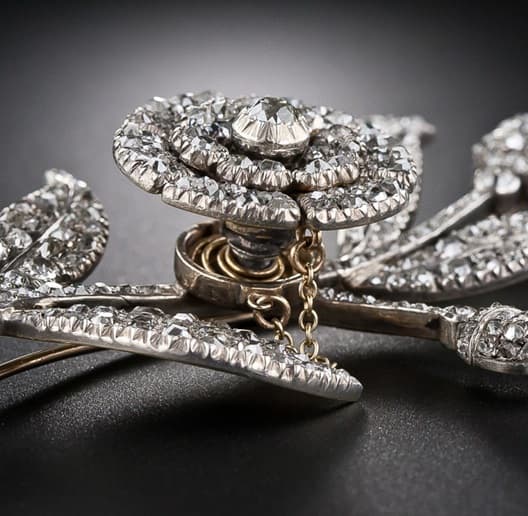
The carnage of World War I halted the artistry and opulence of Belle Époque jewelry. Instead of jewelry, the world became focused on fighting a war and wishing brave young men safely home. Nevertheless, the designs of that time period continue to inspire the creations of jewelry makers to this day, and the jewelry pieces from that bygone era are highly prized treasures.

When you join the IGS community, you get trusted diamond & gemstone information when you need it.
Belle Époque jewelry included machine created as well as handcrafted pieces. However, the Arts and Crafts movement was a response against the use of machines. Thus, Arts and Crafts jewelry was all hand-fabricated. This design period was brief due to incredibly labor-intensive techniques, which made the jewelry too expensive.
Cultured pearls appeared on the scene and were often used in Belle Époque jewelry, in addition to natural freshwater and .
Jewelry makers of the Art Nouveau period strived to capture the movement of nature in wearable works of art. The jewelry designs seemed to come straight from paintings or the natural environment.
Fluid lines and asymmetrical patterns were common motifs. Female forms and nature scenes, including flowers, insects, lizards, and snakes, often graced jewelry pieces from this period. Jewelry makers commonly used gold, silver, and platinum.
Enameling dominated Belle Époque jewelry of the Art Nouveau. Methods used included the following:
The gem materials most popular during the Art Nouveau were amber, celluloid (plastic), chrysoberyl, crystal glass, demantoid garnet, horn, malachite, moonstone, opal, tortoise shell, and tourmaline.
The jewelry created in this style was an attempt to reclaim art from the machine. However, this return to the old ways was short-lived and not very popular. Arts and Crafts jewelry pieces featured very simple designs. The intricacy of the metalwork was the focal point. Semi-precious gems, non-precious metals, and enameling were commonly used.
The Edwardian period covered the reign of King Edward of Great Britain and his trendsetting queen, Alexandra. The jewelry from this period was very light and delicate. Diamonds took center stage, while colored gemstones played supporting roles. Some of the most popular included amethyst, aquamarine, emerald, garnet, moonstone, opal, pearl, peridot, ruby, and sapphire.
Platinum dominated as a jewelry metal. The strength of platinum, in particular, played an important role in Edwardian jewelry making. Thin bridges of platinum created delicate and lacy designs scattered with gemstones held tightly in place by the strong metal. In addition, jewelry makers frequently used rolled gold, multi-colored gold, and silver. The Japanese art of enameling was a prominent feature in the Belle Époque jewelry of this time.
Common motifs were bows, crescent moons with stars, flowers, horseshoes, shamrocks, sporting themes, and wishbones.
The carnage of World War I halted the artistry and opulence of Belle Époque jewelry. Instead of jewelry, the world became focused on fighting a war and wishing brave young men safely home. Nevertheless, the designs of that time period continue to inspire the creations of jewelry makers to this day, and the jewelry pieces from that bygone era are highly prized treasures.